
Hotel guests notice the lobby before they notice the room. A weak floral display can make even a polished property feel less cared for.
Artificial flowers for hotels boost guest impressions in 2025 by creating consistent beauty in lobbies, reception areas, restaurants, spas, suites, corridors, and event spaces. The best designs look realistic, match the hotel brand, reduce daily maintenance, and keep public areas fresh without constant replacement.
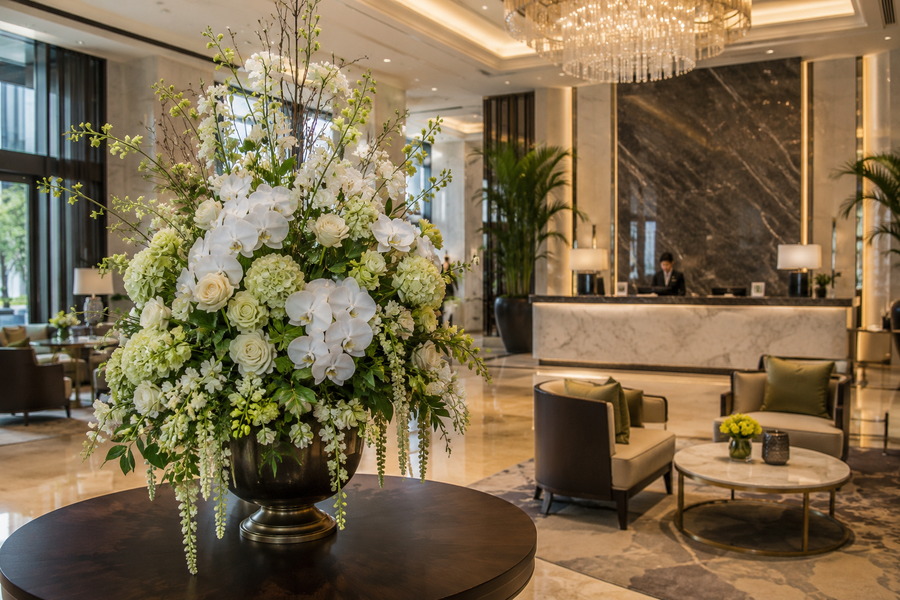
Hotel design in 2025 continues to focus on calming spaces, natural materials, greenery, and organic textures that support better guest experiences. Artificial flowers fit this direction when hotels want a nature-inspired look but need stronger control over maintenance, cost, timing, and long-term presentation.
Why Do Hotels Use Artificial Flowers to Improve Guest Impressions?
A hotel may have beautiful architecture, but empty counters, cold corners, and plain lounge tables can still feel unfinished.
Hotels use artificial flowers to improve guest impressions because they provide reliable visual freshness without wilting, watering, daily replacement, or strict light conditions. They help hospitality spaces look welcoming, polished, and consistent throughout the day.
Guests judge care through small details
A floral arrangement is not only decoration. It is a sign of care. When guests see fresh-looking orchids at reception, soft roses on a lounge table, or a sculptural lobby arrangement, the space feels more prepared. The hotel feels more attentive.
This matters because guest impressions are shaped by the whole environment. A lobby should feel clean, warm, and memorable. A restaurant should feel inviting. A spa should feel calm. A suite should feel considered. Artificial flowers help hotels create these feelings in a stable way.
Luxury hotels have long used flowers to create powerful impressions. Architectural Digest reported that the Four Seasons Hotel George V in Paris used dramatic floral displays throughout the property, with thousands of stems replaced weekly and an annual flower budget above $1 million. Most hotels cannot operate at that scale. Artificial flowers give many hospitality buyers a more practical way to create a premium floral look.
| Hotel Challenge | Artificial Flower Advantage | Best Use |
|---|---|---|
| Fresh flowers wilt quickly | Long-lasting visual freshness | Lobby and reception |
| Daily care takes staff time | No watering or trimming | Public areas |
| Low-light corners need softness | No sunlight required | Corridors and lounges |
| Seasonal flowers cost more | Stable year-round style | Guest-facing spaces |
| Event décor needs reuse | Pieces can be stored and reused | Ballrooms and weddings |
| Multi-location brands need consistency | Same style can repeat | Hotel chains |
Artificial flowers support biophilic hospitality design
Biophilic design is widely discussed in hospitality because it connects interiors with nature, greenery, light, organic materials, and calm sensory cues. A 2025 study on hotel biophilic design notes that hotel servicescapes can include natural light, skylights, potted plants, and indoor green features.
Artificial flowers do not replace living plants in every way. They do not grow or support biodiversity. But they can support the visual side of biophilic design in spaces where live plants or fresh flowers are difficult to maintain. In a low-light corridor, an air-conditioned lobby, or a high-traffic reception zone, realistic faux florals can still make the environment feel softer and more welcoming.
Where Should Hotels Place Artificial Flowers for the Strongest Impact?
A good flower arrangement in the wrong place becomes invisible. Hotels should place flowers where guests pause, interact, and form opinions.
The strongest places for artificial flowers in hotels are lobbies, reception desks, lounge tables, restaurants, bars, spas, guest rooms, corridors, elevator areas, conference rooms, ballrooms, and photo-friendly event backdrops.
Start with first-impression zones
The lobby is the most valuable floral location. It is where guests enter, wait, check in, meet people, and take photos. A large orchid, hydrangea, rose, or magnolia arrangement can make the space feel more complete. The design should match the hotel’s scale. A grand lobby needs height and volume. A boutique lobby needs restraint and detail.
The reception desk is another high-impact area. Flowers here should be elegant but practical. They should not block staff, screens, signage, payment terminals, or guest interaction. Compact orchids, roses, eucalyptus, or white hydrangeas work well.
Match flowers to the hospitality zone
| Hotel Area | Best Artificial Flower Style | Guest Impression |
|---|---|---|
| Lobby | Tall orchids, magnolia, hydrangeas | Luxury and welcome |
| Reception desk | Compact orchid or rose display | Care and professionalism |
| Lounge | Low floral bowls or greenery | Comfort and warmth |
| Restaurant | Low centerpieces | Atmosphere without blocking views |
| Bar | Dark roses, orchids, sculptural stems | Mood and style |
| Spa | White orchids, eucalyptus, lavender | Calm and wellness |
| Guest rooms | Small stems or simple vases | Personal detail |
| Ballroom | Arches, aisle flowers, table décor | Event-ready elegance |
Use flowers to guide the guest journey
Artificial flowers can help hotels create visual rhythm. A large lobby display creates the first moment. A smaller reception piece supports check-in. Restaurant flowers soften dining areas. Spa flowers create calm. Event flowers help guests recognize ceremony, reception, or photo zones.
This does not mean flowers should appear everywhere. Too many arrangements can feel cluttered. Hotels should focus on meaningful placements. A few premium pieces in high-visibility areas usually create stronger impressions than many small, average arrangements spread across the property.
How Can Hotel Buyers Choose Realistic Artificial Flowers in 2025?
A hotel should never choose artificial flowers only by price. Cheap petals, glossy leaves, and weak stems can damage the whole guest experience.
Hotel buyers should choose realistic artificial flowers by checking petal texture, color gradients, stem strength, leaf finish, vase quality, scale, cleaning access, supplier reliability, and reorder support. The best products look natural under hotel lighting and remain presentable through daily use.
Realism must pass the close-view test
Hotel guests often see flowers up close. They stand beside lobby displays. They sit near restaurant centerpieces. They check in near reception arrangements. This means artificial flowers must look convincing at a short distance.
Good artificial flowers have soft petals, natural color variation, matte leaves, secure flower heads, and bendable stems. Poor flowers often look too shiny, too flat, or too perfect. Real flowers are not identical. A realistic artificial arrangement should have slight movement, layered depth, and natural variation.
The artificial plants and flowers market is forecast to grow from US$3.5 billion in 2025 to US$5.6 billion by 2032, which reflects continued demand for long-lasting decorative greenery and floral products. This growth gives hotel buyers more options, but it also makes quality control more important.
| Buying Check | What to Look For | Why It Matters |
|---|---|---|
| Petal texture | Soft, layered, not glossy | Looks better up close |
| Color | Natural shading, muted tones | Avoids a cheap look |
| Stem strength | Wired and bendable | Helps shape arrangements |
| Flower head | Secure attachment | Prevents shedding |
| Leaves | Matte finish and varied size | Adds realism |
| Vase or planter | Ceramic, stone, glass, metal | Supports luxury image |
| Cleaning access | Easy to dust or wipe | Protects long-term appearance |
| Reorder support | Stable SKU and color | Helps hotel chains and refreshes |
Choose flowers by hotel brand
A luxury city hotel may need white orchids, magnolia branches, roses, and sculptural greenery. A resort may use tropical orchids, palms, hibiscus-style accents, and soft greenery. A boutique hotel may use seasonal wildflower-style arrangements or muted earth tones. A spa hotel may need eucalyptus, lavender, white roses, and soft neutral florals.
Luxury boutique hotel design coverage for 2025 highlights biophilic design, lush indoor gardens, natural stone finishes, and natural lighting as major guest-experience trends. Artificial flowers should support that atmosphere instead of fighting it.
How Should Hotels Maintain Artificial Flowers for Long-Term Guest Appeal?
Artificial flowers are low maintenance, but they are not no maintenance. Dusty flowers can make a hotel look careless.
Hotels should maintain artificial flowers by dusting them regularly, wiping vases and leaves, reshaping petals, rotating arrangements, replacing damaged stems, and storing seasonal pieces in labeled boxes. A simple care schedule keeps floral décor guest-ready.
Dust control is part of luxury
Dust is one of the fastest ways artificial flowers lose their appeal. In hotels, dust can collect from air conditioning, luggage movement, cleaning activity, and high guest traffic. White flowers show marks. Dark greenery shows dust. Delicate petals can look tired if they are not reshaped.
The cleaning method should match the flower type. Broad leaves can be wiped with a microfiber cloth. Delicate petals can be cleaned with a soft brush. Large lobby arrangements should be inspected during low-traffic hours. Restaurant and bar flowers should be checked more often because guests sit close to them.
| Maintenance Timing | Task | Best Practice |
|---|---|---|
| Daily | Quick visual check | Remove visible dust or debris |
| Weekly | Light dusting | Use microfiber cloth or soft brush |
| Monthly | Reshape stems and petals | Restore natural movement |
| Quarterly | Deep inspection | Replace damaged stems |
| Seasonally | Refresh accents | Change colors, ribbons, or vases |
| Annually | Review full inventory | Retire faded or outdated designs |
Store event and seasonal flowers correctly
Hotels often use artificial flowers for weddings, Christmas displays, Ramadan décor, corporate events, banquets, and photo areas. These pieces should be packed like inventory, not random props.
Large blooms need space so they do not flatten. White flowers should be protected from color transfer. Garlands should be stored without tangling. Boxes should be labeled by event area, color, product type, and date. This makes future installations faster and protects the investment.
My insights: Artificial Flowers for Hotels-Boost Guest Impressions in 2025
Many hotels think artificial flowers are only a cost-saving choice. That is too narrow. The real value is consistent guest experience.
Artificial flowers for hotels boost guest impressions in 2025 when they look realistic, match the brand, stay clean, and appear in the right guest touchpoints. They help hotels create a fresh, welcoming, and premium atmosphere with less daily floral pressure.
The best floral strategy follows the guest journey
My main insight is that hotel flowers should be planned around guest movement. The first arrangement should welcome. The second should reassure. The third should support comfort. The fourth should create memory.
A lobby display welcomes. A reception arrangement reassures guests that the space is cared for. Restaurant flowers support comfort. Event backdrops and photo areas create memory. When artificial flowers are used this way, they become part of hospitality design, not simple decoration.
A practical hotel decision framework
| Hotel Goal | Best Artificial Flower Strategy |
|---|---|
| Improve first impressions | Invest in a premium lobby arrangement |
| Make reception warmer | Use compact orchids or roses |
| Upgrade restaurants | Use low, easy-clean centerpieces |
| Support wellness spaces | Use eucalyptus, lavender, and white orchids |
| Improve event revenue | Use reusable arches, backdrops, and table flowers |
| Keep multi-location consistency | Buy stable SKUs and repeatable arrangements |
| Reduce maintenance pressure | Choose wipeable, durable materials |
The strongest results come from restraint
Hotels do not need flowers everywhere. They need the right flowers in the right places. One large, realistic orchid display in a lobby can do more than ten small, low-quality bouquets. A clean floral arrangement on a reception desk can create more value than a crowded side table.
Artificial flowers work best when they are treated as long-term hospitality assets. They should be selected carefully, styled professionally, cleaned regularly, and refreshed when the brand story changes. In 2025, the best hotel floral décor is not about looking fake or looking fresh. It is about looking intentional, consistent, and guest-ready every day.
Conclusion
Artificial flowers help hotels boost guest impressions in 2025 when they are realistic, brand-matched, well placed, regularly maintained, and designed around the guest journey.