
Outdoor spaces need color, but sun, heat, wind, and missed watering can ruin real blooms fast. The wrong faux flowers can fade just as quickly.
Outdoor artificial flowers in 2025 are best when they combine built-in UV protection, weather-safe materials, realistic textures, and simple maintenance. The strongest picks include UV-resistant hydrangeas, geraniums, petunias, lavender, bougainvillea, hanging baskets, window-box stems, and mixed planter bundles designed for outdoor use.
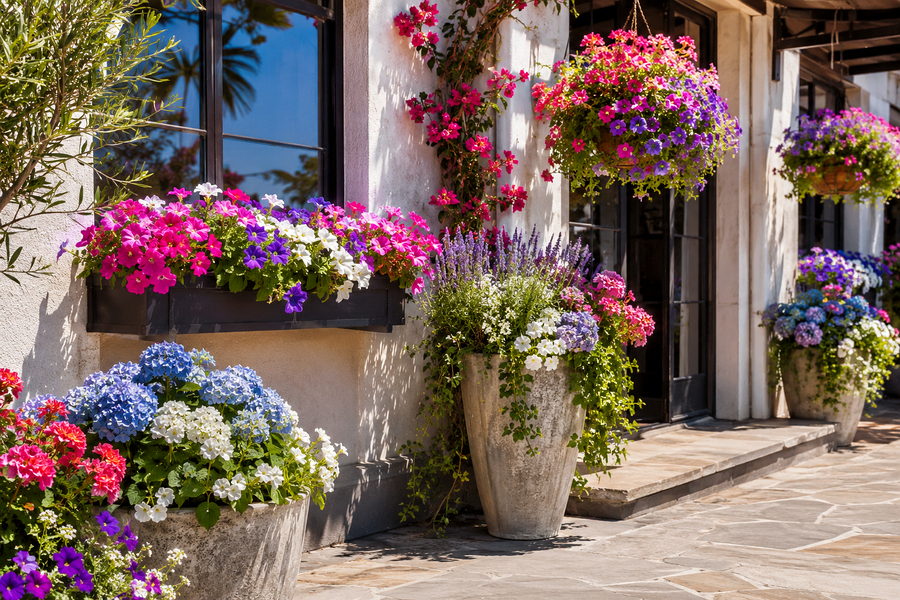
The main rule is simple: not every artificial flower belongs outside. Buyers should look for labels such as UV-resistant, UV-protected, outdoor-safe, weatherproof, fade-resistant, PE, polyblend plastic, or PVC. Outdoor faux flowers work best in containers, hanging baskets, porch planters, balcony boxes, patios, and commercial exterior displays where real flowers struggle with heat, shade, or maintenance.
Are Outdoor Artificial Flowers Really Weatherproof?
Many people buy artificial flowers for a porch, balcony, or storefront and expect them to survive every season. Then the petals fade, stems loosen, and the arrangement starts to look cheap.
Outdoor artificial flowers can be weatherproof only when they are made for outdoor use. The best options use UV-resistant and weather-safe materials that can handle sunlight, moisture, wind, and temperature changes better than indoor-only faux flowers.
Weatherproof Means More Than “Plastic”
A flower can be artificial and still fail outside. Indoor silk flowers, thin plastic flowers, and low-cost decorative stems may look good at first, but they often lose color under direct sun. Outdoor artificial flowers need stronger materials and better coatings. They should also be built with secure stems, flexible wiring, stable bases, and drainage-friendly placement.
Outdoor faux plants are often recommended for paved areas, shady patios, pots, and containers where real plants are difficult to grow. They should not be treated like living garden plants because they do not absorb water, support pollinators, or improve soil. This is why they work better as decorative outdoor styling pieces than as direct replacements for full living gardens.
| Outdoor condition | What can go wrong | What to choose |
|---|---|---|
| Strong sun | Petals fade or yellow | UV-resistant or UV-protected flowers |
| Rain | Stems rust or bases trap water | Weatherproof materials and drainage |
| Wind | Stems fall out or baskets shift | Weighted pots and secured stems |
| Heat | Cheap plastic warps or cracks | PE, polyblend plastic, or PVC |
| Dust and pollen | Flowers look dull | Easy-clean surfaces |
Best Outdoor Locations
Outdoor artificial flowers look most natural when they are used where real planters would normally appear. Good places include front porch urns, balcony rail boxes, patio corners, window boxes, hanging baskets, garden containers, outdoor restaurant dividers, retail storefront planters, and hotel entrance displays.
The most realistic setup often uses soil, bark, stones, moss, or mulch on top of the pot. This hides the artificial base and makes the arrangement feel more planted. The stems should also be layered at different heights. A flat bundle looks fake. A mixed planter with tall stems, filler flowers, and trailing greenery looks more natural.
How Do You Protect Artificial Flowers from UV Fading?
Sunlight is the biggest enemy of outdoor faux flowers. Even realistic stems can look tired if the petals lose color, especially in south-facing spaces and hot climates.
To protect artificial flowers from UV fading, choose flowers with built-in UV resistance first. Then add UV spray as extra protection, rotate arrangements, avoid the harshest direct sun when possible, and clean dust from petals so the color stays fresh longer.
Built-In UV Protection Comes First
UV spray can help, but it should not be the only protection. Several outdoor décor guides warn that indoor flowers sprayed after purchase may not perform like flowers manufactured with UV-resistant materials. Some suppliers recommend PE or outdoor-safe plastic materials for better performance in sun and rain.
A UV spray works more like a maintenance layer. It can slow visible fading, but it does not turn every indoor flower into a long-term outdoor product. This matters for buyers who plan to decorate a sunny porch, café patio, hotel entrance, or outdoor retail display. It is better to spend more on outdoor-safe flowers than to replace cheap indoor stems again and again.
| Protection method | Best use | Limit |
|---|---|---|
| Built-in UV-resistant material | Full-season outdoor use | Usually costs more |
| UV-protective spray | Extra layer for outdoor flowers | Needs reapplication |
| Shade placement | Porches, covered patios, balconies | Not always possible |
| Rotation | Planters and hanging baskets | Needs a simple schedule |
| Seasonal storage | Winter or storm periods | Requires clean storage space |
UV Spray Schedule
Many artificial flower care guides suggest reapplying UV protection every six to twelve months, while harsher sun exposure may require more frequent treatment. A practical schedule is to spray before peak summer, inspect in midsummer, and spray again before a long outdoor campaign if the flowers are in direct sun.
Before spraying, flowers should be clean and dry. Dust can trap moisture and create uneven coating. The best method is to remove the arrangement, wipe or rinse the flowers lightly, let them dry fully, and apply the spray in a ventilated area. After that, the flowers should dry before they go back outside.
Smart Placement Helps
Even UV-resistant flowers last longer when they are not punished by extreme sun every day. A covered porch, pergola, shaded storefront, balcony overhang, or partial-sun patio can extend color life. If the display must sit in full sun, choose stronger colors carefully. Soft pink, pale yellow, and cream may show fading faster than deeper red, purple, orange, or green tones. This does not mean bright colors are always better. It means the color choice should match the sun exposure.
What Are the Best Outdoor Artificial Flowers to Pick in 2025?
The market is full of faux flowers, but many are made for indoor vases, not outdoor planters. Buyers need stems that look natural and survive real exterior conditions.
The best outdoor artificial flowers in 2025 are UV-resistant, weatherproof, flexible, realistic, and easy to style in containers. Strong picks include hydrangeas, geraniums, petunias, lavender, bougainvillea, impatiens, daisies, boxwood accents, eucalyptus, ferns, and mixed hanging baskets.
Best Picks by Outdoor Use
The best choice depends on where the flowers will go. A front porch needs fuller volume and curb appeal. A balcony needs lightweight bundles and trailing shapes. A restaurant patio needs arrangements that are easy to clean and secure. A storefront display needs color that reads clearly from the street.
Better Homes & Gardens notes that modern faux flowers have improved in texture and realism, and experts often recommend looking for natural variation, realistic tones, flexible stems, and small imperfections instead of overly perfect flowers. That advice matters outdoors because overly glossy petals look fake in natural sunlight.
| Outdoor area | Best flower picks | Why they work |
|---|---|---|
| Front porch urns | Hydrangeas, geraniums, lavender | Full shape and strong curb appeal |
| Hanging baskets | Petunias, bougainvillea, trailing vines | Natural drape and color volume |
| Window boxes | Daisies, pansies, impatiens, greenery | Easy layering and bright color |
| Patio planters | Ferns, eucalyptus, lavender, mixed blooms | Softer outdoor texture |
| Commercial entrances | Boxwood, hydrangea, orchids, tall grasses | Clean, structured appearance |
| Garden borders | Mixed wildflowers and low greenery | Casual and natural effect |
Best Colors for Outdoor Realism
Outdoor flowers need to look believable in daylight. For a natural look, choose colors that appear in real gardens: white, cream, soft pink, lavender, red, coral, yellow, blue, and deep green. Avoid neon colors unless the display is for a bold retail campaign or event. Neutral flowers often look premium, but they can show dust faster. Deep green foliage helps hide structure and makes colorful flowers look more grounded.
Best Materials to Check
Good outdoor artificial flowers often use polyethylene, polyblend plastic, PVC, treated polyester, or UV-resistant silk-like fabric. The label should clearly say outdoor-safe or weather-resistant. A vague product title is not enough. If the product page only says “beautiful artificial flowers” but does not mention UV resistance, weatherproof use, or outdoor placement, it is safer to treat it as an indoor product.
How Do You Maintain Outdoor Artificial Flowers Like a Pro?
Artificial flowers need less care than real flowers, but they are not maintenance-free. Dust, sun, rain, and wind still affect the final look.
To maintain outdoor artificial flowers like a pro, clean them regularly, secure them against wind, refresh UV protection, rotate sun-facing sides, remove damaged stems, and store seasonal displays in a dry place when they are not in use.
A Simple Cleaning Routine
Outdoor faux flowers collect dust, pollen, spider webs, rain marks, and pollution. A quick monthly cleaning can keep them bright. For light dust, use a microfiber cloth, soft brush, or gentle blower. For heavier dirt, remove the arrangement and rinse it lightly with cool water. Avoid soaking flowers with glued parts unless the product is clearly washable.
After rinsing, flowers should dry fully before going back into a pot or basket. Wet stems trapped in dense foam or closed containers can cause odor, rust, or mildew on surrounding materials. For commercial spaces, cleaning should be added to the regular exterior maintenance schedule.
| Task | Frequency | Pro tip |
|---|---|---|
| Dust petals and leaves | Every 2–4 weeks | Use a soft cloth or brush |
| Check color fading | Monthly in summer | Rotate exposed sides |
| Reapply UV spray | Every 6–12 months | Spray clean, dry flowers |
| Tighten stems | After storms or wind | Use floral foam or wire |
| Deep clean | At season change | Rinse, dry, and inspect |
| Store off-season | After campaign or winter | Use dry bins or garment bags |
Installation Matters
Maintenance becomes easier when the flowers are installed correctly. Use outdoor-rated floral foam, sand, stones, zip ties, garden wire, or weighted planters to keep stems in place. For hanging baskets, check hooks and chains before windy weather. For window boxes, make sure water can drain instead of pooling around the stems. For commercial displays, make sure the arrangement does not block walkways, signage, cameras, fire exits, or accessibility paths.
Storage Extends Lifespan
Storage is one of the most overlooked maintenance steps. At the end of a season, flowers should be cleaned, dried, sorted by color or style, and stored away from direct sunlight. Clear bins are useful, but overpacking can crush petals. Hanging baskets and wreaths may need larger bags or boxes to keep their shape. A small label with the season, location, and year makes reuse easier.
My insights: What Should You Know About Outdoor Artificial Flowers in 2025
Outdoor artificial flowers can save time, but they still need smart buying and care. The best results come from choosing flowers for real weather, not only for photos.
Outdoor artificial flowers in 2025 work best as long-lasting exterior styling tools when buyers choose built-in UV protection, weather-safe materials, realistic flower types, secure installation, planned cleaning, and seasonal storage. The goal is not zero maintenance. The goal is better-looking color with less daily work.
The Main Insight Is Product Fit
The core issue is fit. A flower that works indoors may fail outside. A flower that works on a shaded balcony may fade quickly in full desert sun. A flower that works in a private porch planter may not be strong enough for a hotel entrance or retail storefront. The best purchase starts with the location, not the flower type.
For 2025, buyers should think in three levels. First, choose the right material. Second, choose the right flower style. Third, choose the right care plan. This creates a better result than buying the cheapest bundle and hoping it lasts.
| Decision | Better question to ask | Stronger answer |
|---|---|---|
| Material | Is it made for outdoor use? | UV-resistant and weatherproof |
| Placement | How much sun will it receive? | Full-sun, partial-sun, or covered area |
| Flower type | Does it look natural in this setting? | Realistic garden-style blooms |
| Installation | Will wind move it? | Weighted, wired, or secured stems |
| Maintenance | How will it stay clean? | Monthly cleaning and seasonal inspection |
| Lifespan | Can it be reused next season? | Storage plan and UV refresh |
The Best Picks Depend on the Space
Hydrangeas are strong for porch urns because they give full volume. Geraniums are great for classic outdoor color. Petunias and bougainvillea work well in hanging baskets because they trail naturally. Lavender is useful for a softer, farmhouse or Mediterranean look. Ferns, eucalyptus, boxwood, and trailing greenery help fill gaps and make flowers look more natural.
For commercial use, the best picks are usually more structured. A hotel entrance may need large hydrangea planters and boxwood accents. A café patio may need washable greenery and low floral dividers. A retail storefront may need bold seasonal color that is visible from the street. A wedding venue may need reusable outdoor floral arches that can be refreshed with different accent flowers.
Pro Maintenance Protects the Investment
Outdoor artificial flowers should be treated like outdoor furniture. They need sun protection, cleaning, inspection, and storage. This does not make them hard to own. It makes them last longer. A small care routine can prevent fading, dust buildup, crushed petals, and loose stems.
The best mindset is practical. Choose outdoor-safe flowers first. Use UV spray as support. Clean before dirt builds up. Rotate the most exposed pieces. Store seasonal flowers with care. Replace only the stems that are damaged. This approach keeps the display fresh and reduces waste from constant full replacement.
Conclusion
Outdoor artificial flowers look best in 2025 when they are UV-protected, weather-safe, realistic, securely installed, cleaned regularly, and stored well between seasons.