
Outdoor planters make porches, patios, balconies, and entryways feel alive, but real plants can struggle with heat, shade, travel schedules, or poor watering habits.
Create an outdoor planter with artificial flowers and faux plants by choosing UV-resistant stems, using a sturdy container, anchoring the flowers securely, hiding plastic bases with soil, moss, stones, or mulch, and layering height, fullness, and trailing greenery. The best faux outdoor planter looks “planted,” not simply placed into a pot.
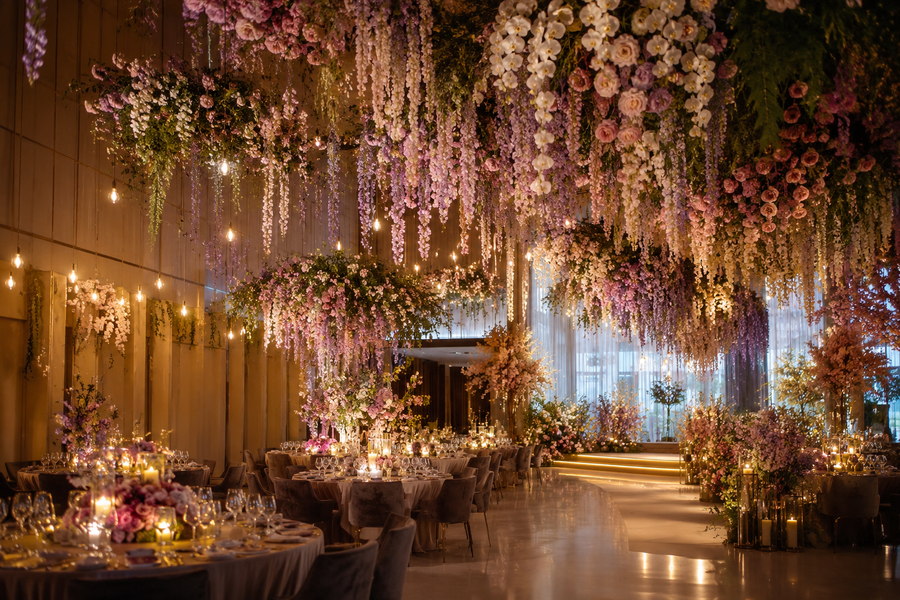
Outdoor faux flowers are most convincing when they are selected for outdoor use, not borrowed from indoor décor. Nearly Natural lists outdoor-safe artificial flowers such as hydrangeas, bougainvillea, geraniums, and petunias with UV resistance and built-in durability for sun exposure and outdoor styling.
What Do You Need to Make an Outdoor Faux Planter?
A good outdoor faux planter needs more than flowers. It needs structure, weight, coverage, and weather-aware materials.
To make an outdoor planter with artificial flowers and faux plants, you need an outdoor-safe container, UV-resistant faux flowers, faux greenery, floral foam or filler material, stones or sand for weight, moss or soil topping, wire cutters, garden stakes, and optional zip ties or floral wire for extra security.
Start With a Weather-Ready Container
Choose a planter that fits the space and will not tip easily. Stone, resin, concrete-look, ceramic, fiberglass, metal, and heavy plastic planters can all work. For windy balconies, porch steps, and open patios, heavier containers are safer.
Small viewpoint: the planter should look heavier than the flowers.
Artificial stems are lightweight. A visually solid pot makes the arrangement feel grounded and more realistic.
Use Outdoor-Safe Artificial Flowers
Indoor silk flowers may look beautiful for a short time, but direct sun can fade them quickly. Look for terms such as UV-resistant, UV-treated, outdoor-safe, weather-resistant, or outdoor artificial flowers.
Balsam Hill notes that its outdoor artificial floral arrangements are specially UV-treated to help preserve color, but it still recommends using many outdoor floral decorations seasonally rather than leaving them exposed all year.
Basic Supply Table
| Supply | Why It Matters |
|---|---|
| Outdoor planter | Gives weight, scale, and style |
| UV-resistant faux flowers | Helps reduce fast fading |
| Faux greenery | Adds fullness and realism |
| Floral foam or filler | Holds stems in place |
| Sand, gravel, or stones | Adds weight and stability |
| Moss, mulch, or faux soil | Hides artificial bases |
| Wire cutters | Trims stems to the right length |
| Floral wire or zip ties | Secures stems in windy spots |
| Garden stakes | Adds support for tall stems |
| Gloves | Helps with wire stems and rough filler |
Which Artificial Flowers Work Best in Outdoor Planters?
Outdoor planters need flowers that look natural from the sidewalk and still hold up against sun, wind, and dust.
The best artificial flowers for outdoor planters are faux geraniums, petunias, lavender, hydrangeas, bougainvillea, pansies, mums, daisies, roses, and mixed wildflower bundles. Pair them with faux ferns, boxwood, ivy, eucalyptus, grasses, and trailing greenery for a fuller container-garden effect.
Geraniums and Petunias for Porch Color
Faux geraniums and petunias are excellent for front porches, window boxes, hanging baskets, and balcony rail planters. They create a classic outdoor look and are easy to recognize.
Southern Living recommends checking UV and weather resistance, realistic textures, matte finishes, size, hanging hardware, and use location when choosing artificial hanging baskets for outdoor spaces.
Lavender and Grasses for Natural Texture
Faux lavender is useful for low-maintenance outdoor planters because it adds height, color, and softness without looking too formal. It works well with faux grasses, eucalyptus, olive leaves, and trailing greenery.
Small viewpoint: lavender makes faux planters feel less “floral shop” and more “garden.”
It softens the arrangement and helps bridge the gap between bright flowers and green foliage.
Hydrangeas and Mums for Fullness
Hydrangeas create volume quickly. Faux mums are strong for fall planters. Both flowers work well when the planter needs to look full from a distance.
Best Flower Choices by Outdoor Area
| Outdoor Area | Best Artificial Flowers and Plants |
|---|---|
| Front porch | Geraniums, petunias, hydrangeas, boxwood |
| Balcony | Lavender, ivy, trailing vines, faux grasses |
| Patio table | Small hydrangeas, lavender, eucalyptus |
| Window box | Petunias, pansies, ivy, mixed greenery |
| Hanging basket | Geraniums, ferns, pothos-style vines |
| Outdoor wedding aisle | Roses, hydrangeas, greenery, lavender |
| Retail entrance | Bougainvillea, geraniums, bold seasonal flowers |
| Fall porch | Mums, grasses, eucalyptus, berry stems |
How Do You Build the Planter Step by Step?
The easiest method is to build the planter like a real container garden: height first, fullness next, trailing pieces last.
Build an outdoor planter with artificial flowers by adding weight to the container, placing foam or filler inside, inserting tall greenery first, adding main flowers, filling gaps with smaller blooms, adding trailing greenery, and covering the surface with moss, mulch, stones, or faux soil.
Step 1: Add Weight to the Bottom
Place stones, gravel, sandbags, bricks, or heavy filler in the bottom of the pot. This helps prevent tipping and gives the planter a more realistic feel.
For very windy areas, use a deeper planter and add more weight. Tall faux stems can act like sails in wind, so stability matters.
Step 2: Add Foam or a Stem-Holding Base
Use floral foam, dry foam blocks, crumpled chicken wire, packed gravel, or a fitted insert to hold stems in place. Outdoor conditions can loosen stems, so make sure the base grips them well.
Step 3: Create Height
Start with the tallest pieces. Faux grasses, lavender, boxwood picks, eucalyptus, olive stems, or taller flowering stems can create the “thriller” part of the planter.
Small viewpoint: height makes the planter look designed.
A pot filled only with short flowers can look flat. A few taller stems create shape and movement.
Step 4: Add Main Flowers
Place the largest or brightest flowers next. Use geraniums, hydrangeas, petunias, roses, mums, or bougainvillea as the main color story.
Do not push every flower to the same height. Vary the stems so the planter looks natural.
Step 5: Add Fillers and Trailing Greenery
Use smaller flowers, faux grasses, ivy, ferns, or eucalyptus to fill gaps. Add trailing greenery around the edge so the arrangement looks like it is growing over the pot.
Step 6: Hide the Base
This step makes the biggest visual difference. Cover foam, plastic stems, wire, or empty pot space with faux soil, real mulch, pebbles, preserved moss, artificial moss, bark, or small stones.
House Beautiful’s faux plant styling guide recommends hiding visible foam, plastic, and glue bases with moss because exposed bases often reveal that a plant is artificial.
How Do You Make Artificial Flowers Look Real in Outdoor Planters?
Realism comes from placement. The flowers should look like they are growing from the container, not sitting on top of it.
Make artificial flowers look real in outdoor planters by planting the stems deeply, mixing flower sizes, using greenery generously, bending stems naturally, hiding bases, avoiding perfect symmetry, and choosing matte outdoor-safe materials. The arrangement should have height, fullness, and trailing movement.
“Plant” the Stems Deeply
Do not leave stems floating above the surface. Push them deep into foam, gravel, or filler so they appear rooted.
Love Grows Wild explains that the key to making artificial plants look real outdoors is to “plant” them in containers because it anchors the stems, adds stability, and makes the arrangement look naturally grown.
Use the Thriller-Filler-Spiller Formula
This classic container-garden formula works beautifully with faux plants.
| Layer | Faux Plant Role | Examples |
|---|---|---|
| Thriller | Adds height | Faux grasses, lavender, boxwood, tall flowers |
| Filler | Adds fullness | Geraniums, hydrangeas, petunias, mums |
| Spiller | Trails over the edge | Ivy, pothos-style vines, eucalyptus, trailing fern |
Avoid Perfect Symmetry
Real outdoor planters are not perfectly balanced. Let one side trail more. Let a few stems lean. Place flowers at different heights. This makes the arrangement look more natural.
Small viewpoint: imperfection creates believability.
A perfectly round dome of identical flowers often looks artificial. A slightly uneven planter looks more like a real garden container.
Choose Matte Leaves and Petals
Glossy plastic reflects sunlight and looks fake outdoors. Matte leaves, muted green tones, and natural color variation look better in daylight.
The Spruce reports that experts recommend UV-resistant and weatherproof faux plants for outdoor use, especially in containers or paved areas where real plants may be difficult to maintain.
Where Should You Place Outdoor Artificial Planters?
Placement decides whether the planter feels believable. Artificial planters look best where containers naturally belong.
Place outdoor artificial planters on porches, patios, balconies, steps, window boxes, entryways, covered decks, restaurant entrances, retail storefronts, and outdoor event aisles. They look most realistic in containers, not randomly inserted into open garden beds.
Best Places for Faux Outdoor Planters
The Spruce cautions that faux plants should generally be avoided in garden beds because they do not absorb water, may interfere with nearby real plants, and can be dislodged by wind and rain. It notes that pots and paved areas are better uses for faux plants.
Use outdoor faux planters in places such as:
| Placement | Why It Works |
|---|---|
| Front porch | Adds instant curb appeal |
| Patio corner | Softens hard surfaces |
| Balcony | Adds greenery without watering |
| Window box | Creates seasonal color |
| Porch steps | Frames the entrance |
| Restaurant entrance | Stays polished with low maintenance |
| Retail storefront | Supports seasonal displays |
| Event aisle | Creates repeatable outdoor décor |
| Covered deck | Reduces exposure while adding greenery |
Containers Make Faux Plants More Believable
A faux plant in the ground can look suspicious. A faux plant in a planter looks intentional. It feels like seasonal container décor, which is easier for the eye to accept.
How Do You Design by Season?
One of the best things about artificial planters is that they can change with the season without replanting.
Design outdoor faux planters by season using spring pastels, summer brights, fall mums and grasses, and winter greenery. Keep a neutral greenery base, then swap artificial flowers, berries, ribbons, or seasonal accents to refresh the container throughout the year.
Spring Planter
Use faux tulips, pansies, lavender, cherry blossoms, hydrangeas, and light greenery. Soft pink, white, purple, yellow, and sage work well.
Summer Planter
Use geraniums, petunias, daisies, bougainvillea, sunflowers, ferns, and trailing ivy. Choose brighter color if the porch or patio needs energy.
Fall Planter
Use mums, burnt orange flowers, burgundy stems, faux grasses, eucalyptus, berries, and pumpkin accents.
Winter Planter
Use evergreen branches, pine, cedar-style greenery, white flowers, red berries, pinecones, and ribbon.
| Season | Best Artificial Planter Mix |
|---|---|
| Spring | Tulips, lavender, hydrangeas, pansies |
| Summer | Geraniums, petunias, daisies, bougainvillea |
| Fall | Mums, grasses, berries, rust flowers |
| Winter | Evergreen stems, pinecones, berries, white flowers |
Small Viewpoint: A Greenery Base Saves Money
Use one high-quality faux greenery base all year. Then change the flowers and accents by season. This keeps the planter affordable and flexible.
How Do You Keep Outdoor Faux Planters Secure?
Outdoor décor must handle wind, movement, pets, people, and weather changes.
Keep outdoor faux planters secure by using a heavy container, adding stones or sand to the base, inserting stems deeply, wiring tall stems together, using garden stakes, and placing the planter where wind exposure is lower. Stability is especially important for tall arrangements and balcony planters.
Add Weight First
A beautiful planter is not useful if it tips over. Weight the bottom before adding foam and flowers. This is especially important for tall stems, narrow pots, and open outdoor areas.
Secure Stems in Groups
If stems shift, wire several together before inserting them. You can also use floral wire, zip ties, or garden stakes inside the planter. Hide these mechanics with greenery and moss.
Consider Wind Direction
Place planters near walls, railings, porch corners, or covered areas when possible. Avoid placing tall faux arrangements in fully exposed windy spots unless the container is very stable.
Security Checklist
| Risk | Best Fix |
|---|---|
| Pot tips over | Add stones, sand, or bricks |
| Stems move | Use foam, wire, or stakes |
| Wind catches tall flowers | Lower the height or group stems tightly |
| Foam shows | Cover with moss, mulch, or stones |
| Arrangement looks loose | Add more filler greenery |
| Balcony exposure | Use heavier pots and lower arrangements |
| Pets disturb planter | Use stable container and tighter stem placement |
How Do You Maintain Outdoor Artificial Flowers and Faux Plants?
Outdoor faux plants need less care than real plants, but they still collect dust, pollen, and weather residue.
Maintain outdoor artificial flowers and faux plants by dusting them, wiping leaves gently, shaking off debris, checking for fading, reshaping stems, and storing seasonal pieces when not in use. UV-resistant products last longer, but even outdoor-safe flowers look better with occasional cleaning and protection from extreme exposure.
Clean Gently
Use a microfiber cloth, soft brush, or cool air to remove dust. For more durable outdoor plastic foliage, a light wipe may work. Avoid harsh chemicals unless the product label says they are safe.
Rotate or Store Seasonal Pieces
If one side receives strong sun, rotate the planter when possible. For seasonal flowers, store off-season stems in labeled bins away from direct sunlight and moisture.
Replace Small Pieces Instead of the Whole Planter
One faded flower does not mean the whole planter is ruined. Replace individual stems, update the color, and refresh the moss or stone topping.
| Maintenance Task | How Often |
|---|---|
| Shake off loose debris | As needed |
| Dust or wipe leaves | Every few weeks outdoors |
| Check fading | Monthly in sunny areas |
| Reshape stems | Before guests or photos |
| Replace damaged flowers | Seasonally |
| Refresh moss or stones | When the base looks messy |
| Store seasonal stems | After each season |
My insights: How Do You Create an Outdoor Planter with Artificial Flowers and Faux Plants
A strong outdoor faux planter is not about hiding the fact that the plants are artificial. It is about designing the planter so it makes sense outdoors.
Create an outdoor planter with artificial flowers and faux plants by choosing outdoor-safe materials, anchoring stems deeply, building height with greenery, adding colorful flowers for fullness, using trailing plants around the edge, hiding the base with natural toppings, and placing the planter where container décor looks believable.
Outdoor-Safe Materials Matter First
Artificial flowers made for indoor vases are not the best choice for sunny porches. Use UV-resistant or outdoor-safe flowers whenever possible. This helps the planter stay attractive longer.
Realism Comes From the Base
The base is the biggest giveaway. If foam, plastic, or empty space shows, the planter looks fake. Use moss, mulch, stones, gravel, bark, or faux soil to make the flowers look planted.
Greenery Makes the Planter Look Natural
Flowers add color, but greenery adds life. Mix faux ferns, ivy, eucalyptus, boxwood, grasses, and trailing vines with the blooms. This creates a fuller, more realistic arrangement.
Containers Are Better Than Garden Beds
Artificial flowers look most believable in planters, baskets, window boxes, and porch pots. They are less convincing when placed directly into open soil beside real plants.
Final Outdoor Planter Formula
| Step | What to Do |
|---|---|
| 1 | Choose a sturdy outdoor planter |
| 2 | Add stones, sand, or bricks for weight |
| 3 | Place foam or filler inside |
| 4 | Insert tall greenery or grasses first |
| 5 | Add main artificial flowers |
| 6 | Fill gaps with smaller blooms and leaves |
| 7 | Add trailing ivy, eucalyptus, or fern |
| 8 | Cover the surface with moss, mulch, stones, or faux soil |
| 9 | Bend stems for natural movement |
| 10 | Place in a believable outdoor container location |
The best outdoor faux planter should feel like a low-maintenance version of a real container garden. Use structure, weight, greenery, color, and texture together. Then the planter will look intentional, polished, and easy to maintain.
Conclusion
Create an outdoor planter with artificial flowers and faux plants by choosing UV-resistant stems, anchoring them securely, layering height and fullness, hiding the base, and placing the planter where outdoor container décor naturally belongs.