
Best Faux Plants for Living Room: 12 Realism Checks That Beat “Plastic Shine”?
A living room plant can look premium in your product photos, then look cheap in your customer’s home. One “plastic shine” review can cut your conversion rate and raise returns.
The best faux plants for living room use pass 12 realism checks that control shine, leaf detail, branch structure, pot finish, and photo-based tolerances, so bulk looks like the approved sample every time.
When I build a living room assortment, I treat the best faux plants for living room as photo products first, then décor products, because customer cameras judge faster than the eye.
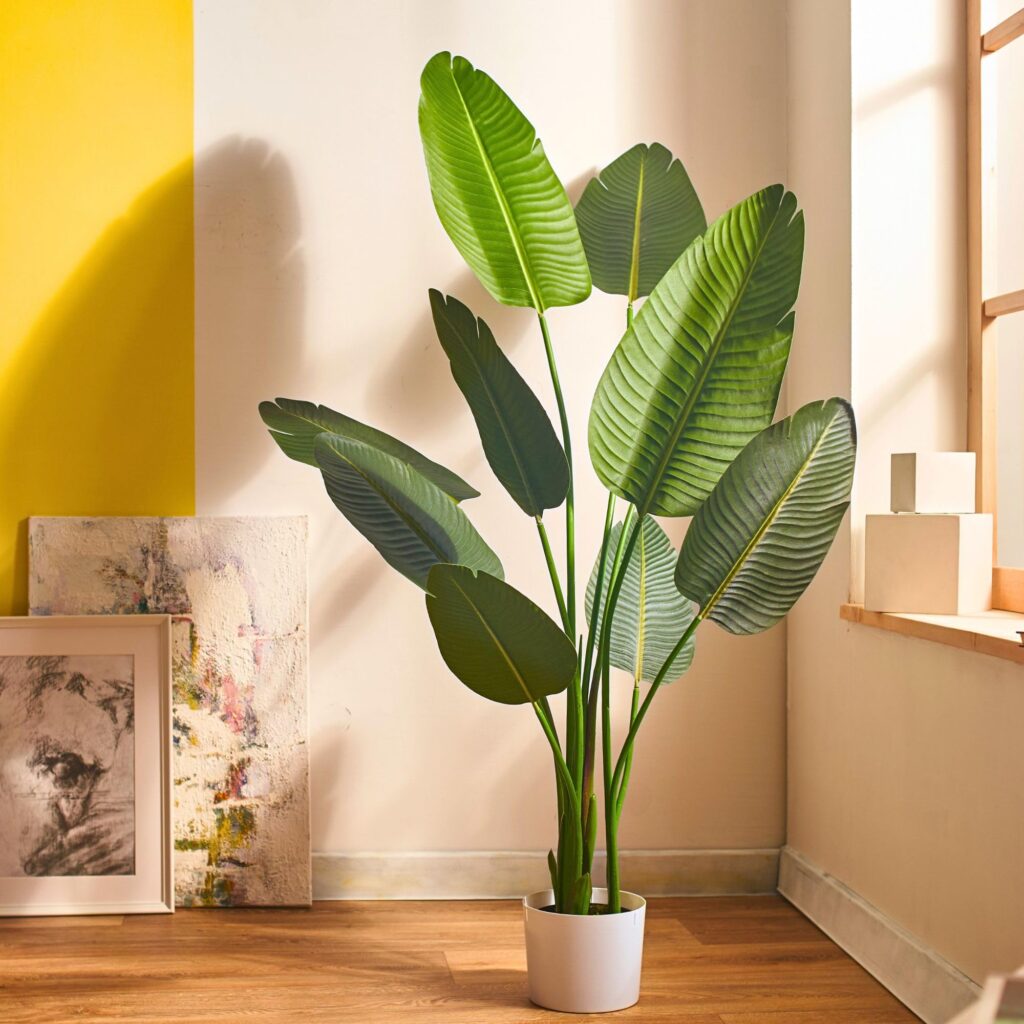
Use case: Living room styling sets for home décor brands, online retailers, interior design studios, and subscription décor boxes.
I learned this from a Sophia-type buyer who built living room “refresh kits” for her clients. Her first launch had strong traffic. Her reviews dropped because customers said, “It looks shiny.” I asked for her customer photos. The faux leaves reflected like a phone screen near windows. After that, I changed my sample approval system. I stopped trusting studio lighting. I started approving the best faux plants for living room use under real living room light.
This is why I only recommend the best faux plants for living room after they pass my window-light test and my flash test, because both are common in real homes.
Why Most Faux Looks “Off” (The 3 Visual Tells Buyers Notice)?
A buyer may not know plant names. A buyer still knows when a plant looks fake. This is why most suppliers lose living room orders at the sample stage.
Most faux looks “off” because buyers notice three tells fast: plastic shine, wrong green logic, and unnatural symmetry that real plants never show.
In my sourcing calls, I screen for the best faux plants for living room by hunting for shine, symmetry, and flat color before I even discuss price.
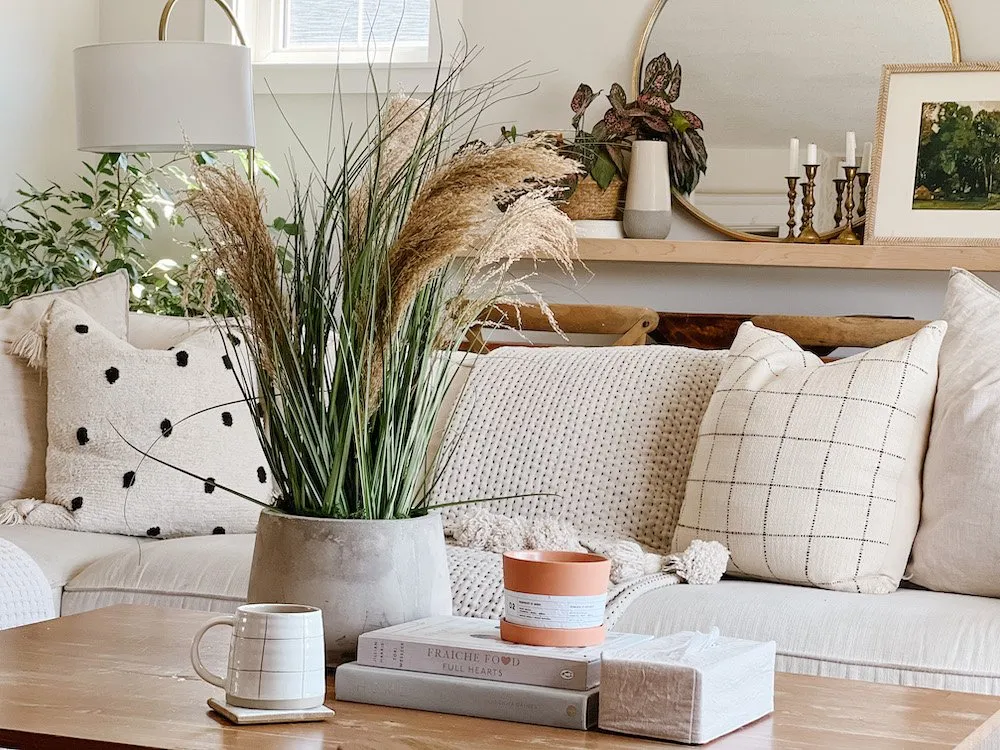
Use case: First sample screening for private label brands, Amazon listings, Shopify home décor stores, and living room staging projects.
I worked with a buyer who sold living room décor through online bundles. She told me she did not want “perfect.” She wanted “believable.” Her supplier kept sending samples that looked clean and even. Her customers kept calling them fake. I asked her to show me her top competitor’s product photos. I noticed the competitor used matte leaves, small color shifts, and irregular crown shape. It looked real because it looked natural.
Tell #1: Plastic shine that shows up in phone photos
Plastic shine is a surface problem, not only a material problem. Even “good material” can look shiny if the finish is wrong.
I use a two-light test for the best faux plants for living room categories:
- Daylight test: I take a photo near a window at noon.
- Night test: I take a photo under ceiling LED at night.
If your goal is the best faux plants for living room listings, the leaf face must stay calm in a phone shot, even when the room has hard LED light.
If the leaf face creates a bright strip of glare in either test, it will look cheap in listing photos, reels, and customer uploads. I also ask buyers to think like customers. Customers stand close. Customers shoot from above. Customers use flash. This is why my approval set always includes flash.3
Tell #2: Green tone that has no plant logic
Real plants have “logic.” New growth often looks lighter. Mature leaves often look deeper. Stems are different. Leaf backs are different. Many faux plants use one green for everything.
I had a Sophia-type buyer who asked for “fresh green.” Her supplier used one bright green on leaves and stems. Her customers said it looked like plastic. I fixed it by using two controlled greens and one stem tone. I also reduced blue undertone, because blue-green reads artificial in living room daylight.
Tell #3: Symmetry that looks manufactured
Real plants are not symmetrical. Real branches do not repeat in equal spacing. Real leaves do not sit like a perfect fan. Symmetry is a fast “fake” sign.
I use a “repeat scan.” I look for:
- repeated leaf shapes in the same direction
- repeated branch angles
- repeated leaf clusters
If I see repeats at a glance, your customer will see it too. Living rooms are close view. This is why the best faux plants for living room use must look random in a controlled way.
Quick screening checklist you can use in sourcing calls
- I ask for a 10-second slow pan video in daylight.
- I ask for 3 macro photos: leaf face, leaf edge, leaf back.
- I ask for 1 flash photo in a dim room.
If a supplier cannot provide these, your reorder risk is high.
Internal links that support your buyer education and improve time-on-site:
- How Long Do Fake Flowers Last? 6 Lifespan Rules for Buyers
- Outdoor Artificial Flowers Bulk QC Checklist: 9 Buyer Tests
External links for basic standard terms your team may reference in specifications:
Realism Check #1–#4: Leaf Texture, Veins, Color, and Edge Finish?
Leaves decide the first impression. If the leaf face looks wrong, everything looks wrong. This is the first place I invest attention for the best faux plants for living room markets.
The best faux plants for living room use pass four leaf checks: texture that breaks glare, veins that look molded not printed, color that follows growth, and edge finish that looks thin and clean.
I treat leaf detail as the fastest proof that a SKU belongs in the best faux plants for living room category, because leaves dominate close-range viewing.
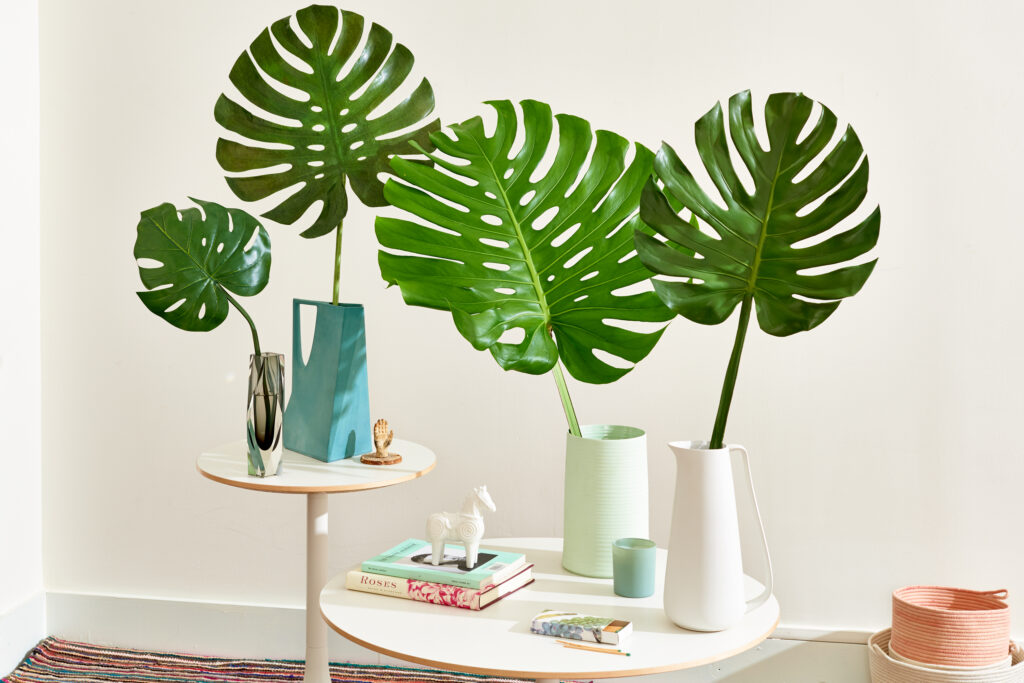
Use case: Living room tabletop plants on shelves, floor plants beside sofas, and greenery on console tables.
I had a buyer who shipped living room plants with “gift-ready” packaging. Her customers loved the box. They disliked the leaves. They wrote, “It looks shiny.” She asked me how to fix shine without changing the whole plant. I told her the truth. I cannot fix a mirror leaf with a spray and hope. I must start with texture and finish.
Check #1: Leaf texture that breaks glare
I do not accept “smooth leaf” for living room use. Smooth leaves reflect like plastic. I require micro texture. I also test cleaning behavior, because living rooms get dust.
I run a simple wipe test:
- I wipe the leaf with a dry microfiber cloth.
- I take a photo before and after.
If the leaf becomes shinier after wiping, the finish is wrong. Customers wipe leaves. If wiping makes it worse, reviews will be worse.
Check #2: Veins that match plant type and leaf shape
Veins must follow leaf geometry. Veins must not look like a stamped pattern on top. I check:
- center vein depth
- side vein layout
- back-side structure
I once had a buyer whose customer placed the plant on a high shelf. The customer saw the leaf backs more than the leaf fronts. The leaf backs looked flat and cheap. That single detail created bad reviews. After that, I always ask for back-side photos for living room SKUs.
Check #3: Color that follows a simple growth rule
I use simple color rules because factories need clarity:
- 1 base green for mature leaves
- 1 lighter green for new growth (small percent only)
- 1 stem tone that is muted
- leaf backs slightly duller than leaf fronts
I keep color variation controlled because the best faux plants for living room must look natural and still stay consistent across cartons and reorders.
Check #4: Edge finish that avoids thick rims and seam lines
Leaf edges are where fake shows up in close photos. Thick edges look like cut plastic sheets. Strong seam lines look like cheap molding.
I do a macro edge photo at 10–15 cm. If the edge seam is visible, it will show in product photos and in customer content. For the best faux plants for living room listings, I want edges that look thin and calm.
What I ask suppliers to send for leaf approval
- leaf face macro photo under daylight
- leaf edge macro photo under daylight
- leaf back macro photo under daylight
- one flash photo to check glare
This looks like extra work. It saves you from extra returns.
Realism Check #5–#8: Branch Structure, Weight, Flex, and Shape Memory?
Living room customers touch plants. They move them. They style them. A plant must behave like a real object, not like a prop.
The best faux plants for living room use pass four structure checks: natural branch logic, stable weight, controlled flex, and shape memory after shipping and storage.
Structure matters because the best faux plants for living room must hold shape after shipping, then stay styled with normal customer handling.
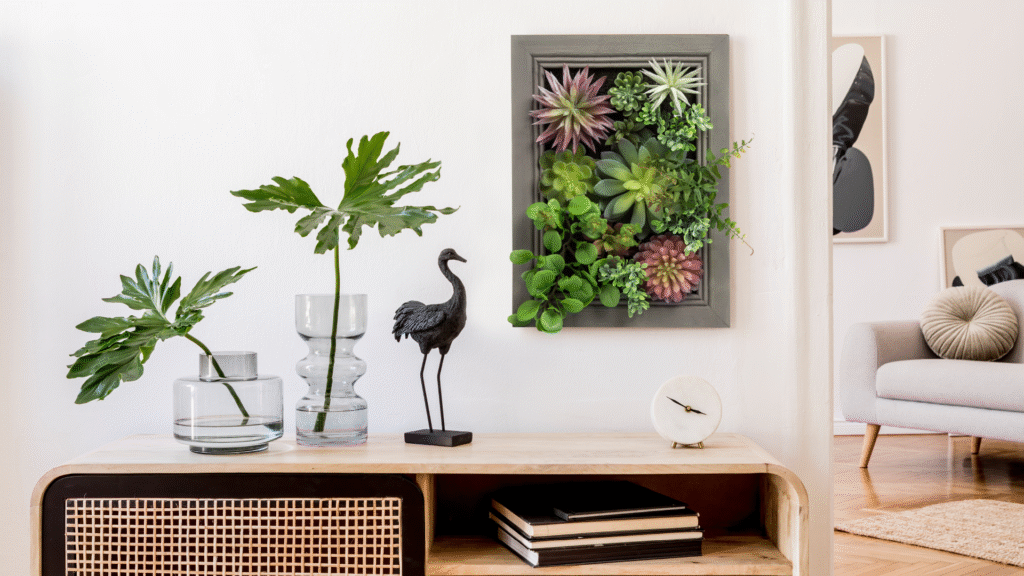
Use case: Floor plants in living room corners, medium planters near TV cabinets, and faux trees in open-plan spaces.
I worked with a buyer who sold large faux trees. He told me customers complained about “drooping after two days.” The tree looked good out of the box. Then the crown collapsed. His return rate went up. His ads cost went up. The issue was branch core. The branch had flex but no memory.
Check #5: Branch growth that looks real, not repeated
Real plants have hierarchy. They do not look like equal spokes. I check:
- trunk line
- branch length differences
- cluster sizes that vary
I also ask for a top view photo. Symmetry shows fastest in top view. If the crown is too perfect, it will look artificial in living room spaces.
Check #6: Weight that prevents tipping and sliding
A living room has rugs, wood floors, and pets. A pot that is too light slides. A plant that slides looks cheap and unsafe.
I test by lifting and tilting. I also ask buyers to consider packaging. A stable pot must survive shipping without cracking. This is why I set weight targets by size category, not by one number for all plants.
Check #7: Flex that supports fast styling
Customers want “ready” plants. Customers do not want a 20-minute project. Good flex means:
- I can shape it in 2–3 minutes
- it holds shape without spring-back
- it does not crack at bend points
I remember a Sophia-type buyer who sold “easy living room styling.” Her customers complained it was hard to style. I upgraded the branch core and reduced leaf cluster stiffness. Her reviews improved because customers could get a good look fast.
Check #8: Shape memory that survives compression
Living room plants often sit in cartons. They also travel long distance. I require a compression test:
- packed tight for 24 hours
- unpacked and styled
- checked again after 48 hours
If the plant needs daily fixing, your customer will not love it. The best faux plants for living room use must hold the silhouette.
A simple structure approval set that reduces disputes
- photo of plant straight out of the carton
- photo after 3 minutes of styling
- photo after 48 hours
This proves shape memory with real behavior, not claims.
Internal links that help you talk about durability and long-term buyer expectations:
- Best Weatherproof Outdoor Artificial Flowers: 9 Brutal Buyer Tests
- How to Keep Fake Flowers From Fading Outdoors: 10 No-Excuses Steps
Realism Check #9–#12: Pot Upgrade, Top Dressing, and Styling Tricks?
A living room plant is a full product. The pot is not an afterthought. Many brands lose the “premium look” because the pot looks like a nursery pot.
The best faux plants for living room use pass four finishing checks: matte pot finish, correct proportions, top dressing that hides foam, and styling tricks that look natural in real rooms.
A matte pot and clean top dressing help the best faux plants for living room look expensive, even when the foliage is photographed at close range.
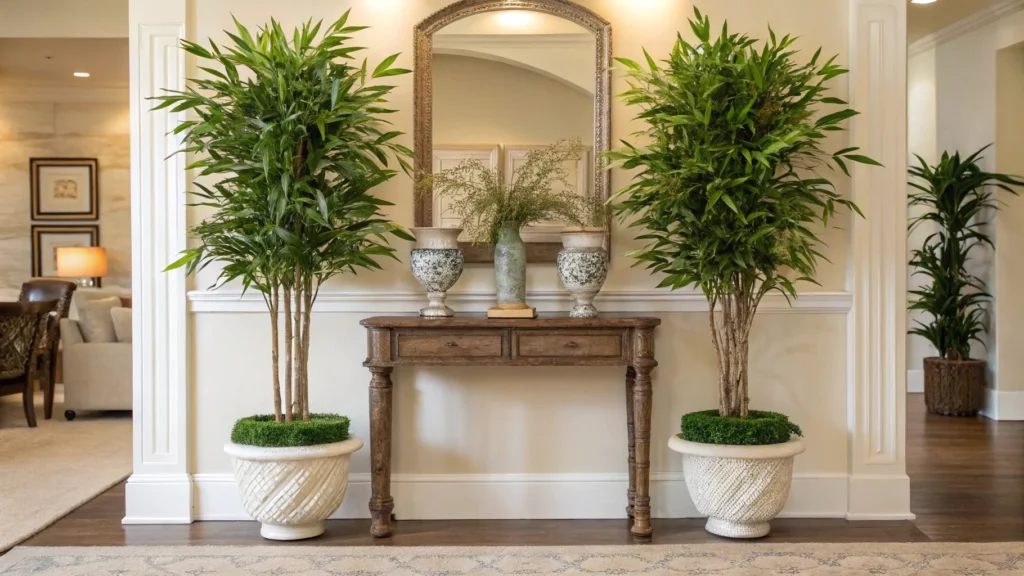
Use case: Living room shelf styling, entry console displays, and premium gift-ready home décor sets.
I had a buyer who ordered strong foliage and weak pots. She showed me her competitor’s product. Her competitor used simple matte pots and clean stones on top. The competitor looked more expensive. The foliage was not better. The finishing was better. That changed my view. In living rooms, the pot is the frame.
Check #9: Pot finish that stays calm in photos
Gloss pots reflect the room and catch highlights. Matte pots look calm. For living rooms, I often recommend:
- matte ceramic-look
- cement-look composite
- textured PP with thick walls
I also suggest sleeves. A woven basket sleeve can lift the look fast. It also gives warmth in living room design.
Check #10: Pot proportion that balances the crown
A common fake sign is “big head, small base.” The plant looks like it floats. I use a simple visual rule:
- the pot must look strong enough to hold the crown
I take a photo from 2 meters. If the pot disappears, it is too small. Living room styling needs balance.
Check #11: Top dressing that hides foam and glue
Exposed foam is a fast fake sign. I use top dressing to hide it and add realism:
- mixed stones in two sizes
- bark chips in muted tones
- moss only when it is toned down and mixed
I remember a buyer who used bright moss. Her customers said it looked like a toy. I changed it to muted moss mixed with stones. The plant looked more real and more premium.
Check #12: Styling tricks that beat the camera
Living room customers create content. They take photos. They shoot video. I style for those angles:
- I avoid perfect circles in the crown
- I set one hero direction toward the main viewing angle
- I keep leaf angles slightly different
- I add one small imperfection so it looks natural
These small changes help the best faux plants for living room use look real in real homes.
Styling kit add-ons that improve perceived value
- extra top dressing pack
- simple care card: “how to shape in 3 minutes”
- matte pot upgrade option
These are small costs. They improve reviews.
B2B Procurement Notes: Sample Approval Photos + Tolerance Standards?
A living room plant category has heavy competition. Buyers compare side by side. This is why bulk must match samples. A clear approval system protects your margin.
For the best faux plants for living room sourcing, I use a fixed sample photo set and plain-language tolerance standards, so suppliers know what “match” means.
I use photo-based tolerances because the best faux plants for living room are judged side by side online, and “close” is not good enough for bulk.
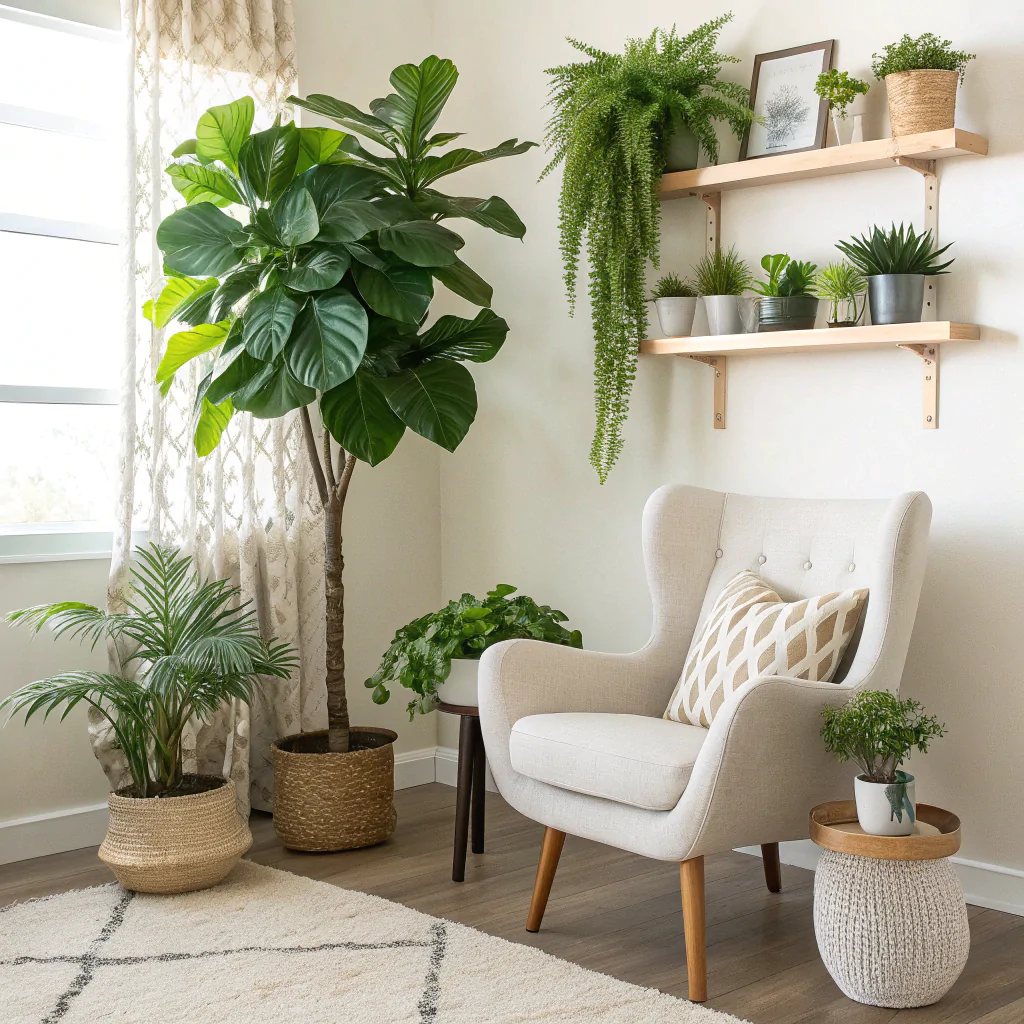
Use case: New supplier onboarding, private label development, repeat orders, and multi-SKU living room collections.
I built this system after a buyer approved a sample by video call. Bulk arrived close but not the same. The supplier said it was normal. The buyer said it was unacceptable. The problem was not quality. The problem was unclear standards. After that, I used photos and tolerances.
The sample approval photo set I always require
I keep it simple. I keep it repeatable:
- front view at 1 meter in daylight
- side view at 1 meter in daylight
- leaf face macro at 30 cm
- leaf edge macro at 10–15 cm
- leaf back macro at 10–15 cm
- pot and top dressing close photo
- flash photo in a dim room
- 10-second slow pan video
This set catches plastic shine. It catches seam lines. It also catches wrong undertone.
Tolerance standards in simple words
I avoid complex charts. I use clear rules:
- color must not show visible shift side by side in daylight
- leaf face must not show mirror glare in flash photos
- edges must not show heavy seams or sharp burrs
- branches must hold styled shape for 30 days indoors
- pot must not show foam or glue
This is what “match” means for living room categories.
How I lock repeat orders
I store approval files with clear labels:
- SKU and plant type
- color name
- production month
- material notes
- pot finish notes
Then I ask the supplier to compare bulk against the saved photos before shipment. This is how I reduce disputes and keep your listing photos consistent.
Internal links that help you keep visitors clicking across your site:
- Artificial Flower Meaning: 9 Real Reasons Buyers Choose Faux
- Fake Flowers Meaning in Relationship: What People Really Mean
Conclusion
When I approve with real living room photos and clear tolerances, I deliver the best faux plants for living room buyers with fewer returns and stronger repeat orders.
B2B FAQ (10)
- What makes the best faux plants for living room use look real in customer photos?
I control leaf finish to reduce plastic shine, and I use matte pots with clean top dressing. - How do I test plastic shine before bulk production?
I require a window daylight photo and a flash photo. Shine shows up fast in both. - What leaf details matter most for living room viewing distance?
I focus on texture depth, vein realism, thin edges, and low seam visibility. - How do I reduce color mismatch across cartons in a living room SKU?
I approve daylight photos and set “no visible shift side by side” as the standard. - Do living room faux plants need heavier pots?
A stable pot helps prevent tipping and improves the premium feel in homes and showrooms. - What pot upgrade gives the biggest lift for living room collections?
Matte ceramic-look or cement-look pots, or a woven sleeve with clean top stones. - What top dressing looks most natural for living room plants?
Mixed stones and bark chips in muted tones. I avoid neon moss. - How do I make branches hold shape after shipping?
I specify branch core and shape memory, and I require a 24-hour compression test. - What is the safest sample approval method with a new supplier?
A fixed photo set plus a slow pan video, stored as the bulk reference. - Can you help build a private label living room plant line with consistent reorders?
Yes. I can match your target look and set tolerances that protect bulk and reorders.
Footnotes
-
ISO 4892-2 is commonly referenced for plastics weathering exposure methods and helps teams align on UV aging terms in supplier discussions.
Source
↩ -
ASTM G154 is widely used for fluorescent UV exposure of nonmetallic materials and is often cited when buyers discuss UV performance expectations.
Source
↩ -
Living room photos often use mixed lighting (window daylight + indoor LEDs). This is why sample approval should include daylight and flash checks to reduce “plastic shine” surprises.
Source
↩