What Do Artificial Flowers Mean? 9 Powerful Symbolic Meanings Buyers Should Know in 2026?
Artificial flowers often look simple. Still, many buyers hesitate because they do not know what message faux flowers really send.
What do artificial flowers mean? They usually mean lasting beauty, emotional stability, low-maintenance elegance, and practical care. In 2026, buyers also connect what do artificial flowers mean with sustainability, repeat use, and reliable visual branding across gifting, retail, weddings, and home décor.[1][3]
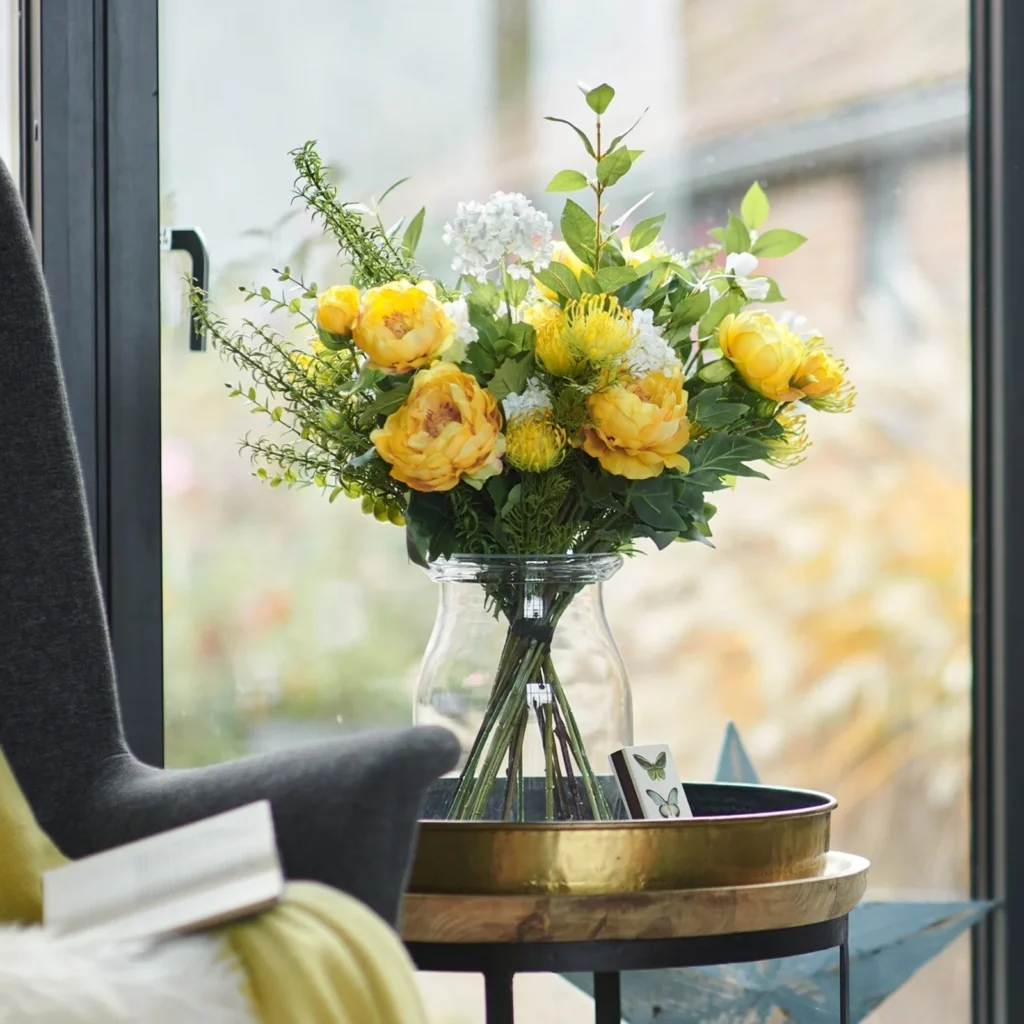
Applicable scenario: B2B product storytelling for retail, gifting, wedding styling, and home décor merchandising.
I have noticed that this question comes up more often now. Buyers do not only ask whether artificial flowers look real. They also ask what do artificial flowers mean in retail, events, and home décor. I see this in retail meetings, wedding sourcing talks, and home décor product development. A flower is never just a flower. It carries a message. When the product is artificial, the message changes in a useful way. It becomes more stable, more planned, and often more commercial. That is why I believe symbolic meaning matters for both emotion and sales.
Why Buyers Search What Do Artificial Flowers Mean More in 2026?
Many buyers do not want products only. They want stories that help them sell faster and explain value better.
What do artificial flowers mean matters more in 2026 because buyers need products with emotional value, not just visual value. They want to explain why faux flowers fit modern gifting, branded décor, weddings, and retail displays in a way that feels thoughtful and premium.
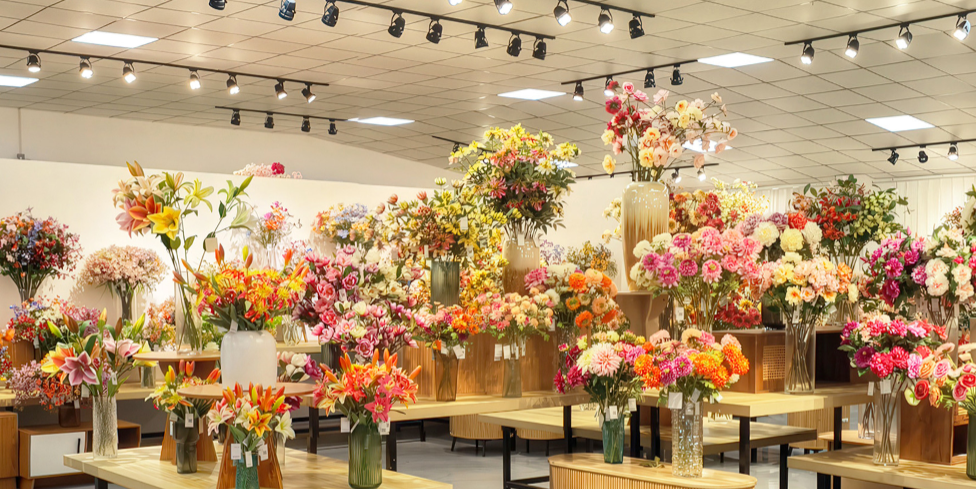
Applicable scenario: Retail buying, event sourcing, and SEO content planning for product storytelling.
What do artificial flowers mean in buyer language?
I have seen a clear change in buyer behavior. Years ago, many clients only asked about size, color, and price. Now they also ask how a flower feels, what it represents, and what do artificial flowers mean for their own customers. This is true for wedding planners, gift businesses, home décor retailers, and even hotel buyers.
One of my clients, Sophia, once told me that her customers no longer buy décor only because it looks pretty. They also want a reason behind the choice. She used artificial peonies in a bridal display because she wanted the arrangement to represent romance that lasts beyond the wedding day. That simple idea helped her sell not just one arrangement, but a full package of ceremony décor, reception flowers, and keepsake centerpieces.
Buyers use meaning to support premium pricing
I believe symbolism has become a practical sales tool. When buyers understand what do artificial flowers mean, they can explain value in a stronger way. Faux flowers can stand for:
1. Lasting beauty
2. Emotional consistency
3. Planned care
4. Memory preservation
5. Reliable elegance
6. Year-round freshness
7. Low-maintenance comfort
8. Sustainable reuse
9. Stable visual identity
These meanings work well because they match how modern businesses sell. A retailer can present faux roses as a long-lasting token of love. A hotel can use permanent florals to express consistent brand atmosphere. A wedding planner can frame faux arrangements as memory pieces that stay beautiful after the event.
Why this matters for search and content
I also see this topic growing because buyers search in a more emotional way now. They do not only search “artificial rose stem bulk.” They search questions like what do artificial flowers mean because they need content that supports gifting, merchandising, and customer communication. That makes symbolic meaning useful for SEO, product pages, and sales conversations.
If you also sell by story, you may like these related guides on artificial flowers wholesale bulk, artificial vs real flowers cost, and spray for artificial flowers to stop fading.
What Do Artificial Flowers Mean in Relationships, Gifting, and Home Décor?
Many people assume faux flowers feel less emotional. In real projects, I often see the opposite happen.
What do artificial flowers mean in relationships, gifting, and home décor? They often center on care that lasts. They can express love, memory, appreciation, comfort, and thoughtful planning, especially when the flower type and design style match the occasion.[2]
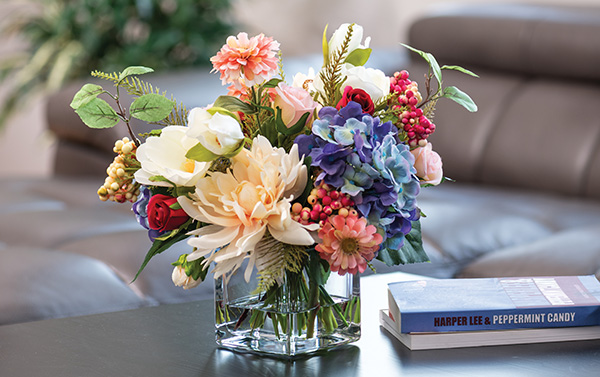
Applicable scenario: Gift box design, home décor styling, wedding keepsakes, and seasonal retail display.
In relationships, faux flowers often mean steady love
Fresh flowers can feel romantic because they are natural and short-lived. Still, I find that artificial flowers often carry a different kind of emotion. They suggest love that stays present. They show intention. They show that the giver wants the gesture to remain visible for weeks, months, or years.
I once worked with a buyer who prepared small preserved-look faux rose boxes for anniversary gifting. She told me her customers loved the idea because the flowers stayed as a reminder. They were not sending a one-day emotion. They were sending a longer promise. In that case, what do artificial flowers mean was simple: they meant steady love and visible memory.
In gifting, they often mean practical thoughtfulness
Many gift buyers want beauty without pressure. Faux flowers help here. They do not need water. They do not trigger pollen concerns. They are easier to ship. They can travel across borders with fewer issues than fresh arrangements. That makes them feel thoughtful, especially in business gifting and long-distance gifting.
For Mother’s Day collections, I have seen retailers use artificial tulips and roses in decorative boxes because they represent care that does not fade fast. That message is simple, and customers understand it quickly.
In home décor, they mean calm and controlled beauty
At home, artificial flowers often mean visual comfort. They create a clean and finished look without adding maintenance work. I have seen interior buyers use faux hydrangeas, orchids, and eucalyptus to build a sense of balance in model homes, cafés, and offices.
A client I supported in a small lifestyle store used neutral artificial flowers in ceramic vases for shelf styling. She said customers liked them because they looked elegant but easy. In that setting, what do artificial flowers mean was peace, order, and everyday beauty.
For broader floral symbolism references, buyers also review consumer-facing flower meaning guides from ProFlowers and botanical symbolism examples from Kew Gardens.[1][2]
Do Silk Flowers, Faux Flowers, and Synthetic Flowers Mean the Same Thing?
Buyers often use these words as if they are equal. In daily business, they are close, but not always identical.
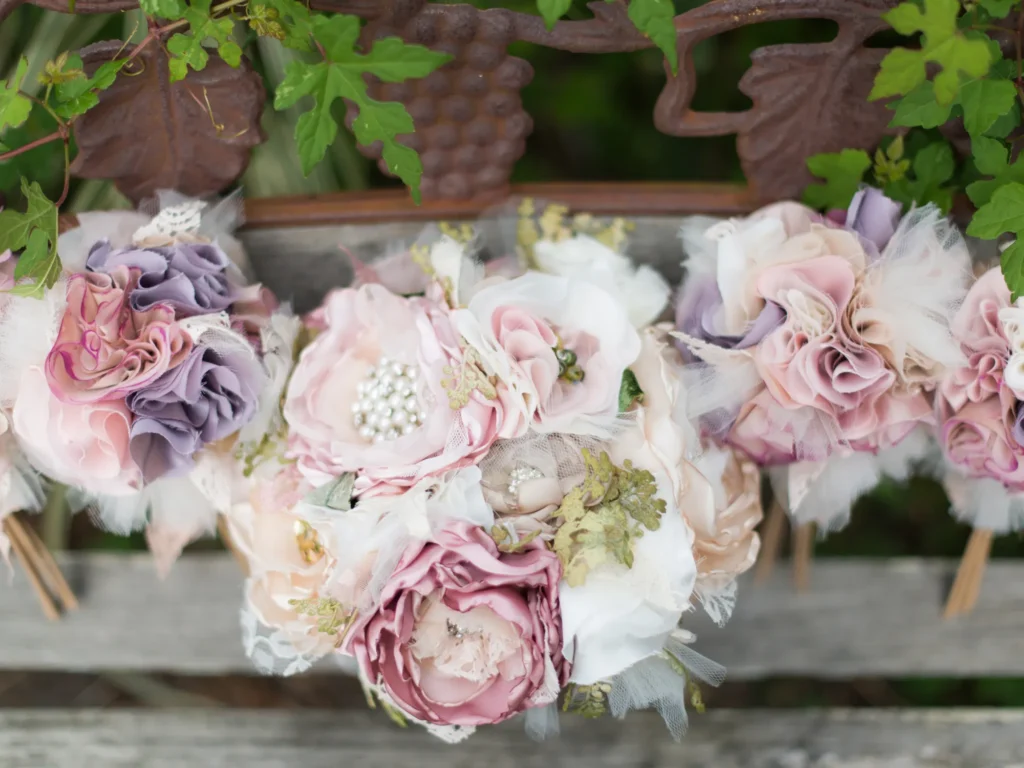
Silk flowers, faux flowers, and synthetic flowers usually point to the same product category, but they can carry different feelings in marketing. “Silk” sounds softer and more premium. “Faux” sounds modern and design-led. “Synthetic” sounds technical and material-based.
Applicable scenario: Product naming, category page writing, buyer communication, and retail positioning.
The words are similar, but the tone changes
I often tell clients that naming affects perception. In many cases, a buyer is not only choosing a flower. They are choosing language that matches their own market.
Here is how I usually explain it in real work:
Silk flowers
This term feels classic. It sounds elegant. It works well for weddings, home décor, and premium gifting. Even when the flower is not made from real silk, many buyers still prefer this wording because it sounds refined.
Faux flowers
This term feels current. It fits modern branding and lifestyle content. It works well for design-led stores, event companies, and digital content that wants a stylish but honest tone.
Synthetic flowers
This term feels more technical. It may fit factory discussions, material explanations, or sourcing documents, but it is not always the best choice for emotional selling.
A retailer I worked with changed her category title from “synthetic flowers” to “faux flower arrangements” and saw better engagement from customers who wanted a more decorative and premium feel. The product did not change. The language did.
Meaning depends on context, not only material
When people ask me what do artificial flowers mean, I always remind them that meaning comes from three layers: the flower type, the styling, and the wording. A faux white orchid arrangement in a glass vase says something very different from a synthetic sunflower stem in seasonal packaging. Both are artificial. Still, the message is not the same.
That is why buyers should choose naming based on audience, product level, and sales channel.
When Artificial Flowers Feel Elegant vs. When They Feel Inappropriate?
Artificial flowers can look premium and tasteful. They can also feel cheap if the design choices are wrong.
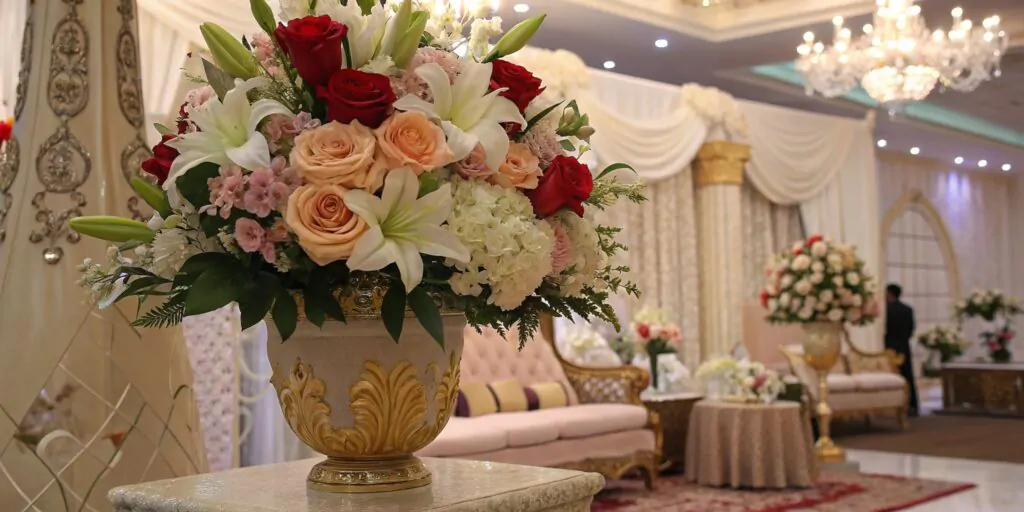
Artificial flowers feel elegant when the material, color, proportion, and placement are controlled. They feel inappropriate when the shine is too strong, the flower type does not fit the scene, or the arrangement ignores cultural or emotional context.
Applicable scenario: Wedding planning, funeral décor review, luxury retail styling, and hospitality display decisions.
Elegant faux flowers usually feel intentional
In my work, elegance starts with restraint. Good faux flowers do not try too hard. They use balanced color, natural shape, and suitable containers. They match the room, the season, and the purpose.
I once helped a hospitality buyer who wanted lobby flowers that looked rich but not loud. We chose soft cream hydrangeas with layered greenery in matte ceramic vessels. The result felt quiet and premium. Guests noticed the arrangement, but it did not look artificial from across the room.
Problems start when buyers chase effect over fit
I also see the opposite. Some products feel inappropriate because they push too much gloss, too much brightness, or too many symbolic mixed messages. A shiny red rose arrangement may work for Valentine’s merchandising, but it may feel wrong in a calm wellness space. A heavy glitter floral stem may suit festive retail, but not a luxury restaurant.
Context matters even more in sensitive occasions. In sympathy or memorial settings, buyers should be careful with color, scale, and style. Artificial flowers are accepted in many memorial uses because they last. Still, loud colors or overly playful forms can feel disrespectful.
A simple check I use with clients
I often ask three questions before approving a faux floral concept:
1. Does it match the emotional tone of the space?
2. Does it look natural under real lighting and camera use?
3. Does the flower type support the message the buyer wants to send?
A wedding client once wanted bright mixed tropical stems for a formal white ceremony stage. The products looked beautiful on their own, but they conflicted with the mood of the event. We changed to ivory roses and soft greenery, and the full design finally felt right.
So elegance is not only about product quality. It is also about symbolic fit. That is another useful way to answer what do artificial flowers mean in real business use.
How Retailers and Event Buyers Use Symbolic Flower Stories to Sell More?
Symbolism is not only poetic. In B2B business, it can directly support conversion.
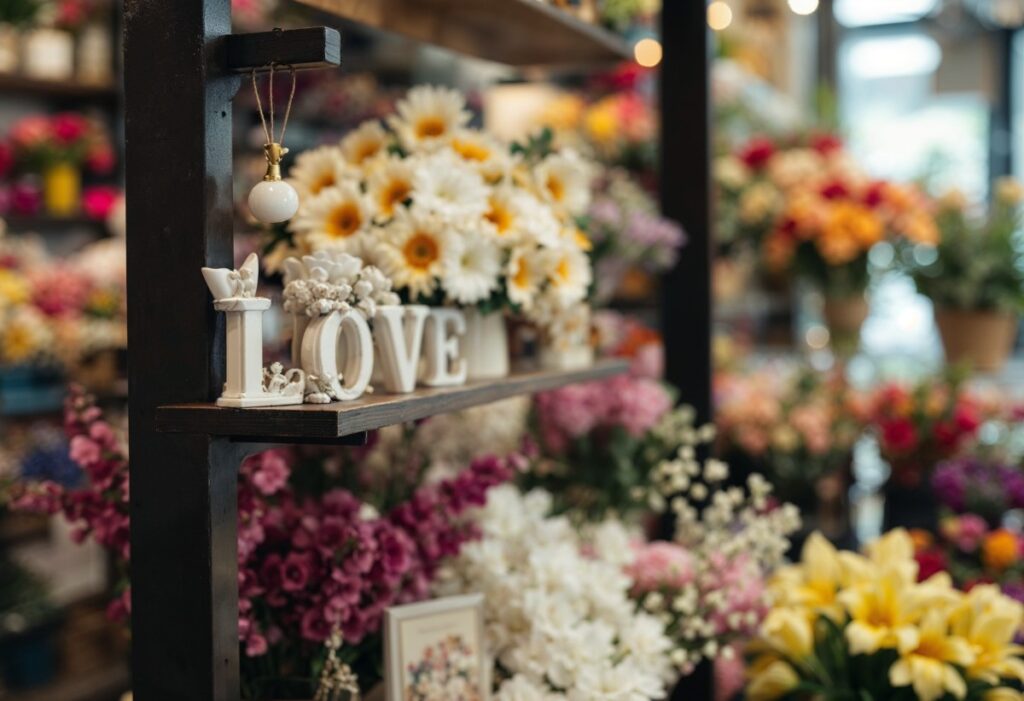
Retailers and event buyers use symbolic flower stories to make listings stronger, displays more emotional, and client communication easier. A clear story helps buyers justify price, improve presentation, and create stronger product memory.
Applicable scenario: E-commerce product pages, retail POS storytelling, wedding proposal decks, and seasonal campaign planning.
Symbolism helps products feel more valuable
I have seen many buyers sell the same floral item in two very different ways. One version only lists size and material. The other explains the message behind the flower. The second version almost always feels more complete.
For example, when a buyer describes faux lavender as a symbol of calm and comfort, the product becomes easier to place in wellness gifts, bedroom décor, and spa retail. When faux peonies are framed as romance and abundance, they become easier to sell in weddings and premium spring displays.[2]
Storytelling helps clients buy faster
One event client I worked with used symbolic notes in her proposal boards. She added short lines such as “white rose for clean commitment” and “eucalyptus for calm balance.” Her end customers responded well because the flowers no longer looked like decoration only. They looked purposeful.
I believe this is one of the most practical ways to use the question what do artificial flowers mean. The answer helps buyers do three things:
1. Build better product descriptions
2. Create stronger event proposals
3. Increase emotional appeal without changing the product itself
Symbolism also supports cross-channel selling
This works across websites, catalogs, retail tags, and social media captions. It also works well with educational blog content. If a buyer reads your article first, then sees the same symbolic language in your product page, trust grows faster.
That is why I often connect meaning-based content with product-focused pages and buyer guides. It creates a full path from search to story to inquiry.
Conclusion
What do artificial flowers mean? In the right hands, they mean lasting beauty, thoughtful care, stable branding, and smart commercial value.
FAQ
1. What do artificial flowers mean in simple terms?
They usually mean lasting beauty, practical care, and a visual message that stays present longer than fresh flowers.
2. Do artificial flowers still have symbolic meaning?
Yes. The flower type still carries meaning, and the artificial form often adds ideas like durability, memory, and stability.
3. Are faux flowers suitable for gifting?
Yes. They work well for gifting when the buyer wants beauty that lasts and is easy to keep.
4. Do silk flowers and faux flowers mean the same thing?
In most retail cases, yes. The difference is mainly in tone and marketing language.
5. Why do event buyers care about flower symbolism?
It helps them explain the design concept, add emotional value, and make proposals feel more intentional.
6. Can artificial flowers feel luxurious?
Yes. Good material, soft color, balanced styling, and the right container can make faux flowers feel very premium.
7. When can artificial flowers feel inappropriate?
They can feel wrong when the style is too shiny, too loud, or not suitable for the emotional context of the event or space.
8. Do customers respond well to symbolic product stories?
Yes. Symbolic stories often make floral products easier to understand, remember, and buy.
9. Which flower types work best for symbolic selling?
Roses, peonies, tulips, hydrangeas, orchids, and lavender usually work well because customers already connect them with familiar meanings.
10. How can B2B buyers use artificial flower meaning in sales?
They can use it in product descriptions, proposal decks, catalog text, display cards, and blog content to strengthen value perception.
Footnotes
- Kew notes that plants and flowers are rich in symbolism and can represent love, identity, and wider cultural meaning. Source: Kew Gardens.
- ProFlowers provides widely used consumer-facing flower meaning references, including symbolic associations for roses, peonies, tulips, orchids, and other common flowers. Source: ProFlowers Flower Meanings.
- Greater Birmingham Gardens notes that reusing existing decorations is one of the most sustainable and cost-effective ways to decorate, which supports the broader idea of repeat-use décor value. Source: GBBG Eco-Friendly Holiday Decor Guide.