
Buy Artificial Flowers in Bulk: 10 Proven Rules That Stop Costly Quality Mistakes
Many buyers try to save money first. Then weak flowers, crushed cartons, color changes, and customer complaints quietly eat the profit.
To buy artificial flowers in bulk safely, I check the sample, material, size, color, packing, carton data, MOQ, lead time, and repeat order standard before volume production. This simple buying system helps buyers protect margin, reduce risk, and build stronger repeat orders.
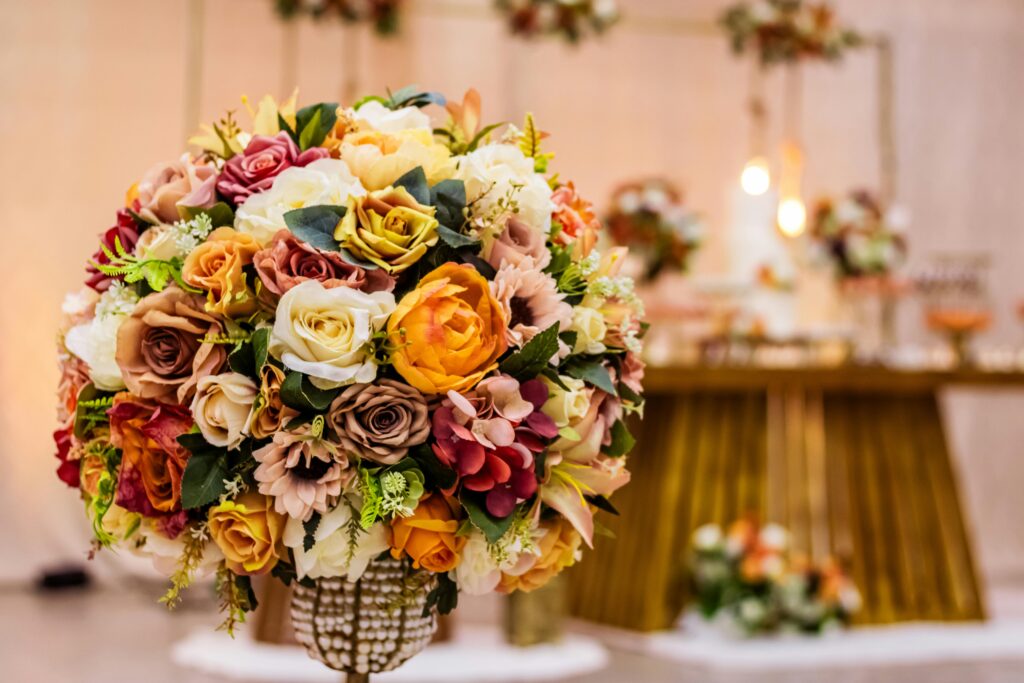
I have seen buyers win good orders with artificial flowers. I have also seen buyers lose money because they trusted a low price too fast. When buyers buy artificial flowers in bulk, the product is not only a decoration item. It becomes inventory, photos, freight cost, customer reviews, brand trust, and repeat order potential.
That is why I never treat bulk sourcing as a simple price game. I always ask where the flowers will be used, how close customers will see them, how they will be packed, and how many times the buyer wants to reorder the same style. A wedding planner, an event company, an online seller, and a retail chain may all buy artificial flowers in bulk, but they do not need the same quality level or packing method.
For more material comparison, I also suggest reading my guide on artificial flowers material selection. It helps buyers compare silk, PU, latex, polyester, and plastic before choosing products for weddings, events, retail shelves, and commercial projects.
Why Does It Go Wrong When Buyers Buy Artificial Flowers in Bulk?
Bulk buying becomes risky when buyers only compare unit price. The real loss often appears after shipping, display, selling, and repeat orders.
When buyers buy artificial flowers in bulk without checking samples, material, packing, carton strength, and color control, a cheap order can quickly become an expensive problem. A strong supplier should help buyers reduce hidden risk before mass production starts.
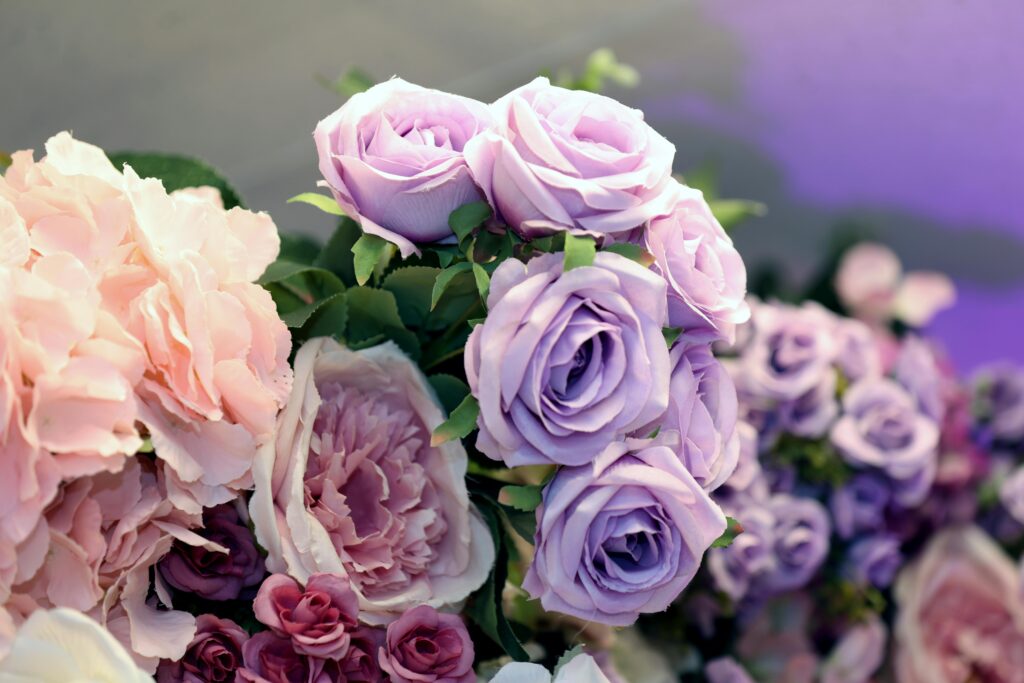
Cheap Flowers Can Become Expensive Very Fast
I once spoke with a buyer from the United States who had ordered flowers from another supplier because the offer looked very cheap. The photos looked full. The quotation looked attractive. The buyer thought the order was safe. After the goods arrived, the flower heads looked smaller than expected. The stems were too weak for display. The cartons were also soft, so many pieces were squeezed during transport.
The buyer did not only lose money on damaged products. He lost time. He lost customer trust. He had to explain delays to his own clients. He also had to spend more labor fixing flowers before resale. This is the real danger when buyers buy artificial flowers in bulk without checking the full business cost.
The real cost includes product price, sample cost, packing cost, freight cost, damage rate, labor time, customer complaints, listing changes, photo reshooting, and replacement cost. A low price can be useful, but only when the quality and packing are still suitable for the selling channel.
I always ask buyers one simple question first: “Where will this product make money for you?” If the product is for wedding bouquets, the shape and photo effect matter. If the product is for retail shelves, the packaging and barcode labels matter. If the product is for event installation, stem strength and fast assembly matter. If the product is for Amazon, eBay, AliExpress, or an independent website, carton safety and customer opening experience matter.
When buyers buy artificial flowers in bulk, they need a clear buying rule before they ask for the final price. The rule should cover product grade, material, color, size, packing, carton strength, shipment method, and repeat order control. Without this rule, the buyer may save a little money at the beginning and lose much more after delivery.
How Should Buyers Check Quality Before They Buy Artificial Flowers in Bulk?
A product photo can attract attention. A real sample can protect money. Quality must be checked before mass production.
Before buyers buy artificial flowers in bulk, they should check flower shape, material touch, stem strength, color accuracy, glue control, shedding level, odor, packing effect, and sample-to-production matching. These checks reduce complaints and protect repeat orders.
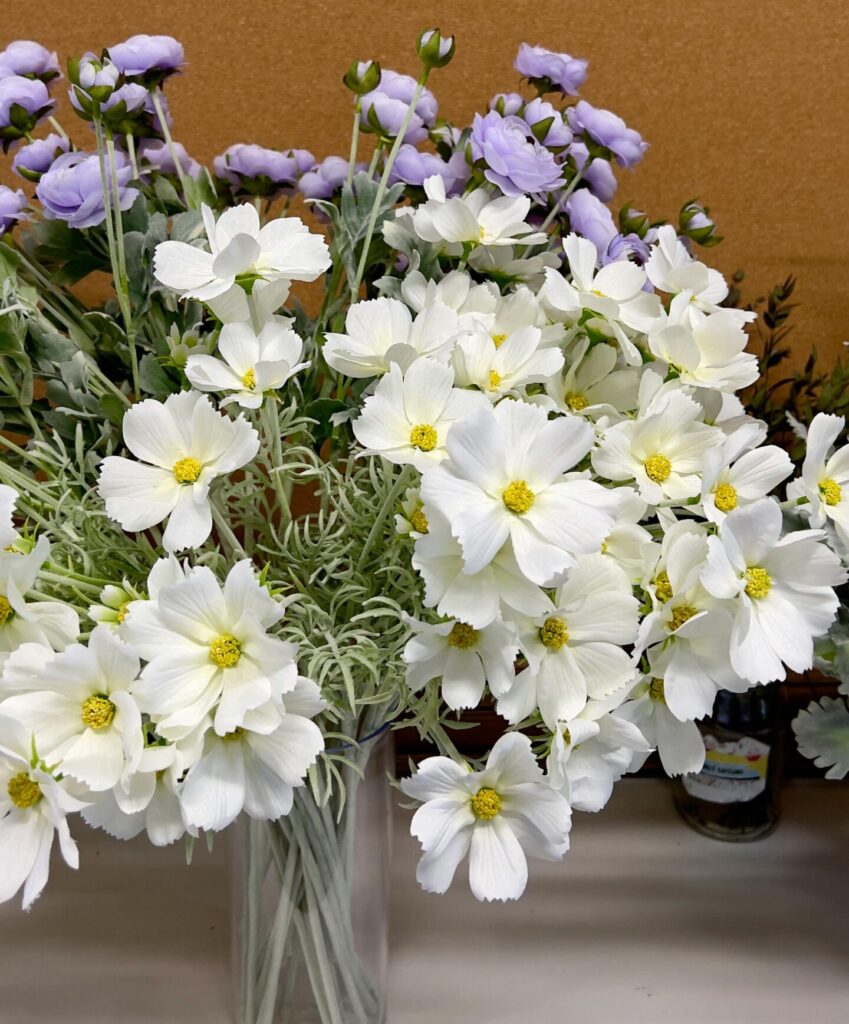
A Sample Is Not Decoration. A Sample Is a Business Test.
When I send samples to a buyer, I do not want the buyer to only say, “It looks nice.” I want the buyer to check whether the flower can sell, ship, display, and repeat. This is especially important when buyers buy artificial flowers in bulk for weddings, online stores, craft bundles, event styling, or retail programs.
One wedding décor buyer once asked me for a rose stem that looked soft in photos but stayed firm in bouquet making. The first version looked beautiful, but the flower head moved too much when the stem was placed inside a tight bouquet. I asked our team to adjust the stem wire and improve the flower head connection. After we sent the second sample video, the buyer could see that the rose kept its shape better. That small change helped the buyer avoid complaints from florists who needed fast bouquet assembly.
I use several simple checks before I suggest volume production. I check the flower head first. The petals should not look flat, crushed, or uneven. I check the material next. Silk fabric, polyester, PU, latex, EVA, and plastic do not have the same touch or value. I check the color because the factory stock color may not match the buyer’s market. I check the stem because it should bend when needed, but it should not feel weak. I check glue and connection points because visible glue makes the product look cheap, and weak glue creates shedding risk.
I also check odor. Some buyers sell indoor décor, wedding products, or retail gift items. A strong smell can create a bad first impression. I check packing because a good product can still fail if the flower heads are pressed too tightly in the carton.
For buyers who care about product identification, barcode labels, and retail compliance, it is also useful to understand official barcode basics from GS1 barcode standards.[1] If buyers sell through retail chains or marketplaces, label planning should happen before final packing is confirmed.
A strong sample process makes the order safer. Buyers do not need complicated reports at every step. Buyers need clear photos, short videos, close-up details, material notes, packing references, carton data, and honest communication before they buy artificial flowers in bulk.
What 10 Rules Should Buyers Use to Buy Artificial Flowers in Bulk?
Smart buyers do not only ask, “How much?” They ask better questions that protect profit, quality, delivery, and repeat sales.
The safest way to buy artificial flowers in bulk is to follow 10 rules: match the grade to the selling scene, confirm material, check size, lock color, test stems, review details, confirm packing, ask for carton data, request production proof, and protect repeat order consistency.
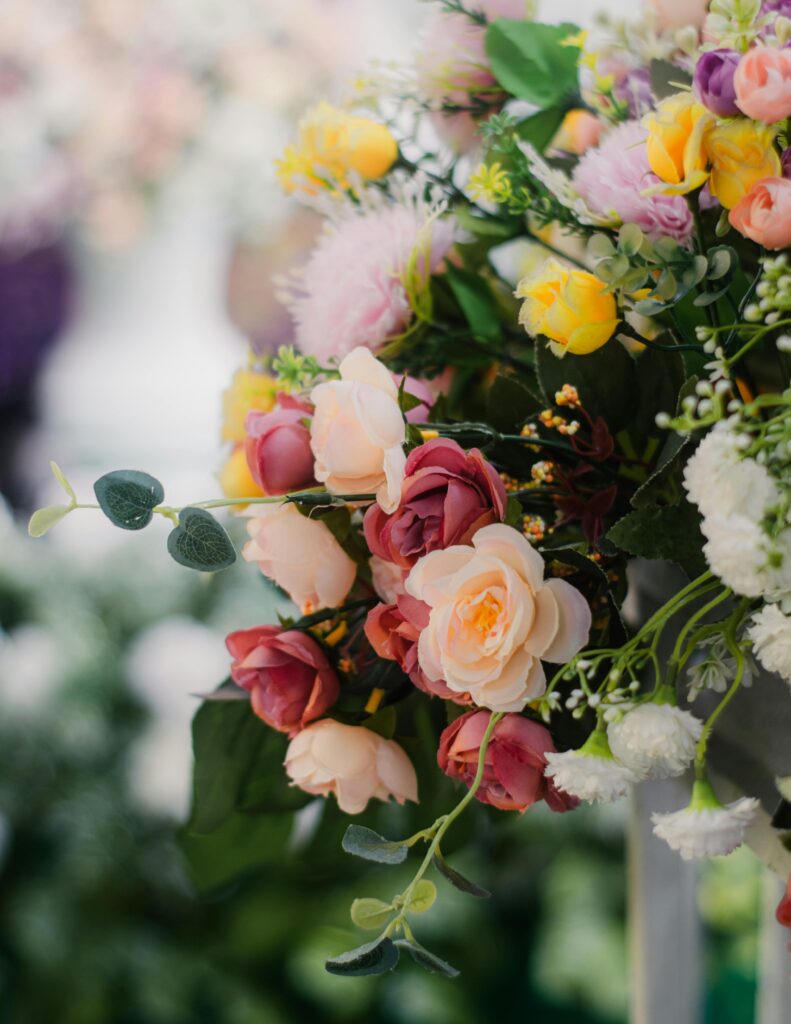
Rule 1: Match Product Grade to the Selling Scene
I never recommend the same product grade to every buyer. A luxury wedding backdrop needs a different flower finish from a low-cost seasonal pack. A hotel lobby arrangement needs stronger realism and durability. A craft bundle may need better price control and easy handling. I once helped an event buyer choose higher-grade roses for the front display area and more cost-friendly filler flowers for the background. The buyer kept the visual effect strong and still protected the project budget.
Rule 2: Confirm the Real Material
Before buyers buy artificial flowers in bulk, they should know whether the product is silk fabric, polyester, PU, latex, EVA, PVC, PE, or mixed material. Material affects touch, shape, color, price, and shipping performance. I do not like vague material answers. A serious buyer should ask the supplier to state the main material clearly.
Rule 3: Check Size by Sample, Not Only by Photo
Photos can make flowers look larger. Buyers should confirm total height, flower head diameter, stem length, arrangement width, and packed size. For online selling, size mistakes can lead to returns and poor reviews. A good listing starts with honest measurements.
Rule 4: Lock the Color Standard
Color is one of the biggest repeat order risks. A buyer may approve dusty pink, ivory, burgundy, champagne, or sage green. The second order may look different if the supplier does not keep a reference sample. I always suggest keeping approved samples or clear reference photos for production matching.
Rule 5: Test Stem Strength
A weak stem makes bouquet making, vase display, and event installation harder. A strong stem also helps the product survive packing and shipping. I often bend and shake stems during sample checks because buyers need flowers that work in real use, not only in factory photos.
Rule 6: Review Glue, Shedding, and Edges
Small details affect customer feeling. Loose petals, rough cuts, exposed glue, and falling leaves can create complaints. Before buyers buy artificial flowers in bulk, they should check close-up details. These details decide whether the product feels cheap or professional.
Rule 7: Confirm Packing Before the Price Is Final
Packing changes cost. OPP bags, paper boxes, inner cartons, bubble wrap, custom labels, and carton marks all affect the final price. Buyers should not compare quotations without comparing packing. A lower quotation may only mean weaker protection.
Rule 8: Ask for Carton Size and Weight Early
Carton data affects freight cost. I always advise buyers to ask for estimated carton size, gross weight, net weight, quantity per carton, and packing photos before the order is too late. This helps buyers calculate shipping cost, warehouse space, and sales margin.
Rule 9: Ask for Production Photos and Videos
A serious supplier should be able to provide progress updates. I often send buyers photos and videos during sample making and before shipment. These updates help buyers feel safer. They also help both sides catch problems before cartons leave the factory.
Rule 10: Protect Repeat Order Consistency
The first order is only the start. Repeat order stability creates real profit. When buyers buy artificial flowers in bulk again, they should repeat the approved material, color, size, packing, carton method, and label details. A good supplier should keep the order file and use it again.
I also suggest buyers understand basic import preparation through U.S. Customs and Border Protection importer tips, especially when they ship goods into the United States. For Europe-focused buyers, the Access2Markets portal can help buyers review trade information before import planning.[2]
What Questions Should Buyers Ask Before They Buy Artificial Flowers in Bulk?
Late questions create price changes, packing problems, and delivery delays. Early questions protect the whole order.
Before buyers buy artificial flowers in bulk, they should ask about MOQ, sample time, sample cost, custom color, private label, inner packing, carton size, gross weight, production lead time, inspection steps, and shipment method.
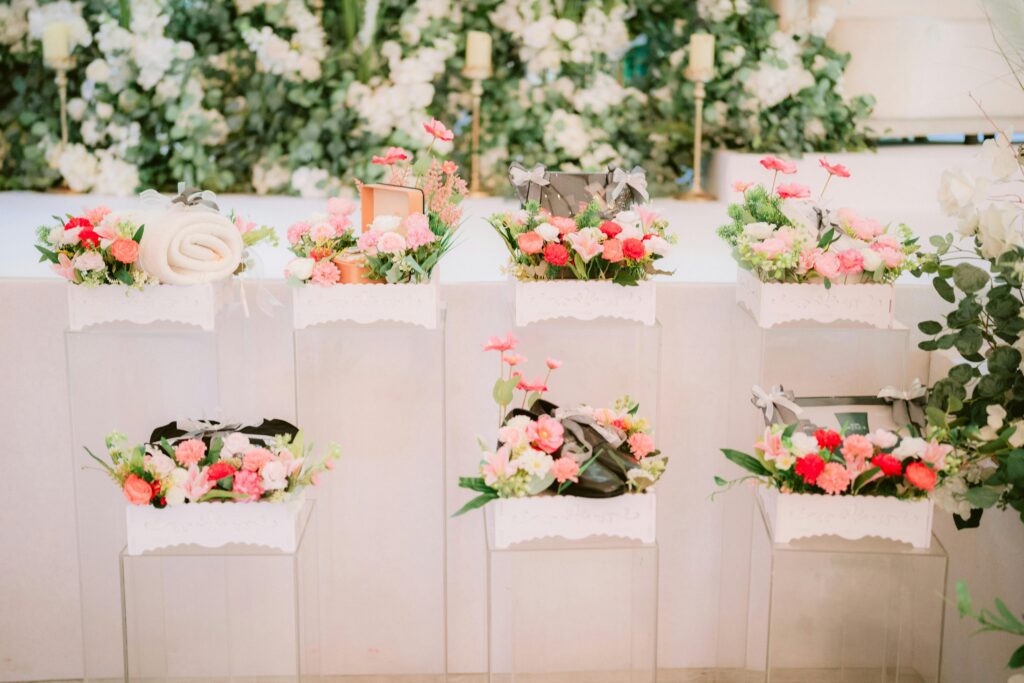
The Best Time to Discuss Packing Is Before Final Quotation
I once worked with a buyer who sold artificial greenery and seasonal flowers through online channels. At first, the buyer only asked for the product price. After the sample was approved, the buyer asked for a paper box, barcode sticker, and stronger carton. The new packing improved the product, but it also changed the price, carton size, and shipping cost. The buyer understood the reason, but the project lost several days. Since then, I always encourage buyers to discuss packing early.
MOQ is not only a number. MOQ is linked to material stock, color choice, mold use, labor setup, packing style, and production schedule. If a buyer chooses an existing color and standard packing, MOQ can often be easier. If the buyer needs custom color, custom flower head, private label, retail box, or mixed carton, MOQ may change.
Samples are also important. Buyers should ask whether the sample is from stock or newly made. A stock sample can be faster, but it may not show the exact custom color or final packing. A newly made sample takes more time, but it gives better proof for production. I often suggest that buyers approve the flower product first, then approve packing if the order is for retail or e-commerce.
Packing questions should be direct. How many pieces are in one inner bag? Is each piece protected? Will the flower head be squeezed? Is the carton strong enough for export? Can the supplier add carton marks? Can the supplier support SKU labels, barcode labels, or private labels? These questions help buyers avoid warehouse and customer service problems later.
Carton information should come before shipment planning. Buyers need carton size, gross weight, net weight, quantity per carton, and estimated total cartons. These numbers help calculate freight and storage. If buyers sell online, accurate package size also helps listing, shipping setup, and warehouse work.
When buyers buy artificial flowers in bulk and want to promote reusable or lower-waste décor, the claim should be honest. My article on sustainable artificial flowers explains what buyers can say without making weak or risky claims. For external guidance, the FTC Green Guides page is useful for buyers who sell in the U.S. market and need to avoid overclaiming.[3]
How Can Buyers Keep Quality Stable After They Buy Artificial Flowers in Bulk?
Repeat orders do not stay stable by memory. They stay stable through records, samples, photos, and supplier discipline.
After buyers buy artificial flowers in bulk, they can protect repeat order quality by keeping approved samples, saving color references, confirming material again, checking production photos, repeating the same packing method, and using one clear specification file for every reorder.
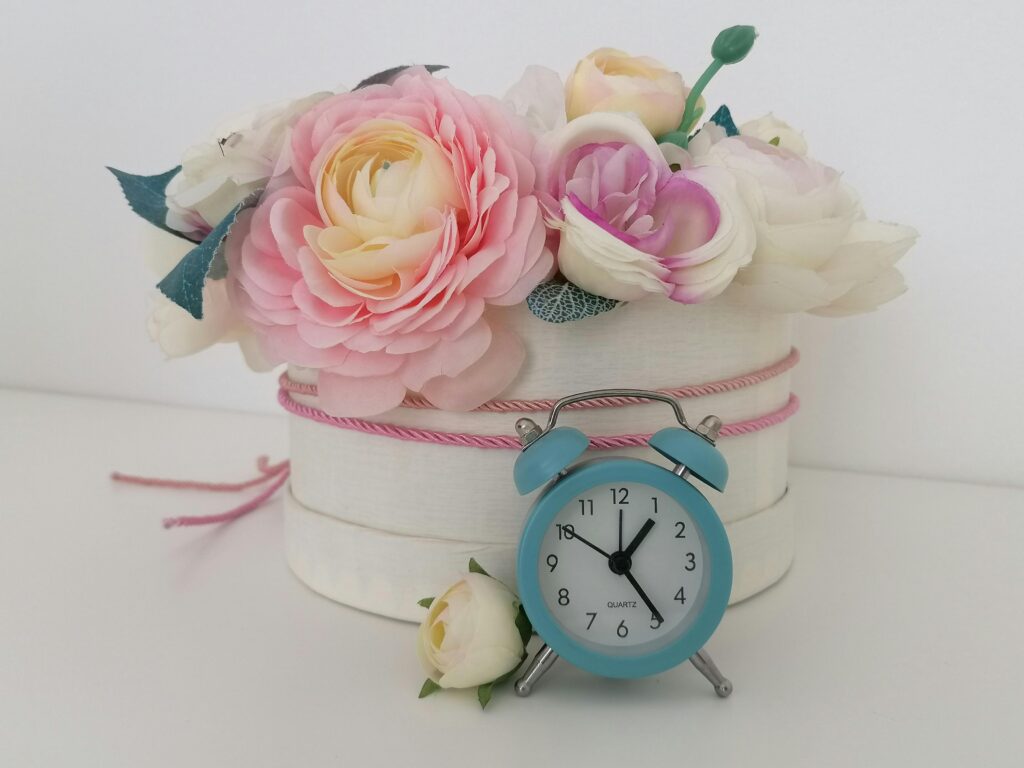
Repeat Orders Need a System, Not Memory
A buyer may think the second order will naturally match the first order. In real production, this is not always true. Material batches change. Dye lots change. Workers change. Packing requests change. Even a small change in stem length, leaf color, or flower head size can affect the buyer’s selling result.
I once served a buyer who reordered a popular eucalyptus stem for retail bundles. The first order sold well because the green tone looked soft and natural in home décor photos. Before the repeat order, I asked our team to compare the new material with the approved sample. We noticed that the new batch looked a little too bright. It was not a big problem for factory stock, but it could be a problem for the buyer’s product photos. We adjusted the material selection before production. The buyer avoided a color mismatch between old listing photos and new inventory.
This is why I always suggest keeping a repeat order file. The file should include product name, SKU, approved sample photo, material, size, color reference, stem details, packing method, carton size, carton marks, label style, order quantity, and inspection points. Buyers do not need a complex system. They need one clear record that both sides can use.
For floral products, color and shape are usually the most sensitive points. Ivory, cream, white, champagne, dusty pink, burgundy, sage green, and eucalyptus green can look different under different light. I suggest buyers ask for production photos under natural light when possible. Short videos also help because buyers can see shape, movement, and fullness better.
Packing consistency also matters. If the first order used 12 pieces per inner bag and the second order uses 24 pieces per bag, the flower heads may arrive in a different shape. If the first order used a stronger carton and the second order uses a thinner carton, damage risk can increase. A repeat order should repeat the product and the packing.
For buyers who sell to hotels, events, or public spaces, product compliance may also become important. I wrote more about this in my article on fire retardant artificial flowers. Not every project needs fire-retardant products, but buyers should know when a venue may request proof.
When buyers buy artificial flowers in bulk from a reliable supplier, they are not only buying one shipment. They are building a repeatable product line. This is where real profit starts. A supplier who communicates clearly, records details, and checks before shipment can save the buyer many hidden costs.
Ready to Buy Artificial Flowers in Bulk Without Costly Mistakes?
If you need artificial flowers for weddings, retail, events, home décor, or cross-border e-commerce, I can help you check samples, packing, carton data, and repeat order standards before volume production.
Conclusion
Buy artificial flowers in bulk with a system, not a guess. Samples, packing, carton data, and repeat order control protect profit.
FAQ About How to Buy Artificial Flowers in Bulk
1. What is the best way to buy artificial flowers in bulk?
The best way to buy artificial flowers in bulk is to approve samples first, confirm material and size, check packing, review carton data, and lock repeat order standards before mass production.
2. What should I check before I buy artificial flowers in bulk?
You should check flower shape, material touch, stem strength, color accuracy, glue control, shedding, odor, size, and packing effect.
3. Why do artificial flower prices vary so much?
Prices vary because material, size, flower fullness, stem wire, labor, packing, MOQ, and quality control levels are different.
4. Can I customize products when I buy artificial flowers in bulk?
Yes. Buyers can often customize color, stem length, flower mix, packaging, labels, carton marks, and product sets for different sales channels.
5. What MOQ is common when buyers buy artificial flowers in bulk?
MOQ depends on product type, material stock, color, packing, and customization level. Stock styles usually have lower MOQ than custom styles.
6. Should I choose silk, PU, latex, or plastic artificial flowers?
You should choose based on use scene. Silk and polyester are common for soft floral looks. PU and latex can feel more realistic. Plastic is often used for greenery and outdoor-style products.
7. How can I reduce damage when I buy artificial flowers in bulk?
You can reduce damage by confirming inner packing, avoiding over-compression, using stronger export cartons, and checking carton size and gross weight before shipment.
8. How do I keep repeat orders consistent?
You should keep approved samples, product photos, color references, packing details, carton data, and QC points. The supplier should follow the same file for repeat orders.
9. Are artificial flowers suitable for cross-border e-commerce?
Yes. Artificial flowers can work well for Amazon, eBay, AliExpress, independent websites, and retail channels when product size, packing, and listing photos are accurate.
10. What questions should I ask before placing a bulk artificial flower order?
You should ask about MOQ, sample time, material, product size, color options, packing, carton size, gross weight, lead time, inspection process, and repeat order support.
Footnotes
- For retail and marketplace sales, buyers should confirm barcode and product identification requirements before printing labels or packaging. GS1 provides official barcode standards that can help buyers avoid duplicate or invalid product codes. ↩
- Import rules, duties, and documentation can vary by country, product type, and shipment method. Buyers should check current customs guidance before confirming bulk shipments. ↩
- Sustainability claims should be clear, specific, and supported. Buyers should avoid broad claims such as “eco-friendly” unless the product, material, and use case can support the message. ↩