
Can You Plant Fake Flowers Outside? 7 Costly Mistakes Buyers Should Avoid
Outdoor fake flowers can save labor, but the wrong choice can fade, lean, crack, and make a premium project look cheap fast.
Yes, can you plant fake flowers outside is a real buyer question, and the honest answer is yes, if you choose UV-ready materials, strong stems, stable fixing, proper drainage, and scene-matched colors. I always check sunlight, rain, wind, heat, and display period before I recommend outdoor artificial flowers for bulk projects.
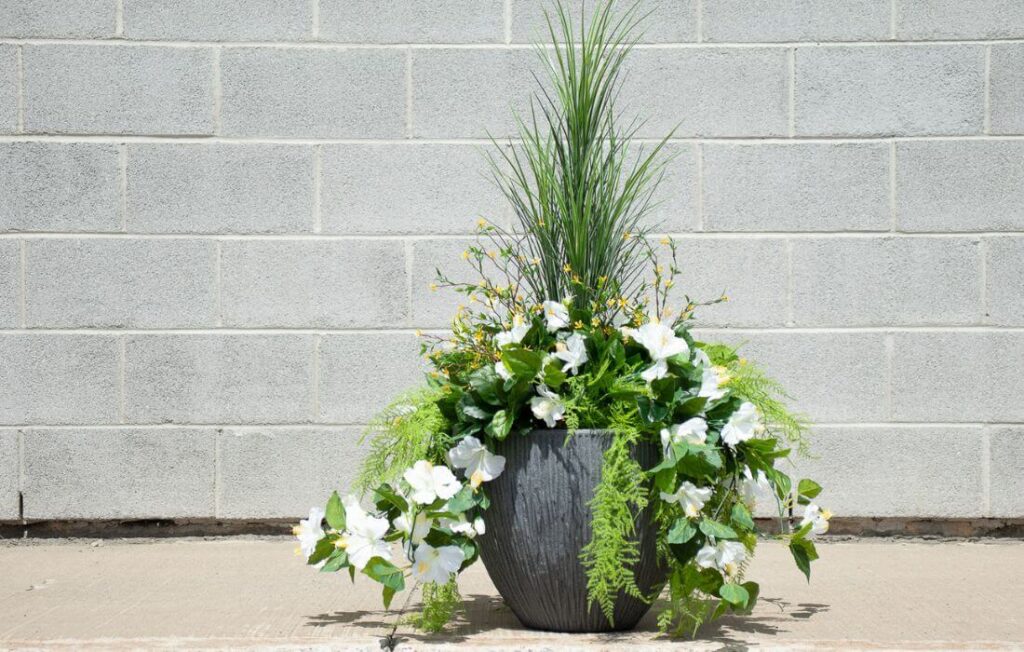
I hear this question from buyers all the time: can you plant fake flowers outside without making the project look fake? My answer is simple. You can, but outdoor use is not the same as indoor decoration. Sun, rain, dust, heat, wind, and customer distance all change the final result.
I have worked with buyers who wanted outdoor pots for stores, grave flowers for retail programs, patio flowers for restaurants, and seasonal displays for event companies. Some buyers only needed a clean look for one weekend. Some buyers needed the same flowers to stay outside for months. These two projects should not use the same product standard.
When I help a buyer choose outdoor fake flowers, I do not start with color only. I ask where the flowers will be placed, how long they need to last, how close people will see them, and how the goods will be packed for shipment. This is where many buyers protect their margin before the order starts.
For more material comparison, I also recommend reading my guide on the best material for artificial flowers. It helps buyers understand why polyester, PE, PU, latex, silk fabric, and plastic do not perform the same in outdoor use.
Can You Plant Fake Flowers Outside Safely?
A beautiful outdoor pot can still become a problem if the stems loosen, the base holds water, or the flowers sit too close to heat.
Can you plant fake flowers outside safely? Yes, if you use outdoor-suitable stems, secure the base, avoid open flame, control water buildup, and match the installation method to the real weather. I never treat safety as a small detail in B2B outdoor décor orders.
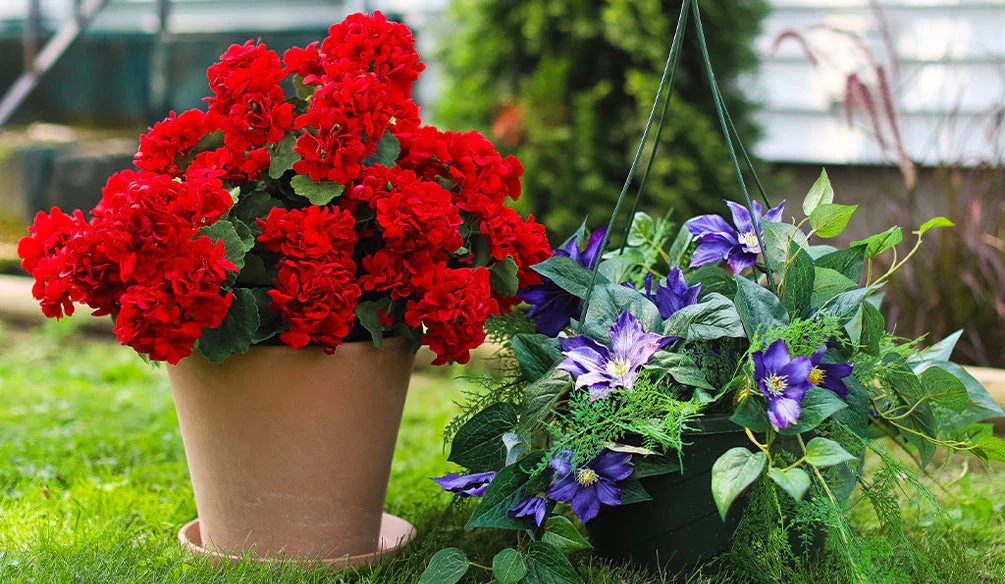
Why I check the full display, not only the flower
When a buyer asks me, “can you plant fake flowers outside in real soil?” I always answer carefully. Real soil can make a pot look natural, but it can also hold water, dust, and insects. If the stem is weak, wet soil can loosen the base. If the pot has no drainage, water can sit at the bottom and create smell, staining, or rust risk.
I prefer using a stable inner structure first. I may use foam, stones, sand, clay, or a prepared plastic insert. Then I cover the top with soil, moss, bark chips, stones, artificial grass, or mixed greenery. This gives the buyer a natural look, but it also keeps the stems more stable.
One retail client once asked me to supply flowers for six storefront planters. The first idea was to use low-cost indoor flower bushes. The photos looked fine, but the store entrance had strong wind every afternoon. I knew the flowers would lean after a short time. I changed the plan to stronger stem wire, deeper insertion, heavier pot filler, and a cleaner top cover. The final display looked more premium, and the buyer did not need to repair it every few days.
My basic outdoor safety checks
I check whether the flower head is firmly attached. I bend the stem to see if the wire can hold shape. I check if the coating looks too thin for sun exposure. I also ask if the product will be near candles, heaters, restaurant doors, or public walkways.
For hotels, malls, restaurants, and event venues, I also ask if the buyer has any local safety or fire rules. Artificial flowers are décor products, but they still sit near people, doors, lights, and food service areas. I do not suggest putting fake flowers close to open flame, hot lamps, fire pits, or strong heaters. For public spaces, buyers should review venue rules before installation. My guide on fire retardant artificial flowers can help buyers ask better questions before ordering.
So when buyers ask can you plant fake flowers outside safely, I tell them the flower is only one part of the system. The pot, filler, base, drainage, stem, weather, and placement all decide whether the final result is safe, stable, and professional.
Can You Plant Fake Flowers Outside in Sun, Rain, Wind, and Heat?
Outdoor weather is where low-quality fake flowers lose the battle. Sun fades color, rain tests glue, wind bends stems, and heat changes plastic feel.
Can you plant fake flowers outside in all weather? You can, but you must choose products based on real exposure. I reduce risk by using better pigments, coated wires, stronger flower heads, proper drainage, and a fixing method that keeps each stem steady.
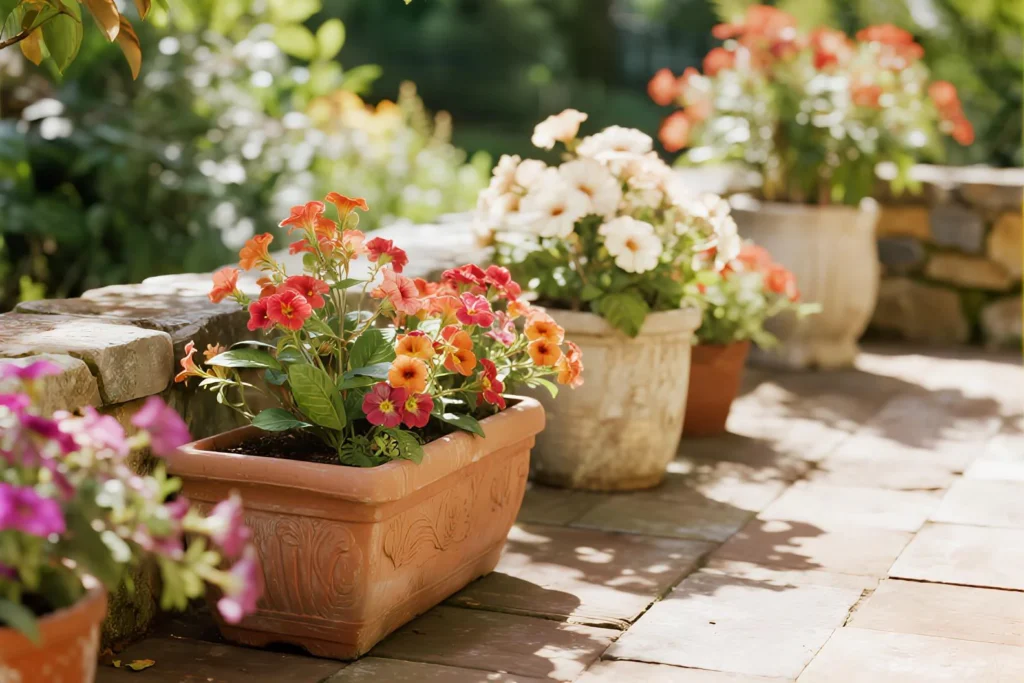
Sun is the first enemy of cheap outdoor flowers
Many buyers think rain is the biggest outdoor risk. In my experience, sun is usually the first problem. Strong sunlight can fade red, purple, pink, orange, and dark colors faster than soft white or green tones. The U.S. Environmental Protection Agency explains UV levels through the UV Index, and this helps buyers understand why some regions are harder on outdoor décor than others.[1]
A wedding planner once asked me for outdoor aisle flowers. The event lasted only one day, so the product did not need the same standard as a six-month patio display. But photos mattered. I still suggested flowers with better color stability and a softer color mix. The client later told me the flowers looked fresh in the ceremony photos, even under bright sunlight. That small material choice protected the buyer’s service quality.
Rain and moisture attack hidden parts first
Rain does not always destroy the flower face first. It often attacks hidden parts. Poor glue can soften. Exposed wire can rust. Paper-wrapped stems can stain. Some fabric flowers can hold water and become heavy. This is why I avoid paper-wrapped stems for long outdoor use. I prefer plastic-coated stems, tape-wrapped stems, or stronger PE parts when the buyer needs outdoor pots or grave arrangements.
Wind creates another problem. It changes how customers see quality. If one side of a planter falls, the whole display looks careless. For a storefront, this can hurt brand image. For a grave arrangement, it can feel disrespectful. For a hotel entrance, it can make the whole space look poorly maintained.
Heat can also make some plastic leaves feel soft, shiny, or warped. Some low-cost flowers curl at the edge. Dark colors may absorb more heat. For this reason, I often suggest mixed greenery, softer color groups, and flower heads with better structure.
So can you plant fake flowers outside in difficult weather? Yes, but you should not buy only from a pretty product photo. You should think in weeks and months. A product that looks good under studio light may not survive strong outdoor conditions.
Can You Plant Fake Flowers Outside Without Looking Cheap?
Most cheap-looking outdoor flower displays fail for the same reasons: bright color, loose stems, flat shape, weak base, and poor material choice.
Can you plant fake flowers outside without looking cheap? Yes, when the display uses natural color groups, strong stems, deep fixing, hidden bases, layered height, realistic spacing, and outdoor-ready materials. I use these rules before I approve bulk outdoor production.
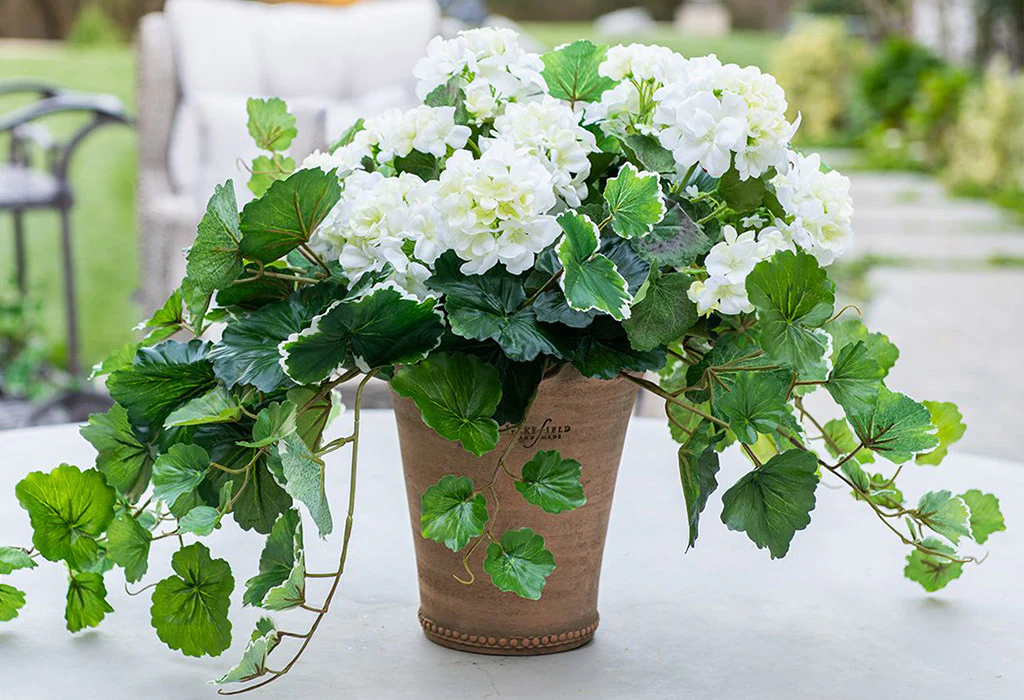
Rule 1: Choose outdoor-suitable materials
My first rule is simple. Do not use delicate indoor flowers for long outdoor projects. If the buyer needs long-term outdoor use, I look for stronger fabric, PE leaves, coated stems, better color fixing, and tighter assembly. I also avoid flowers with too many loose glitter parts, weak paper details, or fragile foam pieces.
Rule 2: Use natural color groups
Many fake outdoor flowers look cheap because the color is too perfect. Real outdoor plants have shade, depth, and small color changes. I often mix cream, dusty pink, soft yellow, sage green, and deep green to create a more natural look. For bright seasonal displays, I still control the color balance. I do not put every strong color into one pot unless the buyer wants a very bold theme.
A U.S. client once ordered autumn flower pots for a store entrance. The first plan used bright orange and red only. I suggested adding muted leaves, brown seed stems, cream flowers, and deeper greenery. The final display looked more expensive, and the client used the same color formula for the next season.
Rule 3: Fix stems deeper than expected
Outdoor fake flowers should not sit loosely on the surface. I prefer deep stem insertion into foam, clay, sand, or a prepared base. If the flowers are used in soil, I still suggest an inner structure. Soil alone is not always enough, especially in windy areas.
Rule 4: Hide the base properly
A visible foam block can ruin the display fast. I like to cover the base with moss, bark chips, stones, artificial grass, or top soil. The cover should match the scene. A grave arrangement may look better with soft greenery and stones. A patio planter may look better with moss and bark. A storefront may need a cleaner and more designed finish.
Rule 5: Build different heights
Flat displays look fake. I build outdoor pots with taller stems in the center or back, medium flowers around them, and trailing greenery near the edge. This gives the pot depth. It also makes the display look fuller without using too many flower heads.
Rule 6: Check the viewing distance
A balcony flower may be seen from far away. A restaurant patio flower may be seen very close. Close-view flowers need better petal texture and cleaner leaves. Far-view flowers need stronger shape and clear color blocks. This small difference can change the whole buying decision.
Rule 7: Ask for outdoor packing and bulk consistency
For B2B buyers, the order is not only one pot. It may be 50, 500, or 5,000 pieces. I always ask the team to check color consistency, packing pressure, carton loading, and recovery after unpacking. A crushed flower can look cheap even if the material is good.
These seven rules answer the real question behind can you plant fake flowers outside. The buyer is not only asking if it is possible. The buyer is asking if the finished project can still look premium after delivery, installation, sunlight, rain, and daily use.
Can You Plant Fake Flowers Outside for Pots, Graves, Patios, and Storefronts?
There is no single best fake flower for every outdoor scene. Each project needs a different flower type, color direction, stem strength, and fixing method.
Can you plant fake flowers outside for pots, graves, patios, and storefronts? Yes, but each scene needs a different product strategy. I use fuller bushes for pots, respectful colors for graves, better texture for patios, and bold controlled designs for storefronts.
Outdoor pots need structure and fullness
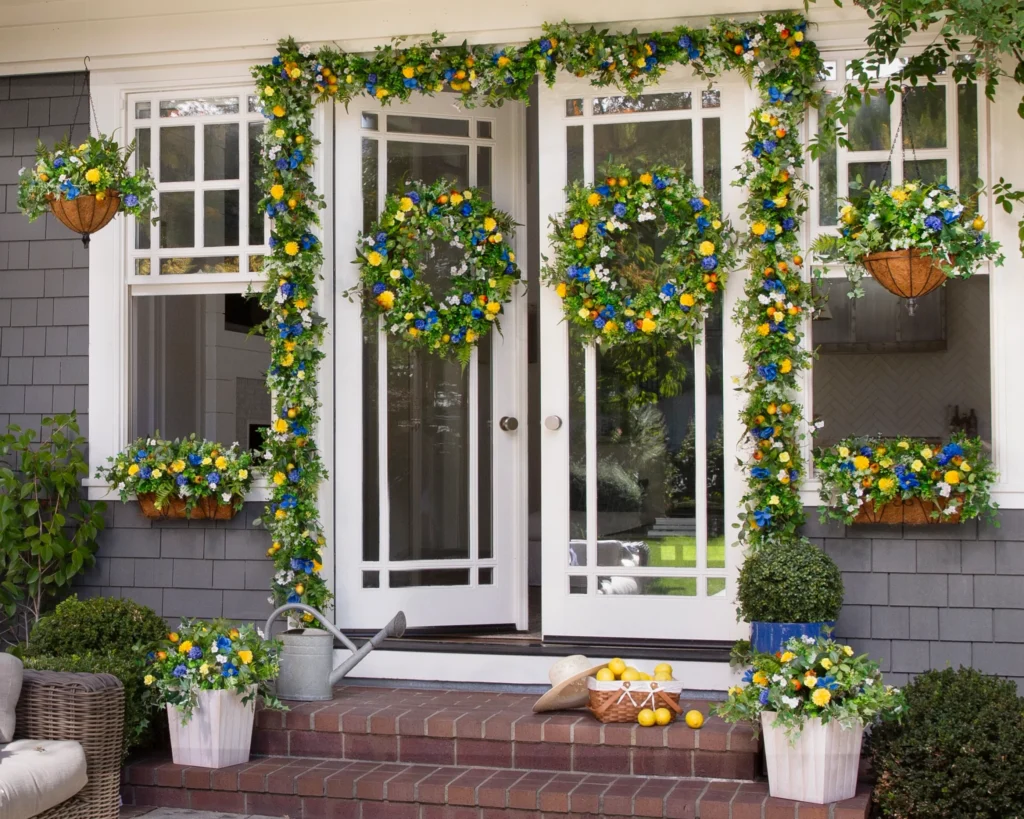
Outdoor pots usually need volume. A few small stems can look empty once the pot is placed outside. I like using flower bushes, mixed greenery, and trailing leaves for pot projects. Hydrangea-style heads, geranium-style flowers, lavender bushes, daisies, mums, and mixed wildflower bushes can work well when the color and material match the weather.
A patio customer once wanted a clean summer look for restaurant planters. Real flowers needed watering, and the staff did not have time to maintain them. I suggested a mixed design with green base leaves, white flower heads, and a few soft yellow accents. The client could clean the display with light dusting and occasional rinsing. The restaurant kept the same look for a full season.
Grave flowers need respect and stability
For graves, I use a different design logic. The color should feel respectful, not noisy. White, cream, soft pink, lavender, deep red, and muted purple are common choices. Stems should be stable because cemetery locations can be open and windy. I also avoid fragile decorations that may fall apart and leave small pieces behind.
If the buyer sells grave flower arrangements in bulk, I suggest strong bouquets with fixed stems and simple packing. The design should be easy for end customers to place, remove, and replace. A product that looks respectful and lasts longer can help the retailer build repeat orders.
Patios need closer detail
Patio flowers sit close to people. Guests may see them while eating, drinking, or taking photos. This means the flowers should not only look good from far away. They need better petal texture and cleaner leaves. I often suggest outdoor faux greenery mixed with selected flowers, not only full flower heads. Greenery helps the display look more natural and less crowded.
For outdoor greenery choices, buyers can also read my guide on UV resistant artificial plants for outdoors. It gives a deeper view of outdoor greenery performance and helps buyers choose better long-term outdoor products.
Storefronts need fast visual impact
Storefront flowers need to attract people. The design can be bolder, but it should still look controlled. I like using repeated color groups, clear height levels, and easy-replace sections. If one section fades or gets damaged, the buyer can replace that part instead of rebuilding the whole display.
When buyers ask can you plant fake flowers outside for storefronts, I always suggest planning the display like a small commercial system. The product should look good, ship well, install fast, support repeat orders, and reduce daily maintenance.
Can You Plant Fake Flowers Outside for Long-Term Commercial Use?
Long-term outdoor use is not about buying the cheapest flower. It is about lowering replacement cost, complaints, labor, and brand risk.
Can you plant fake flowers outside for long-term use? Yes, but smart buyers should check material, UV resistance, stem strength, color stability, packing method, supplier consistency, and replacement planning before bulk orders.
I start with the real use period
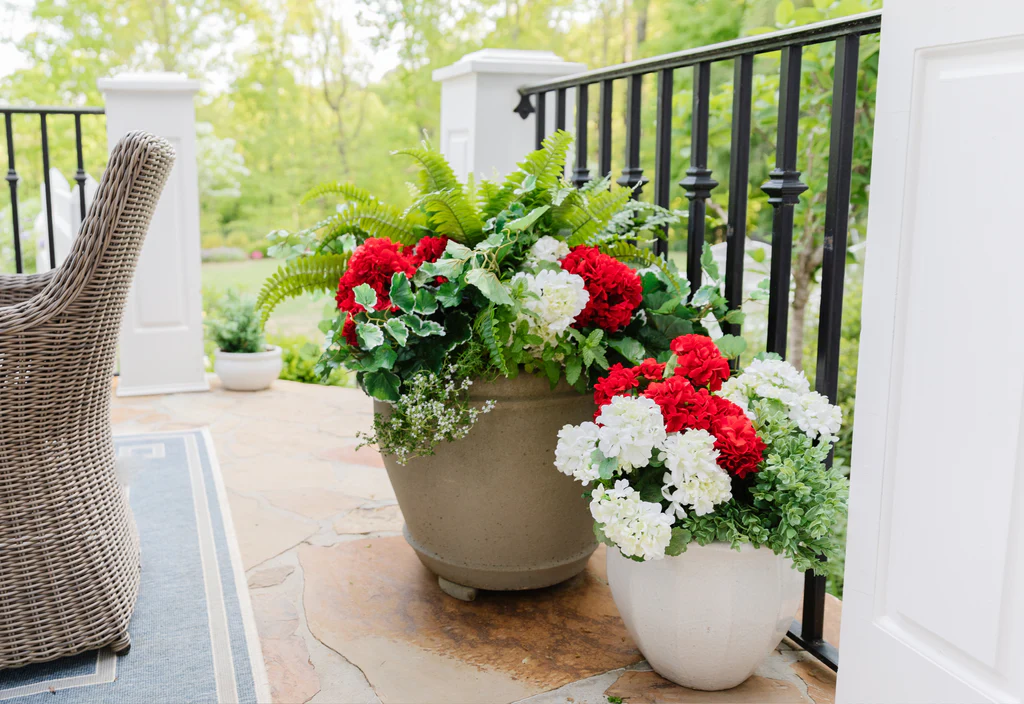
When I quote outdoor fake flowers, I ask one question first: how long should this display stay outside? If the buyer needs two weeks, the product choice can be different. If the buyer needs six months, the product standard must be higher. If the buyer wants yearly repeat programs, I need to control color, material, packing, and batch records more carefully.
A wholesale buyer once compared two products with a small price gap. The cheaper one looked acceptable in photos. The better one had stronger stem wire, better leaf texture, and tighter flower heads. I explained that the cheaper product could cost more after replacement and complaints. The buyer chose the better version for the first shipment. After the season ended, the buyer repeated the order because customer complaints stayed low.
I compare price by project risk
Unit price matters, but it is not the full cost. Outdoor décor has hidden costs. A buyer may need labor to replace faded flowers. A store may lose visual quality during peak season. A wedding planner may lose trust if flowers look poor in photos. A retailer may face returns if the product does not match the outdoor claim.
This is why I avoid loose claims like “weatherproof” unless the product has clear support. If a buyer wants to make environmental or durability claims, I suggest using careful language and real proof. For green or sustainability wording, buyers should also review the FTC Green Guides, because marketing claims should be clear and not misleading.[2]
I test samples before I trust bulk orders
For B2B orders, samples are not only for beauty checks. Samples should be tested under light, heat, packing pressure, and handling. I like to see how the flower looks after it is bent, packed, unpacked, and placed in a pot. I also ask whether the buyer needs barcode labels, carton marks, inner boxes, or cross-border platform packing.
The National Weather Service also explains UV and heat safety basics, which can help buyers understand why outdoor exposure should never be ignored in strong sun markets.[3] I use this same idea in product planning. The stronger the exposure, the more careful the material choice should be.
I plan replacement before the first shipment
Even better outdoor fake flowers need care and replacement planning. I tell buyers to plan spare stems, repeat color codes, and order records. If a storefront uses the same design in many locations, replacement parts must match the original batch as much as possible.
So can you plant fake flowers outside for long-term commercial use? Yes, but only when the buyer treats the order like a real outdoor project. The right supplier should help with material choice, fast samples, packing, logistics, carton planning, and after-sales communication.
Need Outdoor Fake Flowers That Still Look Premium After Installation?
I help B2B buyers choose outdoor-ready artificial flowers for pots, patios, graves, storefronts, weddings, retail programs, and seasonal displays.
Conclusion
Can you plant fake flowers outside? Yes, when the buyer matches material, fixing, color, weather risk, and display period to the real project scene.
FAQ
1. Can you plant fake flowers outside in real soil?
Yes. You can plant fake flowers outside in real soil, but I prefer using an inner base first. Soil can cover the top and make the pot look natural.
2. Can you plant fake flowers outside without fading?
You can reduce fading by choosing UV-ready materials, better pigments, and smarter placement. Strong direct sun can still affect low-quality flowers faster.
3. Are fake flowers good for outdoor pots?
Yes. Fake flowers work well in outdoor pots when the stems are strong, the pot is weighted, and the base is covered properly.
4. Can you use indoor artificial flowers outside?
You can use indoor artificial flowers outside for short-term displays, but I do not suggest them for long outdoor use. They usually fade and weaken faster.
5. What are the best fake flowers for graves?
Soft white, cream, lavender, muted pink, deep red, and purple flowers are common choices. Strong stems and stable bouquets matter most.
6. How do you stop fake flowers from blowing away?
Use foam blocks, sand, stones, clay, or heavy pot filler. Insert stems deeply and choose heavier pots for windy locations.
7. Can rain damage fake flowers?
Yes. Rain can weaken glue, stain fabric, rust exposed wire, or make some flowers heavy. Outdoor-suitable stems and drainage help reduce problems.
8. Are UV-resistant fake flowers worth it?
Yes. They are worth it for patios, storefronts, and long-term outdoor displays because they help reduce replacement cost and protect visual quality.
9. How should B2B buyers test outdoor fake flowers?
I suggest checking color, stem strength, flower head attachment, packing recovery, sun exposure, and outdoor placement before bulk ordering.
10. Can Botanic Blossoms customize outdoor fake flowers?
Yes. Botanic Blossoms can support color, size, material, packing, labeling, carton planning, and bulk order programs for outdoor artificial flower projects.
Footnotes
- The U.S. Environmental Protection Agency explains the UV Index scale and how higher UV levels increase sun exposure risk. This helps outdoor décor buyers understand why strong sunlight can affect color performance. EPA UV Index ↩
- The Federal Trade Commission provides guidance on environmental marketing claims. This is useful when buyers describe artificial flowers with sustainability, eco-friendly, or long-life marketing language. FTC Green Guides ↩
- The National Weather Service explains UV radiation and heat safety basics. Buyers can use this as a general reference when planning outdoor displays in strong sun areas. National Weather Service UV Safety ↩