
Real Touch Flowers Wholesale: 9 Critical Checks Before a Bulk Order
One weak sample decision can turn a profitable order into crushed petals, uneven colors, customer complaints, and expensive replacements.
Before placing a real touch flowers wholesale order, I check the material, petal texture, color, construction, measurements, product mix, packaging, transport protection, and supplier reliability. These nine checks help me reduce risk, protect quality, and improve the buyer’s margin.
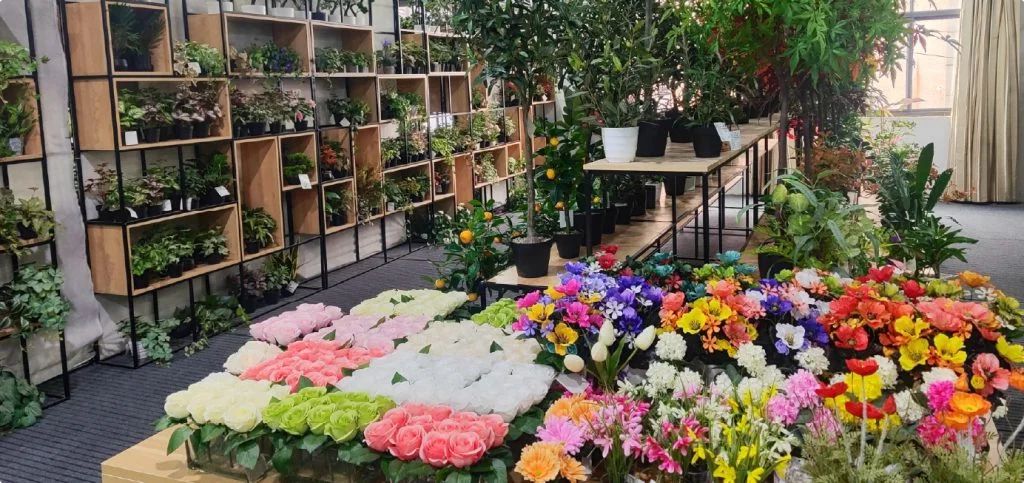
A product photo can make almost any flower look attractive. A bulk shipment is a different test. The flowers must keep the same material, color, size, construction, and packing quality across hundreds or thousands of pieces. I have worked with artificial flowers and commercial décor for more than a decade. I have learned that successful real touch flowers wholesale sourcing depends on repeatable production, not one perfect sample.
This guide explains the nine checks I use before approving production. I also share real service cases from my work with wedding, event, online retail, and commercial décor buyers. A well-planned real touch flowers wholesale order should control quality before mass production begins. These checks can help you compare suppliers based on total value instead of choosing only the lowest unit price.
What Are Real-Touch Artificial Flowers Made From?
The term “real-touch” does not describe one fixed material. Different factories may use different films, coatings, fabrics, plastics, and molding methods.
Most real-touch flowers use soft polymer-coated fabric, molded PU or PE petals, or a mix of materials. In real touch flowers wholesale sourcing, the right material depends on the flower variety, target price, display use, climate, packing method, and customer expectations.
Essential Check 1: Confirm the Exact Material Structure
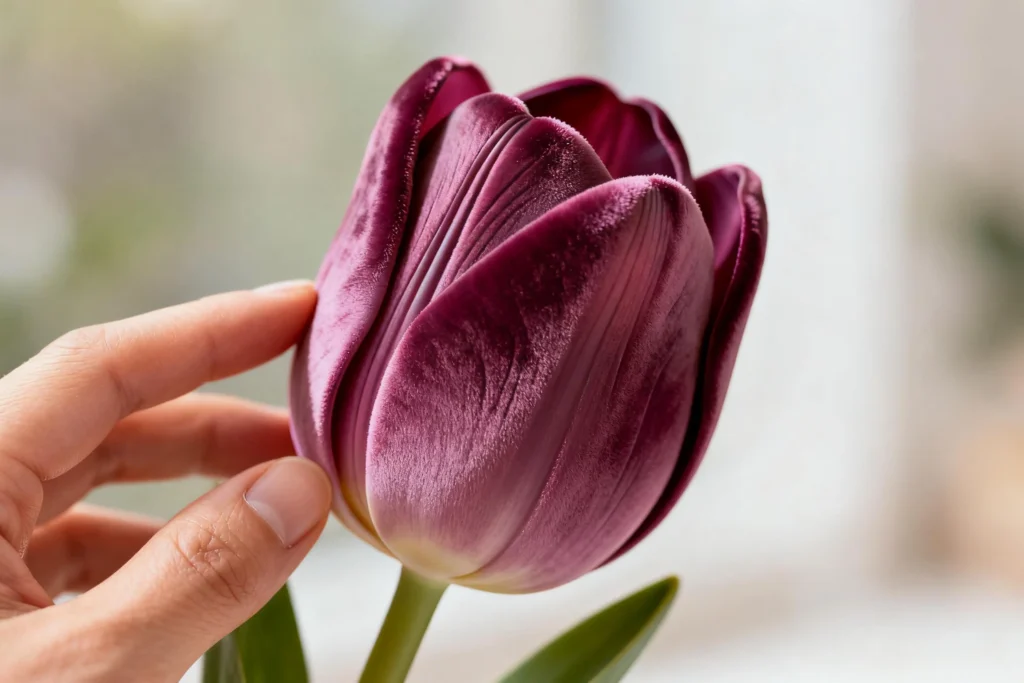
I never accept “real-touch material” as a complete specification. I ask what the petals, leaves, calyx, stem covering, and internal wire are made from. A rose may use polyester fabric with a soft coating. A tulip may use molded PU petals. A calla lily may use a dense and flexible polymer to create a smooth surface. Leaves may use fabric, PE, or mixed materials.
The material affects touch, shape recovery, color, odor, weight, and packaging. It also affects how the product behaves inside a warm container or a cold warehouse. A soft petal may feel premium, but an unstable coating may become sticky after storage. A thick molded petal may hold its shape well, but it can look too heavy on a delicate flower.
I once prepared samples for an event décor buyer who needed four bouquet combinations. Two rose styles looked almost the same in photos. One used a thin coated fabric. The other used a heavier soft-touch layer. The buyer first preferred the heavier version because it felt softer.
I tested both versions through repeated handling and reshaping. The lighter rose recovered faster and kept cleaner petal edges. I used the lighter rose for hand-held bouquets and the softer rose for low-contact table arrangements. That small material decision improved appearance, handling, and service life. I use the same material comparison process in every real touch flowers wholesale project where touch and shape recovery affect the final value.
For every real touch flowers wholesale project, I recommend asking the supplier to list the material for each visible and structural part. This gives you a clear standard for sample approval and future repeat orders.
Essential Check 2: Check Odor, Surface Stability, and Market Requirements
I open new samples after they have stayed inside a sealed bag. This simple test reveals strong odor, oily transfer, surface powder, and early stickiness. I also rub light and dark petals with a clean white cloth. I check for color transfer, surface damage, and coating marks.
When the order is large, I place several samples in warm and cool storage conditions. I then check whether the coating becomes sticky, brittle, discolored, or difficult to reshape. A flower that feels excellent on the first day may perform very differently after several weeks in a carton.
Testing requirements depend on the destination, intended use, customer type, and sales channel. I ask the buyer which reports or restricted-substance requirements apply before production. For EU sales, buyers can review official ECHA guidance for substances in articles.[1]
For consumer products sold in the United States, the CPSC Business Education center provides official compliance guidance.[2]
I do not promise that one test report covers every country, retailer, or application. I match the testing scope to the exact product, material, intended use, and destination market.
My view is simple. A reliable real touch flowers wholesale supplier should name the materials clearly and discuss their limits honestly. Vague material answers often lead to vague quality results.
How Should You Evaluate Real-Touch Flower Quality Before Ordering?
A beautiful front view is not enough. I inspect each flower from every angle and test how it performs after packing, handling, reshaping, and repeated styling.
For real touch flowers wholesale quality control, I evaluate petal texture, color depth, edge finish, stem strength, flower-head attachment, dimensions, shape recovery, and batch consistency. I also compare production against a sealed approval sample.
Essential Check 3: Inspect Petal Feel, Color, and Edge Finish
I touch the center, edge, front, and back of each petal. Good texture should support the natural character of the flower. A rose petal should not feel the same as an orchid, tulip, or anthurium. One soft finish cannot suit every variety.
I look for flat color, harsh shine, visible glue, rough cut lines, and repeated printed patterns. I also inspect the transition from the center to the petal edge. Natural-looking flowers usually have controlled color variation. The variation should look planned instead of random.
For white flowers, I check whether the color looks blue, gray, yellow, or cream under different lighting. This detail is important for wedding buyers. A warm ivory flower may blend well with candles and linen. A cold white flower may look too bright in the same setting.
An Australian wedding-rental client once asked me to reduce the green tones and keep an arrangement soft and editorial. The first sample looked balanced in daylight, but the white petals appeared too cold beside the client’s ivory reference.
I changed the petal mix instead of rebuilding the complete arrangement. I added warmer white roses and softer filler flowers. The updated design matched the venue style much better. That case reminded me that color quality is not only about matching one color card. It is also about how several materials work together in the final display.
I photograph samples beside a neutral reference under natural light and indoor light. This gives buyers a more realistic view than a heavily edited product image. This step is especially useful when a real touch flowers wholesale collection includes several shades of white, blush, green, or beige. In real touch flowers wholesale buying, small color differences can affect a complete wedding or retail collection.
Essential Check 4: Test Stem Construction and Flower-Head Security
I bend the stem several times. I check whether the wire supports the flower head without becoming too stiff. I also pull the flower head gently and rotate it. Loose flower heads create problems during event installation, retail handling, and customer returns.
The stem covering should not split when bent. The wire end should not push through the plastic. Leaves should stay in position, but they should still allow styling. For long stems, I check the balance between wire thickness and shipping weight.
A thicker wire is not always better. It can increase cost, carton weight, and styling difficulty. A wire that is too thin can cause large flower heads to lean after installation.
I once reviewed a tall real-touch rose for a commercial arrangement. The flower head looked premium, but the original stem wire was too soft. The stem slowly bent when the flower was displayed at an angle. I changed the internal wire and kept the outer stem diameter almost the same. The buyer received stronger support without losing the natural appearance.
For repeat real touch flowers wholesale orders, I record the wire thickness, stem diameter, head attachment method, and acceptable bending performance. These details make later production easier to control.
Essential Check 5: Approve Measurements and a Sealed Reference Sample
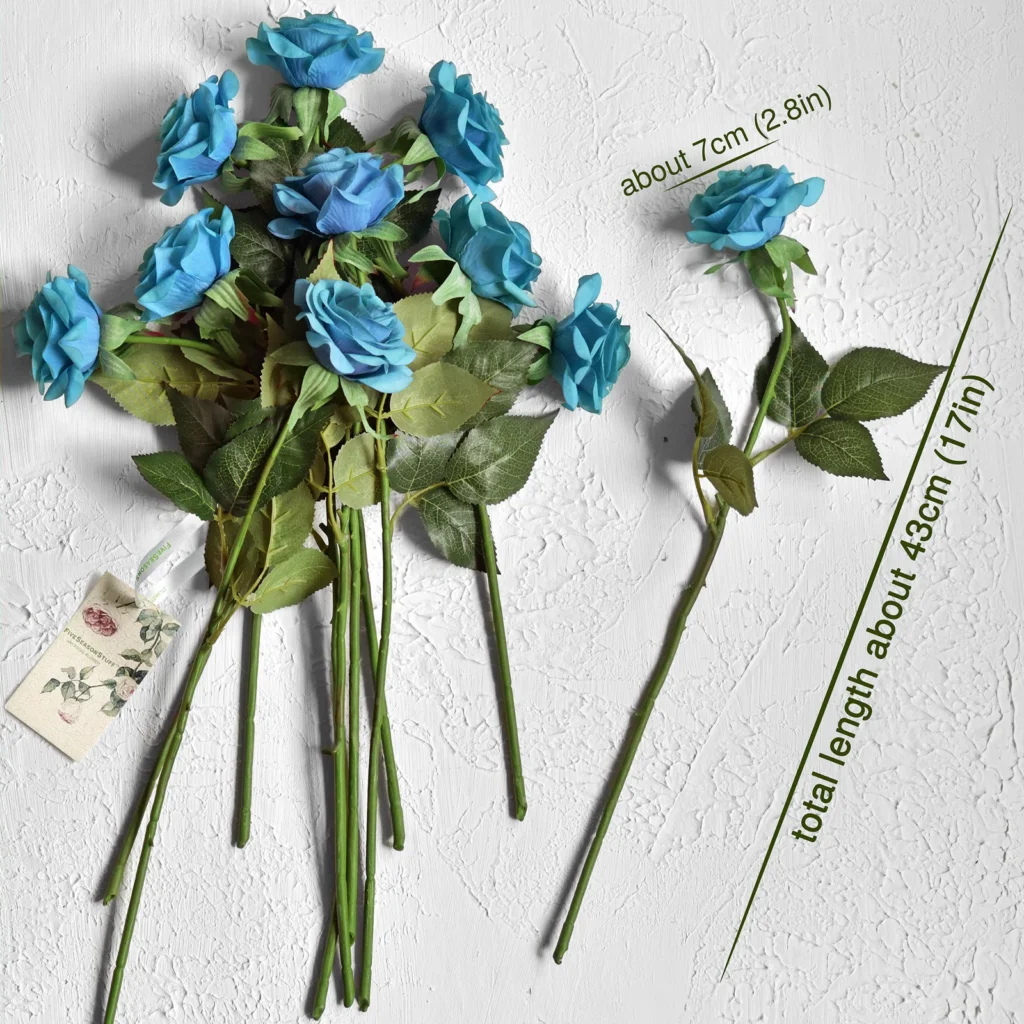
I record the total length, flower-head diameter, open width, leaf size, stem diameter, and unit weight. I do not rely only on catalog measurements. Handmade artificial flowers often have small differences, so the acceptable tolerance should be agreed before production.
I keep one signed or sealed approval sample. The factory keeps another matching sample. During production, the quality team compares materials, colors, dimensions, construction, and finishing against that reference.
I also ask the buyer to approve photos of the final sample beside a ruler or measurement board. This prevents confusion between total stem length, visible flower length, and flower-head diameter.
This is why I recommend ordering physical samples before a real touch flowers wholesale purchase. Buyers can review our artificial flower catalog and request the exact colors, styles, and sizes that fit their projects.
A sample is not an unnecessary delay. It is a low-cost way to prevent an expensive mismatch across hundreds of cartons. It also creates a clear reference when the buyer places a repeat order several months later.
Which Varieties Are Best for Real Touch Flowers Wholesale Buyers?
The most detailed flower is not always the best commercial choice. A strong product must combine realism, repeatable production, safe packing, buyer demand, and practical styling.
Roses, tulips, orchids, calla lilies, peonies, anthuriums, and selected hydrangeas perform well in real touch flowers wholesale collections. The best mix depends on the buyer’s market, target price, display purpose, and shipping method.
Essential Check 6: Match the Variety to the Sales Channel
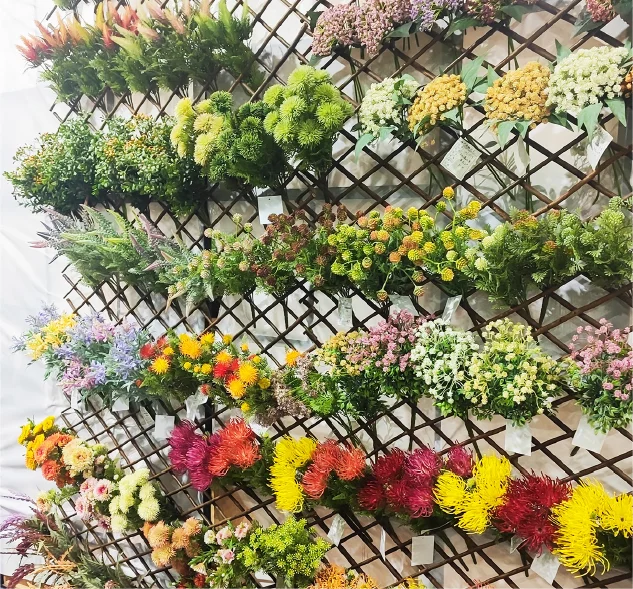
Roses are flexible. They work in bridal bouquets, centerpieces, retail stems, gift arrangements, and seasonal collections. Tulips are strong for spring retail and simple modern interiors. Orchids can support premium hotel, spa, office, and residential décor.
Calla lilies suit clean and modern arrangements. Peonies create strong visual volume, but their large heads need more packing protection. Anthuriums work well in tropical and editorial designs. Hydrangeas create fast volume, but buyers should check petal density and compression recovery.
I plan flower varieties based on the buyer’s business model. A wedding-rental company needs pieces that can be styled, transported, used, cleaned, and used again. An online retailer needs strong visual impact, simple packaging, and low return risk.
A hotel project may need stable colors and long-term display performance. A craft buyer may prefer separate stems, leaves, and filler materials. A home décor wholesaler may need coordinated collections that can be sold at several price levels.
One wedding client asked for floral columns, table flowers, a welcome arrangement, a bar arrangement, and hand-held bouquets. I did not use the same real-touch flower in every item.
I used premium focal flowers where guests would stand close. I used lighter supporting flowers inside the larger structures. This controlled the budget and kept the design consistent. It also made the large pieces easier to transport and install.
I use the same logic when I plan real touch flowers wholesale collections. I divide the range into focal flowers, supporting flowers, fillers, and foliage. This makes ordering easier and prevents buyers from purchasing too many expensive focal stems without enough supporting materials.
Build a Commercial Mix Instead of a Random Color List
A practical opening order should include proven neutral colors, a smaller number of trend colors, and enough greenery to build complete arrangements.
White, ivory, blush, soft pink, and natural greens support many wedding and interior projects. Strong seasonal colors can be added in smaller quantities until the buyer confirms demand.
I also check whether the flower sizes work together. A collection with only large heads can look heavy. A collection with only delicate stems can require too much labor. I build a clear visual scale with large focal flowers, medium supporting flowers, small fillers, and structured foliage.
I once helped a buyer review a collection that contained beautiful roses and peonies. The individual products looked strong, but the range did not include enough small flowers or greenery. The buyer would have needed to source the missing materials from another supplier.
I added matching filler stems and two foliage options. The final range became easier to merchandise and easier to use in complete arrangements. The buyer also reduced the time spent matching products from different factories. A balanced real touch flowers wholesale range should make it easier for the buyer to create and sell complete designs.
Buyers who need help with long-term product care can read my guide on how to clean silk flowers. Cleaning requirements should be considered before choosing products for rental, hospitality, or commercial display.
My manufacturing insight is direct. A strong real touch flowers wholesale program should help the buyer create complete designs. It should not force the buyer to solve missing sizes, colors, and textures after the order arrives.
What Packaging Protects Real-Touch Artificial Flowers?
Real-touch surfaces can crease, stick, flatten, or collect pressure marks. Packaging must protect the flowers without creating unnecessary carton volume or freight cost.
For real touch flowers wholesale shipping, good packaging separates delicate heads, controls stem movement, limits compression, protects coated surfaces, and supports shape recovery. The final pack should be tested in the same form used for delivery.
Essential Check 7: Approve the Inner Packing Method
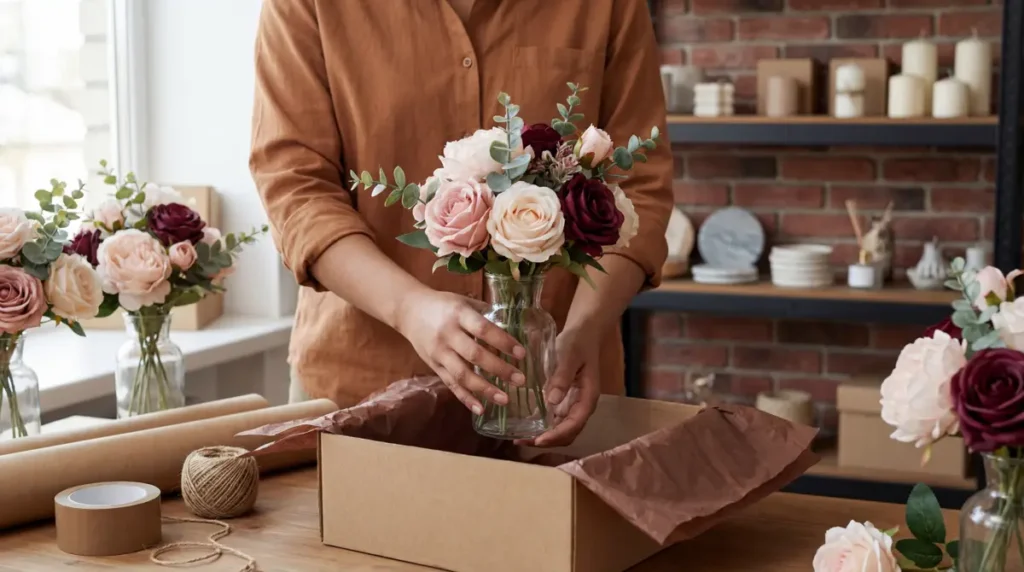
I check how many stems go into one inner box or bag. I also check the direction of every flower head. Large heads should not press directly against hard stems or carton walls. Soft tissue, shaped supports, sleeves, or dividers may be needed for premium flowers.
I avoid sealing unstable soft-touch petals against printed material or dark recycled paper without testing. Heat and pressure can create marks. I also avoid packing damp products. Trapped moisture can cause odor, spotting, or surface problems.
An online buyer once needed a lower-volume pack to control shipping costs. The first packing plan reduced the carton size, but it placed too much pressure on the outer petals.
I changed the stem direction and created more space around the flower heads. I also moved harder leaf sections away from soft petal surfaces. We kept most of the volume saving without crushing the focal flowers.
The solution was not more packaging. It was better packaging. For a real touch flowers wholesale shipment, smart product placement can reduce damage without creating unnecessary freight cost.
For mixed arrangements, I secure the main structure and protect contact points. I also include simple recovery instructions when needed. Buyers may use light hand shaping or controlled warm air at a safe distance, but the correct method depends on the material.
I test the recovery method before adding it to an instruction card. Not every real-touch coating reacts to heat or moisture in the same way. This is why packaging approval should be part of every real touch flowers wholesale sample process.
Essential Check 8: Confirm Carton Strength and Transport Testing
I ask for the final carton size, gross weight, inner quantity, outer quantity, and packing photos before shipment. I also check whether the buyer will use parcel delivery, pallet shipping, less-than-truckload transport, full-container sea freight, or a mixed route.
The testing method should match the distribution route. The International Safe Transit Association explains several package test procedures for different shipment systems.[3] I use this framework to discuss drop, vibration, compression, and handling risks with buyers and packaging teams.
I also check how cartons stack. Real-touch flowers are light, but large cartons can still collapse when the board strength is too low. High humidity during sea freight can weaken cartons. A carton that looks fine in a dry sample room may perform differently after several weeks in transport.
I once reviewed a shipment plan for long floral stems. The carton was large, but the gross weight was low. The supplier assumed that a light carton did not need strong board. That assumption was wrong because the long carton could bend during handling.
I changed the carton specification and adjusted the inner support. The finished pack stayed straighter and protected the stems more effectively.
For retail-ready packing, I confirm barcode position, country-of-origin marking, SKU labels, color labels, carton marks, and warning text when required. For private-label orders, I also approve the logo size, printed color, insert cards, and packing sequence.
A serious real touch flowers wholesale order needs packaging approval as part of product approval. I never treat packaging as a small final detail. Packaging is part of the product that the buyer receives and sells.
How Do You Choose a Reliable Real-Touch Flowers Wholesale Supplier?
A supplier should do more than send attractive photos. The supplier should control samples, materials, production, packaging, documents, communication, and corrective action.
I choose a real touch flowers wholesale supplier by checking sample speed, specification control, production transparency, testing support, packaging ability, delivery planning, and problem-solving after the order.
Essential Check 9: Evaluate Repeatability and Problem-Solving
I ask several direct questions before confirming a supplier:
- Can the supplier create and revise samples quickly?
- Can the supplier record material, color, size, and packing specifications?
- Can the supplier keep an approved sample for production comparison?
- Can the supplier provide inspection photos and videos?
- Can the supplier support destination-specific testing when required?
- Can the supplier explain the root cause when a problem happens?
- Can the supplier offer a clear replacement, rework, or credit solution?
- Can the supplier communicate delivery risks before the shipment date?
Price matters, but it is not the only cost. Slow sampling can delay a product launch. Weak communication can delay decisions. Poor packing can create claims. Inconsistent color can make a complete collection difficult to sell.
I once worked with a buyer who needed pre-assembled floral structures to reduce installation time. The project was not only about flower quality. The client needed clear labels, simple attachment points, and a packing plan that allowed fast setup.
I printed and saved each detail. I checked the structure against the installation instructions during sample work. I also shared photos of the back structure, connection points, and packed sections.
That service process helped the buyer understand how the product would work on site, not only how it looked in a front-view image. A strong real touch flowers wholesale partnership should solve installation, packing, and delivery problems as well as product problems.
This is the standard I apply at Botanic Blossoms. I lead a team that supports fast sampling, OEM and ODM development, private labeling, packaging changes, and export communication.
I also prefer to share problems early. A supplier should not hide a delay until the buyer asks. A supplier should explain what changed, how the change affects the order, and which practical solution is available.
Buyers can learn more about production and service evaluation in my guide to choosing an artificial flowers supplier.
For new real touch flowers wholesale projects, I recommend sending a target photo, size range, color palette, quantity, sales market, packaging request, and target delivery date. This information helps the supplier prepare a more accurate quotation and sampling plan.
My strongest view is this: real touch flowers wholesale sourcing is a repeatability test. A reliable supplier must repeat the approved appearance across the whole order and respond quickly when the real result does not match the plan.
Ready to Start a Real Touch Flowers Wholesale Project?
Share your target styles, colors, sizes, quantities, market, and packaging needs. I will help you review material options, sample priorities, pricing factors, and bulk-order risks before production.
Conclusion
These nine real touch flowers wholesale checks help me protect realism, consistency, packaging, delivery, buyer confidence, and profit before approving bulk production.
Frequently Asked Questions About Real Touch Flowers Wholesale
1. What Is the Usual MOQ for Real-Touch Flowers?
The MOQ depends on the flower, color, mold, and packaging. Standard colors often allow lower quantities. Custom colors or new molds usually need higher volume.
2. Can I Order Samples Before a Bulk Purchase?
Yes. I strongly recommend samples for material, color, size, construction, and packaging approval before a real touch flowers wholesale order.
3. How Long Does Sample Development Take?
Standard samples can often be prepared quickly. Custom colors, molds, branded packaging, and complex arrangements need more time. I confirm the schedule after reviewing the specification.
4. Can Real-Touch Flowers Be Customized?
Yes. Common options include color, stem length, flower size, leaf mix, bouquet recipe, packaging, labels, barcodes, logo printing, and retail boxes.
5. Are Real-Touch Flowers Waterproof?
Some materials tolerate light moisture, but “real-touch” does not automatically mean waterproof. I test the exact material before recommending outdoor or wet-use applications.
6. How Should Buyers Compare Real Touch Flowers Wholesale Quotations?
Buyers should compare material, size, unit weight, flower-head count, construction, packing quantity, carton size, testing, quality standard, delivery plan, and after-sales support.
7. Which Real-Touch Flowers Are Best for Wedding Rentals?
Roses, tulips, calla lilies, orchids, peonies, and selected hydrangeas can work well. I choose them based on handling frequency, packing space, shape recovery, and design style.
8. Can You Support Private-Label Packaging?
Yes. I can support labels, hangtags, insert cards, barcodes, printed boxes, carton marks, and other private-label needs after the artwork and packing details are approved.
9. How Do You Control Consistency in Bulk Production?
I use approved samples, written specifications, material checks, production inspections, packing checks, and final photos or videos. Third-party inspection can also be arranged.
10. What Information Should I Send for a Quotation?
Please send product photos, sizes, colors, quantities, target market, packaging needs, testing needs, delivery location, and target date. Clear information creates a more accurate real touch flowers wholesale quotation.
Sources and Footnotes
-
European Chemicals Agency, “Candidate List Substances in Articles.” This guidance explains the communication and notification duties that may apply when an article contains a Candidate List substance above the relevant concentration threshold.
View source
↩ -
U.S. Consumer Product Safety Commission, “Business Education.” This official resource provides compliance guidance for manufacturers, importers, distributors, and retailers selling consumer products in the United States.
View source
↩ -
International Safe Transit Association, “Test Procedures.” ISTA procedures help businesses evaluate how packaged products may perform under handling, vibration, compression, impact, and other distribution conditions.
View source
↩