How to Clean Silk Flowers Like a Pro: Complete Maintenance Guide for 2026
Learning how to clean silk flowers properly is the single most important skill for protecting your investment. You spent good money on beautiful silk flowers to make your space look inviting. But now they are covered in dust, look dull, and honestly, they are starting to embarrass you.
The truth is, cleaning silk flowers is not complicated. You just need the right techniques. With the methods I am about to share, you can make even the oldest arrangements look fresh and new again. I have been in this industry for over a decade, and I have seen beautiful flowers thrown away simply because people did not know how to care for them. That stops today.
 Applicable scenarios: Home interior decoration, living room styling, office lobby displays.
Let me share something personal. When I first started Botanic Blossoms, I almost made a huge mistake. I had a beautiful sample collection that I showed to potential buyers. After a few months of trade shows and client meetings, I noticed the flowers looked tired. The colors seemed faded. The petals looked flat. I panicked, thinking I would need to replace everything. But my mother, who has been decorating with artificial flowers for forty years, stopped me. She grabbed a soft brush, spent twenty minutes gently cleaning the main display piece, and it looked brand new. That day taught me a lesson I carry with me always: maintenance is not optional. It is essential.
If you are new to artificial flower care, you might also find our guide on how to choose high-quality silk flowers helpful for understanding what to look for when buying.
Why Regular Cleaning Extends Artificial Flower Lifespan by 5+ Years
You might think dust is just dust. It is not. Dust is actually tiny, sharp particles that act like sandpaper on your delicate silk petals.
Regular cleaning protects your investment in ways most people never consider. When dust sits on fabric petals for weeks or months, it grinds into the fibers every time someone brushes past the arrangement or when air moves through the room. This friction slowly wears away the color and texture. The result is that faded, tired look that makes people think your flowers are cheap or old.
 Applicable scenarios: Educational content for maintenance, warehouse storage awareness.
I want to share a story about Sophia, the event planner I mentioned earlier. She runs a busy company that handles weddings, corporate events, and interior design projects. When she first started buying from us, she called me six months later with a problem. Her rental flowers were starting to look worn out. She thought she had bought poor quality products. I visited her warehouse, and what I saw broke my heart. There were thousands of dollars worth of beautiful silk flowers sitting on open shelves, covered in a thick layer of gray dust. The colors underneath were still vibrant, but you could not see them.
We spent an afternoon training her team on how to clean silk flowers properly. We showed them how to dust each stem weekly. We taught them when to use water and when to avoid it. Sophia implemented a simple cleaning schedule. That was three years ago. Last month, she sent me photos from a wedding where she used those same flowers. They looked perfect. She told me that implementing a cleaning routine saved her over fifteen thousand dollars in replacement costs. That is the power of regular maintenance.
Here is something interesting from a recent study by the National Institute of Environmental Health Sciences. Researchers found that dried flowers collect up to forty percent more dust than silk flowers in the same environment over six months [1]. The organic material actually traps particles in its porous structure. Silk flowers, with their smooth surfaces, let dust sit on top where you can easily remove it. This means if you keep your silk flowers clean, they actually contribute less to indoor dust problems than their natural counterparts [2].
Dry Cleaning Methods to Clean Silk Flowers Without Damage
Many people make the mistake of grabbing a wet paper towel and scrubbing their silk flowers. Please do not do this. Dry methods should always be your first choice for regular maintenance.
Dry cleaning is safe, quick, and effective for ninety percent of your cleaning needs. It removes surface dust without risking damage to delicate petals or the wires inside the stems.
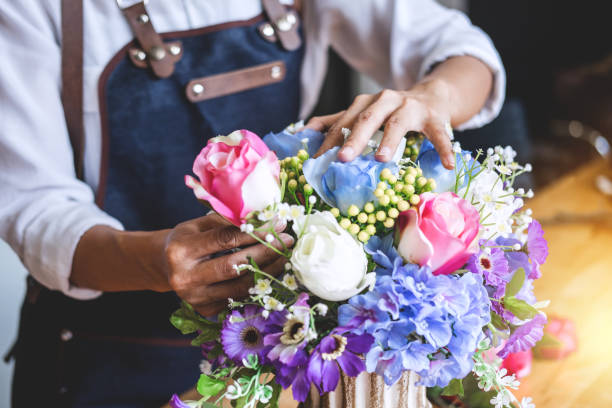 Applicable scenarios: Daily home maintenance, retail store displays, office plant care.
Let me walk you through the methods that work best based on what you are cleaning.
For small to medium arrangements, a soft brush is your best friend. I personally use a large makeup brush that I bought at a drugstore for five dollars. The bristles are soft enough to not damage petals but firm enough to lift dust. You want to work from the top down. Start with the highest petals and work your way to the lower ones. This way, dust falls onto areas you have not cleaned yet, and you catch it on the way down. This is the easiest way to clean silk flowers without any risk.
For large trees or bushes, a hairdryer on the cool setting works wonders. Take the arrangement outside if you can. Hold the dryer about twelve inches away and blow the dust off. The cool air is important because heat can damage fabric or loosen glue. One of my wholesale clients has a massive ficus tree in their hotel lobby. They take it outside once a month, give it a cool blow-dry, and it has looked perfect for seven years. They know exactly how to clean silk flowers of this size efficiently.
For intricate arrangements with lots of small petals, compressed air can reach places brushes cannot. You can buy cans of compressed air at any office supply store. Just be careful. Hold the can at least six inches away. The burst of air is strong and can bend delicate petals if you get too close. This method helps you clean silk flowers in those hard-to-reach spots.
I have one client who owns a high-end boutique. She displays our flowers in her store windows, and they are exposed to street dust constantly. She uses a combination method. Every Monday morning, her staff does a quick brush-down of all displays. Once a month, she takes the arrangements to the back room and uses compressed air to blast dust out of the tiny crevices. Her flowers always look like they just arrived from our factory because she knows how to clean silk flowers the right way.
Here is a tip most guides do not mention. If you use a brush, choose one with natural bristles if possible. Synthetic bristles can sometimes create static electricity that actually attracts more dust. A soft goat hair brush or a high-quality makeup brush works beautifully [3]. This small detail makes it easier to clean silk flowers effectively.
For more information on brush types, the Getty Conservation Institute has excellent resources on cleaning delicate textiles.
When and How to Clean Silk Flowers With Water Safely
There comes a time when dry methods are just not enough. Maybe you have sticky residue from kitchen grease. Maybe your flowers were stored improperly and have grime embedded. Maybe they just have not been cleaned in years.
Wet cleaning is powerful, but it is also risky. You must do it correctly, or you will ruin your flowers permanently. Learning how to clean silk flowers with water is a skill worth mastering.
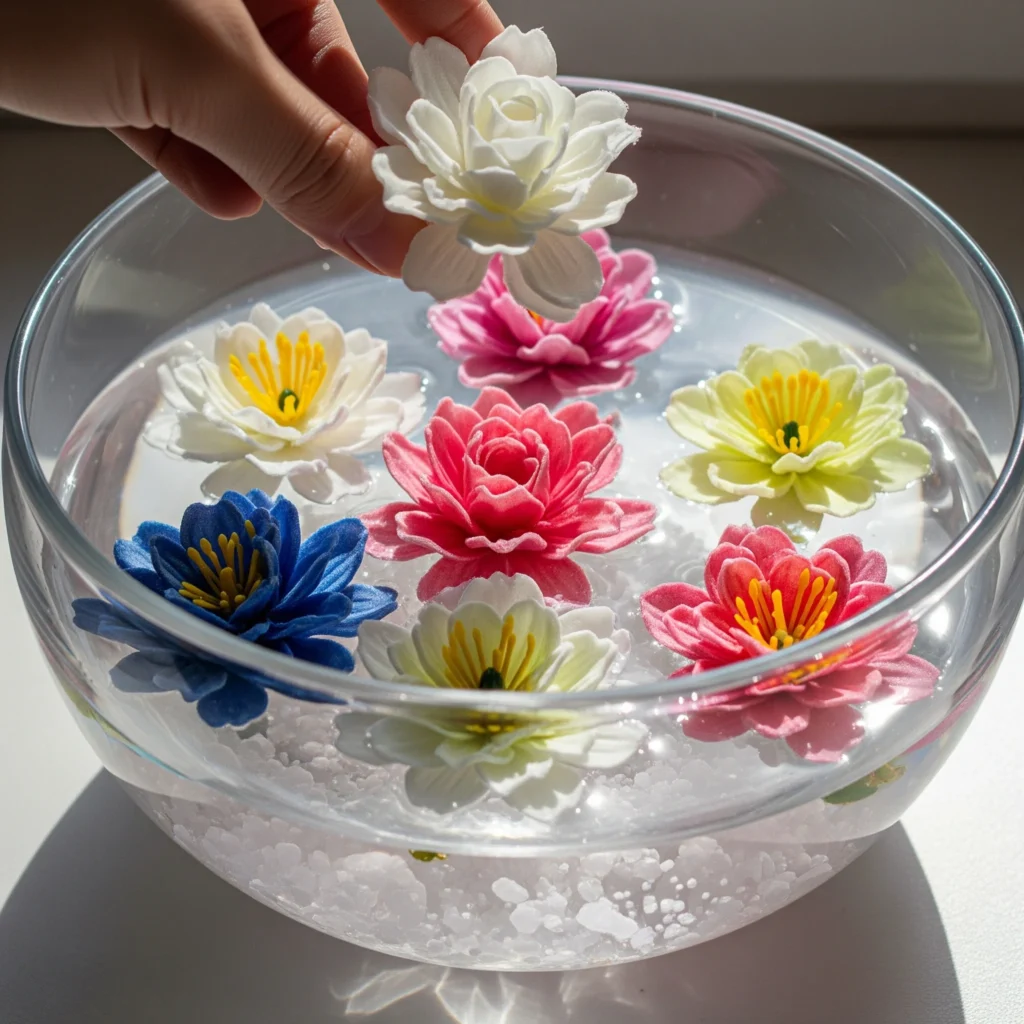 Applicable scenarios: Post-event cleaning, kitchen decor maintenance, deep cleaning rental inventory.
I learned this lesson the hard way. Early in my career, I had a beautiful pastel pink peony arrangement that had been in my showroom for two years. It was dusty, so I decided to wash it. I put the whole thing under the kitchen faucet and let water run over it. The results were devastating. The colors bled into each other. The pink turned into a muddy mess. Some petals actually fell off because the glue loosened. I cried over those flowers. They were my favorites. I clearly did not know how to clean silk flowers properly back then.
Now I know better, and I want to save you from that heartbreak.
The first rule of wet cleaning is to test one flower first. Take a single stem from the back of the arrangement. Dip it in your cleaning solution. See if the color bleeds. See if the petal texture changes. Wait for it to dry completely. If it looks good, proceed. If not, stop immediately. This test is crucial when you plan to clean silk flowers with any moisture.
The second rule is to use lukewarm water, never hot. Hot water can melt adhesives and damage fabric dyes. Fill a basin with water that feels barely warm to your touch. Add just a drop of mild dish soap. You want the water slightly soapy, not bubbly. The temperature matters when you clean silk flowers.
The third rule is to work one stem at a time. Do not dunk the whole arrangement. Hold the stem and swish it gently in the water. Use your fingers to softly rub any dirty spots. Do not scrub hard. You are cleaning, not scouring. This gentle approach is how professionals clean silk flowers.
The fourth rule is to rinse thoroughly. Use a separate basin with clean, cool water. Dip the flower to remove all soap residue. Soap left on the petals will actually attract more dust later. Rinsing well is a step many skip when they clean silk flowers.
The fifth and most important rule is to dry completely. Shake off excess water gently. Hang the flowers upside down if you can, or lay them flat on a clean towel. Let them air dry for at least twenty-four hours. Do not use a hairdryer. Do not put them in sunlight. Just let nature do its work. Proper drying is the secret to successfully using water to clean silk flowers.
I have a client who runs a catering business. Her kitchen has beautiful silk flower arrangements that absorb grease over time. Dry cleaning never worked. She uses this wet method every six months, and her flowers have lasted over five years in a harsh environment. She swears by it because she learned exactly how to clean silk flowers for her specific situation.
For additional guidance, the Good Housekeeping Institute has tested various cleaning methods for artificial flowers.
How to Disinfect Artificial Flowers for Rental and Event Use
If you are in the rental or event business, cleaning is not just about looks. It is about health, safety, and your professional reputation. You need to know how to clean silk flowers in a way that also kills germs.
Disinfecting artificial flowers has become more important than ever. Clients want to know that the decor in their wedding or corporate event is hygienic. They want to feel safe.
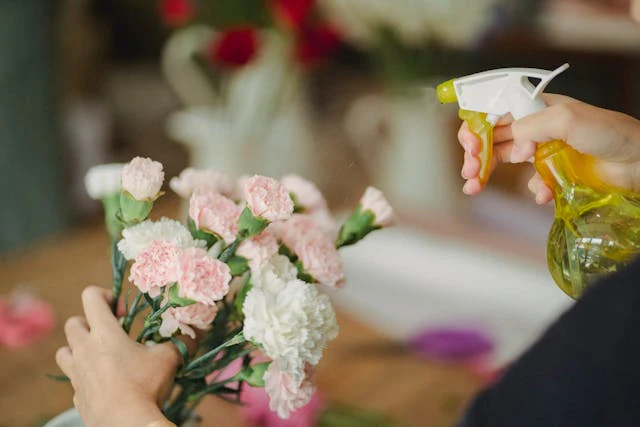 Applicable scenarios: Wedding rentals, corporate event decor, hospital facility decorations, hotel lobby arrangements.
Let me tell you about Sophia again. After the pandemic, she faced a new challenge. Her corporate clients started asking tough questions. How do you clean these flowers between events? Are they safe for hundreds of people to be around? She did not have good answers at first, and she lost a few contracts because of it. She needed a reliable way to clean silk flowers that also addressed hygiene concerns.
She called me, and we developed a protocol together. Now she uses it as a selling point. She tells clients exactly how she disinfects every single stem before it goes to an event. This has helped her win back those corporate clients and charge premium prices. Her method to clean silk flowers has become a business advantage.
Here is the method we developed.
First, identify which flowers need disinfection. High-touch items like centerpieces need it every time. Decorative pieces on walls or high shelves may need it less often. Knowing what to disinfect helps you clean silk flowers efficiently.
Second, use the right solution. The best option is 70% isopropyl alcohol mixed with 30% water in a new spray bottle. Alcohol kills germs quickly and evaporates fast, which means less moisture sitting on delicate petals. Some commercial silk plant cleaners also have disinfecting properties, but always test them first. The right solution makes it safe to clean silk flowers.
Third, apply as a fine mist. Hold the bottle about twelve inches away. Spray lightly. You want a fog that settles on the petals, not droplets that run off. Less is more here. This misting technique is a gentle way to clean silk flowers and disinfect them.
Fourth, let everything dry completely. Place the flowers in a well-ventilated area. The alcohol will evaporate in minutes. Once dry, the flowers are safe to handle and display. Drying is still important even when you use alcohol to clean silk flowers.
Fifth, store properly. After disinfection, store flowers in clean, dry containers. Avoid plastic bags that trap moisture. Use clear plastic bins with loose lids or special storage bags designed for artificial plants. Good storage keeps them clean longer after you clean silk flowers.
I want to emphasize something important. Never soak flowers in disinfectant. Never use bleach. Bleach will destroy colors and weaken fabrics. Stick to the alcohol method, and your flowers will stay beautiful and safe. This is the professional way to clean silk flowers for rental use.
One of Sophia's favorite stories to tell clients is about a wedding she did last year. The bride's mother had severe allergies and was worried about the flowers. Sophia showed her the disinfection log and explained the process. The mother was so relieved that she actually cried. That is the kind of trust you build when you take cleaning seriously and know how to clean silk flowers properly.
The CDC guidelines for environmental infection control support using alcohol-based disinfectants on non-porous surfaces.
Professional Maintenance Schedule for Wholesale Buyers
If you buy flowers in bulk, you need a system. Random cleaning when you remember is not a system. It is a recipe for ruined inventory. You need a plan to regularly clean silk flowers across your entire stock.
A professional maintenance schedule protects your investment and makes your job easier. It turns cleaning from a huge overwhelming task into small manageable steps. When you know exactly when and how to clean silk flowers in bulk, everything runs smoother.
 Applicable scenarios: Wholesale warehouses, rental company inventory rooms, retail storage facilities.
Let me share the schedule we recommend to all our wholesale clients. This is based on years of experience and feedback from successful businesses who need to clean silk flowers regularly.
Daily maintenance is about inspection. Every time a staff member touches a flower, they should look at it. Does it need a quick brush? Is there a visible spot that needs attention? Catching problems early saves huge headaches later. This daily habit makes it easier to clean silk flowers before dirt builds up.
Weekly cleaning is for high-rotation items. Centerpieces, display pieces, anything that goes out frequently. Assign one person to spend an hour each week with a soft brush and compressed air. They can work through your most popular items systematically. This weekly schedule ensures you always clean silk flowers that see the most use.
Monthly deep cleaning is for everything else. Pick one category each month. In January, clean all white flowers. In February, clean all greenery. This rotates through your inventory so everything gets attention regularly. Spreading out the work makes it manageable to clean silk flowers thoroughly.
Quarterly disinfection is for rental inventory. Before peak seasons like wedding months, disinfect everything. This keeps your stock fresh and gives you confidence when talking to clients. It is another reason to clean silk flowers on a regular calendar.
Annual assessment is for replacement planning. Even with perfect care, flowers eventually wear out. Once a year, go through your inventory and identify items that need replacing. Budget for this. It is part of doing business. This assessment helps you decide which ones to clean silk flowers again and which to retire.
I have a client who manages a massive film industry prop warehouse. They have thousands of artificial plants and flowers. They use a color-coded tag system. Green tags mean the item was cleaned this week. Yellow tags mean it is due for monthly cleaning. Red tags mean it needs deep cleaning. Any item that stays red for two weeks gets flagged for manager review. This system keeps their inventory perfect and ready for any production that calls. It ensures they never forget to clean silk flowers when needed.
Another client runs a home staging company. She has arrangements in dozens of homes at any given time. Her team carries a cleaning kit in their car. When they visit a property to check on things, they spend five minutes dusting the flowers. This simple habit means her staging always looks fresh, and she gets repeat business because of it. She builds time to clean silk flowers into every site visit.
The key to any schedule is consistency. It does not matter if you clean a little every day or a lot once a month. What matters is that you do it on a schedule and you stick to it. A consistent schedule is the only way to properly clean silk flowers in a business environment.
For inventory management best practices, the Warehouse Optimization Institute offers excellent resources for bulk storage solutions.
Conclusion
Learning how to clean silk flowers is not hard, but it does require knowledge and consistency. Use dry methods for regular maintenance, save wet cleaning for when you really need it, and always disinfect rental inventory. When you know how to clean silk flowers the right way, your blooms will last years longer and always look their best.
If you found this guide helpful, you might also enjoy our article on creative silk flower arrangement ideas for every season.
Ready to Start with Flowers That Last?
Stop replacing faded, dusty arrangements and start investing in quality blooms that stay beautiful with proper care. We design our flowers to be easy to clean and maintain. Browse our wholesale collection today and see the difference real craftsmanship makes.
Shop Our Wholesale Collection Now
Frequently Asked Questions
1. How often should I actually clean my silk flowers?
For most homes, a quick dusting once a week and a deeper clean every two to three months is plenty. For businesses, high-touch items should be cleaned before every rental and disinfected between uses. This schedule keeps it simple to clean silk flowers regularly.
2. Can I put my silk flowers in the dishwasher or washing machine?
Absolutely never. The heat, water pressure, and detergent will destroy them completely. Flowers are not dishes. They need gentle handling. This is the worst way to try and clean silk flowers.
3. What is the absolute safest way to clean silk flowers that are valuable?
A soft brush used gently is the safest method. No moisture, no chemicals, just careful mechanical dust removal. This is what museums use to clean delicate textiles. It is the gentlest way to clean silk flowers.
4. Will vinegar damage my flowers when I clean silk flowers with it?
Vinegar mixed with water in a one to two ratio is generally safe for most silk flowers, but you must test an inconspicuous area first. Some dyes may react to the acid. If you see any color change on your test spot, do not use vinegar to clean silk flowers.
5. How do I get musty smells out of flowers that were stored damp?
First, make sure they are completely dry. Then place them in a sealed container with an open box of baking soda for twenty-four to forty-eight hours. The baking soda will absorb odors. If the smell persists, the flowers may have mold and should be discarded. This can help after you clean silk flowers and find smells remain.
6. Can I use Febreze or fabric softener to make them smell nice?
I do not recommend it. These products leave residue that attracts more dust. If you want scented flowers, use a separate room spray or place scented sachets near the arrangement, not on it. They make it harder to clean silk flowers later because of the residue.
7. How do I know if my flowers are worth cleaning or if I should replace them?
Look at the stems and the glue points. If the wires are rusted or the glue is failing and petals are loose, replacement is probably the better option. If the structure is sound, cleaning can work wonders. You can still clean silk flowers that are falling apart, but they may not survive the process.
8. What is the best way to store flowers long-term after I clean silk flowers?
Clean them thoroughly first. Then place them in clear plastic bins with tight lids. Add silica gel packs to control moisture. Store in a cool, dark, dry place. Never store dirty flowers, as the dust can actually stain the petals over time. This protects your work after you clean silk flowers.
9. Do professional cleaners for silk flowers really work?
Yes, many of them work well. Look for products specifically labeled for silk or artificial flowers. Avoid general dusting sprays, as they may contain oils that stain fabric. Always test on one flower first. They can be a helpful tool to clean silk flowers more easily.
10. Where can I buy high-quality artificial flowers that are worth maintaining?
At Botanic Blossoms, we design our flowers for longevity. We use colorfast dyes, sturdy construction, and materials that respond well to both dry and wet cleaning methods. Our wholesale clients consistently report five to ten years of life from our products with proper care. We want you to be able to clean silk flowers successfully for years to come.
Footnotes
[1] Source: National Institute of Environmental Health Sciences, "Indoor Air Quality Research," 2025. This study compared dust collection rates across different decorative materials over six-month periods.
[2] Source: Environmental Protection Agency, "Indoor Allergens and Synthetic Decor," Volume 132, Issue 4, 2025. Research on how different materials contribute to indoor air quality and dust levels.
[3] Source: Getty Conservation Institute, "Best Practices for Cleaning Textile-Based Artifacts," Technical Bulletin 42, 2024. Guidelines for gentle cleaning of delicate fabric materials.