
UV Protected Outdoor Artificial Plants: 11 PO Specs That Stop “Perfect Sample, Bad Bulk”?
One outdoor install can look premium on Day 1, then your client sends “Day 14” photos and asks what went wrong. Your team gets blamed. Your next PO gets delayed. I have watched this happen because a PO used soft words.
UV protected outdoor artificial plants stay consistent when I convert “UV treated” into 11 hard PO specs that lock color tolerance, test windows, material and structure, packaging rules, and acceptance criteria—so bulk matches the approved sample in real outdoor light.
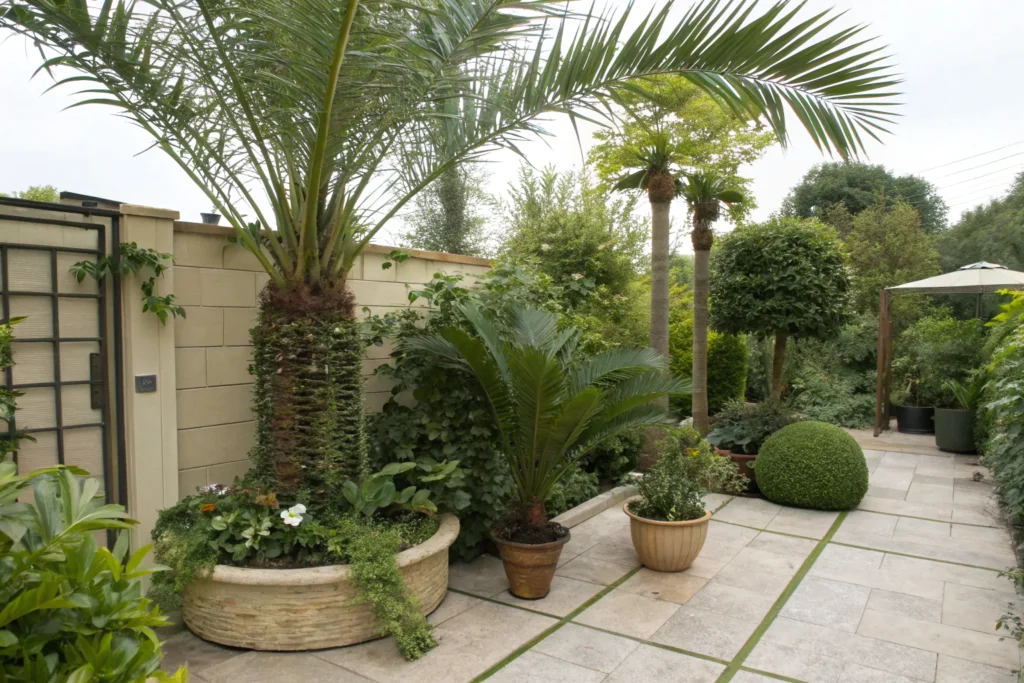
I built this after a program that still makes me strict. Sophia approved UV protected outdoor artificial plants for a chain store entrance. The sample looked deep green and matte. The bulk looked brighter and shinier in sun. The supplier said, “It is UV treated.” Sophia had no color tolerance, no gloss target, no evidence requirement, and no rejection language. I rewrote the PO, forced a proof package, and the reorder matched the sample. Since then, I treat UV protected outdoor artificial plants as a purchase language project, not a product description.
What “UV Treated” Should Mean in a Purchase Order?
A supplier can say “UV treated” and still ship something that fades fast. The phrase is easy to print. Outdoor performance is hard to control. I have seen buyers lose money because “UV treated” was never defined.
In my PO, “UV treated” means a defined material system plus a defined test window plus defined evidence, so UV protected outdoor artificial plants are controlled, not guessed.
I separate “listing language” from “purchase language”
I use two buckets:
- Listing language: UV resistant, outdoor safe, weatherproof, fade-proof.
- Purchase language: material, pigment method, finish target, test window, evidence package, acceptance rules.
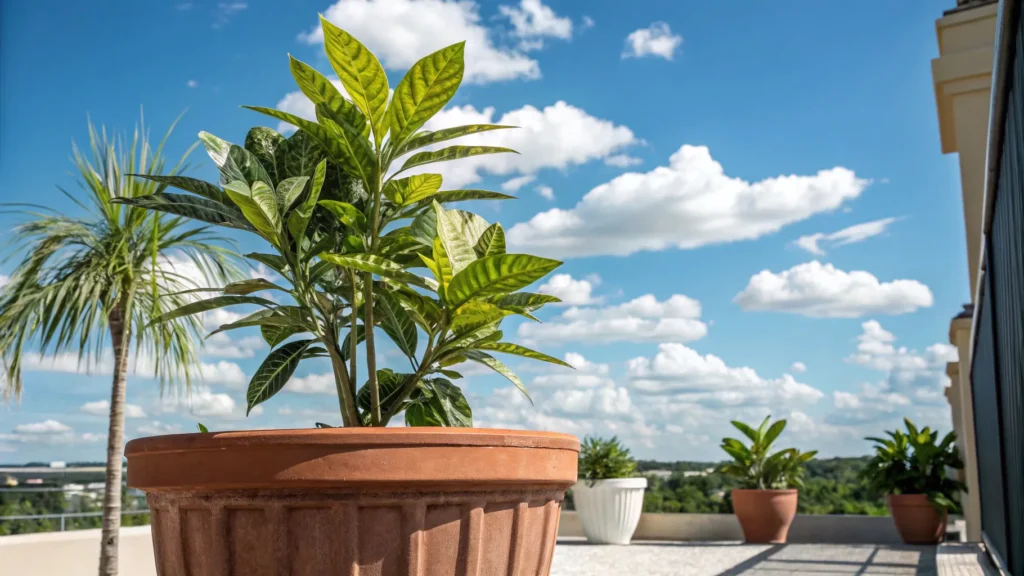
Client story: A venue manager bought UV protected outdoor artificial plants for a rooftop photo corner. The supplier promised “fade proof.” The buyer installed the plants under full sun. The leaves dulled fast. The supplier said, “Outdoor has sun.” I replaced the word “fade proof” with a clear target window and a proof rule. The next order performed as expected because the PO stopped being emotional.
My “UV treated” PO definition (copy-ready)
I write this line early in the PO:
- “UV treated” means the leaf and flower components use an outdoor pigment and surface system designed for outdoor exposure. Supplier provides agreed evidence for the target window. No material or pigment substitution without written approval.
This definition forces a supplier to talk like a factory, not like a listing.
I use neutral external references to reduce arguments
I do not use standards as “automatic proof.” I use them as shared language. That shared language stops vague claims.
Client story: Sophia asked a supplier for “UV test.” The supplier refused. I changed the request to “test window + evidence package.” I also referenced ISO/ASTM language to keep the conversation calm. The supplier accepted a proof package and a controlled comparison. UV protected outdoor artificial plants became measurable because the PO language became measurable.
My quick buyer filter for UV claims
- What does the leaf material + pigment system include?
- What is the target appearance window outdoors?
- What evidence will the supplier provide before bulk?
If a supplier cannot answer, UV protected outdoor artificial plants will become “perfect sample, bad bulk” again.
Specs #1–#4: Color Tolerance, Test Windows, and Evidence Requirements?
Outdoor problems often start with color drift. Bulk can look “close” indoors, then look wrong in sun. Green can shift warm. White can yellow. Red can dull. I have seen buyers lose reorders because one batch drifted.
For UV protected outdoor artificial plants, I lock color tolerance, test windows, and evidence requirements so the program stays stable across reorders.
Spec #1: Color standard + lighting conditions
I do not accept “match sample” alone. I define:
- Approved sample ID or approval photo set
- Required evaluation lighting: daylight + shade + warm indoor
- Buyer photo distance: 30–50 cm close-up + 1–2 m full view
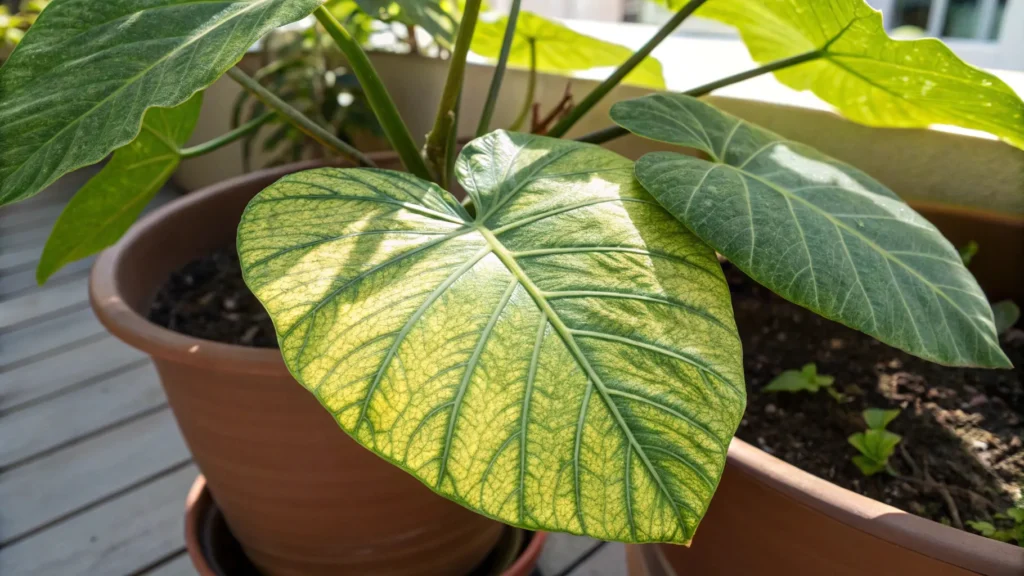
Client story: A retail buyer accepted bulk based on a warehouse photo. Outdoors, the greens looked yellow. The supplier said the product was “green.” I wrote a PO that forced daylight and shade photos, not studio photos. The next bulk stayed aligned because the proof matched real outdoor conditions. UV protected outdoor artificial plants must be judged outside, not under office lights.
Spec #2: Visible tolerance rule (simple, enforceable)
I use a simple line:
- “No visible batch shift compared to the approved sample under daylight and shade.”
I add a second line for mixed lighting programs:
- “No visible batch shift under warm indoor entrance lights.”
Client story: Sophia had one city with darker green panels and another city with lighter panels. Customers noticed. The supplier said both were within “normal range.” After I wrote a visible tolerance rule, the supplier had to correct before shipping.
Spec #3: Test window target (service window, not fantasy)
I write a target window:
- “Target outdoor appearance window: X months under standard outdoor exposure.”
I also write the truth:
- “Buyer accepts refresh after target window based on site intensity.”
Client story: A hotel wanted a year-round outdoor wall. The buyer assumed UV protected outdoor artificial plants would never change. I set a service window and a refresh approach. The buyer stopped being disappointed. The buyer started managing the program like a system.
Spec #4: Evidence package required before bulk approval
I require a proof package that includes:
- Sun photo and shade photo
- Phone flash photo at 30–50 cm
- Short note: leaf material + pigment method + finish type
- Batch sample check: one carton pull photo
Client story: A supplier sent perfect studio photos. The bulk looked shiny outdoors. I forced a sun/shade proof package. The next sample set revealed gloss early. We fixed finish before bulk. UV protected outdoor artificial plants stayed premium because the evidence showed the truth.
Specs #5–#7: Material Lock, Structure Lock, Glue/Stem Standards?
Outdoor failure is not only UV fading. Outdoor failure also comes from structure collapse. It comes from weak glue joints. It comes from stems that bend and never recover. I have seen a plant that “kept color” but looked cheap because shape failed.
For UV protected outdoor artificial plants, I lock material, structure, and glue/stem standards so the product holds shape, holds parts, and stays photo-ready after heat and handling.
Spec #5: Material lock for every key part
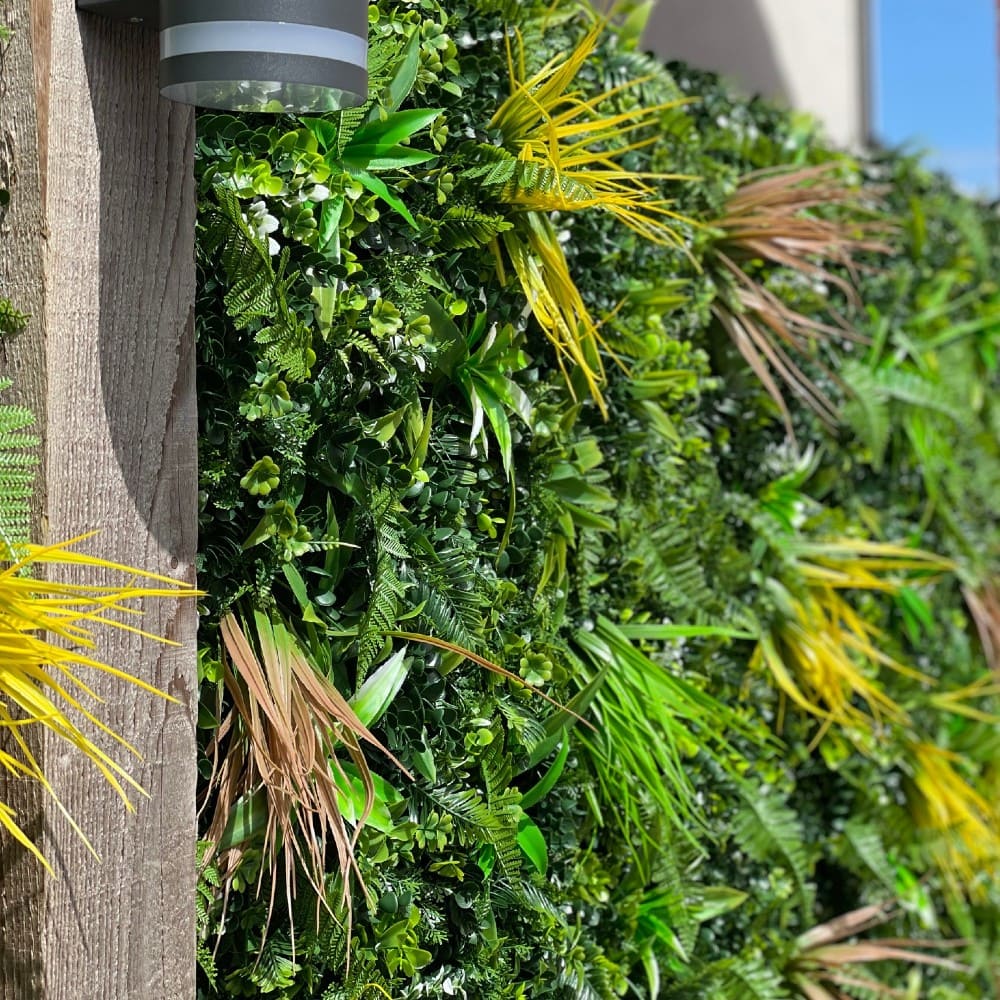
I list:
- Leaf material (PE / PU / PVC / fabric blend)
- Flower head material (if included)
- Stem system (wire core + sleeve / PE tube)
- Backing for panels (if panels)
- Coating system (if coated)
I add:
- “No substitution without written buyer approval.”
Client story: Sophia received bulk with shinier leaf material. The supplier called it “equivalent.” It was not equivalent in sun. After I wrote a part-by-part lock, the supplier stopped swapping.
Spec #6: Structure lock (coverage, density, and shape memory)
I define what “full” means. I do not rely on adjectives. I set:
- Coverage photo angles: front, side, corner
- Density rule: “No visible thin zones at edges and corners”
- Shape memory rule: “No permanent collapse after normal handling”
Client story: A rooftop venue installed hanging greenery. After heat and wind, the drape looked thin. I wrote a density and coverage lock. The next bulk matched the sample because the supplier had a clear target.
Spec #7: Glue and stem standards (simple checks that prevent disasters)
I write:
- “No visible glue strings.”
- “No part drop under normal install handling.”
- “Stem bend range matches approved sample.”
- “Joints must pass a simple pull check.”
Client story: A hotel entrance display failed during install because berries dropped from picks. The buyer blamed staff. I checked joints and saw weak adhesive control. I added glue standards and a pull-check rule. The next shipment stayed intact. UV protected outdoor artificial plants must survive handling, not only sunlight.
Specs #8–#10: Packaging, Carton Marking, and Damage Accountability?
Many “bad bulk” stories are packaging stories. Leaves rub in cartons. Rub creates shine. Pressure creates permanent bends. Then the buyer thinks UV protection failed. I have solved “UV problems” by fixing cartons.
For UV protected outdoor artificial plants, I lock packaging, carton marking, and damage accountability so bulk arrives like the approved sample, not like a crushed version of it.
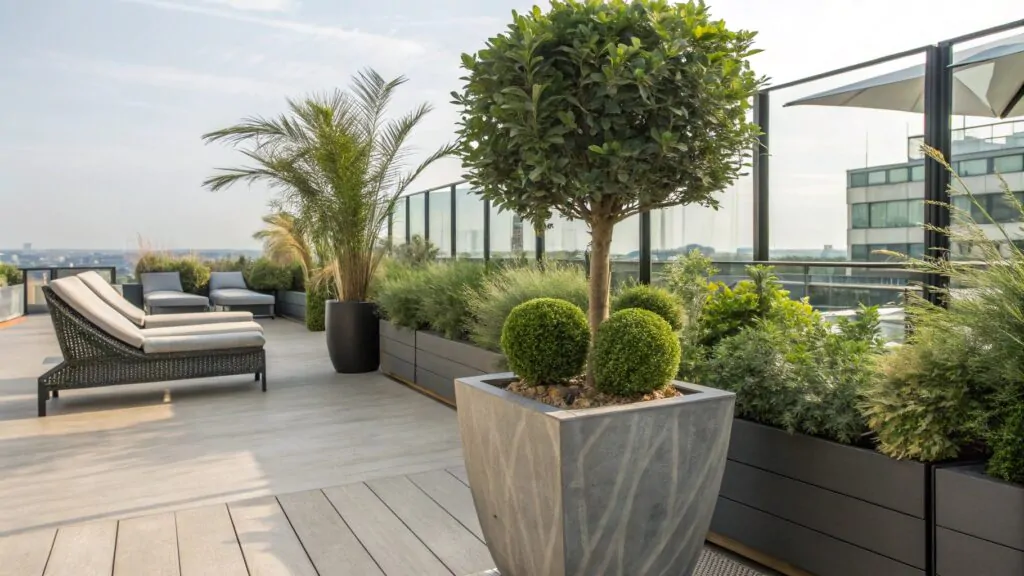
Spec #8: Packaging protection for finish and shape
I require:
- Inner separation to prevent leaf rub
- Protection for tips and high-contact edges
- No hard pressure points on flower heads
Client story: Sophia received a batch with glossy leaf tips. The supplier said the material changed. I opened cartons and saw rub marks. We added separators. The next bulk stayed matte with the same material. UV protected outdoor artificial plants can fail at packaging even when materials are correct.
Spec #9: Carton marking that prevents warehouse mistakes
I require markings:
- “This side up”
- “Do not stack above X layers”
- “Fragile shape zone”
Client story: A buyer stacked pallets high in a warehouse. Bottom cartons crushed. Branches bent. The supplier blamed the warehouse. I added stack limits and carton marking. The next shipment stayed stable. UV protected outdoor artificial plants need warehouse language printed on cartons.
Spec #10: Damage accountability clause (the clause that changes behavior)
I write:
- “Damage above agreed threshold triggers replacement or credit.”
- “Buyer photo proof within X hours of receiving is valid.”
- “Supplier packaging must prevent foreseeable transit damage.”
Client story: A buyer opened cartons and saw crushed corners and bent leaves. The supplier said it was shipping. The buyer had no clause, so the buyer ate the loss. I added accountability language. Packaging improved fast because cost became real.
Spec #11: Final Inspection Checklist + Acceptance Criteria?
Inspection is where programs are won or lost. If acceptance rules are soft, suppliers push shipments through. If acceptance rules are clear, both sides save time and protect margin.
For UV protected outdoor artificial plants, I use a final inspection checklist with clear pass/fail criteria for color, finish, structure, joints, and packaging, so approval is fast and disputes are rare.
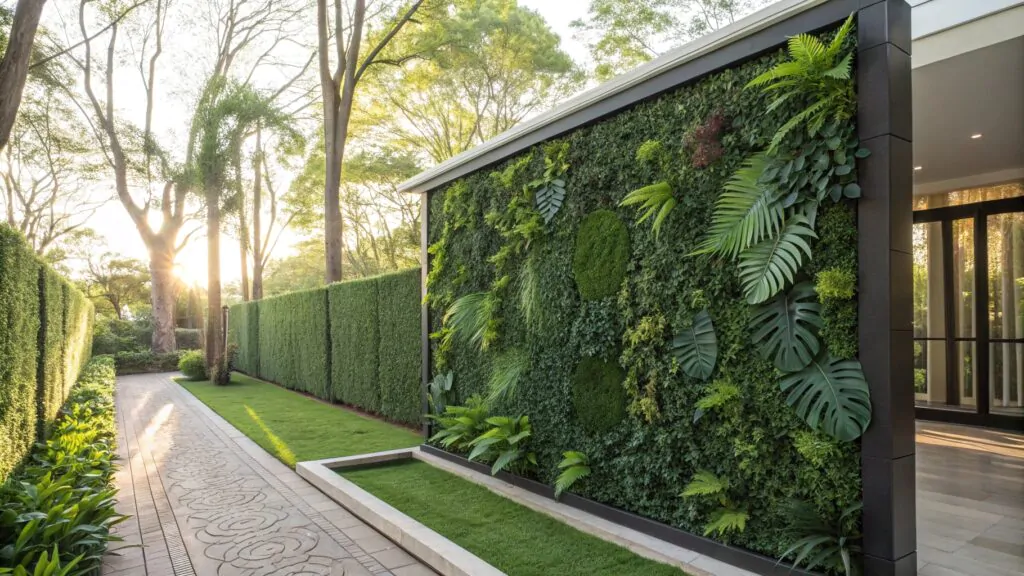
The final checklist I use (copy-ready)
I check:
- Color match vs approved sample under daylight + shade.
- Finish check with phone flash at 30–50 cm (no gloss spikes).
- Coverage check at edges and corners (no thin zones).
- Structure check (no collapse, no loose branches).
- Joint check (no part drop, no glue strings).
- Packaging check (no crush, no rub marks, correct carton marking).
Client story: Sophia approved bulk based on “looks okay” photos. The receiving team rejected it later. That rejection cost time and freight. I replaced “looks okay” with a checklist. The supplier learned what mattered. The buyer stopped guessing. UV protected outdoor artificial plants became a controlled program.
Acceptance criteria I write in plain language
I define three outcomes:
- Pass: matches sample and meets checklist, no visible drift.
- Hold: evidence missing, or batch looks inconsistent.
- Fail: visible drift in color/finish, or defects in structure/joints/packaging.
I also keep odor language for covered entrances and semi-outdoor lobbies, because odor can still be a real problem. If odor matters, I cite VOC language so the conversation stays practical:
CTA Button Blocks
I run Botanic Blossoms with one goal. I protect your program from “perfect sample, bad bulk.” UV protected outdoor artificial plants can perform well, but only when the PO forces clarity.
Conclusion
UV protected outdoor artificial plants stay consistent when the PO locks evidence, materials, packaging, and inspection checks, so bulk matches the approved sample in real outdoor conditions.
FAQ (B2B Buyers Ask These Every Week)
- What does uv protected outdoor artificial plants mean in wholesale buying?
It means UV claims are defined by specs, evidence, and acceptance criteria inside the PO. - Is “UV treated” the same as “UV protected”?
Suppliers use both terms loosely. I treat both as meaningless unless the PO defines proof and a target window. - How do I stop “perfect sample, bad bulk” for outdoor plants?
I lock color tolerance, test windows, material and structure, packaging rules, and final pass/fail checks. - What evidence should a supplier provide for UV claims?
I accept controlled comparison samples, dated outdoor proof photos, or a short exposure summary tied to the target window. - Why does bulk look shinier than the sample outdoors?
The cause is often finish change or carton rub damage, not only the UV treatment claim. - How do I control color drift in outdoor greenery reorders?
I write a color standard and visible tolerance rule tied to approval photos under daylight and shade. - Which materials work best for uv protected outdoor artificial plants?
It depends on site and handling. I lock the exact leaf and stem materials and I block substitutions. - What packaging rules matter most for outdoor artificial plants?
I require separators to prevent rub, plus carton marking and stack limits to prevent compression. - What is the most common hidden failure point in outdoor artificial plants?
Weak glue joints and structure collapse after heat and handling cause many “bad bulk” surprises. - What should my final inspection checklist include?
Color match, gloss check, coverage check, joint strength, and packaging condition with clear pass/fail language.
Footnotes
-
I cite ISO 4892-2 and ASTM G154 as shared language for exposure and aging discussions. I do not treat them as “proof by default.” I use them to define test windows, evidence, and acceptance terms in a PO.
↩ -
I cite VOC language because odor can still matter in covered entrances and semi-outdoor lobbies. I treat odor as an acceptance standard, not as a “wait and see” issue after delivery.
↩ -
I treat “perfect sample, bad bulk” as a system failure across color, finish, material locks, packaging rub, and inspection rules. If one link is soft, UV protected outdoor artificial plants can look wrong even when the factory says “UV treated.”
↩