
UV Resistant Fake Flowers: 7 Smart Buying Rules to Avoid Cheap Outdoor Failures?
Outdoor projects look perfect on day one. Then color fades. Petals crack. Clients complain. Your brand pays for a mistake you cannot see at the start.
UV resistant fake flowers only perform when materials, color processes, and testing standards are controlled together. Smart buyers use 7 rules to prevent fading, cracking, and costly replacements in outdoor projects.
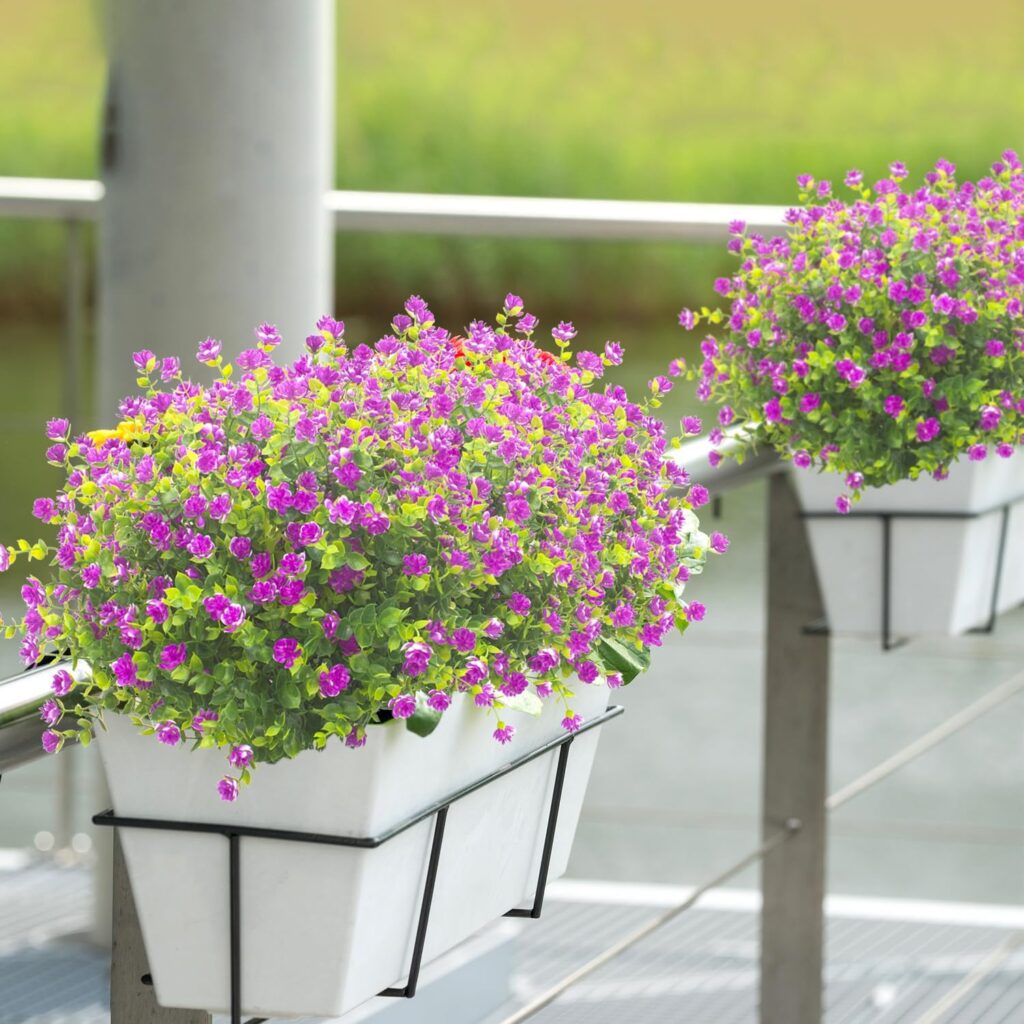
Used in hotel landscaping, outdoor weddings, and storefront displays
You may have seen this problem already. I have helped many clients fix failed projects. The issue is never just price. The issue is missing standards before bulk production. I will break this down step by step so you can control risk before it happens.
What Makes UV Resistant Fake Flowers Different from Normal Artificial Flowers?
Most suppliers say “UV resistant.” Then products fail in sunlight. You lose time, money, and client trust.
UV resistant fake flowers differ from normal artificial flowers through material stability, internal color processes, and UV inhibitors that slow down sun damage.
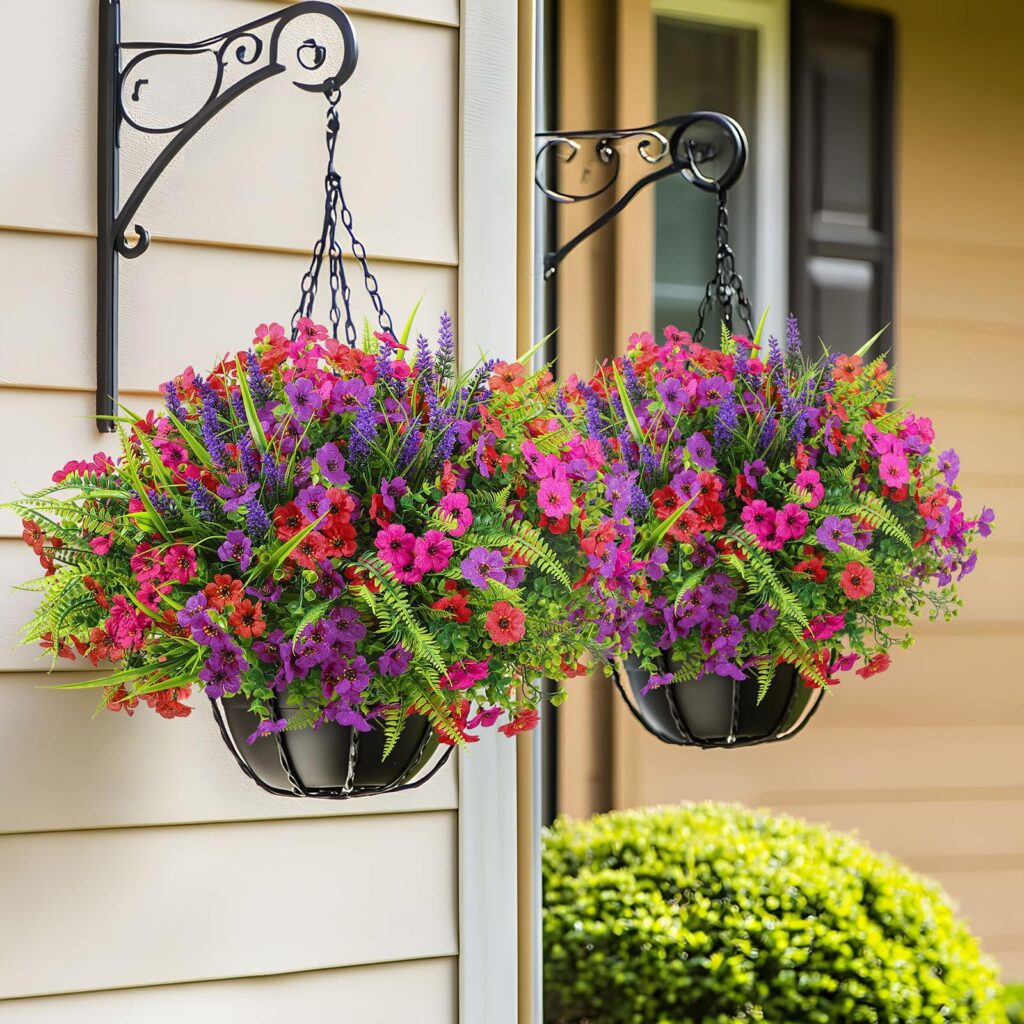
Used in product comparison and buyer training
UV Resistance Is a System, Not a Label
I often ask new clients a simple question: “How does your supplier achieve UV resistance?” Most cannot answer. This is where risk starts.
1. Polymer Stability
Cheap artificial flowers use low-grade plastic. These materials degrade under UV light. High-quality UV resistant fake flowers use stabilized PE or treated polyester.
UV stabilizers absorb or reflect radiation. This slows down chemical breakdown.[1]
2. Color Integration
There are two ways to color artificial flowers:
- Surface painting
- Integrated pigmentation
Surface paint fades fast. Integrated color lasts longer because pigment is inside the material.
I worked with a European retailer. They switched from painted flowers to masterbatch colored flowers. Their outdoor product complaints dropped by 60%.
3. UV Coating Layer
Coating adds another layer of protection. But coating alone is not enough. It must bond correctly with the base material.
Technical Comparison
| Factor | Normal Artificial Flowers | UV Resistant Fake Flowers |
|---|---|---|
| UV Stabilizer | None | Added |
| Color Depth | Surface | Internal |
| Heat Resistance | Low | Medium to High |
| Lifespan | 1–3 months | 6–24 months |
When you evaluate uv resistant fake flowers, you should think like a material engineer, not just a buyer. You are buying long-term performance, not appearance at delivery.
Common Failures After 3–6 Months Outdoors?
The biggest risk is not visible at the start. It appears after installation. That is when problems become expensive.
Most failures in uv resistant fake flowers happen due to weak materials, poor color methods, and lack of real UV testing, leading to fading, cracking, and structural damage.
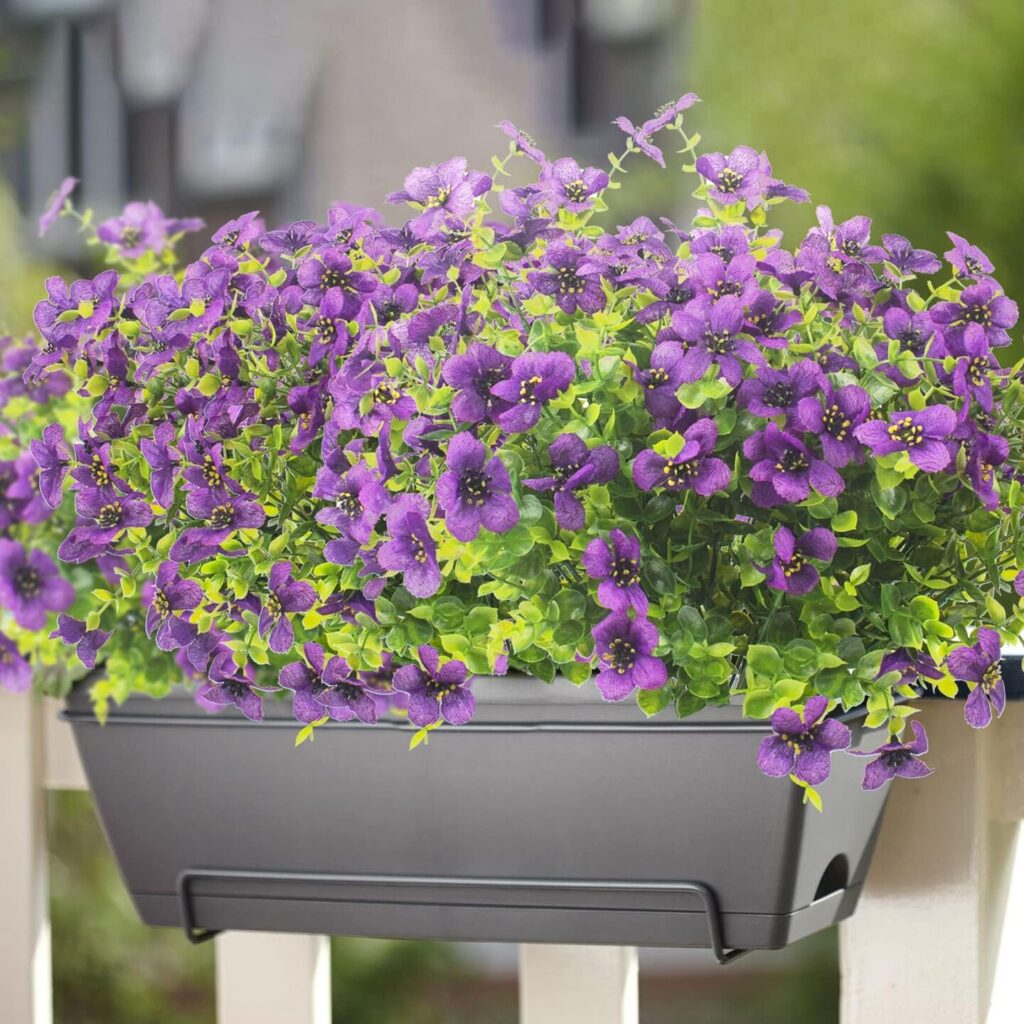
Used in outdoor installations, garden decoration, and long-term display projects
Failure 1: Color Fading
UV radiation breaks pigment bonds. Cheap red becomes pink. Dark green becomes grey.[1]
A client in California sent me photos of an outdoor wall. After 12 weeks, colors lost more than 40% intensity. Their supplier had no UV test data.
Failure 2: Material Cracking
Heat and UV make plastic brittle. Petals snap when touched.[2]
Failure 3: Glue Breakdown
Many suppliers ignore glue quality. Under heat, glue softens. Leaves fall off.
I once helped a hotel replace over 1,500 units. The issue was not the flower. It was glue failure.
Failure 4: Color Yellowing
White flowers turn yellow due to oxidation and UV exposure.
Failure 5: Structural Collapse
Weak stems cannot handle heat expansion. Installations lose shape.
| Failure | Cause | Timeframe |
|---|---|---|
| Fading | Weak pigment | 1–3 months |
| Cracking | Poor plastic | 2–5 months |
| Glue loss | Heat exposure | 3–6 months |
| Yellowing | Oxidation | 3–6 months |
A large retail chain worked with me after a failure. Their previous supplier offered low prices. They replaced stock twice in one season. Their real loss was not product cost. It was customer trust.
7 Buying Rules That Protect Your Order Quality?
You cannot control sunlight. But you can control supplier standards. This is where smart buyers win.
You protect uv resistant fake flowers orders by verifying materials, testing reports, and real outdoor performance before bulk production.
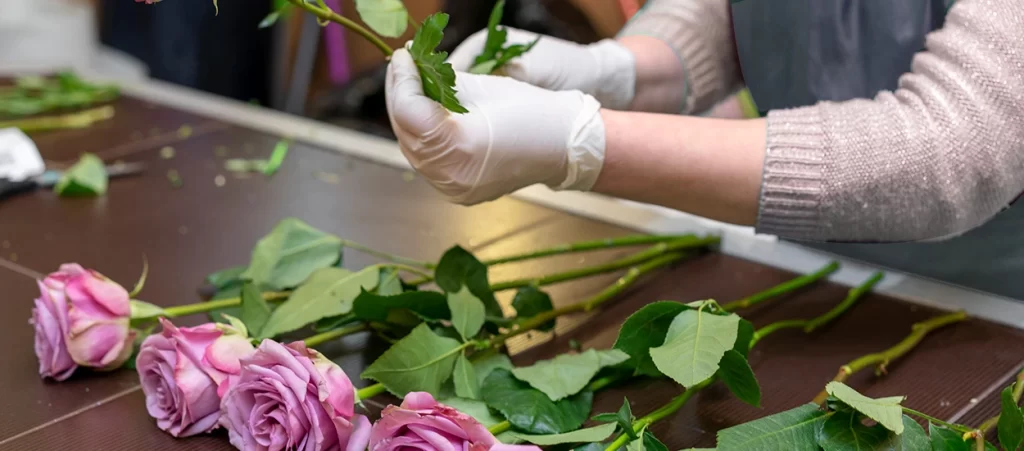
Used in supplier audits and production control
Rule 1: Request UV Test Data
Ask for UV exposure hours. ASTM G154 or ISO standards are preferred.[3]
Rule 2: Confirm Material Type
Ask if it is PE, PVC, or polyester. Ask if it is UV-stabilized.
Rule 3: Test Samples Outdoors
Lab tests are not enough. Real sunlight matters.
Rule 4: Check Color Process
Ask if color is injected or sprayed.
Rule 5: Evaluate Glue and Assembly
Ask for temperature tolerance above 60–70°C.
Rule 6: Review Real Projects
Ask for 6-month outdoor photos.
Rule 7: Define Lifespan in Contract
Write expected lifespan clearly.
A UK event company followed these rules with me. Their installations lasted over 18 months. Their previous supplier failed within 5 months.
Price vs Performance: What You Really Pay For?
Low price looks attractive. But it hides future costs. Most buyers calculate cost incorrectly.
Higher-priced uv resistant fake flowers often reduce total cost because they last longer and require fewer replacements.
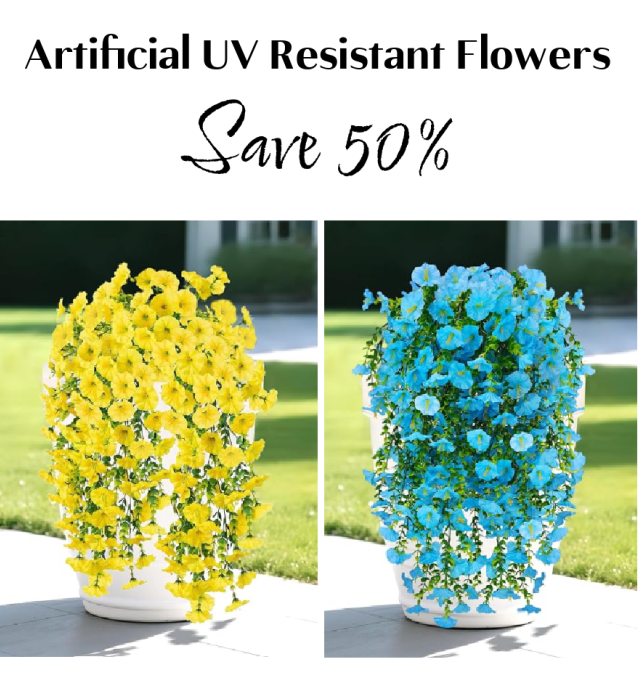
Used in budgeting and supplier comparison
Cheap products fail fast. This creates replacement cost, labor cost, and client complaints.
| Type | Price | Lifespan | Cost/Month |
|---|---|---|---|
| Cheap | $1 | 3 months | $0.33 |
| Quality | $2 | 12 months | $0.17 |
A US distributor saved 25% initially. Then they replaced stock twice. Their total cost increased by 70%.
Best Use Cases for UV Resistant Fake Flowers (Commercial & Retail)?
Not every project needs UV protection. But outdoor exposure changes everything.
UV resistant fake flowers are essential for outdoor and high-light environments where durability and consistent color are required.
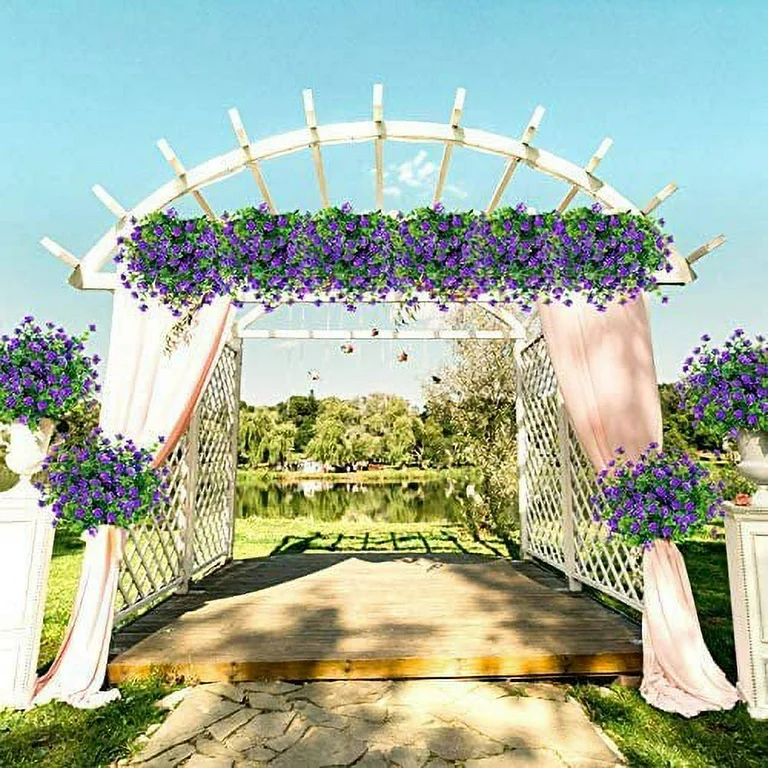
Used in outdoor weddings, resorts, and commercial spaces
- Outdoor weddings
- Hotels and resorts
- Retail storefronts
- Theme parks
- Rooftop gardens
A Dubai event company switched to uv resistant fake flowers. They reduced replacement frequency by 70%.
Learn more about indoor artificial flowers selection:
Artificial Plants Supplier Guide
Learn more about UV science:
Ultraviolet Radiation
Conclusion
UV resistant fake flowers work only when you control materials, testing, and supplier standards before production.
Frequently Asked Questions (FAQ)
1. How long do uv resistant fake flowers last outdoors?
6–24 months depending on environment.
2. Are all artificial flowers UV resistant?
No, many claims are not tested.
3. What material is best?
UV-stabilized PE and polyester.
4. Can coating alone prevent fading?
No, material matters more.
5. How to test UV resistance?
Outdoor exposure for 2–4 weeks.
6. Why do petals crack?
Low-quality plastic breaks under heat.
7. Can they handle extreme heat?
High-quality ones can.
8. Is higher price better?
Not always, but very cheap is risky.
9. What should I ask suppliers?
Test reports, materials, case studies.
10. How to reduce risk?
Test samples and define lifespan.
References
[1] Ultraviolet degradation of polymers —
[2] Polymer degradation mechanisms under heat and UV exposure — materials science reference
[3] ASTM G154 Standard Practice for Operating Fluorescent UV Lamp Apparatus for Exposure of Nonmetallic Materials