
What Is Faux Flowers? 7 Essential Differences Buyers Must Know Before Ordering
Buyers lose time and margin when flower terms sound similar but signal very different expectations in search, sourcing, and product pages.
What is faux flowers? In simple terms, faux flowers are decorative flowers made to look like real blooms but produced from man-made materials. In wholesale, the term often overlaps with fake flowers, silk flowers, and artificial flowers, but buyers should still understand the differences before ordering.
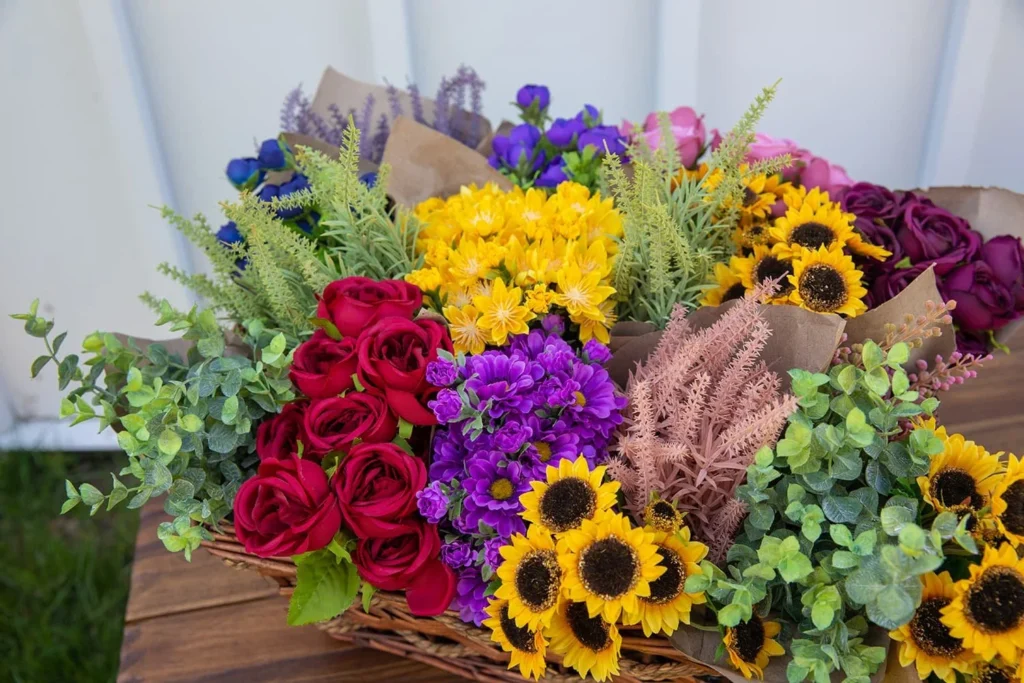
What is faux flowers in real buying work? It is not just a vocabulary question. It affects search traffic, product positioning, buyer expectations, and even complaint risk. Many new buyers, e-commerce teams, and import coordinators treat faux, fake, silk, and artificial as fully equal terms. In daily conversation, that may be acceptable. In real B2B sourcing, it is not enough. This guide explains what is faux flowers, how the term works in the market, and how buyers can use each term more accurately on product pages and in supplier communication. :contentReference[oaicite:0]{index=0}
What Is Faux Flowers and Why Do Buyers Get Confused?
Buyers get confused because faux, fake, silk, and artificial flowers overlap in meaning, but each term carries a different tone, search habit, and commercial expectation.
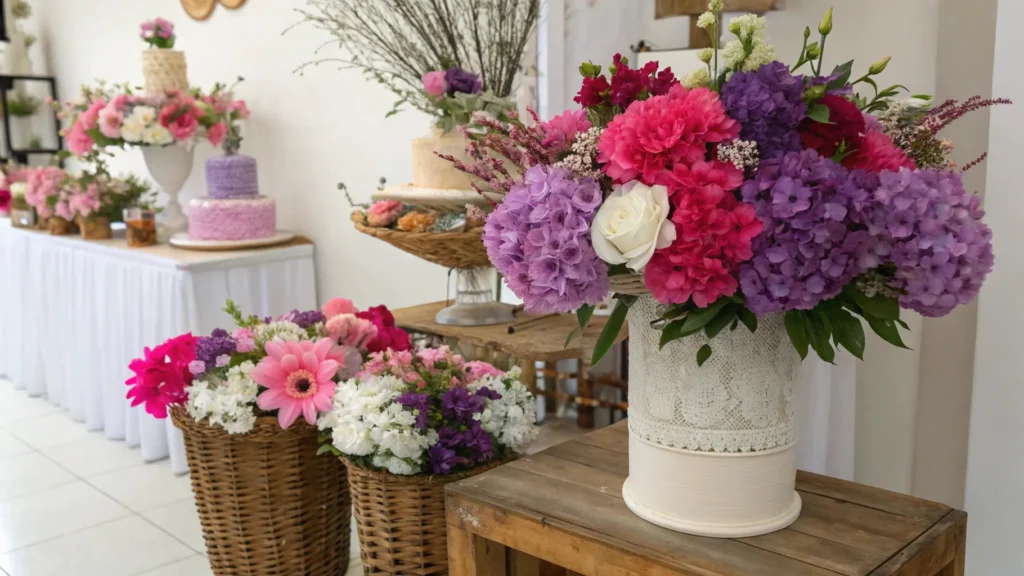
One of the first problems buyers face is that four different terms are often used for one broad product category. That creates the illusion that the words mean exactly the same thing in every market and every listing. They do not. A buyer may search with one word, expect another, and receive a product positioned with a third. That gap often causes weak conversion, wrong traffic, or mismatched expectations. This confusion appears often in wholesale discussions, online marketplaces, and retail-facing product pages. :contentReference[oaicite:1]{index=1}
The words look similar, but buyers hear different signals
Artificial flowers is the broadest and safest trade term. It sounds neutral, clear, and commercially direct. Faux flowers sounds softer, more stylish, and more design-led. Fake flowers is common in everyday search, but it can sound cheaper if overused in premium copy. Silk flowers is still widely used in the market, even when the product is not made from real silk. This is one reason why what is faux flowers becomes a real sourcing question instead of a simple language question. :contentReference[oaicite:2]{index=2}
Search language and product language are not always the same
A retail buyer may type “fake flowers” into Google, Amazon, or a marketplace because it is the fastest and most familiar everyday term. A branded website, however, may choose “faux flowers” or “artificial flowers” in the main headline because those terms feel more polished. If the page does not bridge that gap, it may attract traffic that does not convert or confuse buyers about positioning. What is faux flowers, then, is also a keyword strategy question. :contentReference[oaicite:3]{index=3}
Why this confusion matters in B2B buying
In B2B, the wrong term can attract the wrong buyer segment. A low-cost craft buyer and a premium décor buyer may click the same page for very different reasons. If the wording does not align with the actual product, the product page can create confusion before a sample is even approved. This is why I always tell buyers to separate three questions before writing any listing: what did the buyer search, what does the product really contain, and what tone should the page communicate. :contentReference[oaicite:4]{index=4}
If your team is still learning how buyers judge flower quality and wording together, this internal guide helps: 21-Point Wholesale Artificial Flowers Quality Checklist That Stops Bad Batches?
What Does Faux Flowers Mean in the Wholesale Market?
In the wholesale market, faux flowers usually means decorative flowers made to imitate real flowers, but the term describes the look and category more than the exact material.
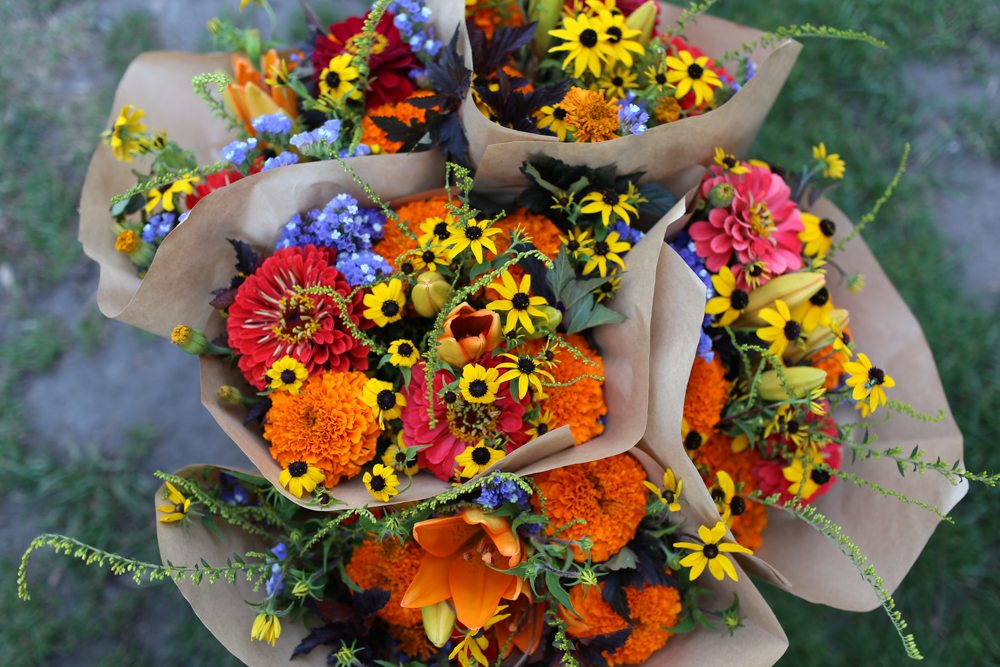
When buyers ask what is faux flowers in wholesale, the best answer is this: it is usually a category word first, not a strict technical material label. The word helps buyers describe non-real flowers that should look attractive in a certain scene. It does not automatically define whether the item is polyester fabric, PE, PU, plastic, or mixed media. In wholesale communication, “faux flowers” often works well for style-driven or premium-looking presentations, but technical clarity still has to follow. :contentReference[oaicite:5]{index=5}
In wholesale, faux is a category word first
This is the key point. When a buyer says “faux flowers,” that usually signals a category request rather than a precise material request. The buyer wants non-real flowers that look attractive, realistic enough for the intended use, and commercially suitable for the target scene. Weddings, hotel lobbies, shelf décor, event rentals, and craft retail can all fall under faux flowers, but they do not require the same material or finish. :contentReference[oaicite:6]{index=6}
Faux flowers helps with premium positioning
On many product pages, the term “faux flowers” creates a softer and more lifestyle-oriented impression than “fake flowers.” It often fits home décor, wedding styling, and curated collection pages more naturally. For buyers targeting polished presentation, this wording can support better perception without sounding overly technical. That is another reason what is faux flowers matters for branding, not just definitions. :contentReference[oaicite:7]{index=7}
But faux flowers should not replace technical clarity
Many sellers make the mistake of using “faux flowers” in the headline and then never clarifying the real material in the body copy. That is risky. Buyers may assume silk-like softness, real-touch petals, or outdoor durability even when the product does not actually offer those features. The better method is to pair tone words with clear specification wording. A page can headline with faux flowers and still explain whether the item is fabric, PE, PU, or mixed material. :contentReference[oaicite:8]{index=8}
If your team also works on buyer education content, this internal article can support broader language positioning: What Do Different Artificial Flowers Symbolize? Discover the Secret Language of Faux Blooms in 2025
What Is Faux Flowers Made Of? Material Differences Buyers Should Know
Before ordering, buyers should know that faux flowers may be made from polyester fabric, PE, PU, PVC, or mixed materials, and the material affects touch, shine, weight, cost, and use case.
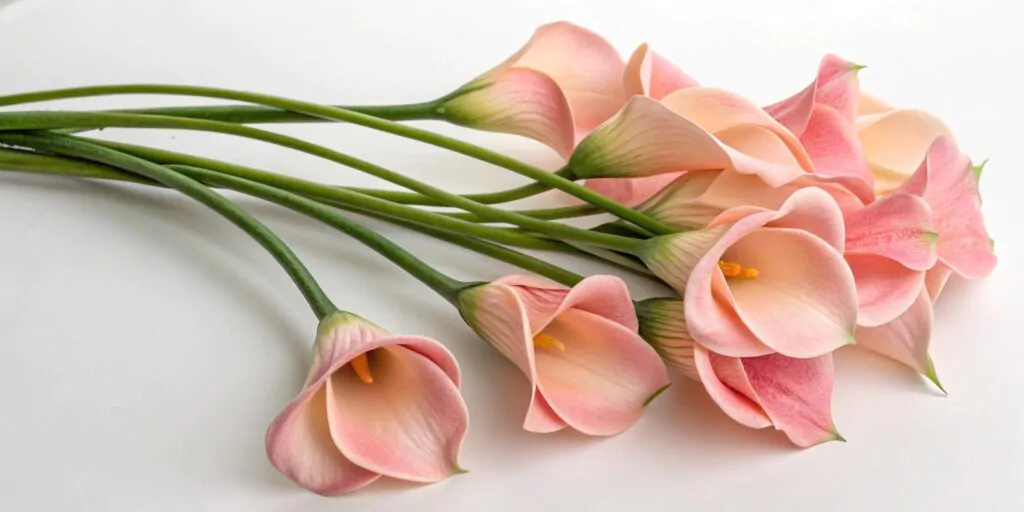
Another major reason buyers ask what is faux flowers is because they assume the name tells them the material. It often does not. In real wholesale buying, the safer method is to move from broad category language to exact material review before approving samples or production. Material affects far more than the look. It changes how the product feels, recovers after shipping, performs under lighting, and fits the intended price level. :contentReference[oaicite:9]{index=9}
Fabric flowers
Many so-called silk flowers today are made from polyester or other textile blends rather than real silk. These work well when buyers want layered petals, softer visual texture, and more flexible styling options. They are especially common in wedding décor and indoor arrangements. This is why buyers should not treat “silk flowers” as a guaranteed fiber claim without checking the specification. :contentReference[oaicite:10]{index=10}
PE flowers
PE, or polyethylene, is often used for tulips, greenery, and simpler molded floral shapes. It can look clean and modern, but if the finish is weak, it may appear more plastic. Good PE products can work very well at the right price point and in the right visual context. :contentReference[oaicite:11]{index=11}
PU or real-touch style flowers
PU or similar soft-touch materials are often chosen when buyers want a more lifelike hand feel. These are common in premium roses, calla lilies, and some orchids. They can create a stronger high-end impression, but they usually come with a higher cost. Buyers comparing what is faux flowers at different price levels should always ask which materials are actually used. :contentReference[oaicite:12]{index=12}
Mixed material flowers
Many of the best wholesale items use more than one material. A flower may combine fabric petals, plastic cores, wired stems, and PE leaves. That is one reason why broad terms like faux flowers and artificial flowers remain common in the market. They describe the category, while the actual specification explains the structure. :contentReference[oaicite:13]{index=13}
Why this matters in real orders
Material controls more than appearance. It affects shipping behavior, shape recovery after compression, cleaning tolerance, and how the product looks under flash or store lights. A product page term should never replace sample review and specification review. If a buyer asks what is faux flowers but never asks what it is made of, that buyer is still missing the most important part of the decision. :contentReference[oaicite:14]{index=14}
If your team is comparing performance and realism more deeply, this article helps: Revolutionizing Décor: Latest Innovations in Artificial Flowers and Greenery
For outdoor or long-term display needs, material choice matters even more. Buyers should also review maintenance and durability guidance from established décor and horticultural resources such as Better Homes & Gardens and the Royal Horticultural Society.
What Is Faux Flowers vs Fake, Silk, and Artificial Flowers?
For better sourcing and better SEO, buyers should understand that faux flowers is a style-led category term, artificial flowers is the broad neutral term, fake flowers is the common everyday search term, and silk flowers is a market term that still needs material clarification.
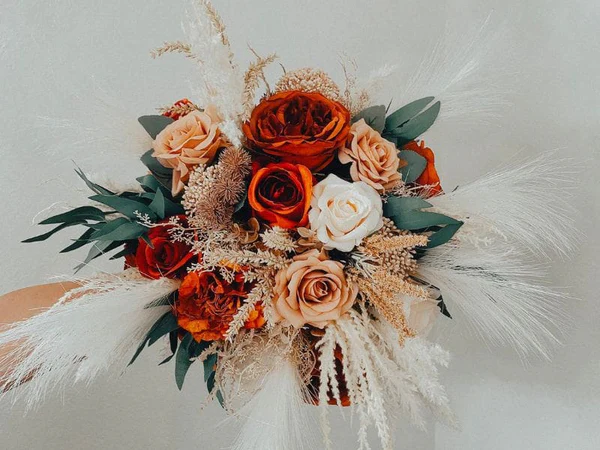
Many sellers either write only for search engines or only for brand tone. Strong pages need both. One term rarely does all the work. A buyer may search “fake flowers in bulk,” but a premium product page may convert better when the hero copy uses “faux flowers” or “artificial flowers.” Understanding what is faux flowers compared with the other terms helps pages rank more broadly without sounding repetitive or confusing. :contentReference[oaicite:15]{index=15}
Use artificial flowers for clarity and breadth
This is the most stable core term for many B2B pages. It is direct, accurate, and widely understood. It works well for category pages, educational pages, supplier pages, and broad product groupings. When in doubt, artificial flowers is usually the safest base term. :contentReference[oaicite:16]{index=16}
Use faux flowers for style-led pages
This term works well when the product is tied to interior décor, weddings, or curated lifestyle presentation. It gives the page a softer tone and often feels more premium than fake flowers. For branded blogs and design-led collection pages, faux flowers can be the better front-facing term. :contentReference[oaicite:17]{index=17}
Use fake flowers carefully
This term gets real search traffic, so it should not be ignored. It fits naturally in FAQ sections, comparison content, and supporting copy. But if overused in premium product pages, it can lower the perceived quality. Buyers asking what is faux flowers are often also comparing faux flowers vs fake flowers from both a language and quality perception angle. :contentReference[oaicite:18]{index=18}
Use silk flowers only when expectations are managed
This term still brings search traffic, which makes it useful. But the page should clarify the true material in the details. If the product is polyester fabric, that should be stated directly. The term silk flowers should not create a false technical promise. :contentReference[oaicite:19]{index=19}
A practical SEO rule for product pages
Choose one main keyword for the page, then support it with natural related terms. For this topic, the exact-match keyword what is faux flowers should appear in the title, opening, selected subheads, image alt text, conclusion, and FAQ, while close variants such as what are faux flowers, faux flowers meaning, and faux flowers vs artificial flowers can support broader relevance. This improves SEO signals without making the page sound forced. The source article already uses a broad mix of these terms, but strengthening the exact keyword in key positions makes the article more competitive. :contentReference[oaicite:20]{index=20}
You can see how this works across related internal topics on Botanic Blossoms, such as Top 5 Best-Selling Fake Flowers for Crafts That Creators Love in 2025? and What Do People Think About Fake Wedding Flowers?
My Faux Flowers Glossary for New Buyers and Import Teams
My glossary helps new buyers use faux, fake, silk, and artificial flower terms with more accuracy, better supplier communication, and fewer product page mistakes.
New teams work faster when they use one shared language. A simple glossary reduces confusion between category words, material words, and finish words. Cleaner wording improves supplier quotes, speeds up internal approvals, and reduces product page mistakes. For many import teams, the question what is faux flowers is really the first step toward building a more disciplined sourcing vocabulary. :contentReference[oaicite:21]{index=21}
My simple working glossary
- Faux flowers
- A style-led category term for flowers made to imitate real ones. It sounds softer and more premium.
- Artificial flowers
- A broad, neutral trade term and often the safest base wording for B2B pages and supplier communication.
- Fake flowers
- A common everyday search term. Useful for SEO support and casual buyer language, but best used carefully on premium pages.
- Silk flowers
- A market term, not a guaranteed material claim. Many silk flowers today are not made from real silk.
- Real-touch flowers
- A term used when the product is designed to feel closer to fresh flowers through surface finish or material choice.
- Fabric flowers
- A direct term for textile-based petals without creating a real silk expectation.
- PU / PE / mixed material
- Specification terms used in quotes, product details, and technical review when buyers need real material clarity.
The buying lesson behind the glossary
A good glossary does more than clean up language. It protects margin, speed, and trust. When teams use the right term at the right stage, supplier talks get clearer, samples get closer to the target, and product pages convert more honestly. That is why answering what is faux flowers properly can improve more than SEO. It can improve the whole buying process. :contentReference[oaicite:22]{index=22}
If your team is still building supplier judgment, this internal article also helps frame the bigger sourcing mindset: Why Choose Silk Flowers for Your Boutique?
Need Help Matching the Right Flower Terms to the Right Product Pages?
The wrong term can pull the wrong buyer, create the wrong expectation, and slow the sale. Clear language helps your catalog rank better, communicate more honestly, and convert with less friction. :contentReference[oaicite:23]{index=23}
Need cleaner product wording for your faux flower catalog?
Use the right mix of search terms, material language, and page positioning so your product pages attract the right buyers and reduce misunderstanding before sampling starts.
Conclusion
What is faux flowers? It is a style-led category term for decorative flowers made to imitate real blooms, but it does not define the exact material by itself. Buyers who understand faux flowers, fake flowers, silk flowers, and artificial flowers more clearly can write better product pages, ask better supplier questions, and make better buying decisions.
FAQ
1. What is faux flowers in simple words?
What is faux flowers in simple words? It means decorative flowers made to look like real flowers but produced from man-made materials instead of being naturally grown.
2. What are faux flowers compared with artificial flowers?
What are faux flowers compared with artificial flowers? In most buying conversations, they overlap. But artificial flowers is the broader and more neutral trade term, while faux flowers sounds softer and more style-led.
3. What does faux flowers mean in wholesale?
What does faux flowers mean in wholesale? It usually means a decorative category of non-real flowers designed to imitate real blooms, with more focus on look and use scene than on exact material.
4. Is faux flowers the same as fake flowers?
They can refer to the same broad product category, but the tone is different. Faux flowers usually sounds more premium, while fake flowers is more common in casual speech and search behavior.
5. Why do buyers still use the term silk flowers?
The term remains popular in the market and in search traffic, even though many so-called silk flowers today are actually made from polyester or mixed materials.
6. What is faux flowers made of?
What is faux flowers made of? Depending on the product, it may be made from polyester fabric, PE, PU, PVC, plastic components, or mixed materials.
7. Is faux flowers a material term?
No. Faux flowers is usually a category or style term, not a strict material term. Buyers should still review the actual specification before ordering.
8. Which term is best for SEO on product pages?
That depends on the buyer intent and page goal. Artificial flowers is a strong broad term, faux flowers works well for premium positioning, fake flowers can support search coverage, and silk flowers should be used carefully with clear material details.
9. Can one page use faux, fake, silk, and artificial flowers together?
Yes, as long as the terms are used naturally and the product details remain clear. One page can target one main keyword while supporting it with related terms.
10. How can buyers avoid confusion when sourcing faux flowers?
Ask for clear material information, review samples, define the use scene, and make sure the wording on the page matches both the real product and the target buyer expectation.
Footnotes
- In commercial use, “silk flowers” often functions as a market term rather than a literal fiber claim. Buyers should confirm the actual material in the specification sheet before approving orders.
- “Faux flowers” is most useful as a positioning and category term. It helps with tone, but it should not replace clear material disclosure in wholesale communication.
- Material choice affects more than appearance. It also changes shape recovery, shine level, packing performance, cleaning tolerance, and final cost structure.