
2026 Wholesale Artificial Flowers Buyer’s Guide: How to Find Reliable Suppliers in Dubai, UAE & China?
Finding the right supplier looks easy at first. Then samples disappoint, shipping gets messy, and bulk quality no longer matches the promise.
Wholesale artificial flowers Dubai sourcing works best when I compare supplier location, ask sharp questions, inspect real quality signs, test samples, and confirm shipping terms before I place any bulk order.[1]
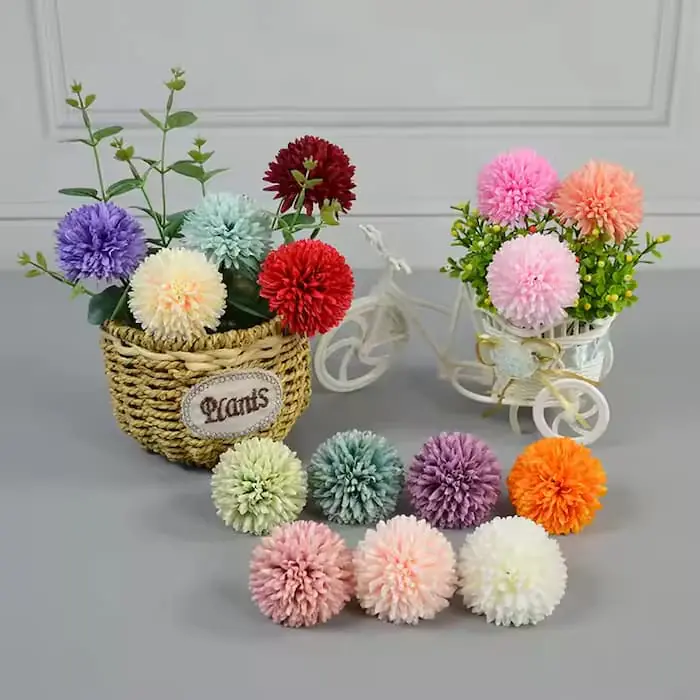
Applicable scenario: B2B sourcing research for wedding, retail, and event decoration buyers.
I have seen many buyers lose time because they choose too fast. A good-looking catalog is not enough. A low price is not enough. In this guide, I show how I compare Dubai, UAE, and China suppliers, how I test quality, and how I reduce risk before bulk orders. For many importers, wholesale artificial flowers Dubai research starts as a simple price check. It should become a full supplier evaluation process.
Global Sourcing Options: Dubai, UAE, China – Pros and Cons for Each?
Many buyers focus only on price. Then they miss the bigger cost. Lead time, communication, and stock depth can change the whole result.
Wholesale artificial flowers Dubai buyers usually compare three routes: local stock in Dubai, regional supply in the UAE, and factory sourcing in China. I compare them by speed, price, customization, MOQ, and quality control because each route fits a different business stage.
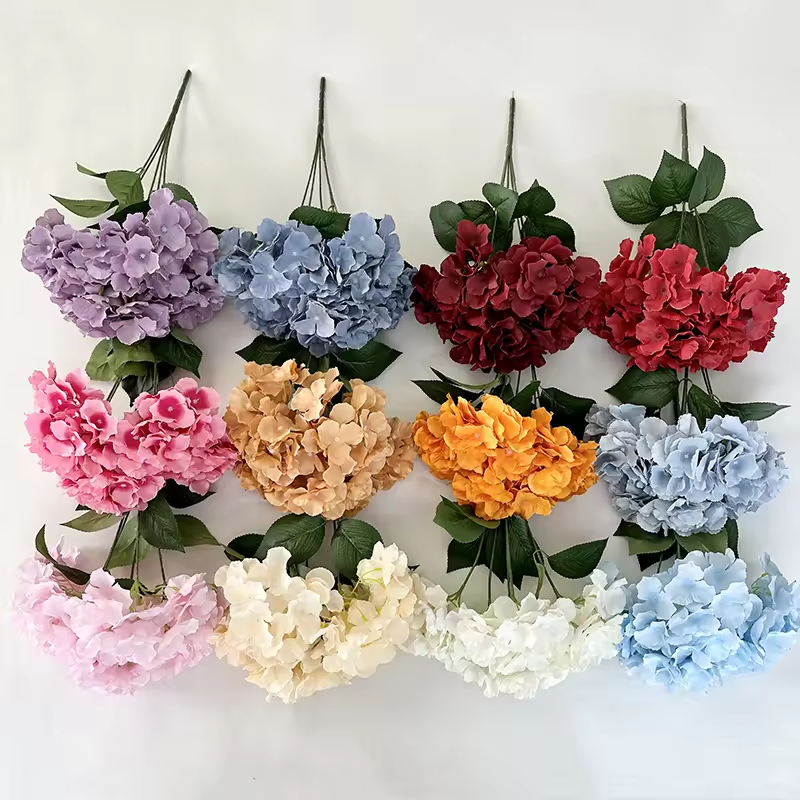
Applicable scenario: import planning for event companies, wholesalers, and home décor retailers.
What I usually see in Dubai sourcing
When I speak with buyers in Dubai, many of them want fast turnover. They need products for weddings, hotel projects, Ramadan displays, or retail launches. In that case, Dubai stock can help because the goods are already closer. I often tell buyers that local availability can save a project when timing is tight. That is why wholesale artificial flowers Dubai remains attractive for buyers who care about speed first.
Still, I have seen one common problem. The local trader may not control the factory. That means the buyer gets quick delivery, but less flexibility on stem length, color tone, packing, or material changes. One client I worked with needed dusty pink roses with a softer matte finish for a wedding chain. The local option in Dubai was fast, but the color was too bright and the heads were too glossy. She solved the timing problem, but not the look problem.
What I usually see in wider UAE sourcing
The UAE gives buyers more options than buying from Dubai stock alone. Some suppliers act as importers, project service partners, or mixed-stock wholesalers. This can work well when a buyer wants support in Arabic and English, easier invoice handling, and simpler local coordination. For some buyers, this lowers stress.
But I do not assume local means better. I check how deep their product range really is. I ask whether they keep stable stock or only resell from changing sources. I ask whether they can keep the same flower head across repeat orders. If they cannot, the buyer may face inconsistency later. In many cases, buyers searching wholesale artificial flowers Dubai are really comparing convenience against long-term control.
What I usually see in China factory sourcing
China is where I usually see the strongest advantage in scale, customization, and price control. This is especially true when the buyer wants bulk orders, custom colors, private labels, or new mold development. I know this from my own work. Many buyers come to me after they realize they need more than a carton seller. They need a partner who can fix problems before shipping.
One client from the Middle East first bought mixed styles from a local reseller. The sample looked fine. Bulk was not stable. Some stems were soft, some flower heads were loose, and the cartons were too thin. Later, we rebuilt the order from the factory level. We adjusted the inner packing, locked the color card, and confirmed the head diameter with production photos before shipment. Her repeat order became much easier. Buyers who begin with wholesale artificial flowers Dubai often move to China when they need deeper customization and better repeat control.
How I make the choice
I do not say Dubai is good and China is better. I say the right source depends on the buyer’s real goal:
- If the buyer needs urgent stock, Dubai can make sense.
- If the buyer wants regional coordination, wider UAE supply can help.
- If the buyer wants stronger customization, lower unit cost, and deeper product control, China often wins.
For buyers who want long-term supply, I usually prefer factory-level cooperation because it gives more control. That control matters more than a cheap quote. This is the key lesson behind serious wholesale artificial flowers Dubai sourcing.
10 Questions to Ask Before Choosing an Artificial Flowers Supplier?
A supplier can answer quickly and still be risky. A beautiful catalog can still hide weak systems.
I ask direct questions before I trust any supplier. These questions help me test product control, repeat-order stability, shipping ability, and problem-solving speed before I move to bulk. This matters even more in the wholesale artificial flowers Dubai market, where many buyers must move fast but still need stable repeat quality.
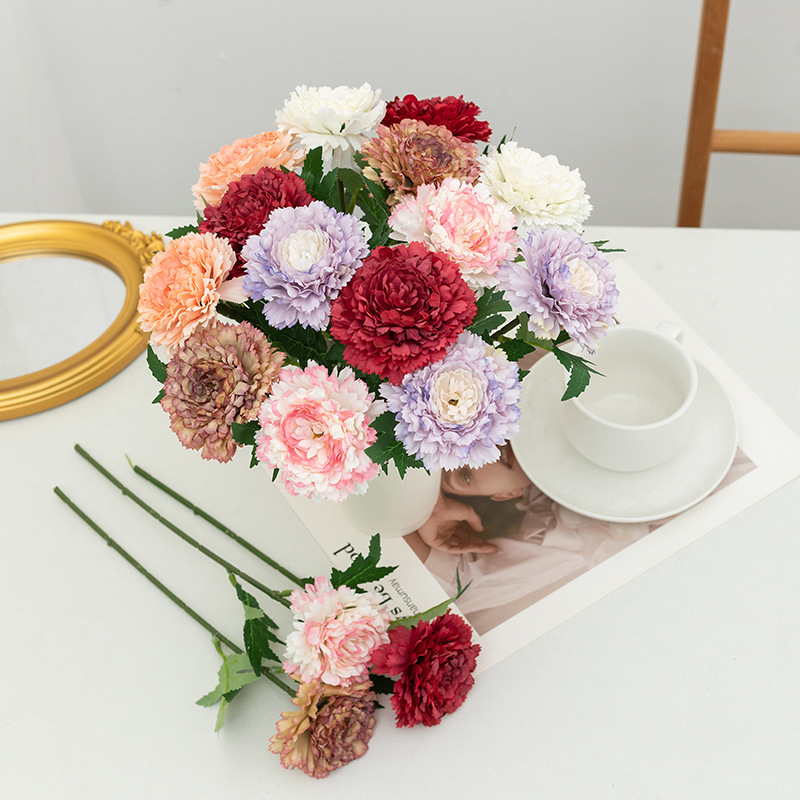
Applicable scenario: supplier qualification for wholesale, event décor, and cross-border sourcing teams.
The 10 questions I always use
1. Can you keep the same quality in bulk?
I do not want a nice sample and a weak container. I ask how the supplier keeps flower head shape, stem wire strength, and color consistency in production.
2. What materials do you use?
I ask whether the flower uses silk, polyester, PE, PU, latex coating, or plastic blends. Material changes the look, touch, and lifespan.
3. Can you send close-up videos in natural light?
Product photos can hide too much. Video helps me see shine, texture, and movement.
4. What is your MOQ by style and color?
MOQ affects testing, project flexibility, and cash flow.
5. Can you customize color, packing, tag, or stem length?
This question tells me whether the supplier is a real factory partner or only a trader.
6. How do you pack fragile heads?
Packing is not a small detail. It affects resale quality and client complaints.
7. What is your lead time for sample and bulk?
I want honest timing, not fast promises.
8. What do you do if bulk has a problem?
This tells me how they handle pressure.
9. Can you share previous export markets?
I use this to understand experience with compliance, carton standards, and buyer expectations.
10. Can you provide production photos before shipment?
This simple step has saved many orders.
Why these questions matter
I once worked with a buyer who chose a supplier mainly because the quote was lower by a small margin. She did not ask how the flowers were packed. When the goods arrived, many heads were pressed flat. The seller said the buyer never asked for stronger inner protection. That one detail created stress, replacement cost, and delay.
So I learned to ask questions that expose the supplier’s process, not just the product. A serious supplier will answer clearly. A weak supplier will answer in vague words like “no problem” and “same as sample.” I do not accept that.
I also look at how they answer. A good supplier gives exact details. They mention carton size, sample time, wire thickness, or how many pieces fit in one inner box. That tells me they know their work. In my experience, strong communication is often a better sign than a pretty catalog. In the wholesale artificial flowers Dubai space, this is often what separates a reliable partner from a short-term trader.
If you want more warning signs before choosing a partner, you can also read Wholesale Artificial Flowers Online: 12 Red Flags That Signal Delays, Weak QC, and Hidden Costs.
Quality Grades Explained: How to Identify Premium vs. Economy Artificial Flowers?
Many buyers say they want high quality. But they do not define what that means. That is where mistakes start.
I identify premium vs. economy artificial flowers by checking material feel, color depth, shape memory, stem strength, edge finish, and how natural the flower looks under close viewing and camera light. When buyers compare wholesale artificial flowers Dubai suppliers, this quality grading step is where the real decision begins.
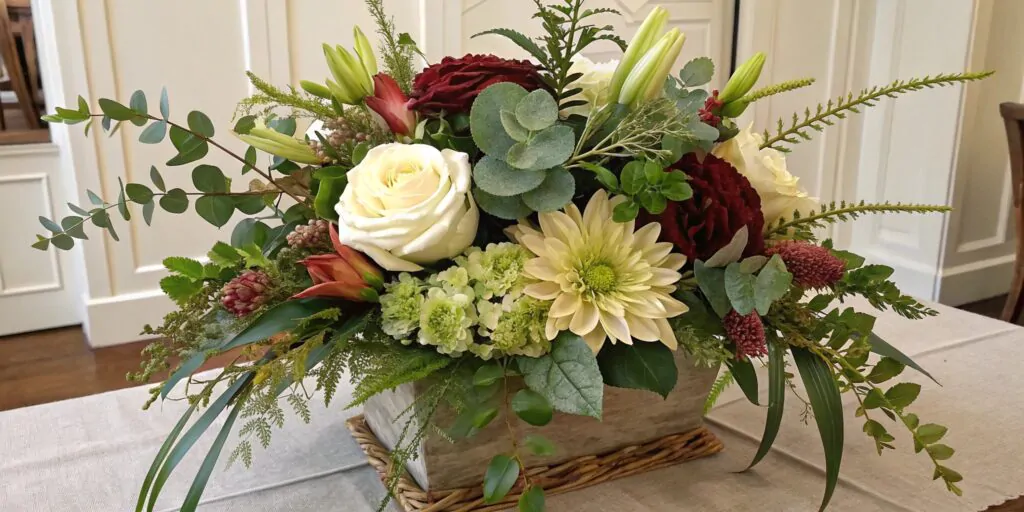
Applicable scenario: sample comparison for wedding designers, retailers, and commercial decorators.
What premium quality looks like to me
Premium artificial flowers do not depend on one feature. They depend on many small details working together. I check the petal edge first. If the edge is too sharp, too thick, or badly cut, the flower often looks cheap. Then I check the color. A premium flower usually has depth. It may have soft color change from center to edge, or a more natural mix of tones.
Then I check the stem. If the stem feels weak and too light, I know it may bend badly in use. If the leaf is too shiny, I know it may look artificial under event lighting or product photography.
I remember one buyer who wanted peonies for a showroom launch. She first sent me a cheaper reference from another source. In the photo it looked acceptable. In the hand it looked flat. The petals had no layering. The center looked too plastic. We developed a better option with fuller shaping and a softer fabric face. She later told me her customers could see the difference right away.
What economy quality usually looks like
Economy products are not always bad. They can fit some retail promotions, temporary event work, or price-driven sales channels. But I still need the buyer to know the trade-off. Economy flowers often have:
- flatter petal shaping
- less natural color depth
- weaker stem structure
- more visible glue points
- more surface shine
- simpler leaf veining
This does not mean no one should buy them. It means the buyer should match the grade to the project.
My simple inspection method
I use a plain test:
Touch test
Does the flower feel soft and shaped, or stiff and thin?
Look test
Does the color look natural from both near and far?
Light test
Does the surface reflect too much under phone flash?
Structure test
Can the stem hold shape after simple bending?
Finish test
Do I see glue marks, rough edges, or weak joins?
I also compare flowers in a small vase because that is how many buyers actually use them. Sometimes a flower looks fine alone and poor in an arrangement.[2]
If you are still comparing realism levels, this guide may help: Silk Flowers Wholesale: 11 Buyer Tests That Prove Realism. For broader material language, I also recommend What Are Faux Flowers: The Buyer Glossary That Prevents Wrong Material Orders.
Shipping and Logistics: What B2B Buyers Must Know About Importing?
A good supplier can still become a bad order if shipping details are weak. Many problems start after production, not before it.
I check shipping terms, carton protection, volume efficiency, HS code alignment, and customs document accuracy before I confirm any bulk order because logistics mistakes can erase profit very fast.[3] For large wholesale artificial flowers Dubai orders, shipping mistakes often cost more than product mistakes.
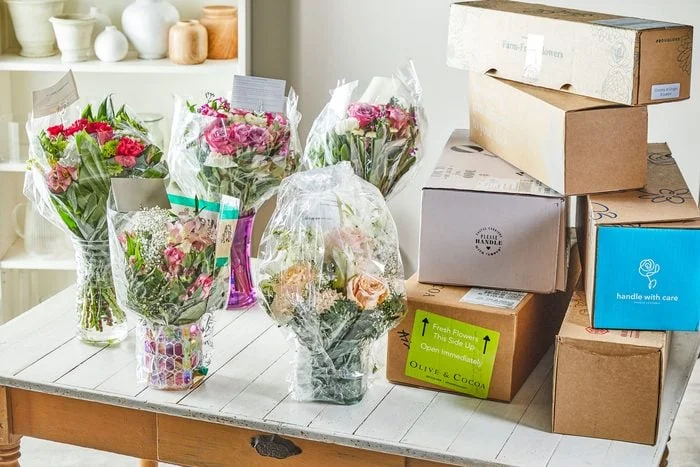
Applicable scenario: container planning and cross-border import management for B2B floral buyers.
What I confirm before the order moves
First, I check the shipping term. Is it EXW, FOB, CIF, DDP, or another model? I do not let this stay vague. A cheap quote can become expensive when local charges appear later.
Then I check carton details. Artificial flowers are light but bulky. So freight cost often depends more on volume than product weight. That means packing method matters. If the carton is too loose, the buyer pays for air. If it is too tight, the flower heads get crushed.
One buyer I supported wanted mixed greenery for an interior project. The first quote looked attractive. Then we reviewed the carton plan and saw that the supplier packed the branches in a way that wasted space. We changed the bend method, inner bag layout, and carton height. That improved loading efficiency and reduced cost.
What I do with documents
I check the commercial invoice, packing list, and product descriptions carefully. I want the wording to match the goods. I want the carton count to match reality. Small errors can slow customs clearance and create stress.
I also ask who books the shipment and who follows the goods after departure. If the supplier has no system after goods leave the factory, I know I may need a stronger freight partner. Any buyer handling wholesale artificial flowers Dubai imports should treat documents as part of quality control.
What buyers often forget
Many buyers focus on price and sample, but forget these points:
- inner packing method
- carton compression resistance
- barcodes or shipping marks
- pallet need or no pallet
- mixed SKU labeling
- damage claim process
- port timing during peak season
I have learned that logistics should not be treated as the last step. It is part of the buying decision from day one.
If your order will be used outdoors or stored for long periods, I also suggest reading Storing Artificial Flowers: 8 Warehouse Rules That Prevent Creases, Dust, and Color Drift.
For general shipping rules and trade term reference, I often suggest buyers review the official Incoterms overview from the International Chamber of Commerce and customs guidance from the World Customs Organization.
Sample Checklist: How to Evaluate Supplier Quality Before Bulk Order?
A sample is not just for approval. It is a test. If I use it well, it can expose most future problems early.
I evaluate supplier samples by checking realism, durability, packing, consistency, communication, and correction speed. A sample should tell me how the supplier will perform when pressure, deadlines, and quantity get bigger. In many wholesale artificial flowers Dubai buying decisions, the sample stage is where the right supplier finally stands out.
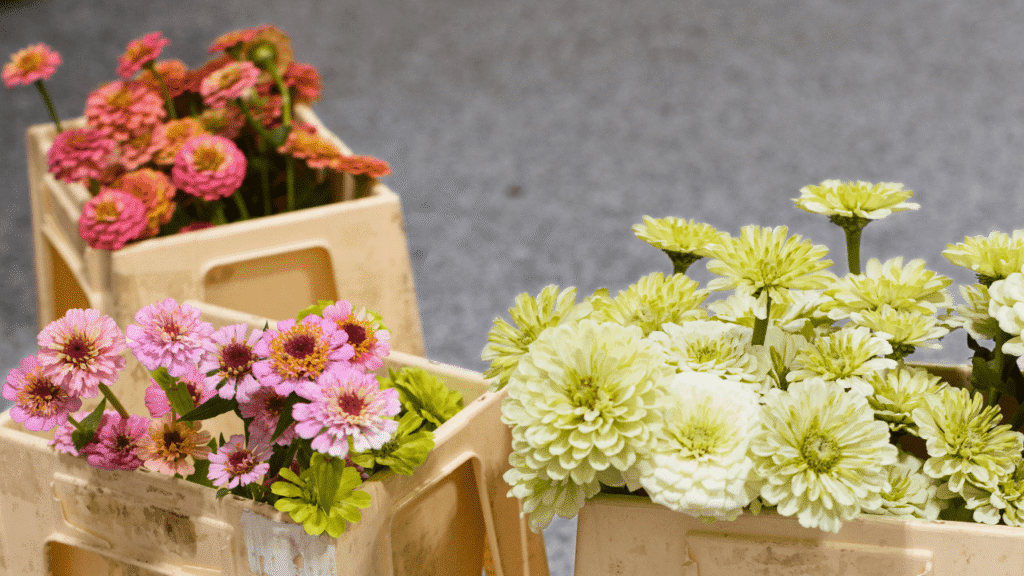
Applicable scenario: pre-bulk sample approval for floral wholesalers, event planners, and retail buyers.
The checklist I actually use
Visual realism
I place the sample in daylight and under indoor light. I look at shape, shine, color depth, and how the flower reads from one meter away.
Hand feel
I touch petals, stems, and leaves. Premium quality usually feels more controlled, not overly hard or overly thin.
Construction
I check joints, wrapping, and whether any parts feel loose.
Size accuracy
I measure head diameter, total stem length, and usable stem section.
Smell
A strong plastic smell can be a warning.
Packing
I inspect how the sample arrives. If one small parcel already arrives messy, I worry about bulk.
Supplier response
I watch how the supplier reacts when I point out an issue. This matters a lot.
One client I worked with asked for a custom cream-white rose. The first sample color was too yellow. What mattered was not that the first try missed. What mattered was how we handled it. We revised the color fast, sent updated photos, and confirmed under both warm and cool lighting. That process built trust.
What I want from a sample stage
I do not want only one pretty stem. I want proof of process. I want to know:
- Can the supplier understand corrections?
- Can they repeat the same quality?
- Can they improve fast?
- Can they communicate clearly when details change?
This is why I sometimes ask for a mini sample set, not just one unit. A small group tells me more about consistency. For buyers in wholesale artificial flowers Dubai, this step helps reduce expensive repeat mistakes.
If you want more ideas on how buyers compare long-term value and realism, these guides may help:
- Artificial vs Real Flowers: Which Saves You More Money and Stress
- Artificial Flowers in a Small Vase: 9 B2B Styling Formulas That Look Premium
My View: What Reliable Suppliers Really Do Better?
Many buyers ask me what makes one supplier truly reliable. My answer is simple. Reliable suppliers reduce uncertainty.
I trust a supplier when they communicate clearly, correct mistakes fast, protect the buyer’s margin, and stay stable from sample to bulk. Reliability is not one promise. It is repeated proof in small details. That is the foundation of successful wholesale artificial flowers Dubai purchasing.
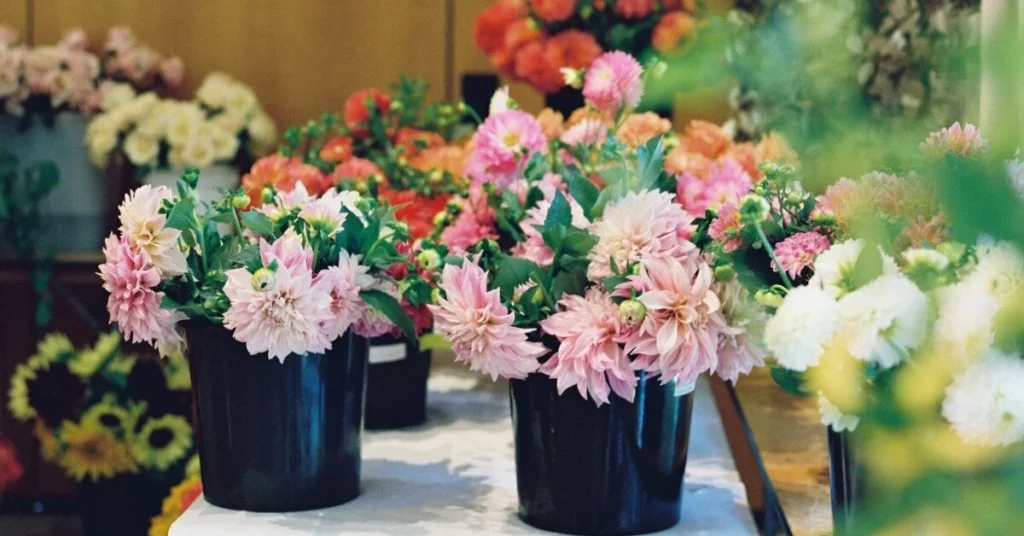
Applicable scenario: long-term supplier evaluation for importers, distributors, and project buyers.
The pattern I have seen again and again
After more than a decade in this field, I have noticed that reliable suppliers are not always the cheapest and not always the biggest. The best ones usually do a few things very well.
- They give clear answers.
- They show real photos and videos.
- They confirm details in writing.
- They care about packing.
- They do not hide problems.
- They offer solutions before the buyer asks twice.
I have built my own business around this idea. I know buyers do not only purchase flowers. They purchase confidence. A wedding planner buys timing. A retailer buys repeatable quality. A distributor buys fewer complaints. That is why I pay so much attention to small details.
I remember one customer who told me, “I can accept a delay if you tell me early. I cannot accept silence.” That sentence stayed with me. It reminded me that reliability is not perfection. It is responsible action.
So when I judge a supplier, I do not only look at the sample. I look at the full system around the sample. I ask:
- Do they think ahead?
- Do they track changes well?
- Do they treat a correction as a burden or as normal work?
- Do they understand the buyer’s final market?
For me, a reliable supplier helps the buyer grow. That is the standard I use for my own team at Botanic Blossoms. I want every order to feel easier the second time than the first time. That is how real partnerships are built. Strong results in wholesale artificial flowers Dubai come from this kind of disciplined partnership, not from rushed buying.
Conclusion
Reliable wholesale artificial flowers Dubai sourcing starts when I stop chasing cheap quotes and start testing quality, process, communication, and shipping control with discipline.
FAQ
1. Is Dubai a good place to source wholesale artificial flowers?
Yes. Dubai can be a strong option for fast access and urgent project needs. It works well when timing matters more than deep customization.
2. Why do many buyers still source from China?
China often offers better factory access, broader customization, and stronger cost control for bulk orders.
3. How can I tell if a supplier is a trader or a factory?
I ask about customization, MOQ logic, production photos, and revision ability. Their answers usually make the difference clear.
4. What is the biggest risk in buying artificial flowers in bulk?
The biggest risk is sample quality not matching bulk quality.
5. Should I choose the lowest quote?
No. I compare total value, not only unit price. Packing, consistency, and shipping mistakes can cost more later.
6. What should I inspect first in a sample?
I inspect shape, shine, color depth, stem strength, and packing condition first.
7. Are premium artificial flowers worth the extra cost?
Yes, when the flowers will be used for weddings, display, photography, retail, or repeat business.
8. What shipping term is best for new buyers?
That depends on the buyer’s logistics setup. I always ask for full cost clarity before deciding.
9. How many samples should I request?
I prefer more than one piece when possible. A small set gives a better view of consistency.
10. What makes a supplier reliable over time?
Clear communication, stable quality, fast correction, honest lead times, and good packing make the biggest difference.
Footnotes
[1] This article uses a practical B2B sourcing framework based on supplier comparison, quality inspection, sampling, and shipping review. It is written for buyers comparing Dubai, UAE, and China sourcing routes for artificial flowers.
[2] Visual quality checks such as surface shine, color depth, shape recovery, and arrangement effect are especially useful for wedding, retail, and event buyers because artificial flowers are often judged under camera light, indoor lighting, and close viewing conditions.
[3] For official trade and customs reference, buyers can review Incoterms guidance from the International Chamber of Commerce and customs resources from the World Customs Organization. These references help buyers confirm shipping responsibilities, document accuracy, and import process alignment.