
15 Proven Artificial Flower Storage Tips That Prevent Costly Damage
Poor storage can crush petals, fade premium colors, and turn profitable wholesale inventory into stock that no commercial buyer wants to receive.
The best artificial flower storage tips are to clean every stem, protect flower heads from pressure, separate materials and colors, control heat and humidity, block direct light, label every carton, and inspect inventory on a fixed schedule.
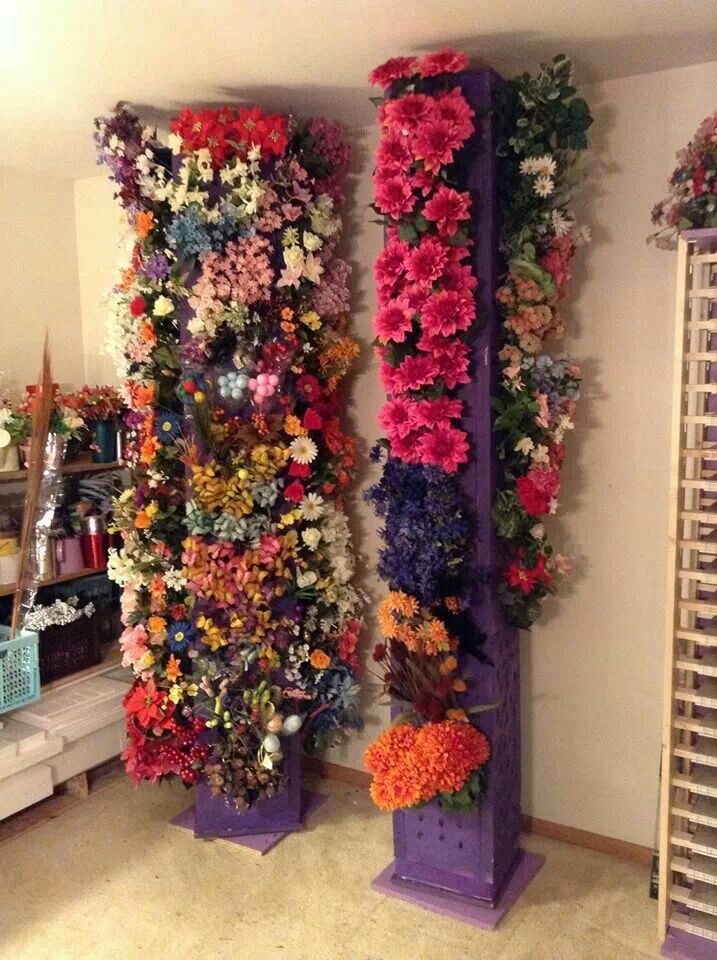
I have worked with artificial flowers and greenery for more than a decade. I have seen beautiful products leave a factory in perfect condition and lose their commercial value months later because the storage system was weak. A crushed hydrangea head does not look like a warehouse problem to the final buyer. It looks like a product quality problem. For commercial buyers, practical artificial flower storage tips can prevent that loss before it reaches a customer.
That is why I treat storage as part of production, packaging, and customer service. The following artificial flower storage tips are based on the problems I have helped wholesale buyers, wedding companies, retailers, and commercial decorators solve. They are simple enough for a small team to follow, but detailed enough to protect large seasonal inventories.
Why Do Artificial Flower Storage Tips Matter for Wholesale Inventory?
Wholesale flowers can lose value without showing an obvious problem at first. A small fold becomes a permanent crease. Light dust becomes a gray surface. A mixed carton becomes a wrong shipment. Each issue creates extra labor, slower fulfillment, and a weaker customer experience.
Proper storage protects shape, color, cleanliness, SKU accuracy, and delivery speed. It also protects the trust that your buyer places in the approved sample. The right artificial flower storage tips turn warehouse control into a clear part of your quality system.
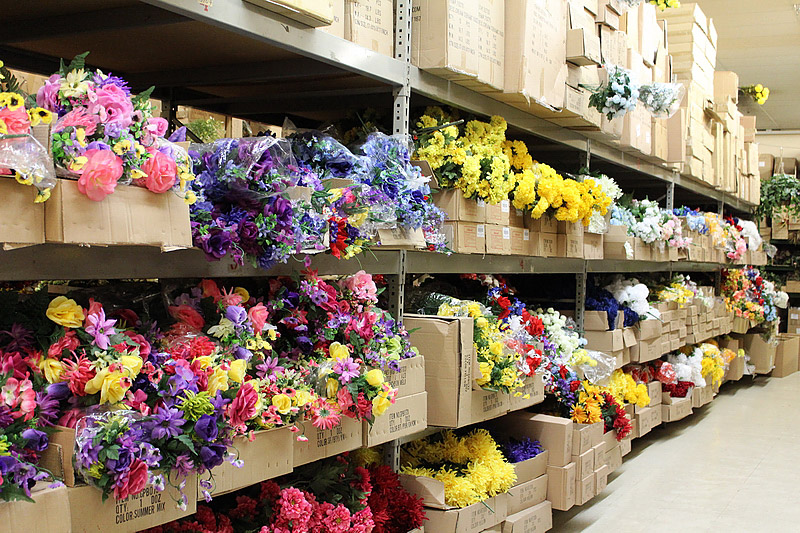
I Treat Storage as Part of the Product
One event rental client stored finished wedding arrangements beside a loading door. The team believed the flowers were safe because nobody handled them between events. After several months, the white flowers had collected gray dust. Some petals were bent because the arrangements were pressed against each other.
The client first suspected a material problem. I inspected the arrangements and found that the fabrics and stems were still sound. The damage came from open-air exposure, pressure, and poor zoning.
I helped the client divide the room into four areas: returned inventory, products waiting for cleaning, repaired products, and ready-to-use arrangements. The team added breathable dust covers and gave large designs their own shelf space. The next wedding season started with fewer repairs and faster preparation.
This case changed the way I explain artificial flower storage tips to new buyers. I now ask how the inventory will be stored before I recommend carton sizes, inner packing, or quantities per box.
Poor Storage Creates Hidden Commercial Costs
- Heavy cartons can leave permanent folds in soft petals.
- Unsupported long stems can bend and become difficult to arrange.
- Dark flowers can leave marks on light-colored petals during long contact.
- Weak labels can lead to wrong SKU picking and mixed shipments.
- Dusty inventory can increase preparation time before photography or delivery.
- Compressed flowers can look different from the approved sample.
- Moist packaging can create odor, rust, staining, or mold risk.
I see artificial flowers as reusable business assets. Good storage helps wedding and event companies use the same inventory for more projects. It also helps retailers maintain consistent stock across several stores. When your team follows proven artificial flower storage tips, each stem can deliver more value across more selling seasons.
Museum textile guidance is not a direct commercial standard for artificial flowers. Still, it gives useful principles for fabric petals. The Smithsonian Institution recommends keeping sensitive textiles clean, cool, dry, dark, and protected from large environmental changes.1
I apply the same basic ideas in a practical warehouse. I do not try to create a museum. I create a clean and stable space where stock is protected from pressure, light, heat, moisture, and careless handling.
Step 1: How Should You Clean Artificial Flowers Before Storage?
Dust, moisture, food particles, wax, and outdoor residue become harder to remove after several months in a closed container. They can also spread to clean products in the same carton.
I always clean, inspect, repair, and fully dry flowers before they return to storage. This is one of the artificial flower storage tips that prevents small event residue from becoming permanent damage.
I Never Store Flowers Directly After an Event
One wedding service client used a fast return process. The team removed arrangements from each venue, placed them in plastic covers, and moved them straight onto warehouse shelves.
The process looked efficient. However, some pieces still contained outdoor dust, moisture from cleaning, candle wax, food particles, and small fragments of floral foam. The closed covers trapped the smell and moisture. Dust attached to the damp petals. Several white flowers later developed yellow marks around the edges.
I asked the team to create a return zone. Every arrangement stayed there until it passed inspection, cleaning, drying, and repair. Only approved pieces could enter the clean inventory area.
This change reduced cross-contamination. It also made it easier to identify event damage while the delivery and setup details were still fresh.
I Follow a Six-Step Cleaning Process
- Inspect under clear light. I check petals, leaves, stems, glue points, exposed wire, rust, insects, stains, moisture, and color transfer.
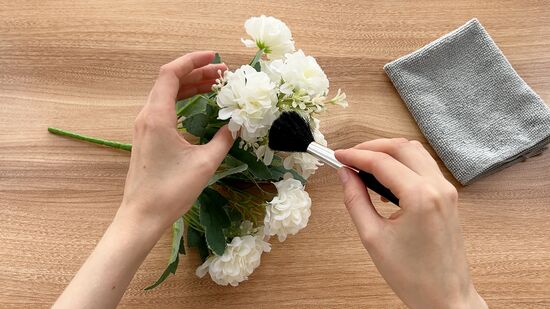
- Remove loose dust first. I use a soft brush, microfiber cloth, or low-pressure cool air. I work from the flower head toward the stem.
- Separate products by cleaning method. I keep dry-cleaned products away from wet-cleaned products. I also protect paper-wrapped stems from water.
- Test a hidden area. I check whether water affects the dye, glue, coating, or petal texture.
- Dry every part completely. I check thick flower centers, wrapped stems, and dense greenery because they dry more slowly.
- Repair before packing. I reshape petals, tighten flower heads, cover exposed wire, and replace damaged leaves.
You can follow the detailed cleaning methods in my guide on how to clean silk flowers safely.
I Adjust the Cleaning Method to the Material
I usually dry-clean polyester silk flowers with a soft brush. Cool air can help with larger quantities, but the airflow must remain gentle. I normally wipe molded plastic flowers with a slightly damp cloth when the construction allows it. I treat real touch flowers with more care because strong rubbing or unsuitable cleaners can damage the soft coating.
I also keep a care record for rental inventory. The record shows the last event date, cleaning method, repair status, responsible employee, and next inspection date. This process looks formal, but it saves time when a rental collection grows from dozens of pieces to hundreds. These artificial flower storage tips also make it easier to decide which pieces are ready for the next event.
Step 2: Which Storage Containers Protect Artificial Flowers Best?
A storage container can protect a product or quietly destroy it. A box that is too deep creates pressure. A box that is too short bends stems. A sealed box can trap moisture when flowers are not fully dry.
The most useful artificial flower storage tips always match the container to the material, stem length, flower-head size, storage period, handling frequency, and warehouse conditions.
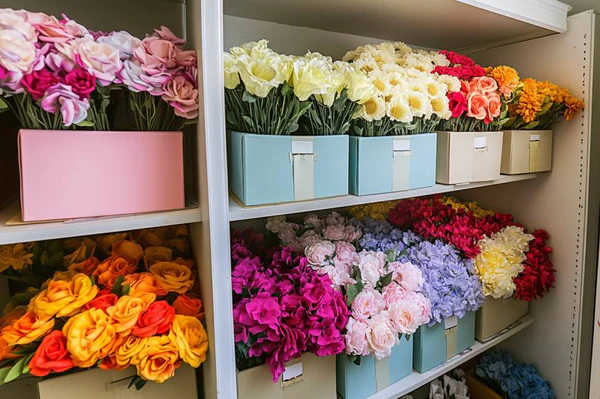
I Match the Container to the Flower Head
A wholesale client once stored loose hydrangea stems in deep cartons. The team placed the stems in layers until each carton was full. The packing looked efficient, but the lower hydrangea heads carried the weight of every layer above them. The petals became flat, and several flower heads lost their original round shape.
I suggested shallower cartons, fewer layers, and soft separators. The new method used slightly more shelf space, but the team spent far less time reshaping flowers before shipment.
That project confirmed an important point: the cheapest carton is not always the lowest-cost storage solution. Repairs, rejected stock, customer complaints, and slow order preparation also cost money.
I Use Cartons for Fast-Moving Stock
Strong corrugated cartons work well for products that move in and out of inventory regularly. They are easy to label, stack, and replace. I make sure the carton strength matches the stacking height. I also stop rough carton walls from touching delicate petals by using clean tissue, soft nonwoven material, or an inner bag.
I place heavier stems at the bottom and highly detailed flower heads at the top. I leave enough space below the lid so it cannot press the blooms.
I Use Rigid Boxes for Valuable or Reusable Stock
Rigid polypropylene or high-density polyethylene boxes can work well for samples, rental flowers, seasonal collections, and high-value arrangements. The Library of Congress includes stable materials such as HDPE and polypropylene in its preservation container guidance.2
Commercial artificial flowers are not archival objects, but stable and durable container materials still offer useful protection. I prefer clear containers when frequent visual checks matter. I prefer opaque containers when light protection matters more.
I Support Flowers Instead of Compressing Them
- I place soft tissue around large peonies, roses, and hydrangeas.
- I add dividers between different colors and materials.
- I use cardboard grids for single stems.
- I support finished arrangements at the base and around the flower heads.
- I use long horizontal cartons for tall stems.
- I use breathable dust covers for large pieces that cannot fit into boxes.
I avoid newspaper because ink can transfer. I also avoid dirty recycled fabric, strongly scented wrapping, and materials that release loose fibers.
I Make Every Carton Easy to Identify
I place labels on at least two visible sides. Each label can include the item number, product name, color, material, quantity, batch, storage date, inspection date, project name, and handling warning. I also add a product photo when several designs have similar names.
Clear labels do more than organize a shelf. They reduce wrong picking, speed inventory counts, and help your team prepare commercial orders with fewer mistakes. Among all artificial flower storage tips, clear identification gives one of the fastest returns for a busy B2B warehouse.
Step 3: What Temperature and Humidity Protect Artificial Flowers?
Heat can soften plastic, weaken glue, and change coated surfaces. High humidity can damage cartons, support odor, encourage rust, and increase mold risk when organic dust or packing materials are present.
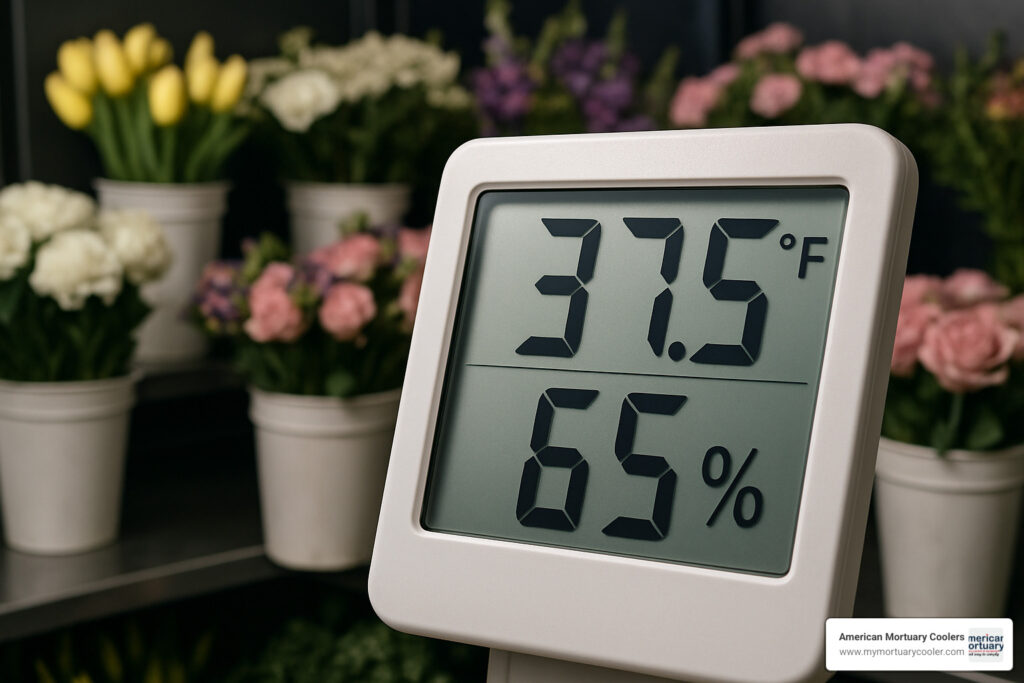
My artificial flower storage tips focus on stable conditions rather than one perfect number. I avoid sudden temperature changes, direct sunlight, damp exterior walls, heating vents, and condensation.
I Check the Whole Room, Not Only the Thermostat
A client in a humid coastal area stored artificial flowers in a ground-floor room with air conditioning. The team believed the stock was protected. However, several shelves stood directly against an exterior wall. Warm air entered during loading, while the wall stayed cool. Moisture formed behind the cartons, and the lower boxes began to soften.
The flowers were not completely damaged, but the packaging developed an odor. Some exposed wire ends also showed early rust.
I moved the shelves away from the wall and raised the lower cartons above the floor. The client added a digital hygrometer and a dehumidifier. The team also reduced the time that the loading door stayed open.
The solution did not need a costly warehouse rebuild. It needed better monitoring, airflow, and daily control. This case shows why artificial flower storage tips must address the whole room, not only the temperature shown on one thermostat.
I Use a Practical Commercial Range
For many indoor commercial storage rooms, I normally aim for a temperature of about 18°C to 24°C and relative humidity of about 40% to 60%. I treat this as a practical operating range, not a universal rule. The correct conditions can change with the material, climate, packaging, and storage period.
The Canadian Conservation Institute explains that textiles can be affected by heat, light, unsuitable humidity, dust, pollutants, handling, and poor storage.3
Many artificial silk flowers use polyester rather than natural silk. Still, stable temperature, moderate humidity, darkness, and cleanliness remain sensible storage principles.
I Monitor Small Climate Zones
A warehouse can have several different climate zones. A top shelf may be warmer. A corner beside a window may receive more heat. A lower rack near a wall may hold more moisture.
I recommend recording temperature and humidity at the same time each day during the first month. I check the floor area, top shelves, exterior walls, loading doors, windows, air-conditioning outlets, water pipes, roof areas with leak history, and corners with weak airflow.
I Protect Inventory From Light and Water
I keep long-term stock away from direct sunlight. I use closed cartons, opaque covers, blinds, or suitable window protection. Outdoor-rated products still need protection during storage. UV resistance can slow outdoor fading, but it does not make unlimited indoor sunlight harmless.
You can read my guide to UV-resistant artificial plants when you need to compare indoor and outdoor project requirements.
I never place cartons directly on the floor. I use pallets or shelving with enough clearance for cleaning and airflow. I replace wet cartons immediately, even when the flowers inside still appear dry. I use desiccant packs only when they match the packing method and climate. Desiccant cannot replace a dry warehouse.
How Should You Store Silk, Plastic, and Real Touch Flowers?
Different materials react differently to pressure, heat, dust, moisture, and direct surface contact. One storage method cannot protect every artificial flower.
I separate fabric flowers, molded plastic products, and real touch flowers. These artificial flower storage tips help each material keep the shape, texture, and finish that the buyer approved.
How I Store Silk-Style Fabric Flowers
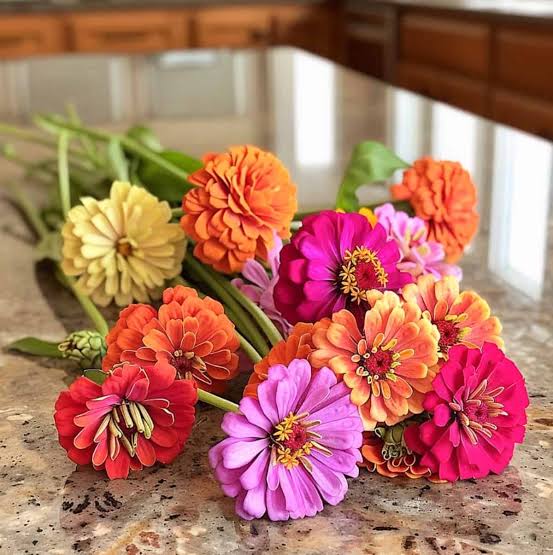
The term “silk flowers” often describes products made with polyester or similar fabric. These petals can look soft and realistic, but they can hold a fold when pressure remains for a long time.
I store long fabric stems horizontally. I keep the flower heads facing the same direction. I place clean tissue around large blooms such as peonies, roses, and hydrangeas. I avoid too many layers and never place heavy plastic leaves on top of soft petals.
One wholesale buyer stored ivory and burgundy roses in the same carton. The products showed no color problem during normal use. However, months of heat and direct contact created faint marks on several ivory petals.
I recommended separate inner packs, cooler storage, and a carton layout that stopped the two colors from touching. The remaining stock stayed clean and consistent. For pale petals, these artificial flower storage tips are especially useful because even a faint color mark can reduce the product’s selling value.
How I Store Plastic Flowers and Greenery
Plastic flowers and foliage often tolerate moisture better than fabric flowers, but they can bend or change shape under heat and pressure. I keep them away from hot windows, lamps, boilers, and roof areas. I support long stems across their full length and keep leaves in their natural direction.
I use stronger cartons for heavy plastic greenery. The box must support the product weight without collapsing. For finished potted designs, I also protect the base so the product cannot tip and crush nearby foliage.
My guide on how to pot artificial flowers securely explains how fillers, anchors, and container choices affect commercial installations.
How I Store Real Touch Flowers
Real touch products may use polyurethane, latex-like coatings, silicone-like finishes, or other soft-touch materials. Different manufacturers can use different formulas, so I check the material instructions before long-term storage.
I avoid strong pressure because coated petals can develop marks. I also avoid direct contact between petals when the surface feels soft or slightly tacky. I use clean nonwoven separators or suitable tissue, and I keep the flowers cool and dark.
One interior design client stored real touch orchids in clear bags beside a sunny window. The bags stopped dust, but the trapped heat softened the surface. Several petals began to stick together.
I helped the client move the stock away from the window, separate the petals carefully, add soft dividers, and use opaque containers. The remaining inventory stayed in much better condition.
How I Store Finished Bouquets and Arrangements
I support finished pieces at both the base and the flower head. I keep bouquets upright when the base is stable. I use bouquet holders, carton grids, or padded dividers. I place wide arrangements on individual shelves and stop them from touching each other.
For modular wedding flowers, I label each section as top, bottom, left, or right. These labels help the setup team rebuild the design quickly. A good storage system protects both the product and the skilled labor already invested in the arrangement. These artificial flower storage tips also reduce setup pressure when an event team has only a short installation window.
What Have I Learned About Commercial Flower Storage After Ten Years?
A warehouse can look organized while products are still being damaged. Real control comes from clear responsibility, regular inspections, staff training, and material-specific rules.
After more than a decade in the floral and décor industry, I have learned that the best artificial flower storage tips are the ones your team can follow every day without confusion.
I Design the Storage Plan Before the Order Arrives
As the founder of Botanic Blossoms, I speak with buyers who focus on design, price, packaging, and delivery time. These points matter, but storage should also be discussed before a large order reaches the warehouse.
I ask how long the products will remain in stock, whether they will be sold as loose stems or finished pieces, whether the warehouse has climate control, how high cartons will be stacked, and how often the team will open each box.
These answers help me recommend the inner packing, carton size, separators, quantity per carton, and handling labels. The storage plan starts before production ends, not after damage appears. In my experience, the most effective artificial flower storage tips begin at the packing-design stage.
I Use First-In, First-Out Inventory Control
I use a first-in, first-out system for most artificial flower collections. Older stock moves before newer stock when the style and batch are the same. This reduces forgotten cartons and makes inspections easier.
Seasonal collections need extra planning. A Christmas flower may remain in storage for many months. I inspect selected cartons before the selling season begins. I check petal shape, color consistency, quantity, labels, odor, and carton dryness before the first customer order arrives.
I Train the Team to Handle the Product Correctly
One distributor had strong cartons and a clean warehouse, but employees regularly lifted bundles by the flower heads. Loose heads became a common problem. The client first asked for stronger glue.
I explained that stronger glue would not correct poor handling. The team changed the lifting method and added simple handling pictures near the shelves. The damage rate dropped without changing the flower construction.
Training does not need to be complicated. I show staff where to hold the stem, which products can carry pressure, which pieces need two-person handling, and why large blooms need extra space.
I Inspect Inventory on a Fixed Schedule
I recommend a monthly visual check for active stock and more frequent checks in humid or high-traffic warehouses. I check carton condition, floor moisture, dust, odor, insects, flower-head pressure marks, exposed wire, labels, quantities, and the movement of older inventory.
I also review the supplier’s original packing method. A reliable artificial flower supplier should understand how the material, inner packing, carton strength, and shipping pressure affect the final product.
I Keep the System Simple Enough to Use
I use clear zones, short checklists, large labels, product photos, and fixed inspection dates. I assign responsibility to a specific employee or department. I also keep damaged stock away from sellable stock.
These artificial flower storage tips help a commercial team protect quality, prepare orders faster, reduce preventable replacements, and give every buyer a consistent product.
Conclusion: How Can You Protect Every Flower and Every Order?
Good storage protects flower shape, speeds fulfillment, reduces replacement costs, and keeps every carton ready for your next commercial order.
Protect Your Inventory Before the First Carton Ships
I can help you select storage-friendly flowers, carton quantities, inner packing, and customized designs for wholesale, retail, wedding, and commercial décor projects. Use these artificial flower storage tips to protect the quality your customers expect.
Frequently Asked Questions
1. What Is the Best Container for Storing Artificial Flowers?
I use strong cartons for fast-moving stock and rigid polypropylene or HDPE boxes for valuable, seasonal, or reusable inventory. I also apply artificial flower storage tips that match the container depth and internal support to the flower-head size.
2. Can I Store Artificial Flowers in Sealed Plastic Bags?
Yes, but only when the flowers are completely clean and dry. A sealed bag can trap moisture, odor, and heat.
3. What Humidity Level Is Suitable for Artificial Flower Storage?
I normally aim for about 40% to 60% relative humidity and avoid sudden changes or condensation.
4. What Temperature Should I Maintain in a Flower Warehouse?
I usually target about 18°C to 24°C. Stable conditions matter more than one exact number.
5. Should I Clean Flowers Before Long-Term Storage?
Yes. Cleaning and complete drying are essential because dust and moisture become harder to remove later.
6. Can Finished Bouquets Remain Assembled?
Yes. I keep them assembled when the base is stable, the flower heads have enough space, and the cover does not crush the design.
7. How Can I Stop Large Flower Heads From Becoming Flat?
I use shallower cartons, fewer layers, soft tissue support, and enough clearance below the lid.
8. Should Light and Dark Flowers Be Stored Together?
I separate them during long-term storage to reduce the risk of color marks or surface transfer.
9. How Often Should Commercial Inventory Be Inspected?
I recommend monthly checks for active stock and extra checks before and after each seasonal selling period.
10. What Information Should Appear on Storage Labels?
I include the item number, name, color, material, quantity, batch, storage date, inspection date, and handling instructions.
References
-
Smithsonian Institution,
How Do I Store Antique Textiles at Home?
The guidance supports clean, cool, dry, dark, and stable storage conditions for sensitive textile materials.
↩ -
Library of Congress,
Making a Time Capsule: Choosing a Good Storage Container.
The resource discusses stable container materials, including HDPE and polypropylene.
↩ -
Canadian Conservation Institute,
Caring for Textiles and Costumes.
The guidance explains how light, temperature, humidity, dust, handling, and storage can affect textile materials.
↩
SEO Metadata
SEO Title: 15 Proven Artificial Flower Storage Tips That Prevent Damage
Meta Description: Use these artificial flower storage tips to protect silk, plastic, and real touch flowers, reduce damage, and keep wholesale inventory ready for every order.
Focus Keyword: artificial flower storage tips
Suggested URL Slug: artificial-flower-storage-tips
Author: Jasmine, Founder & CEO of Botanic Blossoms
Author Email: jasmine@cnhycrafts.com