
How to Choose Commercial Artificial Greenery for Different Business Spaces?
Poor greenery choices can make a business space look cheap, increase maintenance work, and reduce the value of an otherwise strong interior design.
To choose commercial artificial greenery, match the plant style, material, size, base, durability, safety needs, and maintenance plan to the actual business space.
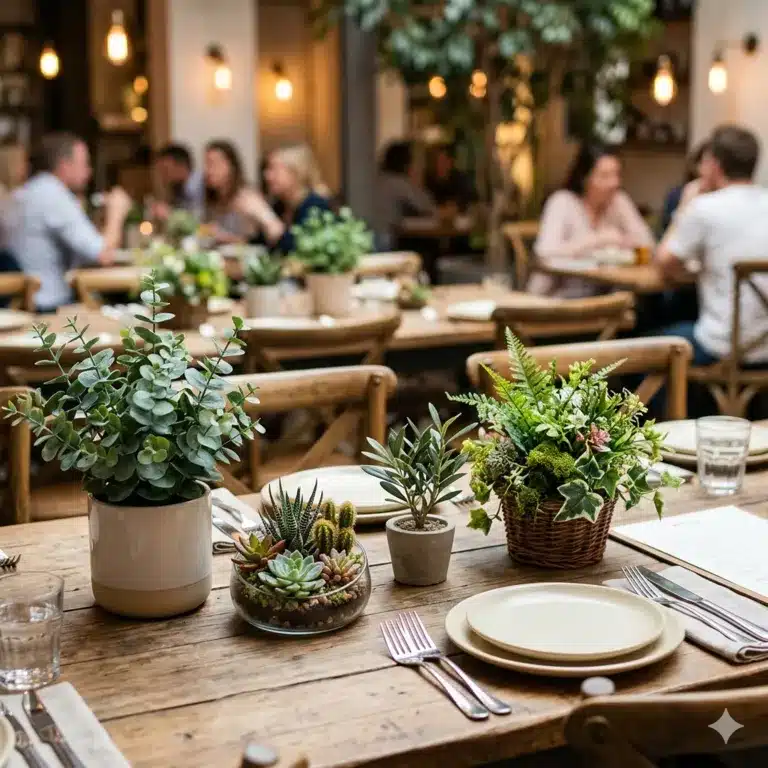
Suitable scenarios: Hotel lobbies, offices, restaurants, retail stores, event venues, shopping centers, and commercial interior design projects.
I have worked in the artificial flower and greenery industry for more than ten years. During this time, I have seen many buyers focus mainly on appearance. They often pay less attention to installation, packing, cleaning, storage, and replacement. These missing details can create expensive problems after delivery.
A beautiful artificial plant is not always suitable for a commercial project. A hotel lobby needs visual impact. A restaurant needs easy cleaning and clear sightlines. A retail store needs flexible seasonal displays. An office needs a calm and professional look. An outdoor entrance needs materials that can handle sunlight, wind, and changing weather.
I use a clear process when I help buyers select commercial artificial greenery. I first study the space and the buyer’s business model. I then check customer traffic, viewing distance, installation method, maintenance plan, project schedule, target price, and shipping limits. This process helps me recommend products that look realistic and continue to perform after installation.
The best choice is rarely based on one product photo. A good decision comes from matching the product to the location, the people using the space, and the work required after delivery. The following guide explains how I evaluate each part of a commercial greenery project.
What Is Commercial Artificial Greenery?
Many buyers use residential artificial plants in professional projects and later discover that the size, structure, consistency, or packing is not strong enough.
Commercial artificial greenery includes artificial plants, leaves, vines, trees, hedges, green walls, and foliage systems made for professional spaces, bulk installation, or repeated business use.
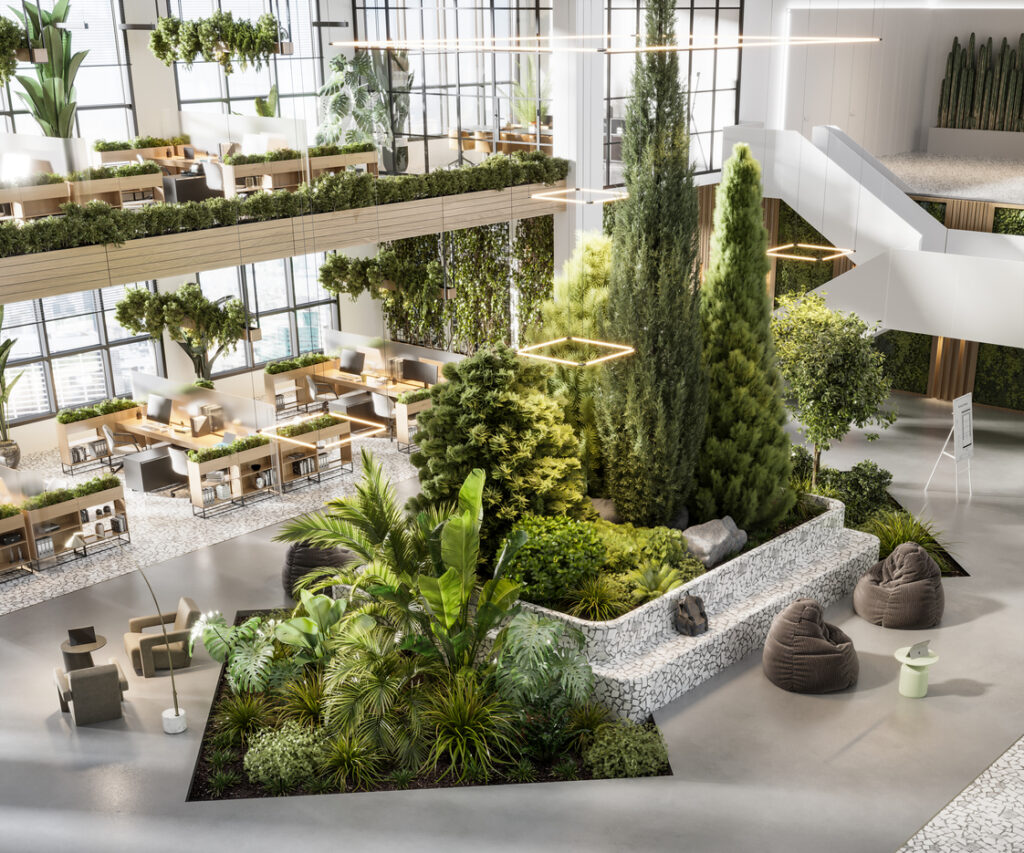
Suitable scenarios: Interior design studios, wholesale showrooms, corporate projects, hospitality projects, retail displays, and event rental businesses.
Commercial Greenery Is Designed Around a Project
I define commercial artificial greenery by how the product will be used, not only by how it looks. A small plant in a home may stay in one place for several years. A plant in a hotel, store, office, or event venue may be moved, cleaned, stored, packed, reshaped, and viewed by thousands of people.
This difference changes the product requirements. I check the stem structure, leaf attachment, base weight, branch flexibility, color consistency, packing method, and installation system. I also consider whether one part can be repaired or replaced if it is damaged during transport or daily use.
The category can include small potted plants for shelves, medium plants for office corners, large artificial trees for hotel lobbies, hanging vines for ceilings, boxwood panels for walls, artificial hedges for privacy, and loose foliage for custom installations. The correct choice depends on the project zone and how the buyer plans to operate that space.
For example, a retailer may need products that are light enough for staff to move every month. A hotel may need heavier bases because the plants stand near guests and luggage. An event rental company may need detachable parts that fit into smaller cartons and can be installed in minutes.
Appearance Is Only One Part of Commercial Quality
Realism is important, but it is not the only quality standard. I also look at consistency. A commercial buyer may order 100, 500, or more pieces of the same design. The height, color, fullness, pot size, and branch position should remain within an agreed range.
I once supported an Australian wedding rental client who needed reusable floral columns and greenery arrangements. The client wanted a natural garden look, but she also needed fast setup because her team had limited time at each venue. A loose and highly detailed design looked beautiful in photos, but it required too much work on site.
I recommended preassembled sections with clear labels and fixed connection points. The greenery still looked soft and natural. The installation became faster, and the client could reuse the same system for different weddings. This project reminded me that good commercial artificial greenery must support the buyer’s daily business process, not only the first photo shoot.
Buyers who plan to place trees or tall plants inside decorative containers can also read my guide on how to secure artificial plants in pots. A stable inner base is essential in public areas and high-traffic zones.
Commercial Quality Depends on the Complete Product System
I review the complete system before I approve a design. I check the visible leaves, internal wire, stem, trunk, pot, base filler, carton, inner protection, assembly parts, and installation accessories.
A realistic plant with weak wire may lose its shape after transport. A strong plant with a light base may fall over near a walkway. A good-looking tree packed in a carton that is too small may arrive with hard folds. A custom green wall without clear panel labels may take far longer to install than the buyer expected.
For this reason, I ask buyers to share photos, drawings, dimensions, door widths, ceiling heights, installation dates, target quantities, and expected handling conditions. These details help me recommend commercial artificial greenery that works in the real project instead of only looking good in a supplier’s catalog.
Why Do Businesses Choose Artificial Greenery Over Live Plants?
Live plants can create a beautiful atmosphere, but businesses often underestimate the light, water, labor, pest control, replacement, and cleaning they require.
Businesses choose artificial greenery because it offers a stable appearance, flexible placement, predictable maintenance, easier seasonal planning, and consistent results across multiple locations.

Suitable scenarios: Offices without natural light, restaurants, retail chains, event venues, reception areas, and seasonal commercial displays.
Artificial Greenery Gives Buyers More Control
I often work with buyers who manage several projects at the same time. They need décor that can be planned, priced, shipped, and installed on a fixed schedule. Live plants can change based on the season, transport time, temperature, local supply, and care conditions.
Commercial artificial greenery gives buyers more control over color, height, width, fullness, and placement. A buyer can approve one sample and use the same visual direction across many stores, offices, hotel rooms, or restaurant locations. This supports a clear brand image and simplifies replacement orders.
Artificial plants can also be placed in areas where live plants may struggle. These areas may include dark corners, air-conditioned rooms, high shelves, event stages, windowless offices, or locations that staff cannot water safely.
Artificial greenery does not improve indoor air quality by itself. Building owners should still manage ventilation, moisture, cleaning, and other indoor conditions.[1] I explain this point clearly because a commercial product should never be sold with claims it cannot support.
Lower Maintenance Does Not Mean No Maintenance
I always tell buyers that artificial greenery is low-maintenance, but it is not maintenance-free. Dust can collect on leaves. Branches can shift during transport. Large arrangements may need reshaping after storage. Outdoor products may need regular inspection after strong wind or heavy rain.
The main advantage is that the maintenance process is predictable. Staff do not need to manage watering schedules, soil, plant disease, insects, seasonal growth, or repeated plant replacement. They mainly need to dust, inspect, reshape, and repair small parts when necessary.
One of my U.S. online décor clients needed greenery for repeat seasonal displays. The company sold through both B2B and B2C channels. The buyer wanted products that could be photographed, packed, stored, and reused without a major change in appearance.
I recommended flexible stems, separate inner packing, clear reshaping instructions, and spare leaves for key designs. The client could use the same commercial artificial greenery in several campaigns. This reduced replacement costs and made each new display easier to prepare.
For long-term care, buyers can follow my guide on how to clean silk flowers and artificial greenery. Light and regular cleaning is usually more effective than waiting until heavy dust becomes visible.
Artificial Greenery Supports Consistent Brand Design
A business may need the same visual style across several stores or offices. Live plants naturally vary in height, leaf shape, color, and fullness. Artificial products can be produced within controlled specifications.
I can adjust leaf density, stem length, pot finish, planter color, logo packaging, installation labels, and display structure. These details help buyers create a clear brand style. They also make later repeat orders easier because the approved specifications are already recorded.
I do not recommend artificial greenery only because it can reduce maintenance. I recommend it when a project needs stable appearance, repeat use, controlled cost, difficult placement, fast installation, or consistent design across many locations.
The strongest projects sometimes combine live and artificial products. A designer may use live plants in areas with good light and regular care. The same designer may use commercial artificial greenery on high shelves, in dark corners, in temporary event zones, or in areas that are hard to access.
Artificial Greenery Can Reduce Project Disruption
Project managers also value predictable installation. Live plants may need soil protection, watering access, drainage planning, and ongoing replacement. Artificial products can often be prepared before the installation date and placed quickly.
I once helped a buyer prepare a group of office planters for a tight opening schedule. The project team could not allow wet soil, water leaks, or extra maintenance training before the opening day. I supplied fitted artificial plants with premeasured inner bases. The installer placed each unit into the correct planter and finished the work within the planned window.
In that case, commercial artificial greenery was not simply a decorative choice. It helped the buyer protect the opening schedule and reduce the number of tasks that the facility team had to manage later.
What Is the Best Artificial Greenery for Hotels, Offices and Restaurants?
Using one plant style in every business space can make the design look generic. It can also create problems with movement, cleaning, storage, and installation.
Hotels need strong visual impact, offices need calm and balanced greenery, and restaurants need compact products that are easy to clean and do not block movement or customer sightlines.
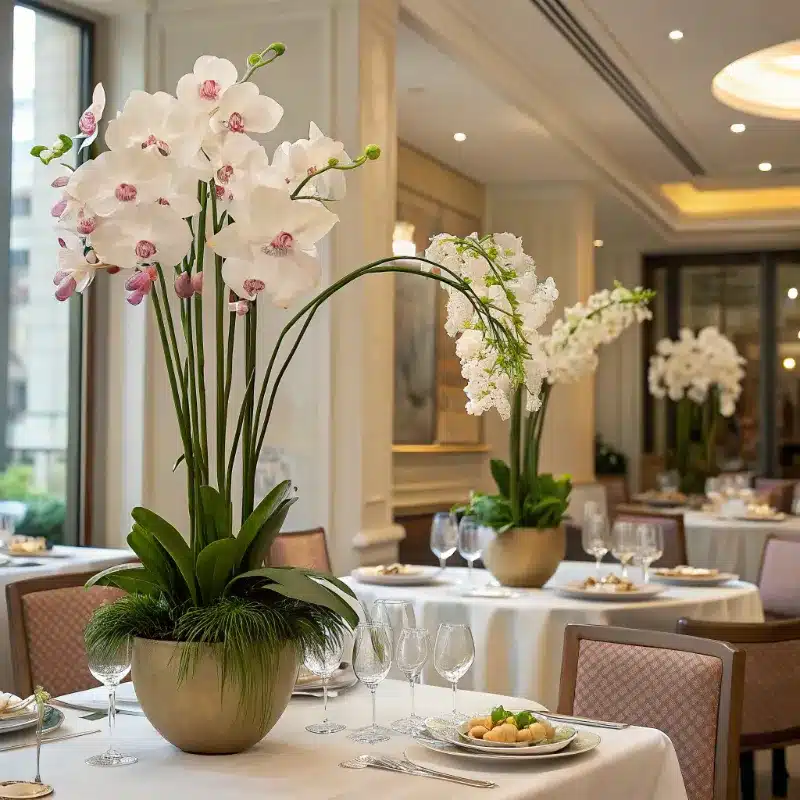
Suitable scenarios: Hotel reception areas, restaurant dining rooms, office reception desks, meeting rooms, cafés, bars, and commercial lounges.
Artificial Greenery for Hotels
Hotels usually need several greenery levels. A lobby may need large artificial trees, tall planters, or custom green walls. Guest rooms may need smaller plants that are easy to clean and replace. Restaurants and event rooms may need flexible arrangements that can move between different layouts.
I recommend large focal products for entrances and lobbies. The design should match the viewing distance. Small leaf details may not create enough impact in a large space. Strong trunks, layered branches, natural color variation, and well-proportioned planters usually work better.
I also review the route from the loading area to the final installation point. A large tree may look suitable on a floor plan but fail to pass through a door, elevator, or narrow corridor. Split trunks, removable branches, and separate planters can solve this problem.
For hotel projects, I often separate the selection into lobby pieces, corridor pieces, guest-room pieces, and event-area pieces. This allows the buyer to invest more in the high-visibility areas and use simpler designs where customers view the plants from a greater distance.
This zoning method helps each type of commercial artificial greenery serve a clear purpose instead of forcing one design into every part of the property.
Artificial Greenery for Offices
Office greenery should support the space without creating visual noise. I often recommend medium floor plants, narrow trough planters, small desk plants, or simple green wall sections.
The colors should be balanced. Very bright plastic green can look unnatural under office lighting. I prefer several green tones, fine surface texture, controlled leaf shine, and clean pot shapes that match the furniture.
The base is also important. A plant near a walkway needs a stable pot. A plant placed on a cabinet needs a lightweight and clean base. A long planter used as a room divider needs even weight distribution and enough fullness on both sides.
I once supported an office buyer who wanted tall plants between work areas. The first design looked attractive but was too wide for the walking route. I reduced the branch spread, increased the height, and used a narrow base. The final commercial artificial greenery created privacy without taking too much floor space.
Artificial Greenery for Restaurants
Restaurant products need careful sizing. Large branches can block customer views. Loose leaves can touch service areas. Wide pots can reduce walking space. Strong fragrances are not a concern with artificial products, but dust and grease can still collect on complex surfaces.
I recommend compact arrangements, hanging vines placed above reach, small table plants, wall-mounted greenery, or narrow floor plants. The surfaces should be easy to dust and wipe. The product should also stay away from direct heat, open flames, and food preparation areas.
A Southeast Asian hospitality buyer once asked me about décor for a resort and restaurant project. The buyer first considered one plant style for all zones. After we reviewed the property, I suggested different product groups.
The lobby needed fuller greenery with stronger visual impact. The dining area needed smaller pieces with controlled widths. The event area needed modular products that staff could move and store. The buyer also needed reliable door-to-door logistics and cartons that could be handled by the local team.
This case showed me that commercial artificial greenery should be selected by zone. One property can require several sizes, materials, bases, and installation systems.
Buyers who need plants for entrances, balconies, patios, or other exposed locations should also review my guide to UV-resistant artificial plants.[2] Indoor and outdoor products should never be treated as the same category.
Artificial Greenery for Retail and Event Spaces
Retail stores and event venues need flexibility. Displays may change every season, and products may be moved between walls, shelves, windows, stages, and photo areas.
I usually recommend modular products for these projects. Loose vines, detachable branches, small potted plants, hedge panels, and preassembled display sections can be combined in several ways. This gives the buyer more value from the same inventory.
For commercial artificial greenery used in event rentals, I also check how quickly the product can recover after storage. Flexible internal wire, protective sleeves, labeled sections, and clear packing positions can save many hours over a full event season.
How Do You Choose Durable and Realistic Artificial Plants?
A plant may look realistic in a supplier’s photo but appear thin, shiny, unstable, or badly shaped when it reaches the project site.
To choose durable and realistic artificial plants, inspect the leaf material, color detail, stem structure, branch density, base stability, connection points, packaging, and intended environment.
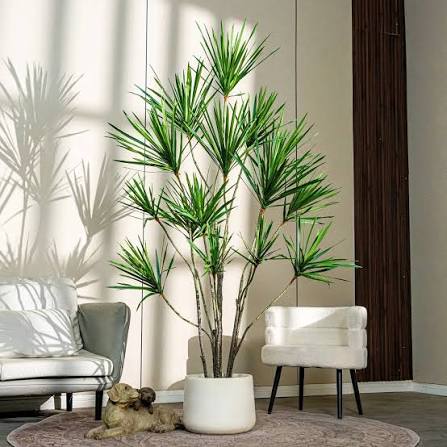
Suitable scenarios: Product sourcing, sample inspection, hotel projects, retail displays, outdoor entrances, event rentals, and wholesale purchasing.
Check the Product From the Normal Viewing Distance
Close-up photos are useful, but commercial products are usually viewed from a normal distance. I ask buyers where the plant will be placed and how close customers will stand.
A plant placed on a restaurant table needs fine leaf detail. A tree placed in a hotel lobby needs the correct overall shape and fullness. A hanging vine placed three meters above the floor does not need the same level of detail as a product placed at eye level.
I inspect color changes across each leaf. Real leaves are rarely one flat color. Small changes in green, visible veins, soft edges, and a controlled surface finish can improve realism. The front and back of the leaf should also look acceptable when the product is viewed from several angles.
I avoid too much shine unless the natural plant has glossy leaves. Strong plastic shine is one of the fastest ways to make a product look artificial. I also check whether the trunk color matches the leaf style and whether exposed glue is visible around the connection points.
Check the Internal Structure and Base
The internal wire controls the shape. Thin wire may bend too easily. Very hard wire can make installation difficult. The correct wire should allow reshaping without breaking the stem or forcing the branch back into one position.
I check how the leaves connect to the branch. I test whether the branches stay in place after repeated movement. This is important for event rental companies, seasonal retail displays, and products that are packed and unpacked many times.
The pot and base should match the plant height and branch spread. Tall products need enough weight and width. Products near doors or busy walkways need extra stability. For some projects, I provide a small transport pot that is placed inside the buyer’s decorative planter. This reduces shipping volume and gives the designer more freedom.
A stable base can be hidden with stones, moss, bark, or other decorative fillers. However, the decorative layer should not be treated as the main support. The inner structure must hold the plant safely before the final styling is added.
Match the Material to the Environment
Indoor artificial greenery should not be used outdoors unless the material and color treatment are suitable. Sunlight, rain, wind, humidity, and temperature can affect color, leaf connection, adhesive, wire, and trunk finishes.
I ask buyers whether the location is fully indoor, fully outdoor, or covered outdoor. A covered entrance can still receive strong sunlight and wind. An indoor window display may also receive direct sun for several hours each day.
A commercial outdoor buyer once selected plants based only on a product photo. Before production, I asked for installation images. The plants were going near a sunny entrance with regular wind exposure.
I recommended stronger internal stems, a heavier installation base, and materials suitable for outdoor use. I also suggested a sample exposure test before the full order. This added time at the start, but it reduced the risk of a large replacement later.
For demanding projects, I recommend that buyers ask how the supplier tests commercial artificial greenery for color change, branch strength, connection security, and packaging pressure. A clear test plan is more useful than a general statement that a product is “high quality.”
Buyers should also check local project rules for fire performance, installation safety, and materials used in public spaces. Requirements can change by country, building type, and installation area.[3] The final standard should always be confirmed with the local authority or project consultant.
Review Packaging Before Mass Production
Good packaging is part of product quality. I check how much pressure the leaves can accept. I also check whether branches need ties, sleeves, inner boxes, separators, corner protection, or support frames.
I prefer to test the full packing method during sample development. A perfect sample without a tested carton does not represent the final order. The product must still look acceptable after packing, handling, shipping, unpacking, and reshaping.
For large or fragile products, I may suggest separate branches, removable bases, split trunks, or marked assembly points. The goal is not only to fit more products into a carton. The goal is to protect the shape, control shipping volume, and make the final installation simple.
I also recommend clear unpacking instructions for complex products. A short video or one-page guide can show the buyer where to hold the trunk, how to open each branch layer, and how to restore the approved shape without damaging the leaves.
How Do You Find a Reliable Wholesale Artificial Greenery Supplier?
A low quotation can become expensive when a supplier cannot control quality, solve problems, deliver samples, or communicate clearly.
A reliable wholesale artificial greenery supplier should provide stable quality, clear specifications, fast sampling, practical packaging, honest communication, production control, and support before and after delivery.

Suitable scenarios: Importers, distributors, interior designers, event companies, retailers, e-commerce brands, hotel suppliers, and project contractors.
Start With a Clear Product Specification
I recommend that buyers send more than one reference photo. A photo can show the desired style, but it does not explain the required material, height, width, branch density, pot, packing, or target price.
I create a specification that includes total height, visible width, leaf material, branch quantity, stem structure, pot size, base type, packing method, quantity, use environment, and expected delivery date.
This makes quotations easier to compare. It also reduces misunderstandings during sample development. When the buyer has a fixed retail price, project budget, or carton limit, I prefer to know it early so I can adjust the structure before sampling.
A supplier who gives a fast price without asking questions may not fully understand the product. A professional supplier should identify missing information before production and explain which parts affect cost, realism, durability, and shipping.
Evaluate the Sampling Process
Samples show more than product quality. They show how the supplier communicates, follows instructions, solves problems, and controls timing.
I once worked with a client who sent three greenery references. My team completed two close samples. The third reference was not available with the same structure and leaf shape.
Instead of saying that we could make an identical item, I explained the difference. I then searched for similar leaves and offered practical alternatives. I sent photos before we spent more time and cost. The buyer could compare the options and choose the direction that best matched the project.
This is how I believe a supplier should work. Honest communication protects both sides. A buyer needs solutions, but the buyer also needs accurate information. A reliable partner should say what can be achieved, what needs testing, and what may require a design change.
When I develop commercial artificial greenery, I also ask the buyer to approve the product from several views. Front photos alone may hide gaps at the sides or back. Video review, measurements, close-up photos, and packing photos give the buyer a more complete understanding.
Check Production Consistency
A good sample is not enough. The supplier must repeat the approved quality during mass production.
I use approved samples, material records, measurements, color references, assembly notes, and packing instructions during production. I also suggest pre-shipment inspection for large orders or projects with fixed opening dates.
Commercial artificial greenery often includes many handmade steps. Branch position, leaf density, shaping, and final fullness can vary. Clear standards help control these differences. The buyer and supplier should agree on an acceptable range instead of expecting every handmade piece to be perfectly identical.
Buyers should ask how the supplier manages raw materials, assembly, in-line inspection, final inspection, packing, and corrective action. They should also ask what happens if a problem is found before shipment or after delivery.
Review Communication and Problem-Solving Ability
Many buyers focus mainly on factory size. Factory size can matter, but communication and problem-solving ability are also important.
A commercial project may change after the first sample. The designer may adjust the color. The installer may need a different base. The buyer may need smaller cartons to meet warehouse or shipping limits. The final quantity may also change after the first location is tested.
I work with a team that can develop samples quickly, adjust structures, customize packaging, and support trial orders as well as larger production. My goal is to help buyers move from an idea to a practical product that can be manufactured, shipped, installed, and reordered.
Buyers can learn more about the sourcing process in my guide to choosing an artificial flowers and greenery supplier. They can also review available product directions in the Botanic Blossoms product catalog.
Compare Total Project Cost, Not Only Unit Price
The lowest unit price does not always create the lowest total cost. Delayed samples, unstable colors, weak cartons, poor assembly instructions, and unclear communication can create extra labor and replacement costs.
I recommend that buyers compare sample speed, packaging quality, defect handling, delivery control, customization ability, and communication response together with the unit price. These factors often have a direct effect on the final project result.
A reliable supplier should not simply accept every request. The supplier should explain risks, offer alternatives, and help the buyer make a practical decision. This type of support is especially important when commercial artificial greenery will be used across several locations or reordered for several seasons.
Build a Long-Term Supply Plan
I prefer to build long-term partnerships. I learn the buyer’s market, price level, design style, packing needs, sales channels, and customer feedback. This information helps my team provide better suggestions for later projects.
For repeat programs, I recommend keeping approved samples, material codes, color references, carton details, and product photos. These records reduce the risk of changes between orders. They also help the buyer add new sizes or related designs without starting from zero.
A documented commercial artificial greenery program also makes forecasting, replacement buying, and multi-location expansion easier for purchasing teams.
When a buyer plans a collection instead of one item, I can coordinate the leaf colors, pot finishes, product heights, and packing sizes. This creates a more complete range and helps the buyer present a consistent offer to hotels, offices, restaurants, retailers, or event clients.
Build Your Commercial Greenery Collection With Botanic Blossoms
I help commercial buyers develop realistic, durable, and project-ready artificial greenery. My team supports custom colors, sizes, structures, packaging, private labels, sample development, and bulk production.
Share your reference photos, required sizes, target quantity, use environment, delivery country, and project deadline. I will help you review the product structure and prepare a practical sourcing direction.
Conclusion
The right commercial artificial greenery should fit the space, support daily operations, protect the project budget, and remain attractive through long-term use.
Frequently Asked Questions
1. What is commercial artificial greenery?
Commercial artificial greenery includes artificial plants, trees, vines, leaves, hedges, and green walls designed for professional spaces, bulk orders, or repeated use.
2. Which artificial plants are best for hotel lobbies?
Large artificial trees, tall planters, layered foliage, and custom green walls work well because they create visual impact in large open areas.
3. Can commercial artificial greenery be used outdoors?
Yes, but buyers should choose products made for outdoor conditions. They should confirm UV resistance, stem strength, drainage, base stability, and expected exposure.
4. How can I tell whether an artificial plant looks realistic?
Check the leaf color, texture, edge shape, vein detail, surface shine, stem color, branch density, and overall shape from the normal viewing distance.
5. What information should I send when requesting a quotation?
Send reference photos, dimensions, quantity, material preference, application, delivery country, target price, packing needs, and project deadline.
6. Can artificial greenery be customized?
Yes. I can customize leaf color, plant height, branch density, stem length, pot style, base structure, packaging, labels, and installation systems.
7. How should artificial plants be cleaned?
Use a soft cloth, feather duster, low-pressure air, or gentle water cleaning when the material allows it. Always test a small area first.
8. What is the normal MOQ for wholesale artificial greenery?
The MOQ depends on the product, material, and customization level. Standard products may support smaller trial orders, while custom designs usually require higher quantities.
9. How long does artificial greenery last?
The service life depends on material quality, sunlight, weather, cleaning, handling, and storage. Indoor products usually last longer than products exposed to outdoor conditions.
10. Why should I order a sample before mass production?
A sample allows you to check realism, size, color, structure, base stability, packaging, and installation before you approve the full wholesale order.