
Artificial Plants for Living Room: 7 Powerful Styling Ideas for Stunning Interiors
A living room can look expensive and still feel flat when the greenery is too small, too glossy, or placed without a clear design purpose.
Artificial plants for living room projects create the best result when I match the plant’s scale, shape, finish, container, and placement to the room’s design and daily use.
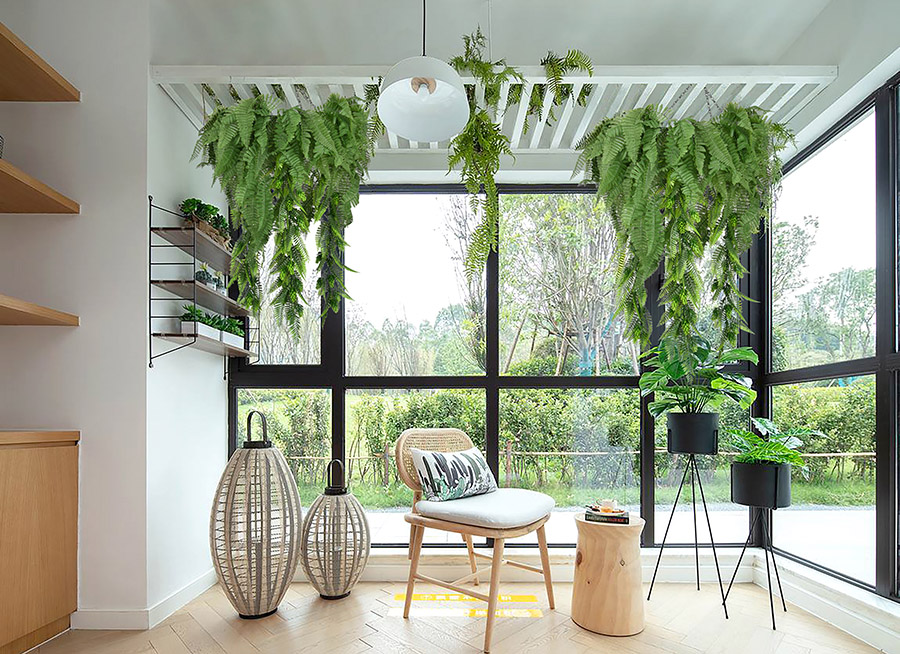
At Botanic Blossoms, I work with interior designers, project buyers, retailers, and property teams that need greenery to look convincing in photographs and remain practical after installation. I have learned that artificial plants for living room projects should never be treated as small accessories. They can control height, soften hard materials, connect furniture groups, and improve the visual balance of the whole room.
One designer once sent me a completed mood board that still felt empty. The sofa, rug, lighting, and artwork were correct, but the room had no strong vertical element. I suggested a well-scaled artificial olive tree with an open canopy and a matte planter. The change did not alter the furniture plan, but it made the room feel complete.
This guide explains how I select, scale, mix, and place artificial plants for living room projects. I also share the checks I use before sampling and bulk production, so designers and B2B buyers can reduce visual mistakes, shipping costs, and installation problems.
Why Are Artificial Plants for Living Room Projects Popular With Interior Designers?
A strong interior can lose credibility when the greenery looks cheap, blocks circulation, or creates a maintenance burden that the client did not expect.
Interior designers choose artificial plants for living room projects because they offer stable color, predictable size, flexible placement, lower daily maintenance, and consistent results across one or many locations.
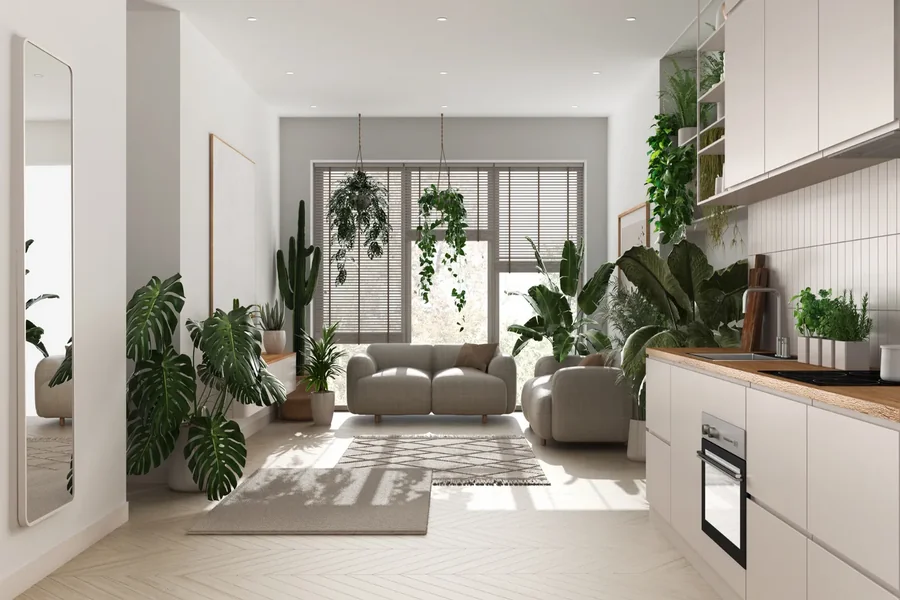
I Use Greenery to Solve a Design Problem
I do not recommend artificial greenery only because it is easy to maintain. I recommend it when the product needs to perform a clear visual job. A tall tree can balance a wide sofa. A loose fern can soften a stone fireplace. A trailing plant can connect a high shelf with the furniture below it.
Artificial plants for living room layouts also work well in areas with weak natural light or unreliable plant care. This point matters in rental apartments, second homes, serviced residences, and show units. The design team can keep the same appearance without asking the client or property staff to manage watering, pruning, and plant replacement.
In one residential project, an interior designer planned to use a live ficus beside a reading chair. The homeowner travelled often, and the corner received limited light. I suggested an artificial ficus with a natural wood trunk, matte leaves, and soft branch movement. I reduced the foliage density after reviewing the room image because the first sample looked too heavy beside the chair.
I sent close-up leaf images, trunk details, pot dimensions, and a short shaping video. The designer could approve the product before shipment, and the final tree filled the corner without covering the artwork. This kind of service is important because artificial plants for living room projects must look good from the normal viewing distance, not only in a supplier’s product photo.
I Check Quality Before I Follow Trends
I inspect the leaf finish before I approve any plant. Strong gloss can make leaves look plastic under ceiling lights. Flat color can also reduce realism. I prefer soft surfaces, slight color changes, visible veins, natural edges, and irregular leaf directions.
I also check the trunk, inner stems, branch joints, leaf backs, and base pot. A beautiful front image can hide weak construction. For B2B orders, I ask buyers to request side views, close-up images, exact dimensions, and a full rotation video before approving samples. This review helps me confirm that artificial plants for living room installations will remain convincing under different viewing angles and lighting conditions.
Artificial greenery still needs a simple care plan because dust can reduce realism. Designers can use my guide on how to clean silk flowers when preparing client maintenance instructions.
My View as a Manufacturer and Styling Partner
I believe artificial plants for living room interiors should be specified as carefully as lighting or furniture. A complete specification should include total height, widest spread, trunk style, leaf material, base pot dimensions, visible planter style, quantity, packing method, and shaping instructions.
I also review guidance from the American Society of Interior Designers when I think about natural forms and occupant experience.[1] I use Terrapin Bright Green’s biophilic design patterns to consider natural shapes, visual connection, materials, and spatial balance.[2] These references support my design thinking, but I still make the final recommendation based on the actual room, client, project budget, and maintenance plan.
Which Artificial Plants for Living Room Styles Work Best?
A fashionable plant can still weaken a room when its silhouette, leaf color, or container conflicts with the main interior design language.
The best artificial plants for living room styles match the room’s silhouette, color temperature, material palette, furniture scale, and level of visual detail.
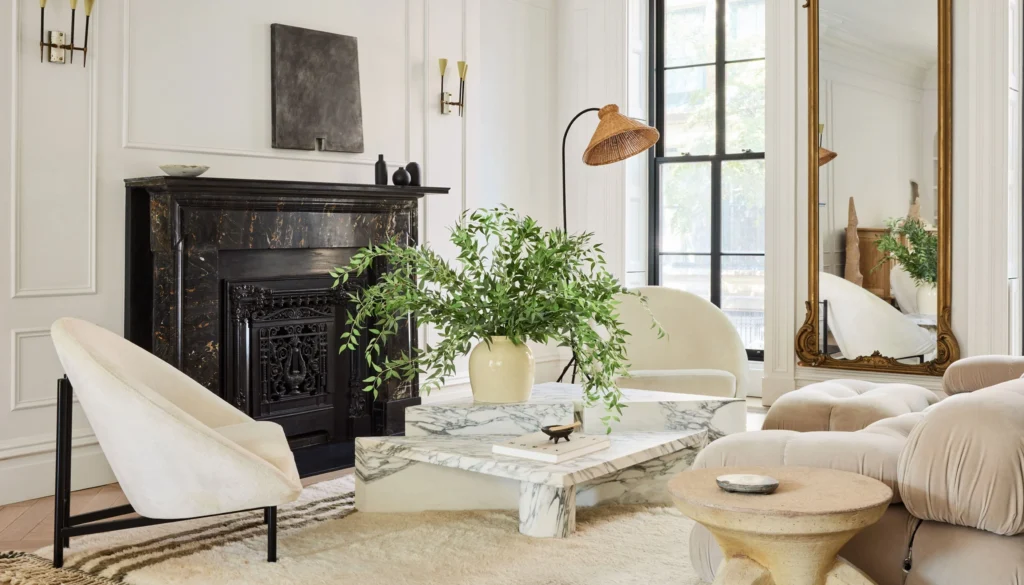
I Start With the Silhouette, Not the Plant Name
I normally choose the overall shape before I choose the species name. Two artificial olive trees can look completely different. One may have an open and airy canopy. Another may have a dense and rounded form. The first can support a quiet modern room, while the second may make the same room feel crowded.
For modern minimalist interiors, I often use an open olive tree, a slim ficus, or a simple architectural plant. I leave visible space between branches and pair the plant with a clean planter. For organic modern rooms, I use olive, eucalyptus, soft fern, or lightly shaped ficus with stone-look or clay-look containers.
For transitional spaces, I may select a fuller ficus, magnolia, or rounded leafy tree. These plants can connect classic furniture with cleaner modern lines. For coastal rooms, I sometimes use palms or bird of paradise plants, but only when the room has enough width for the leaves.
For Japandi interiors, I choose restrained artificial plants for living room areas. A slim olive tree or simple branch arrangement usually works better than dense greenery because the style needs calm lines and visible open space.
A Client Project Changed My First Recommendation
In one living room project, a design buyer sent me a warm neutral mood board with cream upholstery, pale wood, natural stone, and black metal details. The buyer first selected a large bird of paradise plant because it looked impressive in the catalog.
The plant was attractive by itself, but its wide tropical leaves created the wrong mood. I suggested an open-canopy olive tree with a natural aged trunk. I also replaced the glossy black container with a soft plaster-look planter.
The change was simple from a sourcing view, but it improved the entire design. The olive tree repeated the soft lines of the curtains and added height without taking over the room. The planter also connected with the stone coffee table. This case showed the buyer why artificial plants for living room projects should be selected within the full material story, not as isolated products.
I Use the Planter to Complete the Style
The same plant can move between several interior styles when the designer changes the planter. A smooth white cylinder can make a ficus feel modern. A weathered clay-look pot can make it feel organic. A dark ribbed container can make it feel more formal.
I also check the relationship between the planter and canopy. A tall tree in a very small planter can look unstable. A small tabletop plant in a heavy floor planter can look lost. Moss, fibers, stones, bark, or a clean soil effect can hide the inner nursery pot and make the installation look finished from above.
My selection order is simple: silhouette, scale, leaf color, surface finish, trunk, planter, and then species name. This order helps me recommend artificial plants for living room schemes that support the design instead of following a short trend. It also helps buyers compare artificial plants for living room collections using clear visual standards instead of product names alone.
How Should You Scale Artificial Plants for Living Room Layouts?
A realistic plant can still look wrong when it is too short beside a sectional sofa or too wide for the available walking space.
I scale artificial plants for living room layouts by checking ceiling height, furniture width, wall space, viewing distance, planter height, and the plant’s widest spread.
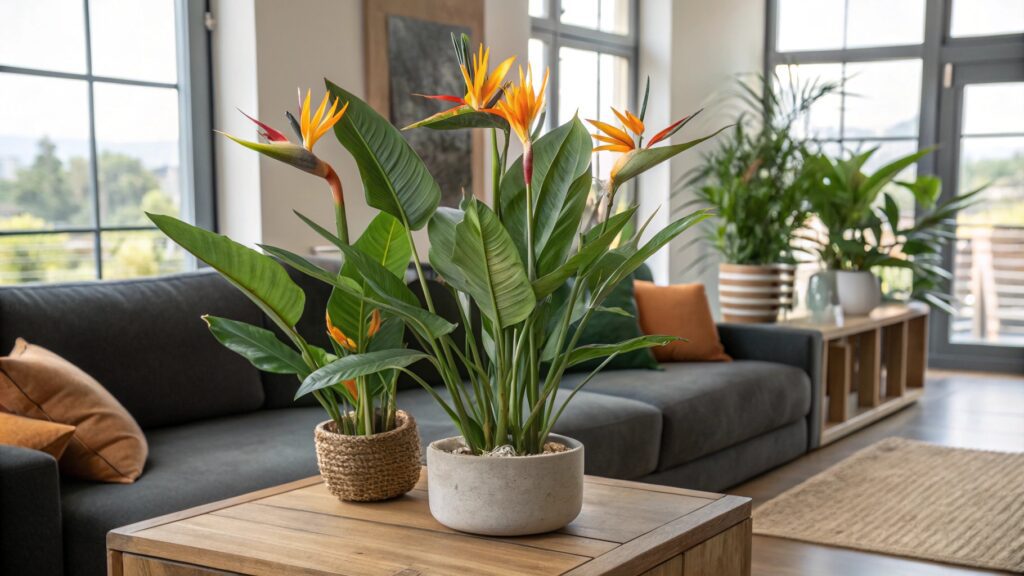
I Measure Four Areas Before I Quote
I first check the ceiling height. I then check the main furniture width, open wall area, and available floor footprint. These four measurements give me a more useful starting point than plant height alone.
A floor tree between 150 and 180 centimeters often works in a standard living room, but I do not treat this range as a fixed rule. A wide sectional sofa may need a taller or fuller plant. A narrow reading corner may need a slim trunk and smaller canopy.
A high-ceiling room may need artificial plants for living room areas that reach 180 to 210 centimeters. A short tree can disappear in a large space. In some projects, two related heights create a better visual rhythm than one oversized plant.
Tabletop plants have a different role. I use them to connect shelves, side tables, consoles, and coffee tables. I do not use several small plants to replace one strong vertical element when the room clearly needs height.
A Scale Mock-Up Prevented an Expensive Mistake
In one project, a buyer planned to place a 120-centimeter artificial tree beside a large sectional sofa. The tree looked tall in the product image because it was photographed alone. When I compared its dimensions with the sofa, I could see that it would look like a small accessory.
I created a simple visual comparison and recommended a plant close to 180 centimeters with an open but wider canopy. I also increased the visible planter height so the foliage started above the sofa arm.
The buyer approved the larger size after seeing the mock-up. The final plant became a clear vertical anchor, and the designer did not need to add more accessories to fill the corner. This case is why I ask for room measurements before I recommend artificial plants for living room projects.
I Include the Planter in the Final Height
The listed product height usually includes the plant and inner pot. The finished installation height can change when the designer adds a decorative planter or raises the inner pot on a stable support.
I check how much trunk will remain visible and whether the inner pot will sit securely. A deep planter can hide too much of a short trunk. A shallow planter may expose the plastic nursery pot. Designers can review my guide on how to pot artificial flowers for related installation ideas.
I also confirm carton size, gross weight, branch folding, and shaping time before production. A wider plant may require a much larger carton, and a heavy planter may increase freight and breakage risk. My goal is not to choose the biggest product. My goal is to choose the smallest size that creates enough visual impact without looking weak. This approach keeps artificial plants for living room projects visually balanced and more efficient to pack, ship, and install.
How Can You Mix Artificial Plants for Living Room Designs With Real Greenery?
A mixed plant scheme can look natural and practical, but obvious differences in shine, color, dust, and container style can expose the artificial pieces.
I mix artificial plants for living room designs with real greenery by giving each type a clear role, matching the finish, separating direct comparisons, and using related planters.
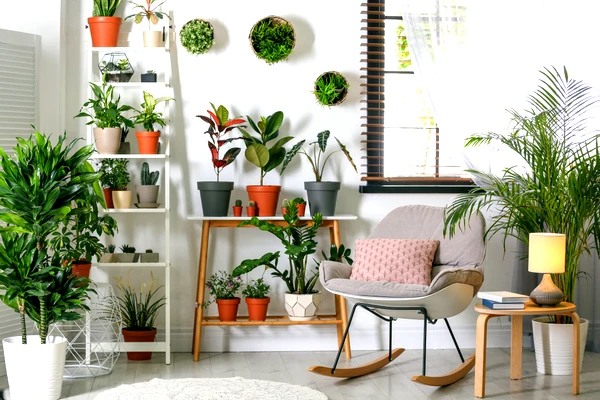
I Give Real and Artificial Plants Different Jobs
I often place real plants near windows where they can receive suitable light and regular care. Light is an important factor in healthy houseplant growth because plants need it for photosynthesis.[3]
I use artificial plants in dark corners, on high shelves, beside media units, or in homes where maintenance is irregular. This approach avoids forcing a live plant into a place where it may struggle.
In one mixed-greenery project, a designer already had healthy live plants near a balcony door. The media corner on the other side of the room received little light. The client wanted balance but did not want another plant-care task.
I recommended a slim artificial tree for the media corner and a small trailing plant for a high shelf. I matched the artificial leaves to the softer green tones in the real plants and suggested similar stone-look containers across the room. The artificial plants for living room areas did not copy the real plants exactly. They supported the same color and material story.
I Avoid Direct Species Comparisons
I normally avoid placing an artificial olive tree directly beside a real olive tree. The viewer may compare every leaf, branch, and color change. Even a good artificial plant can look less natural under that type of direct comparison.
I prefer complementary forms. A real leafy plant can sit near the window, while an artificial olive tree creates height in a darker corner. A real tabletop plant can sit on a side table, while an artificial fern softens a high shelf.
I also match the level of leaf shine. A matte real plant beside a glossy artificial plant creates an obvious difference. I look for soft surfaces, natural color changes, and leaves that do not repeat in a perfect pattern.
I Plan for Dust, Sunlight, and Long-Term Use
Artificial greenery does not need watering, but it still needs care. Dust can reduce realism and make the difference between live and artificial foliage easier to notice. I normally provide a basic cleaning plan that matches the leaf material and product construction.
Direct sunlight can also affect some materials over time. When artificial plants for living room projects will sit beside strong windows or inside bright sunrooms, I discuss exposure with the buyer. Designers can also review my guide to UV-resistant artificial plants when a project needs stronger fade resistance.
My view is simple. I do not use artificial greenery to create a false story. I use it to solve a visual and maintenance problem. Fewer high-quality pieces usually create a more convincing result than many low-quality plants on every surface. When I mix artificial plants for living room designs with live greenery, I use repeated planter materials to make the full scheme feel connected.
Where Should You Place Artificial Plants for Living Room Impact?
A plant can disappear in the wrong position or create clutter when it blocks a walkway, artwork, curtains, or an important furniture line.
I place artificial plants for living room impact where they can anchor a corner, soften a hard edge, frame a focal point, add depth, or connect separate furniture groups.
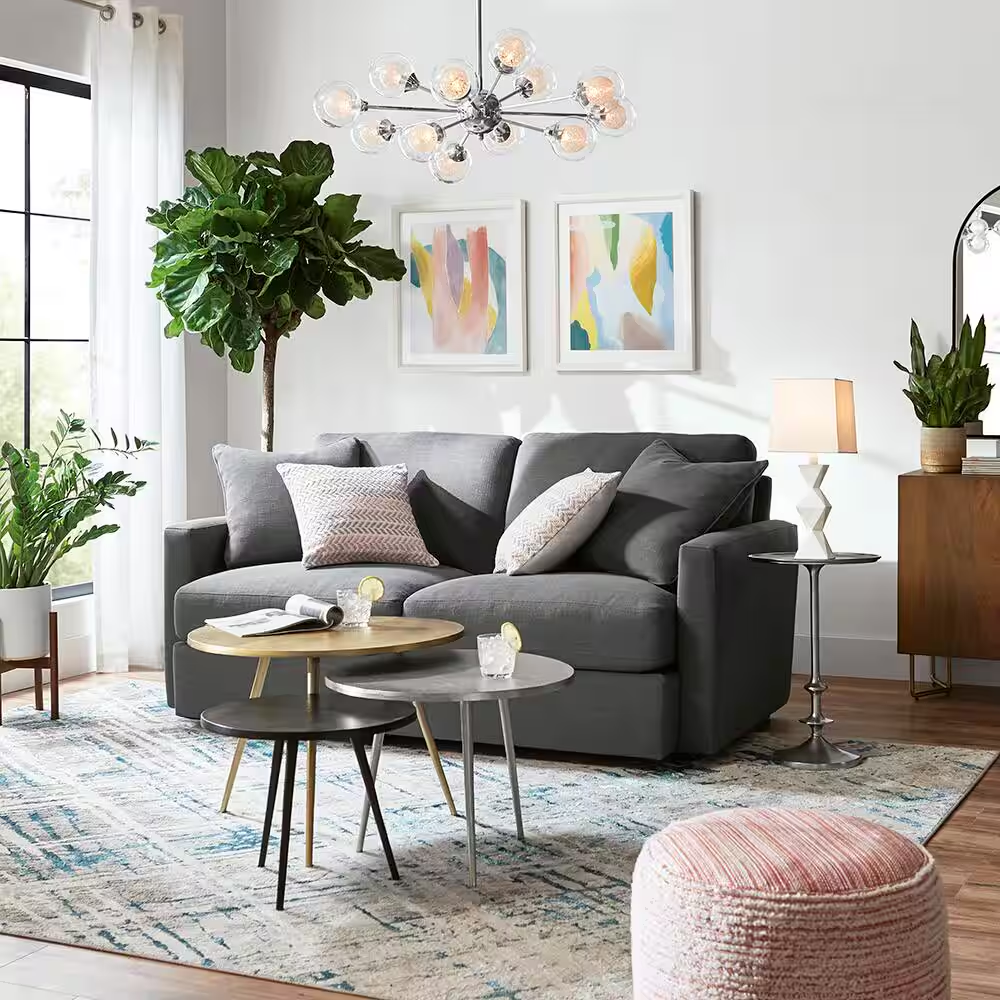
I Give Every Plant a Clear Purpose
I do not place a plant only because an empty area exists. I first ask what the room needs. A tall plant can anchor a corner and balance a wide sofa. A medium plant can soften the transition between a console and a wall. A trailing plant can add movement to a high shelf.
I also check the main viewing angles. A plant may look perfect from the entrance but block artwork from the sofa. Another plant may appear balanced in a floor plan but disappear behind a chair.
In one client project, the first styling plan placed two matching artificial trees on both sides of a television unit. The arrangement looked balanced on paper, but the room felt like a showroom. The repeated trees also made the television wall too formal.
I moved one tree to the corner near the window return and replaced the second with a smaller console plant. The new layout kept visual balance but created more natural movement. The room also gained depth because the artificial plants for living room areas were no longer placed on the same flat line.
I Use Corners Carefully
A corner plant needs enough width for branch movement. Designers sometimes measure only the empty floor area and forget the canopy. The leaves may press against the wall, curtains, or furniture after installation.
I leave breathing room around the plant. A slight shadow behind the leaves can add depth, while a plant pushed tightly into a corner can look stored instead of styled. I also turn adjustable branches toward the main viewing direction after unpacking.
A plant can soften a difficult architectural line near a column, fireplace edge, or long media cabinet. However, I never use greenery to block safety equipment, vents, wiring access, or service panels.
I Protect the Function of the Room
The plant should not reduce the main walking path, block a door, touch a hot surface, interfere with curtains, or create a trip risk. I also check pets, children, robot vacuum cleaners, and normal cleaning routines.
For commercial residential projects, I ask the installation team to number each plant and match it to a floor plan. I can also provide reference photos that show branch direction, planter position, and final shaping.
Designers can review the Botanic Blossoms artificial flower and greenery catalog when building an initial project selection. I can then narrow the options based on style, dimensions, quantity, budget, delivery date, and packaging needs.
My view is that strong placement usually comes from restraint. One well-positioned tree can do more than several small plants spread around the room. Controlled asymmetry also feels more natural than placing identical plants in identical positions. It allows artificial plants for living room layouts to create balance without making the space look staged or repetitive.
How Can Botanic Blossoms Support Your Living Room Project?
I help interior designers, retailers, property developers, and décor buyers turn mood boards into clear product specifications. I can support custom heights, foliage colors, branch density, trunks, base pots, packaging, labels, and private-brand requirements. This service allows artificial plants for living room projects to match a designer’s mood board, room dimensions, and commercial budget.
In a typical process, a designer sends me a room image, target dimensions, preferred style, quantity, and delivery date. I then narrow the choices and arrange detailed images or samples. For many existing designs, I can arrange samples in about three to five days after the final details are confirmed.
I also discuss packing and freight before bulk production. This step helps buyers avoid artificial plants for living room projects that look attractive but create unnecessary carton volume, high shipping costs, or difficult installation.
You can also contact me at jasmine@cnhycrafts.com for wholesale pricing, custom options, sample support, and project recommendations.
Conclusion
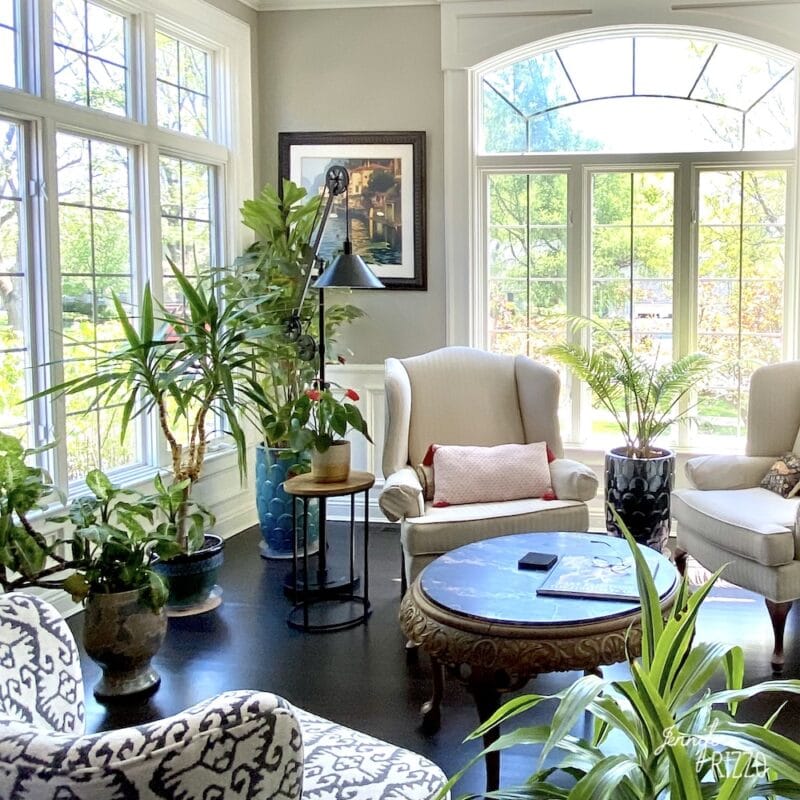
I create stronger interiors when I match artificial plants for living room projects to the room’s scale, style, materials, viewing angles, and daily use.
Frequently Asked Questions About Artificial Plants for Living Room Projects
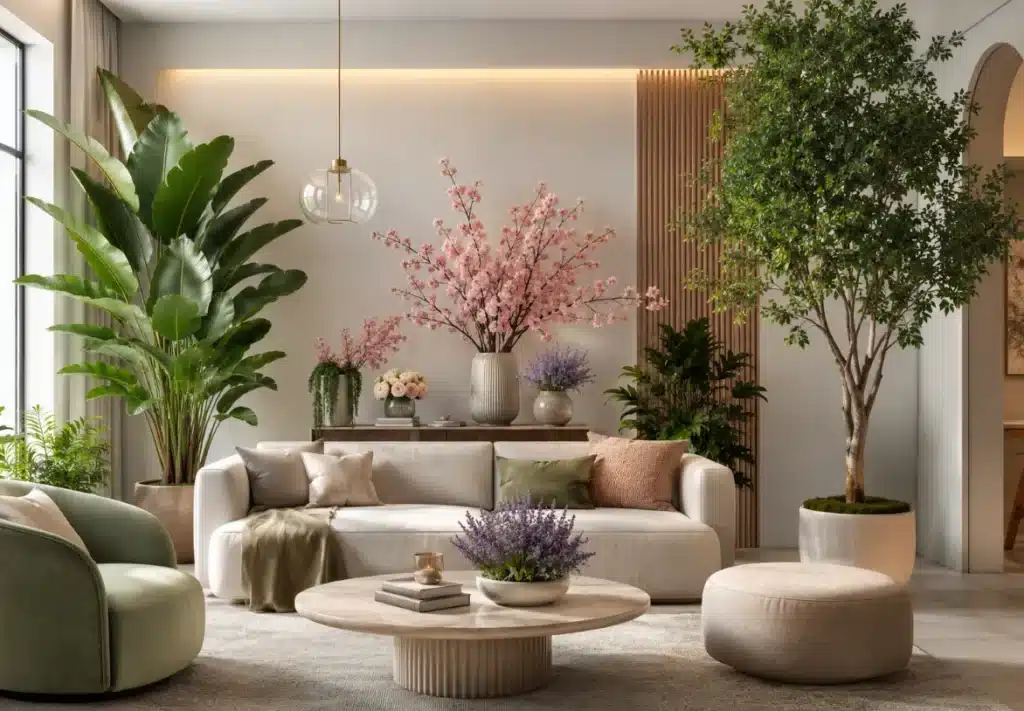
1. What Artificial Plant Works Best in a Small Living Room?
For artificial plants for living room spaces with limited floor area, I normally recommend a slim olive tree, narrow ficus, compact fern, or small tabletop plant. I avoid wide tropical leaves when the room has limited walking space.
2. How Tall Should an Artificial Plant Be?
I often use artificial plants for living room layouts between 150 and 180 centimeters in standard rooms. The final size depends on ceiling height, sofa width, planter height, and viewing distance.
3. How Can I Judge Realism Before a Bulk Order?
Before ordering artificial plants for living room projects, I recommend checking leaf close-ups, leaf backs, branch joints, trunk details, base pot dimensions, and a full rotation video. A sample is helpful for large or customized orders.
4. Can Botanic Blossoms Customize the Plants?
I can customize artificial plants for living room projects through height, foliage density, leaf color, trunk style, base pot, visible planter, labels, packaging, and private branding, depending on the product and quantity.
5. Can the Plants Sit Beside a Sunny Window?
Some artificial plants for living room areas can sit near a window, but strong direct sunlight may affect certain materials over time. I recommend UV-resistant options when the exposure is high.
6. How Should Clients Clean Artificial Greenery?
I recommend regular light dusting with a soft cloth or gentle duster. The cleaning method should match the leaf material, printed finish, and product construction.
7. Can I Combine Artificial and Real Plants?
Yes. I place real plants where light and care are suitable, and I use artificial plants for living room areas that are darker or harder to maintain. I match their finish, color, planter style, and scale.
8. What Information Do You Need for a B2B Quotation?
I need the product style, target height, quantity, planter requirements, delivery country, project deadline, packaging needs, and branding details. Room images or mood boards also help.
9. What Are the Sample Time and Minimum Order Quantity?
For many existing designs, I can arrange samples in about three to five days after confirmation. The minimum order quantity depends on the design, material, and customization level.
10. How Are Large Artificial Plants Packed for Export?
I protect the trunk, branches, leaves, and base pot inside a suitable export carton. Some branches may be folded to reduce shipping volume, and I provide shaping guidance for installation.