
7 Easy Fake Plants for Balcony Privacy Ideas: How Can You Build a Beautiful Green Screen Without Maintenance?
Small balconies often feel exposed. Neighbors are close. Real plants need water, trimming, and replacement. I use fake plants for balcony privacy when buyers need beauty, privacy, and less work.
Fake plants for balcony privacy help buyers build a low-maintenance green screen by covering railings, walls, and open sides with UV-rated panels, vines, hedges, and potted greenery. The best result comes from realistic leaves, strong fixing, proper density, and outdoor-ready materials.
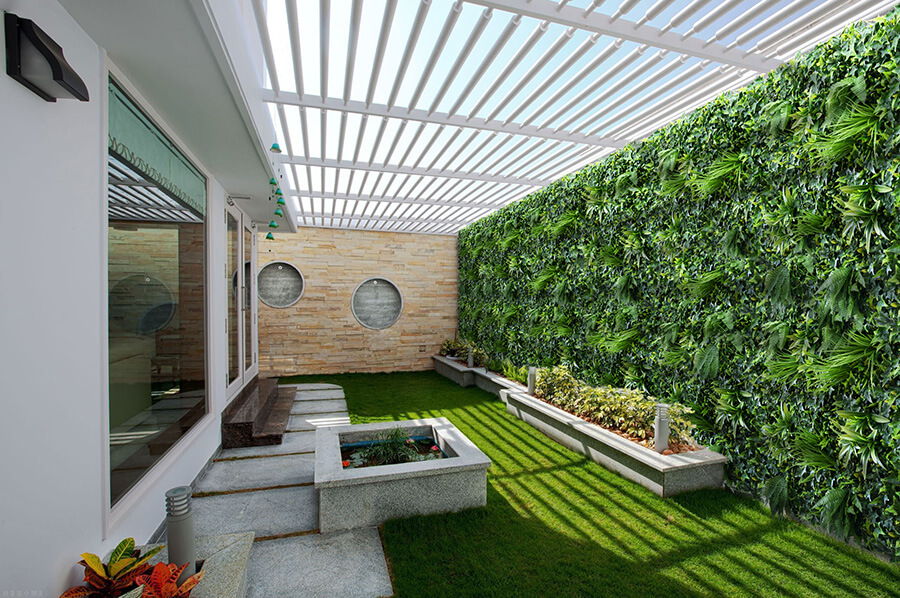
Balcony privacy is not only a home décor topic. It is also a project value topic. A balcony with no privacy feels unfinished. A balcony with the right greenery feels calm, private, and more useful. This is why fake plants for balcony privacy are becoming a smart choice for property buyers, hotel projects, rental operators, and outdoor décor wholesalers.
In my work with B2B buyers, I often see one clear problem. Buyers want the balcony to look green, but they do not want another maintenance job. Real plants look good at the beginning, but they need care. If the project has many balconies, the cost of watering, trimming, replacing, and cleaning becomes a long-term burden. Fake plants for balcony privacy solve this problem because the design can be repeated, installed fast, and maintained with very little labor.
Why Is Balcony Privacy a Strong Use Case for Fake Plants?
Balcony privacy is difficult when space is small. Curtains block light. Real plants die easily. I use fake plants when buyers need stable privacy fast.
Fake plants work well for balcony privacy because they create visual coverage, soften outdoor spaces, and reduce care work. They are useful for apartments, hotels, rental units, cafés, and commercial balcony projects.
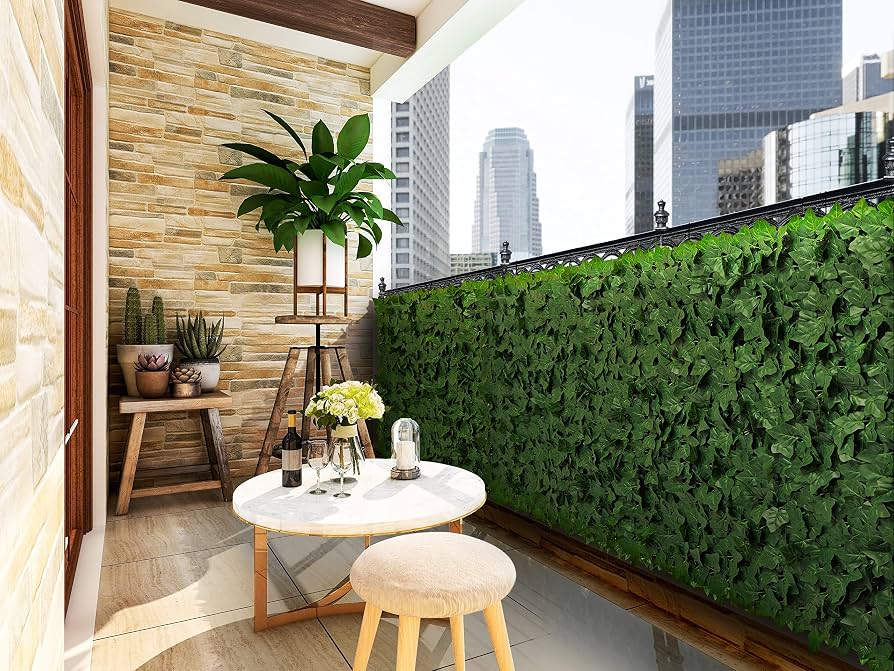
Privacy Is a Daily Comfort Problem
I have seen many buyers treat balcony privacy as a small decoration detail. I do not see it that way. A balcony is often the only outdoor space for an apartment, hotel room, or rental unit. When guests or residents feel watched, they use the space less. A bare railing also makes the building look cold. This is why fake plants for balcony privacy have become a practical product direction for many property and project buyers.
A real plant screen sounds attractive at first. But in many balcony projects, the buyer does not have a gardener. The resident may forget watering. The property manager may not want soil, insects, falling leaves, or seasonal replacement. In coastal areas, wind and salt air can also damage live plants fast. In hot cities, afternoon sun can burn weak leaves. In shaded balconies, real plants may grow thin and uneven.
I once helped a property buyer who wanted greenery for several small rental balconies. Their first idea was real potted bamboo. The problem was weight, watering, and long-term care. I suggested a mixed fake greenery screen with boxwood-style panels, trailing vines, and several weighted planters. The goal was not to “fake nature.” The goal was to create a neat, private, and easy-to-repeat balcony look. The buyer cared about speed, budget control, and fewer after-sales complaints.
That project taught me one important lesson. Balcony privacy should not only look good on the first day. It should still look good after months of sun, rain, guest use, and daily exposure. Fake plants for balcony privacy give buyers a more stable way to control that result. A hotel can keep the same green look across many rooms. A rental operator can refresh listing photos. A developer can make simple balconies feel more valuable. A retailer can sell a product that solves a clear problem.
For B2B buyers, the real question is simple. Will the balcony still look good after six months without extra labor? If the answer is no, the project cost is not finished. Fake plants for balcony privacy solve this pain point because the product can be pre-designed, packed by unit, installed quickly, and kept consistent across many balconies. For more outdoor material ideas, I recommend reading my guide on what kind of artificial plants hold up well outdoors, because balcony sunlight is often stronger than buyers expect.
Which Fake Plants Work Best for Balcony Screens and Railings?
Not every fake plant fits a balcony. Thin leaves look cheap. Weak backing moves in wind. I choose plants by coverage, weight, shape, and fixing method.
The best fake plants for balcony screens include boxwood panels, ivy mats, artificial hedges, hanging vines, bamboo-style leaves, potted grasses, and UV-rated mixed greenery.
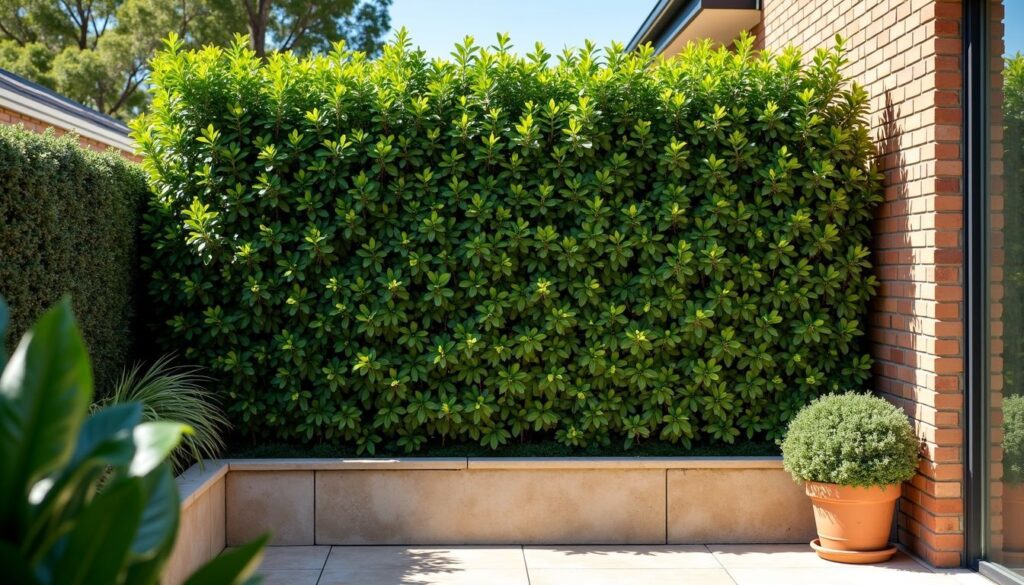
The Best Product Is a System, Not One SKU
When buyers ask me for fake plants for balcony privacy, I do not only recommend one product. A balcony privacy screen usually needs a system. The front view needs enough density. The top edge needs a soft shape. The side view needs coverage from neighbors. The back side must look clean enough because residents can see it every day.
Boxwood panels are a strong choice when the buyer needs simple and full coverage. They are easy to install on railings, mesh frames, and balcony walls. Ivy mats feel softer and more relaxed. They fit cafés, small apartments, and lifestyle retail projects. Artificial hedges look more premium when the buyer wants a thick green wall effect. Hanging vines can hide hard corners and make the screen feel more natural. Potted grasses work well when the balcony cannot accept a fixed wall panel. They add privacy at eye level without covering the whole railing.
I once worked with a client who managed short-stay apartments. She wanted every balcony to look warm in listing photos. She also needed the product to survive different users. Some guests would move chairs. Some would hang towels. Some would push luggage against the railing. We avoided very delicate vines as the main layer. We used dense panels as the base and added a small amount of hanging greenery for a softer look. This kept the design stable and still gave a natural feel.
My view is that buyers should choose balcony greenery by use level. If the balcony is high-traffic, choose strong PE or PVC greenery with firm grid backing. If the balcony is mostly for visual staging, the buyer can use more soft vines and mixed leaves. If the project is near strong sun, choose UV-rated materials and ask the supplier about outdoor use. Fake plants for balcony privacy should not only look full in one close-up photo. They should also look full from the street, from the room, and from the next balcony.
For retailers, fake plants for balcony privacy can be developed as a complete product line. One line can include boxwood panels, ivy rolls, mixed greenery mats, balcony planter boxes, and replacement leaf packs. For property projects, the product can be developed as a balcony kit. Each kit can include panels, ties, clips, spare leaves, and a simple installation sheet. This makes installation easier for workers. It also makes the product easier to sell online because buyers understand the full solution.
If you sell outdoor planters together with balcony greenery, my article on how to fill an outdoor planter with artificial flowers can help you build a stronger product bundle. A balcony buyer may start with a privacy screen, but they often need matching planters, railing baskets, or side greenery. This is where wholesalers can increase average order value without forcing unrelated products.
What Should You Check for UV Protection, Wind Resistance, and Installation?
Balcony greenery fails when buyers ignore weather. Sun fades leaves. Wind tears weak mats. Poor fixing creates safety risk. I check these points first.
For balcony fake plants, check UV-rated material, stable backing, wind exposure, railing type, tie spacing, drainage, fire rules, and packing method before bulk order.
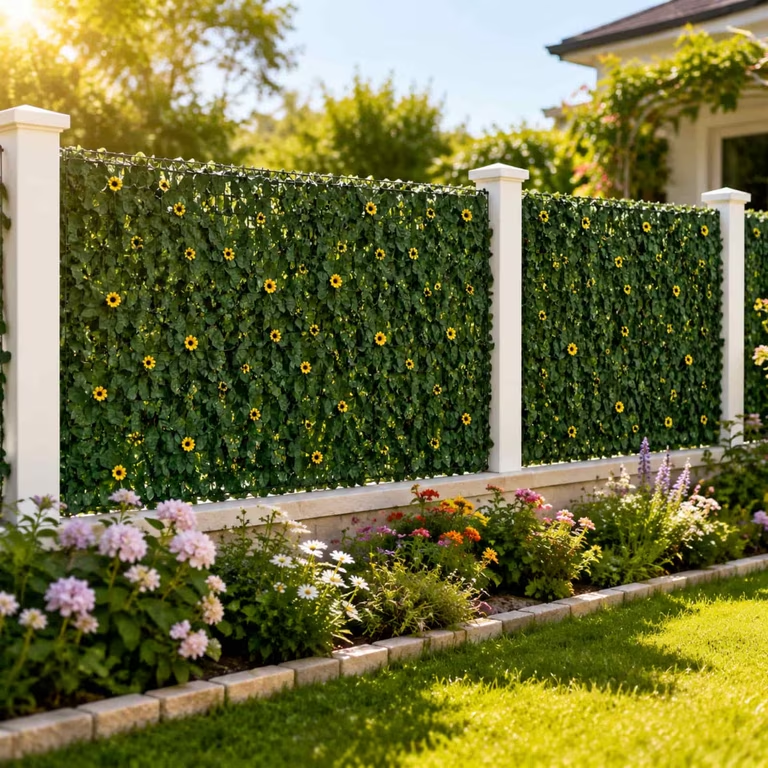
Outdoor Conditions Decide the Real Product Cost
Many buyers compare fake plants for balcony privacy only by photo and price. I understand why. A product photo is fast to judge. But outdoor projects do not fail in photos. They fail under sun, wind, rain, and poor installation. That is why I always ask about the balcony direction, railing type, building height, and local climate before I suggest materials.
UV protection matters because balcony sunlight can be harsh. The U.S. EPA explains that the UV Index gives a daily forecast of expected ultraviolet radiation intensity on a 1 to 11+ scale.1 For product buyers, this means the same greenery may perform differently in a shaded city apartment and a bright coastal resort. If a buyer plans to use fake plants for balcony privacy in Arizona, Dubai, Australia, or coastal hotel areas, I always suggest UV-rated materials first.
Wind resistance is just as important. A balcony screen becomes a surface that catches wind. The higher the building, the more careful the installation should be. The National Weather Service explains the Beaufort Wind Scale as a simple way to estimate wind strength from visual effects.2 I like to use closer tie spacing on corners and top edges. I also prefer cable ties, stainless wire, or stronger clips instead of weak decorative strings.
I once supported a customer who wanted cheap greenery rolls for a balcony project. The first sample looked fine indoors. But when we tested the roll on a railing, the backing twisted and the leaves opened too much. The privacy level dropped. We changed to a firmer grid and added more fixing points. The unit cost increased a little, but the final installation looked cleaner and felt safer.
This is where many buyers lose money. They save a little on the panel, but they pay more later through complaints, rework, replacement, and bad photos. Fake plants for balcony privacy should be judged by total project cost, not only unit price. A stronger backing, better UV material, and clearer installation method can protect the full project result. For B2B buyers, this is more important than saving a few cents per panel.
For B2B orders, installation should be part of product design. Buyers should confirm panel size, backing material, tie hole position, carton size, and replacement method. They should also ask how each balcony set will be packed. If a property project has 100 balconies, mixed packing can waste time. Unit-by-unit packing can save labor. For outdoor plastic material discussions, ASTM D4329 is often used as a reference for fluorescent UV exposure of plastics.3 This kind of reference helps buyers ask better questions about outdoor durability.
My practical suggestion is to approve one full balcony mock-up before bulk production. A small leaf sample is useful, but it cannot show the full privacy result. A full mock-up can show density, color, wind movement, fixing points, and visual effect from inside the room. This step helps buyers control risk before placing larger orders for fake plants for balcony privacy.
How Can You Make Balcony Fake Plants Look Natural?
Fake balcony plants look bad when the surface is too flat. Repeated leaf patterns feel cheap. I use depth, mixed shapes, and uneven edges.
To make fake plants for balcony privacy look natural, mix leaf sizes, layer panels with vines, avoid perfect lines, use realistic colors, and add pots or planters.
Natural Style Comes From Imperfection
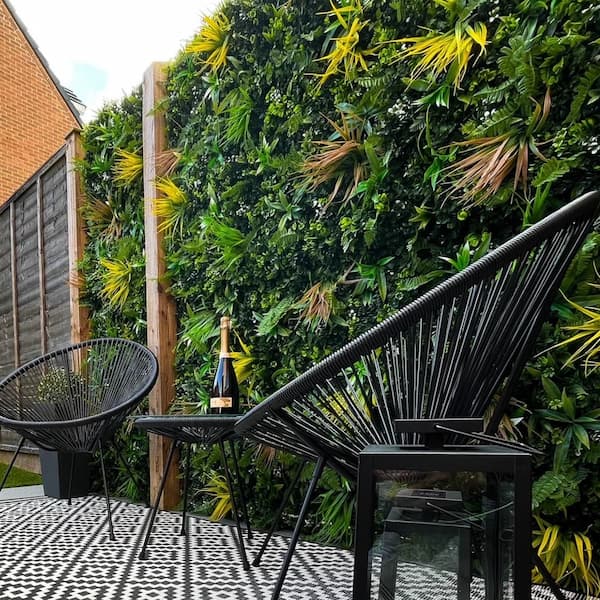
A natural balcony screen should not look like a flat plastic carpet. Real plants have shadows, gaps, young leaves, old leaves, and uneven growth. When I design fake plants for balcony privacy, I try to copy that feeling in a controlled way. I do not want the screen to look messy. I want it to look alive.
The first rule is to mix leaf sizes. A full boxwood panel can create privacy, but it may look too uniform if used alone. I often add ivy, fern-style leaves, or trailing greenery on top. The second rule is to avoid a hard straight edge. If every panel stops at the same height, the eye knows it is artificial. A few soft vines can break the line. The third rule is to choose the right green color. Very bright green may look good in a factory photo, but it can look fake under sunlight. A mix of deep green, medium green, and light new-growth tones usually looks more real.
I once helped an event rental client who wanted a balcony-style green backdrop for photo areas. Their first sample was full and dense, but it looked too perfect. I added a few irregular vines and changed part of the leaves to a softer matte finish. The client told me the new version photographed better. That story stayed with me because it showed a clear lesson. Realism is not only about material. It is also about layout.
Buyers should also think about what sits near the green screen. A slim planter at the base can make a railing panel feel grounded. A few taller potted grasses can hide side gaps. A wooden planter box can warm up a modern apartment balcony. A stone-look pot can fit hotels and serviced apartments. If buyers need floral color, they can add small UV-rated flowers, but I suggest keeping the main screen green. Green is easier to reuse across seasons and project styles.
For hotels, serviced apartments, and real estate showrooms, fake plants for balcony privacy also need to photograph well. Many guests decide based on photos before they visit. A balcony with a green privacy screen feels more finished in the listing image. It also gives the room a softer lifestyle feeling. For rental operators, this can support better listing quality without adding plant care work.
I also suggest buyers avoid one common mistake. Do not make the balcony too dark. Privacy does not mean blocking all light. A good balcony screen should hide the view without making the space feel closed. This is why I often use layered greenery instead of one heavy wall. The balcony still feels open, but the person inside feels more comfortable. That balance makes fake plants for balcony privacy more useful for real homes, hotels, and rentals.
For cleaning, dust control matters. Outdoor balconies collect dust, pollution, and rain marks. A realistic product will lose value if it becomes dirty. I suggest a soft brush, cool air, or a light wipe depending on the material. My guide on how to clean artificial flower arrangements gives more care ideas that can help balcony greenery buyers build simple maintenance instructions for property teams.
How Can Property and Project Buyers Order Balcony Greenery Wholesale?
Wholesale balcony greenery needs more than a low price. Wrong size, weak packing, and unclear samples create delays. I help buyers order by project needs.
Property buyers can order balcony greenery wholesale by confirming balcony size, privacy level, material grade, UV needs, fixing method, packing plan, sample approval, and delivery timeline.
A Clear Buying Brief Saves Money
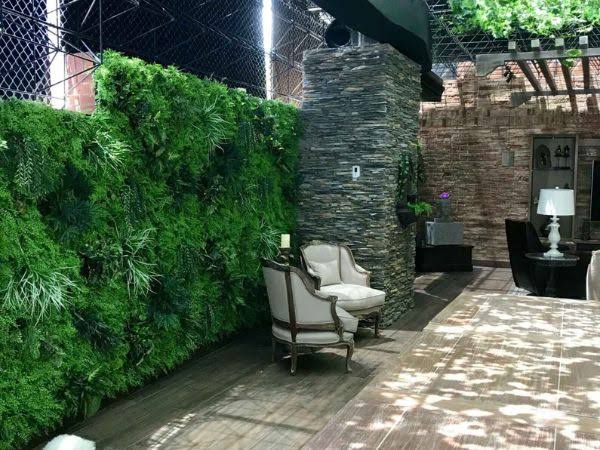
When project buyers ask for fake plants for balcony privacy, I always ask for the same basic information. I need balcony width, railing height, required privacy level, indoor or outdoor use, sun exposure, wind level, preferred leaf style, and order quantity. These details help me avoid blind pricing. They also help the buyer avoid a product that looks good in a sample photo but fails on site.
A wholesale order should start with a small sample or one balcony mock-up. The mock-up does not need to be perfect at first. It should answer the main questions. Does the screen cover enough? Does the color match the building style? Does the fixing method work on the real railing? Does the carton protect the leaves during shipping? Can the installer finish one balcony quickly? These answers are more useful than a beautiful catalog image.
I once worked with a buyer who wanted balcony greenery for a residential project. The buyer first asked for the lowest-cost panel. I asked for balcony photos and the railing size. After checking the photos, I found the railing gaps were wide, so a thin panel would not create enough privacy. We changed the proposal to a denser panel and added side ties. We also packed each set by balcony unit. This helped the installer move faster and reduced confusion on site.
For property and project buyers, MOQ should be planned by project phase. A buyer can start with samples, then a pilot order, then a full order. For brands and retailers, packaging may need a label, barcode, instruction sheet, or private label carton. For hotels and developers, the packing should focus on project installation. If a buyer is selling through cross-border platforms, carton strength and product recovery after compression matter more. My article on how to pack artificial flowers for shipping can help buyers understand how packing protects shape and reduces complaints.
At Botanic Blossoms, I support buyers with product selection, sample development, color matching, packing ideas, and export communication. I do not want buyers to order fake plants for balcony privacy only by guessing. I prefer to help buyers build a clear project plan. This includes product size, leaf style, material grade, fixing accessories, carton plan, and delivery schedule. That is how a balcony greenery order becomes easier to repeat.
For wholesalers and project buyers, fake plants for balcony privacy can also become a strong sales category because the need is easy to understand. People want privacy. People want greenery. People do not want daily maintenance. This makes the product easier to explain on a website, catalog, Alibaba page, Amazon listing, or showroom display. If the buyer can show before-and-after balcony photos, the product value becomes even clearer.
Need a Balcony Privacy Greenery Solution for Your Project?
Send balcony size, photos, target quantity, and preferred style. I will help match the right fake plants for balcony privacy, sample plan, and wholesale budget.
Conclusion
Fake plants for balcony privacy help buyers create private, green, and low-maintenance balconies with stable cost, simple installation, and repeatable project quality.
FAQ
1. Are fake plants good for balcony privacy?
Yes. Fake plants are good for balcony privacy because they provide visual coverage without watering, trimming, soil, insects, or seasonal replacement.
2. What type of fake plants are best for balcony railings?
Boxwood panels, ivy mats, artificial hedges, hanging vines, and potted grasses work well. The best choice depends on railing size, privacy needs, and wind exposure.
3. Do balcony fake plants fade in the sun?
Low-grade fake plants can fade quickly. For outdoor balconies, buyers should choose UV-rated materials and confirm outdoor use before bulk ordering.
4. How do I stop fake plants from blowing away on a balcony?
Use strong cable ties, stainless wire, clips, or fixed frames. Add more fixing points on top edges, corners, and open wind-facing sides.
5. Can fake plants be used on high-rise balconies?
Yes, but high-rise balconies need stronger fixing and careful product selection. Buyers should check building rules and wind conditions before installation.
6. How dense should balcony greenery be for privacy?
For real privacy, choose dense panels or layered greenery. Thin vines alone may look nice, but they usually do not block enough view.
7. Can I order custom sizes for balcony privacy screens?
Yes. B2B buyers can order custom sizes, colors, leaf styles, backing structures, fixing accessories, and packaging based on project needs.
8. Are fake plants for balcony privacy suitable for hotels?
Yes. Hotels use fake balcony greenery to improve guest privacy, room photos, and outdoor comfort without adding daily plant care work.
9. What information should I send before asking for a quotation?
Send balcony photos, width, height, railing type, sun exposure, wind level, target quantity, preferred style, and delivery country.
10. Can Botanic Blossoms provide samples before bulk order?
Yes. I can help prepare samples or one balcony mock-up first, so buyers can check color, density, fixing method, and packing before bulk production.
Footnotes
- U.S. Environmental Protection Agency, The UV Index. Back to text
- National Weather Service, Beaufort Wind Scale. Back to text
- ASTM International, ASTM D4329 Standard Practice for Fluorescent Ultraviolet Exposure of Plastics. Back to text