
Artificial Flower Wholesale: 10 Questions Buyers Should Ask Before Paying for Samples?
Bulk looks perfect in photos. Then your samples arrive and something feels off. Shine looks cheap. Stems feel weak. You start to worry.
Artificial flower wholesale becomes predictable when you ask 10 specific questions before sampling: supplier proof, sample process, MOQ flexibility, packaging, and scaling plan. Clear questions reduce risk, improve consistency, and protect your margin.
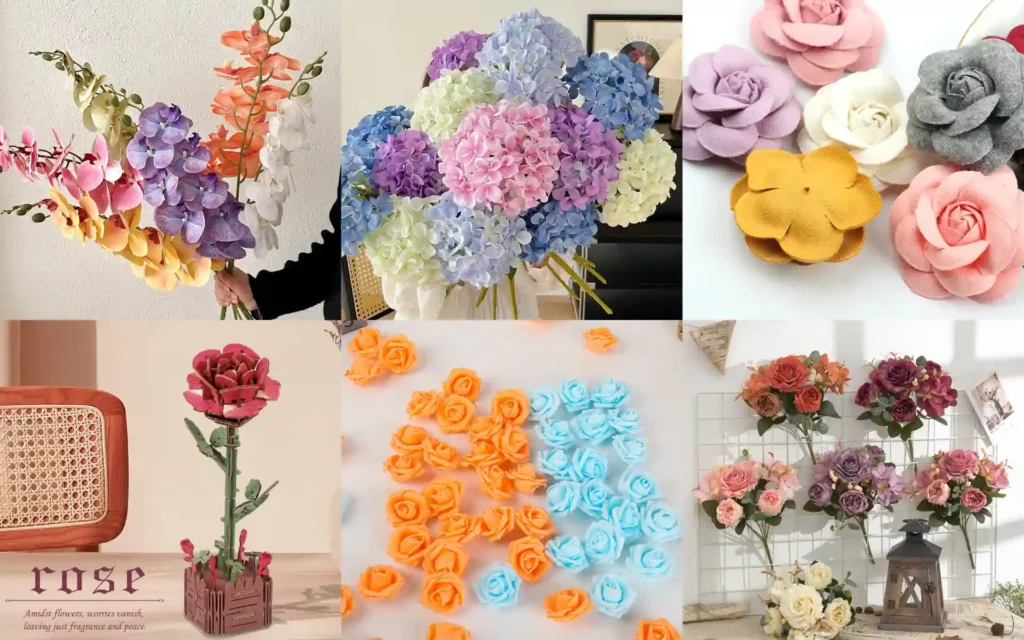
Applicable scenario: buyer reviewing sample quality and finish
Most buyers focus on price. I focus on control. When I control the sample stage, I control the bulk result. This is where strong buyers separate from average buyers.
What a serious wholesale supplier should prove first?
Many suppliers show beautiful photos. Many show low prices. But very few can prove consistent quality.
A serious artificial flower wholesale supplier must prove batch consistency, material transparency, and production capability before samples. One perfect sample means nothing without repeatability.

Applicable scenario: evaluating factory production and consistency
Why “one good sample” is not enough
I worked with a US client who chose a supplier based on one perfect rose sample. The bulk order looked different. The color was slightly darker. The leaves had more shine. Customers noticed.
So I changed how I evaluate suppliers.
- Batch comparison instead of single piece
I always request 3–5 pieces from the same batch. I place them side by side. I check color, gloss, and shape. Small differences show real control level. - Material disclosure
I ask what fabric is used. Polyester, silk blend, PU coating. Each material reflects light differently. If a supplier avoids this question, I stop. - Process visibility
I ask for real production videos. I want to see dyeing, assembly, and packing. Real factories are not afraid to show. - Defect handling system
I ask one simple question: “If 5% is defective, what will you do?” A serious artificial flower wholesale partner gives a clear solution.
You can also review how finish impacts perception in my guide on how to make silk flowers look real[1].
When a supplier proves consistency, I reduce risk. When they don’t, I gamble.
Sample timelines and what “fast sampling” should include?
Fast sampling sounds efficient. But fast without structure creates mistakes.
In artificial flower wholesale, fast sampling must include reference confirmation, material selection, feedback rounds, and approval checkpoints. Speed without control increases cost and delays.
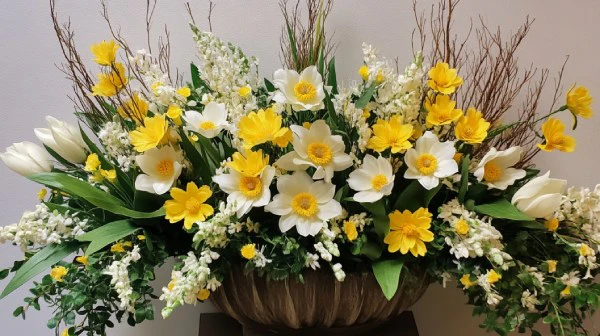
Applicable scenario: managing sample development timeline
What I define as “professional sampling”
I once worked with a wedding planner who needed urgent designs. Another supplier promised 3 days. We promised 9 days. She later chose us for bulk.
Because our samples matched her vision.
- Clear reference input
I ask for real images, not just words. “Luxury”, “premium”, “natural” mean different things to different people. - Color calibration
I compare Pantone references or real photos under neutral light. Lighting changes everything. - Material decision
Fabric thickness, coating, and stem structure all affect realism. I confirm before production. - Sample preview
I send photos and short videos. Clients see details before shipping. - Adjustment round
I refine shape, tone, and proportion. Most mistakes happen here if skipped. - Final approval
Only approved samples move to production.
Many buyers chase speed. Experienced buyers chase accuracy. In artificial flower wholesale, accuracy saves time.
MOQ logic: how buyers avoid being trapped by one SKU?
MOQ can lock cash. Many buyers accept high MOQ per SKU. Then inventory becomes pressure.
Smart artificial flower wholesale buyers design MOQ across multiple SKUs, colors, and components. Flexible planning reduces inventory risk and improves sales testing.
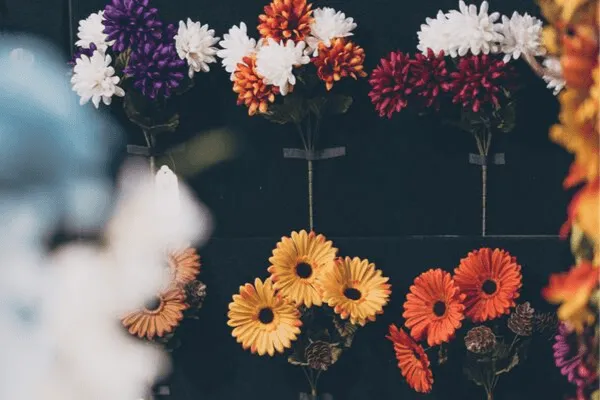
Applicable scenario: planning product assortment for bulk order
How I reduce MOQ risk
I worked with a retail client who ordered 2000 pieces of one design. It did not sell well. She had to discount heavily.
We redesigned her strategy.
- Multi-SKU distribution
Instead of 1 SKU × 2000 pcs, I use 5 SKUs × 400 pcs. - Color variation strategy
One design with 3–4 colors creates more options. - Shared components
I reuse stems and leaves across designs. - Seasonal testing
I suggest small batches first. - Data-driven reorders
I track sales data to decide scaling.
You can explore deeper planning logic in my article on artificial flowers wholesale bulk[2].
When I control MOQ, I control cash flow.
Packaging standards for wholesale shipping performance?
You can have perfect products. But poor packaging destroys value.
Artificial flower wholesale packaging must protect shape, control volume, and maintain surface quality. Good packaging reduces damage, labor, and returns.
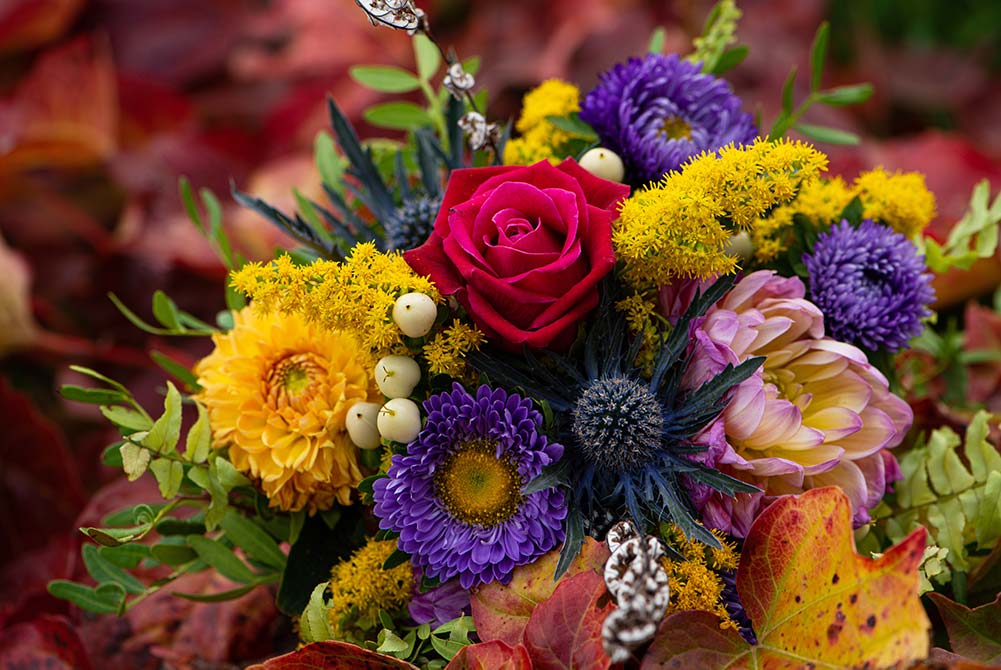
Applicable scenario: export packaging and damage prevention
Why packaging defines final quality
I handled a European order with beautiful designs. But packaging was too tight. Flowers arrived compressed. The client spent hours reshaping them.
That cost more than production savings.
- Anti-shine protection
I use soft polybags or sleeves. - Structural support
I use inner holders. - Carton durability
I use double-wall cartons. - Space optimization
I balance flat packing and protection. - Drop testing
I test cartons before shipment. - Clear labeling
I use clear labels.
Packaging performance also depends on logistics handling standards used in global sourcing platforms like Alibaba[3].
Artificial flower wholesale is not finished at production. It finishes when the carton is opened.
A buyer-friendly first-order plan to scale safely?
Many buyers want to reduce cost immediately. They place large first orders. That increases risk.
A smart artificial flower wholesale plan focuses on validation first, then scaling. Buyers should test quality, packaging, and market response before increasing volume.
Applicable scenario: planning first bulk order and scaling
How I design a safe first order
I worked with an Australian client who wanted to order 5000 pieces immediately. I advised her to split the order.
She agreed. That decision saved her business.
- Small test order
I test quality and packaging. - Market feedback
I track sales performance. - Product refinement
I adjust design details. - Controlled scaling
I increase volume for best sellers. - Standardization
I lock specifications for reorders.
Artificial flower wholesale is not about one big order. It is about repeatable success.
Conclusion
Ask better questions before sampling. That is how I control quality, cost, and growth in artificial flower wholesale.
FAQs
1. Why is artificial flower wholesale risky?
Samples may not match bulk production.
2. What should I check first?
Supplier capability and consistency.
3. How long should sampling take?
7–15 days is standard.
4. Can MOQ be flexible?
Yes, with mixed SKUs.
5. How do I check realism?
Check shine, color, and edges.
6. Why is packaging important?
It protects shape and quality.
7. Should I start big?
No, start small.
8. How to avoid defects?
Define standards clearly.
9. What is hidden cost?
Rework and returns.
10. How to build trust?
Work with transparent suppliers.
Start Your Next Order with Confidence
Footnotes
[1] Internal guide explaining how surface finish, material, and structure impact realism perception in artificial flowers.
[2] Internal strategy article on SKU planning, MOQ control, and bulk order optimization.
[3] External sourcing platform standards for supplier verification and logistics handling.