
What Is Faux Flower? 7 Smart Buyer-Level Differences Between Faux, Fake, Silk, and Artificial Flowers
Many buyers use the wrong flower term. That small wording mistake can confuse clients, weaken SEO, and make product pages sound less premium than they should.
What is faux flower? In most buyer-facing use, faux flower means an artificial flower described in a softer, more premium, more design-led way than fake flower, while still overlapping with silk flower and artificial flower in many listings.
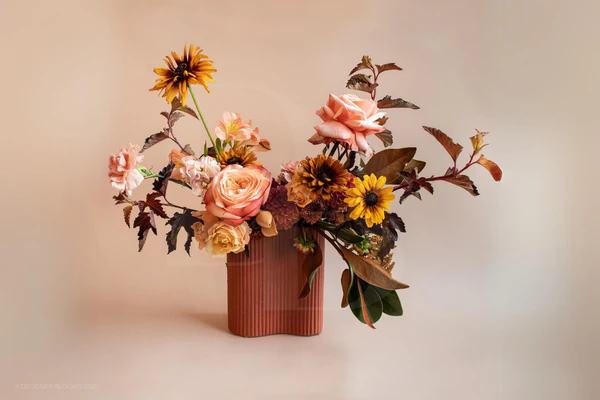
When I work with buyers, I see the same problem again and again. They know the product. They do not always know the best term to use. One buyer says fake flowers. Another says silk flowers. A supplier says artificial flowers. A retail brand says faux flowers. Then the same item appears under four different names. That creates confusion in search, in sales copy, and in wholesale communication.
I wrote this guide because naming is not a small detail. Naming changes how the product feels. Naming shapes search traffic. Naming also affects trust. If a buyer wants stronger wording for listings, better keyword choices for blogs, and cleaner language for cross-border selling, this topic matters much more than it seems at first.
Why Does “What Is Faux Flower” Still Confuse Many Buyers?
Buyers hear faux flower in premium copy all the time. Many still do not know if it refers to style, material, or just softer wording.
What is faux flower still confuses many buyers because faux sounds more refined than fake, but it does not point to one single material, one single texture, or one fixed production method.
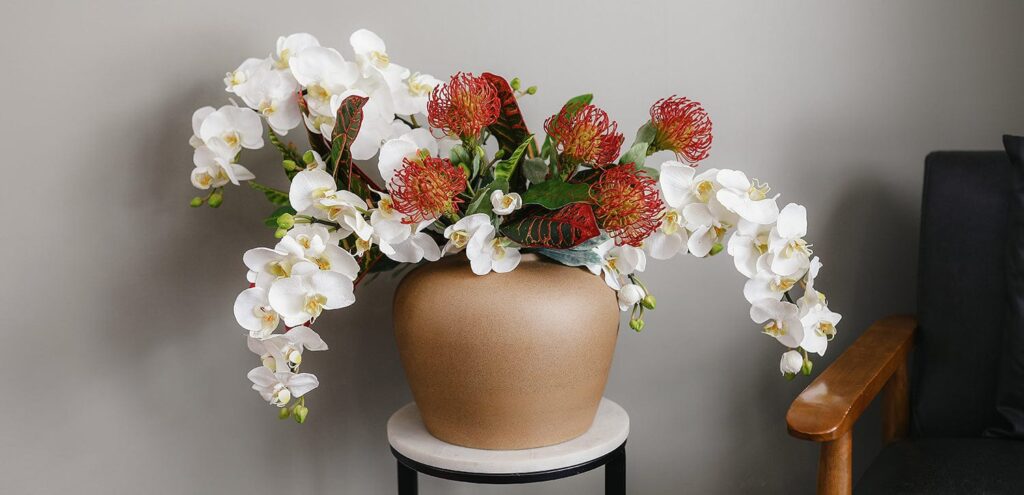
I have seen this confusion in real work. A hotel buyer once asked me for faux flowers for a premium lobby proposal. I sent silk-touch roses, PE tulips, and mixed fabric greenery. She then asked why I mixed materials when she asked for faux flowers. That question showed the real problem. She thought faux was a strict material term. I knew she was using it as a style and quality term.
Why the word feels unclear
The word faux usually means something made to look real, not something natural itself. That is why the word feels elegant, but also broad. In real selling, faux often works more like a presentation term than a factory term. Buyers use it to describe the feeling of the product. Factories still need more exact material words.12
Why buyers and suppliers use it in different ways
I notice that buyers often use faux flower to avoid the cheap tone that fake flower can create. Suppliers often use faux flower to support a premium mood in titles, category pages, and blog content. In factories and internal sheets, the wording is still more direct. I still see artificial flower, silk flower, PE flower, PU flower, real-touch flower, and latex flower used more clearly in technical discussions.
What I learned from a real client case
I worked with a wedding planner who wanted faux flower centerpieces for a luxury package. She did not want guests to hear the word fake. She also did not want silk in the title because not all pieces were fabric based. In that case, faux flower was the right customer-facing term. My supplier-side sheet still used more exact material language. That split helped her sell better and helped me manage production better.
This is why I tell buyers that what is faux flower is not only a language question. It is a selling question. It shapes how the product feels before the client even touches it.
What Does “What Is Faux Flower” Mean in Product Listings and Supplier Catalogs?
Many listings use faux flower as a style word. Buyers still need to check the material line before they place an order.
What is faux flower in product listings and supplier catalogs? In most cases, it means an artificial flower presented in a more polished, more design-friendly, and more premium way, not a guaranteed single material type.
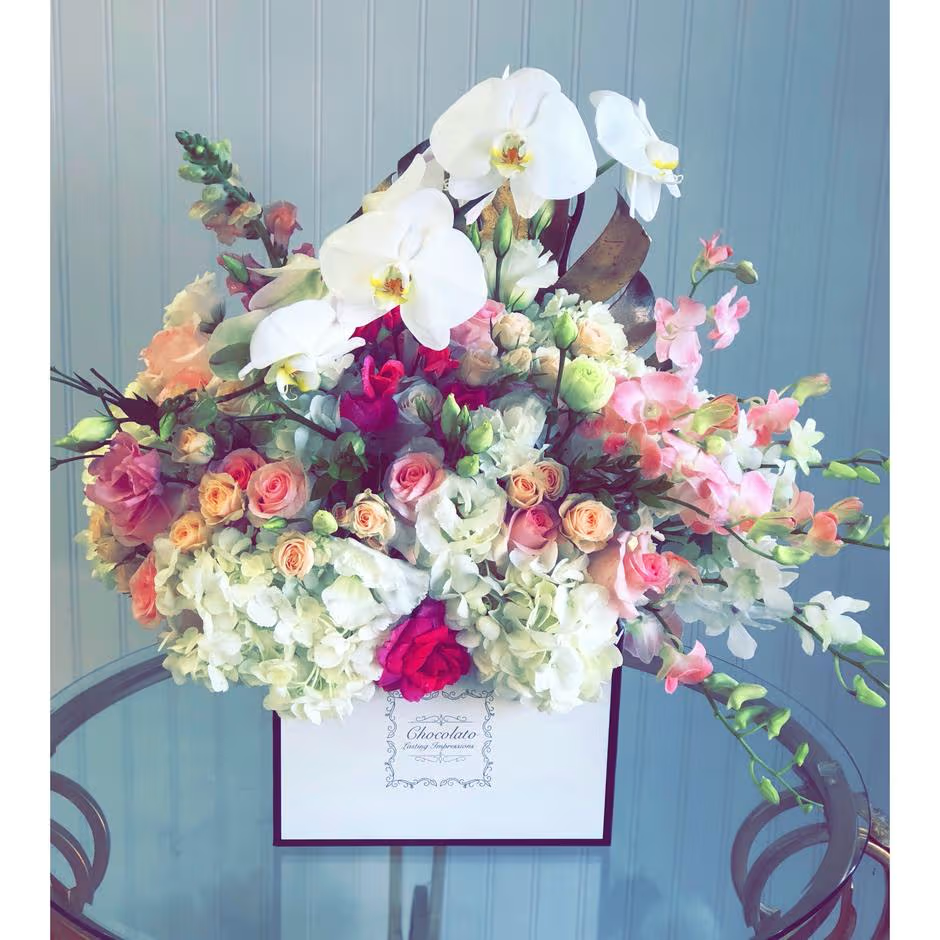
In my daily work, I use terms in layers. I do not treat every naming field the same way. A product title, a blog headline, a quotation sheet, and a carton label do not have the same job. That is why what is faux flower needs a business answer, not only a dictionary answer.
How I use faux flower in listings
On product pages, faux flower usually signals a softer tone. It sounds more decorative. It sounds more premium. It also sounds more lifestyle focused. This helps on independent sites, boutique collections, gift-oriented pages, and premium décor edits. Buyers respond well to it when they want the product to feel elegant, modern, and less mass-market.
How I use faux flower in supplier catalogs
In supplier catalogs, faux flower is often a front-facing naming choice, but the real details still sit below it. The material line may say silk cloth, polyester, PE, plastic, PU, foam, latex, or mixed media. This is why I always tell buyers to separate naming language from material language. If a page says faux flower, the spec still needs to say what the flower is actually made of.
A service story that changed my naming system
I once helped a retail client rewrite a mixed floral collection. Her old titles switched between fake flower bouquet, artificial silk flower stem, and decorative faux floral branch with no clear rule. The collection felt messy. It did not sound like one brand. I rebuilt the naming system with one front-end tone and one back-end logic. We used faux flower for the premium buyer-facing range, artificial flower for broader searchable categories, and exact materials in the bullet points and wholesale sheet. That change made the catalog feel more organized, and it also reduced buyer questions.
If a buyer wants more support on naming and material positioning, I suggest reading what faux flowers means in buyer language and how to judge high quality silk flowers for wholesale. Those pages help connect naming language with material quality and buyer expectation.3
Faux Flower vs Fake Flower vs Silk Flower: What Actually Changes?
Many buyers think these terms mean the same thing. In real selling, the emotional tone and buyer reaction can change a lot.
What is faux flower compared with fake flower and silk flower? Faux flower sounds more premium, fake flower sounds more direct and broad, and silk flower sounds more material-specific, even when the products overlap.
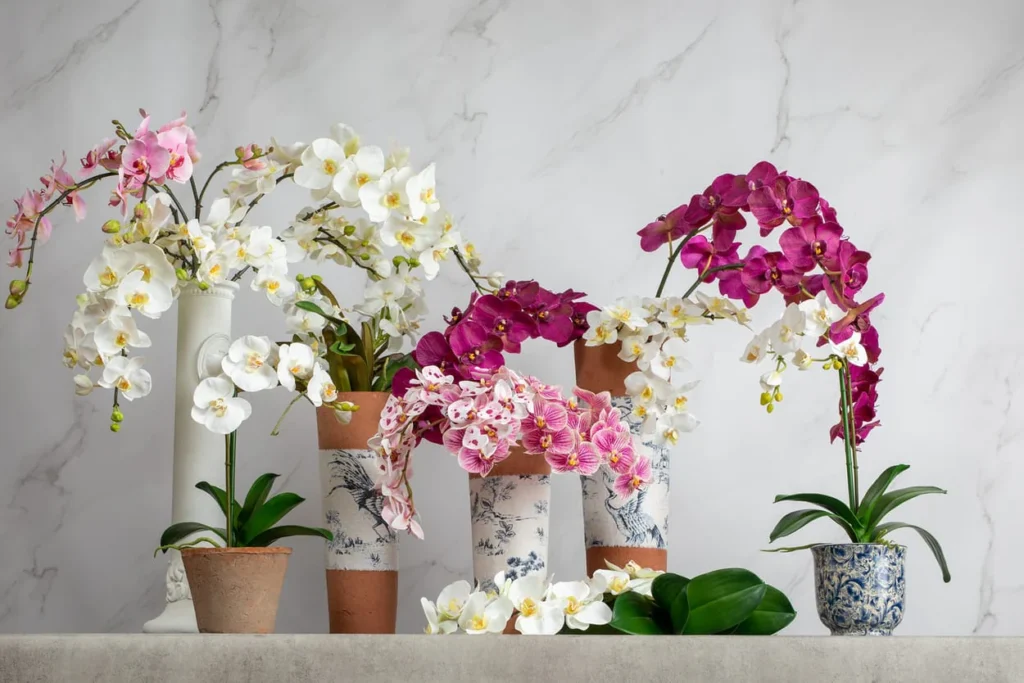
I deal with this difference all the time. The product can stay the same, but the buyer response changes with the wording. That is why I never treat these terms as simple synonyms in business writing.
Faux flower
When I use faux flower, I want the product to sound tasteful, design-led, and current. It fits premium décor language well. It works for blogs, collection pages, hotel styling, wedding mood boards, and upscale retail messaging.
Fake flower
When I use fake flower, I know the wording is more common and more direct. It can bring search traffic because many buyers still type fake flower into Google and marketplaces. Still, it can sound cheaper in polished brand copy. That is why I often use it in SEO support content, FAQs, and search-focused pages rather than as the lead term on a premium landing page. For sourcing content, I also like fake flowers in bulk for retail and event sourcing.
Silk flower
When I use silk flower, I become more careful. Buyers often use silk flower as a category term, but many modern silk flowers are not pure silk. Some are polyester. Some are PE. Some are mixed materials. If I use silk flower, I want the material details to stay honest and clear.
How I answer “what is faux flower” in buyer meetings
I once worked with an online seller who insisted on using silk flower in every title because she thought it sounded classic. The problem was that not all of her flowers were silk-based. Some were PE. Some were latex-touch. Her returns were not high, but her messages increased because buyers kept asking what the flowers were really made of. I rewrote the titles. I used faux flower in the lifestyle collections, artificial flower in main categories, and exact material terms inside specs. Her product language became cleaner fast.
So when buyers ask me what is faux flower, I answer this way: it is not just a synonym. It changes brand tone, keyword strategy, and buyer trust.
Which Term Works Better for SEO and Which Sounds Better to Buyers?
Traffic and trust are not always built by the same word. That is why naming should follow page purpose.
What is faux flower for SEO and buyer language? Faux flower often sounds better for premium buyers, while artificial flower and fake flower can sometimes work better for broad search coverage.
I separate this question into two jobs. One job is getting found. The other job is sounding right when the buyer lands on the page. Those two jobs are linked, but they are not the same.
Which term can help SEO more
In many markets, artificial flower is still the broadest and safest category term. Fake flower can support plain-language search intent. Faux flower may have lower broad reach, but it often fits premium intent better. I do not force one term everywhere. I match the term to the page type, the audience, and the stage of the sale.
Which term sounds better to buyers
When I speak to designers, wedding buyers, boutique retailers, and hotel teams, faux flower usually lands better. It sounds softer. It feels more curated. It helps the product avoid the low-end tone that fake flower can bring in some buyer conversations. That matters when the buyer is selling style, mood, and finish, not only unit price.
How I use the terms together
- Artificial flower for broad category strength
- Faux flower for premium tone
- Fake flower for search support where it fits naturally
- Silk flower only when the material story is clear enough
A practical content story from my side
I once reviewed a collection page that used fake flowers as the lead phrase in every headline, button, and meta title. The page was searchable, but the brand tone felt weak for the target client. I changed the lead copy to faux flower and artificial flower. Then I kept fake flower in FAQs and supporting blog content. The page felt more premium without losing search relevance. That is the balance I want. For educational support, I also like linking to artificial flower meaning for décor and gifting and what artificial flowers mean in buyer-facing content.
My Naming Rule for Product Pages, Blog Content, and Wholesale Communication
One term for every situation creates weak copy. I use a naming rule based on audience, intent, and risk.
What is faux flower in my naming rule? It is the customer-facing premium term I use when I want softer brand language, while artificial flower, fake flower, and silk flower each keep different jobs in SEO and wholesale communication.
I follow one clear rule in my business. I never let one keyword do every job. That creates unclear pages and mixed signals. It also makes the brand sound inconsistent.
My rule for product pages
On product pages, I choose the term that matches buyer expectation and visual tone. If the range is premium, styled, and design-focused, I often lead with faux flower. Then I support the page with artificial flower in the description or related copy. If the product really is silk-based, I add that in the specs. That keeps the page appealing and accurate at the same time.
My rule for blog content
On blogs, I write for intent first. If the search is direct and broad, I may use artificial flower or fake flower in the title. If the page needs premium educational positioning, I use faux flower. This article itself is a good example of that decision. The phrase what is faux flower matches a buyer who wants clarity, tone, and keyword strategy at the same time.
My rule for wholesale communication
In wholesale communication, I always become more exact. I may still use faux flower in the opening line or catalog section if the client likes that tone. But once I move into sampling, quotations, or product approval, I switch to material details, production methods, and grade logic. That reduces mistakes and speeds up approval.
A service story that shaped this system
I once worked with a buyer who sent me a purchase inquiry for faux flower stems. Her team approved the style, but the production conversation became slow because faux did not answer key questions about cloth, touch, finish, shape retention, and final use. I rebuilt the communication flow. We kept faux flower in the proposal deck because it matched her client-facing tone. We switched to exact material and construction words in the quotation and sampling stage. That small shift helped the whole order move faster and with fewer back-and-forth messages.
That is the naming rule I trust. It protects clarity. It protects brand tone. It protects buyer confidence. It also answers what is faux flower in a way that supports real selling, not only theory.
Conclusion
What is faux flower becomes much easier to answer when I separate tone, SEO, and material truth. Faux flower is not just a softer word. It is a useful naming tool when I match it to the page goal, buyer tone, and real product spec.
Need help choosing the right flower terms for product pages, blogs, or wholesale catalogs?
I help buyers build clearer naming systems, stronger SEO structure, and more premium product communication for artificial flower collections.
FAQ
1. What is faux flower in simple buyer language?
Faux flower usually means an artificial flower described in a more premium, softer, and more design-friendly way.
2. Is faux flower the same as artificial flower?
Not always in tone. They often overlap in product type, but faux flower usually sounds more refined.
3. Is faux flower the same as fake flower?
The product may overlap, but the tone changes. Faux flower sounds softer. Fake flower sounds more direct.
4. Does faux flower mean real silk?
No. Faux flower does not guarantee silk. Buyers still need to check the material line.
5. When should I use faux flower on a product page?
I use it when I want a more premium, lifestyle-led, and brand-friendly tone.
6. When should I use fake flower in content?
I use fake flower in SEO support content, FAQs, and pages targeting direct search language.
7. Is silk flower still a useful keyword?
Yes, but only when the material story is clear and the wording will not mislead buyers.
8. What term works best for wholesale communication?
I use clear material terms in wholesale communication, even if the client-facing page uses faux flower.
9. Can one product be called faux, fake, silk, and artificial?
Yes, but that does not mean every term should be used in the same place. Each term should match its job.
10. What is the safest naming strategy for a growing floral brand?
I suggest using artificial flower for broad category strength, faux flower for premium tone, fake flower for search support, and exact materials in the specs.
Footnotes
-
Merriam-Webster, “faux,” used here to support the general meaning of faux as something not real but made to look real:
https://www.merriam-webster.com/dictionary/faux
↩ -
Cambridge Dictionary, “faux,” used here to support the buyer-facing language point that faux is commonly understood as not real but made to look like something real:
https://dictionary.cambridge.org/us/dictionary/english/faux
↩ -
Internal references for deeper buyer education on naming, material positioning, and quality framing:
What Is Faux Flowers? and
High Quality Silk Flowers Wholesale.
↩