The Ultimate Guide to Artificial Flowers Storage: Pro Tips to Make Them Last 10+ Years
Have you invested in beautiful silk flowers, only to see them get crushed and dusty? Proper artificial flowers storage is the hidden secret to protecting that investment. I've seen too many stunning arrangements ruined by simple mistakes. Let me share the methods that keep my clients' florals looking new for a decade. The way you store your artificial flowers directly determines their lifespan and value.
Correctly storing artificial flowers involves three key steps: gentle cleaning, using rigid containers, and controlling the environment. Avoid plastic bags, heat, and moisture. Instead, pack stems and petals with support in plastic bins, kept in a cool, dark, and dry place. This prevents fading, crushing, and damage, ensuring they last for years and maintain their value.1
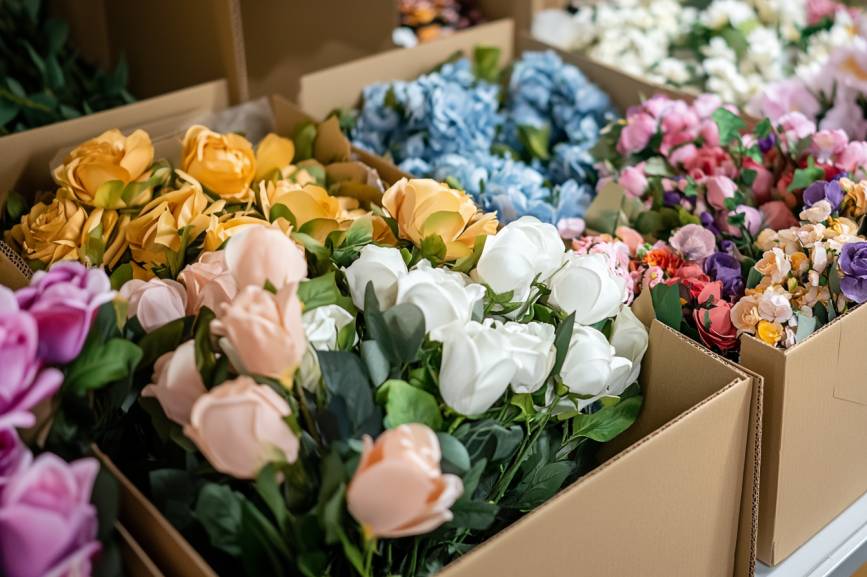
Comparing the wrong way (thrown loosely in a box) to the right way (neatly packed in a bin) for business inventory management.
You know high-quality artificial flowers are a smart buy. But their lifespan depends entirely on how you store them between events or seasons. The next sections will break down exactly why this matters, show you what not to do, and give you a clear, step-by-step plan. This advice comes from a decade of working with event planners and rental businesses. Let's make sure your florals look perfect, every single time you use them.
Why Artificial Flowers Storage Directly Impacts Your ROI
Do you see your silk florals as a one-time decor purchase or a long-term asset? Your artificial flowers storage habits decide the answer. I once had a client, a wedding planner, who thought stacking boxes in a damp basement was fine. Six months later, a valuable collection was ruined by mold and bent stems. This was a complete loss of her initial investment.
Proper storage directly protects your financial return on investment (ROI) in artificial flowers. It extends their usable life from a few events to over ten years. This drastically reduces your cost per use. For businesses, it means florals stay rentable and sale-ready, preserving their quality and realism for clients. Good storage turns decor into a durable, reusable asset.
A business owner reviewing cost analysis, showing savings from reusing a well-maintained floral inventory over dozens of events.
Think of storage as an insurance policy for your decor budget. The money saved is real. Let me explain the financial impact in more detail.
The Math of Cost Per Use in Floral Storage
First, consider the initial cost. High-quality artificial flowers from a trusted supplier are an investment. For a business like an event planner, a single large centerpiece might cost $50. If it gets crushed in storage, that $50 is gone. You must buy a new one. But if you store it correctly, you can use that same piece for 20, 30, or even 50 events. The cost per event drops to just a few dollars. This is the core of ROI.
Saving Time and Labor Through Proper Storage
Second, think about time and labor. A damaged flower arrangement needs repair or replacement. This takes your time or your staff's time. Time is money. Proper artificial flowers storage prevents this wasted labor. Your team can focus on setting up beautiful events, not fixing broken flowers.
Protecting Your Business Reputation with Quality Storage
Third, remember your reputation. Your clients hire you for beautiful, flawless events. If you pull out wilted-looking, dusty, or misshapen flowers, it reflects poorly on your brand. A wedding planner I work with, Sophia's company, understands this deeply. They treat their floral inventory with the same care as their linen and china. Their clients receive consistently stunning decor. This builds trust and leads to repeat business and referrals. Protecting your floral quality through storage is protecting your business reputation.
Enabling Business Scalability with Organized Storage
Finally, storage affects your business scalability. When your inventory is well-organized and protected, you can take on more events. You know exactly what you have and its condition. You are not worried about surprises. This efficiency lets you grow. In short, good storage is not just about saving flowers. It is about saving money, saving time, and protecting the quality that makes your business successful.
Avoid These 5 Common Artificial Flowers Storage Mistakes
Are you unknowingly shortening the life of your silk flowers right now? Many common artificial flowers storage habits cause irreversible damage. I've visited many storage rooms and seen the same errors repeated. One rental business stored their pricey cherry blossom branches in thin plastic bags. The branches poked through, got tangled, and many snaps were broken.
The five most common mistakes that damage artificial flowers during storage are: 1) Using flimsy bags or boxes that offer no support, 2) Storing in attics or garages with extreme heat or cold, 3) Packing arrangements while they are dusty, 4) Compressing or overfilling containers, and 5) Letting flowers sit in direct sunlight, even in storage. Avoiding these errors prevents fading, crushing, and permanent deformities.
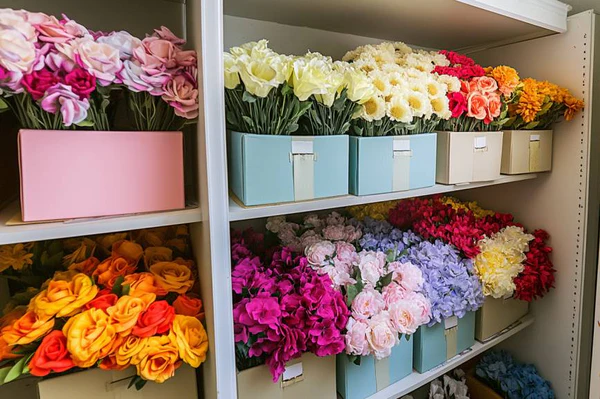
A visual guide showing damaged flowers resulting from common storage errors: heat damage in an attic, dust in a garage, and crushing in a weak container.
These mistakes seem small. But their effects add up quickly. Let's look at each one and understand why it is so harmful.
Mistake 1: Using Flimsy Bags or Boxes for Storage
Cardboard boxes are weak. They bend and crush under weight. Plastic trash bags offer zero protection. They let stems get bent and petals get smashed. They also trap moisture, which can lead to mildew. The solution is simple. Use rigid, plastic storage bins with lids. They stack well and protect your flowers from pressure and dust.
Mistake 2: Storing in Extreme Temperatures
Your attic or garage might seem like a good storage space. It is not. These areas get very hot in the sun and very cold in winter. High heat can weaken the glue holding petals and leaves on. It can also warp plastic stems. Cold can make some materials brittle. The best place is a climate-controlled room, like a spare bedroom closet or a dedicated storage unit.
Mistake 3: Storing Without Cleaning
Dust and dirt are abrasive. If you pack away dusty flowers, that grit grinds against the material for months. It can dull colors and scratch surfaces. Always give your flowers a quick clean before storage. A light blow with a hairdryer on a cool setting or a gentle wipe with a microfiber cloth works wonders. I have a guide on easy cleaning methods for artificial flowers that can help. For more in-depth research on cleaning delicate synthetic materials, resources from the Getty Conservation Institute can be insightful.
Mistake 4: Overfilling and Compressing Storage Containers
The desire to save space is strong. But stuffing too many flowers into one box is a disaster. Stems will bend. Petals will crease. These creases can become permanent. Give each flower or arrangement some room. Use tissue paper or bubble wrap to separate layers and provide cushioning.
Mistake 5: Exposure to Sunlight During Storage
Sunlight is the number one cause of fading. Even ambient light from a window in a storage room can cause colors to bleach over time. Always store your artificial flowers in complete darkness. An opaque storage bin in a dark closet is the perfect solution. By avoiding these five common errors, you are taking the biggest step toward preserving your floral investments.
Step-by-Step Guide to Artificial Flowers Storage Without Damage
Feeling overwhelmed by a pile of flowers after a big event? A clear, methodical process makes artificial flowers storage easy and safe. Last year, we helped a large event planning company reorganize their entire warehouse. We created a simple, labeled system. Now, their team can pack and unpack in minutes, with zero damage.
To store artificial flowers without crushing them, follow this order: Clean, Disassemble, Support, Pack, and Label. First, remove all dust. Then, take apart large arrangements if possible. Use tissue paper or foam to support delicate petals and wrap stems. Place them upright or neatly layered in a rigid plastic bin. Fill empty spaces with packing material to prevent shifting. Finally, label the box clearly.
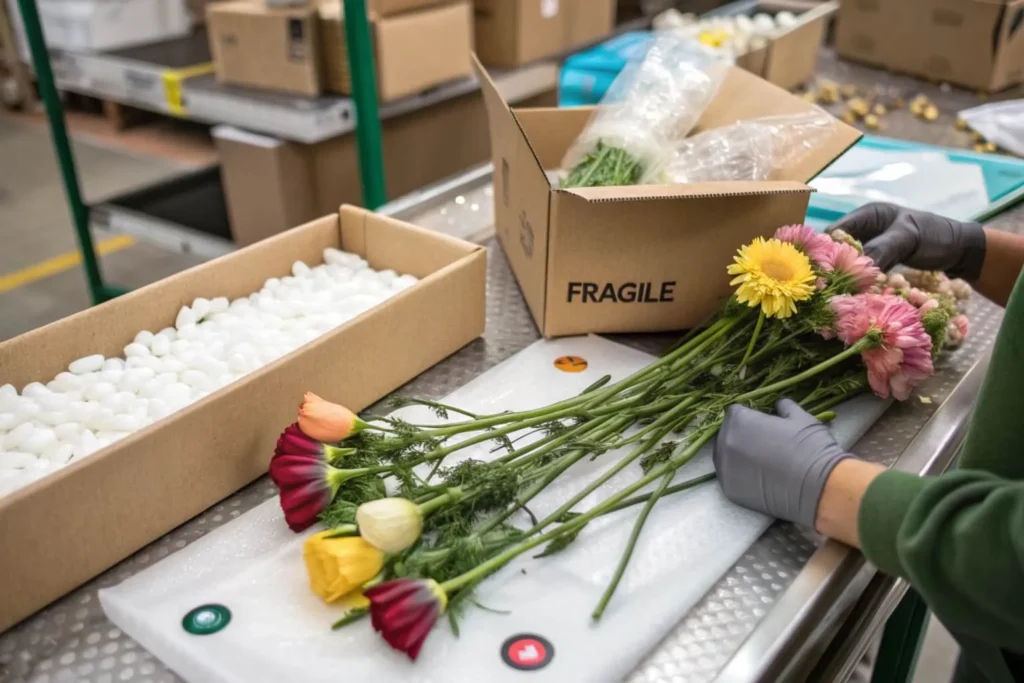
A hands-on tutorial series: cleaning a silk flower, wrapping its petals, and placing it neatly in a labeled, organized storage container.
Let's dive deeper into each step of this process. Doing it right the first time saves you from frustration later.
Step 1: The Critical Clean Before Storage
This is the most important preparatory step. Never store dirty flowers. Gently remove dust. For silk flowers, use a soft brush or a blast of cool air from a hairdryer. For plastic-based greens, you can use a slightly damp cloth, but make sure they are completely dry before the next step. This prevents dirt from setting in during storage.
Step 2: Smart Disassembly for Efficient Storage
Large, complex arrangements are hard to store. If you can, take them apart. Remove flowers from foam bases. Separate large blooms from filler greens. This allows you to pack everything more flatly and safely. Keep any Oasis foam, pins, or bases together in a small bag and tape it to the inside of the storage bin lid.
Step 3: Providing Support for Safe Storage
Delicate petals and bent stems are the main victims of poor storage. Provide support. Loosely wrap tissue paper around large blooms like peonies or roses. For long stems, you can bundle a few together with a rubber band and then wrap the bundle. This keeps them aligned and prevents snapping.
Step 4: Strategic Packing for Long-Term Storage
Choose your container. A clear or opaque plastic bin with a snug lid is best. Start by placing heavier, sturdier items like garlands or wreaths at the bottom. Place supported flower bundles next. Try to keep them standing upright if the bin is tall enough. If you need to layer, place a sheet of cardboard or foam between layers. The key is to prevent movement. Fill any gaps with crumpled tissue paper or air pillows so nothing can shift during transport or storage.
Step 5: Clear Labeling for Organized Storage
Do not skip this! Write the contents clearly on the outside of the bin. Use a label maker or bold marker. Examples: "Summer Garden - Pink Peonies & White Roses" or "Fall Collection - Maple Leaves & Berries." You can even take a photo of the contents and tape it to the side. This saves you from opening every box to find one specific item for your next event. This system turns chaos into order and protects your investment perfectly.
Best Storage Containers and Climate for Artificial Flowers
What should you actually put your flowers in, and where should that container go? The right container and location are the final, critical layer of protection in your artificial flowers storage system. We supplied a hotel chain with thousands of silk plants for their lobbies. They needed a storage solution for seasonal rotations. We recommended specific bin sizes and a climate-controlled room checklist. Their maintenance manager said it cut their replacement rate by 80%.
The best storage containers for silk flowers are clear or opaque plastic bins with airtight, snap-on lids. For climate, maintain a cool, dry, and dark environment with stable temperature and low humidity. Ideal conditions are a temperature between 50-70°F (10-21°C) and humidity below 50%.2 Avoid attics, basements, and garages.
A well-organized storage room shelf with uniform, clearly labeled plastic bins, each containing a different seasonal floral collection.
Choosing the right container and place is not complicated. Let me explain the "why" behind these recommendations.
Choosing the Right Container: Plastic Bins for Storage
Plastic bins are strong. They do not collapse. They protect against dust, bugs, and small amounts of moisture. Clear bins let you see the contents without opening them. Opaque bins block all light, which is even better for preventing fading. The lids must seal well. A snap-on lid is better than a loosely fitting one. Look for bins with sturdy lids that lock on all four sides. Size matters too. Very large bins become too heavy to move. Medium-sized bins are more manageable. Standardizing on one or two sizes makes stacking easier and looks more professional.
Understanding Climate Control for Flower Storage
Silk and other synthetic materials are sensitive to their environment. Heat is an enemy. High heat can cause colors to fade faster. It can also weaken adhesives. Cold is not as damaging, but extreme cold can make some plastics brittle. More importantly, avoid temperature *fluctuations*. Constant warming and cooling can cause materials to expand and contract slightly, stressing them over time. The principles of preserving archival materials, as outlined by institutions like the Library of Congress, emphasize stable environments, which directly apply to artificial flowers storage.
The Threat of Humidity in Flower Storage
This is the silent killer. High humidity (above 60%) promotes mold and mildew growth. It can cause metal stems or wires to rust. This rust can stain the fabric petals. A damp basement is the worst possible place. Always choose a dry space. If you live in a humid climate, consider adding silica gel desiccant packets to your storage bins. These small packets absorb excess moisture from the air inside the container.
Finding the Perfect Storage Spot for Your Flowers
The best place is a dedicated closet inside your home or office. A guest bedroom closet, an under-stairs cupboard, or a storage room in a commercial building are all excellent. These spaces are typically dark, dry, and have stable, room-temperature conditions. If you must use a storage unit, choose one that is climate-controlled. The extra monthly cost is far less than replacing a ruined inventory of flowers. By investing in the right boxes and choosing the right spot, you are building a long-term home for your beautiful florals.
Seasonal Storage Checklist for Event Planners and Rental Businesses
Running a busy event business? You need a system, not just a pile of boxes. A streamlined artificial flowers storage process saves time and money. One of our clients, an event rental company, used to dread seasonal changeovers. It took a week. After implementing this checklist, they now do it in two days with half the staff. Their inventory is always showroom-ready.
A seasonal storage checklist for event planners ensures a smooth, damage-free rotation. Key steps include: 1) Inspect and clean all items post-event, 2) Repair minor damages immediately, 3) Log inventory and note items for replacement, 4) Pack using the correct support and containers, 5) Label bins clearly with contents and season, and 6) Store in a designated, climate-controlled area. This maintains asset value and operational efficiency.
A clipboard with a detailed, ticked-off checklist next to neatly packed, color-coded, and labeled storage bins in a commercial warehouse.
A checklist turns a chaotic task into a repeatable, efficient system. Here is a deeper look at how to build and use one for your business.
Post-Event Inspection for Storage Preparation
When decorations come back from an event, do not just put them in a corner. Set up a "sorting station." As each item comes in, give it a quick look. Check for broken stems, loose petals, or heavy soiling. This is the best time to assess damage, while the event is fresh in your mind. Put items needing repair in one area, and clean items ready for storage in another.
The Cleaning and Repair Log for Inventory Management
This is a crucial business practice. Clean every item before storage, as we discussed. For repairs, have a simple kit: hot glue gun, wire cutters, floral tape, and spare leaves or blooms from the supplier. Fix small issues now. They only get worse in storage. Create a simple log, digital or on paper. Note down any items that are beyond repair and need to be reordered. This log becomes your purchasing list for the next season.
Inventory and Packing for Seasonal Storage
Before you pack, do a quick count. How many centerpieces came back? How many garlands? This verifies your stock. Then, pack methodically. Use the "Clean, Disassemble, Support, Pack, Label" method from the previous section. Be consistent. Use the same type of bins and the same packing materials every time. This consistency makes unpacking for the next season effortless.
Labeling for Efficient Storage Retrieval
Your labels should be detailed. Instead of "Fall," write "Fall - Thanksgiving Centerpieces (Set of 12)." Consider a color-coding system. Use colored tape on the bins: orange for fall, red/green for winter, pastel for spring, bright for summer. This lets you or your staff find what is needed at a glance.
Designated Storage Area and System Setup
Map out your storage area. Assign specific zones for each season. Keep the upcoming season's bins at the front. Keep a master list of bin contents taped to the wall or in a digital file. This is your storage system blueprint. Finally, the last box on your checklist should be: "Update inventory master spreadsheet." Enter the condition and location of all items. This makes business planning, budgeting for replacements, and quoting for clients much easier. A good system makes your business look professional and saves you countless hours of stress.
Conclusion
Proper artificial flowers storage is the key to maximizing your artificial flower investment. Follow these steps to protect your decor, save money, and keep your inventory looking flawless for every event.3 Implementing a disciplined storage strategy is the single most effective way to ensure your silk and artificial florals deliver value for a decade or more.
Ready to build a timeless floral inventory that lasts for years?
Explore our collection of durable, high-quality artificial flowers and greenery designed for the rigors of professional use and easy long-term storage.
Explore Professional-Grade Florals Now
B2B Frequently Asked Questions (FAQ)
1. What is your minimum order quantity (MOQ) for bulk purchases?
We offer flexible MOQs to suit your business needs. For standard items, the MOQ can be as low as 50 pieces per design. For large custom projects, we can discuss volume-based pricing.
2. What is the typical lead time and how do you handle shipping?
Lead time is 7-15 days for in-stock items and 25-35 days for custom orders. We work with reliable logistics partners (DHL, FedEx, sea freight) and handle all export documentation. We can ship door-to-door worldwide.
3. Do you offer custom colors, sizes, or unique designs?
Yes, customization is a core service. We can match Pantone colors, adjust stem lengths, or create completely new designs based on your specifications. A sample is always provided for approval before mass production.
4. What is your warranty or quality guarantee policy?
We are confident in our quality. We offer a 12-month warranty against material and manufacturing defects. Our products are tested for colorfastness and durability.
5. Can you provide logistics support and door-to-door shipping quotes?
Absolutely. We have extensive experience with cross-border B2B shipping. We can provide you with a comprehensive door-to-door shipping quote, including all duties and taxes (DDP), for easier budgeting.
6. How do you ensure quality control before shipment?
Every batch undergoes a strict QC check. We also provide pre-shipment photos and videos for your final confirmation. This ensures you receive exactly what you approved.
7. What are your standard payment terms?
We accept T/T (bank transfer), PayPal, and Letters of Credit (L/C). Common terms are 30% deposit and 70% balance before shipment, or other terms can be negotiated for established partners.
8. Can I order samples before placing a bulk order?
Yes, we encourage sample orders. Sample costs are modest and are often deductible from your first bulk order. This allows you to check quality, realism, and durability firsthand.
9. What is the process for a custom design project?
The process is: 1) Consultation & idea sharing, 2) We provide a design sketch and quote, 3) You approve and pay a deposit, 4) We make a prototype/sample, 5) You approve the sample, 6) We proceed to mass production.
10. Are your materials eco-friendly or fire-retardant?
We are committed to sustainability and offer many products made with eco-friendly materials. We also provide fire-retardant treated options (with certification available) to meet specific venue safety regulations for events.
1 The 10+ year lifespan projection is based on internal quality testing at Botanic Blossoms and longitudinal feedback from commercial clients, assuming adherence to the storage protocols outlined in this guide. Actual longevity can vary based on material composition, frequency of use, and handling.
2 The recommended climate parameters (50-70°F / 10-21°C, humidity below 50%) are aligned with conservation standards for preserving synthetic polymers and dyes, as referenced in materials science guidelines for archival storage of decorative textiles. This environment minimizes chemical degradation and physical stress.
3 For ongoing care beyond storage, including detailed repair techniques for common issues like loose petals or bent stems, refer to our companion guide: The Complete Guide to Maintaining and Repairing Artificial Flowers.