
Best Fake Plants for Home — 21 Picks That Look Real in Living Rooms and Home Offices?
Bare corners, sad real plants, and messy pots make home photos look flat, even when furniture is good. Many teams try live plants, then watch them fail under AC and low light.
The short answer is this: the best fake plants for home use realistic texture, the right scale, stable pots, and smart placement, so every living room, home office, or rental looks fresh on camera and in person with almost no daily work.
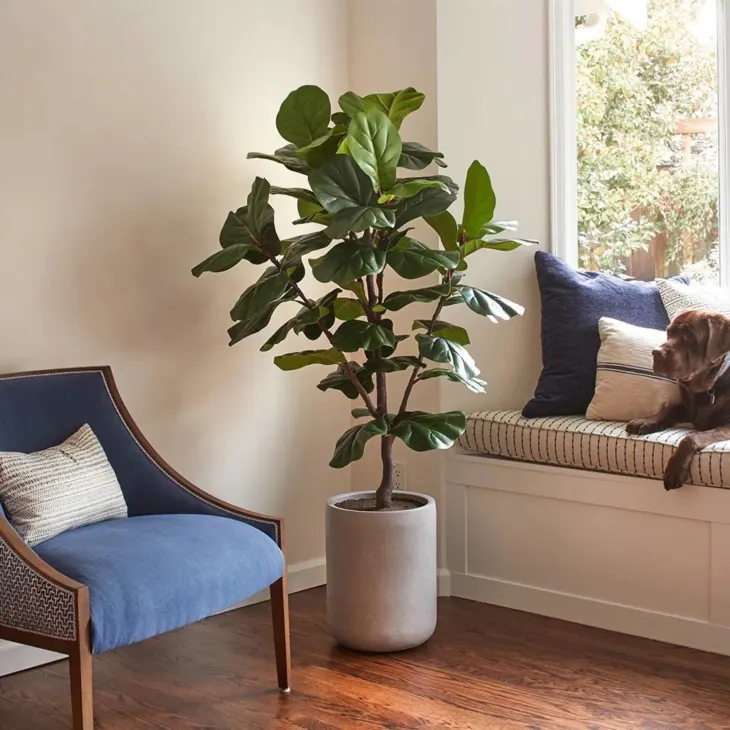
Use for: article hero, collection banner, or category cover for “best fake plants for home”.
When you design living rooms and home offices, you rarely start with plant names. You start with screens and sight-lines. You stand in the doorway, you sit on the sofa, and you open the laptop camera. Then you place the best fake plants for home where they support the story: clean background, soft corners, and no messy soil. Once you fix the layout, product choice and SKU planning become much easier.
What Makes the Best Fake Plants for Home Look Real on Camera and in Person?
Many buyers grab random faux plants on sale and feel disappointed later when the camera shows plastic shine and stiff leaves.
The best fake plants for home have natural scale, soft-matte texture, flexible stems, believable color gradients, and realistic pots, so they pass a quick phone-photo test and still look real from one meter away.
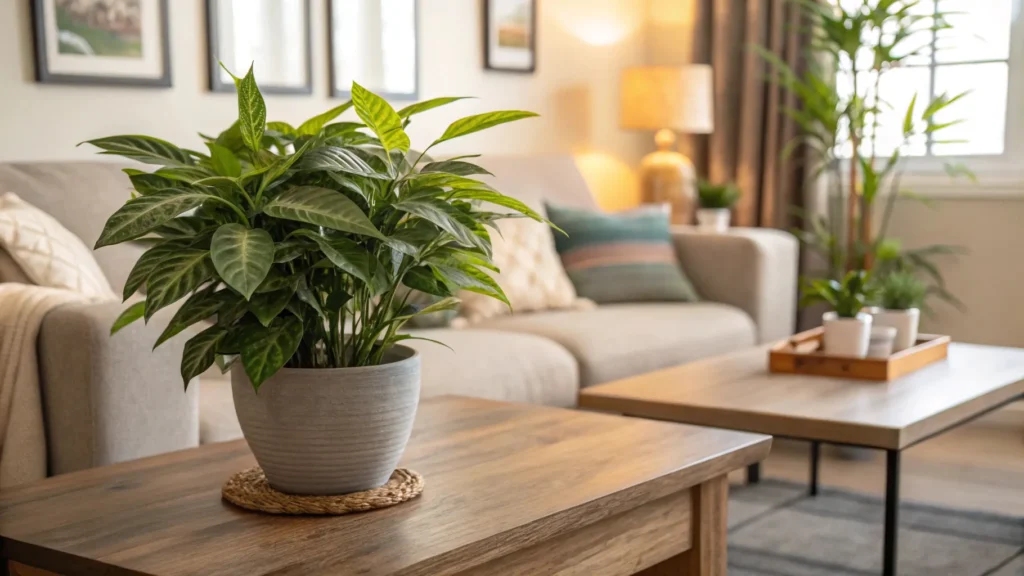
Use for: explaining realism standards to sourcing teams, merchandisers, and interior stylists.
Shape, scale, and proportion
The first test is not color. It is shape. Real plants never grow as perfect cylinders. So the best fake plants for home always have slight irregular shape and natural spread. You can ask simple questions:
- Does the plant height sit above sofa backs and below curtains?
- Does the width fill the corner without blocking a door or socket?
- Does the plant size match furniture scale in photos?
One staging client had a beautiful sofa but a tiny faux plant next to it. In photos, the plant looked like a toy. The team swapped it for a 150–180 cm fiddle-leaf style tree with soft branches. The room looked finished right away, even though only one SKU changed.
Color, texture, and the phone-photo test
The best fake plants for home do not shout color. They use natural greens with soft gradients from stem to tip, plus a mix of matte and gentle sheen. Bright neon greens or flat single-tone leaves often look low-cost on camera.
- Place the plant in the target room.
- Take a normal phone photo with no filters.
- Check glare at thumbnail size, then zoom in for cut-out edges.
If glare jumps out or leaves look like flat plastic pieces, it will not perform as one of the best fake plants for home. You also get better results when you reshape branches after unpacking instead of leaving them crushed from shipping.
Pots, fillers, and styling
Many good plants fail because of bad pots. Cheap shiny pots with visible foam kill realism. The best fake plants for home sit in stable, matte containers that match floors and furniture. You also want enough weight so kids and pets do not tip them easily.
You can top-dress with stones or bark to hide foam and stems. This makes the plant look rooted instead of floating. If your brand sells plant programs, you can also move greenery into your own consistent pot line to keep a clean style across rooms.
For teams who compare maintenance trade-offs, you can link this internal guide naturally: artificial plants vs real plants.
Cleanliness and maintenance
Dust kills realism. Even the best fake plants for home look cheap under a gray film. You can keep it simple: microfiber wipe for fast dusting, soft brush for detail zones, and mild soap wipe only when needed. For a step-by-step routine, you can reference this external guide: how to clean fake plants.
If your projects are photo-heavy or used for listings, you should add a basic cleaning schedule in the handover. This turns fake plants into real visual assets, not random props.
7 Fake Plant Picks for Living Rooms That Guests Think Are Real?
Living rooms carry the main visual story of any home. They appear in photos, guest memories, and listing pages. One wrong plant can ruin scale and color. One right plant can lift the whole space.
The best fake plants for home living rooms combine one tall statement tree, mid-height fillers, and small accents, so corners, consoles, and coffee tables feel connected and alive.
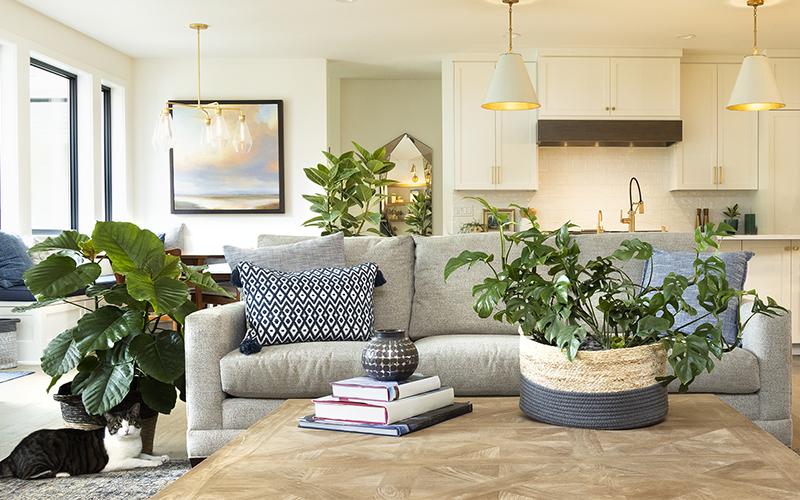
Use for: layout diagrams and mood boards for living room plant packages.
1) Tall fiddle-leaf style tree for dead corners
A 150–190 cm fiddle-leaf style tree is a living room hero. It fills empty corners, softens TV walls, and frames windows. You want mixed leaf sizes, soft matte finish, and flexible branches. One staging team used this style across 20+ apartments because it created the same “finished room” effect every time.
2) Slim olive or eucalyptus tree for narrow spaces
In tight zones near bookcases or sliding doors, slim olive or eucalyptus trees work better than big leaves. They keep the space airy and fit modern styles. One client replaced one bulky tree with two slim trees, and the room looked longer and calmer in photos.
3) Monstera or split-leaf for soft drama
Monstera styles add bold shape without heavy color. You want varied cut patterns, good overlap, and strong inner wires. These work well near reading chairs or beside low consoles where the silhouette shows clearly on camera.
4) Mixed floor planter under TV or window
A low long planter with mixed greenery becomes a green base for a wall. One family home used a 90 cm trough with mixed ferns and grasses under the TV. It balanced the black screen and made the whole wall feel designed.
5) Trailing pothos or ivy on shelves
Shelves can look hard without something soft. A trailing pothos or ivy works well when vines are bendable and leaves avoid strong shine. You can guide one vine over the edge and keep another weaving through books for a natural look.
6) Coffee table bowl arrangement
A low bowl with compact greenery adds life without blocking faces. You want dome shapes, neutral bowls, and soft tones that match rugs and cushions. One client reused the same bowl formula in three homes because it always tied the room together.
7) Mantel or console eucalyptus row
A row of eucalyptus stems in a long thin vessel creates a calm hotel-style line. This is easy to reset and easy to repeat across many living rooms.
7 Fake Plant Picks for Home Offices and Zoom Backgrounds?
Home offices now act as broadcast studios. Cameras are unforgiving. Blank walls, harsh lights, and messy corners show up on screen.
The best fake plants for home offices frame the face, tidy the background, and soften hard lines, so you look professional on Zoom without turning into a gardener.
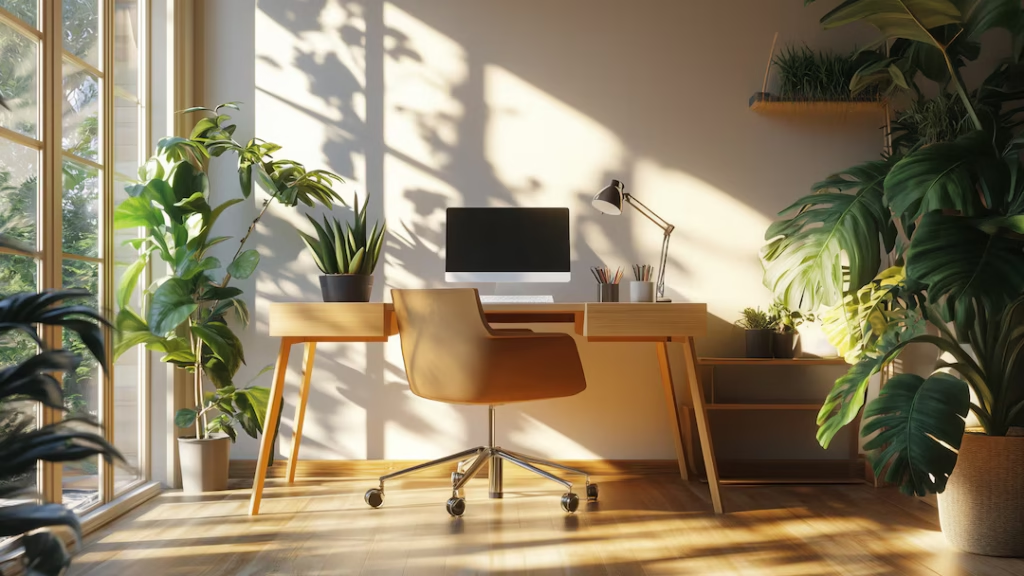
Use for: guides and landing pages for home office and Zoom-ready plant kits.
1) Medium snake plant next to the desk
A 70–100 cm snake plant style is slim and modern. It reads clean on camera and does not look messy. It fits beside desks, between desk and window, or behind a chair.
2) Small fern or palm on the desk edge
A small fern or palm in a 12–15 cm pot adds movement at hand level. It breaks the line between keyboard and screen. Choose matte leaves so light does not bounce hard on camera.
3) Tall palm behind the chair for depth
A 140–170 cm palm in the back corner frames the subject and adds depth. You want many thinner fronds, not a few thick ones, because the background looks softer on video.
4) Shelf ivy or pothos for top shelves
Trailing greenery on the top shelf hides hard edges. Keep it above head level so it does not touch hair or create visual clutter.
5) Low succulent trio near the keyboard
A trio of small succulents works in tight spaces and ships well. They fill empty desk zones under the main camera line and never block screens.
6) Thin column plant near storage units
Column plants soften filing cabinets and storage walls. One small study used a thin plant between a cabinet and window, and the room stopped feeling like a storage zone on camera.
7) Wall-mounted greenery for very small rooms
If floor space is zero, you can use small wall frames or narrow planters. If your office has no windows, you can link this internal guide for ideas: artificial plants for offices with no windows.
7 Low-Maintenance Fake Plants for Rentals, Airbnbs and Show Units?
Hosts and developers need homes to look ready at any time. Real plants fail between visits. Cheap faux plants fade and look bad in listing photos.
The best fake plants for home rentals and show units are neutral, durable, and easy to reset, so listing photos and guest stays look consistent with minimal labor.
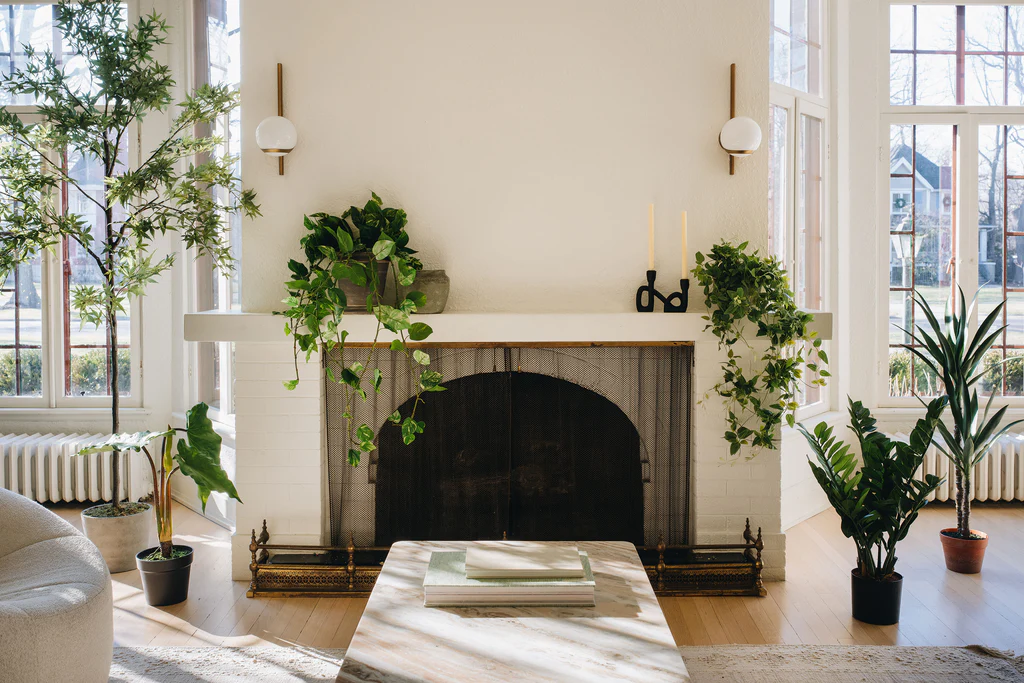
Use for: pitch decks for rental hosts, staging companies, and developers.
1) Neutral hero tree per unit
You choose one hero tree per unit and keep it neutral. Greens only. No bright flowers. This becomes a signature in all listing photos and guest memories.
2) Compact console plant for entry
A mid-height plant on an entry console tells guests the home is cared for. It also creates a clean scale reference in listing photos.
3) Stable bedside greenery
You avoid water-filled bedside vases in rentals. You use small stable plants with heavier pots so they survive kids, suitcases, and cleaning teams.
4) Bathroom shelf plant that handles steam
Bathrooms face steam and poor airflow. You use plastic-leaf plants in closed pots with stable tops. Keep the size small for shelves and tank backs.
5) Kitchen counter herb-style accents
Small herb-style accents near coffee stations suggest freshness without soil, smell, or daily work. One serviced apartment chain used this across many units because photos looked warmer and more lived-in.
6) Balcony planter for bright zones
If there is strong sun, you use UV-stable materials. This reduces the chalky faded look that ruins balcony photos.
7) Show-unit statement planter on the walk path
In show units, one strong planter near dining or hallway guides the walk path. Agents often report visitors spend more time in key rooms when the flow feels designed.
Buying Checklist: How You Choose the Best Fake Plants for Home Projects?
Many teams treat plant buying as a last-minute decor decision. They mix suppliers, sizes, and quality levels, then wonder why the final result feels random.
A strong buying process starts from room maps and camera lines, then checks materials, realism, safety, cleaning, and supplier stability before you approve any SKU.
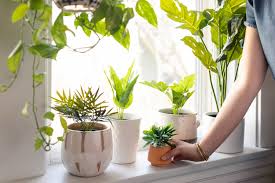
Use for: sourcing playbooks, RFQ templates, and internal standards.
Step 1: Map rooms, sight-lines, and heights
- You mark where people sit, stand, and work.
- You note camera angles for photos and video calls.
- You decide how many tall, mid, and small plants each room needs.
This prevents plant clutter and keeps the best fake plants for home focused on important angles.
Step 2: Define style and color rules
- Pick 1–2 hero tree types.
- Pick 2–3 greenery families for mid pieces.
- Use small accents only where they add function on camera.
Simple rules make inventory easier and keep photos consistent across many projects.
Step 3: Set material and realism minimums
- Matte or soft-sheen leaves, no mirror shine.
- Strong inner wires for shaping.
- Stable pots with enough weight.
- Clean glue lines and hidden foam.
For bright indoor windows or balconies, you can also cross-check UV planning with this internal guide: UV safe artificial flowers.
Step 4: Plan cleaning and care SOPs
- Weekly: quick dust with microfiber or soft brush.
- Quarterly: mild soap wipe where needed, then air-dry.
- Yearly: reshaping check, pot refresh, and damage review.
To keep staff aligned, you can include these internal links in your SOP library: how to dust artificial flowers and how to wash silk flowers.
Step 5: Align logistics, packaging, and replacements
- Use strong cartons and inner supports.
- Mark up/down clearly.
- Add a simple reshaping instruction card.
For large projects, you can hold buffer stock for hero items so replacements do not break your room plan.
You can get a reusable “best fake plants for home” kit plan for living rooms, home offices, rentals, and show units.
Conclusion
When you standardize the best fake plants for home by room, height, and material, you get living rooms, home offices, and rentals that stay photo-ready without daily plant stress.
FAQ: Best Fake Plants for Home — B2B Buying Questions
1) How many SKUs do you need for a best fake plants for home collection?
Most teams perform well with 15–30 SKUs: hero trees, mid plants, and small accents with strict style rules.
2) Which rooms should you style first?
Living rooms and home offices first, then bedrooms and balconies, because these zones show most in photos and listings.
3) Can you use the same range for homes and small commercial spaces?
Yes. You can reuse the same core range and adjust pot style and quantities by location.
4) What is the biggest mistake buyers make?
They buy random pieces by price instead of using a mapped layout and a short approved list.
5) How long do indoor faux plants last?
With good materials and basic cleaning, many indoor pieces last several years. You refresh when style or pot trends change.
6) Are UV-rated pieces worth it near bright windows?
Yes for strong sunlight zones. UV-stable materials reduce fading on key hero items.
7) Can you private-label pots and packaging?
Yes. You can apply branded pots, hangtags, inserts, and packaging to turn the line into a brand asset.
8) How do you avoid clutter?
Use a simple count rule per room: one hero height, one mid mass, and one small accent where it helps the camera angle.
9) What should you include in an RFQ?
Room types, target heights, style palette, photo references, volumes, and any UV or compliance needs.
10) How do you train staff to handle faux plants?
Add plant care into normal cleaning manuals and use one photo standard per room as the target look.