
Flowers for Hotels — Real vs Silk: 13 Lobby Layouts That Protect Budget?
Hotel flowers can drain budget fast. Daily fresh stems look amazing for three days, then invoices stay high while vases feel empty, inconsistent, and hard for staff to maintain.
The best way to choose flowers for hotels is to mix real, silk, and hybrid layouts by zone, so lobbies stay impressive, rooms stay practical, and your three-year budget stays predictable.
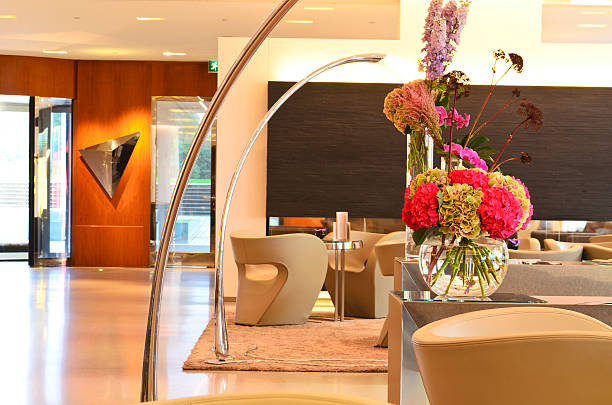
Use in: overview banner for hotel owners, asset managers, and brand teams comparing real vs silk flowers for hotels.
When I help a hotel group rework flowers for hotels, I never start with “Do you prefer real or faux?” I start with zones, traffic, and budget. Once we map these, the answer becomes very clear: some zones deserve fresh stems, some demand silk, and many work best with a smart mix. That is how you protect your numbers and still keep guests happy.
Why Flowers for Hotels Are a Strategic Brand Decision?
Hotel teams often see flowers as a décor line, not a strategy line. Then the budget feels random, and results depend on whoever is on duty that week.
Flowers for hotels are a strategic brand decision because they influence first impressions, photo content, review scores, and how guests read your daily rate long before they see the room.
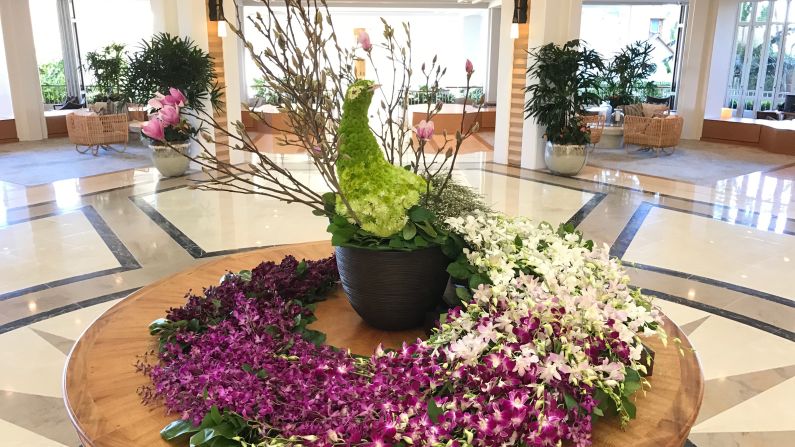
Use in: internal brand manuals explaining why flowers for hotels sit under brand, not only under housekeeping or purchasing.
Flowers signal your price point before staff speak
When a guest walks into a lobby, they read surfaces in seconds. They notice flowers for hotels even when they cannot describe them. Big fresh arrangements signal “we invest every day.” Flat plastic stems say “we cut corners.” Balanced silk designs with good vases say “we manage cost but respect details.”
I saw this in a regional business hotel chain. Their rooms were newly renovated, but reviews still said “dated lobby.” They used small, tired fresh arrangements that arrived twice a week. Stems drooped on day three. Budgets were tight, so they could not upgrade the florist program. We did a full audit together.
I mapped their key sight lines, then I showed the owner how flowers for hotels could move into three roles:
- Signature fresh arrangements at check-in islands.
- High-grade silk in long-view zones and high shelves.
- Green walls and planters to frame seating.
We cut low-impact fresh spend and replaced it with strong silk layouts in the background. We kept one hero fresh contract in the front. Within months, lobby photos online shifted. Guests started to mention “fresh feeling” and “nice lobby” even though the flower budget did not increase. They simply used it more strategically.
Flowers affect operations and guest experience every day
Flowers for hotels also shape how easy it is for staff to work. Heavy fresh programs create extra tasks: buckets, water changes, deliveries, and mess. Overloaded teams take shortcuts, then arrangements look poor and smell tired. The wrong mix hurts both staff morale and guest comfort.
When I design flowers for hotels now, I put operations on the same level as aesthetics. I ask:
- Who touches these flowers every day?
- How many minutes do they really have?
- What happens on a full check-in day?
I also point GMs to content like artificial plants vs real plants so they see how the same debate works in planters. Once leadership treats flowers as part of the brand system, not just decoration, decisions become much easier and much more consistent.
Zone Map: Where You Use Real, Silk and Mixed Flowers in a Hotel?
Most hotel teams feel the “real vs silk” fight as a yes/no argument. In practice, the smart question is different: in which zones do real flowers create value, and in which zones do silk flowers protect budget?
You build a zone map for flowers for hotels by looking at traffic, guest distance, light, humidity, and staff capacity, then you assign real, silk, or mixed solutions to each category.
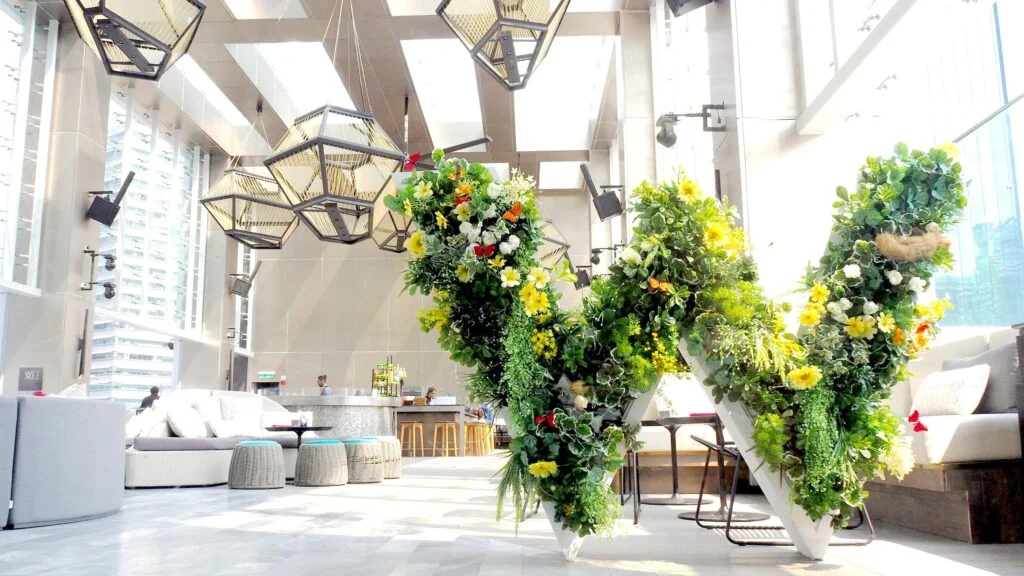
Use in: PowerPoint slides when aligning owners, operators, and designers on a long-term flowers for hotels plan.
High-impact front zones
I always start with front-of-house high-impact zones:
- Main lobby entrance line
- Check-in islands and front desk
- Main lobby lounge seating
- Key photo spots guests share online
Here, guests stand close. Cameras zoom in. Scent can work for you. In many brands, these are the right places for real flowers or mixed designs. One city hotel kept one large fresh arrangement at the main island, surrounded by smaller silk and greenery. Guests smelled “fresh,” but 70% of the volume around it was permanent.
Mid-view and background zones
The next layer includes:
- Back walls
- Columns
- Console tables behind seating
- Shelves and high niches
Guests see these frames from a distance. They read color, mass, and silhouette, not petal detail. This is where silk flowers for hotels shine. Good silk stems with strong vases and planters stay stable for years and only need dusting. I usually combine them with commercial outdoor plants for terraces and semi-outdoor spots so the whole visual language feels consistent.
Low-impact, high-maintenance zones
Finally, there are zones where flowers drain time but do not move reviews:
- Long corridors
- Service lift lobbies
- Back-of-house doors
- Tiny, fast-moving F&B corners
Here, I often remove flowers completely or use very simple, permanent greenery. It is better to declare “no flowers here” than to pretend and keep one sad bud vase that never matches your brand.
One coastal resort I worked with tried to put a tiny fresh bud vase at every lift lobby. Housekeeping had to change water on four floors. Guests barely noticed. We removed them, concentrated budget into three strong lobby and restaurant focal points, and results improved. Understanding where flowers for hotels do not need to appear is as important as choosing where they must shine.
5 Lobby & Reception Layouts That Impress Guests All Year?
Many GMs tell me they understand the theory but still ask a simple thing: “Can you just show me what to put where?” They want concrete lobby layouts that staff can repeat across sites.
You can turn flowers for hotels into a set of lobby and reception layouts by fixing a few repeatable models that mix real and silk, then documenting them with clear photos and stem counts.
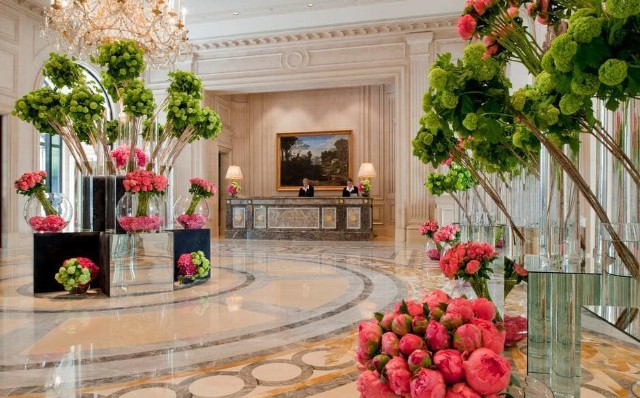
Use in: lobby playbooks, brand standards, and openings checklists for new hotels.
Layout 1: Signature island with real halo, silk frame
In one upscale business hotel, I designed a central island like this:
- One fresh, seasonal arrangement at eye level
- Four silk arrangements on lower shelves
- Greenery planters at floor level
Guests walked in and smelled fresh lilies, but 80% of the visual volume came from silk flowers for hotels and permanent foliage. The florist contract covered the central piece only, refreshed twice a week. Photos looked “fresh,” and costs stayed under control.
Layout 2: Reception desk low line, all silk
At the reception desk, many brands now move to low, wide, silk arrangements. Real flowers can drop petals on paperwork and keyboards. I often use silk hydrangea, roses, or mixed greenery in low vases.
In a regional chain, I wrote a simple standard: “Reception flowers for hotels must sit under 25 cm and use permanent stems only.” We combined that with a maintenance guide based on how to dust artificial flowers. Front-office managers loved it because it removed daily water and leaf cleanup.
Layout 3: Lobby lounge corner with silk plus live plant
Some corners need life but not a full fresh program. I like to pair:
- One tall live plant in a pot
- A small silk arrangement on a side table
I used this layout in a boutique hotel with low natural light. The big plant sat near the window, while silk flowers for hotels filled darker pockets where real plants struggled. Guests saw a coherent, green story; staff only had to water the big plant.
Layout 4: Media-friendly photospot mix
For photospots, I design one “media wall” with mostly permanent greenery and silk flowers, then add a few fresh elements for special events. For example, a silk flower arch in the lobby with fresh blooms tied in for weddings or holidays.
One property wanted endless photo content without endless florist hours. We built a silk base, then trained staff how to attach and remove fresh clusters. Over time, they saw how flowers for hotels can serve both daily operations and social media strategy.
Layout 5: Budget-safe corporate lobby
In mid-scale corporate hotels, I use simpler layouts:
- Two identical silk arrangements flanking the entrance
- One moderate fresh bouquet only on peak days, such as Friday or key events
A GM once told me, “I want guests to feel respected, but my owner watches every invoice.” We built a schedule where flowers for hotels shift from silk-only on soft days to silk plus fresh on peak days. Staff had a clear calendar; finance had clear numbers.
4 Room, Corridor & F&B Flower Strategies That Don’t Overload Staff?
Rooms, corridors, and F&B areas are where flower ideas often die. Staff do not have time. Bud vases get dusty. Water spills on trays. The question is not “real or silk,” but “what can this team handle every single day?”
You protect both brand and staff when you design flowers for hotels that match cleaning cycles, tray routes, and service peaks instead of fighting them.
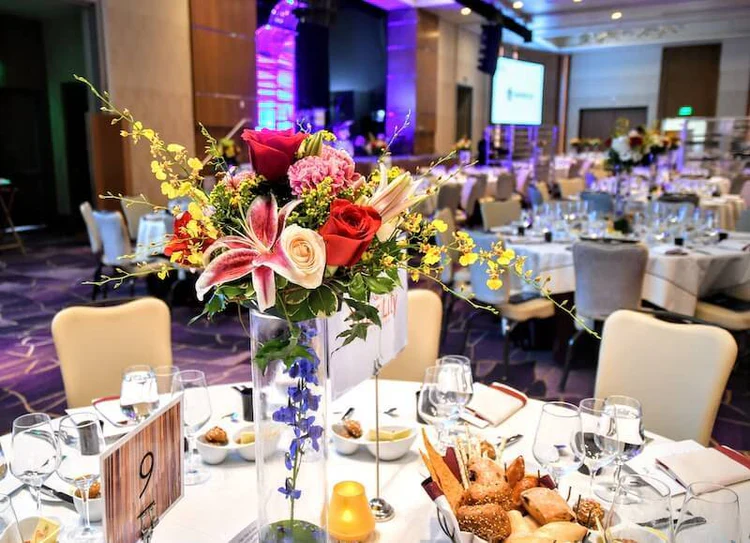
Use in: housekeeping and F&B SOP manuals showing practical flowers for hotels solutions.
Strategy 1: Rooms without daily flower pressure
In most standard rooms, I now recommend no fresh flowers at all. Dust, pollen, and water create issues. Instead, I suggest:
- A small, stable silk arrangement
- Or a piece of green wall art
- Or no flowers, but stronger lobby layouts
One regional chain always asked why “room flowers” never looked good in reviews. Housekeeping could not keep up. We removed fresh room flowers across the brand and reinvested that budget into better flowers for hotels in lobbies and suites only. Complaints dropped, and reviews started to speak more about “clean, calm rooms” rather than “tired little vases.”
Strategy 2: Suites with hybrid flowers
Suites have more revenue per stay and more photo impact. Here, I like a hybrid model:
- One small fresh arrangement on arrival
- One or two silk arrangements in low-touch corners
In a coastal resort, I set a rule for suites: a welcome fresh bouquet only for check-in, then a switch to silk after two days for long-stay guests. Housekeeping only had to handle that swap once. The GM told me this hybrid approach finally made flowers for hotels feel “luxury but realistic.”
Strategy 3: Corridors with greenery and art
Corridors are long, narrow, and hard to maintain. I rarely use flowers here now. Instead, I choose:
- Greenery frames
- Wall art with botanical themes
- Occasional silk arrangements at key turns only
I explain to owners that flowers for hotels must earn their place. In one tower hotel, we replaced corridor bud vases with framed botanical prints and placed one bold silk arrangement at each corner that opened onto a view. Staff saved time; guests stopped brushing into vases.
Strategy 4: F&B areas with clear rules by outlet type
F&B spaces vary:
- Buffet restaurant: high risk for petals and scent
- Fine-dining: higher expectation for fresh
- Lobby bar: flexible
In a city hotel with three outlets, we built three concepts. The buffet used only greenery and silk flowers for hotels, with no scent and no pollen. The fine-dining restaurant had real flowers on the host stand and one feature piece on the bar. The lobby bar used silk on shelves and live plants near windows. Staff finally had clear rules instead of guessing every week.
I sometimes link F&B managers to guides like how to wash silk flowers so they know how to deep-clean silk centerpieces during downtime without damage.
3-Year Cost and Maintenance Comparison for Hotel Flower Programs?
Owners often ask me one thing: “Show me numbers.” They do not need perfect spreadsheets. They need a clear view of how different flower programs behave over three years, not just in month one.
When I compare flowers for hotels across three years, I look at total cost, staff time, waste, and the risk of inconsistency between properties, then I match that picture to your brand level.
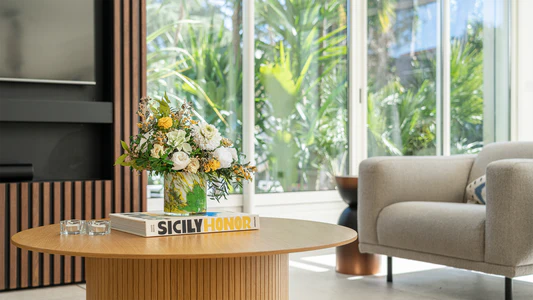
Use in: owner presentations when presenting new flowers for hotels strategy and budget scenarios.
Pure fresh program vs pure silk vs hybrid
When I model flowers for hotels, I usually build three scenarios:
- Pure fresh in all key zones
- Mostly silk with minimal fresh
- Hybrid with fresh in core hero spots, silk elsewhere
In a city-center portfolio of five hotels, we ran this exercise. The pure fresh program looked amazing on day one but needed constant oversight. Costs were high and variable. The pure silk program was cheap to run but felt flat and did not match their “upper upscale” promise.
The hybrid program won. We placed fresh flowers only in main lobbies and fine-dining, then used silk flowers for hotels in reception, lounges, and corridors. Over three years, they saved a clear amount on florist contracts and staff time while still improving photo quality and guest comments.
Maintenance and training
I also measure how much training each scenario needs. Pure fresh programs depend on florists and strong internal champions. Pure silk programs need dusting, deep cleaning, and the occasional reset. Hybrid programs need both, but in defined zones.
To make this real for teams, I sometimes connect them to practical content like how to fill a vase with fake flowers so they can see that even silk displays follow clear formulas. When staff understand flowers for hotels as repeatable procedures, not mysterious “art,” their confidence grows. Turnover hurts less, and standards survive staff changes.
Risk and brand consistency
Finally, I talk about risk. A pure fresh program can look great, but if you lose a key florist or a strong GM, quality drops fast. A well-documented hybrid program with good silk backbones stays stable even when people move.
In one chain, a strong GM loved fresh flowers and carried the whole program. When she changed properties, the flowers for hotels collapsed in six months. After that, the owner agreed to invest in a silk backbone with clear layout guides and only add fresh in a few controlled places. The brand image stabilized again.
Want a hotel flower program that guests notice and owners trust?
I design flowers for hotels as scalable systems, not one-off “Instagram moments.” If you want a zone map, layout kit, or private-label silk line that matches your brand, I am ready to help.
Conclusion
When you treat flowers for hotels as a zone-based system that mixes real and silk by purpose, you protect your lobby look, your staff time, and your three-year budget at the same time.
FAQ: Flowers for Hotels — Real vs Silk
1. Are silk flowers acceptable in four- or five-star hotels today?
Yes. Many four- and five-star brands now use high-grade silk flowers for hotels in background zones, then keep real flowers only in key front-of-house focal points and fine-dining.
2. Where should I always use real flowers in a hotel?
I often suggest real flowers at the main lobby island, VIP welcome desks, and fine-dining host stands. These spots are close to guests and cameras, so fresh texture and scent work hardest.
3. Where do silk flowers make the most sense in a hotel?
Silk flowers for hotels work best on reception desks, shelves, high niches, long lobby walls, corridors, and most buffet areas, where scent and daily water changes are a problem.
4. How often do silk flowers need cleaning in a busy hotel?
Most hotels dust silk flowers weekly and give them a deeper clean every one to three months, depending on local dust. Clear SOPs and simple tools keep this fast and safe for staff.
5. Can I mix real and silk in the same arrangement?
You can, but I prefer to mix them by zone, not in one vase. It is easier for staff to manage, and it keeps the story simple: guests still see strong real touches without confusion.
6. What budget share should I plan for flowers in a mid-scale city hotel?
There is no fixed percentage, but I start from your lobby size, brand level, and occupancy. We then build three scenarios for flowers for hotels and test them against your forecast and owner expectations.
7. How do I keep lobby flowers consistent across many properties?
You create a zone map, a small library of standard layouts, and a clear photo playbook. Then you secure a silk backbone, plus simple rules for local florists who handle fresh pieces.
8. Do guests really notice if we switch from fresh to silk?
Guests notice quality and balance more than they notice stem material. If silk flowers for hotels are realistic, well sized, and clean, most guests read them as “good décor,” not “cheap plastic.”
9. How should I brief a florist or supplier for a new hotel opening?
Share your zones, brand level, and target mix of real and silk. Ask them to propose concrete layouts, stem counts, and maintenance schedules, not only mood boards or inspiration images.
10. Can I test a hybrid flower program in one property before rolling it out?
Yes, and I recommend it. Start with one flagship hotel, document costs and guest reactions for a few months, then use that data to refine and extend your flowers for hotels strategy to the rest of the portfolio.
Further Reading
- Learn strategies for budget management in hotel floral arrangements to maximize impact without overspending.
- Explore how flowers for hotels can enhance ambiance and guest experience in hospitality spaces.
- Review key differences between real and artificial flowers so you can choose the best mix for your hotel brand.