
How to Plant Artificial Flowers in Pots: 7 Outdoor-Pro Layouts That Don’t Tip, Fade, or Look Fake?
Many buyers learn the hard way that the real problem is not how to plant artificial flowers in pots. The real problem is keeping those pots stable, realistic, and low-maintenance after six months of wind, sun, and guests.
For many B2B buyers, How to Plant Artificial Flowers in Pots becomes part of their exterior branding strategy, not just a decorating detail.
You handle how to plant artificial flowers in pots like a pro when you design the base as a small engineering job, lock stems so they cannot move, use simple layout rules, and match outdoor materials and maintenance to your climate and labor plan. When you treat How to Plant Artificial Flowers in Pots as a repeatable system instead of a one-time project, your planters start working like long-term brand assets.
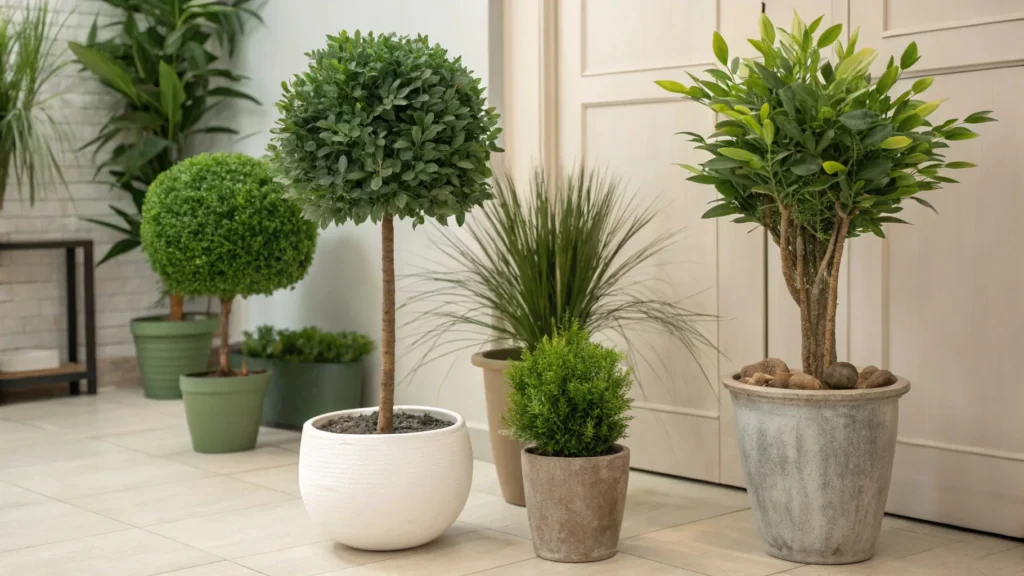
When you build a system like this, each planter becomes a repeatable asset. Your team can copy the same logic for hotel entrances, shopping streets, rooftop bars, and wedding venues. You stop fixing planters every week and start using them as stable brand touchpoints.
What Base System Stops Pots from Tipping in Wind and Foot Traffic?
Most complaints about outdoor pots are not about color or style. They are about pots that move, slide, or fall when wind hits or when guests brush against them. This is the main risk when you think about how to plant artificial flowers in pots for outdoor use.
How to Plant Artificial Flowers in Pots is not just a design question here; it is a safety and stability question, especially when you deal with busy commercial entrances and public walkways.
You stop pots from tipping when you bring the center of gravity as low as possible, add controlled ballast, and connect the inner structure to the pot shell so the whole planter behaves like a single solid unit.
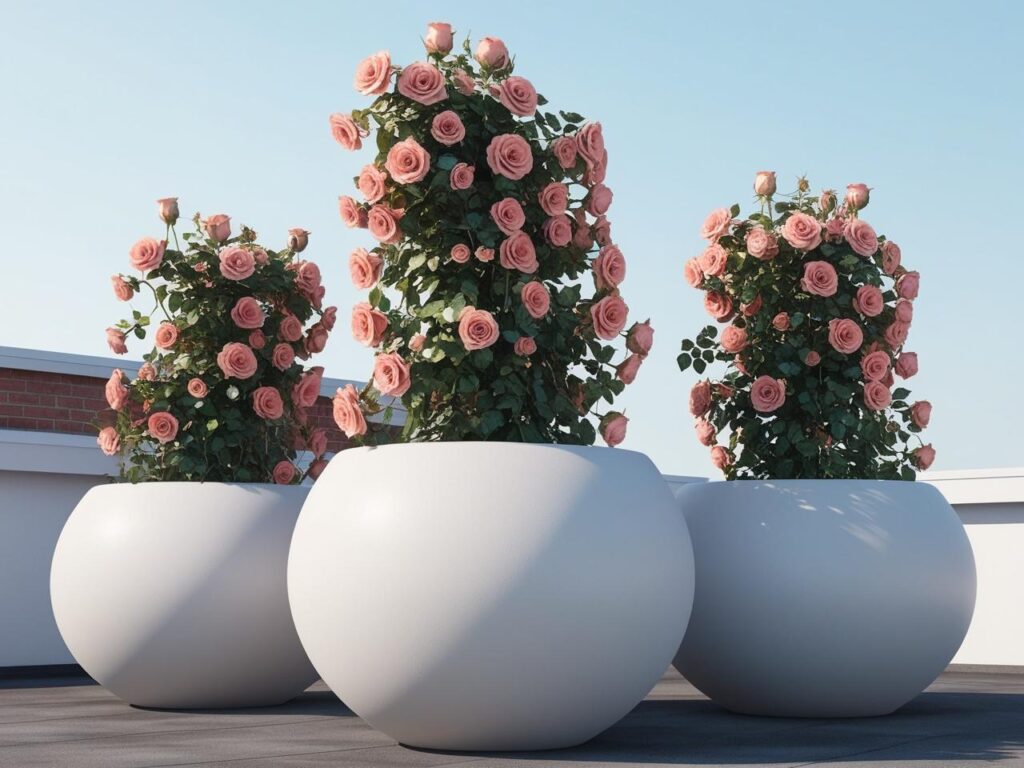
Why pots fail in real-life projects
On one retail street project, the client used tall, narrow fiberglass pots with only loose foam and some gravel inside. The flowers looked good. But after the first weekend, security reported two near-falls when children leaned on the pots. The base was light, the weight was high, and the insert was not fixed to the shell.
This is very common:
- The pot stands on an uneven surface.
- Ballast is too light or sits too high.
- The inner insert can move separately from the shell.
- Cleaning staff drag pots instead of lifting them, which shifts the weight inside.
When you think about how to plant artificial flowers in pots at scale, you want a base design that survives this kind of daily abuse.
A layered base system you can standardize
You can use a simple, repeatable structure for most commercial pots:
1. Full ground contact
You make sure the pot has stable contact with the ground. If the surface is uneven, rubber shims or a thin leveling pad in cement help remove rocking. On one hotel driveway, a small leveling step removed almost all micro-movement, so the pot no longer walked forward over time.
2. Dense ballast at the very bottom
You add weight at the lowest point. Paving stones, concrete slabs, or sealed gravel bags work well. The goal is simple: more mass low, less mass high. For windy sites, the internal ballast can easily reach 25–40% of the total pot height.
3. Rigid insert above the ballast
You place a rigid board or liner above the ballast. PVC board, composite panel, or a custom plastic liner can work. This piece should sit snug against the inner walls so it cannot slide when the pot moves slightly.
If you already follow a wholesale artificial flowers quality checklist, you can add this base insert to your standard spec so every planter uses the same logic.
4. Mechanical connection
Where local rules allow, you connect the insert to the pot. This can be small screws through the inner wall, or a threaded rod that runs from a block at the bottom through the insert. Now, when someone pushes the pot, pot + insert + ballast react together, not in separate layers.
In a restaurant chain with outdoor seating, this change alone removed almost all pot movement during one full season. Before that, staff were pushing pots back into position almost daily.
5. Top rim protection
You protect the top rim with felt or rubber when staff need to move the pot. This stops micro-cracks and chips that can grow into bigger damage over time.
When you design how to plant artificial flowers in pots with this base logic, you reduce risk, claims, and labor without changing the visible design. It also gives you a clear internal standard for How to Plant Artificial Flowers in Pots in every new location you open.
How Do You Lock Stems So They Don’t Rotate or Sink Over Time?
Many teams solve pot weight but forget stem stability and basic anchoring methods. After a few months, stems twist, lean, or slowly sink. The pot still stands, but the layout looks tired and messy.
When they first explore How to Plant Artificial Flowers in Pots, they often think only about color and height and do not plan how stems will behave after thousands of small touches from guests and staff.
You lock stems when you treat the top zone like a simple grid system. You create a firm core, pre-plan stem positions, and group stems so they support each other instead of fighting gravity alone.
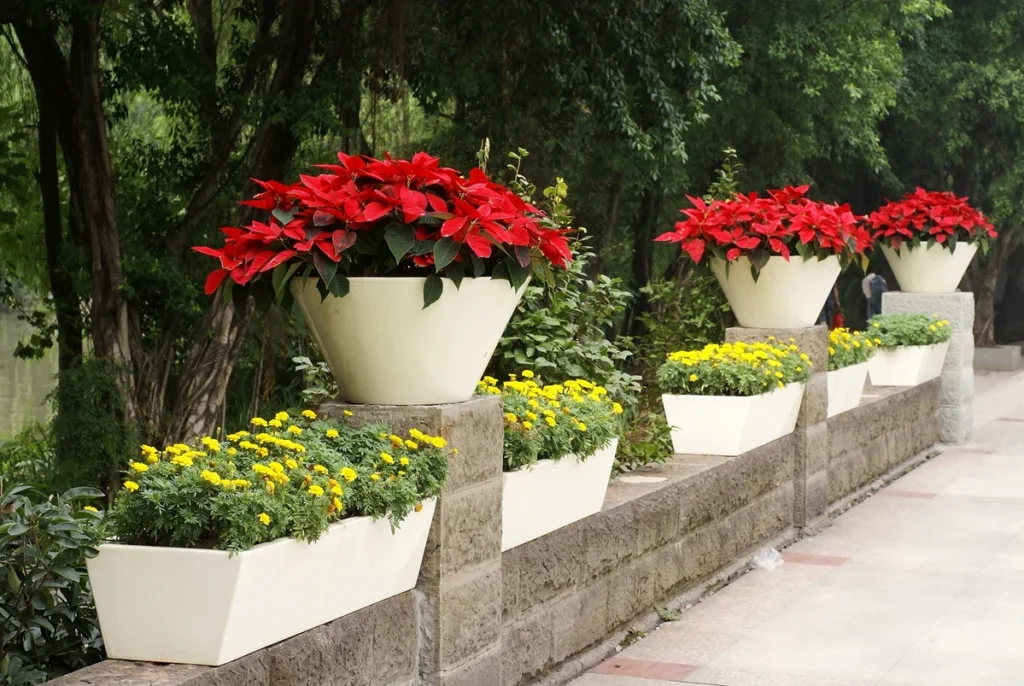
Why stems move even when the pot is heavy
In one wedding venue, entrance pots had enough weight, but stems lived only in soft foam. Each time staff opened the heavy doors or guests brushed past, stems rotated a few degrees. After two months, the fronts looked thin and the backs were crowded. The pot did not fail; the layout drifted.
Typical reasons:
- Foam is too soft or too shallow.
- Stems are not anchored deep enough.
- Stems are placed one by one with no structure.
- Staff adjust stems during cleaning and do not put them back in the exact angle.
When you think about how to plant artificial flowers in pots for venues with many guests, this stem drift becomes a big issue for your brand image.
A practical stem locking method
You can standardize a method like this:
1. Create a bonded core
You place a foam block above the ballast and glue it to a thin PVC or wood board. The board sits flush on the foam and acts like a lid. This bond is important because it prevents independent movement.
2. Pre-drill a simple grid
You draw a light grid or layout marks on the board and pre-drill holes in key positions. Each hole belongs to a thriller, filler, or spiller stem. This plan forces you to think about the final shape before you start inserting stems.
For large rollouts, you can even create a template board and copy the same pattern from project to project.
3. Group stems in small bundles
You tie 3–5 stems with cable ties. One stem in each bundle is the “spine,” slightly thicker or stronger. This bundle goes into one drilled hole. When guests touch one stem, the whole bundle resists movement.
4. Anchor key stems deeper
The main thriller stems go deeper into the foam. In some cases, they pass through a second foam layer or into a small drilled cavity in a block below. This deeper anchor stops slow sinking over time.
5. Lock the surface with top dressing
You cover the board with stones, bark, or artificial moss as top dressing. This hides the structure and limits accidental pulling because guests see a finished surface, not open foam.
In a resort where this method was used, the facility team reported almost no repositioning work after the first few weeks. For them, the question of how to plant artificial flowers in pots changed from “How do we fix this again?” to “How do we copy this system into new areas?”
If you already treat wholesale artificial flowers samples as mini test runs before big orders, you can use the same idea here. Test one planter with a full locking system, let it run for a season, then standardize. This is one of the fastest ways to refine your own internal standard for How to Plant Artificial Flowers in Pots in busy venues.
What Layout Rules Make Artificial Flowers Look Real in Planters?
Even when pots are stable and stems are locked, a layout can still look fake. The most common reason is visual noise: too many colors, too many varieties, and no clear height story.
You create real-looking layouts when you reduce choice. You decide one clear focal point, limit bloom types, build simple height steps, and repeat the same structure across locations with only small changes. Strong brands treat How to Plant Artificial Flowers in Pots as a layout discipline, not just a shopping list of flowers.
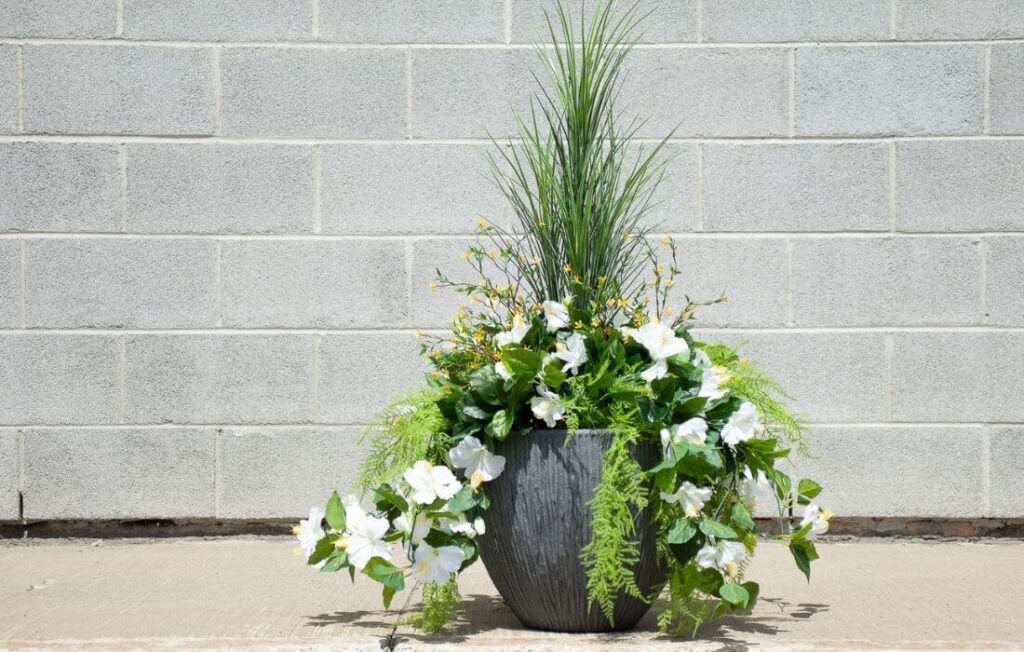
Simple layout rules you can roll out across sites
On a mixed-use street, one client first wanted each entrance planter to be unique. Their internal team approved big mixes of roses, peonies, hydrangeas, tulips, and many colors in every pot. On site, the street looked busy and fake. It also made it hard to re-order the exact same mix later.
The layout changed when they followed a few basic rules.
1. Use the thriller–filler–spiller framework
You choose:
- One strong vertical or structural element as the thriller.
- One or two main bloom types as fillers.
- Trailing greens or flowers as spillers over the rim.
This is a classic live-plant rule, but it fits perfectly when you think about how to plant artificial flowers in pots for B2B work. It gives your team a common language.
2. Limit bloom types and colors
You pick one main bloom type plus one supporting bloom type. You use two main colors plus shades of green. The result feels curated, not random.
For example, in a cafe chain, the street planters used only white hydrangea as thriller, soft pink roses as filler, and rich ivy as spiller. The street felt calm and premium. Guests often took photos in front of the planters.
3. Repeat structure, change accents
You repeat the same structure in most pots. You only change one detail: filler color, trailing vine type, or one seasonal accent. This helps procurement and keeps the brand identity strong.
When buyers ask about how to plant artificial flowers in pots for multi-site chains, this is often the layout logic that works best.
4. Respect simple height steps
You avoid cutting every stem to the same length. The back or center holds the tallest stems, the mid-zone holds fillers, and the edges hold spillers. You leave some air around the focal area so light and shadow can do their job.
5. Match layout to viewing distance
For fast, drive-by locations, like roadside restaurants, you choose bolder shapes and colors that read from a distance. For hotel lobbies and terraces, you focus more on texture and detail because guests stand closer.
Resources on floral color theory, such as design guides from event software and floral planning platforms, can help your internal team train their eye when they design layouts.
When this street client applied these rules, their photographer said it became much easier to shoot good images for their site and social feeds. The question stopped being “Why does this look fake?” and became “How do we extend this style into our next branch?”
Which Materials Work Best for Outdoor Pots (Heat + Sun Reality)?
Outdoor conditions are brutal. UV, heat, rain, and pollution expose weak materials. Many teams use indoor-grade stems outside for a season, then face fading, shine, and brittle plastic.
You choose materials by climate, not by guess. You map sun hours, temperature, and air quality, then match stems, foliage, pot shells, and top dressing to those conditions. This step is central to How to Plant Artificial Flowers in Pots in a way that survives more than one season.
Building a simple material map for your climate
In a rooftop bar project, a client used standard indoor stems at first. After three months, red blooms turned washed-out and leaves showed a grey shine. Daytime photos looked poor, even if the night atmosphere was good.
To fix this, the team built a material map:
1. Define climate zones
They listed:
- Direct sun hours per day in peak season.
- Typical high temperatures on surfaces.
- Nearby elements: sea air, pool chlorine, urban pollution.
This gave a clear “risk profile” for each pot location.
2. Choose UV-stable foliage and blooms
For high-sun zones, they moved to UV-stabilized PE or PVC foliage and outdoor-rated petals. Many reputable brands, such as Nearly Natural and other outdoor specialists, explain on their blogs why UV inhibitors and pigment quality are key for outdoor faux plants. That kind of guidance supports internal decisions and avoids costly trial-and-error. A good example is this guide on UV-resistant outdoor plants.
3. Upgrade pot shells
They replaced thin plastic shells with fiberstone and cement-blend planters in the most exposed areas. In moderate zones, they kept resin but with thicker walls and UV additives.
For some very hot sites, they avoided black pots in full sun. Black surfaces can get extremely hot and speed up aging.
4. Add protective top layers
They added stones and bark as top dress to protect foam and stems from direct UV. In some locations, this simple layer slowed visible aging of the upper structure by one or two seasons.
5. Set replacement expectations
They agreed on a realistic replacement cycle. High-impact rooftop areas would refresh every 18–24 months. More shaded corners could run longer. This helped budget planning and set the right expectations internally.
When buyers ask how to plant artificial flowers in pots and make them last, this material map is often the missing step. If you already focus on long-term value in your bulk buy artificial flowers strategy, adding a material–climate matrix will protect those investments. It also becomes a reference document for your whole team whenever someone asks internally about How to Plant Artificial Flowers in Pots for a new climate zone.
For deeper technical background, external resources on UV-stable plastics and outdoor coatings from material science blogs and manufacturer sites can support your internal documentation and RFQs.
How Do You Maintain Planters With Low Labor Between Seasons?
A planter program fails if it needs constant “rescue.” If every season change requires a full rebuild, your team will quickly see planters as a burden, not a brand asset.
You keep maintenance low by designing a fixed backbone, planning seasonal modules, and writing a simple checklist that non-specialist staff can follow without long training. If you want How to Plant Artificial Flowers in Pots to stay profitable over several years, maintenance must be part of the plan from day one.
Turning planter care into a simple SOP
In an office tower with lobby planters, the facility manager complained that each refresh took too long. The team removed all stems every time, then rebuilt layouts from scratch. This made the process complex and inconsistent.
When they reviewed how to plant artificial flowers in pots from a maintenance point of view, the plan changed.
1. Build a permanent backbone
They set one permanent layer of deep greens and structure stems. This backbone stayed all year. It provided volume, height, and link between seasons.
Only the seasonal “face” changed: spring blooms, summer color, autumn tones, and winter accents.
2. Color-code seasonal bundles
Seasonal bundles got small tags or cable ties in different colors. When a season ended, staff removed only that color and stored those bundles. The backbone remained in place and needed only light cleaning.
This simple coding meant even new staff could understand the system in minutes.
3. Use a basic cleaning routine
Once a month, staff used:
- A soft brush or blower for dust.
- A damp cloth for key focal stems.
- Mild soapy water only where material specs allowed it.
In regions with heavy dust, some teams combined compressed air with cloth cleaning on visible blooms. The goal was not perfection. The goal was “good enough” in a short time slot.
4. Add an inspection checklist
The checklist was short:
- Does the pot move when pushed lightly?
- Are any stems loose or clearly tilted?
- Has any color shifted badly?
- Is top dressing still covering the structure?
If any answer was “yes,” staff flagged the planter for deeper attention on the next scheduled maintenance day.
When the building applied this SOP, planter labor dropped sharply. At the same time, the visual standard went up because layouts stayed stable across the year.
If you already work with structured processes in sourcing and quality, as you do when you apply wholesale artificial flowers supplier red flag checks, you can treat planter maintenance in the same way: simple, repeatable, and easy to train.
Work With a Partner Who Designs the Whole Pot System
When you select a supplier who understands how to plant artificial flowers in pots from base to layout to maintenance, you get more than pretty photos. You get planters that survive real wind, real guests, real cleaners, and real timelines.
A good partner helps you:
- Choose stable pot shapes and base systems.
- Lock stems with a method your installers can repeat.
- Design layouts that fit your brand and work across locations.
- Match materials to climate and budget.
- Write small SOPs for your local teams.
Ready to explore a planter system that you can roll out across your sites and turn your own approach to How to Plant Artificial Flowers in Pots into a simple, scalable playbook?
Conclusion
When you design the base, lock stems, control layout, choose outdoor materials, and plan simple maintenance, how to plant artificial flowers in pots stops being a guess and becomes a repeatable system across all your projects.
FAQ: How to Plant Artificial Flowers in Pots for B2B Projects
These are some of the most common questions that come up when buyers plan How to Plant Artificial Flowers in Pots across hotels, malls, and other multi-site brands.
1. How much ballast do outdoor planters need?
You size ballast to risk. For windy streets or rooftops, many B2B buyers aim for ballast that makes the planter hard to move with one hand. Pavers or blocks at the bottom are a simple way to reach this weight without changing the visible design.
2. Can you pre-plant pots at the factory and ship them ready to use?
You can. For some hotel and mall projects, pre-planted planters save local labor. In those cases, shipping cartons need stronger walls, foam blocking, and straps so the pot and inner insert cannot move. Some buyers still prefer shipping pots and stems separately to reduce risk.
3. What is the best foam for outdoor stem locking?
For many outdoor uses, high-density floral foam or rigid PE foam works well when combined with a rigid board and drilled holes. The key is bond and depth, not just foam type. Stems need enough depth to resist slow sinking.
4. How often should outdoor artificial planters be refreshed?
In strong sun and harsh climates, many brands schedule a visual refresh every 18–24 months for high-impact locations. Shaded areas can run longer. Good materials and a strong base system help you stretch this cycle without hurting your brand.
5. Are trailing plants always needed in outdoor pots?
Not always, but trailing elements often help break the hard line of the pot rim and make the design feel more natural. For formal, minimal projects, you can use very controlled spillers or low greens instead of strong trailing vines.
6. Can one layout work for both summer and winter?
Yes, if you design a backbone. The structure greens and main stems stay, while seasonal bundles swap in and out. This way, the answer to how to plant artificial flowers in pots becomes “design once, adjust many times,” not “start from zero each season.”
7. What should you avoid when choosing materials for rooftop planters?
You should avoid thin plastic pots, indoor-only stems, and very dark shells in full sun in hot climates. These choices age fast. UV-stabilized foliage, stronger shells, and balanced colors perform better.
8. How do you brief a local installer in another country?
You send a short pack: photos, a simple layout sketch, a stem list, and a base system drawing. You also share a one-page SOP that explains ballast, insert, stem locking, and maintenance. This gives local partners a clear playbook.
9. Is it better to glue stems into the base?
Permanent glue makes future refresh harder. Many buyers prefer mechanical locking with drilled holes, bundles, and deep anchoring. Glue can still be useful in high-risk points, but it should not be the only control.
10. How do artificial planters fit into a wider sourcing strategy?
They fit well when you think in systems. You use the same mindset you use for wholesale artificial flowers: clear specs, climate-aware materials, sampling, and simple controls. Planters then become a stable part of your brand, not a one-time decoration.
References
-
Layout rules for making fake flowers look real:
How to Make Fake Flowers Look Real. -
Practical ballast ideas for large pots:
What’s the best way to fill the bottom of large pots?. -
UV-stable foliage guidance for outdoor faux plants:
The Magic of UV-Resistant Outdoor Plants.