
Best Weatherproof Outdoor Artificial Flowers: 9 Brutal Buyer Tests That Stop Fast Fading?
Outdoor installs look premium at setup, then they fade, crack, or stain fast. Your client only sees the final look.
My outdoor artificial flowers bulk QC checklist stops this before you pay for bulk.
My outdoor artificial flowers bulk QC checklist uses nine buyer tests for sun, heat, water, stress, and dust—so bulk performs like the approved sample, not like a guess.
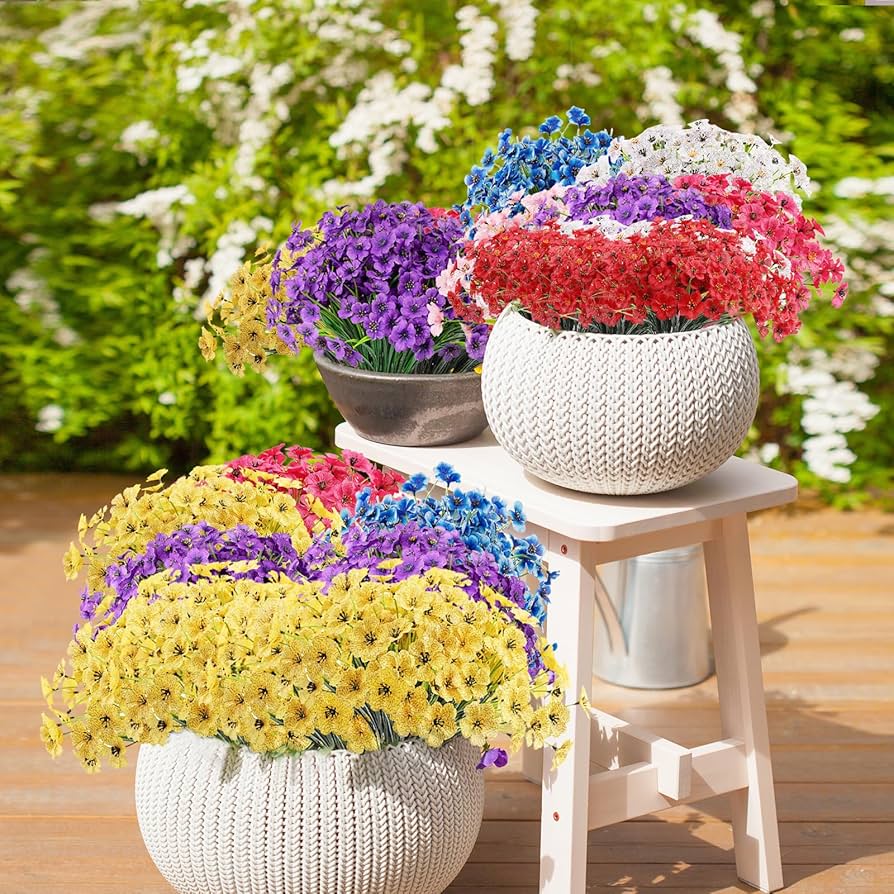
Use case: Hotel entrances, rooftop venues, outdoor retail windows, patio planters.
This is why I treat the install site as the starting point, then I run the outdoor artificial flowers bulk QC checklist before any PO is finalized.
I also share the same outdoor artificial flowers bulk QC checklist with the buyer’s install team so they know what “pass” looks like on Day 1.
I learned this on a resort courtyard project. A buyer sent me “after” photos two weeks later. The color shifted, and dust made the petals look gray.
The sample looked perfect in my office. Since then, I never accept “UV resistant” as proof. I only accept evidence that fits the site.
When a buyer asks why I am strict, I explain that the outdoor artificial flowers bulk QC checklist is cheaper than replacements and emergency labor.
Why “UV Resistant” Claims Fail in Real Sun (What Buyers Miss)?
A label does not survive weather. A spec does. When buyers miss the real causes, they pay twice.
“UV resistant” fails in real sun when the protection is only a surface spray, pigments are weak, and the base material is not stable,
so outdoor exposure attacks color and flexibility first.
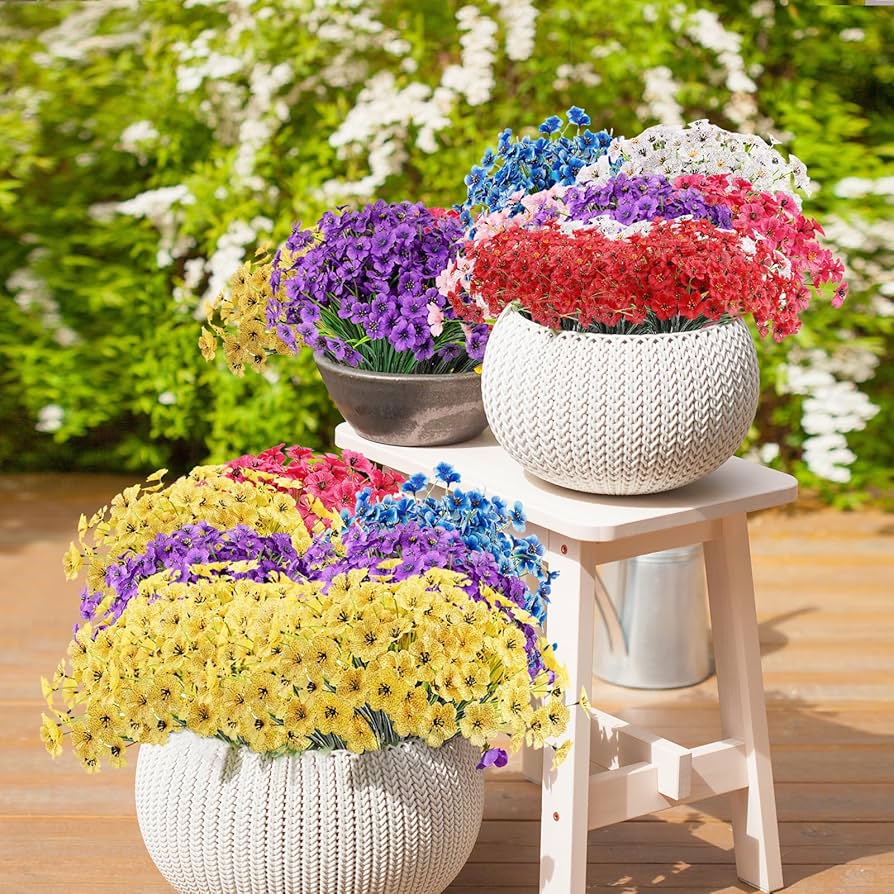
Use case: Full-sun storefront planters, pool decks, desert courtyards.
I worked with a buyer in Australia who ordered bright coral outdoor stems. Her supplier said “UV resistant.”
The first month looked fine. After that, coral shifted toward orange. Her client thought the display was old.
She asked me to explain what happened. I told her the truth. The UV plan was a topcoat only.
The pigment choice was not outdoor-grade. The resin was not stable enough for heat cycling.
That is also why this outdoor artificial flowers bulk QC checklist starts with proof of where UV protection actually lives.
When I run the outdoor artificial flowers bulk QC checklist, I do not accept “UV” as a label. I require proof tied to the buyer’s site.
I also write the proof requirement inside the outdoor artificial flowers bulk QC checklist so it becomes a PO rule, not a chat promise.
What buyers usually miss
-
They do not ask where UV protection lives.
I always ask if stabilization is inside the resin, on the surface, or both. A surface-only layer is easier to sell. It is not always enough. -
They do not treat color as a risk category.
Red, purple, hot pink, deep blue, and some coral tones are harder outdoors. If you demand those colors, you must pay for protection and accept realistic tolerances. -
They do not match material to the site.
Full sun and dust needs a different build than a covered patio. -
They do not define pass/fail rules.
Without rules, every problem becomes an argument later.
How I frame UV resistance for a purchase order
I tell buyers that “UV resistant” is not a feature. It is a system. It includes pigment, stabilizer package, resin stability, and surface finish.
When any one part is weak, the system fails. I learned this from a US retail buyer who had three suppliers.
All three used “UV” in marketing. Only one had consistent bulk performance. That supplier had clear material disclosure and stable pigment control.
Internal link for lifespan planning:
How long do fake flowers last
External link for UV basics:
Photodegradation
Test #1–#3: Colorfastness, Heat, and Water Exposure (Pass/Fail Rules)?
If you want weatherproof results, you must test what weather does. These three tests stop most failures before you ship bulk.
Tests #1–#3 prove if the product holds color under sunlight, stays flexible under heat cycling, and keeps shape under water exposure,
with simple pass/fail rules tied to your project.
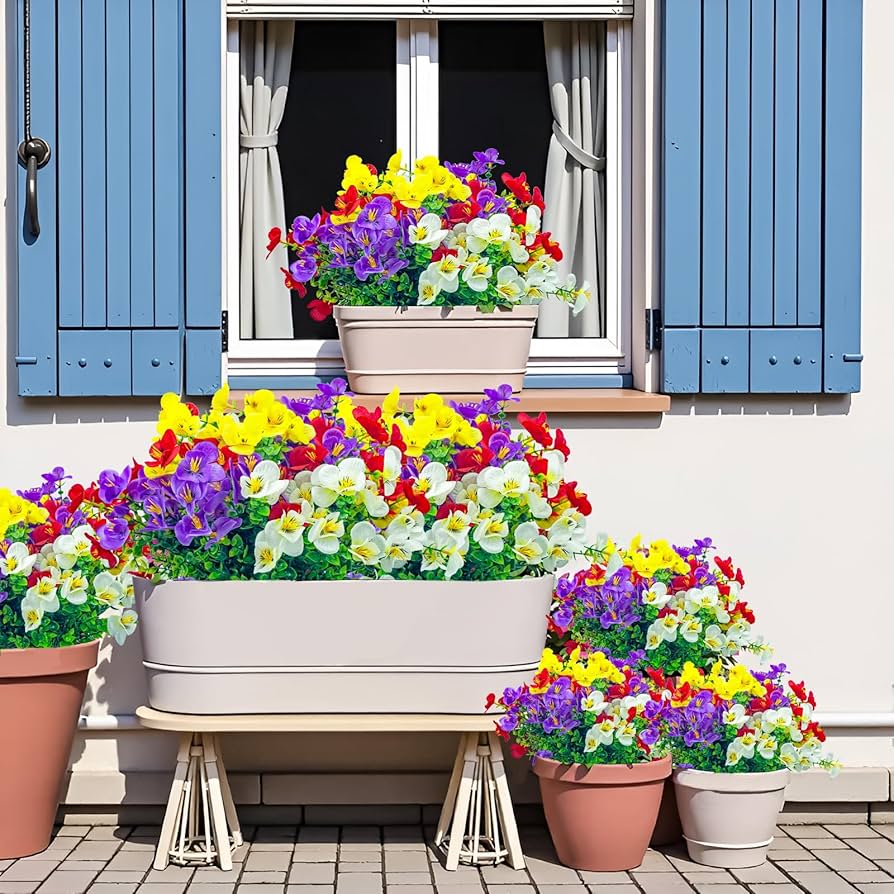
Use case: Outdoor weddings, theme parks, restaurant patios, coastal hotels.
I had a hotel buyer who installed florals near a pool walkway. Splash and cleaning water touched the arrangement often.
Her old supplier’s petals became dull and sticky. She asked me for a solution that could handle heat and water.
I used three simple tests before we approved bulk.
When I follow this outdoor artificial flowers bulk QC checklist, I can approve bulk with fewer surprises and faster decisions.
I also put the pass/fail rules into the outdoor artificial flowers bulk QC checklist so the factory cannot change the test and still call it “pass.”
Test #1: Colorfastness test
I use a controlled sunlight exposure test with reference photos. I do not promise “no change.” I promise a defined tolerance.
- Pass rule: Color shift stays within the agreed tolerance when compared to the approved sample photo set.
- Fail rule: Obvious fading, yellowing, or uneven blotchy change on top-facing petals.
What I ask the supplier to provide:
- A small batch from the same material as bulk
- Clear photos before exposure, mid-point, and after exposure
- A note that shows the exposure method and time
Test #2: Heat cycling test
Heat does not only fade. It changes flexibility. It also affects glue.
- Pass rule: Petals remain flexible, no curling at edges, no sticky surface, and stems do not warp.
- Fail rule: Petal edges curl, surface gets tacky, or stems lose straightness after cycling.
I learned this from a rooftop venue buyer. Her display looked fine in the morning. It looked tired by afternoon.
Heat cycling was the problem, not handling.
Test #3: Water exposure test
Water comes from rain, splash, humidity, and cleaning.
- Pass rule: No dye bleeding, no surface whitening, and no separation at key joints.
- Fail rule: Color runs, surface becomes cloudy, or heads loosen.
I always ask where water comes from. A coastal client has salt spray risk. A restaurant has cleaning spray risk.
These are different, but both matter.
Internal link for UV protection product discussion:
Best UV spray for artificial flowers
External link for cleaning and care reference:
Artificial flowers care
Test #4–#6: Stem Break, Petal Crack, and Glue Failure Under Stress?
Most bulk complaints come from handling stress, shipping stress, and install stress. These tests prevent “perfect sample, bad bulk” damage.
Tests #4–#6 check if stems survive bending, petals survive handling without cracking, and glue holds under stress
so your install team does not waste hours rework.
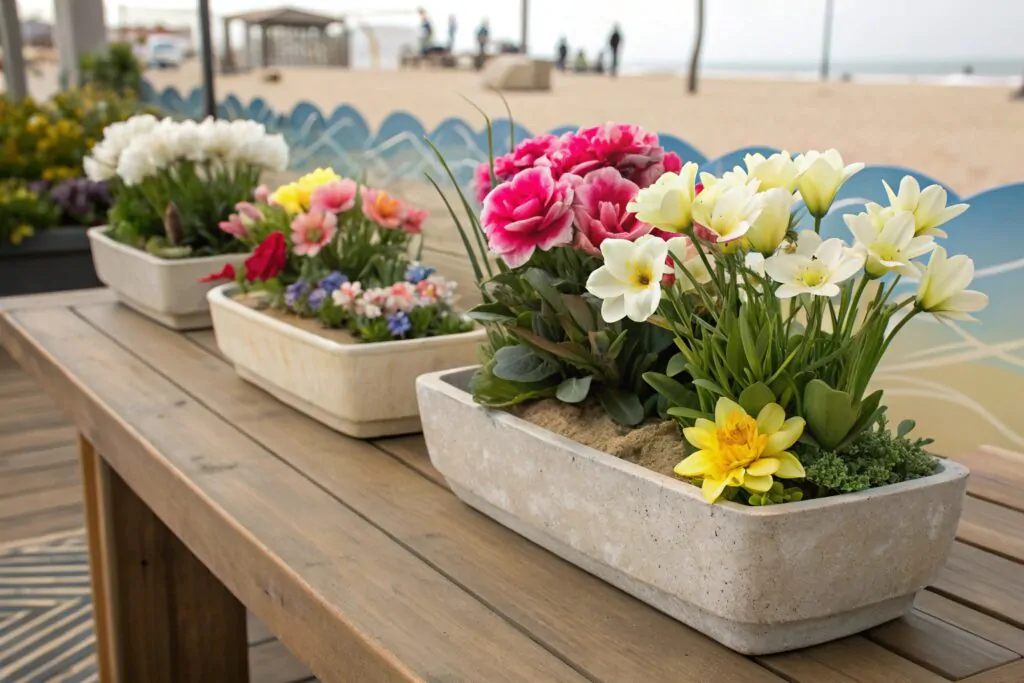
Use case: Large-scale installs, warehouse distribution, event setup teams.
I helped a wedding company that had a tight setup schedule. Their team opened cartons and found broken stems and loose heads.
They spent hours fixing pieces before the ceremony. The buyer was angry because she paid for “premium.”
I told her that premium is proven by stress tests, not by price.
Stress failures are predictable, so this outdoor artificial flowers bulk QC checklist forces pass/fail rules before goods leave the factory.
I also require stress-test photos as part of the outdoor artificial flowers bulk QC checklist so the buyer can approve fast and keep the schedule.
Test #4: Stem break test
This test is simple. I bend stems through a realistic range and repeat it.
- Pass rule: Stem core does not snap, coating does not crack, and the stem holds shape without sharp kinks.
- Fail rule: Core snaps, coating splits, or rust risk shows at exposed metal points.
I also check for outdoor risks like watering and coastal air. If water exists, I require coated cores and sealed ends.
Test #5: Petal crack test
Petals fail when edges are too thin or resin is brittle.
- Pass rule: Petals flex and return, no white stress marks, and no edge cracking.
- Fail rule: Cracks, permanent creases, or brittle snapping when handled.
A retail buyer taught me this test. She said, “My staff touches everything.” She was right.
Outdoor displays are handled more than people think.
Test #6: Glue failure test
Heat and vibration reveal glue weaknesses.
- Pass rule: No glue shine leaks, no head rotation, no separation at key joints after vibration and heat stress.
- Fail rule: Glue strings, glossy marks, loose heads, or visible rework needed on arrival.
I require suppliers to show close-up photos of glue lines before packing. This one rule prevents many headaches.
External link for packaging test bodies:
International Safe Transit Association
Test #7–#9: Dust, Mold Risk, and Long-Term Appearance Control?
Weatherproof is not only sun and rain. It is dust, humidity, and how the display looks after weeks of real life.
Tests #7–#9 prove whether the surface can be cleaned, whether moisture creates mold risk in hidden zones,
and whether the display keeps a “Day 1” look after long exposure.
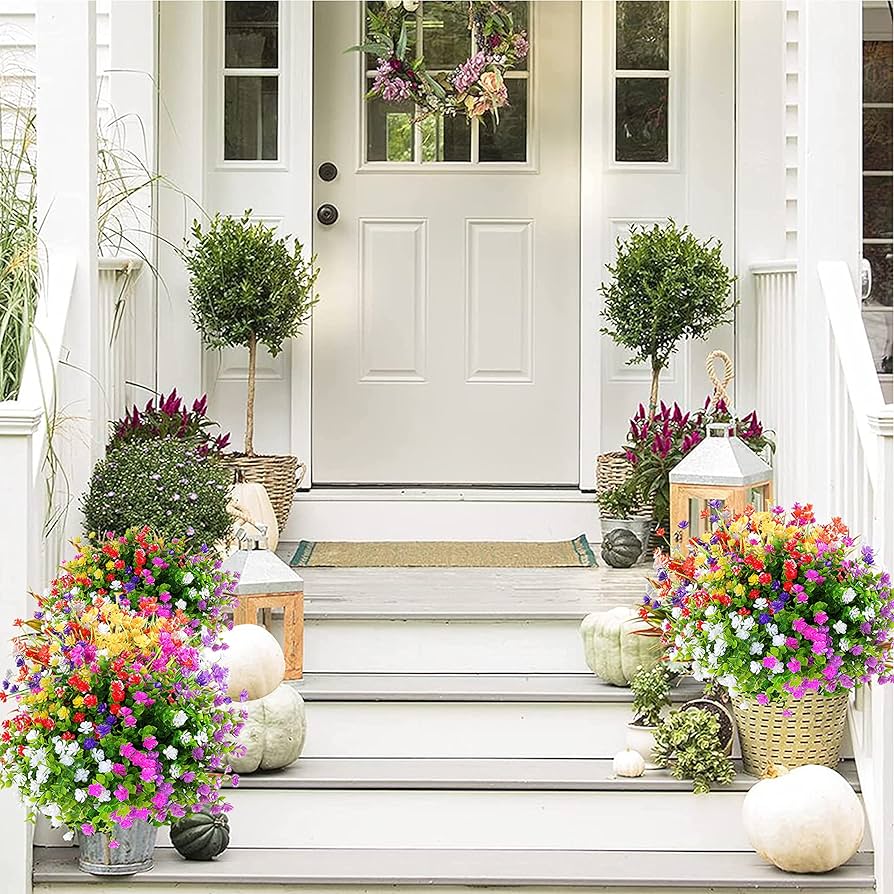
Use case: Dusty cities, humid coastlines, shaded courtyards, long-term retail installs.
I had a buyer in the UAE who said, “Fading is not my main problem. Dust is.” Her displays turned gray and looked cheap fast.
She tried wiping. It smeared and looked worse. That project changed how I define weatherproof.
Dust and humidity are where cheap builds get exposed, so my outdoor artificial flowers bulk QC checklist always includes cleanability and hidden-zone checks.
I also write the cleaning method into the outdoor artificial flowers bulk QC checklist so the site team does not guess and damage the finish.
Test #7: Dust bonding and cleanability test
- Pass rule: Dust wipes off with a simple method without smearing pigment or roughening the surface.
- Fail rule: Dust bonds into texture, wiping creates cloudy marks, or pigment transfers.
I also ask where dust comes from. Road dust is different from sand. Both matter.
Test #8: Mold risk test in hidden zones
Mold is not only a flower issue. It is a moisture trap issue.
- Pass rule: No musty smell, no spotting, and no hidden moisture pooling after exposure to humidity and shade.
- Fail rule: Spotting, odor, or visible growth in joints, foam areas, or dense clusters.
I learned this from a coastal restaurant buyer. The display sat under a shaded awning. It did not dry fast.
Hidden zones held moisture.
Test #9: Long-term appearance control test
This test checks the total system: color, shape, dust behavior, and joint integrity.
- Pass rule: The display still looks premium after a defined period, with only normal cleaning needed.
- Fail rule: It looks tired, warped, dull, or stained, even if it technically “did not break.”
I always set a time frame. Some buyers want 3 months of peak look. Some want 12 months.
The product spec must match that goal.
Internal link for storage and handling:
How to store artificial flowers
External link for mold basics:
Mold
The Purchase Order Addendum: Tolerances, Photos, and QC Checkpoints?
A buyer test is not enough if the purchase order is weak. A strong addendum turns tests into repeatable bulk results.
A purchase order addendum locks tolerances, photo standards, and QC checkpoints so the factory cannot swap materials
and your bulk matches the approved sample at scale.
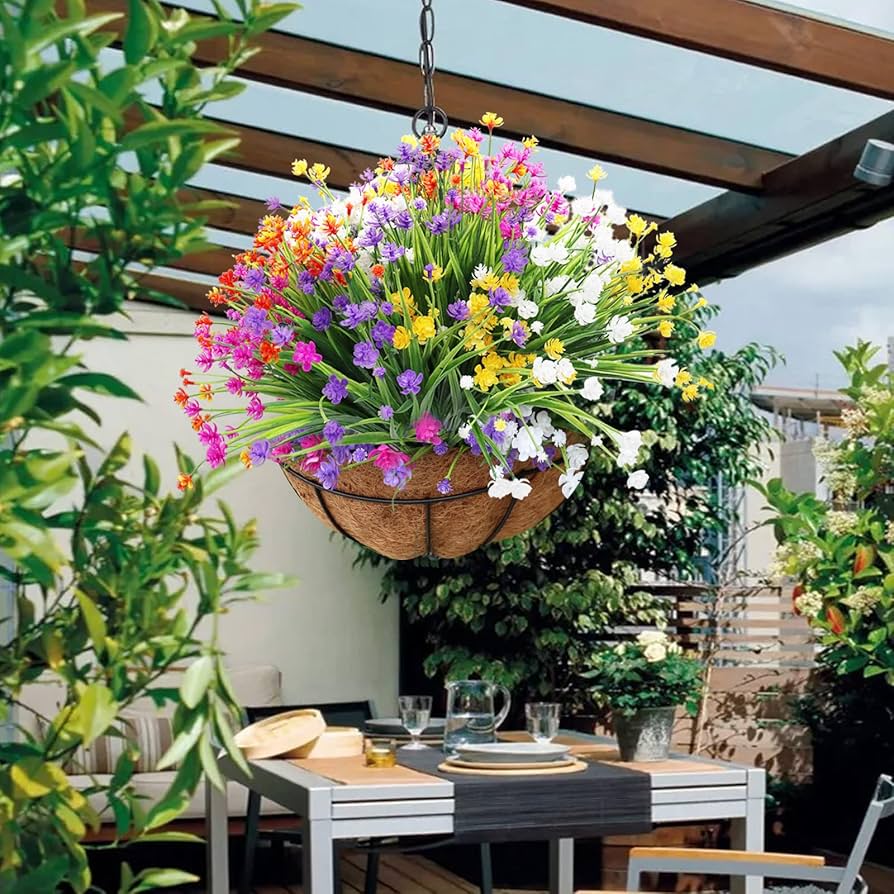
Use case: OEM/ODM orders, private label programs, long-term supply contracts.
I once had a buyer tell me, “The sample was perfect, but bulk was different.” We traced it to a small material change made to save cost.
The supplier did not think it mattered. It mattered. After that, I built a simple PO addendum that makes performance repeatable.
I attach the outdoor artificial flowers bulk QC checklist to the PO so every checkpoint is written, not implied.
When a buyer asks me how to keep bulk consistent, I point them back to the outdoor artificial flowers bulk QC checklist and the photo standards.
I also use the outdoor artificial flowers bulk QC checklist as the inspection script during pre-pack checks, so problems are caught before loading.
1) Tolerances that stop arguments
I define tolerances for:
- Color shift tolerance for high-risk colors
- Size tolerance for heads and leaf width
- Stem straightness tolerance
- Glue visibility tolerance for close-up photo zones
I keep the language simple. I do not use complicated terms. I use “pass or fail” examples tied to photos.
2) Photo standards that match real buying risk
I require:
- Front, side, and close-up photos of key joints
- A white background set
- A phone-flash photo to reveal shine
- Packing photos showing compression level
A retail buyer taught me the phone-flash rule. Her customers use phone flash. If it looks shiny, it looks cheap.
3) QC checkpoints that catch drift early
I set checkpoints at:
- Material arrival check
- First article approval
- Mid-production random pull
- Pre-pack inspection
- Packing confirmation photos
This reduces surprises. It also reduces delays, because problems are found early.
4) A simple correction process
- What evidence the buyer provides
- How the factory verifies
- What the correction action is
- What timeline is acceptable
This protects relationships. It also keeps projects moving.
Want My Outdoor Buyer Test Sheet + PO Addendum Template?
Send your site location, sun hours, dust level, and target colors. I will reply with a test plan and PO addendum that fits your project.
Internal link for sourcing control mindset:
Wholesale flower suppliers buyer checklist
External link for quality control basics:
Quality control
Conclusion
Weatherproof outdoors is earned by tests and contract clarity. When I run this outdoor artificial flowers bulk QC checklist and lock the PO addendum,
I protect photos, installs, and repeat orders.
FAQs (B2B)
- What should be included in an outdoor artificial flowers bulk QC checklist?
It should include UV disclosure, pigment risk notes, pass/fail rules for tests #1–#9, packing photo rules, and QC checkpoints tied to the PO. - How do I use an outdoor artificial flowers bulk QC checklist before paying deposit?
I run the tests on production-matching samples, approve the photo set, and attach the checklist as a PO addendum before deposit. - Do “UV resistant” artificial flowers always work outdoors?
No. They work only when UV stabilization is inside the material and pigments are stable, not when it is only a surface spray. - Which tests catch outdoor failure the fastest?
Colorfastness, heat cycling, and water exposure catch the most costly failures early. - How do I stop glue shine after heat exposure?
I require heat-grade adhesive, clean glue-line photos, and a vibration-plus-heat stress check. - How do I reduce broken stems during shipping and setup?
I test bending, require coated cores if moisture exists, and lock carton strength plus stacking rules. - How do I prevent petals from cracking in full sun?
I check edge thickness control, test flex recovery, and avoid ultra-thin edges for exposed installs. - How do I manage dust in desert or roadside areas?
I choose finishes that wipe clean, then I test the buyer’s real cleaning method before bulk. - Is mold a risk for outdoor faux flowers?
Yes in humid shade and dense clusters. I test hidden zones for moisture trapping and spotting risk. - How do I ensure bulk matches the approved sample?
I lock tolerances, require production and packing photos, run in-line QC checkpoints, and use a correction process in writing.