
Spray for Artificial Flowers to Stop Fading: 6 Truths Buyers Must Know Before Using?
Outdoor projects look perfect at delivery. Then colors fade. Clients complain. You face returns, pressure, and lost trust.
Spray for artificial flowers to stop fading works only as a temporary layer. Long-term color stability depends on UV materials, not surface coatings. Buyers must understand six key truths before using spray in bulk projects.
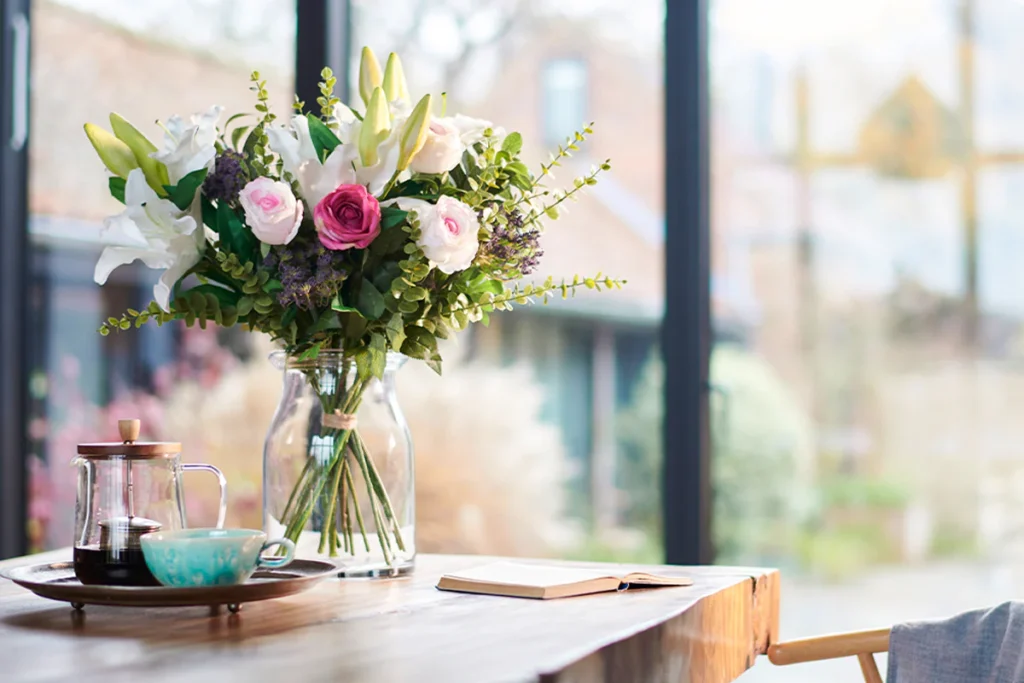
Suitable for outdoor decoration quality testing and product validation
Many buyers ask me the same question. Can a spray fix fading? I tested this many times with real clients. The answer is not simple. You need to understand what spray can do, and what it cannot do.
Do Spray for Artificial Flowers to Stop Fading Really Work?
Clients often believe spray is a simple fix. They want fast results. Then fading still happens. This creates confusion and risk.
Spray for artificial flowers to stop fading can slow fading for a short time, but it cannot fully protect artificial flowers. It acts as a surface barrier, not a material-level solution.
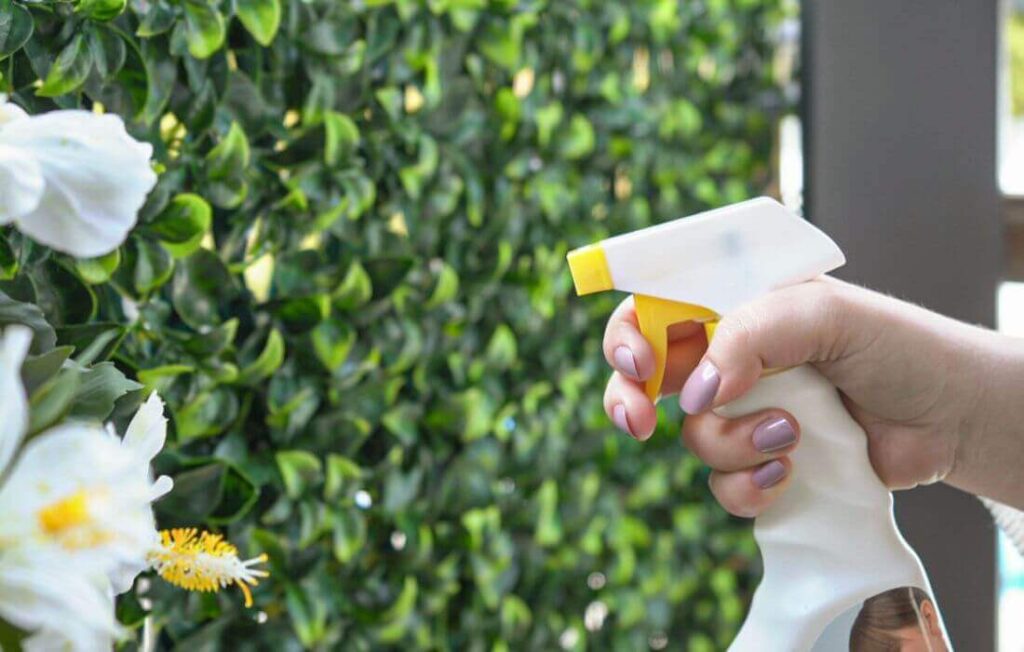
Suitable for outdoor garden and event decoration scenarios
I worked with a client in Australia. She used spray on silk roses for a wedding venue. At first, everything looked perfect. After three months, colors started to fade unevenly. Some petals turned pale. Some areas stayed bright. This created a patchy look.
Why spray for artificial flowers to stop fading has limited effect
Spray only covers the surface. Sunlight breaks down pigments inside the material. When UV rays penetrate, fading still happens[1].
What spray can actually do
- Reduce early fading speed
- Add slight water resistance
- Improve short-term appearance
Where spray fails
- Strong sunlight areas
- Long-term outdoor installations
- High-end projects with strict color control
| Factor | Spray Performance | Built-in UV Material |
|---|---|---|
| Protection depth | Surface only | Full material |
| Duration | 1–3 months | 1–2 years |
| Consistency | Unstable | Stable |
I always tell my clients. Spray is not a solution. It is only a delay tool.
Spray for Artificial Flowers to Stop Fading: Short-Term Fix vs Long-Term Solution?
Many buyers focus on quick fixes. They want to reduce cost. Then they face bigger losses later.
Spray for artificial flowers to stop fading is a short-term fix. Built-in UV materials are a long-term solution. Serious buyers choose based on project duration and client expectations.
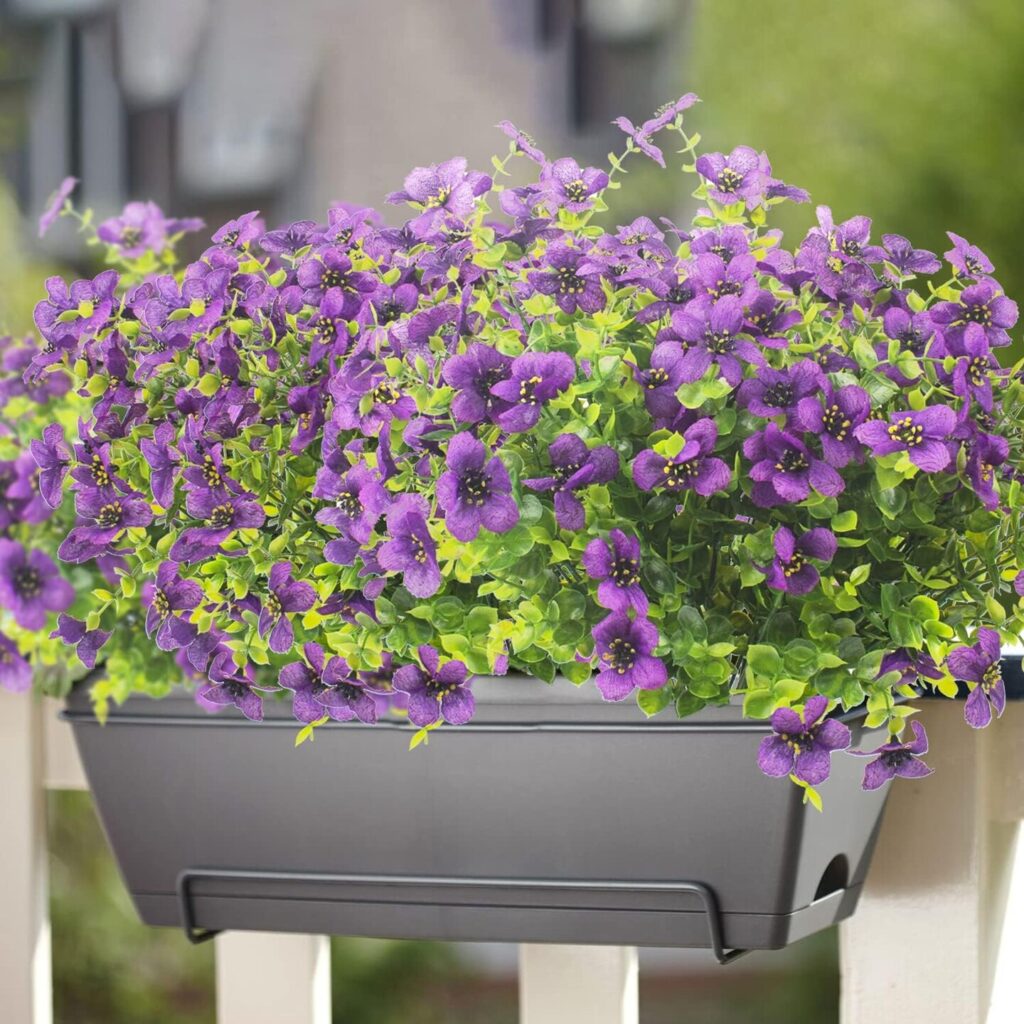
Suitable for long-term outdoor landscaping and commercial projects
One of my US clients used low-cost flowers with spray for a hotel entrance. The project looked good at first. After six months, the flowers faded badly. The hotel asked for replacement. The client paid twice.
Cost vs risk of spray for artificial flowers to stop fading
Short-term thinking:
- Lower initial cost
- Faster decision
- Higher risk
Long-term thinking:
- Stable color
- Lower maintenance
- Better client satisfaction
My real project comparison
| Option | Initial Cost | Replacement Cost | Client Satisfaction |
|---|---|---|---|
| Spray solution | Low | High | Low |
| UV material | Medium | Low | High |
Decision framework
- How long will the project stay outdoors?
- How strong is the sunlight?
- How sensitive is the client to color change?
If the answer shows risk, I do not recommend spray.
You can also read my deeper guide here:
👉 UV Resistant Artificial Flowers Guide
Common Mistakes When Using Spray for Artificial Flowers to Stop Fading?
Many buyers use spray incorrectly. This creates worse results. Then they blame the product.
Most failures of spray for artificial flowers to stop fading come from wrong usage. Over-spraying, uneven coating, and poor drying conditions can damage appearance and reduce realism.
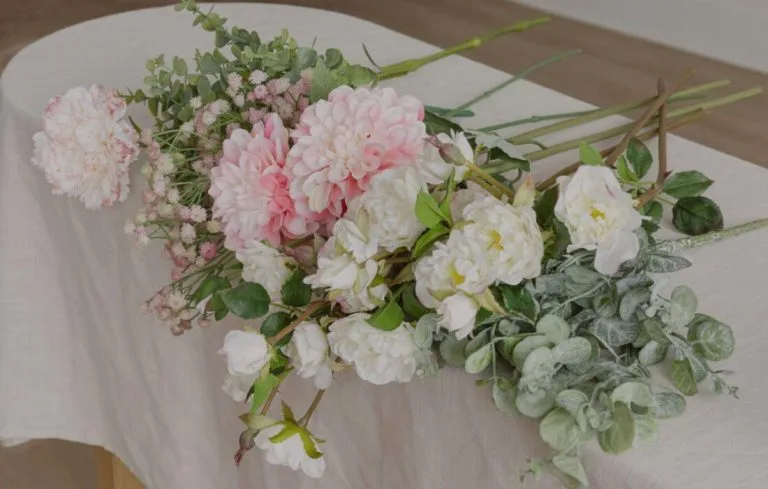
Suitable for product quality inspection and training scenarios
I had a client who sprayed too heavily. The petals became shiny. The flowers looked plastic. The client lost a premium project.
Over spraying problem
Too much spray creates shine. This destroys the natural look.
Uneven application risk
Different spray thickness leads to uneven fading. Some parts fade faster.
Wrong environment impact
- Sticky surfaces
- Dust adhesion
- Color distortion
No testing mistake
Many buyers skip testing. They go directly to bulk use. This is risky.
My standard process
- Spray 3–5 sample pieces
- Place them in sunlight for 2 weeks
- Observe color change
- Then decide
Spray cannot fix poor material. If the base flower is low quality, spray will not upgrade it[2].
You can check realism guide here:
👉 How to Make Silk Flowers Look Real
When Spray for Artificial Flowers to Stop Fading Makes Products Worse?
Some buyers think spray always helps. In fact, it can damage the product.
Spray for artificial flowers to stop fading can increase shine, stiffen petals, and change color tone. In high-end projects, this reduces perceived value.
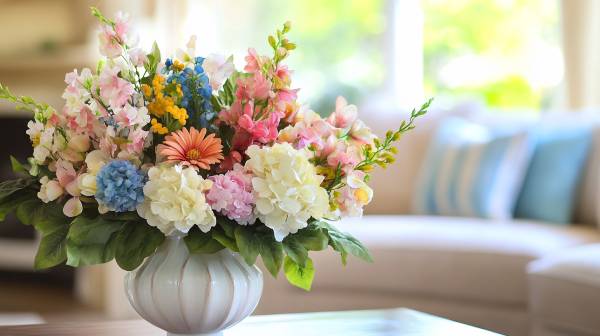
Suitable for photography, wedding, and premium display environments
I remember a wedding planner client. She used spray before a luxury event. Under lighting, the flowers reflected strongly. They looked artificial. The client was unhappy.
Negative effects
- Glossy finish
- Hard texture
- Color darkening or yellowing
High-risk scenarios
- Wedding photography
- Retail display
- Close-up viewing environments
Premium clients focus on details. Cameras magnify flaws. A small shine can break realism.
Better Alternative to Spray for Artificial Flowers to Stop Fading: Built-in UV Materials?
Serious buyers do not rely on surface solutions. They control the material itself.
Instead of spray for artificial flowers to stop fading, built-in UV materials protect color at the molecular level. They offer stable performance and reduce long-term risk.
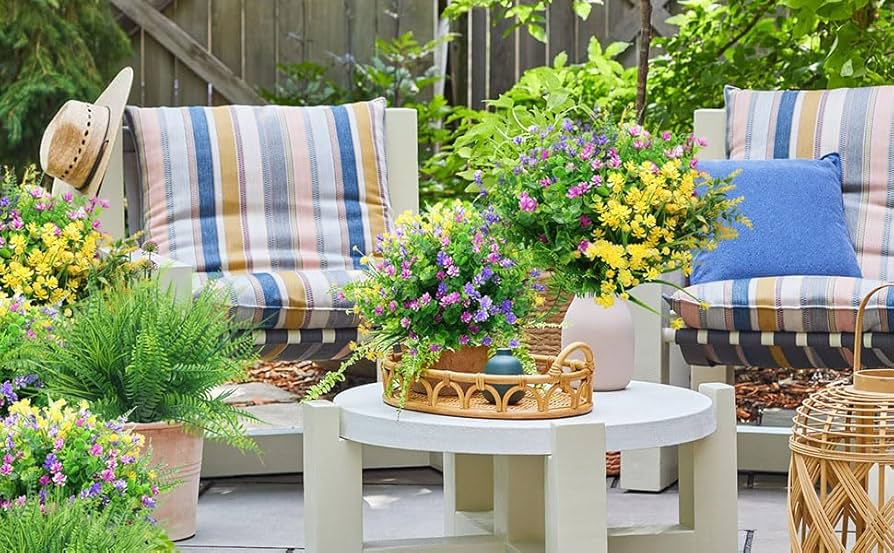
Suitable for outdoor landscaping, commercial facade, and long-term installations
I worked with a resort project in the Middle East. The sunlight was very strong. We used UV-resistant PE materials. After one year, the color stayed stable. The client continued ordering.
What makes UV materials different
- UV inhibitors inside raw material
- Anti-fade pigments
- Heat resistance
| Feature | Spray | UV Material |
|---|---|---|
| Protection | Surface | Full structure |
| Lifespan | Short | Long |
| Appearance | Risk of shine | Natural |
If your project is outdoor, long-term, and high-end, then you must choose UV materials[3].
External reference on UV degradation:
👉 Understanding UV Radiation
Supplier selection guide:
👉 Artificial Plants Supplier Warning Signs
Conclusion
Spray helps short-term. UV materials protect long-term. Smart buyers choose stability, not temporary fixes.
FAQs
1. Can spray completely stop fading?
No. It only slows fading for a limited time.
2. How long does UV spray last?
Usually 1–3 months depending on sunlight.
3. Is spray suitable for weddings?
Not recommended for high-end events due to shine risk.
4. Can spray improve low-quality flowers?
No. It cannot fix poor materials.
5. Does spray make flowers waterproof?
It adds slight resistance but not full protection.
6. Should I spray before or after installation?
Always before, and test first.
7. Can spray damage color?
Yes. Overuse can darken or yellow the color.
8. Is UV material more expensive?
Yes, but it reduces replacement cost.
9. What is best for outdoor projects?
UV-resistant artificial flowers.
10. Can I combine spray and UV material?
Yes, but it is usually unnecessary.
Ready to Upgrade Your Artificial Flower Projects?
You need stable color. You need reliable quality. You need a supplier who understands real project risks.
References
- UV radiation causes pigment degradation and color fading in synthetic materials.
- Surface coatings cannot correct internal material instability.
- UV stabilizers in polymers provide long-term resistance to sunlight damage.