
UV-Treated Artificial Plants — 9 Proven Rules to Prevent Fading?
U run many sites. Sun kills color. Claims stall. Budgets leak. U need rules that win outside, not copy on a box.
Here is the answer: uv treated artificial plants last when labels match lab methods, when materials match climate, and when cleaning follows warranty text. Ask for hours and ΔE limits.
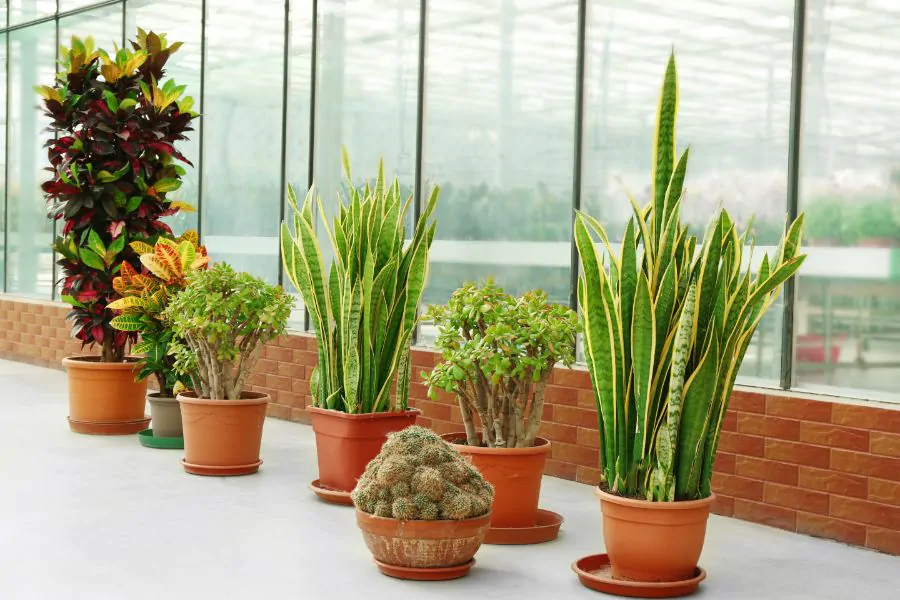
best commercial outdoor picks.
This guide is a field playbook U can copy. It starts with the label, moves through lab tests, checks the build (coating vs masterbatch vs film), locks warranty lines into the PO, and ends with a simple cleaning SOP that does not void claims. I add real cases from hotels and malls so U see what works. If U need install specs, grab our internal how-to posts:
How to Pot Artificial Flowers,
How to Clean Silk Flowers Without Color Fade,
and the quick buyer gate:
Artificial Flowers Supplier Checklist.
UV Treated Artificial Plants: What the Label Actually Means?
A soft “UV-protected” line is not a spec. It is a risk. U need the test name, the hours, and the color limit in plain words.
Read the label like a contract. Real uv treated artificial plants show the method (ASTM/ISO), the exposure hours, and the ΔE threshold. If those are missing, treat them as indoor or shade-only.
Dive deeper
I push every vendor for three lines on the cut sheet: test method, hours, and ΔE. If a quote only says “UV spray,” I rate lifespan as short and place units under canopies. If the label reads
ASTM G154 (UVA-340) or
ISO 4892-2 (xenon arc) with 2,000–4,000 h and ΔE ≤ 3–4 at early checkpoints, I treat it as outdoor-ready and plan rotation.
Keep a UV Index reference from
NOAA/NWS
or the
WHO
to translate hours into seasons at each site. For vendor conversations and sourcing education, this explainer on ΔE is handy:
What ΔE means in plain terms.
Client story. A Perth boutique hotel sent “UV palms” with no numbers. I asked for the method and hours. The vendor had none. We switched to a line with UVA-340 4,000 h on the label. That line skipped a reset cycle in year one and kept brand photos clean.
My insight. Labels are negotiations. If the words are soft, the replacement date arrives fast. Tie the label to a test, the test to hours, and the hours to a record that ops can keep.
UV Treated Artificial Plants: Lab Tests vs. Outdoor Reality?
Test rigs run day and night. Streets do not. Real sites add wind, dust, heat spikes, shade bands, and salt. Lab hours are a guide, not a calendar.
Translate hours into seasons. For uv treated artificial plants, 2,000 h ≈ one hard summer in high-UV zones; 4,000 h ≈ two. Adjust for local UV index, surface heat, dust, and salt.
Dive deeper
Here is how I read the sheets.
ASTM G154 (UVA-340) focuses on the most damaging UV for plastics.
ISO 4892-2 (xenon arc) covers a wider light band and heat. Both cycle light and moisture. Numbers guide U, but the translation drives budgets:
- 2,000 h (UVA-340) → plan for one tough season in Arizona, UAE, Queensland. In cooler UV bands U may get 12–18 months with smart placement.
- 4,000 h → plan for two tough seasons if U rotate and keep dust off the surface.
- ΔE ≤ 3 to 1,000 h → early shift is hard to see in photos; ΔE 4–6 will show to trained eyes, most on brand greens and deep reds.
Now map the site. Use the real-time UV map from
NOAA/NWS
and the scale notes from the
WHO.
Note roof color, planter color, and wind corridors. Hot black pots age blades. Dust speeds chalking. Sea air needs fresh-water rinses. For fast matching of forms to wind and sun, share
Best Commercial Artificial Outdoor Plants — 17 Picks with the site team.
Client story. A Canadian retail group asked if an ISO 4892-2, 3,000 h olive could sit unshaded all year. I said yes, but we rotate quarter-turns every four weeks and we wash every six weeks in summer with pH-neutral soap (see our
cleaning SOP). After 14 months we saw only mild shift. Finance extended the SKU to six more sites.
My insight. Lab hours write the first draft. Heat, dust, wind, and salt write the final act. Budget rotation and cleaning before U sign the PO.
UV Treated Artificial Plants: Coatings, Masterbatch, or Films?
Vendors fight UV in three ways: top coatings, in-resin masterbatch, or protective films. Each ages differently and cleans differently.
Pick by climate and risk. Coatings fit shade and seasonal sets. Masterbatch wins in sun. Films protect edges and wide blades in wind.
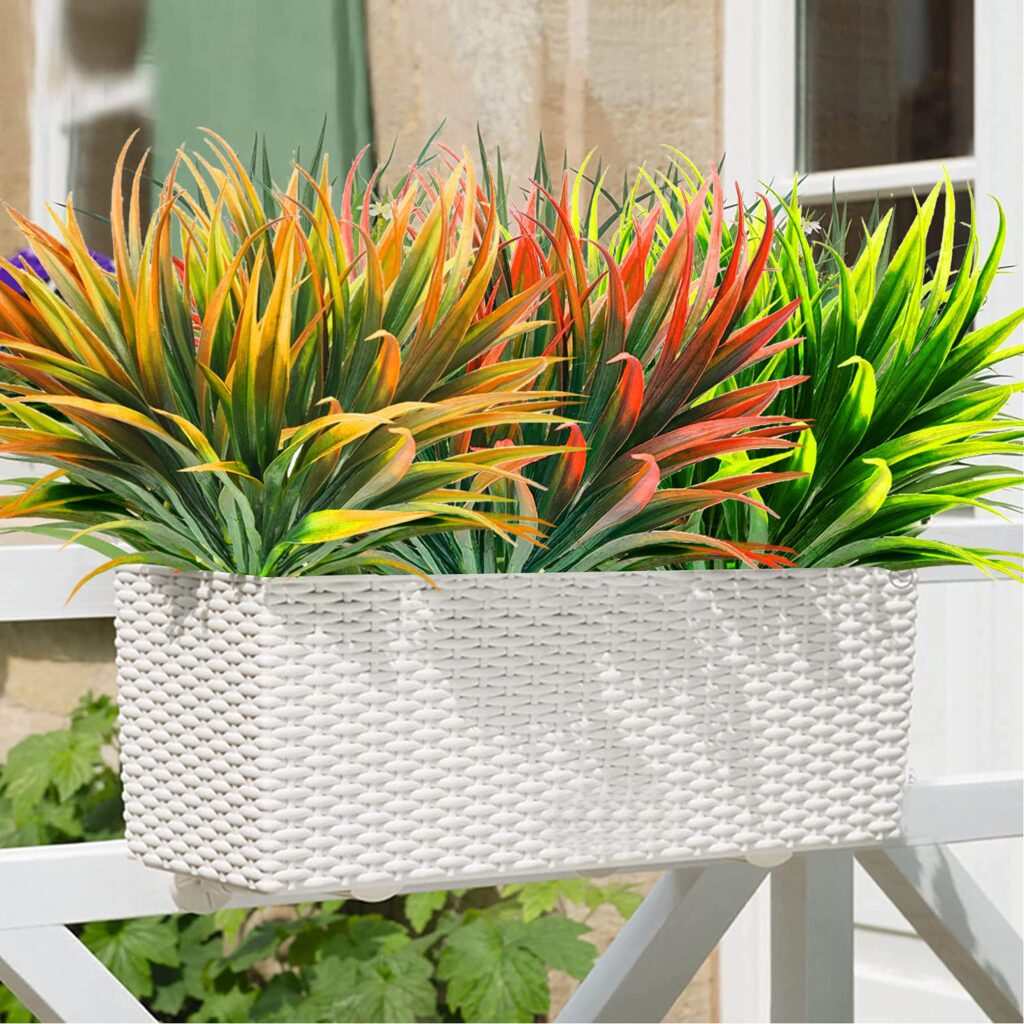
How to Pot.
Dive deeper
Coatings. Spray or dip adds a clear barrier with UV absorbers. It can look glossy and it scratches under hard wipes. Keep coating-heavy lines for semi-outdoor zones under eaves and for short seasonal runs. Cleaning must be gentle or the layer fails.
Masterbatch. UV stabilizers and pigments mix through the resin. HALS + carbon black in dark greens resist chalking and keep a matte look that hides dust. This is my default for full-sun programs. Masterbatch supports PE foliage, PU blades, and mixed plastics. It also lets U wash more often without stripping a top layer.
Films. Laminated or co-extruded skins protect wide blades and grass edges in wind corridors. Films keep crisp edges and a clean sheen, but they need correct edge sealing and careful washing. Bad edges peel when staff drag pads across them.
Client story. A Dubai rooftop lounge wanted high gloss leaves. I showed side-by-side photos after eight weeks. Glossy coated leaves chalked. A matte masterbatch line with film-reinforced edge blades stayed calm and strong. They chose matte. The lounge saved two resets and raised review photos.
My insight. When U do not know the site, default to masterbatch for the main line. Add films on wind edges. Keep heavy coatings for shade or short campaigns.
UV Treated Artificial Plants: Warranty Language U Should Demand?
A soft warranty dies at the first complaint. U need clear hours, color limits, use zones, care duties, and a remedy clock. All in writing.
Write the warranty into the PO. For uv treated artificial plants, demand the method, hours, ΔE limit, use zone, care steps, and a simple photo-log process with a remedy timeline.
supplier checklist so sourcing stays aligned.
Dive deeper
- Method + hours. Example: ASTM G154 (UVA-340), 4,000 h.
- Color limit. Example: ΔE ≤ 4 @ 12 months measured against day-1 photos.
- Use zone. Full sun / partial shade / shade only printed on the label and the PO.
- Care steps. Dust, cool water, 0.1–0.2% pH-neutral soap, rotate quarterly.
- Remedy and clock. Repair / replace / pro-rated credit within 14 days after proof.
For proof I ask sites to shoot day-1 photos and then quarterly from the same angle. We log install date, UV notes, and wash dates in one cloud sheet. When shift shows, the vendor sees clean records and moves faster. If legal asks what ΔE means, share the simple color primer linked above.
Client story. A resort brand in Cebu had a fade dispute. Our PO carried ΔE ≤ 4 and a photo log. The supplier issued a pro-rated credit in one week. Rollout stayed on schedule and the brand kept budget for new sites.
My insight. Warranty lines are not legal fluff. They are an ops tool that protects U when teams change and the first storm season hits.
Quick Spec Checklist for uv treated artificial plants
- Specify the exact ASTM/ISO method for uv treated artificial plants on every PO.
- Set a 12-month ΔE threshold for uv treated artificial plants and tie it to day-1 photos.
- Define the use zone (full sun / shade) for installed uv treated artificial plants.
- Demand labeled exposure hours on cartons of uv treated artificial plants.
- Prefer masterbatch builds for full-sun uv treated artificial plants in hot climates.
- Publish a pH-neutral cleaning SOP for all uv treated artificial plants across sites.
- Log quarterly photos to document color on deployed uv treated artificial plants.
- Rotate exterior uv treated artificial plants a quarter-turn in high-UV months.
- Record wash dates and tie-point checks for maintained uv treated artificial plants.
- Agree a 14-day remedy timeline for any covered uv treated artificial plants claim.
UV Treated Artificial Plants: Cleaning Rules That Don’t Void Claims?
Harsh cleaners strip coatings. Hot water warps blades. Rough pads scratch films. Claims fail when SOPs are not clear.
Use cool water and pH-neutral soap at 0.1–0.2% only when sticky film appears. Dust first. Rinse and blot. Rotate units. Log the work.

Understanding pH in Cleaning.
Dive deeper
- Dust top to base with a soft brush. Use low-pressure air for reeds and grills.
- Wash only if sticky film shows. Mix pH-neutral soap at 0.1–0.2% in cool water. Wipe, rinse, and blot with microfiber.
- Inspect ties, seams, feet, and liner stability.
- Stabilize ballast and re-seat the liner. Replace brittle zip ties.
- Rotate a quarter-turn in high-sun spots.
- Record date, site, initials, and one quick photo.
Avoid bleach, citrus degreasers, hot water, and abrasive pads. Those kill coatings, raise ΔE, and void coverage. If U need help choosing forms that clean fast, use our pick list for windy and sunny sites:
Best Commercial Artificial Outdoor Plants. For brand story and customer-facing context, see
What Do Artificial Flowers Mean?.
Client story. A Manila mall had odor and sticky film on a shaded arcade. Housekeeping used citrus degreaser and hot water. Coating softened and looked patchy. We reset the SOP to pH-neutral only, added a 30-day log, and trained the night team. The next quarter saw zero complaints and cleaner photos. Vendor support improved because records were clear.
My insight. Cleaning is not glamour. It is the cheapest color insurance U can buy. A calm, repeatable loop saves more money than any promo price.
Conclusion
Pick by method, map hours to your climate, and write the warranty into the PO. Then clean light and record. Your uv treated artificial plants hold color and shape.
FAQs
- What test should be on the spec? Ask for ASTM G154 (UVA-340) or ISO 4892-2 with hours and ΔE limits. Link the standard on the PO.
- How many hours are “good”? 2,000 h is entry. 4,000 h is strong for high-UV zones if U rotate and clean.
- Masterbatch or coating? Use masterbatch for long sun. Use coating for shade or seasonal sets. Add films where edges take hits.
- Do darker greens last longer? Often yes. Carbon black helps block UV. Still confirm the method and hours.
- What voids coverage fastest? Bleach, hot water, abrasive pads, missed photo logs, and placements outside the labeled zone.
- How do I convert hours to months? Treat 2,000 h as one hard summer in high-UV bands. Use NOAA/NWS UV maps to plan installs.
- What should the warranty promise? Method + hours, ΔE threshold, use zone, care steps, and a remedy clock. Put all lines on the PO.
- How do I prove a claim? Day-1 photos, quarterly photos, a one-page log, and the spec attached to the PO.
- Where do uv treated artificial plants still fail? Edge wear in wind, salty spray without rinses, black planters that overheat, and aggressive cleaners.
- How do I cut resets across sites? Standardize pots and liners, pick masterbatch lines, run the 5-minute SOP, rotate quarterly, and buy from vendors that publish hours.
Take the Next Step
Request a Quote
Contact Our B2B Team
Get Your Sample
Open Wholesale Catalog