
Have you ever considered why artificial flowers are often chosen for grave sites? This common practice, though practical, raises questions about tradition and remembrance. Why do durable, non-living flowers frequently adorn these sacred spaces?
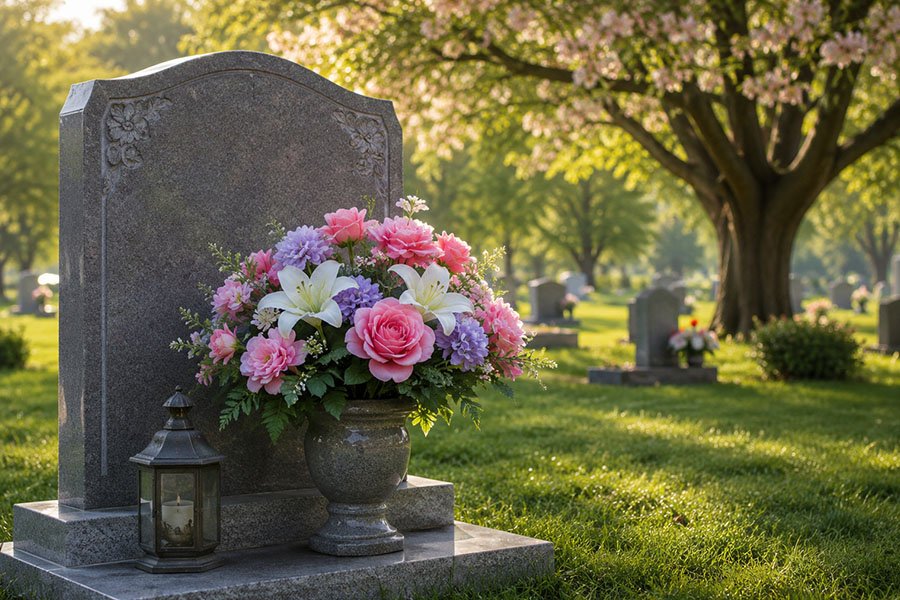
Artificial flowers are placed in graveyards primarily due to their longevity and minimal need for care, providing a constant tribute that fresh flowers cannot sustain. This choice ensures that memorial sites remain adorned and respected, regardless of weather conditions or how often they are visited. It allows for a continuous display of honor and remembrance without constant upkeep.
Decorating a grave is an important way to maintain a connection with the deceased. It serves as a visual reminder of ongoing affection and respect. Whether fresh or artificial, these decorations express an enduring bond, symbolizing a continued presence in memory.
Is It Disrespectful to Put Fake Flowers on a Grave?
Is it ever considered inappropriate to use artificial flowers as grave decorations? This question often arises when individuals choose how to honor their loved ones. Can a lasting, low-maintenance tribute truly convey adequate respect?
No, placing artificial flowers on a grave is generally not considered disrespectful; it is a widely accepted and practical means of maintaining a continuous display of remembrance. The underlying intent, which is to honor the deceased, holds more significance than the material composition of the flowers. Artificial flowers offer a durable and consistent symbol of enduring memory, unaffected by environmental factors.
The choice of grave decorations is a personal one, influenced by various factors. The primary goal is to show respect and remember the person who has passed. Artificial flowers serve this purpose effectively.
There are several strong reasons to choose artificial flowers for graves.
Practical Advantages of Artificial Flowers
Artificial flowers provide clear benefits that make them a popular selection.
- Weather Resistance: They endure diverse weather conditions, from intense sunlight to heavy rain and snow. This ensures the grave remains well-maintained throughout the year.
- Reduced Upkeep: Unlike natural flowers, artificial ones do not require watering or frequent replacement. This is especially helpful for family members who live far away or cannot visit regularly.
- Economic Efficiency: Over an extended period, investing in artificial flowers can be more cost-effective than repeatedly purchasing fresh ones. This helps families keep graves decorated without incurring high, recurring expenses.
- Consistent Appearance: Artificial flowers consistently maintain a fresh and vibrant look. They do not wilt, fade, or perish, guaranteeing a perpetually beautiful display.
The Significance of Intent and Personal Choice
The meaning conveyed by the gesture is more important than the specific type of flower used.
| Aspect | Real Flowers | Artificial Flowers |
|---|---|---|
| Symbolism | Ephemeral beauty, immediate sentiment, fleeting life | Lasting remembrance, enduring love, constant presence |
| Personal Connection | Can signify fresh grief or current remembrance | Represents an unwavering, permanent bond |
| Cultural Norms | Often preferred in traditional contexts | Increasingly common and accepted globally |
Ultimately, the decision to use artificial flowers reflects individual preference and what feels most appropriate for the family. The aim is to honor and remember, a goal that artificial flowers reliably achieve with respect.
Why Are Humans No Longer Buried 6 Feet Under?
Have you ever heard the expression "buried six feet under" and wondered about its accuracy in modern times? Burial practices have evolved considerably. Is this traditional depth still standard, and what factors have led to changes in grave depths?
Humans are frequently not buried precisely "6 feet under" anymore due to contemporary cemetery practices, limitations in land availability, and varied regulatory standards governing grave depth for safety and efficient use of space. While a minimum depth is consistently required to ensure proper burial and prevent disturbance, the precise measurement can vary significantly from the historical "six feet" standard. This adaptation reflects evolving logistical, environmental, and practical considerations in modern burial.
Modern burial methods show a clear trend towards efficiency and adherence to specific regulations. The depth of a grave is no longer a fixed tradition but rather a regulated practice that takes into account practical considerations.
Several factors contribute to the changing depths of graves.
Modern Burial Regulations and Practices
Local ordinances and cemetery policies now dictate grave depths.
- Legal Minimums: Most jurisdictions enforce legal minimum depths for burials. These regulations are designed to protect public health and safety. Specific requirements can vary significantly by location.
- Cemetery-Specific Rules: Each cemetery establishes its own operational guidelines. These rules consider elements such as soil type, local water table levels, and the potential for multiple interments within a single plot.
- Single versus Multiple Depths: Some plots are intended for a single interment, while others are designed to accommodate two or more individuals. This directly influences the initial depth at which the grave is dug.
Practical and Environmental Factors
The nature of the terrain and land management practices also affect burial depths.
| Factor | Impact on Burial Depth |
|---|---|
| Soil Composition | Rocky soil formations or elevated water tables can impose limits on how deep a grave can be excavated. |
| Land Availability | As accessible land diminishes, cemeteries prioritize efficient use of available space. |
| Ground Maintenance | Shallower graves can simplify maintenance tasks for cemetery staff. |
| Excavation Costs | Digging deeper graves typically incurs higher operational costs, influencing overall burial expenses. |
The phrase "six feet under" largely originated from historical practices and general guidelines, rather than a universally applied rule today. Contemporary cemeteries balance traditional reverence with practical operational demands.
What Do Two Pennies on a Grave Mean?
Have you ever noticed coins, particularly two pennies, placed on a headstone in a cemetery? This is a recurring sight that often sparks curiosity about its underlying meaning. What does this modest gesture signify, and what motivates people to perform it?
Placing two pennies on a grave is a specific symbol of remembrance, often indicating that the visitor served in the military alongside the deceased. Each coin carries a distinct message: a single penny signifies a general visit, while a nickel or dime denotes increasing levels of shared military service or respect. Two pennies frequently imply that the visitor and the deceased served together. This tradition offers a quiet and meaningful way for veterans to honor their fallen comrades.
These small, personal tributes carry significant emotional weight. The act of leaving coins on a grave is a profound, unspoken form of communication.
The tradition of leaving coins on graves is rooted in a powerful history and conveys specific meanings.
Military Tradition and Respect
This practice is most prevalent within military communities.
- Expression of Respect: It functions as a method for veterans to demonstrate respect and honor to their fallen comrades. It communicates, "You are remembered."
- Shared Service: The placement of two pennies frequently indicates that the visitor and the deceased served together. It represents a deep bond of camaraderie.
- Acknowledgement of Sacrifice: It acknowledges the ultimate sacrifice made by the individual interred there. It is a silent tribute to their service.
Different Coin, Different Meaning
The type of coin left conveys a particular message.
| Coin Type | Meaning |
|---|---|
| Single Penny | "I visited and remembered you." (General acknowledgement) |
| Two Pennies | "We served together." (Indicates a comrade in arms) |
| Nickel | "We trained together at boot camp." |
| Dime | "We served together in the same unit." |
| Quarter | "You died in my presence." (A deeply significant and less common gesture) |
This tradition enables visitors to convey a precise message without words, establishing a strong bond and enduring respect. It functions as a silent language understood among those who have served.
Are Husband and Wife Buried on Top of Each Other?
Have you ever considered how married couples are interred together? The notion of a husband and wife being literally "buried on top of each other" might seem unusual. What are the standard practices for spouses being laid to rest in shared plots or adjacent spaces?
No, a husband and wife are not typically buried literally "on top of each other" within the same grave space. Instead, they are commonly interred in adjacent plots or in what is known as a "double-depth" or "tandem" plot, where one casket is placed at a deeper level and the second above it, with a substantial layer of earth separating them. This method allows couples to share a single grave marker while occupying distinct burial spaces.
Families often seek arrangements that allow loved ones to rest together. The idea of unity in their final resting place is a comforting thought.
There are several standard methods for couples to be buried together.
Shared Plot Options
Cemeteries offer specific configurations designed for couples.
- Side-by-Side Plots: This is the most prevalent method. Two adjacent burial plots are acquired, enabling spouses to be interred next to each other.
- Double-Depth (Tandem) Plots: In this setup, one casket is buried at a deeper level, and a second casket is placed directly above it, separated by a layer of earth. This allows two individuals to share a single grave footprint vertically.
- Companion Mausoleums/Niches: For above-ground interments or cremated remains, couples can share a single crypt within a mausoleum or a niche in a columbarium.
Ensuring Dignity and Space
Each burial method is designed to provide respectful individual space while allowing proximity.
| Burial Method | Description | Commonality |
|---|---|---|
| Side-by-Side | Two distinct plots situated adjacent to one another. | Very Common |
| Double-Depth | One casket interred directly above another, with soil separation. | Common |
| Companion Crypt | A shared above-ground space within a mausoleum. | Less Common |
These options ensure that couples can remain together in their final resting place, honoring their bond in a dignified manner that respects both individuals.
My Insights: Why Do We Put Fake Flowers in Graveyards?
Are fresh flowers at graveyards wilting too quickly or becoming difficult to maintain? Artificial flowers provide lasting beauty, low maintenance, and symbolic meaning, offering a practical solution to honor loved ones.
Fake flowers are used in graveyards because they last longer, withstand harsh weather, and offer consistent vibrancy. Families choose them for their durability, affordability, and ability to symbolize remembrance without frequent upkeep. Faux options reduce waste and ensure gravesites look cared for, even when visits are infrequent.
Exploring the Reasons Behind Artificial Flowers in Graveyards
Artificial flowers have become a common choice for gravesites, combining practicality with emotional symbolism. Below is an analysis of why they are preferred over fresh flowers:
1. Practical Advantages of Fake Flowers
Graveyards face varied environmental challenges, including harsh sunlight, wind, rain, and temperature fluctuations. Fresh flowers, while beautiful, can wilt and lose their appeal within days. Faux flowers, on the other hand, last for weeks or even months, making them a durable and weather-resistant alternative. In addition, artificial flowers do not attract insects or animals, ensuring gravesites remain tidy and undisturbed.
| Reason for Preference | Fresh Flowers | Fake Flowers |
|---|---|---|
| Longevity | Wilt within days | Last for months |
| Weather Resistance | Easily damaged | UV/weather-resistant |
| Ease of Maintenance | Require regular upkeep | No ongoing maintenance |
| Affordability Over Time | Higher costs for replacements | Budget-friendly long-term use |
2. Emotional and Symbolic Value
Flowers at gravesites represent love, respect, and remembrance. While real flowers convey the ephemeral nature of life, artificial ones provide a lasting symbolic tribute, offering families peace of mind that their chosen memorial remains pristine in their absence. Faux flowers retain their vibrancy and color, ensuring gravesites appear cared for even in seasons when fresh blooms are unavailable.
3. Accessibility for Remote or Busy Families
Not all families live near graveyards or can visit frequently due to distance or busy schedules. Artificial flower arrangements minimize guilt or pressure by maintaining the appearance of a tended gravesite. Outdoor-safe blooms can endure environmental conditions without requiring frequent replacements, reducing logistical burdens.
4. Sustainability Considerations
Though fake flowers reduce waste from single-use blooms, their plastic components can contribute to long-term environmental concerns. Families can opt for eco-friendly artificial options, such as biodegradable materials or reused arrangements, to balance practicality with sustainability.
Balancing Practicality and Tradition in Graveyard Flowers
1. Durable Tribute Across Seasons
Artificial flowers are ideal for graveyards because they can withstand rain, wind, and sunlight, ensuring gravesites remain colorful year-round. For families who want graves to look cared for, even across long months between visits, faux flowers deliver strong value.
2. Personal Expression Without Constraints
Faux flowers offer broader customization options than fresh blooms, with a variety of shapes, colors, and arrangements to reflect individual preferences or personal tributes. Seasonal availability, which often limits fresh flowers, does not restrict artificial selections, allowing families to craft meaningful decorations regardless of time of year.
3. Balancing Symbolism and Environmental Responsibility
While fake flowers offer lasting beauty, some families may prefer fresh plants for their natural aesthetics or environmental benefits. Combining artificial flowers with preserved greenery, eco-friendly materials, or periodic fresh flowers can ensure gravesites are symbolic while reducing waste.
Choosing artificial flowers for gravesites allows families to combine convenience, durability, and emotional significance, ensuring graves remain cared for and vibrant—a lasting tribute to loved ones.
Conclusion
The practice of placing artificial flowers on graves is driven by their durability and low maintenance, ensuring constant remembrance. The true significance of any grave decoration lies in the intent to honor the deceased. Through these enduring tributes, whether floral or symbolic, loved ones are continuously acknowledged and remembered.