
Real Touch Artificial Flowers for Every Space.
Botanicblossoms manufactures and supplies artificial botanical products, including real touch artificial flowers, for wholesalers, retailers, e-commerce sellers, wedding and event companies, hotels, restaurants, interior designers and commercial project buyers.
OEM and ODM programs can be developed around product design, colors, materials, sizes, finishes, molds, packaging and private-label requirements where technically practical for the actual product.
What should define the product?
“Real touch” should be treated as a product experience to approve, not as one universal material specification. The buyer should confirm visual realism, surface feel, color, form, stem behavior and packaging on the actual sample.
A Product Can Look Real in a Photo and Still Feel Wrong in the Buyer’s Hand.
Real touch artificial flowers should be reviewed as physical products. Close-view appearance, petal shape, surface feel, color variation, flower proportion, stem behavior and packing all influence the final buyer experience.
Petal Form, Color and Surface Should Work at the Intended Viewing Distance.
A product for e-commerce or tabletop use may need more close-view control than flowers used in a distant commercial installation.
“Real Touch” Should Be Approved on the Actual Sample.
The desired tactile result should be judged against the selected SKU rather than assumed from the category name alone.
The Flower Must Work Inside the Intended Arrangement.
Flower head scale, stem length, bendability or position and the overall silhouette should fit the buyer’s arrangement method.
Packing Should Protect the Flower Without Creating Unnecessary Deformation.
Petals, flower heads and stems can be affected by compression or movement, so packing should be considered during approval.
Discover Real Touch Artificial Flowers for Every Space
Realistic, Soft-Touch Flowers for Weddings, Hospitality, Retail & Commercial Displays
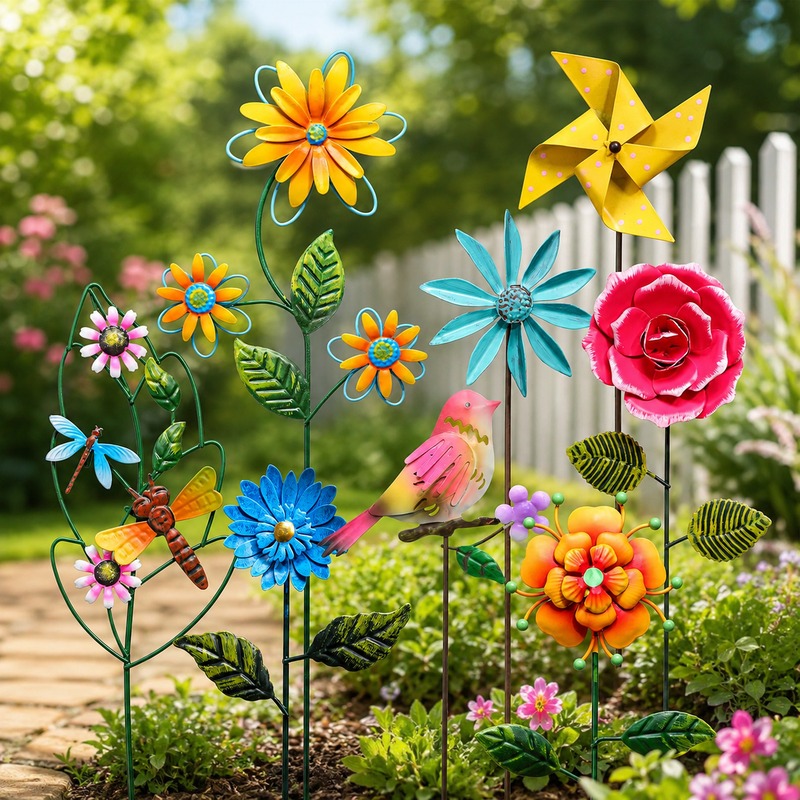
Real Touch Artificial Flower Gallery
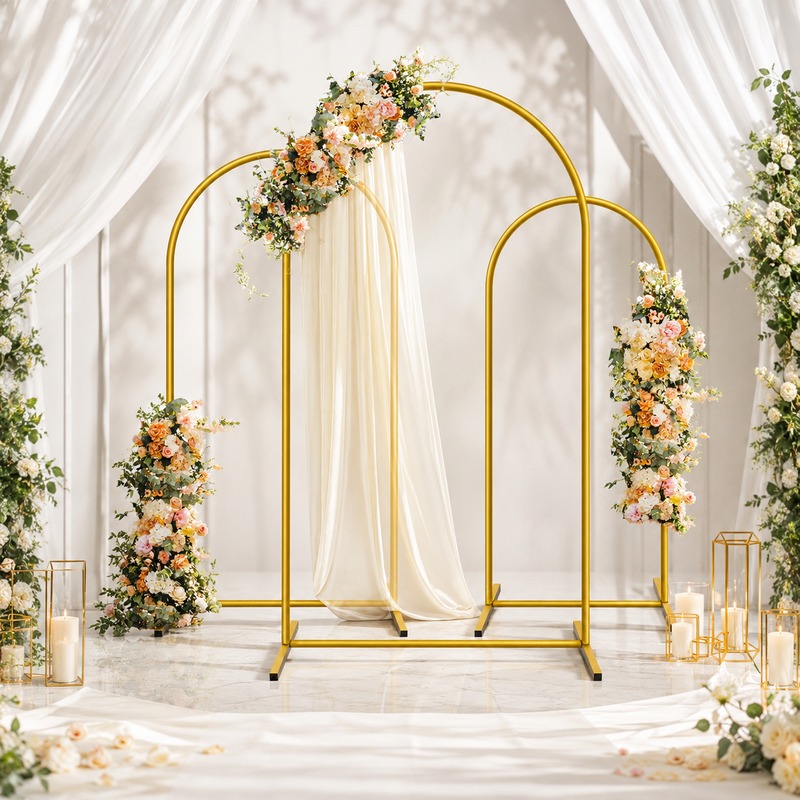
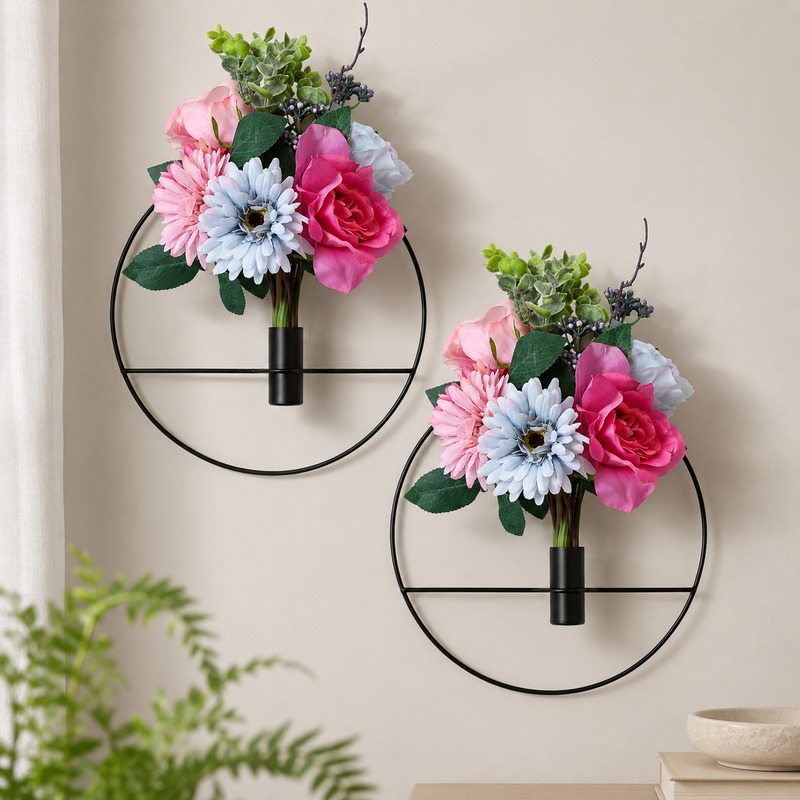
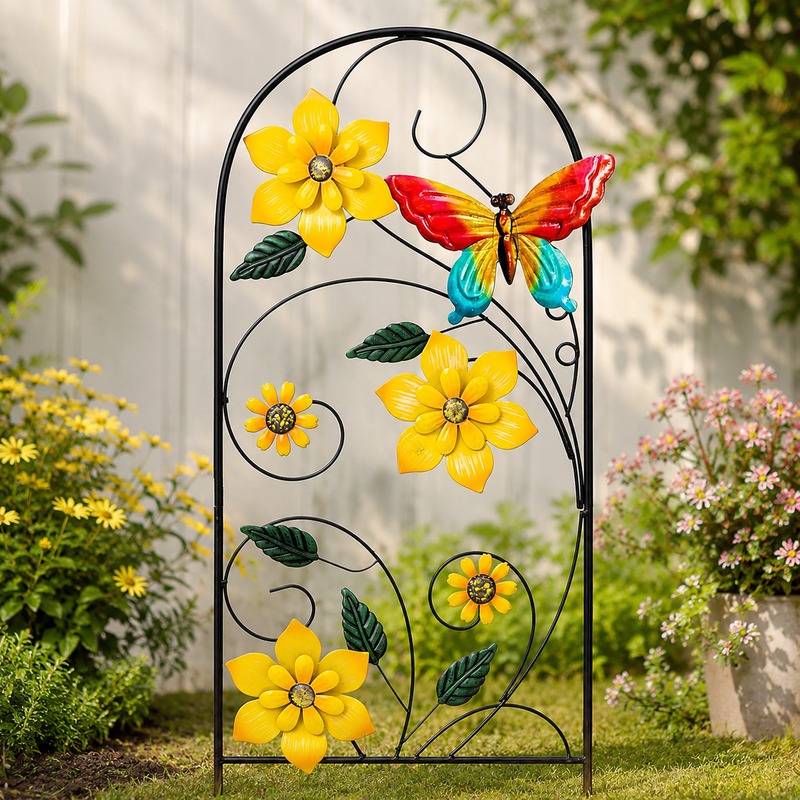
Select the Buyer Scenario Before You Build the Flower Program.
Wholesale, retail, wedding, hospitality and commercial project buyers evaluate real touch artificial flowers differently.
Build the Range by Flower Role, Color Family, Size and Price Position.
Wholesale buyers can structure the assortment by application, flower form, color direction, visual realism, handfeel, size and packaging instead of adding similar SKUs without a clear commercial role.
Target market, flower direction, color families, size range, quantity and SKU count.
Range architecture, color consistency, tactile approval and packing efficiency.
Building a range from catalogue photos without checking actual samples and physical differences.
A focused real touch shortlist for sampling, quotation or range planning.
MOQ and lead time should be confirmed against the actual flower, color, customization, quantity and packaging requirements.
Choose Real Touch Flowers by How They Will Be Seen, Handled and Arranged.
The same product can perform differently depending on viewing distance, arrangement style, buyer channel and the amount of physical handling before the end customer sees it.
Detail and Handfeel Become High-Priority Approval Points.
Products handled by consumers or photographed closely should be approved for petal appearance, touch, color and packaging recovery.
Palette, Flower Scale and Arrangement Role Should Work Together.
The buyer should define the color direction, arrangement concept, viewing distance and quantity structure for the event program.
Visual Realism Must Match the Space, Container and Viewing Distance.
A flower used in a lobby arrangement can be evaluated differently from one used on a close-view restaurant table.
Repeatability Matters When Several Locations Use the Same Direction.
Project buyers should define the approved sample, color direction, arrangement logic and packaging requirements that need to repeat across the program.
Eight Variables That Make a Real Touch Flower Brief More Useful.
Where Will the Flower Be Used?
Define retail, e-commerce, wedding, hospitality, interior styling or commercial project use.
Close-View and Distance-View Products Need Different Priorities.
Specify whether the flower will be handled or viewed closely, seen from room distance or used in a large installation.
Flower Head, Stem and Overall Proportion Should Match the Arrangement.
Provide overall dimensions and the arrangement context where size and proportion are commercially important.
A Color Name Alone Is Not an Approval Standard.
Use a controlled visual or physical reference where exact palette direction matters to the order.
Approve the Actual Tactile Result.
“Real touch” should be judged on the selected sample because the product category does not define one universal tactile result.
The Flower Must Work with the Buyer’s Arrangement Method.
Stem length, position, silhouette and arrangement behavior should be confirmed where they affect use.
Protect Petals, Flower Heads and Shape During Transport.
Compression, movement, inner protection and customer-facing presentation should be considered together.
Define What the Sample Must Prove.
Visual realism, touch, color, dimensions, stem, arrangement behavior and packaging can all be part of approval.
Build a Better Product Brief Before You Request a Quote.
Wholesale Real Touch Flower Brief
Build a focused assortment by flower role, color family, size, tactile direction, quantity and packaging instead of selecting only from catalogue images.
Range roles, repeatability, color and tactile approval.
Actual sample, dimensions, color direction and packaging.
Shortlist physical samples before final range approval.
“Real touch” should be approved physically. A product image can communicate form and color direction, but it cannot prove the tactile experience.
A Real Touch Sample Should Be Checked with Both the Eyes and the Hands.
Sample approval should focus on the product characteristics the buyer will actually experience: petal form, visual surface, touch, color, flower scale, stem and packing recovery.
Review the Flower from the Intended Viewing Distance.
Check shape, color direction, visible transitions and overall proportion in the context where the product will be used.
Approve the Tactile Direction on the Actual SKU.
Do not use the category term “real touch” as a substitute for physical sample approval.
Confirm the Flower Works in the Intended Arrangement.
Flower head scale, stem length and final silhouette should be evaluated with the buyer’s arrangement method in mind.
Check How the Product Looks After Packing and Unpacking.
Where relevant, review petal compression, flower-head protection, movement and the amount of reshaping needed after unpacking.
A Flower Range Should Read as One Deliberate Collection — Not a Group of Similar SKUs.
Group Colors Around a Market or Project Direction.
A controlled palette helps wholesale, retail and event buyers build more coherent assortments.
Large and Small Flowers Should Have Clear Roles.
Use product scale intentionally for focal flowers, supporting flowers, close-view pieces or larger displays.
The Approved Sample Should Become the Physical Reference.
Where tactile direction matters, physical approval is more useful than relying only on digital color or product photos.
Related SKUs Should Follow a Coherent Packing Strategy.
Packing should support protection, presentation and order handling without introducing unnecessary variation across the range.
“Real Touch” Describes a Buyer Experience — It Does Not Prove Every Other Product Property.
Material composition, outdoor suitability, UV resistance, flame performance, water resistance and other technical properties should be confirmed for the actual SKU when required.
Do Not Assume One Universal Material for “Real Touch.”
Confirm the actual material construction and product specification for the selected SKU when material information matters.
Do Not Assume Outdoor Suitability.
If outdoor use is required, define the environment and performance expectation so the actual product can be reviewed.
Do Not Assume a Blanket Technical Claim.
If a market or project requires testing, documentation or a specific property, confirm it against the actual SKU and intended use.
Screen Color Is Not a Final Production Approval.
Where exact color is commercially important, use an agreed visual or physical reference and approve the actual sample.
Customize Color, Form, Size, Packaging and Product Direction Around the Buyer’s Market.
Botanicblossoms supports product design, colors, materials, sizes, finishes, molds, packaging and private-label requirements. The actual development scope should be confirmed against the selected product, intended use and production feasibility.
Build a Palette Around the Market or Project.
Use visual references or approved samples to define the intended direction more clearly.
Coordinate Flower Head, Stem and Overall Scale.
Custom size or proportion should be evaluated against the intended arrangement and manufacturing feasibility.
Separate the Concept from the Production Standard.
OEM or ODM development should move through feasibility, sampling and production-ready approval.
Protect the Flower and Brand Presentation Together.
Labeling, customer-facing packaging, inner protection and carton requirements can be reviewed as one program.
The Approved Sample Should Become the Physical Reference for the Order.
Sample approval is where buyers should resolve visual realism, touch, color direction, dimensions, flower form, stem behavior, arrangement fit and packaging expectations before bulk production.
Does the Product Deliver the Intended Real Touch Experience?
Approve the physical flower rather than relying on the category name or product photography alone.
Does the Sample Match the Intended Palette Direction?
Review color in the intended commercial context and use the approved reference for bulk comparison.
Does the Flower Work in the Intended Arrangement?
Confirm flower scale, silhouette, stem length and arrangement behavior where they affect the final use.
Does the Flower Recover Acceptably After Unpacking?
Where relevant, review compression, movement, protection and the amount of reshaping needed after transport-style packing.
Bulk Real Touch Flowers Should Follow the Approved Physical Reference from Production to Packing.
Follow the Confirmed Product Direction.
Material, flower component, color and construction requirements should align with the approved SKU or specification.
Control Flower Form and Stem Presentation During Production.
Visual shape, component alignment and overall silhouette should be checked before final packing.
Compare Against the Approved Reference.
Inspection can include appearance, dimensions, color direction, quantity, packaging and buyer-specific criteria where agreed.
Protect Petals, Heads, Stems and Presentation.
Packing should reduce unnecessary compression, movement and damage while supporting the agreed order presentation.
Your Real Touch Botanical Journey: From Idea to Delivery
From the moment you share your concept to the day your finished real-touch flowers are shipped, we support each step with clear, professional communication and practical, workshop-level production management.
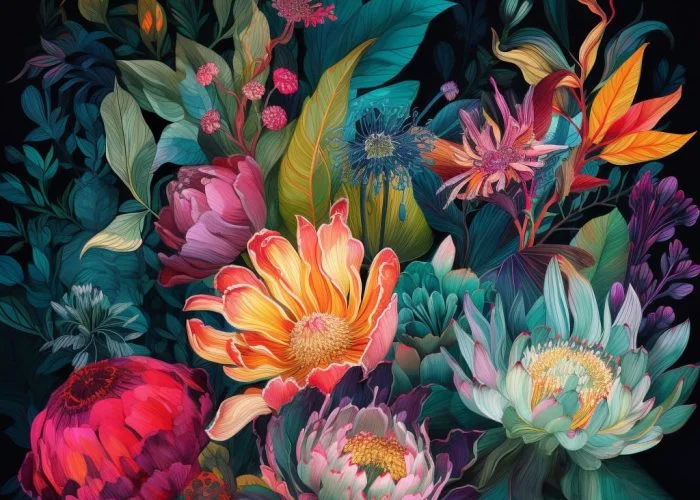
Share Your Idea
Send your concept, reference images, dimensions, and target market. Our team will review your requirements and provide professional technical and material feedback within 2–3 business days.
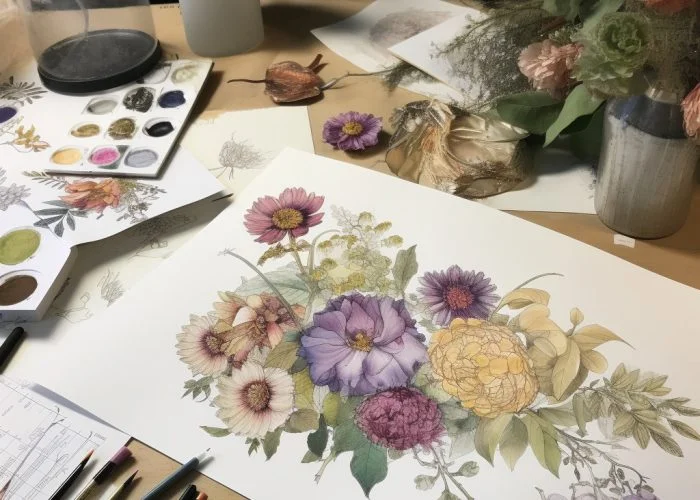
Design & Quotation
We confirm physical floral structures, polymer materials, surface finishes, and packaging solutions. For bespoke products, we support custom 3D botanical renderings and technical drawings tailored to your needs.
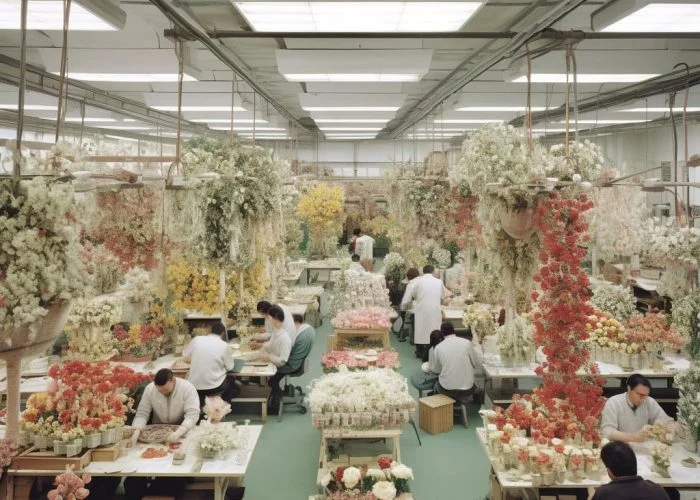
Sample Development
Once design and quotation are approved, our workshop prepares physical pre-production samples. Production timing depends on structural complexity, custom tooling, and specialized multi-tone hand-dyeing requirements.

Bulk Production
After sample approval, your order enters mass manufacturing. Our production lines manage high-precision liquid polymer injection, core wire assembly, and artisan hand-tinting according to confirmed technical specifications.
Quality Inspection
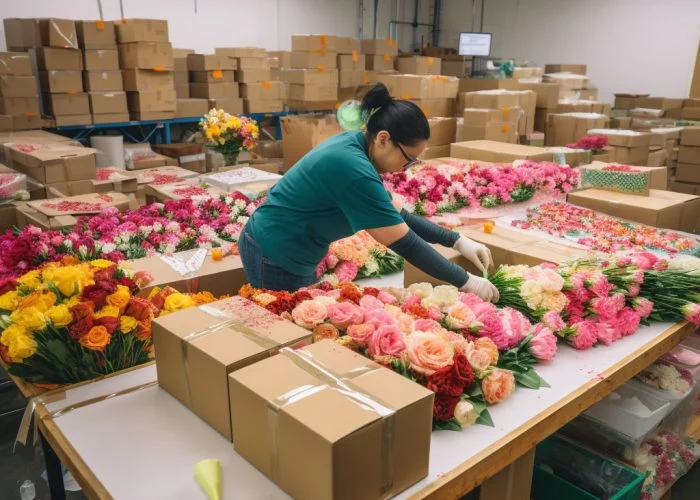
Before shipment, we conduct 100% manual audits. We strictly verify lifelike appearance, coating adhesion, color consistency against Pantone standards, structural durability, and heavy-duty carton packing condition.

Pack and Ship
Finished botanical items are packed securely in reinforced export cartons to eliminate petal creasing. We coordinate optimized sea or air freight based on your destination and volume.
One Product Category. Different B2B Buying Priorities.
Wholesalers & Distributors
Range structure, color families, product roles, repeat sourcing and packing efficiency.
Retail & E-Commerce
Close-view realism, handfeel, photography, packaging and private-label presentation.
Wedding Companies, Hotels & Restaurants
Palette, arrangement scale, viewing distance, presentation and replacement consistency.
Interior Designers & Commercial Buyers
Approved palette, viewing distance, arrangement fit, repeatability, packing and project-specific acceptance.
Continue the Search When Real Touch Flowers Are Part of a Broader Floral Program.
Artificial Flowers
Explore the broader artificial flower category when the order needs several flower directions or different product constructions.
Artificial Wedding Flowers
Use this route when the flower program is being developed around wedding palettes, event arrangements or coordinated floral sets.
Christmas Artificial Flowers
Use this route when the buying program is organized around Christmas color directions, seasonal displays or holiday collections.
Real Touch Flower Sourcing Supported by Manufacturing and Development Capacity.
Manufacturing base in Jinhua, Zhejiang, China.
Supports development, production, quality, packing and order execution.
Supports OEM and ODM development requirements.
Approximate monthly capacity across supported product programs.
The Product Page Should Help the Buyer Define What Must Be Confirmed — Not Create False Certainty.
“Real Touch” Does Not Define One Material Specification.
Confirm material information for the actual SKU when composition is important to the buyer or project.
MOQ Depends on the Actual Product Program.
Flower, color, customization, quantity, packaging and development requirements can create different production needs.
Timing Must Follow the Actual Order Route.
Sampling, custom color, product development, quantity, packaging and approval can affect timing.
Use the Actual Sample as the Controlled Product Reference.
Website images help discovery, but touch, color, form, stem behavior and packing should use an agreed physical reference where important.
Frequently Asked Questions on Real Touch Flowers
Your Questions, Answered: Dive into our comprehensive FAQ section where we address the most pressing inquiries from our B2B partners. From material engineering to shipping logistics, we’ve got you covered with transparent and detailed responses.
Do you have a minimum order quantity? +
Our standard manufacturing MOQ is 100 units per style or color. However, for initial portfolio sampling or verified custom architectural projects, we can adapt this threshold based on a technical review.
Can I customize the design of real touch flowers? +
Yes. We offer deep customization across dimensions, botanical styles, and surface gloss (matte, waxy, or moist-touch) to seamlessly match your brand portfolio or specific large-scale design project brief.
Can you make real touch flowers based on my reference image? +
Absolutely. You can submit physical specimens, photos, or drawings. Our engineering team converts them into detailed 3D technical data to capture the exact microscopic vein details of live petals.
Are your real touch flowers suitable for outdoor use? +
Our standard range is UV-stabilized during production to resist yellowing under indirect sunlight. For full outdoor applications, we can add specialized weather-resistant polymer formulations upon technical request.
What surface finishes do you offer? +
We offer proprietary "waxy, moist, and soft" textures via liquid polymer coatings. Our artisans can adjust the gloss levels and apply hand-sprayed gradients to match Pantone systems perfectly.
How do you control product quality? +
We enforce strict workshop-level quality control, including 100% incoming raw polymer verification, 3D mold consistency checking, color variance audits under standard lighting, and 1.5-meter packaging drop testing.
Can you provide retail-ready packaging? +
Yes. We can customize retail boxes, barcodes, inner dividers, and protective sleeves. All export packing is reinforced with thick custom cartons and pearl cotton inserts to ensure transport safety.
What types of buyers do you work with? +
We partner with global B2B clients, including premium commercial decorators, hospitality supply brands, luxury event rental portfolios, home decor importers, and specialized large-scale botanical wholesalers.
How long does production usually take? +
Custom mold engineering takes 1–2 weeks, followed by 3–4 weeks for core injection molding, wire core integration, and artisanal hand-dyeing, depending on your bulk contract volume.
Can you support seasonal collections? +
Yes. We closely collaborate with floral designers and brand teams to develop bespoke seasonal colors, multi-tone gradient variations, and custom exotic species according to your target mood boards.
How do you ship bulk real touch flowers? +
We utilize tailored heavy-duty boxes to prevent petal creasing and coordinate optimized sea or air container freight with top-tier logistics networks, providing complete tracking and customs transparency.
Tell Us What Real Touch Artificial Flowers You Need to Source or Customize
Share the flower type, intended use, target quantity, dimensions, color direction, handfeel expectation, stem specifications, surface finish, packaging requirements and destination market. Our team can review the project and recommend the appropriate sourcing or customization solution.
Real touch flower sourcing
Single stems, bouquets, arrangements, wedding collections, hospitality displays and coordinated botanical ranges.
OEM / ODM real touch flower development
Custom flower structures, polymer materials, dimensions, Pantone colors, surface textures, stem flexibility, packaging and private labels.
Wholesale & project orders
Wholesalers, floral designers, wedding and event companies, hospitality brands, retailers and commercial decorators.