
Are you seeking consistent, low-maintenance beauty for your environment? Imagine decor that always appears fresh, requires no ongoing care, and fits any design theme perfectly. This approach offers solutions that meet all these needs efficiently.
Artificial plants deliver enduring aesthetic appeal, eliminate maintenance requirements, and provide extensive design flexibility, making them optimal for enhancing both residential and commercial settings by reducing operational costs and expanding decorative possibilities.
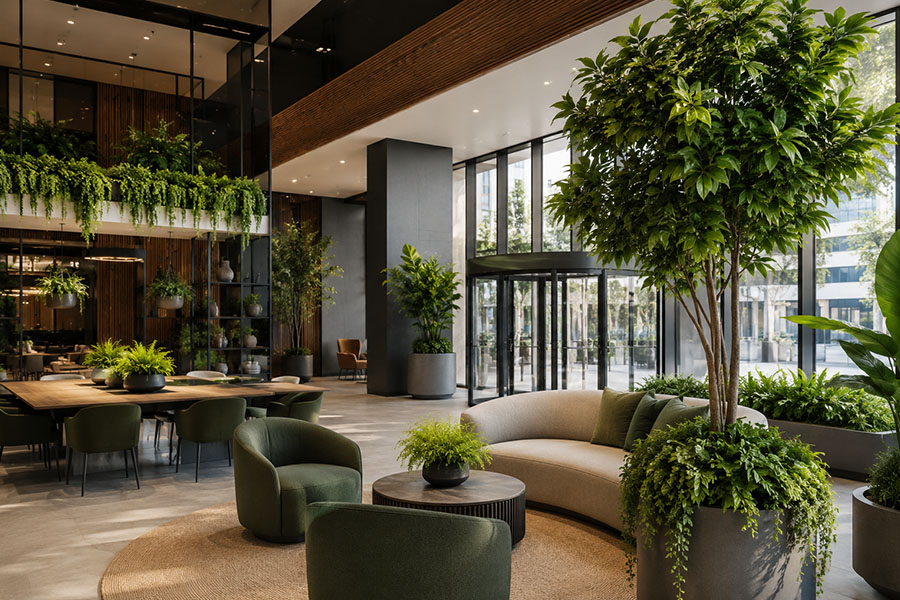
The challenge of maintaining vibrant decor without constant effort or the risk of deterioration is a common one. Natural botanicals are appealing, but their upkeep and associated expenses accumulate over time. A practical alternative exists to consistently provide beauty and address these ongoing requirements.
What Are the Benefits of Artificial Plants?
Do you find yourself frequently replacing natural greenery or spending excessively on its upkeep? Many organizations and individuals struggle to maintain fresh decor that consistently looks vibrant. The effort and cost associated with live plants can be substantial.
Artificial plants offer long-term financial advantages, eliminate maintenance demands, and ensure a consistent aesthetic. These attributes make them a strategic choice for entities seeking dependable, attractive decor without the continuous labor and expenditure linked to live foliage.
The development of artificial plants focuses on realism and durability. This ensures products not only mimic real botanicals but also withstand the test of time. Consider the typical issues with live plants: continuous watering, pruning, pest control, and frequent replacement. Artificial plants resolve these issues. They maintain a perpetual state of bloom and greenery, presenting a flawless appearance indefinitely. This consistency is particularly valuable for commercial settings that require an impeccable visual standard daily.
Cost-Effectiveness Over Time
Adopting artificial plants represents an investment that yields quick returns.
- Eliminated Ongoing Costs: Unlike live plants, artificial ones do not require water, fertilizer, or specific lighting. This results in savings on utilities and supplies.
- Reduced Labor Needs: There is no necessity to employ gardening staff or allocate employee time for plant maintenance.
- Extended Lifespan: These products are engineered for longevity, often lasting for many years. This translates to fewer replacements and greater savings.
| Expense Type | Live Plants | Artificial Plants |
|---|---|---|
| Initial Purchase | Moderate | Moderate to High |
| Water | Regular | None |
| Fertilizers/Pesticides | Routine | None |
| Labor (Care) | High | Minimal (Dusting) |
| Replacement Frequency | Annually/Seasonally | Every 5-10+ years |
| Total Cost (5 Years) | Substantially Higher | Significantly Lower |
Versatility in Design and Placement
Artificial plants provide unparalleled adaptability for any design project.
- Diverse Environments: They thrive in low-light conditions, brightly lit areas, and environments with extreme temperatures where live plants would not survive.
- Specific Themes: Specific aesthetic themes can be achieved without concerns about plant availability or seasonal changes.
- Allergy-Friendly: The absence of pollen ensures a comfortable environment for all individuals.
- Safety Considerations: There are no concerns about toxic plants when children or pets are present.
Durability and Realism
A focus on quality ensures artificial plants are robust and remarkably lifelike.
- Premium Materials: High-grade silks, plastics, and other components are used to replicate natural textures accurately.
- UV Resistance: Many products feature UV treatment to prevent fading from sun exposure, making them suitable for outdoor use.
- Expert Craftsmanship: Each item is meticulously produced to mirror the intricate details of natural botanical forms.
- Consistent Appearance: They retain their vibrant colors and perfect shape indefinitely, ensuring spaces always present their best appearance.
What Is the Role of Artificial Plants?
Have you considered how artificial plants can serve practical functions beyond mere aesthetics? Their role extends significantly, particularly within commercial contexts. Artificial plants function as effective problem-solvers in various scenarios.
Artificial plants are instrumental in improving environments by ensuring consistent visual appeal, resolving complex maintenance issues, and offering adaptable design solutions for a broad spectrum of commercial and residential applications. They provide these benefits without the inherent limitations of live foliage, positioning them as a strategic choice for entities prioritizing efficiency and visual quality.
The aim of utilizing artificial plants is to offer more than just decorative items. It is to provide solutions that address tangible operational needs. For instance, event planners require dependable decor that maintains perfection from beginning to end, irrespective of venue conditions. Event managers need impactful backdrops that can be installed quickly and reused. Interior designers seek enduring elements that complete a space without the burden of continuous care. Artificial plants fulfill these roles precisely, functioning as both attractive accents and practical tools.
Enhancing Commercial Spaces
Artificial plants are indispensable for businesses aiming to cultivate inviting and professional environments.
- Initial Perceptions: In reception areas, lobbies, and waiting rooms, they contribute to a welcoming atmosphere.
- Brand Reinforcement: Consistent, high-quality greenery reinforces a professional and meticulous brand image.
- Employee Well-being: Research indicates that the presence of greenery, even artificial, can positively affect mood and productivity in workplaces.
- Customer Experience: They introduce warmth and visual appeal to retail stores, restaurants, and hotels, thereby enriching the overall customer experience.
Practical Applications in Events and Design
From large-scale events to intricate interior designs, artificial plants offer unmatched utility.
- Event Decor: They are ideal for weddings, corporate events, and parties because they can be prepared in advance, withstand diverse conditions, and be repurposed.
- Stage and Set Design: Theatrical productions and photographic shoots often depend on artificial plants for their uniform appearance and ease of handling.
- Interior Styling: Designers use them to introduce color, texture, and vitality to spaces where live plants are impractical, such as dimly lit rooms or high-traffic zones.
- Seasonal Decor: They facilitate effortless seasonal transformations without the need to purchase and discard new live plants each cycle.
Addressing Specific Industry Needs
Various industries have distinct requirements that artificial plants can effectively meet.
- Hospitality Sector: Hotels and resorts employ them to sustain luxurious environments while minimizing maintenance expenditures.
- Healthcare Facilities: Hospitals and clinics benefit from their sterile nature and calming influence, devoid of allergy risks.
- Retail Environments: Stores utilize them to create engaging displays that attract customers and highlight merchandise.
- Real Estate Market: Staging properties with artificial plants makes them appear more inviting and habitable, aiding in quicker sales.
Do People Still Decorate With Fake Plants?
Are you questioning whether artificial plants remain a fashionable and acceptable decor option today? This is a frequent query, particularly given the rising popularity of biophilic design and a renewed appreciation for natural elements. There was a time when artificial plants were viewed with skepticism, often associated with lower quality or outdated aesthetics.
Yes, artificial plants are extensively used in decor, and their popularity is increasing due to advancements in realism, a growing need for low-maintenance options, and their adaptability in modern design. This makes them a sophisticated and practical choice for both home and business environments.
The floral and decor industry has witnessed a significant evolution in artificial plants. What was once considered a mere substitute has transformed into a refined design component. Modern artificial plants are often indistinguishable from their natural counterparts. Clients across various sectors, from large corporations to individual homeowners, frequently choose artificial plants for their ability to deliver beauty without compromise. The perception has shifted considerably, moving from "fake" to "faux real"—a term that emphasizes their authentic visual quality.
The Evolution of High-Quality Faux Botanicals
The quality of artificial plants has advanced notably, reshaping public perception.
- Technological Progress: Modern manufacturing techniques enable the creation of incredibly realistic textures, colors, and forms.
- Detail Orientation: Contemporary artificial plants replicate natural imperfections, enhancing their convincing appearance.
- Designer Preference: Prominent interior designers now routinely incorporate high-quality artificial plants into their projects.
- Sustainable Choice: For many, selecting a durable artificial plant over the repeated purchase of fresh cut flowers is considered a more environmentally conscious decision.
Lifestyle and Practicality Drive Demand
Modern lifestyles necessitate decor that is both beautiful and convenient.
- Demanding Schedules: Individuals have less time for plant care, making maintenance-free options particularly appealing.
- Frequent Travel: For those who travel often, artificial plants ensure their living spaces always appear inviting without concerns of neglect.
- Specific Conditions: Artificial plants thrive in settings where live plants would struggle, such as offices with limited natural light or climate-controlled homes.
- Allergy Considerations: They offer the aesthetic appeal of greenery without triggering allergies, a considerable advantage for many individuals.
Trends in Modern Decor
Artificial plants integrate seamlessly into contemporary design trends.
- Biophilic Design: They help introduce natural elements indoors, even in areas where live plants are not feasible.
- Minimalist Aesthetics: They provide a touch of nature without the clutter or continuous effort linked to live plants.
- Versatile Styling: From bohemian to industrial, artificial plants adapt to any decor style, adding a touch of green.
- Event and Commercial Decor: Businesses rely on them for consistent, high-impact visuals that can be reused, aligning with goals of efficiency and sustainability.
How to Make Artificial Plants Look More Real?
Are you concerned that your artificial plants might appear unconvincing? Many individuals share this worry, desiring to achieve a natural, vibrant look without the obvious signs of artificiality. The goal is to create products that are visually deceptive. It involves more than just acquiring a plant; it concerns how it is integrated into its surroundings.
To enhance the realism of artificial plants, select high-quality products with intricate details, combine them with natural elements, use suitable planters, and arrange them thoughtfully in authentic settings. Pay attention to regular dusting and placement to mimic organic growth patterns effectively.
Extensive experience with artificial plants reveals key strategies for making them appear truly authentic. It is a combination of choosing the appropriate product and applying straightforward styling techniques. When artificial plants are designed, every detail is considered—subtle color variations, natural imperfections, and the texture of leaves and stems. However, even the best artificial plant can look artificial if not styled correctly. The objective is to create an illusion, a seamless integration with the environment.
Choose High-Quality, Realistic Products
The foundation of a compelling artificial plant display rests on the product’s quality.
- Detail Examination: Look for realistic veining on leaves, natural color inconsistencies, and a matte finish rather than a glossy plastic appearance.
- "Real Touch" Materials: Some premium artificial plants incorporate special materials that offer a tactile sensation similar to real foliage.
- Natural Imperfections: Real plants are rarely flawless. Seek subtle variations, minor "blemishes," or slight color shifts that emulate natural growth.
- Quality Stems and Trunks: The stem often reveals artificiality. Prioritize realistic, textured stems or authentic-looking wooden trunks when applicable.
Thoughtful Placement and Arrangement
The positioning and arrangement of artificial plants significantly impact their perceived realism.
- Natural Light Simulation: Place artificial plants in locations where live plants would naturally flourish, such as near windows or in well-lit areas.
- Varying Heights and Textures: Mix different types of artificial plants, similar to how one would with live ones, to generate visual interest.
- Integration with Natural Elements: Incorporate a few live plants nearby, or use natural components like stones, moss, or wood around the base of the artificial plant.
- Fluffing and Shaping: Artificial plants are often compactly packaged. Gently bend and shape the leaves and branches to impart a more organic, expansive form.
| Tip for Realism | Action | Why it Works |
|---|---|---|
| Add Real Soil/Moss | Top the planter with a layer of actual potting soil or preserved moss. | Creates an authentic base and conceals artificial elements. |
| Vary Leaf Angles | Angle some leaves slightly, avoiding a perfectly flat appearance. | Mimics natural growth patterns and movement. |
| Regular Dusting | Wipe leaves with a damp cloth periodically. | Removes artificial sheen and maintains a fresh look. |
| Layering Plants | Position smaller plants in front of larger ones. | Adds depth and replicates a natural botanical grouping. |
Utilize Appropriate Planters and Containers
The correct choice of pot significantly enhances a plant’s realism.
- Heavy, Substantial Planters: Opt for ceramic, concrete, or terracotta pots that possess weight and a natural aesthetic.
- Proportionate Sizing: Ensure the container is appropriately sized for the plant, avoiding pots that are either too small or too large.
- Drainage Hole Illusion: Although artificial plants do not require drainage, a pot with visible drainage holes (even if sealed) contributes to the illusion of a live plant.
- Conceal the Base: Always ensure the artificial plant’s plastic base is entirely hidden, either by the pot itself, real soil, or decorative fillers.
My Insights: Highlighting Practical Applications and Customer Success with Artificial Plants
Struggling to balance aesthetics and upkeep in commercial spaces? Artificial plants offer beauty without maintenance, transforming venues like offices, hotels, and restaurants while optimizing costs and satisfaction.
Artificial plants serve versatile purposes across corporate offices, retail spaces, restaurants, and hospitality venues, offering lifelike aesthetics without the costs or upkeep of live plants. UV-resistant greenery and custom designs enhance both indoor and outdoor environments year-round.
Realizing Customer Success with Artificial Plants
By bridging functionality and beauty, artificial plants have become a practical décor solution for countless industries. Below is a deeper dive into their diverse applications and benefits:
1. Versatile Real-Life Applications
Artificial plants shine in settings where live greenery struggles. Their durability and low-maintenance features make them ideal for corporate offices, hospital lobbies, or restaurants with high foot traffic. Outdoor UV-resistant designs thrive in patios, balconies, storefronts, and hotel grounds while retaining their vibrancy.
| Industry | Primary Application | Benefit |
|---|---|---|
| Corporate Offices | Corner décor, reception areas | Professional, polished aesthetics |
| Retail Spaces | Product display framing, entryways | Engaging and inviting environment |
| Hotels | Lobby greenery, seasonal accents | Luxurious appearance year-round |
| Hospitals | Patient lounges, waiting areas | Promotes calm and reduces stress |
| Restaurants | Themed interior/exterior décor | Enhances dining ambiance |
2. Customer Success Drivers
Artificial greenery enhances customer satisfaction and loyalty:
- Time Savings: Eliminate watering, pruning, and replacing plants, especially in high-maintenance venues.
- Realistic Designs: Modern faux plants emulate genuine textures, leaves, and colors for premium décor.
- Cost Efficiency: Avoid recurring costs of fertilizers, natural replacements, and pest control—perfect for long-term use.
3. Success Stories: Practical Case Studies
Event organizers praise artificial plants for large-scale decorations due to their practicality and reusability. Similarly, retail stores use lifelike greenery to create appealing displays that drive customer traffic. Case studies show customers attribute a portion of their satisfaction to environments offering visual warmth and comfort.
4. Styling for Maximum Impact
To maximize décor success, select industry-appropriate artificial plants and pair them with complementary features like ribbons, lighting fixtures, or seasonal accents. For retail and hospitality venues, showcasing styled examples in entryways, terraces, or focal points helps clients visualize the possibilities.
The Functional and Aesthetic Appeal of Artificial Plants
1. Practical Utility Across Settings
Artificial plants thrive where live ones falter: in spaces with limited lighting, high humidity, or erratic maintenance routines. Hotels, for instance, achieve year-round luxury with lobby arrangements requiring minimal attention, while patriotic outdoor displays remain intact under changing weather due to UV-resistant materials.
2. Driving Customer Experiences
A welcoming environment translates to better customer experiences. Incorporating lifelike faux greenery into business design improves ambiance, creates warmth, and simplifies the guest journey. Real-world testimonials consistently highlight how artificial plants elevate spaces while supporting time-pressed organizers.
3. Style Meets Functionality
Artificial displays blend effortlessly into most themed décor, whether rustic outdoors or polished office designs. Their ability to pair with branded accents or festive ribbons gives businesses creative freedom to balance functionality with branding—underscoring their role as a powerful business tool.
Conclusion
Artificial plants provide substantial advantages, serving as adaptable, low-maintenance, and economically sound choices for improving any setting. They represent a contemporary and refined option, with established methods available to ensure their authentic appearance.