
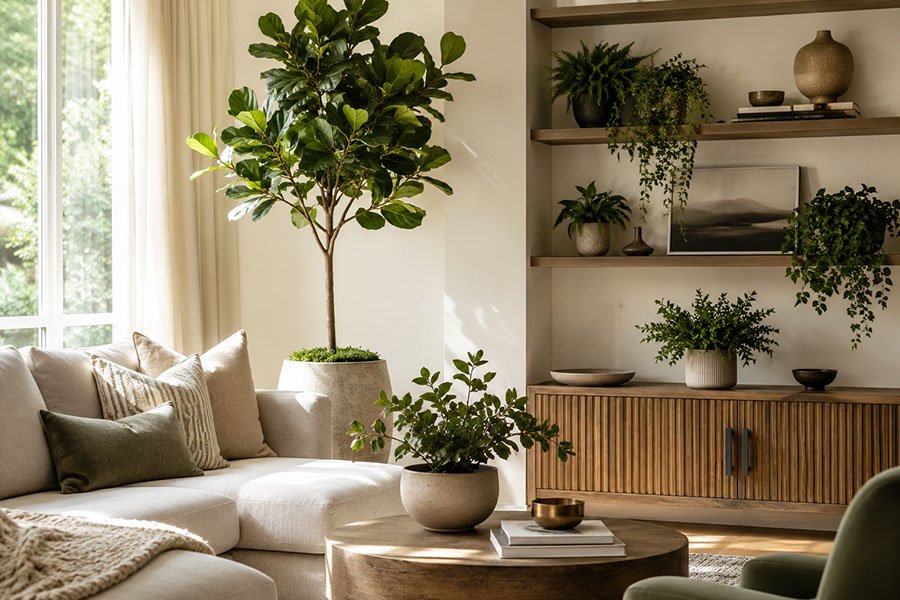
The idea that artificial plants are just "tacky" might be stopping many from amazing decor. Is this outdated thinking limiting design choices?
Modern artificial plants are anything but tacky; they are a smart, stylish choice for many spaces. High-quality faux botanicals offer lasting beauty without the upkeep. They bring green life to any room, making it look fresh and inviting. These products enhance interiors with minimal effort.
In the past, artificial plants were often seen as low-quality. However, advancements in manufacturing have changed this view. Today’s artificial flowers and greenery can achieve high realism and durability. The market has shifted towards appreciating the design freedom and practicality that faux plants offer, especially in professional decor settings.
Are Artificial Plants Tacky or Stylish?
Feeling like artificial plants are not chic can limit design potential. Is it true that faux greenery always looks cheap?
No, artificial plants are not tacky; they are stylish when chosen well. High-quality faux botanicals are made to look real, with detailed leaves and natural colors. They offer the beauty of live plants without constant care. They allow for flexible design, bringing green touches to any area, even those with low light.
Many people hold onto old ideas about artificial plants. They picture dusty, bright plastic items. However, the industry has changed a lot. Today’s producers focus on realism. They use better materials and techniques. This means that a well-chosen artificial plant can enhance a room. It adds green life and texture. It does this without the problems of watering or wilting. This makes them a good option for interior designers and event planners looking for reliable decor.
What Makes a Faux Plant Look Stylish?
Choosing the right artificial plant makes all the difference. It is not about avoiding fake plants; it is about choosing smart ones. Here are some key points:
-
Realism is Key:
- Texture: Look for leaves and stems with natural textures. They should feel like real plant parts. This detail makes a big impact.
- Color Variation: Real plants have slight color changes in their leaves. Good faux plants copy this with different shades of green. Uniform color often looks fake.
- Natural Imperfections: A few small "flaws" can make a plant look more real, not less. This adds to its authenticity.
- Potting: A quality pot or planter adds to the plant’s overall look. It should match the plant’s style. A basic plastic pot can ruin the effect.
-
Material Quality Matters:
- Silk and High-Grade Plastics: These materials offer the best look and feel. They hold their shape and color well over time.
- UV Resistance: For plants near windows, UV-resistant materials prevent fading. This keeps them looking fresh for years. Without this, colors can dull quickly.
- Durability: Well-made artificial plants are designed to last. This means they keep their beauty in many settings, from homes to commercial spaces. They withstand handling and time.
-
Placement and Styling:
- Mix with Real Plants: Place faux plants among real ones. This makes both look more natural. The real plants add to the illusion.
- Consider the Setting: A lush faux fern might be perfect for a dimly lit corner. A bright faux orchid can cheer up a bathroom. Match the plant to the environment.
- Cleanliness: Keep your artificial plants clean. Dust makes any plant look less appealing, real or fake. Regular dusting is important for their appearance.
The industry now focuses on high realism and durability. This helps in creating stunning visuals for various occasions. It meets the needs of clients who expect sophisticated and long-lasting decor solutions. The goal is to provide beauty without ongoing maintenance.
| Feature | Stylish Faux Plant | Tacky Faux Plant |
|---|---|---|
| Material | High-grade silk, realistic plastic | Shiny plastic, cheap fabric |
| Color | Natural variations, subtle tones | Uniform, bright, unnatural green |
| Texture | Veins, slight imperfections | Smooth, unrealistic feel |
| Potting | Quality pot, natural filler | Basic plastic pot, visible foam |
| Longevity | Durable, fade-resistant | Fades quickly, breaks easily |
What Are the Latest Trends in Faux Plants?
Thinking about artificial plants might bring up old images of dusty, plastic flowers. But are current styles being overlooked?
The latest trends in faux plants are all about natural looks, diverse textures, and sustainable choices. Gone are the days of obviously fake decor. Today’s artificial plants are designed to blend seamlessly into any setting. They feature a wide range of realistic botanicals, from exotic flowers to lush greenery. These trends offer a smart way to add life to any space.
The decor industry constantly evolves. Current trends strongly favor integrating nature into indoor spaces. Artificial plants are ideal for this. They offer the aesthetic benefits of greenery without the challenges of care. This makes them a valuable tool for anyone looking to refresh an interior design or stage an event. The focus is on creating immersive, natural environments.
Embracing Nature-Inspired Designs
Modern decor is all about bringing the outdoors in. Artificial plants make this easy. They allow for stunning green displays in any room, no matter the light or care needed.
-
Large Statement Pieces:
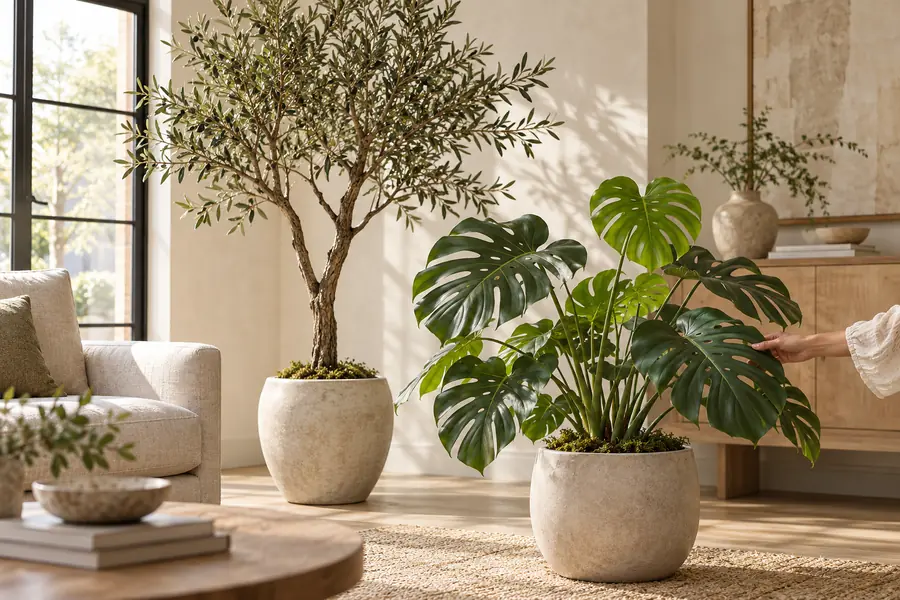
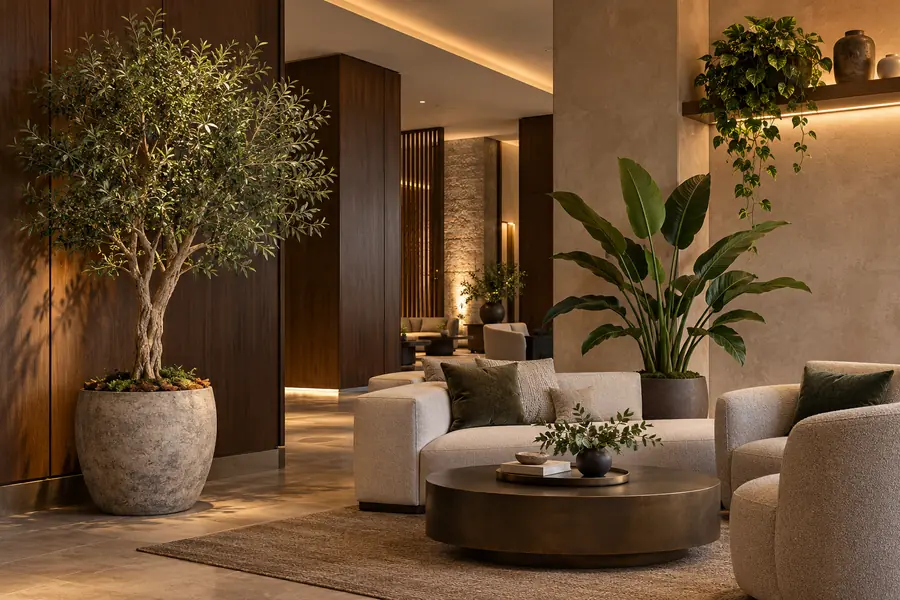
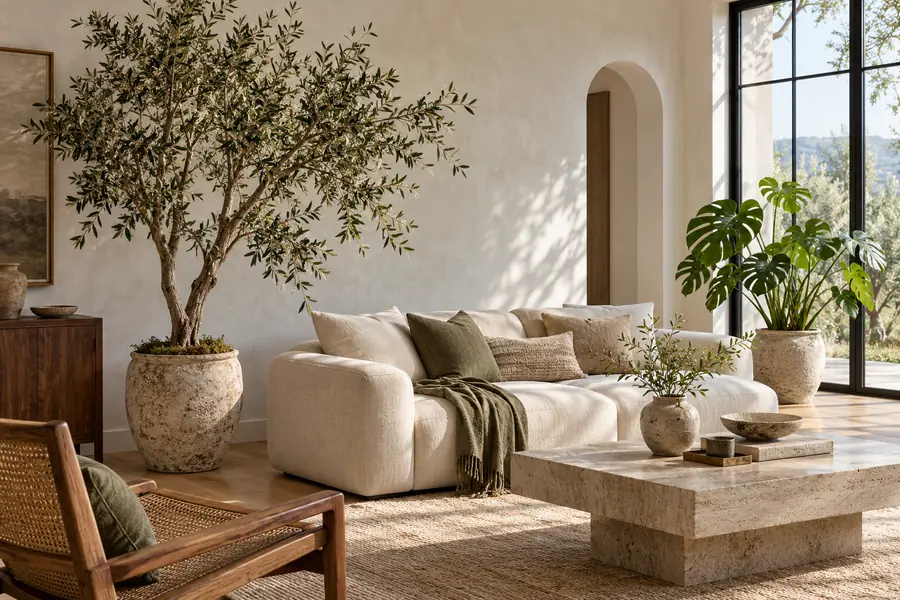
- Tall Trees: Faux olive trees, fig trees, and large monsteras are popular. They create a focal point in living rooms, lobbies, or event spaces. These add significant presence.
- Dramatic Effect: These big plants fill empty corners and add height. They make a statement without the upkeep of real trees. They provide grandeur and structure.
- Event Decor: For event planning, large faux trees offer grandeur and consistency. They look perfect throughout a long event. They provide reliable visual impact.
-
Textural Variety:
- Mixed Greens: Combining different types of faux foliage adds depth. Think ferns, eucalyptus, and succulents together. This creates a richer visual.
- Realistic Details: Manufacturers focus on tiny details like veins, slight browning, or new growth. This makes plants look truly alive. These nuances are critical for realism.
- Sensory Appeal: The goal is to make people want to touch them, believing they are real. The visual and tactile qualities are important.
-
Hanging Plants and Wall Gardens:
- Vertical Greenery: Faux hanging vines, ivy, and string of pearls are perfect for shelves or hanging baskets. They soften edges and add flow.
- Living Walls: Artificial wall gardens create stunning backdrops. They are ideal for offices, restaurants, or photo booths at events. They provide a lush, impactful feature.
- Space Saving: Vertical gardens add greenery without taking up floor space. This is great for smaller areas. They optimize space effectively.
Customization services are important in meeting specific decor needs. Whether it is a giant faux tree for a hotel lobby or a unique wall garden for an event, tailored solutions can be created. The use of eco-friendly materials also attracts clients who prioritize sustainability. This combination of style and responsibility is a growing trend.
| Trend Feature | Description | Benefits for Decor |
|---|---|---|
| Biophilic Design | Integrating natural elements into indoor spaces | Reduces stress, improves mood, enhances aesthetics |
| Minimalist Greenery | Simple, elegant faux plants in clean pots | Modern look, uncluttered feel, focus on form |
| Exotic Botanicals | Faux orchids, birds of paradise, unique succulents | Adds a touch of luxury, unique visual interest |
| Eco-conscious Faux | Made with recycled or sustainable materials | Appeals to environmentally aware consumers |
How to Decorate Your House with Artificial Plants?
Do you feel unsure about using artificial plants in your home? Are there concerns about them looking unnatural?
Decorating your house with artificial plants is easy and rewarding when done thoughtfully. The key is to choose high-quality pieces and place them with care. Consider scale, light, and the overall feel of your room. Using faux plants can add color, texture, and life to any space without the need for watering or specific light conditions.
Many have found success transforming homes and businesses with artificial plants. Experience shows that placement and styling are very important. It’s not just about placing a plant. It’s about making it fit into the room’s design story. For interior designers, finding durable and realistic decor is crucial. Their clients expect beautiful, lasting results. Such products offer the tools to deliver that.
Smart Ways to Incorporate Faux Greenery
Integrating artificial plants effectively means thinking like an interior designer. It is about creating harmony and visual interest.
-
Start with Quality:
- Touch and See: Always pick plants that look real close up. Check for natural colors and textures. This ensures a convincing appearance.
- Choose the Right Size: A small plant on a large table can look lost. A huge plant in a tiny room can overwhelm it. Scale is important for balance.
- Good Potting: The container matters as much as the plant. Choose pots that match your home’s style. The pot completes the look.
-
Strategic Placement:
- Fill Empty Spaces: Use tall plants to fill awkward corners or next to furniture. This adds warmth and softens hard lines. It makes the room feel more complete.
- Boost Bare Shelves: Add small succulents or cascading ivy to bookshelves. This brings life to stored items. It creates visual breaks and interest.
- Brighten Dark Spots: Faux plants are perfect for areas without much natural light, like bathrooms or hallways. They introduce green where real plants cannot thrive.
- Mix with Real Plants: Place artificial plants near real ones. This makes both appear more authentic. The combination enhances realism.
-
Creating Arrangements:
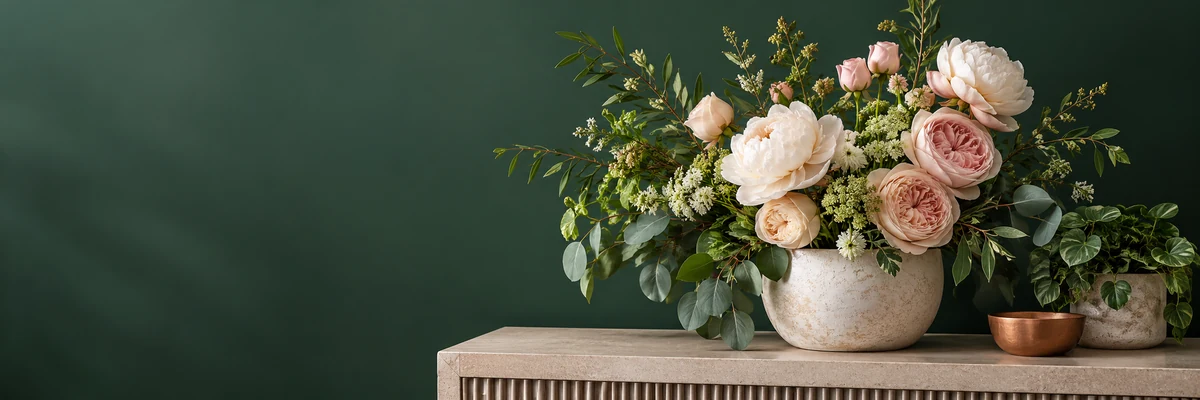
- Centerpieces: A beautiful faux floral arrangement can be a stunning dining table centerpiece. It stays fresh for every meal or event. It offers consistent beauty.
- Groupings: Cluster a few different sized faux plants together for a lush look. Vary their heights and types for visual interest. This creates a fuller, more natural display.
- Seasonal Swaps: Change out your faux flowers with the seasons. Faux peonies in spring, rich foliage in fall. This keeps your decor fresh and relevant.
Customization services are a significant advantage. If a specific type of plant or arrangement is needed for a client’s home, it can be created. This ensures every project looks unique and polished. The goal is to help clients achieve their design vision with ease and reliability.
| Room Area | Recommended Faux Plants | Styling Tip |
|---|---|---|
| Living Room | Tall fig tree, large monstera | Place in a corner, next to a sofa, or by a window |
| Bedroom | Small succulents, delicate ferns | On a nightstand, dresser, or hanging from a shelf |
| Bathroom | Eucalyptus, orchids, small ferns | On a vanity, near a tub, or in a shower nook |
| Kitchen | Herb plants, small leafy greens | On a windowsill, counter, or floating shelf |
| Entryway | Faux olive tree, large snake plant | Welcoming statement piece, near a console table |
Where to Put Fake Plants in a Home?
Are there uncertainties about the best placement for artificial plants in a home? Is there a concern they might look out of place?
Artificial plants can be placed almost anywhere in a home to add beauty and freshness. They are perfect for spots where real plants struggle. Think low-light areas, high shelves, or places where consistent greenery is desired. The key is to choose the right plant for the right spot. This enhances a home’s style without added maintenance.
Many have observed numerous ways artificial plants can brighten a room. It is about identifying those often-overlooked spots that could benefit from a touch of green. For interior design projects, this means offering flexible options. Solutions are needed that work in various settings, from elegant homes to busy corporate environments. Durable products are suitable for these diverse requirements.
Maximizing Impact with Thoughtful Placement
Strategic placement can make artificial plants look more real and enhance decor. Consider both aesthetics and practicality.
-
Areas Lacking Natural Light:
- Bathrooms: Faux orchids or ferns thrive in humid bathrooms with little light. They add a spa-like feel without constant care.
- Hallways: Long hallways can feel dark. A few well-placed faux plants can make them feel more inviting. They add warmth and color.
- Basements: If a basement is finished, artificial plants can bring much-needed life and color. They counteract the lack of natural light.
- Studies/Offices: Keep a workspace fresh with a low-maintenance faux plant. It adds a calm touch and green accent.
-
High and Hard-to-Reach Spots:
- Top of Cabinets: Place trailing faux ivy or ferns on top of kitchen cabinets. This draws the eye up and fills empty space. It adds visual interest.
- Tall Shelves: Artificial plants will not need watering on high shelves. This avoids spills and makes them easy to maintain. They offer effortless elevation.
- Beam Accents: For homes with exposed beams, draped faux greenery can add rustic charm. It softens architectural elements.
-
High-Traffic or Busy Zones:
- Entryways: A large, inviting faux plant in an entryway makes a great first impression. It always looks perfect. It provides consistent welcome.
- Dining Tables: Faux centerpieces avoid wilting during long dinners or events. They are always photo-ready. They offer reliable elegance.
- Kids’ Rooms: Artificial plants are safe and non-toxic for children’s spaces. They add greenery without mess or allergens.
-
Areas Prone to Forgetting Water:
- Guest Rooms: Keep these rooms looking fresh and welcoming without worrying about plant care. They offer consistent hospitality.
- Vacation Homes: Set up beautiful decor that stays vibrant even when away for long periods. They provide lasting beauty.
- Offices: Bring greenery to work areas where staff might forget to water living plants. They offer an easy aesthetic upgrade.
Durable and realistic products are ideal for any spot. They provide long-lasting beauty without the effort. This allows for the creation of stunning, maintenance-free environments, ensuring decor remains consistently impressive.
| Location Category | Specific Areas | Best Faux Plant Types | Benefit |
|---|---|---|---|
| Low Light Zones | Bathrooms, hallways, basements | Ferns, snake plants, ZZ plants, ivy | Adds life where real plants will not grow |
| High Shelves/Spots | Top of cabinets, high ledges, mantels | Trailing ivy, string of pearls, small succulents | Fills vertical space, no watering hassle |
| Busy/High Traffic | Entryways, dining tables, kids’ rooms | Large statement plants, robust centerpieces | Always looks fresh, no spills or wilting |
| Infrequent Care | Guest rooms, vacation homes, offices | Any faux plant desired, consistent beauty | Stays vibrant without constant attention |
My Insights: How to Style Artificial Plants in Home Décor?
Feel like your home décor lacks warmth and greenery, but live plants feel too tedious to maintain? Stylishly placed artificial plants can bring life, freshness, and effortless elegance to any space.
Artificial plants elevate home décor when styled with care. Use decorative pots, natural finishes like stones or moss, and mix plants of varying heights and textures for depth. Incorporate hanging plants or succulents for modern vertical accents. Enhance authenticity by dusting plants regularly and reshaping leaves.
Designing a Natural Look with Artificial Plants
Artificial plants are an excellent way to add greenery to your home without the hassle of maintenance. Here’s how to style them effectively for a polished look:
1. Placement Principles for Realistic Integration
Position artificial plants in areas where real greenery would thrive naturally. Place eye-catching faux trees in corners, tall plants near entryways, and smaller pots on shelves and side tables. For a layered visual effect, try hanging plants from the ceiling or trailing greenery on high shelves.
| Room | Styling Tips | Key Plants to Use |
|---|---|---|
| Living Room | Place an artificial tree in the corner; layer smaller plants on coffee or side tables. | Faux olive tree, succulents |
| Bedroom | Keep it minimal with a single plant on a nightstand or dresser. | Pothos, artificial orchids |
| Bathroom | Use small hanging plants or wall-mounted greenery for vertical interest. | Ferns, ivy, or eucalyptus |
| Kitchen | Add faux herbs on countertops or hanging planters for a fresh vibe. | Mint, basil, or rosemary replicas |
2. Styling Techniques for a Natural Look
Avoid the "too fake" look with these best practices:
- Fluff and Shape: Unflatten leaves and branches to create asymmetrical, organic lines.
- Natural Finishes: Cover pots with moss, pebbles, or soil to mimic live plants.
- Group in Odd Numbers: Arrange plants in sets of 3 or 5 for visual harmony.
- Mix Textures and Heights: Combine plants with different leaf shapes and contrasting sizes to add depth.
3. Seasonal and Versatile Applications
Rotate artificial plants by season, adding airy greenery in summer and pops of richer tones in winter. Additionally, UV-resistant options bring charm to outdoor areas like balconies and terraces, maintaining vibrancy all year long without fading.
4. DIY Styling Formula
For a balanced arrangement, pair one large anchor plant, two or three smaller accent plants, and a natural planter. Example: Place a tall faux fiddle-leaf fig in a woven basket, add a pothos vine in the corner of a shelf, and decorate a coffee table with artificial succulents in a ceramic bowl.
Elevating Artificial Plants to Complement Modern Home Aesthetics
1. Thoughtful Placement for Visual Flow
Artificial plants are most impactful when spread evenly across a space. For example, anchoring a room with a statement faux tree balances out other functional furnishings, such as sofas or desks. Smaller plants add layers and texture to areas like bookshelves, side tables, and kitchen counters.
2. Enhancing Realism with Styling Details
To make fake plants look authentic, invest in high-quality options with realistic features like natural textures and non-symmetrical leaf patterns. Use planters made from materials like terracotta, wood, or woven fibers for a grounded, organic finish. Dust the leaves weekly to keep the plants fresh-looking.
By combining simplicity, balance, and creative placement, artificial plants can seamlessly transform home décor into a chic, green oasis that stays effortlessly stunning year-round.
Conclusion
Artificial plants are now a stylish choice, far from being tacky. They follow trends for natural and sustainable decor. Decorating a home with them is easy by picking quality pieces. Place them in any spot, especially where real plants struggle.
FAQ: Artificial Plants in Cultural Interior Design
Q: Do artificial plants look out of place in traditional Asian or Indian interiors?
A: Absolutely not. Faux bamboo, lotus stems, and silk marigolds are widely used in spiritual, wedding, and festive decor throughout South and East Asia.
Q: How long do high-quality artificial plants last?
A: Our silk and PEVA plants can retain their shape and color for 5–10 years indoors, especially when kept away from direct UV rays.
Q: Will fake greenery clash with authentic vintage items?
A: No. The key is texture harmony. Use matte-finish faux leaves in natural tones, and avoid plastic-looking gloss.