
How to Make Silk Flowers Look Real: 11 Styling Upgrades Buyers Use to Remove “Fake” Signals
Clients zoom in. Cameras use flash. Social media exposes every flaw. One artificial detail can weaken your premium positioning in seconds.
How to make silk flowers look real depends on eliminating five visual fake signals, reducing artificial shine safely, blending multi-tone layers, shaping stems with natural growth logic, and applying a strict two-minute realism audit before listing or install.
For professional buyers, understanding how to make silk flowers look real is no longer optional. It directly affects conversion rate, reorder rate, and brand trust in competitive B2B markets.
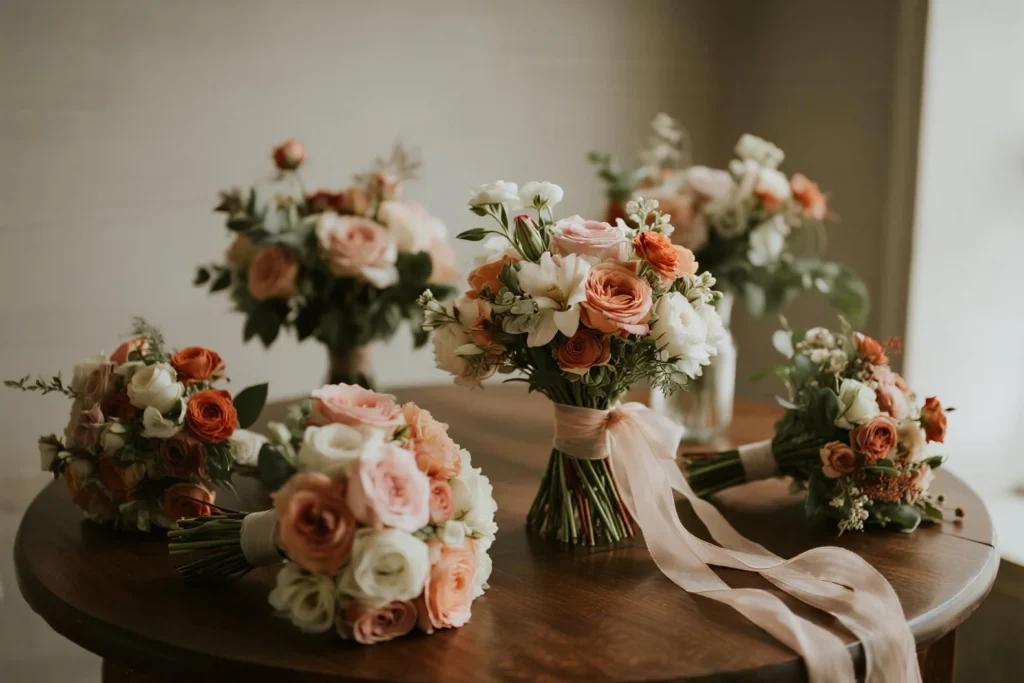
Applicable scenarios: wedding styling, event installation, e-commerce product photography
Years ago, a ballroom installation looked perfect under warehouse light. Under hotel spotlights, petals reflected like plastic. That experience clarified one principle: if you want to know how to make silk flowers look real, you must control light behavior, structure logic, and inspection standards before final approval.
The 5 “Fake Signals” That Ruin Premium Photos
The five fake signals that destroy realism are surface shine, color flatness, repetitive structure, unnatural symmetry, and incorrect proportion. Removing these instantly upgrades silk flowers to premium standard.
Buyers researching how to make silk flowers look real must first identify these visual triggers, because perception failure happens in seconds.
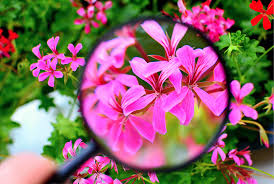
Applicable scenarios: catalog shoots, Amazon listings, wedding detail photography
1. Surface Shine
Artificial fiber reflects light differently from organic petals. Direct light creates plastic glare. A mandatory flash test is essential when evaluating how to make silk flowers look real in bulk shipments.
2. Color Flatness
Natural flowers contain micro-variations. Even white roses are not pure white. Blending 2–3 nearby tones is a core method in how to make silk flowers look real at scale. Learn more about color layering at The Spruce – Color Tips for Artificial Flowers.
3. Repetition Pattern
Factory assembly often produces uniform spacing. Slight bloom rotation during arrangement reduces visible repetition and improves realism perception. See House Beautiful’s guide on arranging artificial flowers for inspiration.
4. Perfect Symmetry
Perfect symmetry signals artificial production. Subtle imbalance is critical when learning how to make silk flowers look real in professional installations.
5. Wrong Proportion
Large blooms in small vases create imbalance. Correct scale control is explained in this guide: Artificial Flowers in a Small Vase.
De-Shine Methods That Keep Petals Matte (Without Damage)
The safest way to make silk flowers look real is preventing excessive shine at sourcing stage, then applying controlled steam relaxation, light matte coating, and correct lighting angles.
For commercial buyers, shine control is often the most misunderstood part of how to make silk flowers look real under showroom and event lighting. More details on floral matte sprays can be found at Flower Magazine – Matte Spray Techniques.
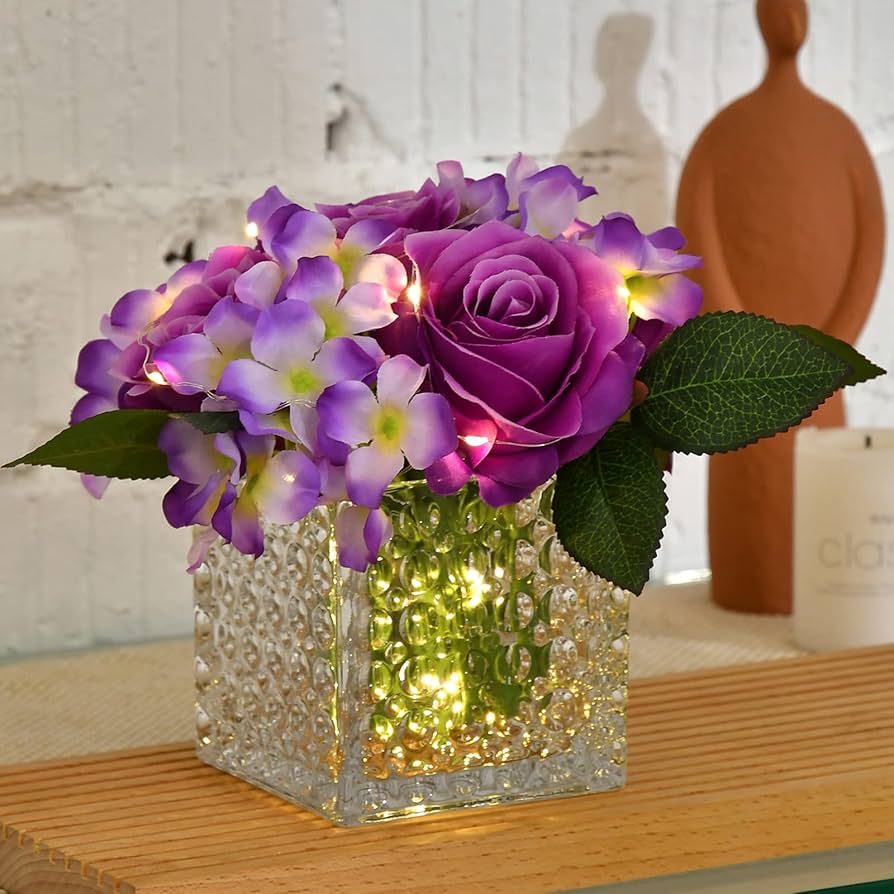
Applicable scenarios: stage lighting test, retail window display, photography studio setup
Fabric Selection Strategy
Matte silk blends absorb light better than satin polyester. Supplier standards are outlined in: Wholesale Artificial Flowers Suppliers.
Steam Relaxation Process
Apply soft steam at 15–20 cm distance. Steam relaxes fiber tension and softens folds, which is an advanced technique in how to make silk flowers look real without damaging petals.
Controlled Matte Spray
Use professional floral matte sealant. Test one unit first. Apply a light mist only.
Lighting Correction
Side lighting reduces glare. Top lighting exaggerates reflection. Many buyers exploring how to make silk flowers look real discover that lighting correction solves 40% of perceived issues.
Color Blending and Foliage Mixing for Depth
To make silk flowers look real, blend tone gradients, layer foliage between bloom levels, and create foreground-background depth structure.
Color engineering is one of the most powerful strategies in how to make silk flowers look real for large wedding and hotel projects.
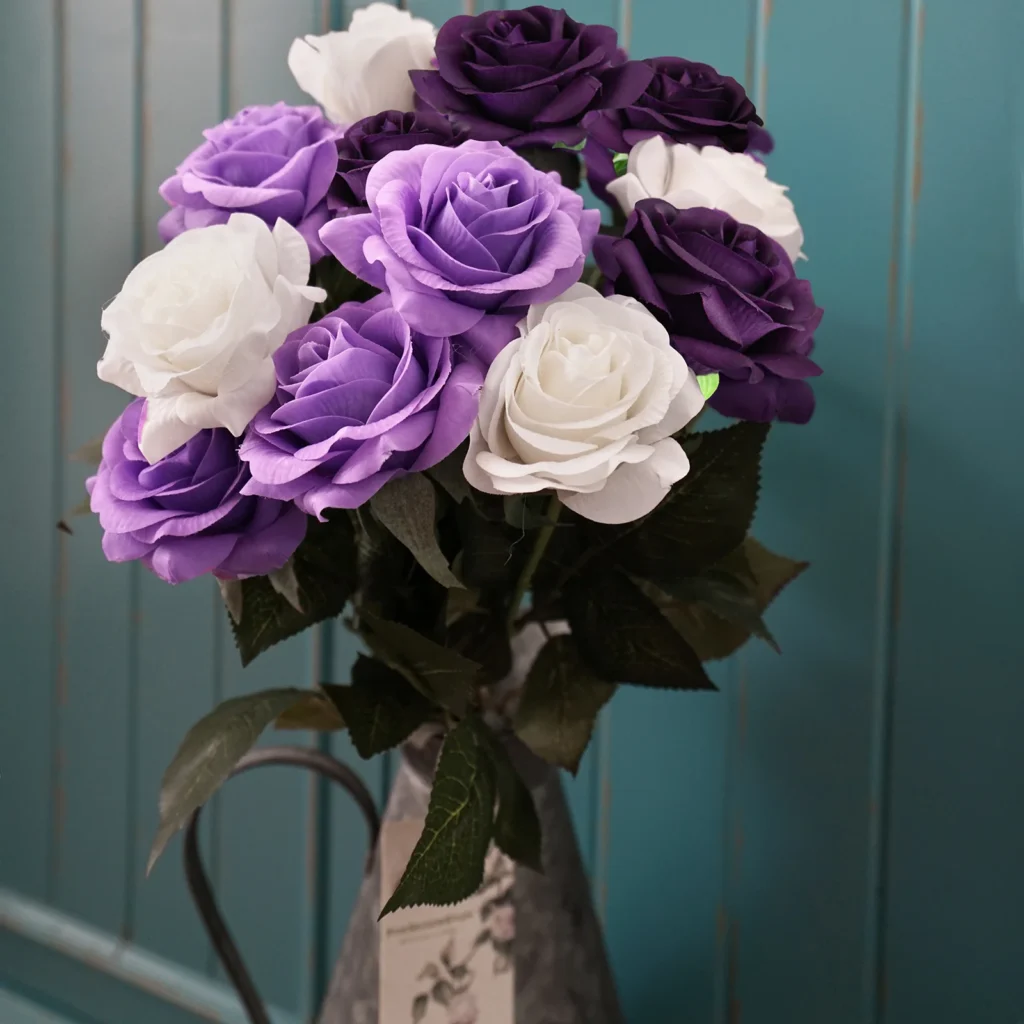
Applicable scenarios: bridal bouquets, luxury hotel lobby décor, event stage backdrop
60-30-10 Tone Formula
- 60% primary tone
- 30% secondary variation
- 10% subtle accent
Foliage Transition Layer
Insert greenery buffers such as eucalyptus or soft fern between blooms to break solid color blocks and strengthen depth realism.
Depth Positioning
Darker tones inward. Lighter tones outward. This natural gradient strategy reinforces how to make silk flowers look real in bulk compositions.
For outdoor projects, UV tone stability is critical: Gardening Know How – UV Artificial Flowers.
Stem Shaping Rules That Mimic Natural Growth
Natural realism requires multi-point bending, directional growth logic, asymmetrical height variation, and preserved negative space.
Structural shaping is often overlooked when discussing how to make silk flowers look real, yet it dramatically changes perception.
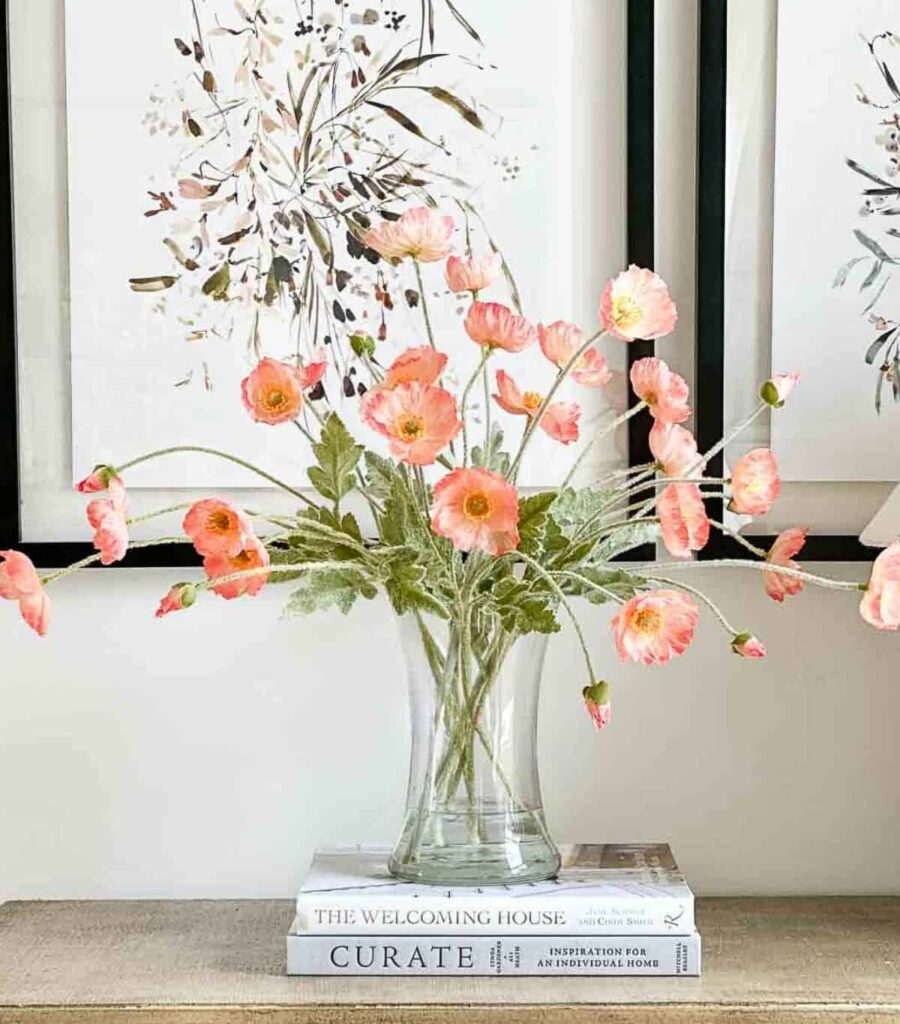
Applicable scenarios: ceremony arches, premium centerpieces, showroom staging
Multi-Point Bend
Bend stems at both base and mid-section. Avoid single-angle bending.
Directional Growth
Inner stems upright. Outer stems slightly outward to simulate light-seeking growth.
Height Rhythm
Create a soft wave pattern rather than a flat skyline. This is essential in how to make silk flowers look real for premium events.
Negative Space Control
Leave controlled spacing between blooms. Overpacking reduces realism and weakens visual hierarchy.
The Final 2-Minute Photo Check Before Listing or Install
Before approval, perform a two-minute realism audit: flash test, macro zoom, shadow mapping, symmetry disruption, and background isolation.
Inspection discipline is the final layer in how to make silk flowers look real before shipment or installation.
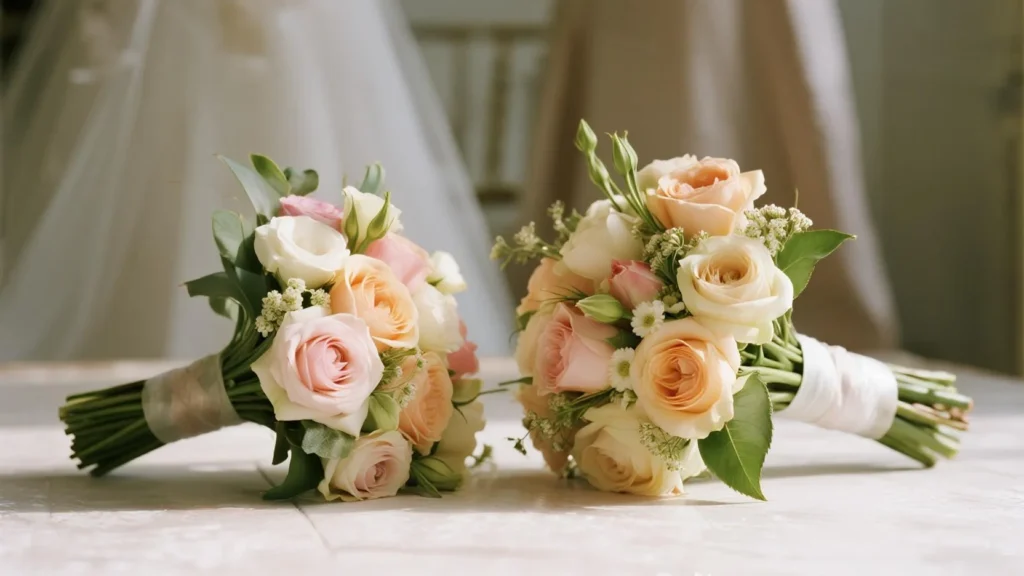
Applicable scenarios: Amazon listing approval, pre-wedding venue inspection, catalog production
Flash Test
Phone flash reveals shine instantly and validates whether previous adjustments successfully achieved how to make silk flowers look real under consumer lighting.
Macro Zoom
3x zoom exposes glue lines and loose threads.
Shadow Mapping
Flat shadows indicate flat layering.
Symmetry Break
If arrangement mirrors too perfectly, adjust one bloom.
Background Isolation
Use neutral background to evaluate structure accurately.
Conclusion
Understanding how to make silk flowers look real is a structured process built on signal control, shine management, tone blending, botanical shaping, and strict inspection standards. When executed correctly, artificial flowers deliver stable quality, lower logistics risk, stronger brand positioning, and higher long-term profitability for professional buyers.
Footnotes
- Flash reflection tests are conducted using standard smartphone LED flash at 1–1.5 meters to simulate consumer photography conditions.
- Steam application should not exceed 20 seconds per bloom to avoid fabric distortion or adhesive weakening.
- UV-treated artificial plants are recommended for outdoor exposure exceeding 4 hours per day to maintain color stability and reduce fading risk.