Best Faux Plants for Outdoors: 7 Smart Standards Buyers Should Check Before Ordering?
Many buyers choose outdoor greenery by photo first. Then sun, wind, dust, and weak materials expose the problem fast. That mistake costs money, time, and project trust.
The best faux plants for outdoors are not simply the ones that look pretty in a catalog. The best faux plants for outdoors must stay realistic in daylight, resist outdoor stress, fit the project, and reduce replacement risk after installation.
I have worked with buyers who asked one question first: does it look real? I understand that question. It matters. But for outdoor projects, it is not enough. The best faux plants for outdoors must do more than pass a photo check. They must survive real light, real weather pressure, and real business use. I always tell buyers that outdoor faux plants should be judged like a long-use commercial product, not like a short-term display sample. If buyers want more background before ordering, I often suggest reading what an artificial plant really is and how to protect fake plants outside.
Why Best Faux Plants for Outdoors Need More Than Realistic Photos?
A realistic picture can create interest. It cannot prove outdoor performance. It cannot protect margin after the project goes live.
The best faux plants for outdoors must look natural in strong daylight, stay stable in open areas, and support the real commercial use behind the order.
When I review a sourcing request, I ask what the buyer is really paying for. In most cases, the answer is not just the plant itself. The buyer is paying for a stable appearance, fewer complaints, smoother maintenance, and lower replacement cost. This is why I never choose the best faux plants for outdoors by photo alone.
Catalog Appeal Is Not the Same as Site Performance
A plant can look beautiful in a warehouse, in a showroom, or in a supplier video. Then it can fail at a hotel entrance or restaurant patio. Outdoor light is direct. It shows fake gloss, repeated leaf patterns, flat green color, and weak branch spacing very fast. A cheap plant may look acceptable on a phone screen. It often looks low-end in person.
I once worked with a client who sourced greenery for several wedding venues. She nearly approved a sample because the supplier images looked good. I asked her to place the sample outdoors for two days. On the second day, she called me and said the product looked much more plastic in natural light. The leaf shine was too strong. The fixing was weak. The green tone looked flat. That one simple outdoor test stopped a costly order.
Outdoor Projects Punish Weak Decisions Fast
Outdoor use is demanding. There is sun. There is wind. There is dust. There is public traffic. There is also brand exposure. A poor plant at a storefront does not only look bad. It lowers the whole storefront image. A weak plant at a hotel entrance does not only lean. It makes the whole entrance feel cheaper.
So when I select the best faux plants for outdoors, I ask where they will be used, how many hours of direct sun they will face, who will clean them, and how often the layout may change. These basic questions tell me more than a polished catalog page.
What Makes the Best Faux Plants for Outdoors Look Real in Daylight?
Daylight is honest. It rewards layered color, natural shape, softer surfaces, and believable depth.
The best faux plants for outdoors look real in daylight because color, structure, and finish work together. If one part is wrong, the whole plant looks artificial faster.
I always say daylight is the real inspector. Indoor lighting hides many flaws. Daylight does not. That is why the best faux plants for outdoors must be reviewed outside, not only on a desk or in a sample room.
Layered Green Tones Matter
Real plants rarely show one flat green. They show small shifts in tone. Some leaves are darker. Some edges are softer. Some fresh leaves are lighter. The best faux plants for outdoors copy this natural variation. Poor outdoor faux plants often use one simple green tone, and that makes them feel fake from a distance.
I remember a retail client who wanted topiary balls for a row of beauty stores. The first sample had the right shape, but the color was too flat. I asked for softer tone changes and a less glossy finish. When the second sample arrived, she immediately said it looked more premium. The shape did not change much. The feeling changed a lot. That is why I always check color depth first.
Gloss Control Is Critical
Many buyers focus on leaf shape. I also focus on surface shine. The best faux plants for outdoors usually have a softer, more natural finish. Heavy gloss reflects daylight in the wrong way. It makes the plant look plastic, especially around noon.
Branch Rhythm Creates Realism
Real plants do not look machine-packed into a perfect pattern. The best faux plants for outdoors need spacing, depth, and a more natural leaf direction. I do not want random placement. I want controlled realism. That difference matters in hotels, patios, and storefronts where people view the plant from different angles.
I once helped a hotel buyer compare two artificial boxwood walls. One looked fuller in the carton. The other looked more natural after installation. The second product had better depth and less repeated leaf direction. The buyer changed the order after seeing both under natural daylight. That is a lesson I still use when reviewing outdoor greenery.
What 7 Standards Should Buyers Use When Choosing the Best Faux Plants for Outdoors?
Bulk buying should follow standards, not feeling. That is how buyers reduce mistakes and protect repeat business.
I use seven practical checks when I evaluate the best faux plants for outdoors: UV protection, realism in daylight, leaf build, base fixing, pot weight, cleaning ease, and batch consistency.
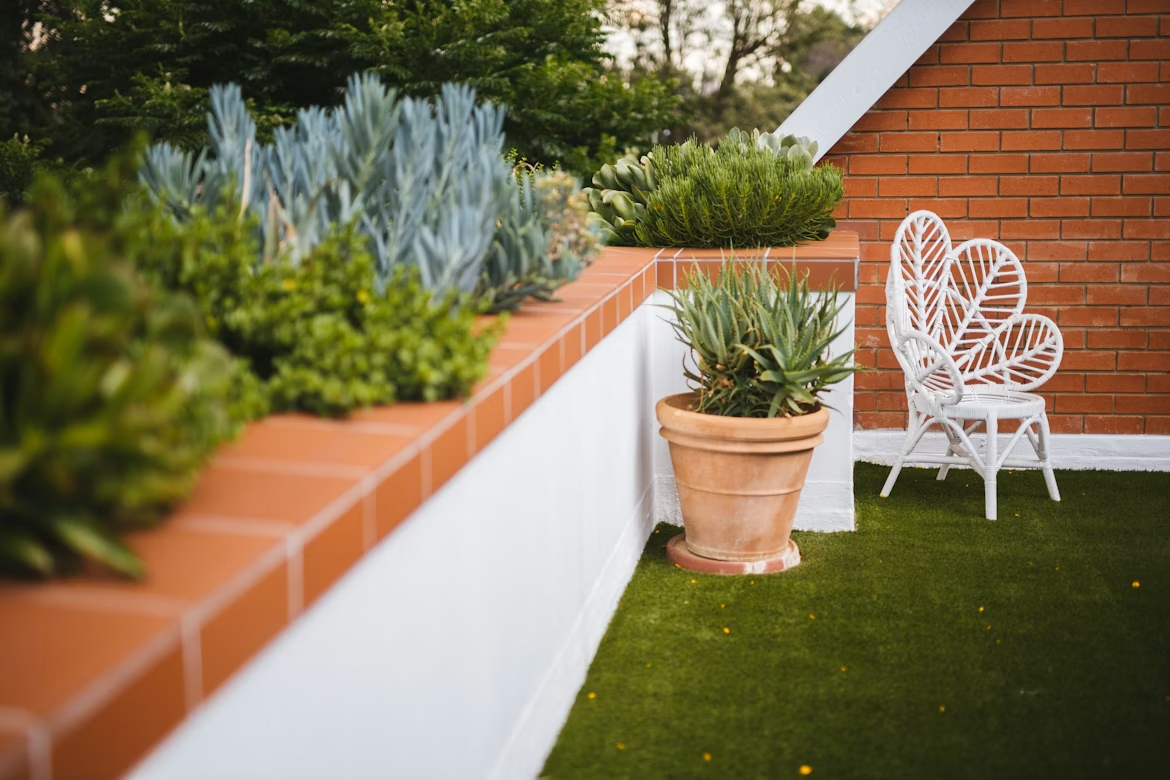
When I quote an outdoor project, I do not want vague approval. I want a buying standard that can be repeated. That is the only safe way to scale an outdoor greenery program.
1. UV Protection Clarity
I ask how the UV protection is done. Is it only surface spray? Is it in the raw material? Is it both? This matters because sunlight damages many materials over time.1
2. Realism in Daylight
I check whether the plant still looks convincing outside, not only indoors.
3. Leaf and Branch Quality
I check thickness, flexibility, attachment, and whether the silhouette feels natural.
4. Fixing and Anchoring
I check how the plant is fixed into its pot, frame, or liner. A nice top section means little if the base is unstable.
5. Pot or Base Weight
I check whether the base matches the wind level and the traffic level of the site.
6. Cleaning Ease
I check whether the product can be cleaned without looking tired or damaged too soon.
7. Bulk Consistency
I check whether the approved sample can really be copied in mass production.
A restaurant-chain client once asked me to quote patio greenery with the lowest landed cost. I asked them to review these seven points one by one. One sample had better UV treatment but weak color depth. Another looked good but had poor fixing. A third had stronger structure but a light base. We rebuilt the order around the full standard. That changed the result. It also protected them from post-install complaints during the first busy season.
Buyers who want a stronger sourcing checklist can also review my guide on faux plant certifications and compliance checks3. It helps buyers ask better questions before deposit.
Which Best Faux Plants for Outdoors Work Best for Patios, Entrances, Hotels, and Storefronts?
The right plant type depends on the site. One product cannot solve every outdoor project well.
The best faux plants for outdoors are usually simple, structured, and easy to read from a distance. This is especially true for patios, entrances, hotels, and storefronts.
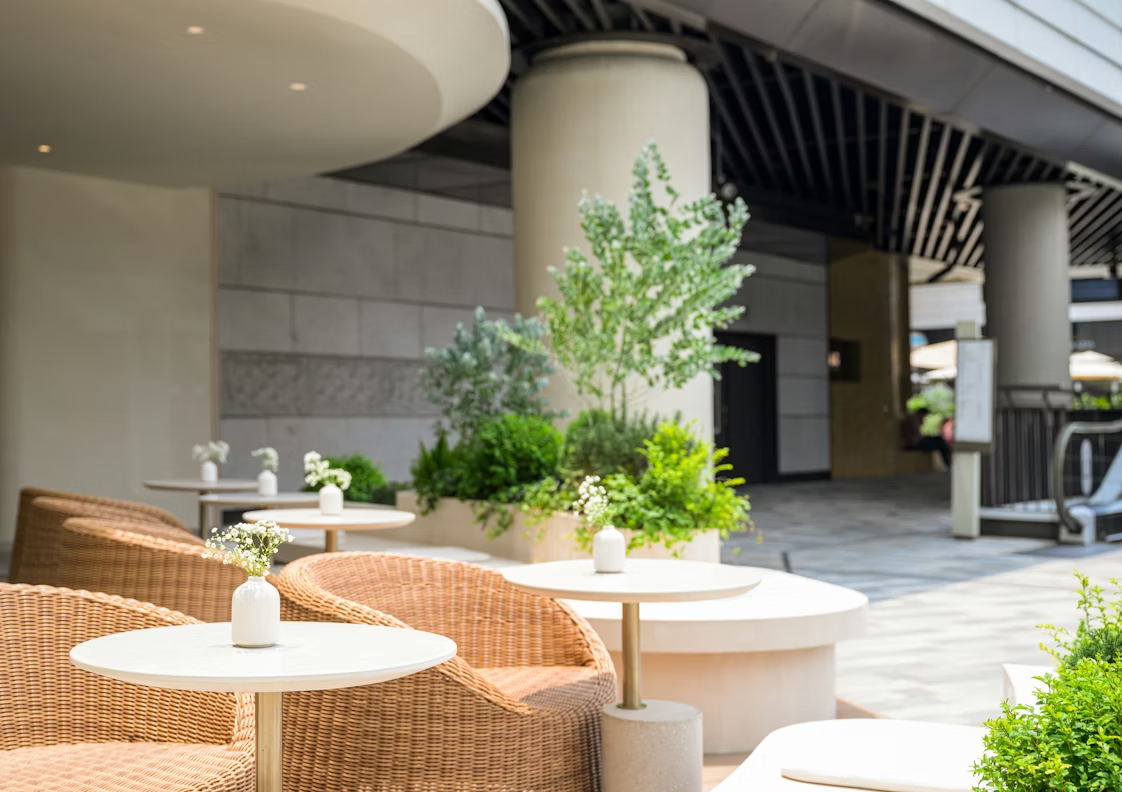
I do not believe in one universal answer. I believe in project fit. That is how I choose the best faux plants for outdoors for different clients and different environments.
Patios
For patios, I often like grasses, agave-style shapes, structured tropical leaves, and clean shrubs. These forms read well from a few meters away. They do not depend on tiny detail to feel premium.
Entrances
For entrances, I usually choose topiary shapes, upright shrubs, or strong paired greenery. Entrances need order. They need visual confidence. They also need good pot weight.
I worked with a spa buyer who first wanted soft trailing greenery by the main door. I told her the idea looked pretty in a photo, but not strong enough for a real entrance. We changed to more structured pieces. Later she told me the entrance finally looked more complete and easier to maintain.
Hotels
For hotels, I think about calm, scale, and consistency. Tall potted trees, refined palms, and clean green walls often work well when the finish is not too glossy.
Storefronts
For storefronts, I prefer shapes that read fast from the street. Boxwood balls, olive-style trees, tropical clusters, and compact hedges often perform better than very delicate flower-heavy styles.
I recently worked with a buyer managing mixed projects for cafés and fashion stores. She wanted one plant style for every project. I advised her to split the plan. We used softer greenery for patios, stronger shapes for entrances, and cleaner silhouettes for storefronts. The result looked more intentional and created fewer complaints.
What Does UV Resistant Mean for the Best Faux Plants for Outdoors in Real Commercial Use?
UV resistant is useful, but it is not magic. Buyers still need the right site match, the right grade, and a realistic maintenance plan.
In real business use, the best faux plants for outdoors slow fading and aging better because of UV-resistant treatment, but service life still depends on sun level, heat, exposure time, and product quality.
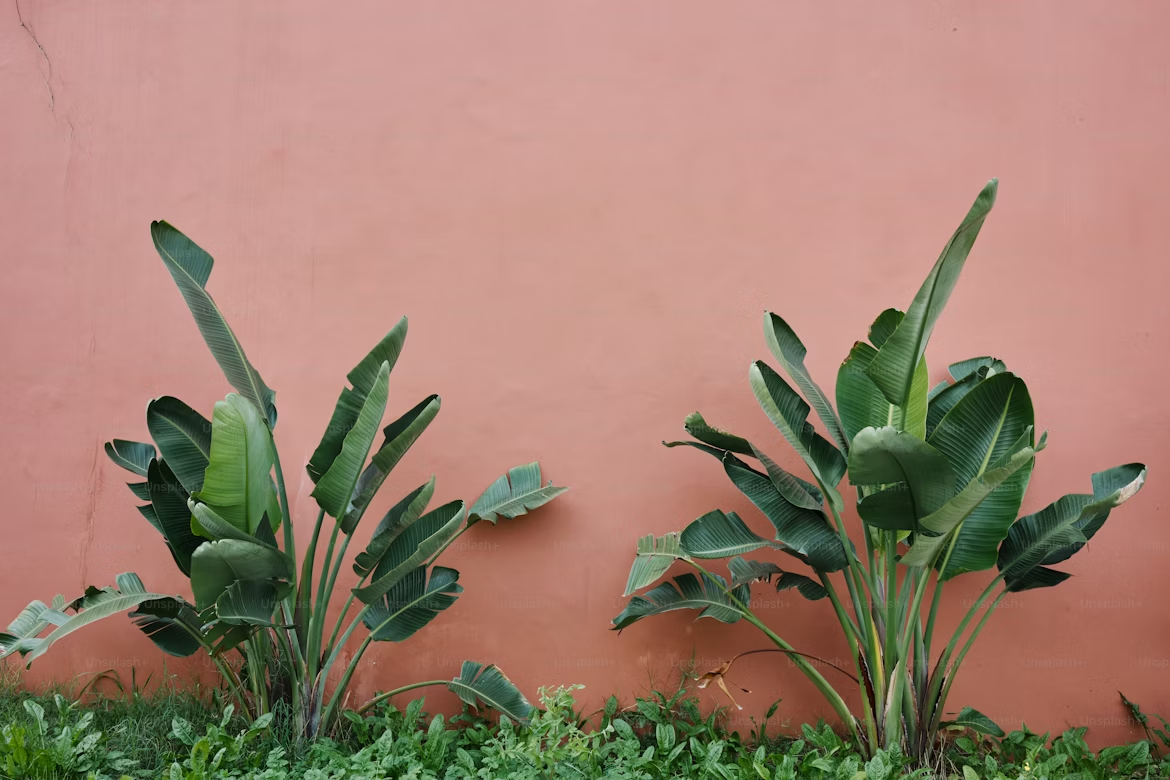
This is one of the biggest misunderstandings I see. Buyers hear “UV resistant” and think the problem is solved. I do not use the term that way. I treat UV resistance as one important part of the buying decision, not the whole answer.
UV Resistant Does Not Mean Permanent
A plant under a shade structure does not face the same stress as a plant on a rooftop in strong sun. Both may be called UV resistant, but their actual life cycle can be very different. Sun exposure can fade and embrittle many plastic products over time.2
Honest Supplier Language Matters
I prefer clear language. I want buyers to know whether the product fits semi-outdoor use, light outdoor use, or stronger direct-sun conditions. Honest language protects the relationship and reduces false expectations.
Last year, I worked with a client sourcing hotel terrace greenery in a hot region. She wanted “the strongest UV resistant trees.” I told her I needed to see the layout first. Once I saw the site, I found that some trees were near shade while others were fully exposed. We changed the product mix by area. That saved budget and improved the final result.
Maintenance Still Matters
Even the best faux plants for outdoors need simple care. Dust builds up. Loose fixing changes the shape. So I always connect UV review with basic maintenance planning. I also recommend buyers review how to protect fake plants outside if they want longer visual life from outdoor greenery.
Need help choosing the best faux plants for outdoors for your market?
Send me your target country, sunlight level, project photos, and quantity plan. I will help you match the right outdoor faux plant style before you place a bulk order.
Conclusion
The best faux plants for outdoors help buyers protect appearance, margin, and brand image when they are selected by clear standards, not by catalog photos alone.
FAQ
1. What are the best faux plants for outdoors for hotel entrances?
I usually recommend structured topiary, upright shrubs, or refined potted trees with stable bases and a natural matte finish.
2. Do the best faux plants for outdoors always need UV treatment?
Yes. UV treatment is one of the first checks I make for real outdoor use.
3. Are the best faux plants for outdoors suitable for patios?
Yes, if the plant type, finish, and base are matched to the real outdoor conditions.
4. What is the most common buying mistake?
Many buyers approve samples indoors and never test them outside in natural light.
5. Which best faux plants for outdoors look most realistic from a distance?
Structured shrubs, grasses, olive-style trees, and simple tropical forms usually perform well.
6. Does UV resistant mean the plant will never fade?
No. It means the material is better protected, but real outdoor exposure still affects service life.
7. Should one plant style be used for every project?
No. Patios, entrances, hotels, and storefronts usually need different outdoor greenery solutions.
8. How should I test a sample before ordering?
I suggest placing it outside and checking it in morning, noon, and afternoon light.
9. Are heavy pots necessary for the best faux plants for outdoors?
In many commercial settings, yes. A stronger base supports safety, stability, and a better overall look.
10. How can I reduce complaints after installation?
Use clear buying standards, request daylight sample checks, and match the plant type to the actual site.
Footnotes
- UV radiation can damage many natural and synthetic materials over time. See: Review on the Effects of UV Radiation on Natural and Synthetic Materials. ↩
- Long sun exposure can fade and embrittle plastic products in real outdoor conditions. See: University of Illinois Extension: Keep Summer Recreational Equipment Out of the Sun. ↩
- For buyer-side compliance review, see this related internal guide: Faux Plants Certifications. ↩