
7 Proven Materials: What Can I Put at the Bottom of a Vase to Support Fake Flowers?
Loose fake flowers can lean, spin, or fall inside a vase. This small mistake can make a premium display look cheap fast.
What can I put at the bottom of a vase to support fake flowers? You can use floral foam, pebbles, sand, glass beads, moss, clay, rice, or decorative stones. The best choice depends on vase height, stem weight, display use, shipping needs, and whether the arrangement is for home, retail, wedding, or commercial decoration.
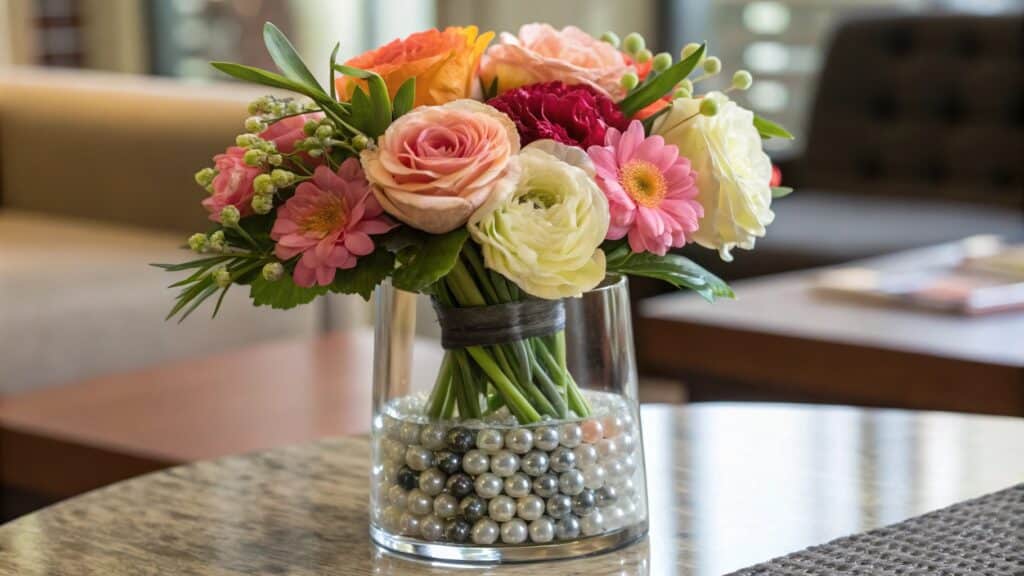
I often hear one direct question from buyers: what can I put at the bottom of a vase to support fake flowers? I understand why they ask. A beautiful bouquet can lose value when the stems move too much. A premium silk rose can look poor when it falls to one side. A wedding table display can look unfinished when the vase base is empty.
In one event supply project, I helped a customer prepare many artificial flower vases for a banquet hall. The flowers looked beautiful during sampling. But when the team moved them from storage to the table, the stems shifted. The client thought the flowers were the problem. After I checked the display, I found the real problem was the empty vase bottom. We added foam and a top layer of small stones. The same flowers looked more expensive at once.
This guide gives a practical answer to what can I put at the bottom of a vase to support fake flowers for real business use. It also helps buyers avoid unstable displays, weak presentation, poor product photos, and messy event setups.
If you are working with potted products, you may also read my guide on how to plant artificial plants in pots. If your concern is cleaning after display, this guide on how to clean artificial flower arrangements will also help.
Why Do Fake Flowers Need Vase Support?
Fake flowers look weak when they move inside the vase. Poor support makes even good flowers look low quality.
Fake flowers need vase support because artificial stems do not naturally drink water or settle like fresh flowers. A stable base keeps stems upright, improves shape, protects the arrangement during movement, and gives buyers a cleaner display effect.
Vase Support Changes the Whole First Impression
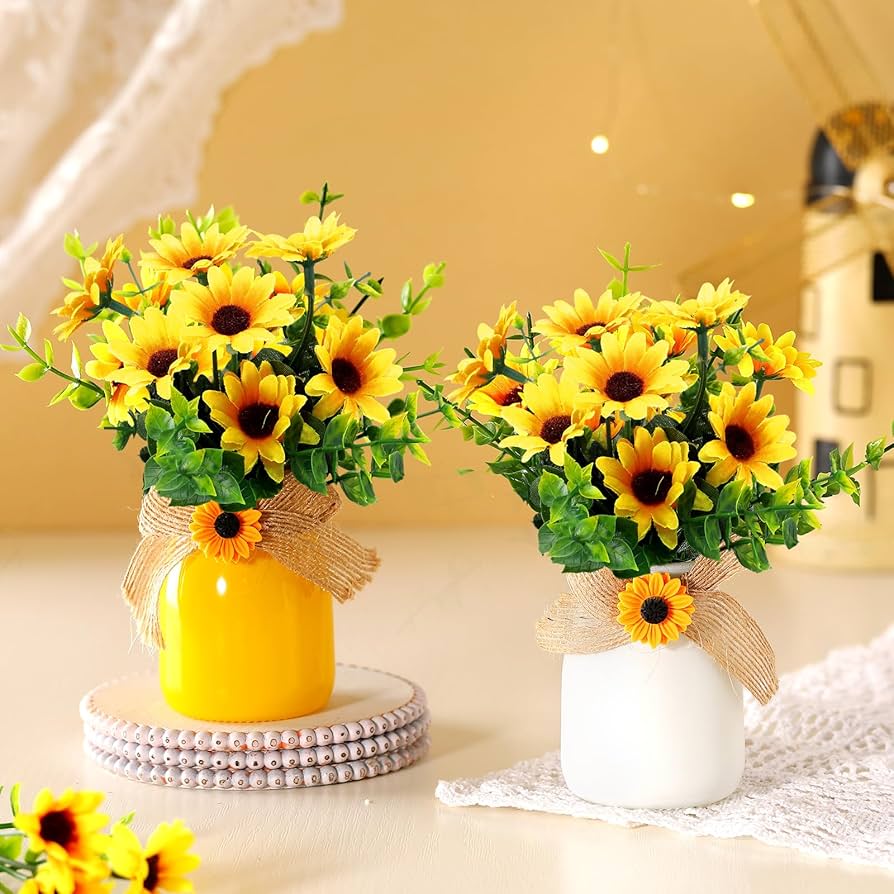
I always tell buyers that vase support is not only a technical detail. It is part of the product look. When a customer sees flowers leaning in different directions, they do not think about the filler first. They think the flower quality is poor. This is a costly mistake for retail stores and event companies.
In one retail display project, a buyer ordered artificial tulip bouquets for a spring window. The product photos looked soft and premium. But the store team placed the stems directly into tall glass vases without any support. The tulips spread too wide. Some stems touched the glass. Some flowers dropped forward. The display looked messy. I suggested a simple foam base inside the vase and a top layer of white pebbles. The change made the bouquet look taller, cleaner, and more expensive.
Many buyers search what can I put at the bottom of a vase to support fake flowers after they already see this problem in a store, hotel, wedding venue, or online product photo. The question usually starts from one clear pain point: the flowers look good, but the display does not stay in shape.
Fake flowers need support because the stem weight is different from fresh stems. Many artificial flowers have wire inside. Some have plastic coating. Some have heavy flower heads. If the bottom is empty, the top weight pulls the flower outward. A narrow vase can help, but it does not solve every problem.
Vase support also helps with repeat use. Many B2B buyers use the same flowers for many events. If the stems bend every time staff move the vase, the product life becomes shorter. Good support reduces this bending. It also makes setup faster. Staff can place the arrangement and adjust only the flower head.
I also care about dust and indoor air quality in long-term displays. A stable arrangement is easier to clean because staff do not need to pull every stem out. For general indoor air care, I often guide clients to simple dust control habits and references like the EPA indoor air quality resource.[1] Clean and stable flowers always look more professional.
What Can I Put at the Bottom of a Vase to Support Fake Flowers?
An empty vase makes stems slide and fall. The wrong filler can also scratch glass or make the vase too heavy.
What can I put at the bottom of a vase to support fake flowers? For most commercial projects, I suggest floral foam for structure, pebbles for weight, moss for coverage, and glass beads for a clean decorative finish.
My Main Filler Choices for Real Orders
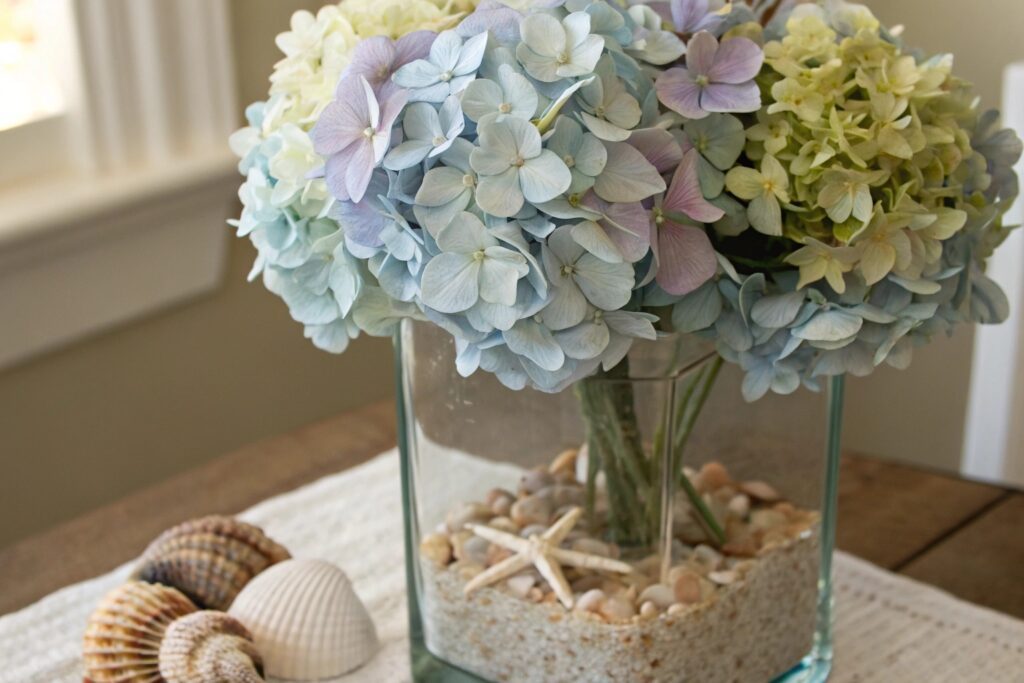
When a buyer asks me, what can I put at the bottom of a vase to support fake flowers, I do not give only one answer. I first check the vase shape, flower height, stem thickness, and use scene. A short vase for a home shelf needs a different solution from a tall hotel lobby vase.
Floral foam is my first choice when I need strong stem control. It lets me push stems into fixed positions. It works well for roses, peonies, tulips, orchids, eucalyptus, and mixed bouquets. But I do not leave foam exposed in a clear vase unless the buyer wants that look. I usually cover it with moss, stones, or fabric.
Pebbles are useful when the vase is clear. They add weight and look clean. They work well with modern home décor and retail shelves. But pebbles alone may not hold thin stems tightly. In one showroom order, a client used only smooth glass stones for artificial calla lilies. The stones looked beautiful, but the stems still moved. I added a hidden foam block under the stones. The final display kept the clean glass look and gained better support.
Sand is good for heavy vases and rustic designs. It fills space well. But it can leak if the vase is not sealed well during shipping. I avoid loose sand for cross-border orders unless the client has strong inner packing.
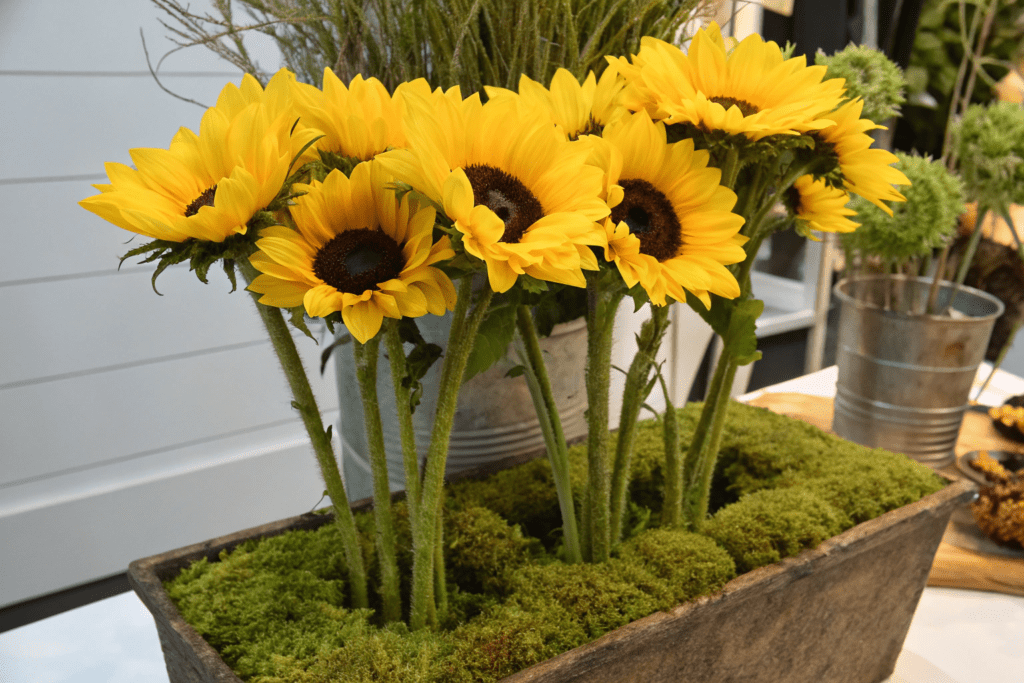
Moss is best as a top cover. It hides foam and gives a natural look. It is not strong enough as the only support for tall flowers. Clay can work for small stems and craft projects. Rice can work for quick home styling, but I do not suggest it for commercial or humid spaces.
For potted artificial plants, the idea is similar. You can see more stable filling methods in my article on how to plant artificial plants in pots.
Foam, Pebbles, Sand, and Moss: Which Works Best?
Many fillers look useful at first. But each one has a different job inside the vase.
Foam works best for holding stems. Pebbles work best for weight and beauty. Sand works best for heavy base support. Moss works best for covering the top. In many B2B projects, I combine two or three materials instead of using only one.
Why I Rarely Use Only One Material
I have tested many filler styles with buyers. One thing is clear. One material rarely solves every problem. Foam can hold stems well, but it can look cheap in a clear vase. Pebbles look good, but they may not grip stems enough. Sand adds weight, but it can create dust or spill risk. Moss looks natural, but it cannot control heavy stems alone.
In one wedding supply case, a buyer wanted artificial rose centerpieces for round tables. The vases were clear. The buyer first wanted only white stones. The stones matched the wedding color. But when we placed the roses inside, the stems moved when the table was touched. I suggested a small foam block at the center bottom. Then we covered the foam with white stones. The customer kept the clean look and gained better stability.
If you still ask what can I put at the bottom of a vase to support fake flowers after testing one material, the answer may be a mixed structure. In many cases, foam controls the stem, stones add weight, and moss hides the support. This mix works better than one filler alone.
For tall stems, I often use foam first. I cut it to fit the vase. I make sure it sits low and tight. Then I insert the stems in a balanced pattern. After that, I add pebbles or moss on top. This makes the vase look finished.
For wide-mouth vases, I use a stronger hidden structure. I may use floral foam, a plastic grid, or tied stem groups. A wide opening makes flowers spread too much. So the support must guide the direction of each stem.
For outdoor or semi-outdoor use, I avoid light fillers. Wind and movement can expose the base. I prefer heavier stones, stronger foam, and a deeper vase. If the flowers are used outdoors, you can also read my guide on best faux plants for outdoors.
My simple rule is this. Use foam for control. Use stones for weight. Use moss for beauty. Use sand only when the vase and packing plan can handle it.
How Can I Arrange Fake Flowers So They Stay Upright?
Good filler helps, but poor arrangement still makes flowers lean. Stem position matters as much as vase material.
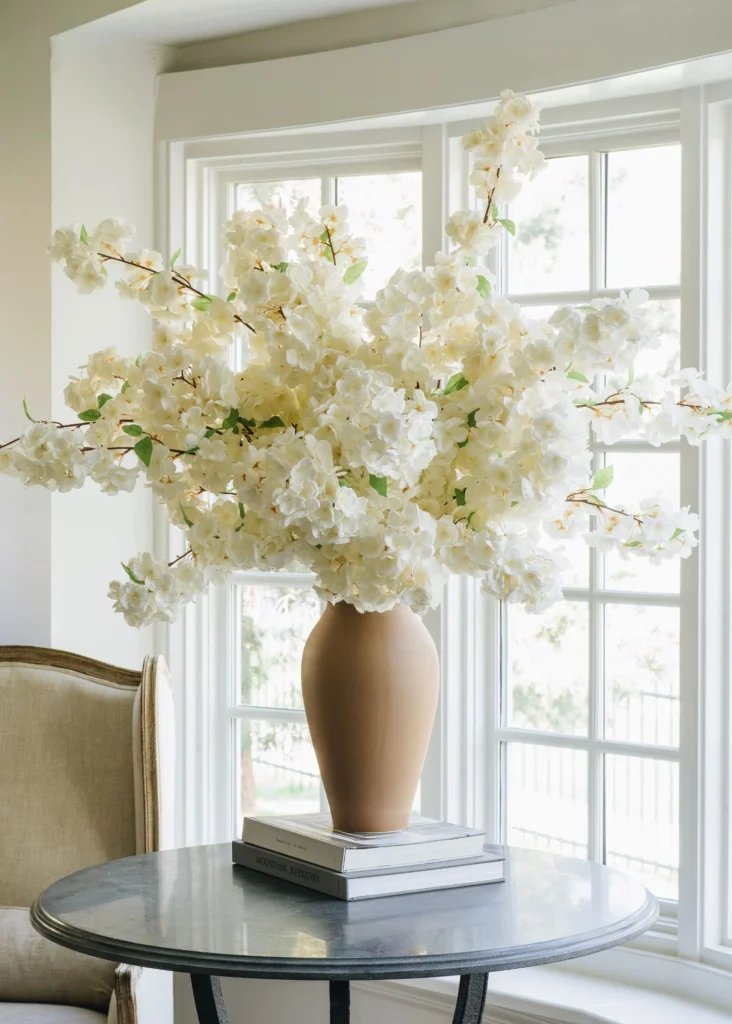
To arrange fake flowers upright, I first secure the base, then place the tallest stems in the center, add side stems at angles, balance flower head weight, and finish with filler material at the top of the vase.
My Step-by-Step Upright Method
I start every arrangement by looking at the center line. If the center is weak, the whole bouquet looks unstable. I place the tallest stems first. I push them into foam or through the support layer. I check the flower heads from the front and side. Then I add medium stems around the center. I use the shorter stems near the edge.
In one hotel room décor project, a client used artificial orchids in slim vases. The flowers looked elegant in photos. But in real rooms, housekeeping staff moved the vases during cleaning. The orchid stems turned to one side. I changed the base from loose stones to hidden foam with a top layer of decorative gravel. I also bent the wired stems slightly forward instead of straight up. The flowers stayed in place much better after daily room cleaning.
I do not push all stems straight down. Real arrangements have movement. I angle some stems left and right. But I make sure the bottom is locked. A soft bend near the flower head can look natural. A loose stem at the bottom looks careless.
For buyers who ask what can I put at the bottom of a vase to support fake flowers because their stems keep falling outward, I usually check two points first. I check whether the vase mouth is too wide. I also check whether the flower heads are too heavy for the stem base. These two problems cause many unstable displays.
I also group stems before placing them in wide vases. I may tie the lower stem section with clear tape or floral wire. This helps the stems act like one unit. Then the filler holds the group more easily.
For clear vases, I hide technical support as much as possible. I may use stones, ribbon, moss, or decorative beads. For opaque vases, I focus more on strength. The inside does not need to look beautiful if the outside hides it.
Cleaning also affects upright shape. If staff pull stems too hard, the base loosens. I usually teach buyers to dust flowers in place. This is why I also recommend reading how to clean plastic flowers when the arrangement includes plastic leaves or stems.
Best Vase Support Ideas for Retail and Event Displays
Retail and event displays face more movement than home décor. Weak vase support can cause returns, damage, and poor photos.
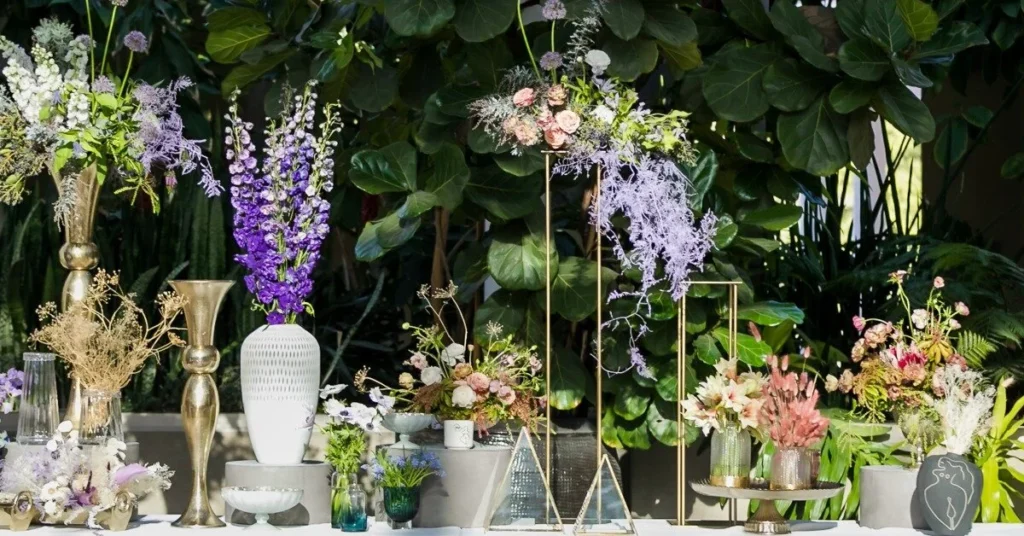
The best vase support ideas for retail and event displays include hidden foam blocks, weighted stones, clear glass beads, tied stem bundles, moss top covers, and pre-filled vases. These methods reduce setup time and keep displays consistent across many locations.
How I Think Like a Commercial Buyer
Retail buyers and event planners need more than beauty. They need speed, safety, and repeatable results. A display must look the same in many stores or on many tables. Staff may not have floral training. So the support method must be simple.
In one chain store project, the buyer planned to place artificial flower vases near the checkout counter. The first sample looked nice, but the staff touched the vase many times each day when cleaning the counter. The stems moved. The manager had to fix the display every morning. I changed the design to a pre-set foam base inside an opaque vase. Then we added a thin moss layer on top. Staff only needed to dust the flower heads. They did not need to rebuild the arrangement.
For event displays, I like modular solutions. A wedding planner may set up 30 tables in a short time. If every vase needs hand adjustment, labor cost increases. I suggest pre-cut foam inserts, pre-grouped stem bundles, and a clear photo guide for staff. This makes the result more stable and faster.
When an event buyer asks what can I put at the bottom of a vase to support fake flowers, I usually recommend a ready-to-use structure. This saves labor during setup and keeps all centerpieces similar in height, shape, and style.
For retail displays with clear glass vases, I use beauty-focused fillers. Clear beads, white stones, and colored gravel can match the product style. But I still hide a support core when the stems are heavy. Beauty alone is not enough.
For restaurants and hotels, I also think about cleaning. Food areas need easy surface care. I avoid loose fillers that spill easily. I choose larger stones, fixed foam, or covered bases. If the vase is near a dining area, the filler should not create dust or small loose pieces. For longer care, my article on how to clean artificial flower arrangements can help teams build a simple maintenance routine.
When a buyer asks what can I put at the bottom of a vase to support fake flowers for business use, I always ask one more question. Who will touch the vase after setup? The answer changes the filler choice.
How Can Commercial Buyers Pack Filled Fake Plant Pots Safely?
A filled vase or pot can look perfect in the sample room. But poor packing can destroy it during shipping.
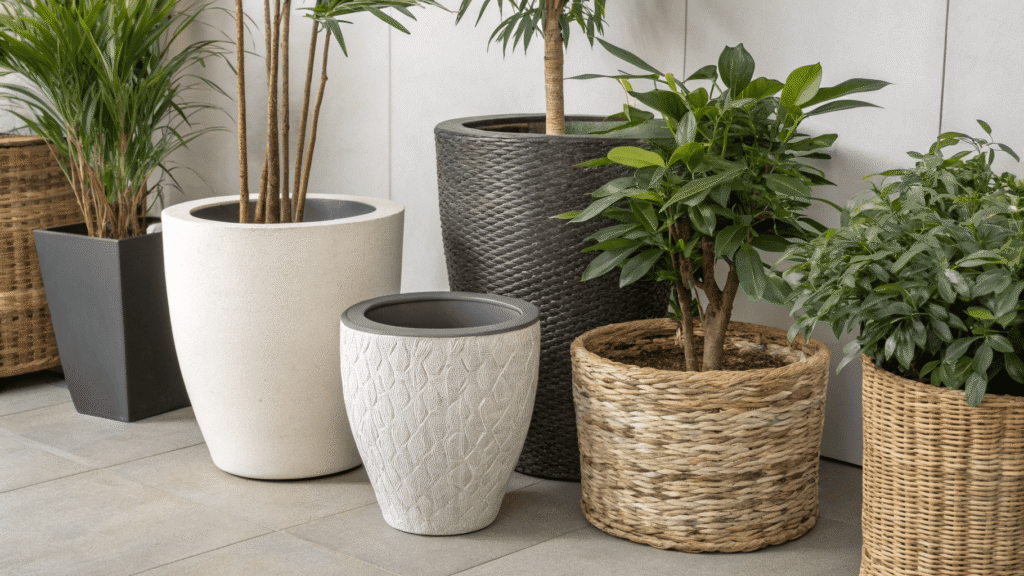
Commercial buyers can pack filled fake plant pots safely by fixing the stems, locking the filler, protecting the pot surface, adding inner support, using strong cartons, and testing movement before bulk shipping. The goal is to stop shaking, rubbing, and pressure damage.
Packing Must Start Before the Carton
Many buyers think packing starts when the product goes into the carton. I see it differently. Packing starts when we design the vase filler. A loose filler may look fine on a table, but it can move during transport. A heavy stone layer can crack a weak ceramic pot if it is not cushioned. A tall flower head can press against the carton wall and become flat.
In one export order, a buyer chose artificial lavender in small ceramic pots. The sample looked very good. But the first packing test showed one issue. The top moss layer moved when we shook the carton. It did not damage the flower, but it made the product look messy when opened. We fixed the problem by using a light adhesive layer under the moss and adding a paper collar around the plant base. The unpacking result became much cleaner.
For filled fake plant pots, I secure the inside first. I check that the foam or cement base does not move. Then I cover the top layer well. If the design uses moss, I fix it lightly. If it uses stones, I test whether stones can jump out during shaking. For many retail orders, I prefer larger stones because they are easier to control.
Then I protect the outside. Ceramic, glass, and resin pots need soft wrapping. Metal pots need surface protection to avoid scratches. Tall stems need a sleeve or inner box. If the product is high value, I use stronger inner boxes and corner protection.
For shipping standards, I also review general carrier guidance like UPS packaging tips.[2] For higher-volume distribution, I also pay attention to transport test ideas from organizations such as the International Safe Transit Association.[3] For artificial flower export details, I have a deeper guide on how to pack artificial flowers for shipping. Good packing protects the product, the buyer’s profit, and the final customer’s first impression.
If a wholesale buyer asks me what can I put at the bottom of a vase to support fake flowers before bulk shipping, I never look at beauty only. I also test carton shaking, pot strength, stem pressure, and unpacking effect. A stable sample must arrive stable too.
Conclusion
A stable vase base makes fake flowers look better, last longer, ship safer, and sell with more confidence.
Need Stable Artificial Flower Vase Solutions for Your Project?
I can help you choose filler materials, vase support methods, custom flower sizes, and export-safe packing for retail, hotel, wedding, and event orders.
FAQ
1. What can I put at the bottom of a vase to support fake flowers?
You can use floral foam, pebbles, sand, glass beads, moss, clay, or decorative stones. I usually use foam for structure and stones or moss for the top finish.
2. What is the best filler for tall fake flowers?
Floral foam is usually the best base for tall fake flowers. It holds stems in fixed positions and helps reduce leaning.
3. Can I use pebbles only to support fake flowers?
Yes, you can use pebbles only for short or light stems. For tall or heavy flowers, I suggest hidden foam under the pebbles.
4. Can sand support fake flowers in a vase?
Yes, sand can support fake flowers and add weight. But I avoid loose sand for export orders because it can spill during shipping.
5. How do I hide foam inside a clear vase?
You can cover foam with pebbles, moss, glass beads, ribbon, or decorative stones. This keeps the vase clean and more premium.
6. How do I stop fake flowers from falling to one side?
You should secure the stem base first. Then place tall stems in the center, balance the flower heads, and add filler around the stems.
7. What filler works best for retail displays?
For retail displays, I prefer fixed foam with a top layer of stones or moss. This keeps the arrangement stable and easy for staff to maintain.
8. Are glass beads good for supporting artificial flowers?
Glass beads look elegant in clear vases. But they may not hold thin stems strongly enough, so I often combine them with foam.
9. Why do buyers search what can I put at the bottom of a vase to support fake flowers?
Buyers search this because loose flowers can ruin display value. A stable vase base helps flowers look fuller, cleaner, and more professional.
10. What can I put at the bottom of a vase to support fake flowers for bulk orders?
For bulk orders, I suggest foam, larger stones, fixed moss, or pre-filled vase bases. These options help reduce movement during shipping and setup.
11. Can Botanic Blossoms customize vase filler and packing solutions?
Yes. I can help customize flower materials, vase styles, filler options, stem height, color matching, and export packing based on your market and project needs.
Footnotes
- EPA Indoor Air Quality resources are useful for understanding dust control and indoor display care in long-term commercial spaces. https://www.epa.gov/indoor-air-quality-iaq ↩
- UPS packaging tips offer practical guidance for protecting products during parcel and export shipping. https://www.ups.com/us/en/support/shipping-support/packaging-tips ↩
- The International Safe Transit Association provides packaging test references for products moving through distribution systems. https://ista.org/ ↩