
Cleaning Artificial Flowers Safely: 7 Best Proven Methods That Prevent Damage
Dust, grease, and careless washing can quickly ruin a premium arrangement. For B2B teams, cleaning artificial flowers incorrectly can turn a profitable display into costly replacement stock.
Cleaning artificial flowers safely starts with a material check. I remove loose dust, test one hidden area, use cool water only when the construction allows it, and dry every petal, joint, and stem fully before display or storage.
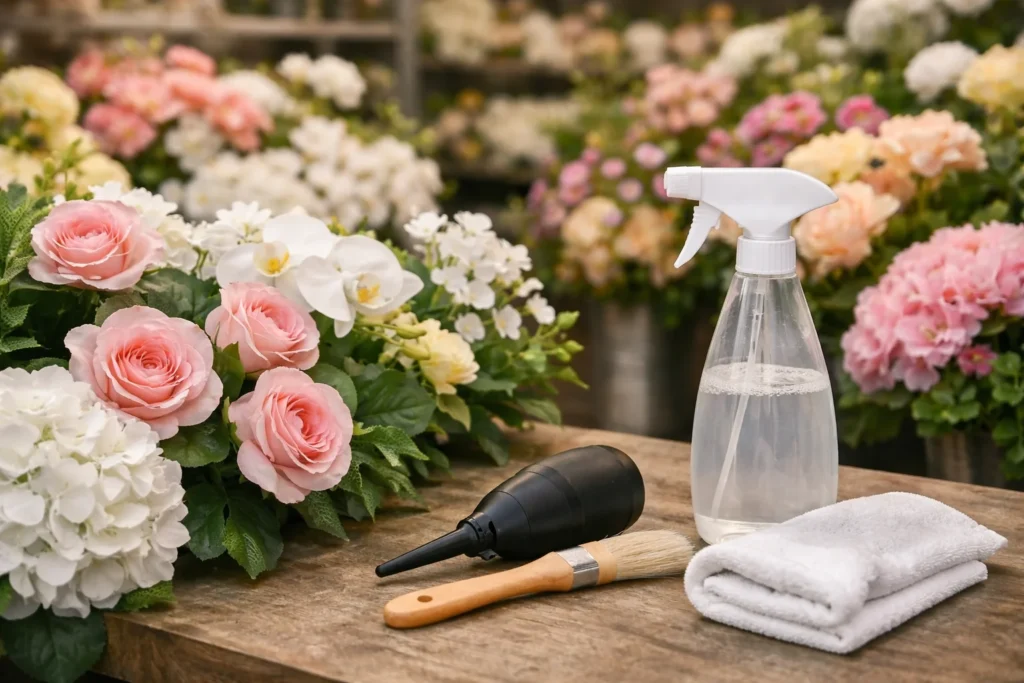
After more than ten years of working with artificial flowers and greenery, I know that cleaning artificial flowers is not a single standard process. A plastic eucalyptus branch, a polyester hydrangea, a flocked leaf, and a real-touch orchid may look similar, but they react to water in very different ways.
Many buyers focus on color, shape, realism, and price when selecting products. I also ask how their staff will handle cleaning artificial flowers, because the maintenance method can affect material choice, construction, surface finish, and expected service life.
A washable flower can save time in a restaurant or retail store. A delicate flower may be better for a protected wedding display. A real-touch flower may offer a more realistic finish, but it may need careful wiping instead of full immersion.
In this guide, I will explain my process for
cleaning artificial flowers
without damaging their color, texture, structure, or commercial value.
Can Cleaning Artificial Flowers with Water Cause Damage?
When cleaning artificial flowers, water can look harmless while quietly loosening glue, moving color, staining fabric, corroding wire, or changing a delicate surface finish.
Before cleaning artificial flowers with water, I check the petal material, dye, glue, stem wrap, decorative finish, and internal structure. I only use full washing when every important component can tolerate moisture.
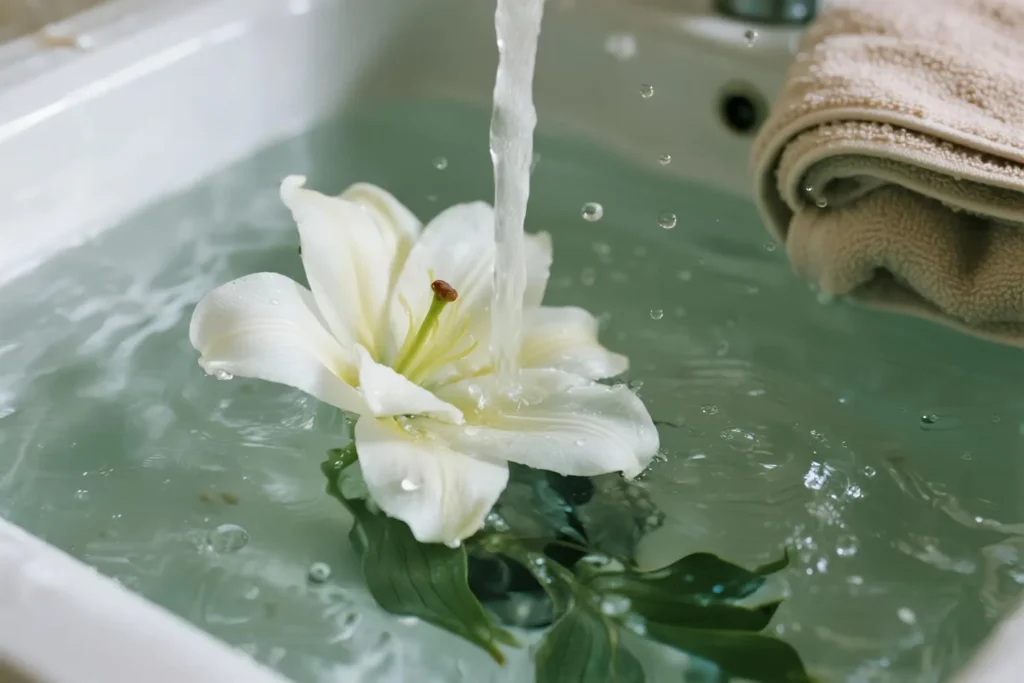
I Treat Water as a Test, Not as the Default Method
I never place a complete arrangement in water before testing one flower. A bouquet can contain several materials, even when the flowers appear to come from the same collection.
One flower head may use polyester petals. Another may include paper-wrapped wire, foam centers, glue, flocking, printed color, or hand-painted edges. Water may affect only one part, but that small failure can damage the whole product.
I normally separate artificial flowers into three practical groups.
The first group includes durable molded plastic, PE foliage, and some waterproof outdoor greenery. These products can often handle a gentle rinse.
The second group includes polyester fabric flowers with stable color and strong molded centers. Some of these products can be washed, but I still test them first.
The third group includes traditional silk-style flowers, flocked flowers, paper flowers, real-touch coatings, glitter products, and hand-painted petals. I usually use dry cleaning or controlled spot cleaning for these products.
For cleaning artificial flowers made with colored fabric, the Canadian Conservation Institute’s guidance on colourfastness testing explains why a hidden-area test matters. Artificial flowers are not museum textiles, but the same lesson is useful: water can move unstable dye, and a small test can prevent a much larger loss.
[1]
I Check the Complete Arrangement
I do not judge washability by touching one petal. I check every part that may come into contact with water.
I look for:
- Paper tape around the stems
- Exposed iron wire
- Loose flower heads
- Visible glue around the calyx
- Foam or paper flower centers
- Hand-painted petal edges
- Powdered or flocked surfaces
- Glitter and glued decorations
- Natural moss or preserved material
- Fabric labels and printed ribbons
- Foam bases inside pots or containers
A wedding-rental customer once asked me whether she could rinse several white and green arrangements after every event. The arrangements included washable plastic leaves, fabric roses, and foam-filled flower centers. I advised her not to wash the complete arrangements together. She removed the plastic greenery for rinsing and spot-cleaned the flower heads. This simple change protected the shape of the flowers and made the cleaning process easier for her team.
I Use the Least Aggressive Method First
For cleaning artificial flowers safely, my rule is simple: start with the driest and gentlest method, then add water only when dry cleaning cannot remove the dirt.
I begin with a soft brush, a clean microfiber cloth, or low-pressure air. These methods remove loose dust without exposing glue and wire to moisture.
I use water for cleaning artificial flowers only when the products have sticky dust, food residue, oily marks, smoke film, or dirt that brushing cannot remove.
Buyers who need a silk-specific routine can also read my guide on
how to clean silk flowers
. That guide focuses more on delicate petals, dust removal, and color protection.
How Should You Identify Materials Before Cleaning Artificial Flowers?
Before cleaning artificial flowers, remember that two products may look almost identical while reacting very differently. One may tolerate rinsing, while the other may lose color, texture, or shape after only a few seconds in water.
The first step in cleaning artificial flowers safely is identifying the material. I check the product specification, touch the surface, inspect cut edges, test flexibility, and ask how the petals, leaves, stems, and coatings were produced.
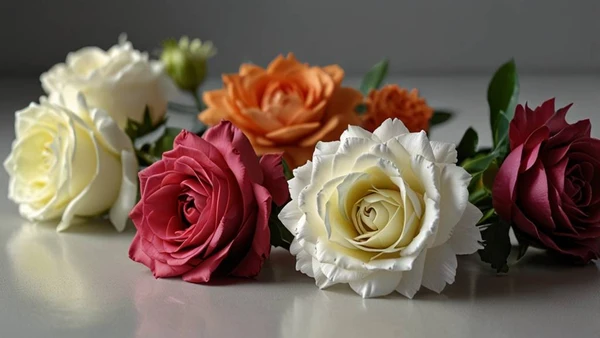
I Start with the Supplier’s Product Information
The easiest way to identify the material is to check the original specification sheet, quotation, care label, packaging, or purchase order.
I recommend that commercial buyers record more than a general description such as “silk flower.” The word “silk” is often used as a style term. Many modern silk-style flowers actually use polyester fabric, plastic, PE, PU, latex-like coatings, or mixed materials.
A useful specification should state:
- Main petal material
- Leaf material
- Stem material
- Surface coating
- Color process
- Flower head connection
- Decorative attachments
- Recommended cleaning method
- Indoor or outdoor use
- Water resistance
- UV treatment, when applicable
A consistent specification makes cleaning artificial flowers easier across multiple stores or project sites. Two suppliers may use the same product name while producing the flowers with different materials, coatings, and glues.
I Use Simple Visual and Touch Checks
Plastic flowers usually have a smooth or molded surface. Their veins and edges often form part of the mold. Durable plastic and PE leaves usually feel firm, flexible, and slightly cool.
Polyester petals usually have visible woven fibers when I inspect a cut edge. They may feel soft, thin, or slightly crisp. Some polyester petals have heat-formed curves that can change under high temperatures.
Real-touch flowers often have a soft, rubber-like, waxy, or skin-like surface. The exact material varies. Some products use PU coatings. Some use PE or mixed finishes. I never assume that every real-touch product has the same cleaning limits.
Flocked flowers have a fine velvet-like layer. This layer may flatten, rub off, or become uneven when wet.
Paper flowers and paper-wrapped stems can soften, swell, stain, or lose their shape. I keep them away from full washing.
I also inspect the flower center. A realistic center may contain foam, fibers, small plastic parts, glue, powder, or hand-painted details. The center can be less water-resistant than the petals.
I Run a Hidden-Area Test
Before cleaning artificial flowers, I choose one spare stem or a flower from the back of the arrangement. I dampen a white cloth with cool water and press it gently against a hidden petal edge.
I stop when I see color transfer.
I also check whether the petal becomes:
- Sticky
- Rough
- Softer than normal
- Stiffer than normal
- Wrinkled
- Shiny
- Dull
- Misshapen
I let the test area dry fully. Some damage only becomes visible after drying.
This hotel project showed why cleaning artificial flowers requires a material-specific method. The PE orchid handled a gentle rinse, while the soft real-touch orchid needed controlled wiping to protect its surface feel.
That case reminded me that appearance alone cannot decide the cleaning method.
I Ask for a Cleaning Test Before a Bulk Order
For large hotel, wedding, retail, or restaurant projects, cleaning artificial flowers should be tested during sample approval rather than after the bulk order arrives.
At Botanic Blossoms, I can review cleaning needs during
OEM and ODM artificial flower development
. A buyer can explain whether staff will dust, wipe, rinse, disinfect, store, or reuse the products.
This information helps me recommend a more suitable material and construction before bulk production begins.
Cleaning Artificial Flowers by Material: 7 Safe Methods
For cleaning artificial flowers safely, the best washing method changes with the material. I use seven methods, from dry pre-cleaning to gentle rinsing, spot cleaning, and controlled wiping.
I remove loose dust first, test the material, clean small groups, avoid strong pressure, rinse away residue, and support every flower head while it dries.
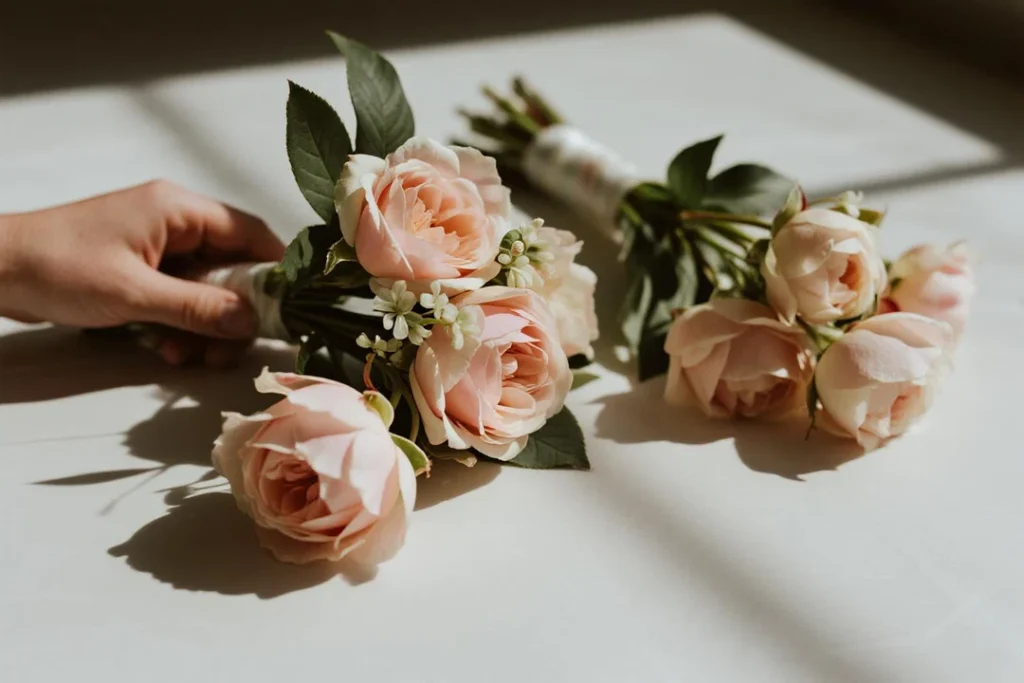
Method 1: I Remove Loose Dust Before Using Water
I always begin
cleaning artificial flowers
with dry dust removal.
During cleaning artificial flowers, loose dust must be removed before water is added. Otherwise, wet dust can turn into a gray film and move deeper into petal folds and flower centers.
I hold the flower upside down and use a soft makeup brush or clean artist’s brush. I move from the center toward the outer edge. I also clean under the leaves and around the calyx.
For large artificial plants, I may use a handheld air blower or low-pressure compressed air. I keep the airflow gentle. Strong air can loosen petals and small decorative parts.
Method 2: I Rinse Durable Plastic and PE Flowers
For cleaning artificial flowers made from molded plastic, PE foliage, and washable greenery, I use a gentle cool-water rinse.
I place the stems under a low-pressure faucet or shower. I keep the flower heads facing downward when possible. This position helps prevent water from collecting inside the center.
I do not use hot water. Heat can soften plastic, affect coatings, and weaken glue.
After rinsing, I shake each stem once or twice. I do not twist the petals.
Method 3: I Use a Mild Soap Bath for Washable Polyester Flowers
When cleaning artificial flowers made from polyester, some products can tolerate a short hand wash, but I always test the color and construction first.
I fill a clean basin with cool or slightly lukewarm water. I add a very small amount of mild, fragrance-free liquid soap. I want the water to feel lightly soapy. I do not create heavy foam.
I place only a few stems in the basin. I move them gently through the water. I do not squeeze, scrub, fold, or twist the petals.
I rinse them in a second basin of clean water. Soap residue can make the surface look dull and attract more dust.
The Canadian Conservation Institute’s
washing guidance for non-coloured textiles
also stresses gentle handling, limited washing time, surface cleaning before washing, and thorough rinsing. I use the same cautious approach with washable artificial flower fabrics.
[2]
Method 4: I Spot-Clean Silk-Style Flowers
I do not fully soak most delicate silk-style flowers.
I mix cool water with a small amount of mild soap. I dampen a white microfiber cloth or cotton swab. I remove most of the water before touching the flower.
I support the petal from below. I blot the dirty area. I do not rub the surface in circles.
I use a second damp cloth to remove soap. I then blot the area with a dry towel.
Buyers handling delicate flower collections can follow my separate guide on
how to wash silk flowers
for a more focused process.
Method 5: I Wipe Real-Touch Flowers
When cleaning artificial flowers with a real-touch finish, I use a slightly damp microfiber cloth rather than full immersion.
I support each petal with one hand. I wipe from the flower center toward the edge. I use very little pressure.
I avoid soaking unless the supplier has confirmed that the exact product is washable. Some real-touch surfaces can become sticky, dull, uneven, or discolored after contact with strong detergent, alcohol, or long periods of moisture.
Method 6: I Use a Gentle Shower for Large Washable Plants
Large artificial palms, ferns, foliage walls, and commercial greenery may not fit inside a basin.
I move washable plants into a shower area or protected outdoor space. I cover the pot, foam, moss, labels, and decorative base with waterproof material.
I use low water pressure and work from the top downward. I turn the plant slowly so I can clean both sides of every leaf.
I never use a pressure washer. Strong pressure can pull leaves from branches, expose wire, and damage printed color.
Method 7: I Use a No-Water Method for Delicate Products
Some products should not be washed.
I use a soft brush, microfiber cloth, low-pressure air, or careful surface cleaning for flocked, paper, hand-painted, glitter, and water-sensitive flowers.
This mixed approach made cleaning artificial flowers more effective for the wedding-rental customer. We rinsed the plastic greenery, spot-cleaned the fabric peonies, and replaced only the two flower heads that could not be restored.
The best process for
cleaning artificial flowers
is not the fastest process. It is the method that removes dirt without reducing the product’s usable life.
Which Mistakes Cause Damage When Cleaning Artificial Flowers?
Most damage during cleaning artificial flowers comes from excessive heat, strong chemicals, rough handling, long soaking, poor rinsing, or treating every material as if it has the same limits.
I prevent damage by testing first, separating materials, using mild products, limiting moisture, supporting the petals, and stopping when color, texture, or glue begins to change.
I Never Use Hot Water
Hot water can change molded shapes and soften some adhesives.
Polyester petals may lose their heat-formed curves. Plastic leaves may bend. Glue around the flower center may weaken. Real-touch coatings may also react badly to heat.
I use cool or slightly lukewarm water. I do not use water that feels hot on my hands.
I Avoid Strong Household Chemicals
Strong household chemicals can make cleaning artificial flowers faster at first but more expensive later. Bleach, concentrated degreaser, glass cleaner, disinfectant, perfume spray, and strong alcohol may damage color, texture, glue, or coatings.
These products may remove printed color, create dull areas, change the surface feel, weaken fibers, or leave a visible ring.
I use a mild soap only when the material test shows that it is safe.
I also avoid mixing cleaning products. A stronger solution does not always create a cleaner result. It can create more risk and more residue.
I Do Not Soak Flowers for Too Long
A short wash gives me more control.
Long soaking allows water to reach glue, wire, foam, paper tape, and internal joints. A flower may look fine while it is wet but become loose after drying.
I keep wet-cleaning time as short as possible. I clean small groups, rinse them, and move them to the drying area.
I Do Not Scrub Fabric Petals
Fabric petals can fray, stretch, wrinkle, or lose printed color.
I support the petal and blot the mark. I let water and mild soap loosen the dirt. I do not force the stain out with heavy rubbing.
Some stains may be permanent. I prefer a small remaining mark over a damaged petal.
I Never Put Delicate Flowers in a Washing Machine or Dishwasher
A washing machine creates movement, pressure, twisting, and repeated impact.
A dishwasher adds hot water, strong detergent, water pressure, and heat drying.
Both machines can damage petals, stems, glue, flower heads, and decorative details. I only recommend controlled hand cleaning.
I Do Not Spray the Whole Arrangement Without Checking the Base
Many arrangements contain floral foam, moss, cement, paper filler, wood, metal, fabric ribbon, or electrical components.
A spray that appears safe for the flower may damage the arrangement base. Water may also remain trapped inside the container.
I remove washable stems when possible. I clean fixed arrangements section by section.
I Do Not Pack Damp Flowers
After cleaning artificial flowers, trapped moisture can create odor, stains, corrosion, softened packaging, or mold inside storage boxes.
[3]
I wait until the flower center, stem joints, leaves, and base are completely dry.
A retail customer once sent me photos of white petals with dull, uneven patches. Her staff had used a strong multipurpose cleaner because they wanted to remove fingerprints quickly. The cleaner removed part of the surface finish. I suggested a simple care card that allowed only a soft brush, cool water, and a damp microfiber cloth. The staff then had one clear standard for
cleaning artificial flowers
.
I recommend adding care instructions to every commercial order. A short instruction card can prevent expensive mistakes across several stores or project locations.
Drying and Maintenance After Cleaning Artificial Flowers
After cleaning artificial flowers, a product can look dry on the surface but still fail later when water remains inside the flower center, stem connection, foam base, or packaging.
I drain each stem, reshape the petals, dry the flowers in shade with good airflow, inspect every joint, and use a written maintenance schedule for each commercial location.
I Remove Excess Water Immediately
I hold the flower upside down and let water drain from the center.
I shake the stem gently. I do not shake it hard enough to loosen the flower head.
I use a clean white towel to blot large drops. I separate petals that are sticking together.
For large plants, I tilt the complete plant in several directions. Water can remain inside branch joints and molded leaf connections.
I Dry Flowers in Shade with Good Airflow
I place the flowers in a clean, shaded, and ventilated area.
I do not leave wet flowers in strong sunlight. Sun and heat can create uneven drying, fading, surface changes, or distorted petals.
I also avoid high-temperature hair dryers. A fan can help when I place it at a safe distance and use normal room-temperature air.
I rotate the stems during drying. I check both sides of the leaves and the inside of the flower heads.
I Reshape Flowers Before They Become Fully Dry
Some petals hold a better shape when I adjust them while they are slightly damp.
I support each flower head and open the petals gently. I restore natural spacing between the leaves. I straighten bent stems without forcing the internal wire.
I compare the arrangement with the original product photo or approved sample. This step helps commercial teams keep the same presentation after every cleaning cycle.
I Build a Cleaning Schedule Around the Location
The right schedule for cleaning artificial flowers depends on the location, traffic level, exposure to food or smoke, and how often the arrangement is handled.
I recommend weekly dust checks for hotel entrances, restaurant displays, and high-traffic retail areas.
I recommend deeper cleaning when staff see grease, fingerprints, food residue, smoke film, or sticky dust.
Office reception arrangements may only need light dusting every two to four weeks.
Wedding-rental products should be inspected after every event. Staff should check stains, bent stems, loose flower heads, missing pieces, and packing damage before the products return to storage.
Outdoor products need regular checks for dirt, rain marks, insects, fading, and loose stems. Outdoor planters also need secure bases. My guide on
how to pot artificial flowers
explains how to support artificial flowers in commercial planters.
I Store Flowers Only After They Are Fully Dry
Clean flowers can still become damaged during poor storage.
I use rigid containers, clean tissue, dividers, clear labels, and enough space around the flower heads. I do not compress large petals to save a small amount of carton space.
My
artificial flower storage guide
explains how to protect flowers from dust, crushing, moisture, and long-term shape loss.
I Turn Maintenance into Part of Product Selection
A hotel buyer once asked me to recommend flowers for lobby tables, restaurant counters, and guest-room displays. I did not recommend the same material for every area.
I suggested easier-to-wipe foliage near food-service areas. I suggested more delicate flowers for protected guest-room displays. I also suggested detachable flower heads for arrangements that needed frequent replacement.
This approach made the maintenance plan more practical. It also helped the buyer control future replacement costs.
When I develop a commercial flower program, I consider realism, color, durability, packaging, cleaning, storage, and replacement together. Buyers can review our latest
artificial flower and greenery catalogues
to compare products for different business settings.
Cleaning Artificial Flowers Safely: Final Checklist
Cleaning artificial flowers successfully requires three controls: test the material first, match the method to the construction, and dry every component fully before display, storage, or shipment.
- Confirm the petal, leaf, stem, coating, glue, and base materials.
- Test cool water and mild soap on one hidden area.
- Remove loose dust before any wet-cleaning step.
- Separate washable plastic greenery from delicate fabric or real-touch flowers.
- Use low pressure, short contact time, and minimal detergent.
- Dry flower centers, joints, stems, and arrangement bases completely.
- Record the approved method in a care card for staff and customers.
Need Washable Artificial Flowers for Your Commercial Project?
For buyers who need products suited to cleaning artificial flowers, I can help compare materials, develop custom colors, prepare samples, review packaging, and choose constructions that match your maintenance requirements.
You can also email me directly at
jasmine@cnhycrafts.com
with your product type, quantity, target market, cleaning requirements, and preferred delivery schedule.
Frequently Asked Questions About Cleaning Artificial Flowers
1. Can I wash artificial flowers with water?
I can wash some plastic, PE, and colorfast polyester flowers with cool water. I spot-clean silk-style, flocked, paper, and real-touch flowers unless testing confirms that full washing is safe.
2. What soap should I use for cleaning artificial flowers?
I use a small amount of mild, fragrance-free liquid soap. I avoid bleach, concentrated detergent, degreaser, and strong disinfectant.
3. Can I wash artificial flowers in a washing machine?
I do not recommend a washing machine. The movement can crush petals, bend stems, loosen glue, and separate flower heads.
4. Can I put artificial flowers in a dishwasher?
I do not recommend a dishwasher. Hot water, pressure, detergent, and heated drying can damage plastic, fabric, coatings, glue, and wire.
5. How do I clean real-touch artificial flowers?
I remove loose dust with a soft brush. I then wipe each petal with a slightly damp microfiber cloth. I avoid soaking and strong chemicals.
6. How do I clean artificial flowers that cannot get wet?
I use a soft brush, microfiber cloth, low-pressure air, or careful spot cleaning. I test a hidden section before using any moisture.
7. How often should commercial artificial flowers be cleaned?
I recommend weekly visual checks in busy commercial spaces. I schedule deeper cleaning when staff see sticky dust, grease, food residue, fingerprints, or visible staining.
8. How long do artificial flowers need to dry?
Drying time depends on the material and construction. I wait until the flower center, petals, joints, stems, and arrangement base are fully dry before display or storage.
9. Can yellow artificial flowers become white again?
I can often remove surface dirt. I usually cannot reverse yellowing caused by UV exposure, aging, heat, glue migration, or permanent material changes.
10. What should B2B buyers ask before ordering washable artificial flowers?
I recommend asking about petal material, colorfastness, glue, stem construction, surface coatings, washing limits, care instructions, spare parts, packaging, and sample testing.
References and Footnotes
-
Canadian Conservation Institute,
Testing for Colourfastness
. This guidance supports testing a small, inconspicuous area before wet cleaning a colored textile or textile-like surface.
↩
-
Canadian Conservation Institute,
Washing Non-Coloured Textiles
. The document emphasizes preliminary surface cleaning, gentle handling, limited washing time, and thorough rinsing.
↩
-
National Park Service,
Causes, Detection, and Prevention of Mold and Mildew on Textiles
, Conserve O Gram 16/1. The source focuses on textile collections; its guidance on avoiding damp storage, improving ventilation, and maintaining clean surfaces is also relevant to fabric-based artificial flower components.
↩