
Artificial Plant Meaning: What Faux Greenery Symbolizes in Homes, Offices, and Gifts?
Artificial greenery can look beautiful. Still, many buyers hesitate. They worry it may feel cold, fake, or emotionally flat in a finished space.
I see the symbolism of artificial plants as lasting growth, steady care, visual calm, and practical beauty. In homes, offices, and gifts, the symbolism of artificial plants often reflects intention, stability, and long-term value without the fragility, upkeep, or short life of real plants.
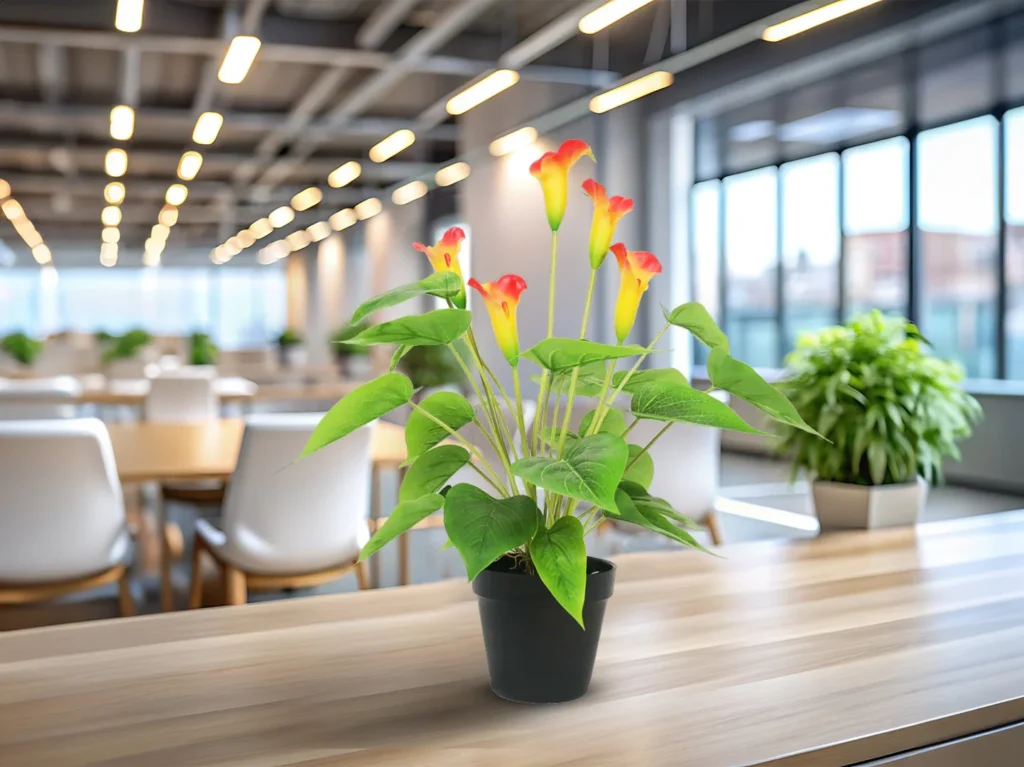
Applicable scenario: home decor styling, office reception display, gift packaging, and commercial interior presentation.
Meaning matters more than many buyers expect. I learned this from real customer conversations. Buyers rarely ask only about color, height, or material. Many of them also ask what the product will say in a room. They want faux greenery that does more than fill an empty corner. They want it to support the mood, the message, and the experience of the space. A retail client once told me her customers were not buying a faux olive tree just for visual balance. They were buying a feeling of calm, longevity, and quiet luxury. That conversation changed how I present greenery to buyers. I stopped treating artificial plants as filler. I started treating them as visual language.
That shift matters in B2B selling. If a buyer understands the symbolism of artificial plants, the product becomes easier to position, easier to explain, and easier to sell. A wedding planner can use faux greenery to express romance, calm, and continuity. An office buyer can use it to communicate order, focus, and long-term growth. A gift seller can use it to suggest care, support, and positive intent. I have seen this again and again in projects for hospitality, events, retail, and workspaces. The product may not be alive, but the message still is.
If you also sell by story and not only by SKU, this topic can help you build stronger product descriptions, better design logic, and more persuasive buyer communication. You may also want to read Artificial Plant Meaning, What Is the Definition of an Artificial Plant?, and What Do Fake Flowers Symbolize?.
Why Is Artificial Plant Meaning Trending in Search?
Decor trends shift fast. Buyer questions shift even faster. That is one reason the symbolism of artificial plants is showing up more often in search behavior.
The symbolism of artificial plants is trending because buyers no longer want empty decoration. They want design choices that look intentional, feel meaningful, and help support a brand story or personal message.
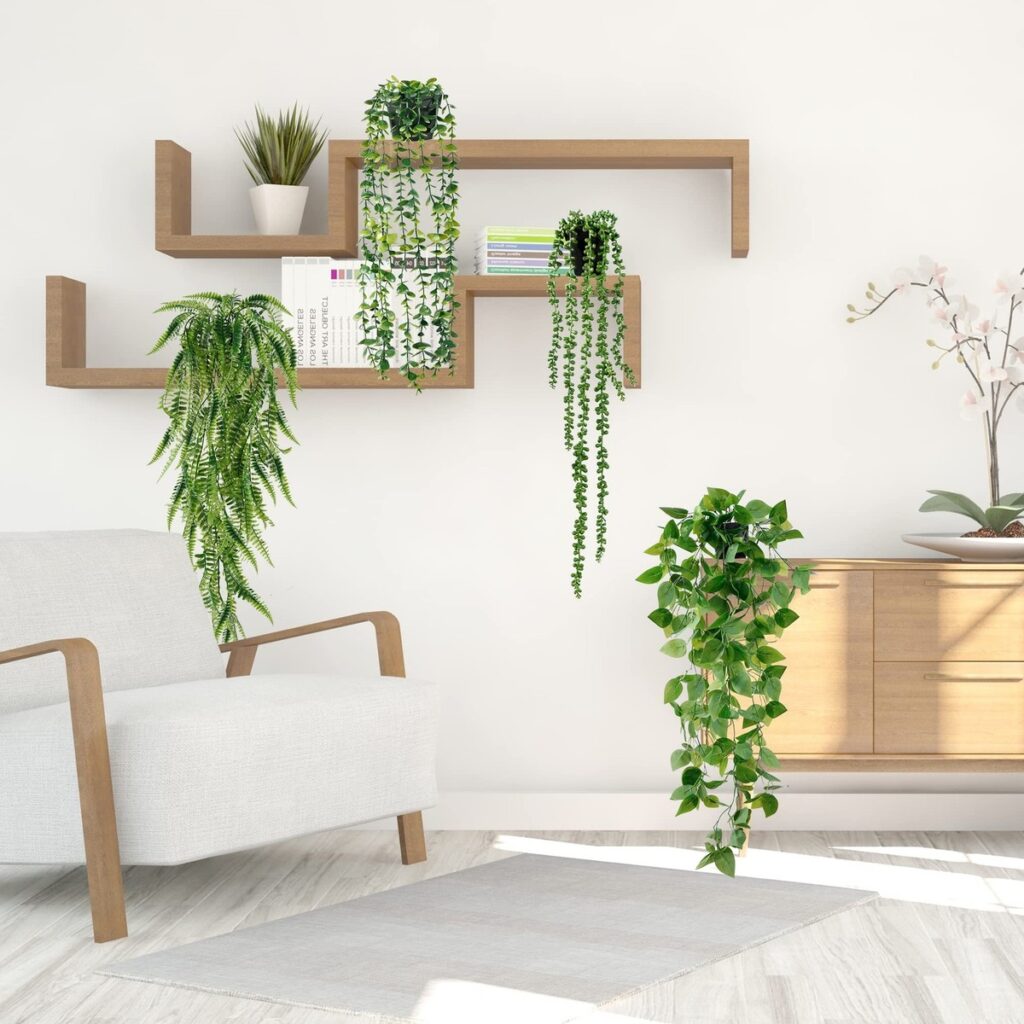
Applicable scenario: content marketing, product page storytelling, SEO planning, and buyer education for faux greenery.
When I speak with buyers today, I notice they want more than style. They want meaning. They ask what plant works best for a reception desk, what greenery feels calming in a meeting room, or what kind of potted faux plant makes a gift feel thoughtful. These are not simple product questions. These are meaning questions. They show that buyers are trying to connect decor with emotion, message, and purpose.
I saw this clearly in one project with a client named Sophia. She works across event planning, interior styling, and retail service. She asked me which faux greenery would make a client office feel more grounded and successful. She did not start with price. She did not start with trend. She started with emotional outcome. That is exactly why the symbolism of artificial plants is getting more attention in search. People are looking for words to explain the visual effect they want.
I also believe search interest is growing because artificial greenery has improved a lot. Years ago, many faux plants looked overly plastic, flat, and cheap. Buyers did not expect them to carry design meaning. They were used only as fillers. Now the market is very different. Better shaping, more natural color layering, softer finishes, and more realistic textures have raised the category. As product realism improves, the symbolism of artificial plants becomes more useful in marketing and design decisions.
Another reason is practical pressure. Real plants can be beautiful, but they also bring maintenance, replacement cost, inconsistent appearance, and performance risk. Commercial buyers want something more stable. They still want the space to feel alive, soft, and intentional, but they do not want dead leaves, weak light conditions, or daily care problems. So they turn to faux greenery. At that point, they still need meaning. That is where this topic becomes valuable.
I helped a small hospitality buyer with a lobby refresh not long ago. She wanted the entrance to feel peaceful, refined, and welcoming. Real greenery was risky because the lighting was uneven and the maintenance team was already overloaded. We selected faux olive trees and eucalyptus accents. The visual result was soft and premium. Later, she told me guests described the space as calm and thoughtful. That project confirmed something important for me. Buyers do not only want decoration. They want decor that says something clear.
Plant meaning is not only a styling topic. It is also shaped by culture, context, and how people use greenery in real spaces. I found the Royal Horticultural Society discussion of symbolic trees and plants useful because it shows how plant symbolism can carry clear cultural meaning in designed spaces.
What Do Different Faux Plants Symbolize in Decor?
Not all greenery communicates the same thing. Plant type changes the message. Shape changes the feeling. Styling changes the emotional effect.
The symbolism of artificial plants depends on the plant form, the visual weight, and the setting. Some faux plants suggest calm and softness. Others suggest structure, resilience, or quiet luxury.
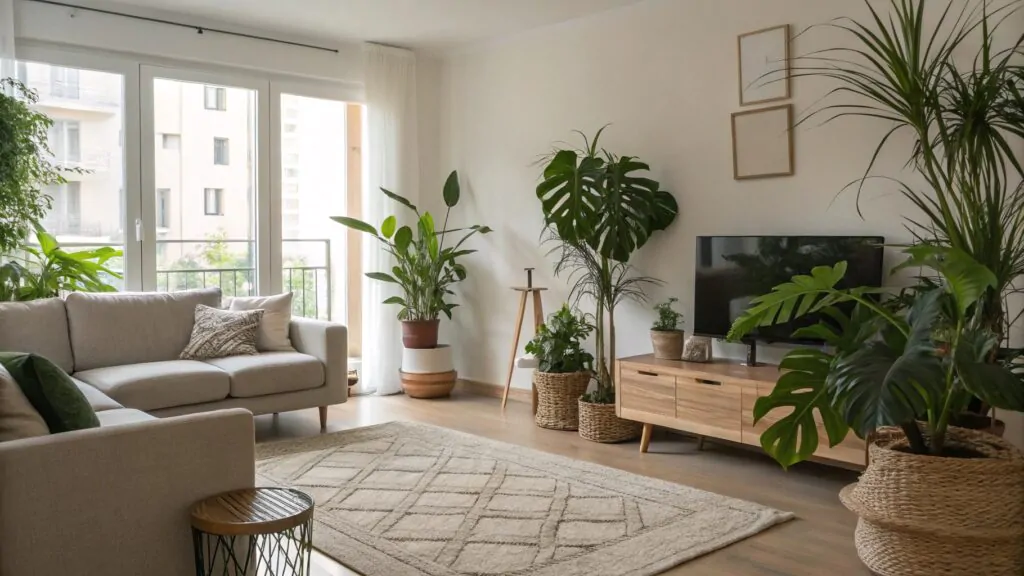
Applicable scenario: interior design selection, showroom styling, gift assortment planning, and hospitality decor sourcing.
When I guide buyers, I usually begin with the feeling they want the room to carry. I do not begin with the plant name alone or a trend photo. I ask what the buyer wants the room to say. Once that answer becomes clear, the symbolism of artificial plants becomes much easier to use in a practical way.
A faux olive tree often suggests peace, maturity, balance, and timeless taste. I like to use it in boutique spaces, hotel lounges, upscale homes, and reception areas where the goal is calm sophistication. One of my buyers wanted a Mediterranean feeling in a showroom, but she did not want the space to look overly themed. The faux olive tree worked well because it suggested softness, refinement, and quiet confidence without becoming too literal.
Faux bamboo usually suggests resilience, upward movement, and flexibility. It works especially well in commercial spaces where the buyer wants a message of progress and energy without making the room feel aggressive. I once recommended faux bamboo for a co-working client. She wanted the space to feel fresh and active, but still controlled. The vertical lines gave the room movement. The symbolism of artificial plants worked in her favor because the bamboo shape naturally supported a message of growth and forward motion.
Faux snake plants suggest order, discipline, and modern clarity. Their upright structure gives them a more controlled presence. I often use them in offices, waiting rooms, reception desks, and minimalist settings. One finance-sector buyer chose faux snake plants because he wanted the room to feel reliable, sharp, and professional. He later told me the structured leaves made the space feel more focused. That was a good example of how artificial plant symbolism can strengthen brand atmosphere.
Faux succulents usually suggest endurance, practicality, and low-stress beauty. They work well in gift boxes, property welcome kits, shelf displays, and casual commercial interiors. A client of mine used faux succulents in welcome gifts for partners because she wanted the message to feel friendly and supportive, but she did not want the shipping risk of real plants.
Trailing faux ivy and pothos usually create warmth, softness, and connection. I use them when a space feels too hard, too rigid, or too cold. They are useful for cafes, lounge areas, retail corners, and layered lifestyle displays. Their draping lines help make a commercial space feel more relaxed and human.
In my experience, buyers make better choices when they stop asking only which plant is popular and start asking what each plant means in context. That small change improves design quality, product selection, and sales messaging at the same time.
Do Artificial Plants Carry the Same Meaning as Real Plants?
This is one of the most common questions I hear. Many buyers worry that faux greenery may look nice but feel emotionally weaker than the real version.
I do not think the symbolism of artificial plants is weaker. I think it is different. Real plants often symbolize life in motion. Artificial plants more often symbolize stable intention, controlled beauty, and lasting presentation.
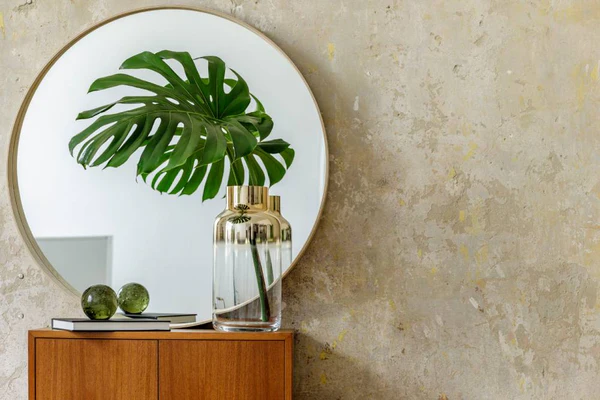
Applicable scenario: buyer consultation, gifting strategy, apartment staging, and premium decor planning.
Real plants bring their own beauty. They grow, change, and respond to care. That gives them emotional value. Still, that same quality also creates risk. They can fade, dry out, drop leaves, or decline if the environment is wrong. So when buyers compare real and faux plants, I do not think the right question is which one has more meaning. I think the better question is which kind of meaning fits the project better.
The symbolism of artificial plants works best when the buyer wants consistency. Faux greenery suggests that the space will stay polished over time. It can suggest reliability, order, long-term presentation, and thoughtful planning. In many business settings, that message is actually more useful than the message of natural change.
I worked with a client who stages serviced apartments. She loved the look of real greenery, but the units had uneven natural light, inconsistent turnover schedules, and limited maintenance support. Real plants would have looked good for a short time, then started creating problems. We switched to high-quality faux greenery instead. The meaning did not disappear. It shifted. The apartments still felt fresh and welcoming, but now they also felt stable, prepared, and professionally managed. That is a very important difference in B2B environments.
I also see this in gifting. Some buyers assume a thoughtful gift must be alive to feel meaningful. I do not agree. A well-chosen faux plant can still represent growth, care, support, and positive intent. It simply does so in a more durable way. That is one reason plant gifting remains strong in commercial use, and even real-plant gifting brands like The Sill corporate gifting program position plants as long-term relationship gifts.
Context matters a lot here. A dead real plant in a dark office sends a poor message. A beautiful faux plant in the same space can send a much stronger one. In a hotel corridor, a dusty or neglected live planter can damage the visual impression of the brand. A realistic artificial plant can maintain the intended atmosphere every day. That is why I do not treat faux greenery as a lesser substitute. I treat it as a tool with a different strength.
So no, artificial plants do not always carry the same meaning as real plants. Still, they can absolutely carry strong meaning. The symbolism of artificial plants is often better suited to commercial settings, stable display needs, and buyers who value long-term visual control.
How Do Designers Use Symbolism in Commercial Spaces?
Commercial design is not only about filling a room. Good design shapes behavior, mood, and perception. That is why symbolism matters in business environments.
In commercial interiors, the symbolism of artificial plants helps designers support brand tone, guide customer feeling, and build visual consistency across functional zones.
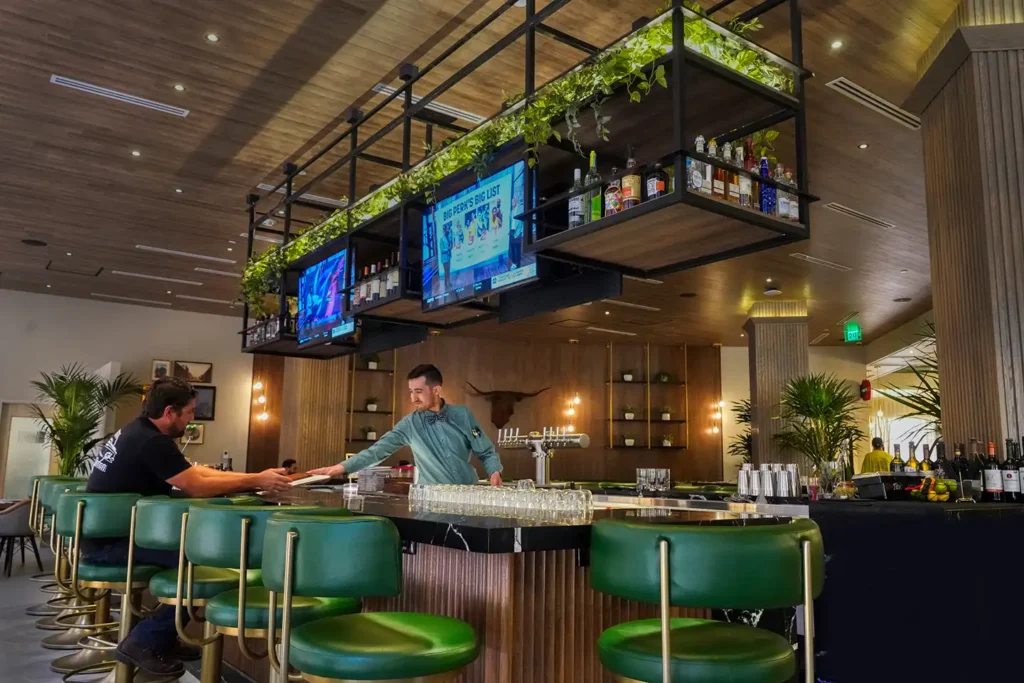
Applicable scenario: office branding, hotel lobby styling, retail merchandising, and showroom planning.
When I work with commercial buyers, I always ask what the space needs to communicate. A clinic may need reassurance and cleanliness. A hotel lobby may need warmth and quiet luxury. A co-working office may need energy with structure. A retail shop may need softness, aspiration, or trend appeal. The symbolism of artificial plants helps make those goals more visible.
Designers often use tall upright plants to suggest professionalism, control, and direction. These forms work well in receptions, boardrooms, and structured workspaces. They create a visual signal of order. In contrast, softer layered greenery can make a space feel more approachable. That works well in waiting areas, lifestyle retail, and hospitality zones where the brand wants guests to relax.
I remember a project with Sophia that included a reception desk, a waiting zone, and a meeting room. At first, she selected greenery only by size. The plan was visually acceptable, but emotionally weak. The spaces did not feel connected to their function. I suggested we rethink each zone through symbolism. For reception, we used faux snake plants because they felt structured and trustworthy. For the waiting area, we used trailing greenery and a faux olive tree to create softness and calm. For the meeting room, we used smaller eucalyptus arrangements to support clarity and understated professionalism. After that change, the whole project felt more intentional. The symbolism of artificial plants gave the design more logic.
This approach also helps with brand consistency. Many commercial buyers struggle because they treat greenery as an afterthought. Then the decor looks random. One area feels modern. Another feels rustic. Another feels empty. Symbol-based plant selection helps solve that problem. If the buyer defines the emotional language first, the plant selection becomes much more consistent.
I also think this matters in sales. A designer who can explain why a plant was chosen is more persuasive than one who only says it looks nice. A hotel manager may approve an olive tree faster if it supports a calm premium atmosphere. A retail buyer may accept layered ivy faster if it softens hard shelving and improves dwell mood. The symbolism of artificial plants helps turn visual taste into a clear business argument.
That is why I always tell commercial buyers not to ignore meaning. In many projects, meaning is what makes the decor feel complete.
What Is My Advice for Buyers Choosing Faux Greenery with Purpose?
Many buyers choose too quickly. They see a beautiful image, place the order, and only later realize the product does not fit the message of the space.
If you want to use the symbolism of artificial plants well, start with the emotional goal of the space first. Then match the plant type, scale, realism, and styling level to that goal.
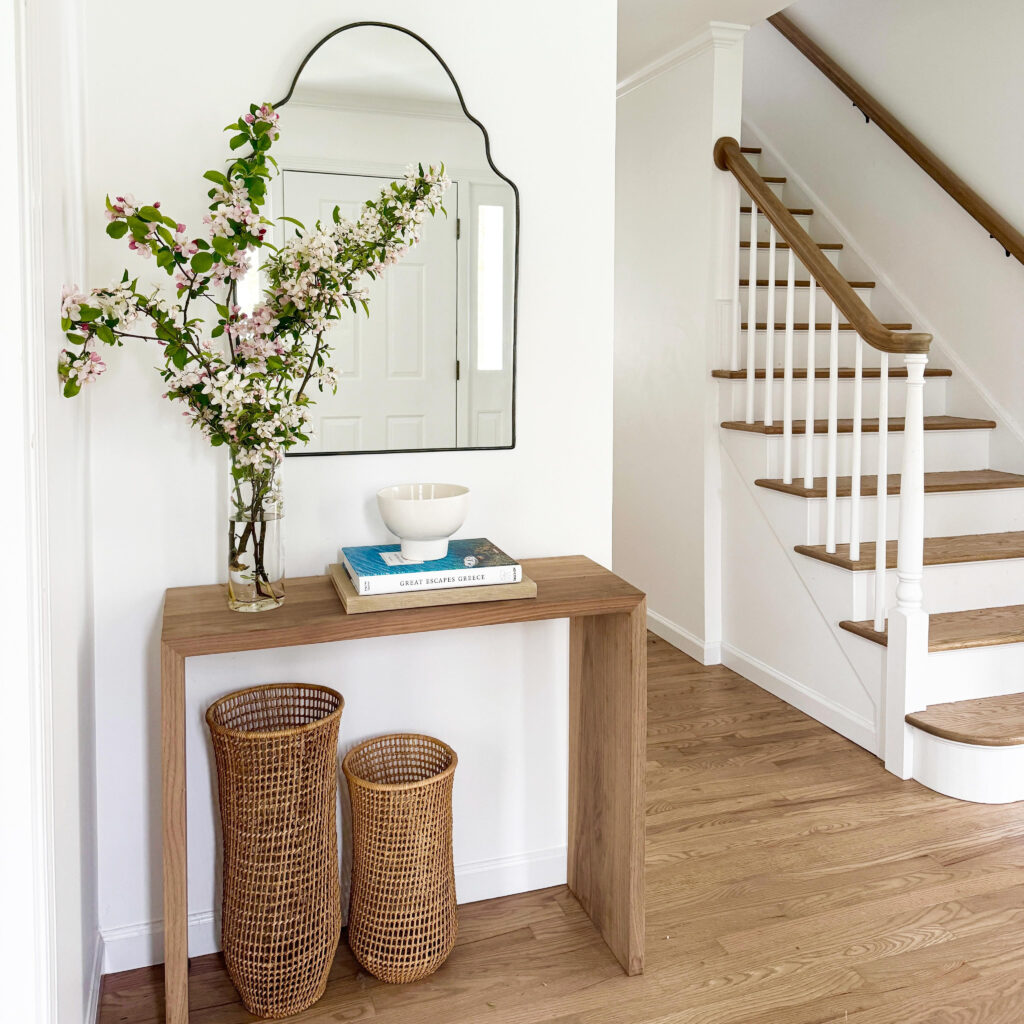
Applicable scenario: wholesale sourcing, client proposal building, product selection, and brand-aligned decor planning.
My advice is simple. Meaning comes before model number. A product can look attractive in a supplier image and still be the wrong choice for the project. The symbolism of artificial plants helps buyers avoid that mistake. Once the buyer knows what the space should say, the rest of the selection process becomes more practical.
When a buyer asks me for faux greenery, I usually ask five questions.
First, what should the space communicate? Calm, trust, growth, welcome, softness, prestige, or energy?
Second, who will see it most often? Guests, shoppers, staff, event attendees, or business partners?
Third, how long does the display need to perform without replacement or refresh?
Fourth, how close will people stand to it? This affects how realistic the plant must look.
Fifth, what is the actual maintenance reality? I ask this because many people imagine ideal upkeep, but buy based on a situation that does not exist in real life.
These questions help stop weak decisions early. They also help connect decor with business use.
I remember one client who wanted a gift-ready faux greenery line for online sale. Her first product mix was based only on trendy product photos. Some items felt playful. Some felt formal. Some looked premium. Some looked casual. The line had no clear message. I helped her rebuild it around three symbolic directions: calm, prosperity, and steady growth. We grouped faux olive, bamboo-inspired, and succulent products around those ideas. After that, the collection made more sense. The product pages became easier to write. The bundles looked more intentional. The buyers understood the value faster. That is a good example of how the symbolism of artificial plants can improve both design and conversion.
I also tell buyers to stay realistic. Do not force symbolic language too far. You do not need mystical claims or exaggerated wording to sell faux greenery well. In most B2B situations, the strongest message is often the most practical one. Durability can symbolize stability. Easy care can symbolize ease and convenience. Year-round consistency can symbolize reliability. Clean structure can symbolize professionalism. Those are strong selling points because they are both meaningful and believable.
If you are buying for hospitality, event work, office styling, or retail display, choose faux greenery with a clear purpose. That is how you get better presentation, stronger buyer confidence, and more usable marketing language at the same time.
Need Faux Greenery That Matches Your Brand Story?
I help buyers choose artificial plants by space, symbolism, realism level, and bulk-use needs, so the final display looks intentional and supports the right business message.
I also keep the article useful before I try to make it rank. That matters because Google continues to reward content built for people first, not pages written only to manipulate search signals. Their guidance on helpful, reliable, people-first content is a good reminder that the page should satisfy visitors in a clear and useful way.
Conclusion
The symbolism of artificial plants is not about replacing nature. It is about choosing lasting visual meaning that fits the space, the buyer goal, and the real operating needs of the project.
FAQ
1. What is the main symbolism of artificial plants?
The symbolism of artificial plants usually centers on lasting growth, stability, calm, and intentional beauty without the short life or care demands of real plants.
2. Why is the symbolism of artificial plants useful in B2B selling?
It helps buyers explain product value more clearly. It gives decor a story, supports project positioning, and makes product selection feel more intentional.
3. Which faux plant works best for office symbolism?
Snake plants, bamboo, and olive trees are common choices because they often suggest structure, growth, calm, and professionalism.
4. Are artificial plants suitable as gifts?
Yes. They work well for business gifts, welcome gifts, and long-lasting decorative gifts because they are practical, stable, and easy to present well.
5. Do faux plants symbolize the same thing as real plants?
Not always. The symbolism of artificial plants is usually more connected to stable intention, durable beauty, and long-term presentation, while real plants often symbolize living change.
6. Which faux plants feel most luxurious in commercial interiors?
Faux olive trees, realistic eucalyptus, structured tropical leaves, and well-made mixed greenery often feel the most premium in guest-facing spaces.
7. How do I choose faux greenery for brand image?
Start with the emotional goal of the space. Then match the plant type, realism level, color tone, and scale to that message.
8. Can symbolism help sell artificial plants online?
Yes. The symbolism of artificial plants gives buyers a reason beyond appearance. That often makes product pages more persuasive and easier to understand.
9. What faux greenery works best for low-maintenance commercial use?
Succulents, snake plants, eucalyptus, olive trees, and compact potted greenery usually offer a strong balance of visual appeal and low upkeep.
10. What should B2B buyers check before placing a bulk order?
Buyers should check realism, finish quality, carton protection, color consistency, cleaning ease, and whether the symbolism of artificial plants matches the intended use.
Footnotes
- In this article, I use symbolism in a design and buyer-communication sense. Meaning can vary by culture, project type, and target market.
- Plant symbolism should support the product story, but it should not replace practical checks like realism, maintenance, packing, and display distance.
- For B2B selling, the most effective symbolic language is usually simple, believable, and clearly connected to the real use of the product.