
11 Best Faux Indoor Plants That Look Real Under Bright Light (No Plastic Shine Tricks)?
I see the same problem in bright lobbies and clean studios. U order plants that look fine in the carton. Then bright light turns them shiny and flat. That is why I treat best faux indoor plants as a lighting decision, not a photo decision.
The best faux indoor plants look real under bright light when I control leaf finish, color depth, and scale. I also lock a dust and storage system, so U do not pay weekly labor to keep the best faux indoor plants camera-ready.
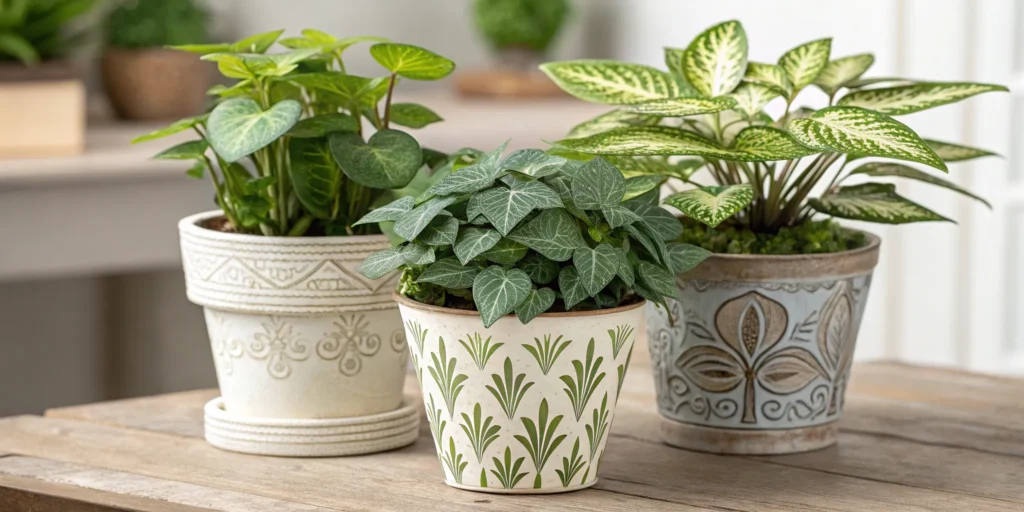
Use case: Use this hero image on a B2B sourcing page for lobby, office, and studio greenery.
I worked with Sophia on a hotel refresh where the lobby lights were harsh. I watched glossy leaves fail in a 10-second phone video. I also watched matte texture solve it fast. I built this guide so U can avoid that same waste when U source the best faux indoor plants for high-visibility spaces.
What Makes Faux Plants Look Real in Photos and Video Under Lighting?
Bright light shows the truth. I see glare. I see stiff leaves. I see stems that look like rods. I also see buyers lose time because a plant looks “fine” in one photo, but fails in real lighting. That is why I evaluate best faux indoor plants using video, not product images.
A faux plant looks real on camera when the leaf surface breaks light, the colors have depth, and the plant keeps natural shadows when it moves. I always test the best faux indoor plants with a short phone video under real lighting before I approve bulk.
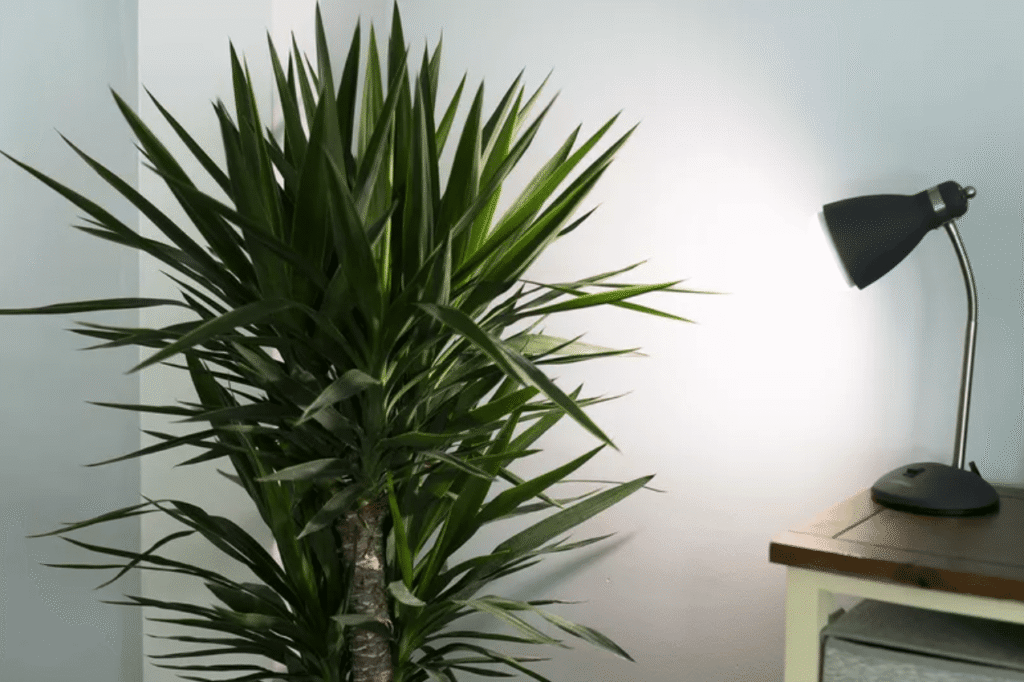
Use case: Use this image in U internal SOP so the team remembers to run a phone video test before bulk approval.
I use one simple “camera-proof” test
I ask U to do a 20-second phone video. U walk past the plant. U film from left to right. U film from front to a small angle. U do this under the same lights U will use in the space. This one step protects U from buying the wrong “best faux indoor plants” that only look good in staged photos.
I learned this from a Sophia job. Her team bought a set that looked great in product photos. Her photographer used a softbox and downlights. The leaves flashed like mirrors. The green looked like paint. The whole background looked fake. I asked her team to repeat the same camera test on three samples. Only one sample stayed calm on video. That sample became the new standard for our best faux indoor plants shortlist.
I check four realism signals every time
1) I check “micro-shadows”
Real leaves create tiny shadows. Cheap leaves look flat. I look at the leaf surface and I ask, “Does it create depth under light?” The best faux indoor plants keep depth even when the lighting is strong.
2) I check “edge truth”
Real leaves do not have perfect edges. I like slight bends and small shape changes. I do not like stiff and perfect outlines. The best faux indoor plants show small imperfections that feel natural.
3) I check “movement truth”
I move the leaf gently. Realistic leaves move with soft recovery. Weak leaves snap back too fast. Heavy leaves look dead. In video, the best faux indoor plants move in a calm and believable way.
4) I check the “stem story”
A good leaf on a toy stem still looks fake. I look for stem color shift and a surface that does not look like shiny plastic. The best faux indoor plants have stems that do not steal attention under bright light.
I help teams approve faster with a written rule
I write one line in the spec: “Bulk must match sample under bright light phone video.” I ask for a short bulk pre-ship photo set under strong light. I also ask for one carton packing photo. This keeps best faux indoor plants consistent from sample to bulk.
If U already buy bulk décor, U can combine this method with a clear inbound checklist like this one:
Which Leaf Finishes Avoid Shine and “Flat Green” Color?
Gloss is not a small detail. Gloss is the first thing bright light shows. Flat green is the second. I see these two issues destroy realism faster than leaf shape. When U search for best faux indoor plants, U are really searching for the right finish system.
The best finish for bright light is a dry matte surface with fine texture and multi-tone color. I avoid spray-only matte fixes because they can scratch, flake, or collect dust. The best faux indoor plants use finish that is built into the leaf surface.
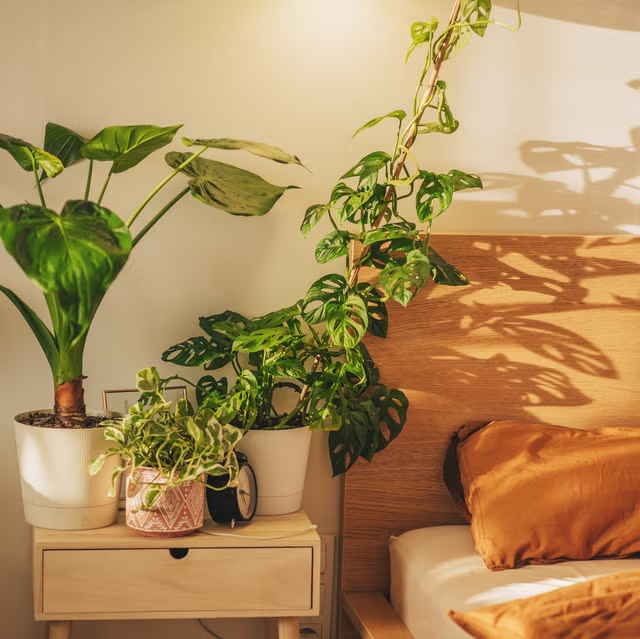
Use case: Use this image in U product listing or client proposal to show “matte leaf finish” and “no plastic shine” intent.
I learned this from a bridal studio problem
Sophia ran a bridal studio with bright panels and white walls. Her team wanted “lush green” for video shoots. The first batch looked fine in hand. The video looked shiny. The editor spent time trying to fix glare in post. That added cost.
I replaced the set with matte texture foliage and deeper color tones. The glare stopped. The greens looked natural under the same lights. Sophia stopped asking her team to “try to make it work.” The plant started to work by itself. That is why I keep finish rules at the center of every best faux indoor plants proposal.
I choose finish by how it behaves, not by label
1) I avoid “smooth skin”
Smooth leaves reflect light like a mirror. I do not use them for bright lobbies or studios. Best faux indoor plants rarely use smooth skin for front-of-house projects.
2) I choose “dry matte,” not “sticky matte”
Some “soft-touch” leaves feel tacky. Dust sticks to them fast. I rub the leaf gently and I check. If it feels sticky, I do not use it in high-traffic zones. Best faux indoor plants stay dry to the touch.
3) I choose multi-tone color, not one green
Real leaves show layers. I want a deeper vein tone, a softer mid tone, small color noise, and slight olive or yellow notes in the mix. This is how best faux indoor plants avoid the “flat green” look.
4) I match the finish to the camera distance
If U shoot close video, U need texture and color depth. If U shoot wide shots, scale and silhouette matter more, but glare still matters. Best faux indoor plants should pass both close and wide shots without shine spikes.
If U want a simple way to understand what “gloss” means in materials, U can review these references:
If U also source flowers and greenery together, U can keep finish consistent across the whole project:
What Sizes Work Best for Small vs Large Rooms and Lobbies?
I see size mistakes create “toy plant” feelings. I also see size mistakes waste budget. A plant that is too small disappears. A plant that is too big looks staged. Best faux indoor plants still fail if the scale is wrong for the space.
I choose faux plant sizes by ceiling height, viewing distance, and the job of the plant in the space. Small rooms need compact layers. Large lobbies need one tall anchor and fewer total pieces to make the best faux indoor plants look real.
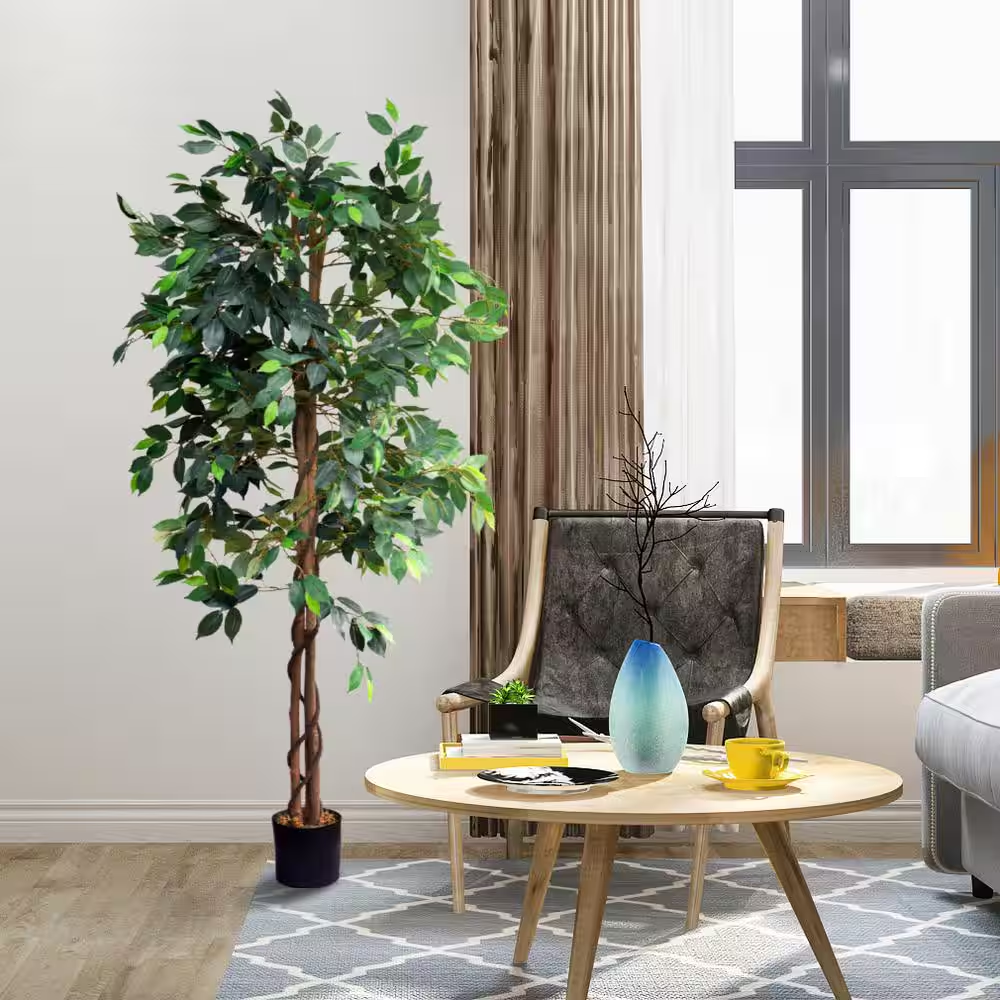
Use case: Use this image in U proposal to explain why tall anchors and correct scale reduce “empty space” problems.
I use a “zone job” method
I assign each plant a job: Anchor (it holds the scene), Filler (it closes visual gaps), and Accent (it adds detail near the eye line).
I learned this in a lobby job with Sophia. Her team placed two medium plants near a tall entrance. The plants looked small and lost. Guests did not notice them. The space still felt empty. I changed the plan to one tall anchor tree and two medium fillers. The space looked finished. This is how I make best faux indoor plants feel expensive, not random.
I use quick size rules by room type
Small rooms (home office corner, small studio, shelf zones)
- 25–45 cm for shelves and counters
- 90–120 cm for floor corners
I helped a small retailer build a video corner. I placed one 110 cm plant in the corner and two 40 cm accents on the shelf. The set looked layered and real without crowding. Best faux indoor plants can still look cheap if U stack them too tightly, so spacing matters.
Medium rooms (reception, meeting room, salon)
- 120–150 cm as standard floor plants
- 150–180 cm for corner anchors
Sophia used 150 cm plants behind a seating area for client meetings. The background looked premium on video calls. Best faux indoor plants for meetings should support the scene and not dominate it.
Large lobbies (hotel, mall, event hall)
- 180–240 cm for true anchors
- Group as 1 tall + 2 medium + 1 accent
I see large spaces fail when teams buy only medium sizes. The space still looks empty, so they add more units, and the budget grows. I prefer fewer units with correct scale. This is how best faux indoor plants solve space problems with fewer pieces.
I reduce cost by reducing “random buying”
I tell teams to stop buying by “what looks nice.” I ask teams to buy by “what the zone needs.” Best faux indoor plants become a repeatable plan when U buy by zones.
If U need sourcing language for suppliers, U can also use a red flag checklist to protect bulk consistency:
How Do You Cut Dust Without Weekly Wipe-Down Labor?
Dust is not just dirt. Dust is labor. Dust also changes color on camera. I see teams waste hours wiping leaves because the plant choice and placement create constant dust buildup. Best faux indoor plants should reduce labor, not create it.
I cut dust labor by choosing leaf surfaces that do not grab dust, placing plants away from direct HVAC airflow, and using a simple monthly care cycle. I also keep a small “swap stock” so U can replace best faux indoor plants display units fast during peak weeks.
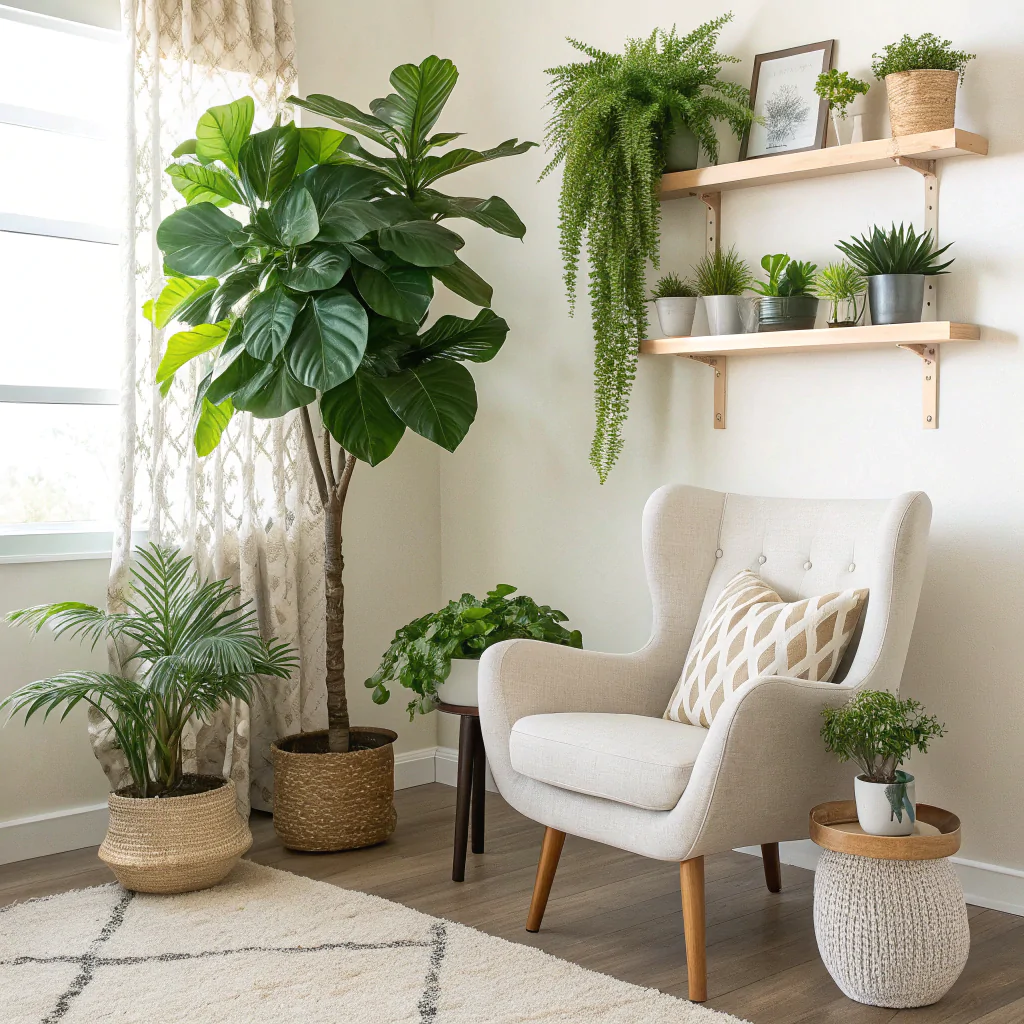
Use case: Use this image in U facility SOP so staff understands the goal: fewer wipe-downs and consistent display quality.
I learned dust control from a showroom that always looked tired
Sophia had a showroom that looked clean on Monday and dusty on Friday. Her staff wiped leaves every week. The leaves started to look worn. Her team felt annoyed. I changed the system, not the effort.
I switched the foliage finish to a drier matte surface. I moved the planters away from direct vent airflow. I set a simple calendar: quick dust check every two weeks for high-traffic zones, and a deeper clean once a month. Her staff stopped doing weekly wipe-downs. This is how best faux indoor plants stay camera-ready without weekly labor.
I use four dust levers that work in real buildings
1) I choose “dry matte” surfaces
Sticky leaves hold dust. Dry matte leaves release dust more easily. Best faux indoor plants feel dry, not sticky.
2) I manage airflow placement
I place plants away from direct vents and heavy door drafts. Airflow carries particles. That airflow lands on leaves.
3) I use tools that grab dust
I prefer microfiber and electrostatic tools over feather dusters. Feather dusters move dust into the air.
4) I build a “swap plan” for busy weeks
Event weeks are not cleaning weeks. I keep 10–15% spare units for fast swaps. Sophia used this plan during peak wedding seasons. Her team swapped and reset, and they kept the showroom camera-ready. Best faux indoor plants look better when U swap fast instead of scrubbing hard.
If U run seasonal displays, U can cut dust work even more by rotating sets on schedule:
How Do You Pack and Store Faux Plants to Avoid Creases?
Storage damage hides inside cartons. Leaves crease. Canopies flatten. Then U pay labor to reshape. Or U replace units early. Best faux indoor plants still need the right storage rules to stay premium.
I prevent creases by controlling compression, protecting the visible leaf faces, and storing tall plants upright when possible. I also separate high-risk leaf shapes and write one pack-out rule that everyone follows so best faux indoor plants keep shape.
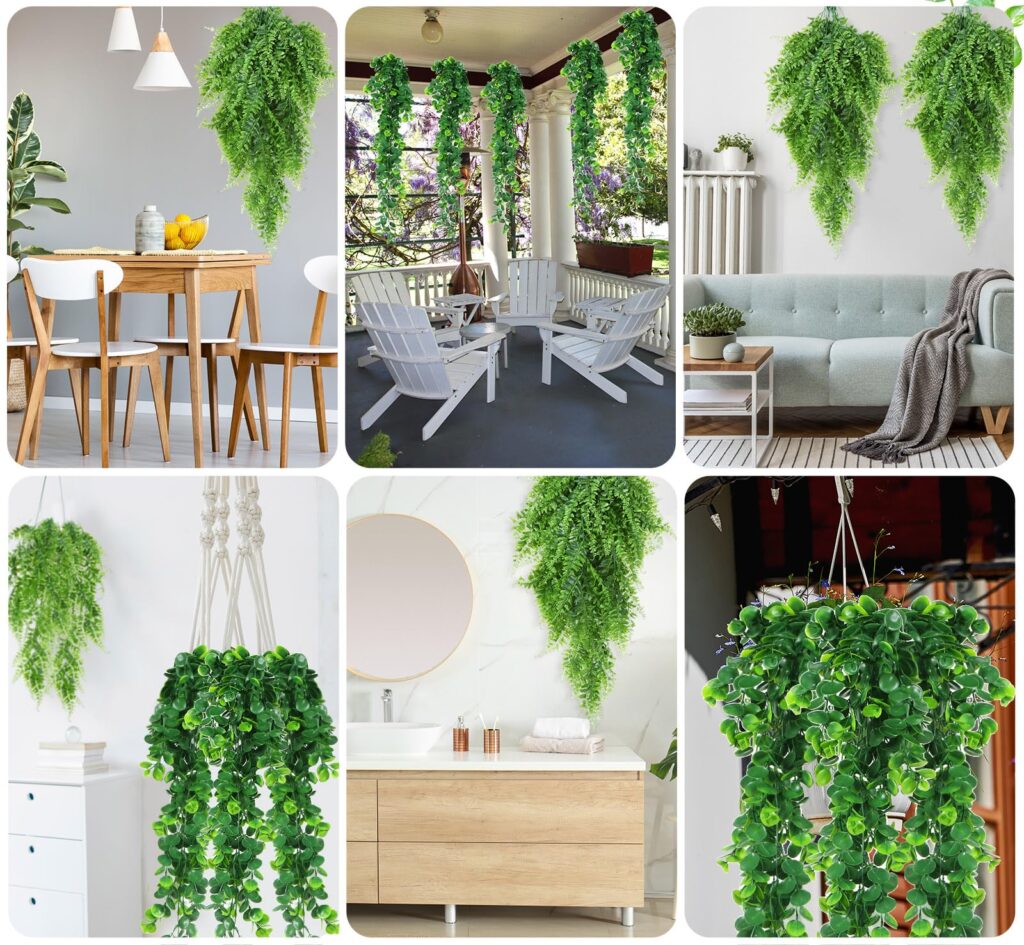
Use case: Use this image in U warehouse training and in U vendor packing approval checklist.
I learned this after a “looks fine outside” carton problem
Sophia once showed me a storage room full of cartons that looked perfect. The inside plants had hard leaf curves. The leaves kept the crease shape. Her team reshaped plants before every shoot. That labor cost was real.
I changed the storage system. I reduced compression. I created air space. I stored tall plants upright. The crease problem dropped. This is how best faux indoor plants stay ready across seasons.
I use a simple storage SOP that protects shape and labor
1) I store by “crush risk”
I separate wide leaves (like monstera), fronds (like palms), and tighter foliage (like boxwood-style). High-risk shapes get the best spacing. Best faux indoor plants keep value when U protect the high-risk shapes.
2) I stop tight compression
I do not allow “packed tight to save space” for premium plants. Tight packing creates memory creases.
3) I protect only what the camera sees
I protect the top visible layers. I do not wrap every leaf. I focus on what shows in photos and video.
4) I store tall plants upright when I can
U can use simple racks and soft ties. Upright storage protects canopy shape.
5) I standardize pack-out photos
I tape a “packed photo” inside the carton lid. Staff pack faster when they can see the goal.
If U want a detailed storage guide that matches bulk décor realities, these internal references fit well:
- How to Store Long Stem Artificial Flowers — 11 Rules That Prevent Bends, Crush, and Dust (Internal)
- How to Store Artificial Flowers (Internal)
- How to Store Silk Flowers Anti-Static (Internal)
- How to Store Fake Flowers (Internal)
Conclusion
I help U win bright-light realism when I control finish, color depth, and scale, and when I lock a dust and storage system that protects U look without weekly labor.
FAQ (B2B)
- What is the fastest way to confirm best faux indoor plants look real under bright light?
U record a 20-second phone video under the real lights, and U watch for glare flashes and flat color. - Which leaf finish works best for high-end lobbies?
U use dry matte texture with multi-tone greens, and U avoid smooth glossy leaves that reflect downlights. - How do U avoid “toy plant” scale in a large lobby?
U use one tall anchor (often 180–240 cm) and fewer total pieces, and U group by anchor + fillers. - How do U reduce dust labor in busy spaces?
U choose a finish that does not grab dust, place plants away from direct vents, and run a simple monthly cycle. - Do U need spare stock for commercial installs?
U keep 10–15% swap units so staff can replace display pieces fast during peak weeks. - What packing detail prevents leaf creases the most?
U stop tight compression and create air space in cartons, and U protect the top visible leaf faces. - How do U store tall faux trees between seasons?
U store them upright when possible, and U support the canopy so it does not flatten. - What should U ask a supplier before U approve bulk?
U ask for finish details, bulk-match tolerance, strong-light photo proof, and real packing photos. - How do U keep plant color from looking flat on camera?
U use multi-tone leaves with depth in veins and surface, and U avoid single-tone flat greens. - How do U connect best faux indoor plants with the rest of U décor buying system?
U align QC, storage, and supplier screening with U existing sourcing SOPs and internal checklists.
SEO Meta
SEO Title: 11 Best Faux Indoor Plants for Bright Lobbies (No Plastic Shine)
Meta Description: Discover best faux indoor plants for bright lobbies and studios. Learn no-shine finishes, size rules, dust control, and storage SOPs for B2B projects.