What Do Artificial Flowers Mean? 9 Symbolic Meanings Buyers Should Know in 2026?
Buyers often like the look of faux blooms, but they still worry about the message. Fake flowers meaning matters because if the message feels wrong, the whole display can feel cheap.
Fake flowers meaning in 2026 is no longer just about imitation. It now stands for lasting beauty, practical care, stable branding, emotional memory, and repeatable visual value across gifting, weddings, retail, and home décor.
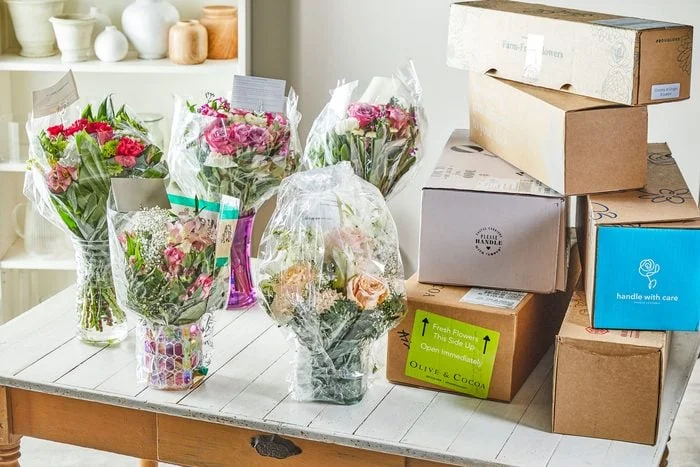
Applicable scenario: blog hero image for gifting, wedding styling, retail display, and home décor education.
When I talk with buyers, I notice one thing again and again. They do not only ask whether artificial flowers look real. They ask what they say. That question matters because people do not buy décor only for color and shape. They also buy message, mood, and meaning. In this guide, I will break down how I see fake flowers meaning today, where it works well, where it goes wrong, and how smart buyers use symbolic flower stories to sell more.
Why Buyers Search Artificial Flowers Meaning More in 2026?
Search traffic is growing because buyers want language that helps them sell better, gift better, and choose with more confidence. They do not want a product that looks nice but says the wrong thing.
In 2026, fake flowers meaning matters more because buyers now care about emotional value, reuse, low maintenance, and brand storytelling. They want décor that looks beautiful and also makes sense in real business use.
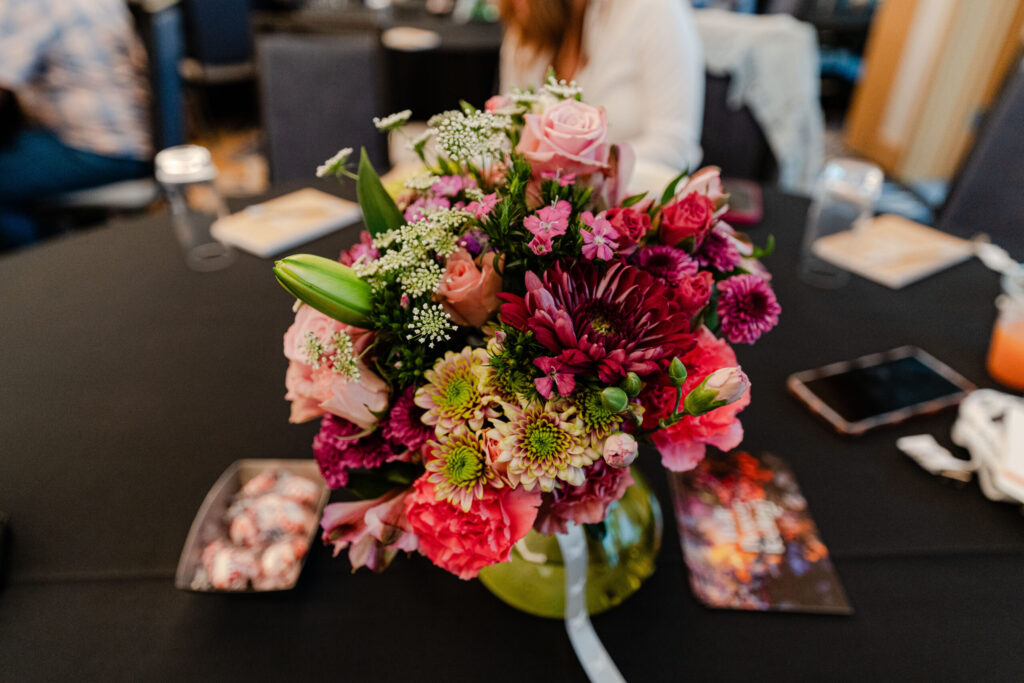
Applicable scenario: B2B content for sourcing pages, buyer guides, and educational blog posts.
A few years ago, many people searched artificial flowers only for practical reasons. They wanted lower maintenance, longer shelf life, or easier shipping. Now the search intent is broader. Buyers want emotional clarity too. They want to know whether faux flowers suggest lasting love, convenience, modern taste, or poor sincerity. That is why fake flowers meaning has become a stronger keyword and a more useful sales topic.1
I see this clearly when I work with wedding planners, retailers, and hotel buyers. A planner may ask me whether faux peonies still feel romantic. A hotel buyer may ask whether silk orchids create a premium impression in a lobby. A gift retailer may ask whether artificial roses feel thoughtful or lazy. These are not product questions only. These are message questions.
I once worked with a client who sourced for a chain of gift shops. She loved the margin and low loss rate of faux bouquets, but she worried the products would feel emotionally flat. I helped her rebuild the display language. We stopped calling them “fake flowers” in signage and started using phrases like “lasting floral keepsakes” and “memory-friendly bouquets.” Sales became easier because the story matched the product. That is a lesson I remember often. Meaning changes response.
This is also why I believe content matters. Buyers need words that close the gap between function and emotion. When I explain fake flowers meaning, I am not trying to decorate the truth. I am trying to make the buyer decision clearer. Artificial flowers can mean reliability, care, planning, and consistency. They can also mean poor quality if the materials, color, and context are wrong. So the question is not whether faux has meaning. The real question is what kind of meaning the product creates in that specific use.
If you want a broader brand-focused view, I recommend reading my related guide on artificial flower meaning and my earlier piece on faux flower meaning symbolism.
Artificial Flowers Meaning in Relationships, Gifting, and Home Décor?
The meaning changes by context. In one setting, faux flowers can feel deeply thoughtful. In another, they can feel careless. The difference is not the product alone. It is the intention behind it.
Fake flowers meaning in relationships often points to lasting affection, memory, and practical care. In gifting and home décor, it can also suggest stability, beauty that stays, and thoughtful design that does not create daily upkeep.
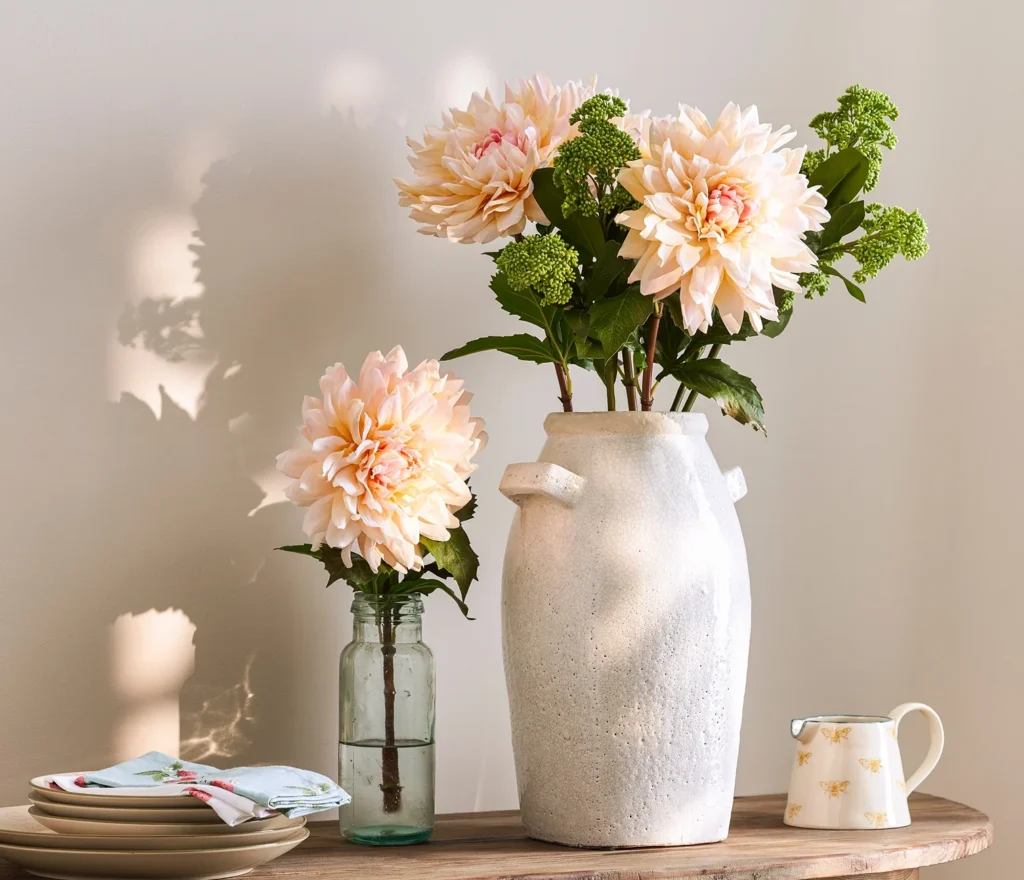
Applicable scenario: retail education, romantic gifting pages, and home décor storytelling.
I think many people are too quick to judge faux flowers in emotional situations. They hear the word fake and jump to fake feeling. In real buying behavior, I do not think it works that simply. A well-made artificial bouquet given with the right purpose can feel more personal than a rushed fresh bouquet bought at the last minute.
I once supported a buyer who ran a small online gifting brand. She sold preserved roses, candles, and home accents. She wanted to test premium faux flower gift boxes, but she worried customers would think they felt less romantic. I told her to stop selling “replacement flowers” and start selling “lasting reminders.” She changed the product story around anniversaries, long-distance relationships, and memory corners at home. That shift worked. Buyers did not just see product durability. They saw emotional continuity.
In relationships, fake flowers meaning often connects with messages like “I want this to last,” “I know you keep sentimental gifts,” or “I chose something that stays beautiful.” That is not cold. In many cases, it is thoughtful. Of course, it still depends on quality and timing. A dusty low-end bouquet with stiff plastic petals will not communicate love well. A realistic arrangement in the right flower type, color, and packaging can do the opposite.2
In home décor, the meaning becomes even wider. Faux flowers can suggest order, calm, softness, and year-round beauty. I often see buyers use artificial hydrangeas, roses, cherry blossoms, and orchids to create a stable visual mood across seasons. A fresh bouquet changes quickly. A faux arrangement keeps the room identity consistent. That matters in homes, hotels, offices, and showrooms.
If your audience buys for romance, you may also want to link naturally to my article on fake flowers meaning in relationship and the older question many gift buyers still ask, should I give my girlfriend fake flowers.
Do Silk Flowers, Faux Flowers, and Synthetic Flowers Mean the Same Thing?
These words overlap, but they do not always create the same feeling. Buyers often use them as if they are identical, but each term carries a different tone in the market.
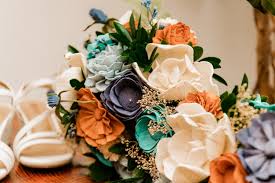
Silk flowers, faux flowers, and synthetic flowers all refer to non-fresh floral products, but they do not feel the same in branding. “Silk” sounds softer and more premium, “faux” sounds stylish and design-led, and “synthetic” sounds technical and less emotional.
Applicable scenario: product page copywriting, category naming, and B2B branding strategy.
This matters more than many suppliers think. I see factories use these terms without strategy. Then the buyer feels the tone is off, even if the product itself is fine. Words shape value.
When I write for retail and B2B use, I choose the term based on buyer intent. If the buyer wants wedding softness or home styling, I usually use “silk flowers” or “faux flowers.” If the buyer wants material clarity for sourcing, I may explain that the stems and petals are made from polyester, PE, latex-touch finishes, or other man-made materials. But I rarely lead with “synthetic flowers” in emotional or premium content because it sounds too industrial.
I remember one hotel buyer who asked for “synthetic orchids” in her first inquiry because that was the technical term she knew. But during our discussion, I realized her real goal was elegant, believable lobby décor that fit a luxury interior standard. So in the proposal, I changed the category language to “premium faux orchids” and “real-touch silk floral arrangements.” The buyer responded much more positively. The product did not change. The framing did.
This is why fake flowers meaning is not just about symbolism. It is also about vocabulary. The term you choose can make the arrangement feel cheap, modern, decorative, or premium before the buyer even sees the sample.
On my own site, I often separate these ideas through related content. For realism and finish, I like to guide readers to how to make silk flower bouquets look real and elegant. For broader symbolism, I point them to artificial flower symbolism guide 2025. If a buyer needs educational language, that kind of internal linking helps them move from product confusion to buying confidence.
For outside reference, general flower symbolism has a long history in floral culture, and useful public overviews can be found from the Royal Horticultural Society and the Society of American Florists.3
When Artificial Flowers Feel Elegant vs. When They Feel Inappropriate?
The answer is not emotional theory alone. It comes down to quality, context, and design discipline. The same bouquet can look premium in one space and awkward in another.
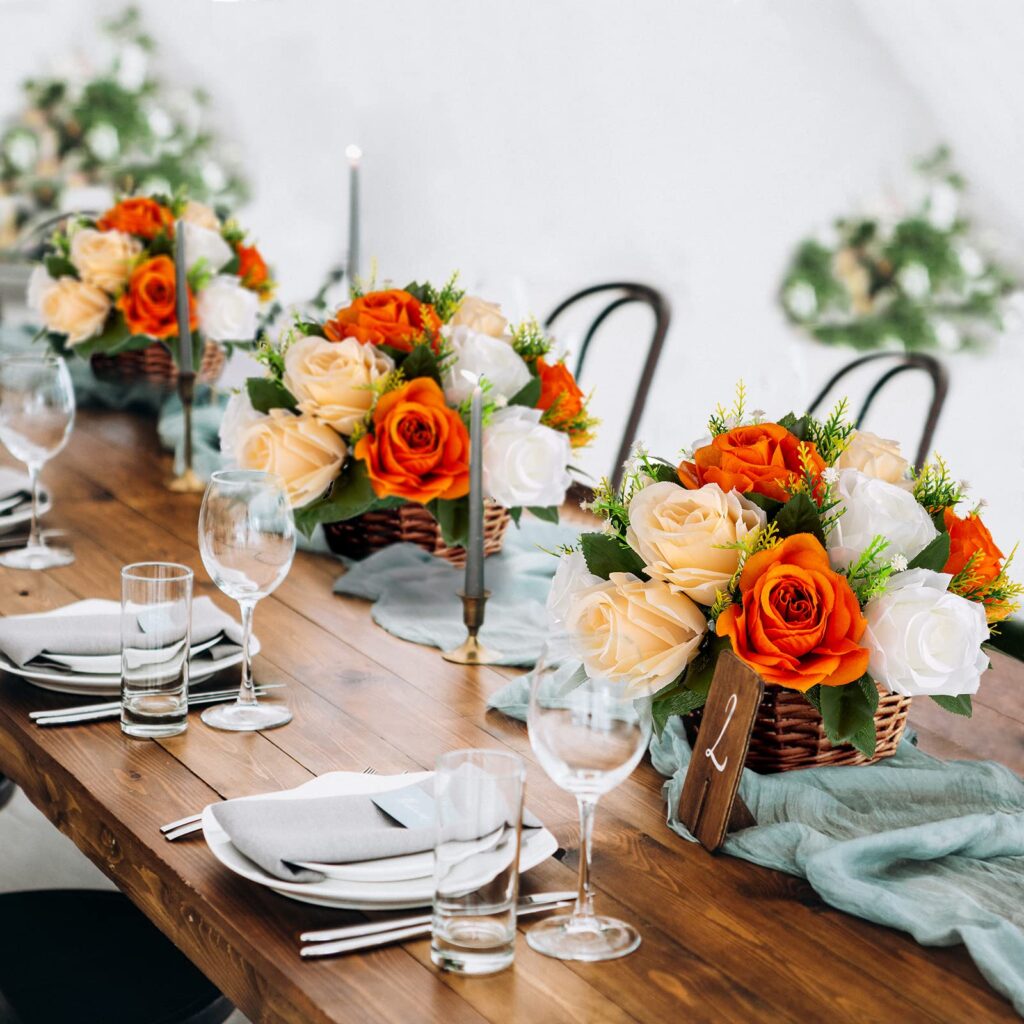
Artificial flowers feel elegant when the materials, scale, color story, and setting match the occasion. They feel inappropriate when quality is low, symbolism clashes with the moment, or the arrangement looks visibly artificial in a setting that needs natural softness.
Applicable scenario: buyer training, event styling guidance, and sourcing qualification content.
I always tell buyers not to ask whether faux flowers are elegant in general. That question is too broad. A better question is whether this specific arrangement is elegant for this specific use.
For example, faux flowers often work beautifully in wedding arches, aisle runners, photo zones, hotel lobbies, retail windows, and long-term home styling. They also work well in destination weddings because they are stable in transport and less risky under heat. I have seen excellent results when the floral build uses good petal shaping, a believable color gradient, and some open space in the arrangement so the design can breathe.
But artificial flowers can feel wrong in sensitive settings if they are used carelessly. Sympathy gifting is one example. In some cultures or family situations, fresh flowers still carry a stronger emotional tone. Another poor use is an ultra-luxury dinner table where guests will be very close to the arrangement and able to inspect every detail. If the product is low-end, the illusion breaks fast.
I once supported an event buyer who wanted to reduce waste for a premium brand launch. She first chose very bright, overly uniform flowers because the catalog photos looked bold online. When the samples arrived, they felt too plastic under indoor lighting. I recommended softer color transitions, better petal texture, and more branch movement. We also mixed faux flowers with quality vessels and candlelight so the whole scene felt intentional. The final result looked elegant because the styling respected the environment.
This is where fake flowers meaning becomes practical again. If the flowers communicate care, harmony, and thoughtful design, buyers accept them. If they communicate convenience without taste, buyers reject them.
If you style for events, I suggest linking this section with how to decorate a wedding arch with artificial flowers and wedding arch flowers: what are the best artificial flower designs for ceremony arches. These pages help buyers move from symbolism into visual execution.
How Retailers and Event Buyers Use Symbolic Flower Stories to Sell More?
A good product story reduces hesitation. Buyers do not only need flowers. They need reasons their customers will say yes. Symbolism gives them that language.
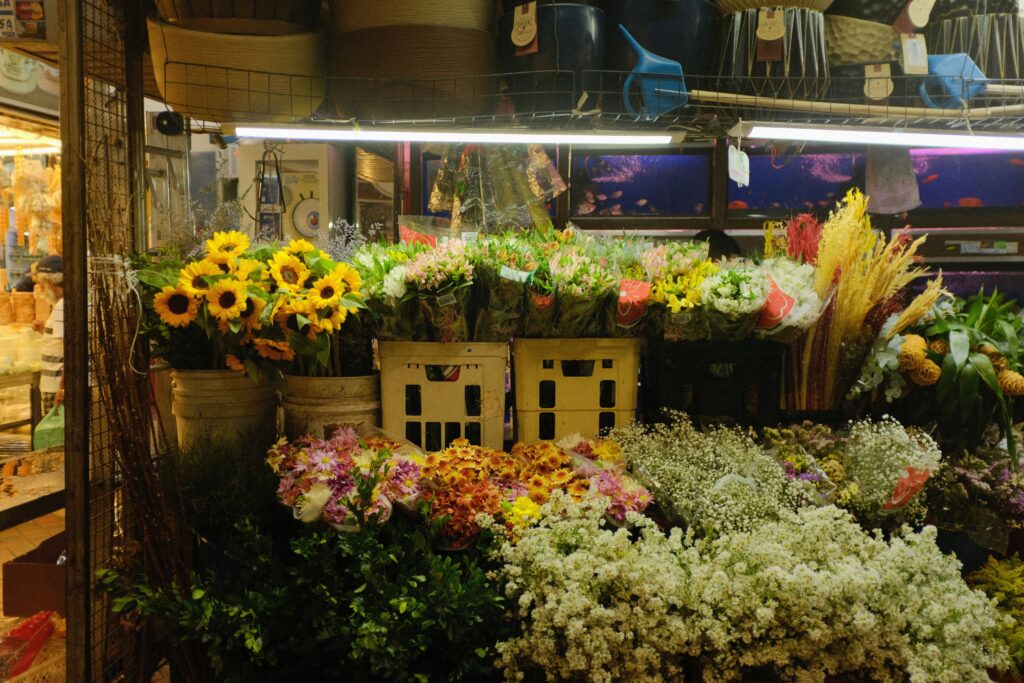
Retailers and event buyers use fake flowers meaning to turn a decorative item into a message-led product. When the story fits the flower type, color, and use scene, conversion gets easier and the product feels more memorable.
Applicable scenario: wholesale product storytelling, retail merchandising, and event proposal writing.
This is one of the most overlooked sales tools in the artificial flower business. Many sellers stop at size, material, and color. Those details matter, but they do not finish the sale. Meaning finishes the sale.
When I work with retailers, I often help them build simple symbolic angles around collections. Roses can suggest love and loyalty. Orchids can suggest refinement and status. Lavender tones can suggest calm. White flowers can suggest purity and clean elegance. Yellow can suggest friendship and warmth. These ideas are not new, but the way we package them for modern buyers matters a lot.
I remember a buyer who sold both event décor and small home gift bundles. She had realistic mini bouquets, but they moved slowly because the listings looked generic. I helped her rename the collections around use-driven symbolism: “lasting love,” “welcome home,” “soft remembrance,” and “everyday calm.” After that, the same products became easier for her customers to understand. They were no longer random faux stems. They were message-ready choices.
Event buyers also use symbolic flower stories in proposals. A wedding planner can explain why blush roses and white ranunculus fit a romantic ceremony. A hotel buyer can explain why green-and-white arrangements support a clean luxury brand image. A retail display team can use spring branches to signal renewal and new arrivals. This is not empty language. It is a way to make visual decisions easier to justify.
My own view is simple. If a buyer cannot explain what the arrangement means, the product will compete only on price. If the buyer can explain what it means, the product can compete on value. That is why I believe fake flowers meaning should be part of both content strategy and product strategy.
Need realistic artificial flowers with a stronger story for your market?
I help buyers match flower style, symbolism, and product positioning for weddings, retail, gifting, and interior décor.
Conclusion
Fake flowers meaning today is about more than appearance. For modern buyers, fake flowers meaning now reflects lasting beauty, practical care, emotional value, and stronger long-term décor use.
FAQs
1. What does fake flowers meaning usually represent?
Fake flowers meaning usually represents lasting beauty, practical care, emotional memory, and low-maintenance decorative value.
2. Are artificial flowers suitable for romantic gifts?
Yes. They work well when the quality is good and the message matches the relationship.
3. What is the best term for premium product pages?
“Faux flowers” or “silk flowers” usually sounds better than “synthetic flowers.”
4. Why does fake flowers meaning matter in retail?
Fake flowers meaning matters in retail because symbolic product stories help buyers explain value faster and improve customer response.
5. Which faux flowers feel most elegant in home décor?
Orchids, roses, hydrangeas, and soft seasonal branches often perform well.
6. When should I avoid artificial flowers?
Avoid low-end faux flowers in very intimate or highly emotional close-up settings.
7. Is fake flowers meaning positive or negative?
Fake flowers meaning can be positive or negative. It depends on product quality, gifting context, and how the arrangement is presented.
8. Are fake flowers good for hotels and event venues?
Yes. They support stable styling, lower maintenance, and repeatable brand presentation.
9. How do I make faux flowers feel less cheap?
Choose better materials, softer colors, realistic shaping, and cleaner presentation.
10. Can I use fake flowers meaning in wholesale marketing?
Yes. It helps you sell beyond price and gives buyers a stronger reason to choose your collection.
Footnotes
-
For related buyer-focused symbolism content, see Botanic Blossoms:
Artificial Flower Meaning
and
Faux Flower Meaning Symbolism.
↩ -
For relationship-focused gifting context, see Botanic Blossoms:
Fake Flowers Meaning in Relationship
and
Should I Give My Girlfriend Fake Flowers.
↩ -
For broader public references on flower symbolism, see the
Royal Horticultural Society
and the
Society of American Florists.
↩