
How to Wash Artificial Flowers Without Ruining Color, Shape, or Texture?
Dust builds slowly, but damage happens fast. Many buyers try to clean faux flowers too late, then use the wrong method and ruin the look, feel, and value of the arrangement.
To clean faux flowers safely, I always start with dry dusting, match the cleaning method to the material, avoid soaking and harsh chemicals, and follow a simple process that protects color, shape, and texture.
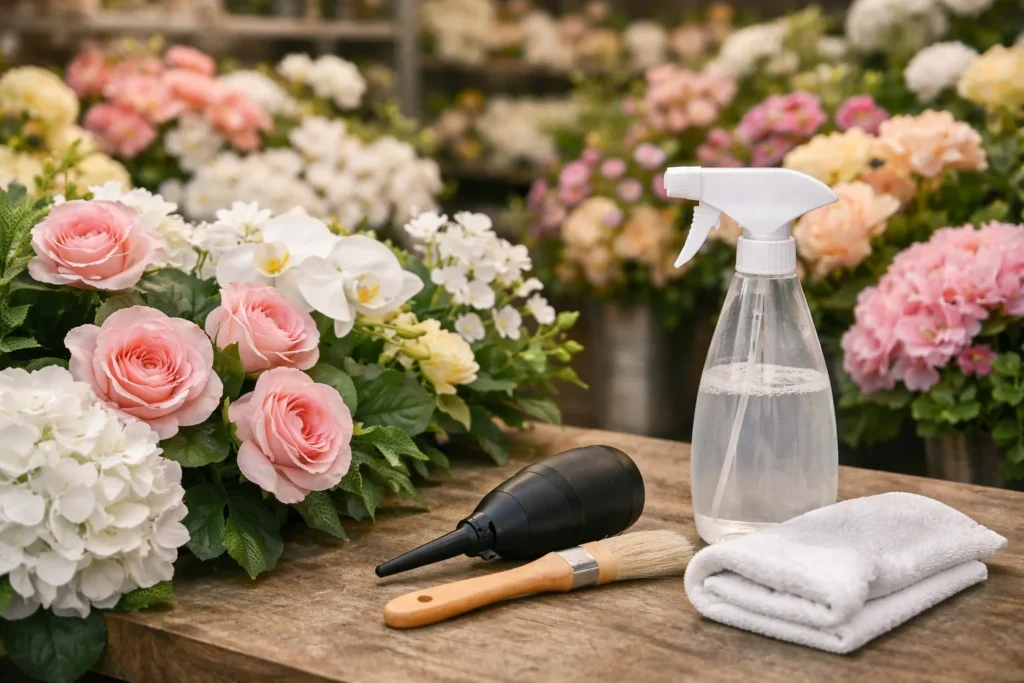
Applicable scenario: blog hero image for hotel décor teams, retail buyers, event rental companies, and commercial faux flower maintenance.
When I speak with buyers, I notice the same mistake again and again. They spend time choosing realistic flowers, but they do not build a routine to clean faux flowers until the arrangements already look tired. That is when cleaning becomes risky. A light dust problem turns into a stain problem. A quick wipe turns into petal damage. That is why I always say that the right way to clean faux flowers is part of display quality control, not a small afterthought.
Why Artificial Flowers Get Dusty Faster Than Buyers Expect?
Dust is not only about time. It is also about static, airflow, texture, and placement. Faux flowers catch more dust than many buyers expect because petals, leaves, and stems create many small surfaces where airborne particles settle fast.[1]
Artificial flowers get dusty fast because layered petals, soft materials, textured leaves, and open commercial display areas make it harder to keep arrangements fresh unless teams clean faux flowers on a routine schedule.
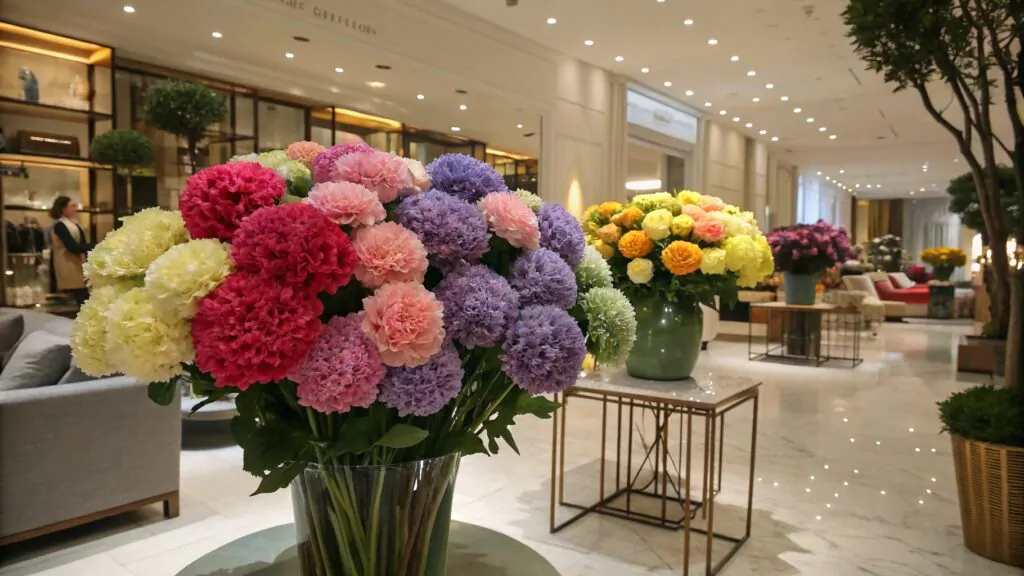
Applicable scenario: educational image for retail display maintenance, hotel lobby floral care, and event inventory training.
I have seen this issue in almost every type of commercial setting. A buyer may install a large silk arrangement in a hotel lobby, and the flowers still look perfect during the first week. Then the air conditioning runs every day, guests walk by, doors open and close, and dust begins to collect on petal edges. The color still looks right from far away, but close up the arrangement loses freshness. This is why many buyers think their flowers have aged when the real problem is only dust buildup.
I once worked with a hotel client who told me the white arrangements in the reception area looked dull after only a short period. The flowers were not old. They were simply placed under constant airflow near the entrance. The dust sat first on leaf tips, then on flower centers, and then inside layered petals. When the team looked from a distance, the display still looked acceptable. When guests took photos nearby, the problem became obvious. That small detail affected the whole visual impression and showed why they needed to clean faux flowers more often.
What makes dust collect faster?
Faux flowers often have many natural-looking details. That realism is good for display, but it also gives dust more places to sit. Silk petals, flocked surfaces, matte leaves, latex coatings, and artificial pollen centers can all hold fine particles. Plastic flowers may look smoother, but they can still attract static dust.
Where dust problems start first?
In my experience, dust shows first in high-touch and high-airflow zones. These include:
- hotel lobbies
- showroom entrances
- wedding rental storage areas
- store window displays
- shelves near air vents
- arrangements placed near road-facing doors
Why buyers underestimate the issue
Many buyers compare faux flowers with furniture or hard décor. That comparison is not accurate. A vase can be wiped in seconds. A flower head with layered petals cannot. A branch with many leaf veins will always need more care than a flat surface.
I also think buyers often judge arrangements by color only. They do not notice texture loss until the dust has already changed the finish. A dusty silk petal can look grey. A dusty latex petal can look sticky or heavy. A dusty plastic leaf can start to look cheap. None of that means the product quality is poor. It means the cleaning cycle was too slow for the environment.
That is why I always ask one simple question before I recommend any cleaning method: where is this arrangement being used? If the answer is a busy store, a lobby, or an event venue, I already know the team needs a system to clean faux flowers, not random cleaning.
For a step-by-step dusting system, I also recommend reading How to Dust Artificial Flowers and How to Clean Faux Flowers as part of a full maintenance plan.
For broader housekeeping logic on dust behavior in indoor spaces, I also like the practical guidance from the U.S. Environmental Protection Agency. It helps buyers understand why airflow and indoor conditions matter so much in display maintenance.
What Is the Safest Way to Wash Silk, Plastic, and Latex Artificial Flowers?
The safest cleaning method depends on the material. I never clean silk, plastic, and latex flowers in the same way because each one reacts differently to water, pressure, and drying.
The safest way to clean faux flowers is to dust first, test one hidden area, use mild soap with cool water only when needed, and keep soaking, scrubbing, and heat away from delicate materials.[2]
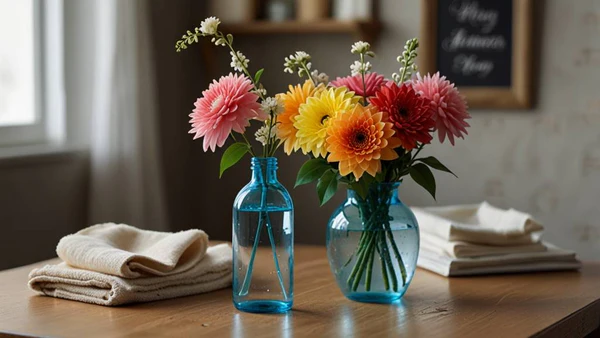
Applicable scenario: maintenance training image for wholesale buyers, in-house merchandisers, and event operations teams.
When I clean faux flowers, I follow one rule first: dry cleaning before wet cleaning. This sounds simple, but it prevents many problems. If I wipe a dusty flower with water right away, I turn loose dust into surface mud. That makes the petal harder to clean and easier to damage.
A retail client once sent me photos of dusty blush silk roses that had turned patchy after cleaning. The staff had used a wet towel first. They pressed too hard, and the dirt spread into the fabric. We fixed the process by changing the order. First, I told them to shake loose debris outdoors. Next, I told them to use a soft brush and cool air. Only after that did I allow spot wiping on visible marks. The results improved fast. That case also proved that teams must clean faux flowers in the right order if they want to keep a premium finish.
My safest cleaning sequence
1. Start with dry dust removal
I use a soft makeup brush, a microfiber duster, or low cool air from a hair dryer. I never start with high heat. I never use hard brushes. I never rush the petal edges.
2. Test one hidden area
Before I use any moisture, I test the back of one leaf or the underside of one petal. This is very important for dyed fabric flowers, coated latex flowers, and older stock.
3. Use mild soap only when necessary
If I need wet cleaning, I mix a very small amount of mild soap into cool water. Then I dampen a cloth or cotton pad. I do not soak the flower head unless I already know the material is safe for that method.
4. Spot clean, not deep soak
For most premium flowers, spot cleaning is safer than full washing. I wipe gently. I do not twist petals. I do not press flower centers. I do not rub flocked or powdery finishes.
5. Dry in shade with airflow
After cleaning, I leave the flowers in a shaded, ventilated area. I do not use direct sun. I do not use hot air. I reshape petals by hand only when they are almost dry.
Material-specific guidance
- Silk flowers: safest with soft brushing and light spot wiping
- Plastic flowers: can handle slightly more moisture, but still do best with gentle wiping
- Latex flowers: look realistic, but can lose finish if cleaned too aggressively or left wet too long
I often share this logic with buyers because the wrong cleaning method can erase the premium look they paid for. If a buyer invests in realistic surface texture, then that surface must be protected during cleaning. That is why I do not just tell clients how to clean faux flowers. I also explain how each material reacts during cleaning.
For more material-specific care, I also suggest How to Wash Silk Flowers Without Ruining Them and Store Faux Flowers After Events.
For a general fabric-care reference, I also like how Good Housekeeping explains gentle silk cleaning principles. The same low-force thinking is useful when buyers handle delicate faux floral surfaces.
What Cleaning Methods Damage Color and Petal Shape?
The biggest damage usually comes from force, heat, and bad chemistry. Most ruined faux flowers are not ruined by dust. They are ruined by over-cleaning.
Harsh cleaners, bleach, hot water, direct sun, soaking, and rough scrubbing can fade color, loosen glue, flatten petals, crack coatings, and destroy the natural texture of faux flowers.[3]
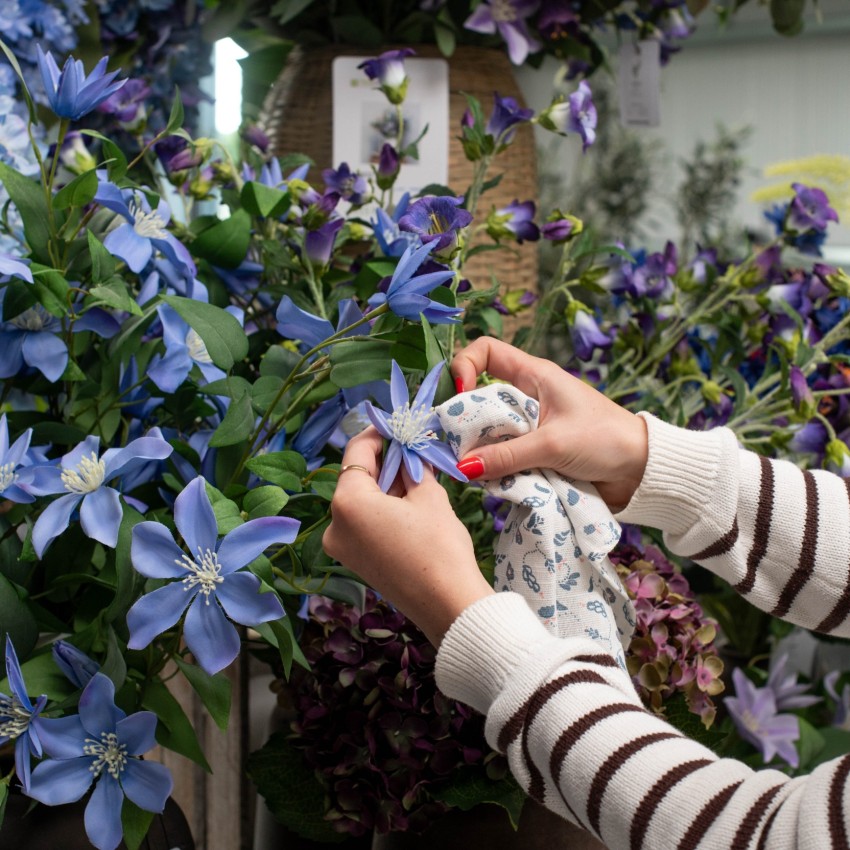
Applicable scenario: training visual for warehouse staff, hotel housekeeping teams, and wedding rental return inspection.
I have seen good products look cheap after one bad cleaning round. That is why I always focus on what not to do. A buyer may think stronger cleaning means better cleaning. In faux flowers, that is usually wrong.
One event company I worked with used scented spray cleaner on cream silk centerpieces after a wedding return. The team wanted the flowers to smell fresh before the next booking. The result was not fresh. It left marks on some petals, softened glue points in a few heads, and changed the finish on several leaves. The flowers looked darker in spots. Under event lights, that inconsistency became obvious. Since then, I always remind clients that the goal is not only to clean faux flowers fast. The goal is to clean faux flowers safely.
The most common damaging methods
Hot water
Hot water can deform plastic parts, weaken adhesive points, and disturb petal shaping. Even when damage is small, the flower can lose its natural curve.
Bleach and strong chemicals
Bleach can fade dyed fabrics. It can also leave brittle surfaces behind. Some chemical cleaners damage coatings and painted details.
Full soaking
Many buyers assume soaking is a quick solution. It is not. Soaking can loosen glued flower heads, trap water inside dense blooms, and cause shape collapse while drying.
Rough scrubbing
Hard rubbing breaks petal edges and crushes natural shaping. This is very common with roses, peonies, hydrangeas, and flocked leaves.
Direct sunlight for drying
Some teams wash flowers and place them outside to dry fast. I do not recommend this. Strong sun and heat can speed up fading and warp softer materials.
Why damage often appears later
Some cleaning damage is not visible right away. A flower may look fine while wet. Then the petal dries unevenly. The edge curls. The color turns patchy. The texture hardens. This delayed damage is why I prefer the safest method, not the fastest method.
My working rule
If the cleaning method feels aggressive, it is probably wrong for decorative flowers.
That rule has saved many buyers money. In my own work, I would rather spend a little more time on spot cleaning than replace a full batch of damaged blooms later. I always look at the replacement cost, not only the cleaning time. That is the real business view.
For buyers who want a broader care strategy, I also like connecting this topic with What Do Artificial Flowers Mean? because product value is not only about buying well. It is also about maintaining the finished look after installation.
For general cleaning safety, I also recommend basic chemical-safety guidance from CDC/NIOSH cleaning resources, especially when staff handle stronger products in bulk maintenance environments.
How Often Should Retailers, Hotels, and Event Companies Clean Faux Flowers?
The right cleaning schedule depends on traffic, dust exposure, and photo sensitivity. I do not believe in one cleaning calendar for every buyer because not every display lives in the same environment.
Retailers, hotels, and event companies should clean faux flowers based on display traffic, airflow, lighting, and guest visibility, with light dusting done more often than deep cleaning.
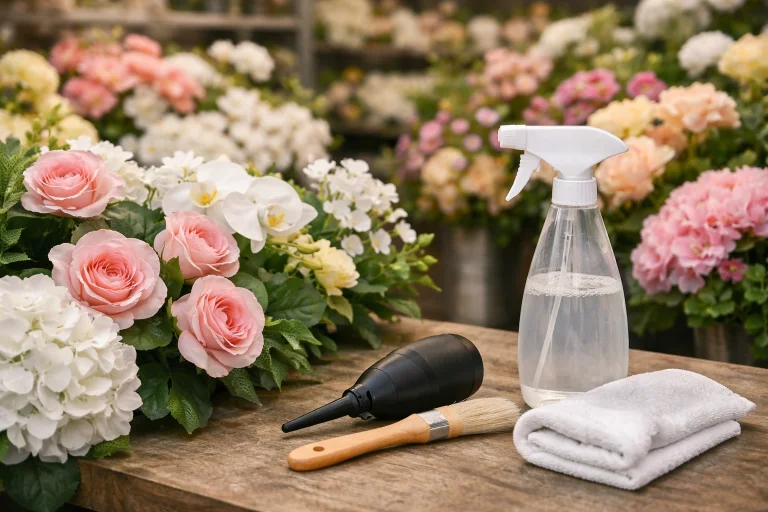
Applicable scenario: operations planning image for store chains, hospitality groups, and wedding rental businesses.
I usually divide cleaning into two levels: light routine care and controlled deeper cleaning. This keeps teams from waiting too long and then overreacting.
A showroom buyer once told me her staff only cleaned displays during monthly resets. That sounded organized, but the flowers near the front glass looked dull long before the reset date. We changed the system. I told her to assign quick visual checks every week and light dusting to front-zone displays much more often. The team did not need more labor. They needed better timing. After that, the displays stayed camera-ready for much longer because they began to clean faux flowers before heavy buildup started.
My practical schedule logic
Retail stores
Retail displays near entrances, windows, or checkout counters usually need the most attention. These areas face dust, customer movement, and strong lighting. I suggest frequent light dusting and visual checks because product appearance affects buying mood.
Hotels
Hotels need a more polished standard because guests see arrangements at close range, and photos matter. Lobby pieces, reception flowers, elevator-area arrangements, and restaurant flowers should be reviewed often. Back-office décor can follow a lighter schedule.
Event companies
Event companies have two risk points: before use and after return. Before use, flowers must be camera-ready. After return, they must be checked for dust, stains, crushed petals, and odor from storage or transport. Cleaning must be tied to inventory handling, not left to chance.
A simple cleaning rhythm I often recommend
- High-traffic visible displays: inspect weekly
- Moderate-use commercial displays: inspect every two to four weeks
- Stored rental inventory: inspect after every event return and before the next dispatch
- Deep cleaning: only when dust, stains, or environment conditions actually require it
I avoid giving buyers a fixed promise like clean every month because that advice is too loose. One hotel lobby may need attention far sooner than a quiet office meeting room. One wedding rental business may need post-event processing every weekend during peak season.
The real business point
Cleaning frequency should protect sales, photos, and brand impression. That is the real goal. Over-cleaning wastes labor and raises damage risk. Under-cleaning makes premium flowers look average.
I learned this from one hospitality client who thought replacement cost was just part of operation. Once we tracked why arrangements were being replaced, the problem was not poor quality. The problem was weak maintenance timing. When the team corrected the cleaning schedule, flower life improved and replacement demand went down. In other words, they did not just clean faux flowers more often. They cleaned them at the right time.
If your business also handles seasonal stock, pair cleaning schedules with storage rules. This article can support that workflow: Store Faux Flowers After Events.
What Is My Simple Cleaning SOP for Bulk Decorative Flowers?
When a buyer handles many pieces at once, cleaning must be repeatable. I do not rely on memory. I rely on a simple SOP that staff can follow without guessing.
My simple SOP for bulk decorative flowers is inspect, sort by material, dry dust first, spot clean only when needed, reshape gently, dry in shade, and repack only after full drying.
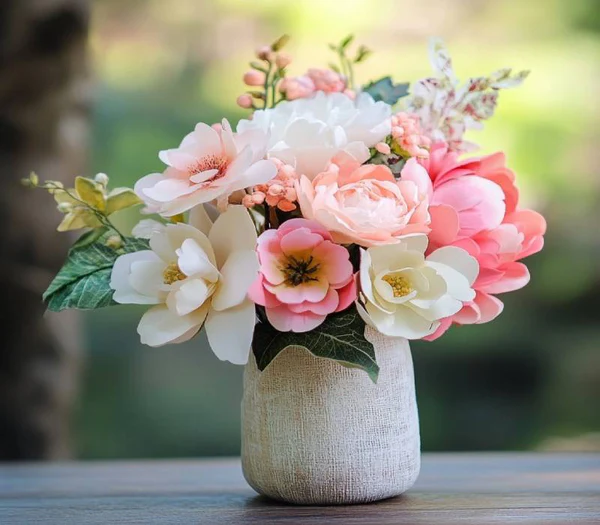
Applicable scenario: warehouse SOP image for importers, rental companies, hotel procurement teams, and retail operations managers.
I built this SOP because bulk cleaning often fails at the same point: people mix all flower types together and try to save time with one method. That always creates risk. In bulk work, speed matters, but control matters more.
I once helped an event rental team sort mixed return inventory after a large wedding season. They had silk bouquets, plastic greenery, latex roses, and centerpiece flowers stored in the same return zone. Staff wanted one fast wash method for all of it. I stopped that idea immediately. Instead, I created a simple sequence the team could repeat every time. This helped them clean faux flowers in bulk without creating avoidable damage.
My basic bulk cleaning SOP
1. Inspect
I start by separating flowers into four groups:
- light dust only
- visible stain
- reshaping needed
- repair or replacement review
This step saves time because not every item needs wet cleaning.
2. Sort by material and construction
I separate silk, plastic, latex, flocked, and mixed-material designs. I also watch for glued flower heads, wired stems, glitter finish, painted edges, and delicate centers.
3. Dry dust first
This is always the first real cleaning action. I use soft tools and low cool air. I do not allow wet cloths at this stage.
4. Spot clean only where needed
If there is a visible mark, I clean that exact area with a mild cool-water method. I do not wash the whole batch just because one piece looks dirty.
5. Reshape by hand
I correct bent leaves and petals gently. I do this during drying or right after the flower is almost dry.
6. Dry fully in shade
Nothing goes back into cartons while damp. This rule matters a lot in bulk handling.
7. Repack with spacing
I repack by SKU, color, or project set. I never crush cleaned flowers back into overfilled cartons.
Why this SOP works
It protects quality and labor at the same time. Staff does not waste time deep-cleaning every stem. The business avoids random damage. Inventory stays more consistent. Buyers can also track which items fail more often and improve sourcing choices later.
This is where I think many teams miss the bigger lesson. Cleaning is not just maintenance. It is feedback. If one style always needs extra care, that tells me something about material choice, packing density, display location, or buyer expectation.
That is one reason I like linking maintenance knowledge with sourcing knowledge. A buyer who understands how to clean faux flowers also buys better. For sourcing strategy, I often connect clients with articles like Wholesale Artificial Flowers Dubai when they are comparing long-term supply and operational fit.
What Have I Learned After Helping Buyers Clean Faux Flowers at Scale?
Good cleaning is not about making flowers look new. It is about keeping them display-ready with the least possible damage. That shift in thinking changes everything.
What I have learned is simple: the best way to clean faux flowers is gentle, repeatable, material-aware, and built around prevention instead of rescue.
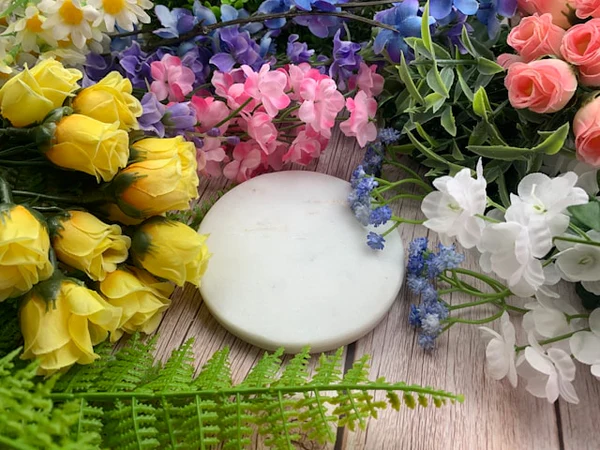
Applicable scenario: founder insight image for B2B blog readers, procurement teams, and long-term décor program buyers.
After years of working with buyers, I have become more careful about one thing: I do not judge flower performance only by how it looks on day one. I also judge how well it holds up after dust, transport, storage, and repeated handling. That is the real test in B2B work.
I remember one buyer who cared a lot about realism. She selected soft-touch flowers with very natural surface detail. The flowers looked beautiful. But later her team cleaned them too aggressively because they assumed premium meant durable under any method. That was not true. The flowers were premium because they looked realistic. That realism required a gentler care process. Once the team understood that difference, the product performed much better. They did not need stronger cleaning. They needed a smarter way to clean faux flowers.
My biggest lessons
Prevention beats rescue
A small weekly dusting routine is much safer than delayed heavy cleaning. Once dirt is embedded, risk rises fast.
Staff training matters more than product claims
Even the best faux flowers can be damaged by bad handling. Good products still need good process.
Material knowledge saves money
When teams know the difference between silk, plastic, and latex care, they reduce replacement cost and keep displays looking premium longer.
Cleaning should connect with sourcing
If a buyer wants the most realistic petals possible, then the buyer must also accept a gentler maintenance routine. If a buyer wants ultra-fast cleaning, then the material choice may need to change.
My view as a supplier
I believe strong service does not end when the order ships. If I want long-term clients, I need to help them protect the value of what they buy. That is why I care about cleaning SOPs, storage habits, and daily handling details. These small things decide whether the flowers still support your brand image months later.
When I help buyers build product lines, I also try to match care level with real business use. A wedding rental company, a hotel group, and a retail chain do not all need the same flower type. They do not all need the same finish. They do not all need the same cleaning routine. A good supplier should say that clearly.
Conclusion
I clean faux flowers early, gently, and by material so every arrangement keeps its color, shape, texture, and commercial value for longer.
FAQ
1. Can I soak artificial flowers in water?
I do not recommend soaking most premium faux flowers. Spot cleaning is usually safer.
2. What is the best first step to clean faux flowers?
I always start with dry dust removal before I use any moisture.
3. Can bleach clean faux flowers better?
No. Bleach can damage color, finish, and glue points.
4. Is hot water safe for plastic flowers?
I avoid it. Heat can deform parts and weaken shaping.
5. How do I clean silk flowers without flattening petals?
I use a soft brush first, then a very light spot wipe only where needed.
6. How often should hotel faux flowers be cleaned?
High-visibility hotel displays should be checked often and lightly dusted on a routine basis.
7. Can I dry faux flowers in direct sunlight?
I do not recommend it. Shade drying with airflow is much safer.
8. What causes faux flowers to look old too fast?
Dust, bad storage, rough handling, and over-cleaning usually cause that problem.
9. Should event rental companies clean every return?
Yes. I always recommend inspection and cleaning after return and before the next booking.
10. What is the safest bulk cleaning rule?
Sort by material, dust first, spot clean only when needed, and repack only when fully dry.
Footnotes
- Dust buildup becomes faster when faux flowers are placed in high-airflow, open-display, or high-traffic environments, especially where textured petals and leaves create more contact points for airborne particles.
- For most commercial faux flower programs, dry dusting first and low-moisture spot cleaning are safer than full washing, especially for silk, latex, coated, or mixed-material designs.
- Heat, bleach, soaking, and aggressive rubbing are common causes of color fading, petal distortion, glue failure, and texture loss in decorative artificial flowers.