
How to Secure Artificial Flowers Outside and Keep Them from Blowing Away?
Outdoor flowers can look perfect in photos, but wind can ruin the display fast if the base is too light or the stems are not fixed well.
To secure artificial flowers outside, I use heavy planters, deep stem insertion, gravel, foam, outdoor adhesive, cable ties, and wind-tested layouts. For commercial projects, I also check wind direction, base weight, drainage, UV material, and maintenance needs before installation.
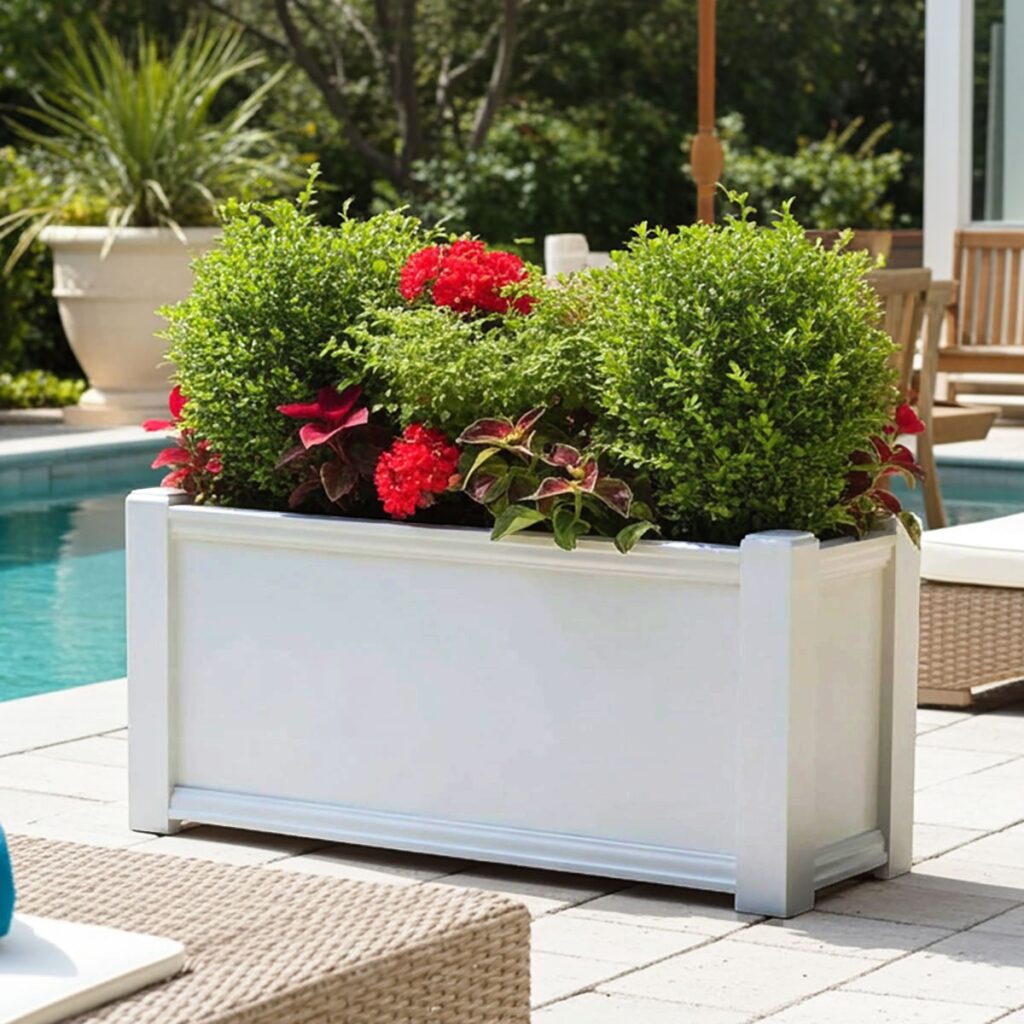
Many buyers ask me how to make artificial flowers stay in place outdoors. My answer is simple. You need to secure artificial flowers outside from the base, not only from the flower head. A nice-looking flower arrangement can still fail if the planter is too light, the foam is loose, or the stems are too short.
Outdoor artificial flowers are not only decoration. For B2B buyers, they are part of the customer experience, store image, event quality, and project cost. I have seen many outdoor displays fail not because the flowers were poor, but because the installation was too weak. In this guide, I will share how I secure artificial flowers outside for real commercial use, not only for photos.
Why Do Artificial Flowers Blow Away Outside?
Wind looks harmless at first. But when artificial flowers are light, tall, or loosely installed, even normal outdoor airflow can move them quickly.
Artificial flowers blow away outside because the stems are light, the planter is not heavy enough, the foam is loose, or the display faces direct wind. To secure artificial flowers outside, the solution starts with weight, depth, tight fixing, and smart flower direction.
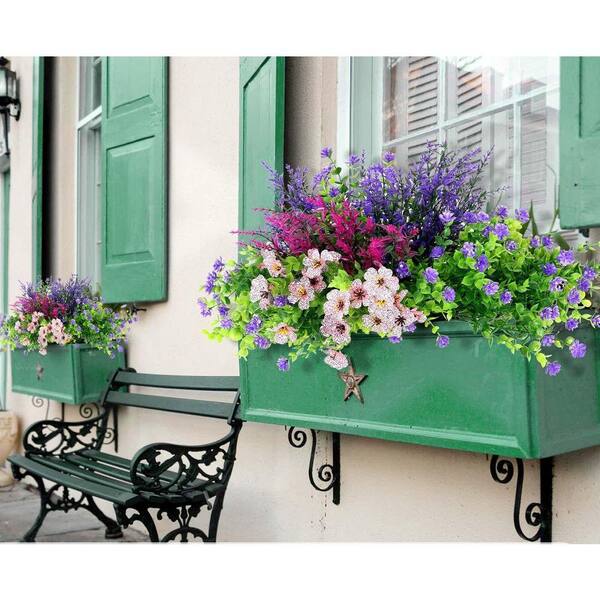
The real problem is not always the flower
When a client from Australia asked me why her outdoor artificial flower pots kept falling over, my first thought was not the flower head. I asked for photos of the planter, the base, and the location. The flowers looked fine. The problem was the planter. It was tall, narrow, and light. The stems were only pushed into soft foam. The whole display looked nice indoors, but outside it had no real support.
I usually explain this to buyers in a simple way. A flower head catches wind like a small sail. A long stem gives the wind more power. A light pot gives the whole display less resistance. When these three things happen together, the flowers move, twist, or blow away.
For commercial buyers, this matters more because the display is not placed in a quiet home corner. It may sit near a hotel door, a shopping mall entrance, a restaurant fence, or an outdoor wedding aisle. People walk past it. Staff move around it. Cleaning teams touch it. Weather changes every day.
Before I suggest how to secure artificial flowers outside, I always check four simple points. I check whether the flower arrangement is tall or wide. I check whether the planter is heavy enough. I check whether the wind comes from one direction or several directions. I also check whether the client needs a temporary display or a long-term outdoor installation.
This step saves money. One hotel buyer once replaced flowers three times before checking the wind direction. After we changed the planter weight and flower angle, the same flower style stayed stable for the whole season. The buyer did not need to change the flower product. She only needed a better way to secure artificial flowers outside.
For outdoor material selection, I also suggest checking our guide on UV resistant artificial plants for outdoors, because wind resistance and sun resistance should be planned together.
What Is the Best Base to Secure Artificial Flowers Outside?
A beautiful flower display needs a strong base first. If the base is wrong, the best artificial flowers will still move, lean, or fall.
The best base to secure artificial flowers outside is a heavy planter filled with gravel, sand, concrete blocks, or dense foam. For long-term commercial spaces, I prefer a layered base with weight at the bottom and firm fixing at the top.
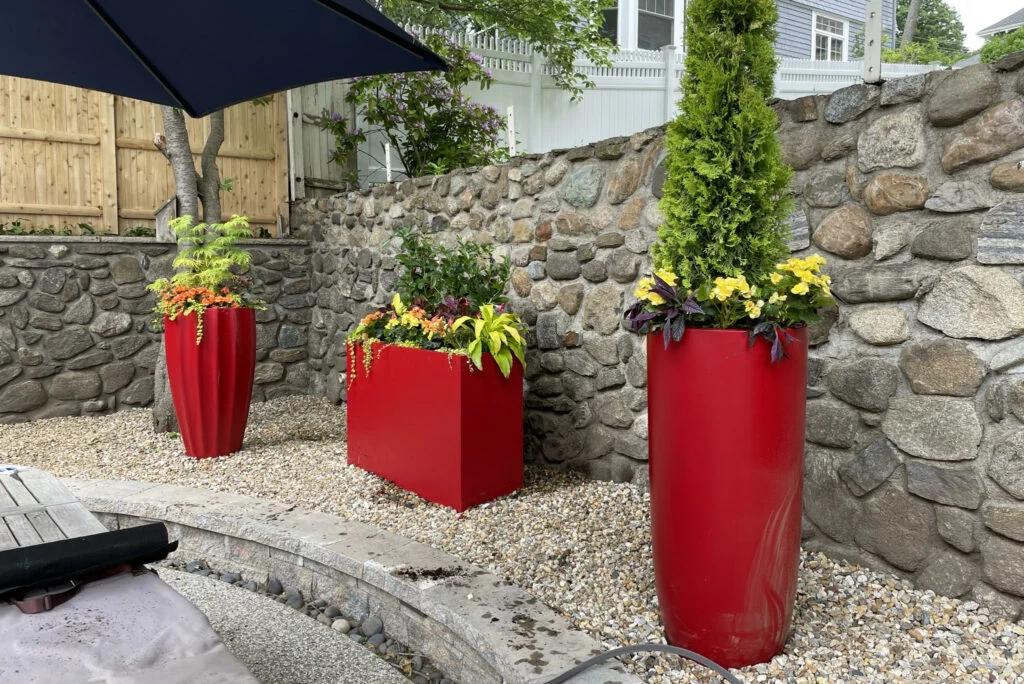
I build the base from bottom to top
When I help clients secure artificial flowers outside, I do not start from the flower. I start from the bottom of the planter. This is very important. A heavy bottom gives the display balance. A firm middle gives the stems direction. A clean top layer gives the display a natural look.
For most outdoor planters, I like to use gravel or stones at the bottom. The weight should sit as low as possible. This helps the planter resist tipping. Then I add firm floral foam, plastic grid, or a custom inner frame. The stems need to go deep enough. If the stem only enters the top layer, it will move when the wind pushes the flower head.
A client from Canada once ordered artificial greenery for a storefront. The store used narrow rectangular planters. The first sample photos looked good, but I told her the base looked too light for the door area. She told me the door opened many times every hour and the street had strong airflow. I suggested adding sealed gravel bags inside the base, then using foam blocks and cable ties to lock the stems. She later told me the display stayed neat even during busy weekend traffic.
For short-term events, the base can be simpler. You can use sandbags, bricks, water weights, or metal plates hidden inside the planter. For long-term outdoor commercial projects, I prefer a more stable system. You can use concrete at the bottom, but you should leave removable sleeves for future stem replacement. This small detail helps buyers reduce maintenance cost.
The base also depends on flower style. A low mixed flower pot needs less support than a tall pampas grass or large artificial hydrangea display. A hanging basket needs a different system again. It needs a strong hook, safety cable, and weight balance.
If you want to secure artificial flowers outside for a hotel, restaurant, or shop entrance, do not choose the planter only by style. Choose it by weight, width, height, and wind exposure. A wider planter usually gives better balance. A deeper planter gives better stem support. A heavier bottom gives better safety.
If you are filling planters for outdoor projects, our article How To Fill An Outdoor Planter With Artificial Flowers gives a useful styling and filling structure. For wind checking, I also recommend buyers understand local wind levels through the NOAA Beaufort Wind Scale, especially for coastal or rooftop projects.1
How to Secure Artificial Flowers Outside in Planters?
A planter can look full and still be weak. The flowers must be inserted, locked, layered, and tested before the display goes outside.
To secure artificial flowers outside in planters, I insert stems deeply, group flowers in clusters, lock them with foam, cable ties, wire, or outdoor adhesive, then cover the top with moss, stones, or mulch for a natural finish.
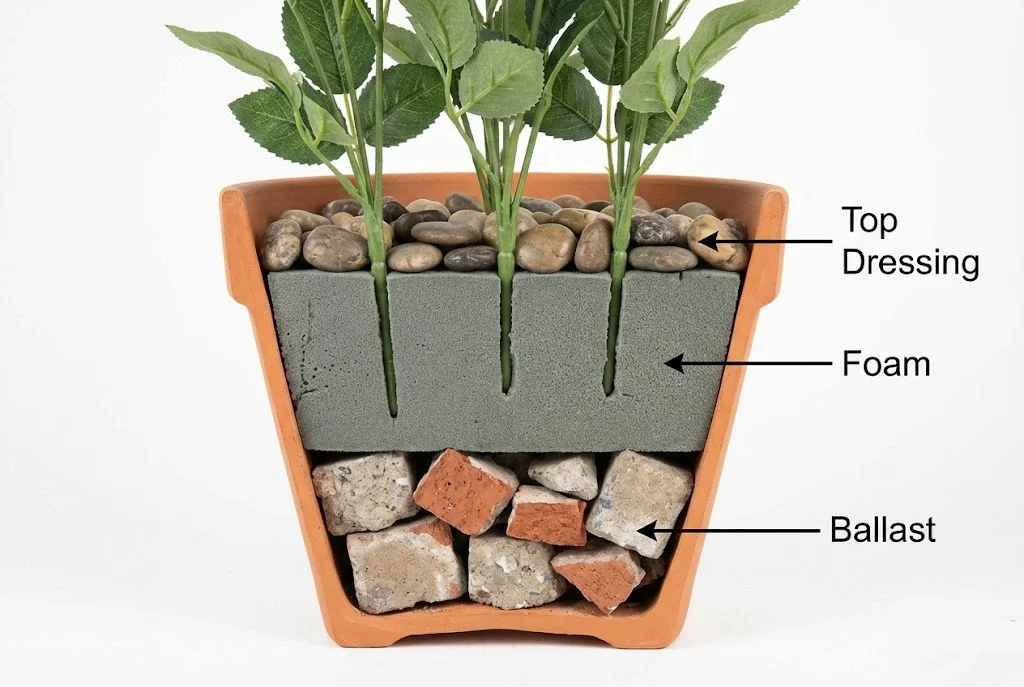
I never rely on foam alone for windy places
Floral foam is useful, but foam alone is not enough for windy outdoor spaces. I have seen many buyers push artificial flowers into foam and think the job is finished. It works indoors. It may work for a few calm days outside. But when wind, rain, and daily movement happen together, the stems become loose.
My usual method is simple. I group stems in small sets. I bend the bottom part slightly when needed. I insert each stem deep into the foam or grid. Then I connect the stems with cable ties or floral wire below the top surface. This creates one stronger unit, not many separate stems. After that, I add outdoor adhesive only where the buyer does not need frequent product changes.
One wedding planner from the United States once asked for artificial flowers for outdoor aisle arrangements. Her biggest worry was that the flowers would move during the ceremony. The space was open, and the aisle pieces had to look soft, not heavy. I suggested using low, wide bases instead of tall pots. We grouped the stems at different angles and fixed the bottom with wire before covering the surface with moss. The result looked natural, but the structure was tight. The planner later used the same method for more event sets.
I also check stem length. Many factories make stems for general home décor. For outdoor planters, longer stems help. A longer stem gives more insertion depth. If the visible flower height is 35 cm, I may prefer the full stem length to be 50–60 cm, depending on the planter depth. This gives the installer more control.
The top cover also matters. Decorative moss, stones, bark, or artificial grass mats can hide the fixing structure. But they should not trap water in a bad way. Outdoor planters need drainage. If water stays inside the planter, the foam may break down faster, and metal wires may rust.
For a long-term project, I also suggest making one sample planter first. The buyer can place it outside for several days and check movement, color, drainage, and recovery after wind. This is a simple test, but it gives strong information before bulk production. I often use this method when a buyer wants to secure artificial flowers outside for chain stores or event companies.
For buyers who want more realistic styling after securing the base, I suggest reading Make Artificial Flowers Look Real. A strong installation should still look soft, natural, and premium.
How to Install Artificial Flowers for Windy Commercial Spaces?
Windy commercial spaces need more planning than home décor. The display must look beautiful, but it must also protect safety, labor cost, and brand image.
For windy commercial spaces, I secure artificial flowers outside with heavy bases, low center of gravity, stem locking, hidden frames, safety ties, and wind-direction planning. I also test the display before full bulk installation.
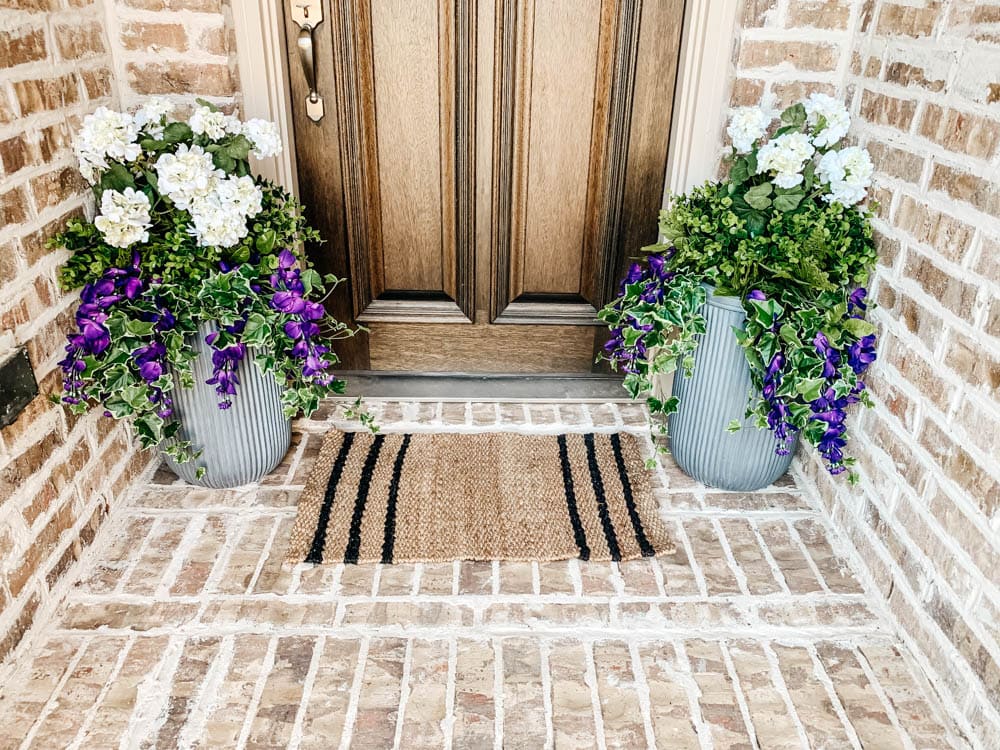
Commercial installation needs a system, not one trick
When a B2B client asks me how to secure artificial flowers outside for a windy commercial space, I usually slow the discussion down. Many buyers want one fast answer. They ask if glue is enough. They ask if heavier foam is enough. My answer is usually no. A windy commercial space needs a full system.
The first part is location. I ask where the display will sit. A corner near a wall may be easier. A rooftop, coastal walkway, or open plaza needs stronger fixing. A narrow passage can create stronger airflow than expected. Doors, elevators, and building corners can also change wind direction.
The second part is display shape. Tall flowers, large leaves, and hanging vines catch more wind. In strong wind areas, I prefer lower, denser arrangements. I also turn the flower heads slightly instead of facing every bloom directly toward the wind. This small change can reduce movement and still keep the display beautiful.
The third part is the fixing method. For commercial projects, I often suggest hidden metal frames, planter inserts, zip ties, stainless steel wire, ground screws, wall brackets, or removable weighted bases. The method depends on whether the space is rented, permanent, or seasonal. For rental event projects, everything must be removable. For hotel and restaurant projects, the display can be more fixed, but maintenance access still matters.
One resort buyer from the Middle East asked for outdoor greenery for a poolside dining area. The project looked easy at first, but the site had strong side wind. I suggested wider planters, heavier bottom weight, and shorter artificial flower clusters mixed with outdoor greenery. We also added hidden cable fixing to the back side of the planter. The client liked this because guests could not see the structure, but the staff could still move the planters when needed.
For outdoor commercial sourcing, I also recommend checking Outdoor Artificial Flowers: Top UV-Resistant Picks and Best Artificial Outdoor Plants Guide. A product that stays in place should also resist sunlight, rain, and repeated handling.
If you work with an installer, give them clear product drawings, planter size, base weight, and fixing points before the project starts. This helps avoid onsite changes. Onsite changes usually cost more than better planning. For larger public spaces, I also suggest checking basic outdoor structure and safety guidance from trusted building or safety resources before installation.2
What Should B2B Buyers Check Before They Secure Artificial Flowers Outside?
B2B buyers should not only check flower color and price. Outdoor installation needs product testing, fixing plans, packing strength, and supplier support.
Before you secure artificial flowers outside, you should check UV resistance, stem strength, base weight, wind exposure, drainage, fixing method, replacement plan, packaging, sample testing, and supplier experience with commercial projects.
I check the risk before I check the price
As a supplier, I know price matters. But for outdoor artificial flowers, the cheapest option can become expensive very fast. If flowers blow away, fade, fall, or need constant repair, the buyer loses time, labor, and trust. This is why I always ask B2B buyers to check risk before price.
The first check is material. Outdoor flowers need better plastic, coating, and color stability. Silk-touch flowers can look beautiful, but not every silk flower is suitable for long outdoor sun. PE, PVC, and coated materials often perform better outside, depending on the design. Buyers should ask for outdoor-use details, sample photos, and test suggestions.
The second check is stem structure. A soft stem may be easy to bend, but it may not hold well in wind. A very stiff stem may hold shape, but it may break during transport or installation. The best choice depends on the planter and design. For some outdoor projects, I prefer a wire-supported stem that can bend and hold its angle.
The third check is packaging. Outdoor artificial flowers often have larger heads and longer stems. If packing is too tight, the flowers arrive crushed. If packing is too loose, freight cost rises. I usually help clients balance carton size, compression level, and recovery method after unpacking.
One German retail buyer once asked for bulk artificial flowers for seasonal outdoor shop displays. Their first concern was price. I asked them to test three things first: color after sun exposure, stem recovery after unpacking, and fixing strength inside the planter. After the sample test, they chose a slightly higher-grade material. The order cost more at the start, but their store teams spent less time fixing displays later.
B2B buyers should also check supplier communication. Outdoor projects need fast answers. You may need to confirm planter size, stem length, sample changes, carton marks, and installation notes. A supplier who only sells the product but does not understand the installation can create hidden problems.
If your buyer wants to secure artificial flowers outside for many locations, I suggest creating one clear installation guide. The guide should include planter size, flower quantity, stem depth, fixing tools, top cover material, drainage method, and maintenance steps. This helps store teams, event teams, and installers follow the same standard.
For supplier screening, you can read my guide Artificial Flowers Supplier Checklist. If you are comparing wholesale options, this article on Wholesale Artificial Flowers Suppliers can also help you ask better questions before ordering. For outdoor material planning, buyers can also review UV and weather exposure information from professional testing organizations before confirming large orders.3
Need Help to Secure Artificial Flowers Outside for Your Project?
If your project needs outdoor artificial flowers for hotels, restaurants, events, retail displays, or commercial planters, I can help you match the right flowers, greenery, planter structure, and fixing method before bulk production.
Request Outdoor Artificial Flower Samples
Send your project photos, planter size, wind condition, and target style. I will help you build a practical outdoor flower solution for bulk orders.
Conclusion
To secure artificial flowers outside, build from the base first, fix stems deeply, test wind exposure, and choose outdoor-ready materials.
FAQ
1. What is the best way to secure artificial flowers outside?
The best way to secure artificial flowers outside is to use a heavy planter, deep stem insertion, firm foam or grid support, cable ties, and outdoor adhesive when the display is permanent.
2. Can I use only floral foam to secure artificial flowers outside?
You can use floral foam, but I do not suggest using foam alone in windy spaces. Add weight, wire, cable ties, or adhesive for better support.
3. What should I put in the bottom of outdoor planters?
You can use gravel, stones, sandbags, bricks, concrete blocks, or sealed weight bags. The weight should sit low in the planter.
4. How deep should artificial flower stems go into the planter?
For outdoor use, I prefer deep insertion. The stem should go far enough into the base to resist movement. Longer stems are better for commercial planters.
5. Can artificial flowers stay outside in strong wind?
Yes, but the display needs proper fixing. Strong wind areas need heavy bases, low arrangements, hidden frames, and safety ties.
6. Should I glue artificial flowers into outdoor planters?
You can glue them for long-term displays. For rental events or seasonal changes, wire and cable ties are better because they are easier to remove.
7. What flowers are better for windy outdoor spaces?
Lower, denser flowers usually perform better than tall, wide, or very large flower heads. Mixed greenery can also help create a stable look.
8. Do outdoor artificial flowers need drainage?
Yes. Drainage helps protect the base, foam, wire, and planter. Water should not stay trapped inside the planter for a long time.
9. What should commercial buyers test before bulk orders?
Buyers should test UV resistance, stem strength, color stability, packing recovery, base fixing, and the full outdoor installation method.
10. Can Botanic Blossoms customize outdoor artificial flower solutions?
Yes. Botanic Blossoms can support custom colors, stem length, material choices, planter display plans, packaging, and bulk production for outdoor commercial projects.
Footnotes
- The NOAA Beaufort Wind Scale is a useful public reference for understanding wind force levels before outdoor display planning. Source: National Weather Service Beaufort Wind Scale. ↩
- For commercial outdoor installations, buyers should review local building, public safety, and venue rules before fixing displays in public or high-traffic areas. A general safety reference can be found from OSHA. Source: Occupational Safety and Health Administration. ↩
- Outdoor artificial flowers and greenery should be evaluated for sun exposure, material aging, and color stability when used in long-term commercial projects. A useful testing reference is ASTM’s weathering and UV exposure standards. Source: ASTM International. ↩