
Can You Use Floral Foam Outside? 7 Proven Fixes for Artificial Flowers
Outdoor artificial flower displays can look perfect on day one, but a weak base can ruin the full project after rain, heat, or wind.
Can you use floral foam outside for artificial flowers? Yes, but only for short-term and protected displays. For long-term outdoor projects, floral foam is not strong enough. Commercial buyers should use wire mesh, gravel, cement, expanding foam, weighted bases, or metal frames for better stability.
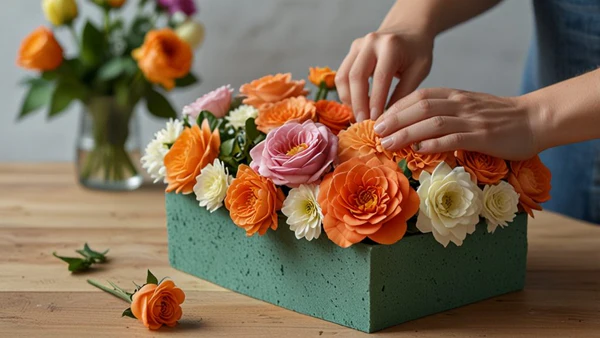
Many buyers ask me the same question before planning an outdoor project: can you use floral foam outside? I understand why they ask. Floral foam is easy to cut. It is easy to place. It is also easy for a florist or installer to use during a fast setup. But outdoor artificial flower projects are not the same as indoor table arrangements.
Outside, every detail faces pressure. The flowers face sunlight. The stems face wind. The container faces movement. The base faces rain, dust, heat, and humidity. If the base fails, the whole arrangement looks cheap, even when the flowers are high quality.
In my work with wedding planners, retailers, hotels, and event companies, I have seen many beautiful artificial flower arrangements fail because the support system was too weak. The flowers were not the problem. The base was the real problem. This is why I always tell commercial buyers to think about the installation method before choosing the flowers.
If you are asking can you use floral foam outside, you are already thinking about the right issue. A strong base protects the design. It saves labor. It also keeps the display looking professional for a longer time.
Can You Use Floral Foam Outside?
Floral foam looks convenient, but outdoor use needs more than convenience. A beautiful design still needs a stable foundation.
Can you use floral foam outside? Yes, you can use floral foam outside if the display is temporary, lightweight, and placed in a covered area. But for long-term outdoor use, floral foam is not reliable enough.
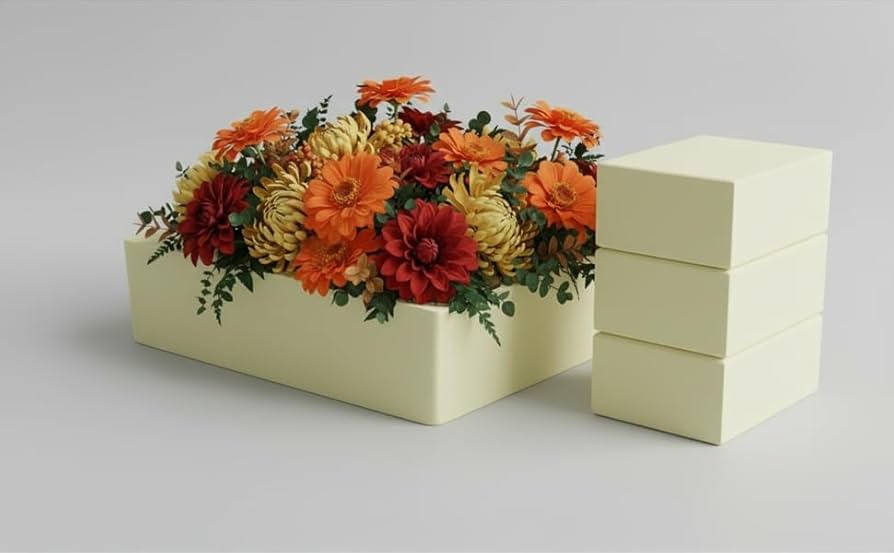
I once worked with a wedding client who wanted a fast setup for an outdoor ceremony. The team used floral foam for several artificial flower arrangements because the event lasted only one day. The weather was dry in the morning, and the design looked beautiful during setup.
But later in the day, light rain started. The foam became soft in some areas. Several heavier flower stems started to lean. The team fixed the problem before the ceremony started, but the case showed me something very clear. Floral foam can work outside, but it has limits.
When buyers ask me, can you use floral foam outside, I usually answer with one more question: how long do you need the display to stay stable? If the answer is one day, floral foam may be acceptable. If the answer is one month, one season, or one year, I do not recommend it.
Floral foam is useful when the arrangement is light. It can hold small artificial flowers, short stems, and simple table pieces. It can also work inside a covered patio or under a tent. But it is not designed to handle outdoor pressure for a long time.
Heat can dry it out. Water can weaken it. Wind can move the stems and make the holes larger. After that, the flowers lose their position. This is why the answer to can you use floral foam outside depends on time, weather, flower weight, and the project location.
For B2B buyers, this is not only a product issue. It is a service issue. If a hotel display falls apart, guests notice it. If a retail storefront looks messy, customers notice it. If a wedding arch moves during a ceremony, the planner receives complaints.
So the real question is not only can you use floral foam outside. The better question is whether floral foam can protect your business reputation. For short-term use, floral foam may help your team finish faster. For commercial use, you need to balance speed with stability.
At Botanic Blossoms, I often suggest a simple rule. Use floral foam only when the event is short, the flowers are light, and the location is protected. For anything bigger or longer, choose a stronger support method.
What Happens to Floral Foam in Outdoor Conditions?
Outdoor conditions test every part of an arrangement. The flowers, stems, containers, and base all need to work together.
When buyers ask can you use floral foam outside, they also need to understand what happens after exposure. Floral foam can crack, crumble, soften, or lose grip when it stays outside. Rain, sunlight, wind, and humidity reduce its holding power.
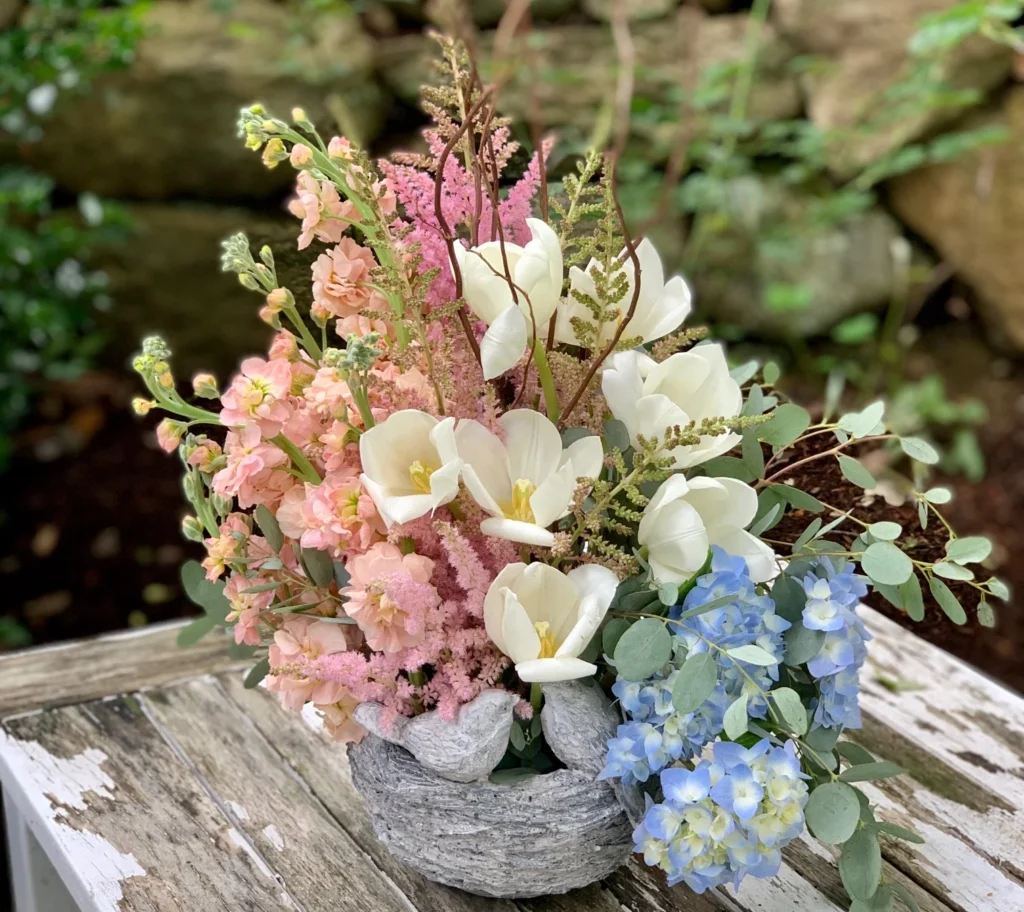
A retail client once used artificial greenery and flowers outside a shop entrance. The first display looked fresh and attractive. But after several weeks, the arrangement started to lean. The client thought the flowers were too heavy.
After checking the installation, we found the main issue was the floral foam. It had become dry and weak on the top. The stems had moved again and again because of wind. The holes became loose, and the design lost its shape.
This is a common outdoor problem. Floral foam does not have strong long-term resistance when exposed to weather. When the sun is strong, the foam can dry out and become brittle. When rain enters the container, the foam can soften and break down. When wind moves the stems, the foam does not always recover its grip.1
Heat is one of the biggest issues. Many outdoor displays are placed near doors, windows, patios, garden areas, and shop fronts. These spots often receive direct sunlight. The foam can become dry and dusty. Once it starts to crack, the artificial stems are no longer held firmly.
Rain creates another problem. Some buyers think wet foam will hold better. That idea comes from fresh flower work, but artificial flower displays are different. Artificial stems do not need water. In many cases, water only increases the risk of weak structure, odor, mold, and dirty containers.
Wind is also important. Even light wind can move artificial flowers. The movement may seem small, but it happens many times each day. Each movement makes the stem hole bigger. After that, the flower stem becomes loose.
This is why outdoor artificial flower arrangements need a base that can resist repeated movement. If a client asks me can you use floral foam outside for an open-air restaurant, I usually say no. If they ask me can you use floral foam outside for a one-day covered wedding display, I may say yes, but only with support.
The project environment decides the answer. A covered event tent has lower risk. A windy hotel entrance has higher risk. A shaded showroom patio may be acceptable. A public shopping mall entrance exposed to rain needs a stronger solution.
For B2B projects, I always prefer solutions that reduce after-sales problems. The buyer does not only need beautiful artificial flowers. The buyer needs stable artificial flowers that keep their shape, reduce labor, and protect the final visual result.
What Is Better Than Floral Foam for Outdoor Artificial Flowers?
A good outdoor base should hold the stems, add weight, and resist weather. It should also make maintenance easier.
If you wonder can you use floral foam outside, you should also compare better options. Wire mesh, gravel, sand, cement, expanding foam, plastic grids, and metal frames usually perform better than floral foam for outdoor artificial flowers.

One of my hospitality clients ordered large outdoor artificial flower planters for a resort entrance. At first, they wanted to use floral foam because their local installer was familiar with it. I suggested a stronger system.
We used weighted filling at the bottom, a support grid in the middle, and artificial stems arranged through the grid. The result was much better. The arrangements stayed in position, and the client did not need frequent repairs.
For outdoor artificial flowers, the best base depends on the project. A small planter does not need the same support as a large wedding arch. A one-day display does not need the same structure as a hotel entrance. This is why I always ask about the location, project period, weather exposure, flower size, container size, and maintenance plan before giving advice.
Wire mesh is one of my favorite options for planters and boxes. It allows the stems to pass through small openings, so the flowers stay in place. It is also reusable. This matters for event companies that need to install and remove displays often. Wire mesh can be combined with stones or gravel to add weight.
Gravel and stones are useful because they make the container heavier. A heavy container is less likely to fall over. This method works well for outdoor pots, restaurant patios, and store entrance displays. It also looks clean when covered with moss, artificial grass, or decorative pebbles.
Cement works well for permanent or semi-permanent projects. It gives strong weight and support. But it is not easy to move after installation. I usually recommend cement for commercial planters, large outdoor displays, and public spaces where stability is more important than flexibility.
Expanding foam can also work for some projects. It fills gaps and holds stems more firmly than traditional floral foam. But it should be used carefully. Once it expands and hardens, it is not easy to adjust. For custom projects, the installer should test it first.
Metal frames are the best choice for arches, flower walls, hanging greenery, and large commercial displays. They create a strong structure before the flowers are added. This is important because flowers should decorate the structure, not carry the structure.
If you are asking can you use floral foam outside because you want a fast solution, floral foam may seem attractive. But if you want a professional solution, stronger bases are usually worth the extra planning. They reduce damage, reduce labor, and make the final display look more stable.
For commercial buyers, the best choice is often a mixed system. Use weight at the bottom. Use a grid in the middle. Use wire or cable ties to secure key stems. Use moss, greenery, or decorative stones to hide the structure. This creates a clean look and a strong base at the same time.
How to Secure Artificial Flowers Without Floral Foam?
Artificial flowers do not need floral foam to look natural. They need a smart support system and a clear installation method.
Can you use floral foam outside? Sometimes. But you can secure artificial flowers without floral foam by using wire mesh, cable ties, floral wire, weighted containers, PVC frames, metal grids, and layered filling materials.
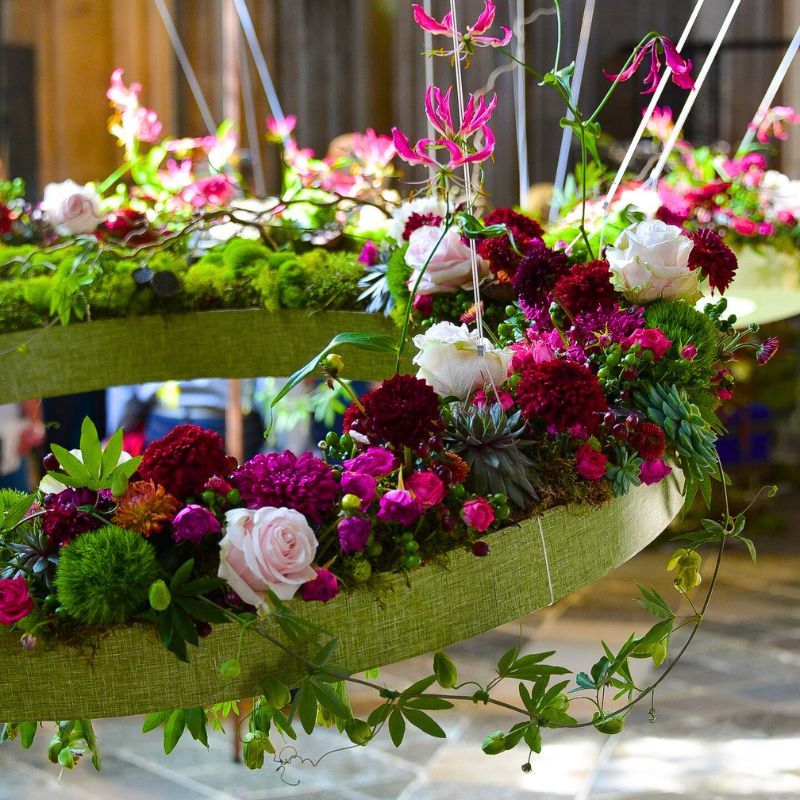
A restaurant client once needed outdoor artificial flower arrangements for several branches. The manager wanted a system that staff could maintain without professional florists. I recommended a simple structure.
We placed weight at the bottom of each planter. We added a grid layer. We secured larger stems with cable ties. Then we covered the surface with decorative moss. The team could replace damaged stems quickly. They did not need to rebuild the whole arrangement.
This is one reason I like non-foam methods. They are practical for business use. If one flower stem is damaged, the team can remove it and replace it. If seasonal colors need to change, the team can update part of the arrangement without throwing away the full base.
For planters, start with weight. Use stones, bricks, sandbags, cement blocks, or gravel at the bottom. The goal is to stop the container from falling over. Then add a support layer. Wire mesh, plastic grids, or a drilled board can help hold the stems. After that, insert the artificial flowers by height and direction.2
Taller stems should sit deeper. Shorter flowers can fill the front and edges. Large focal flowers should be fixed first. Greenery should be used to cover gaps. This method makes the arrangement look more natural and also makes it stronger.
For arches and flower walls, use frames first. Metal frames, PVC frames, or wood frames can support the design. Then secure the greenery and flowers with cable ties or floral wire. Do not depend on foam to hold a large vertical display. Foam can break under weight and movement.
For hanging installations, weight matters even more. Every stem should be tied, wrapped, or fixed to a structure. I have seen buyers lose flowers from ceiling displays because they only inserted stems into soft material. This is risky in public spaces.
For outdoor commercial projects, I usually suggest creating an installation guide. The guide should show how to place the base, how to secure stems, how to cover the surface, and how to replace parts. This makes the project easier to repeat across several locations.
So, if you ask can you use floral foam outside, my answer is still yes for limited cases. But you can often get a stronger result without floral foam. A good structure gives you more control, better safety, and longer display life.
This is also better for repeat orders. Many event companies reuse their artificial flowers many times. If they rely on floral foam, the base often needs replacement. If they use wire mesh and frames, the structure lasts longer and the project cost becomes easier to control.
What Should Commercial Buyers Use for Outdoor Projects?
Commercial buyers need more than pretty flowers. They need a system that supports beauty, delivery, installation, and long-term use.
Commercial buyers who ask can you use floral foam outside should focus on the full project system. Durable artificial flowers, UV-resistant materials, weighted bases, metal support systems, and clear installation methods are better for outdoor projects.
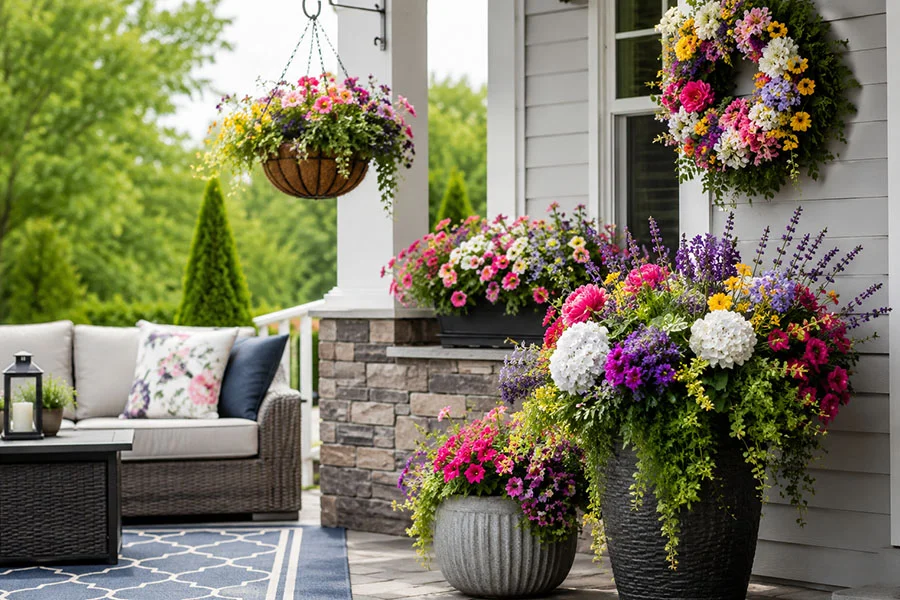
As the founder of Botanic Blossoms, I work with buyers who care about appearance, cost, timing, and after-sales service. Many of them are not buying for one small vase. They are buying for projects. They may need 50 planters for a resort, 200 flower panels for events, or custom artificial greenery for a retail chain.
For these buyers, the installation method must be discussed early. If the support system is not clear before production, the final project can become difficult during installation. This can create delays, extra labor, and customer complaints.
I once supported a client who managed décor for wedding and event projects. She wanted flower arrangements that could be reused many times. If she used floral foam for every event, the base would need constant replacement. That created waste and labor. We changed the design to a reusable support structure.
The flowers were easier to remove, clean, store, and reinstall. This helped her improve profit because the same materials could support more events. It also made the setup process more stable for her team.
Commercial buyers should first define the project type. A wedding planner may need portable systems. A hotel may need heavy and stable planters. A retail brand may need a repeatable design that can be installed in different stores. A landscape contractor may need weather-resistant materials and simple maintenance.
For outdoor artificial flowers, I suggest checking five things before ordering.
First, check the flower material. Silk flowers look soft and realistic, but some outdoor projects need PE, PVC, or UV-resistant materials. If the flowers will face strong sunlight, ask about UV protection.
Second, check the stem strength. Outdoor stems should not be too soft. Weak stems bend easily in wind and shipping.
Third, check the base plan. The supplier should not only sell flowers. The supplier should understand how the flowers will be installed.
Fourth, check the packaging. Large stems, flower panels, and arches need good packaging to reduce shape damage during transportation.
Fifth, check replacement ability. Commercial projects need spare parts. A good supplier should help you plan future replenishment.3
This is also why buyers should not only ask can you use floral foam outside. They should ask what support method matches the real project. A short wedding setup, a permanent hotel entrance, and a windy outdoor restaurant all need different solutions.
At Botanic Blossoms, I usually recommend a complete sourcing plan. The plan includes flower type, color direction, base suggestion, packing method, and delivery timing. This helps clients reduce mistakes before mass production. It also helps their local teams install faster.
If your buyer, project manager, or local installer asks can you use floral foam outside, the safest reply is simple. Floral foam can be used for short-term protected displays, but long-term outdoor projects need stronger support. This answer is clear, practical, and easier for B2B teams to follow.
Conclusion
Floral foam can work outside for short events, but strong outdoor projects need better support, better materials, and better installation planning.
Need Stable Outdoor Artificial Flower Solutions for Your Project?
Get bulk samples, outdoor material suggestions, and practical support ideas for your next commercial décor project.
Helpful Internal Resources
- How to Pot Artificial Flowers
- How to Clean Silk Flowers
- Best Fake Plants for Outdoors UV Guide
- Artificial Flowers Supplier
- Contact Botanic Blossoms
- View Product Catalog
Helpful External Resources
- American Institute of Floral Designers
- University of Minnesota Extension Gardening Resources
- Society of American Florists
FAQ
1. Can you use floral foam outside for artificial flowers?
Yes, you can use floral foam outside for artificial flowers, but only for short-term and protected displays. It is not ideal for long-term outdoor use.
2. Can you use floral foam outside in rain?
You can use it for a short event, but rain can soften the foam and reduce stem grip. For wet outdoor areas, stronger bases work better.
3. Can you use floral foam outside for wedding arches?
You can use floral foam outside for a one-day covered wedding arch, but metal frames and cable ties are safer for large outdoor arches.
4. Is floral foam waterproof?
Traditional floral foam is not a strong waterproof support material. Moisture can weaken it and reduce its ability to hold artificial stems.
5. How long does floral foam last outside?
The lifespan depends on weather and exposure. In outdoor conditions, floral foam may weaken quickly, especially under rain, heat, and wind.
6. What can I use instead of floral foam outside?
You can use wire mesh, gravel, sand, cement, expanding foam, plastic grids, metal frames, or weighted inserts.
7. Can artificial flowers be placed directly into soil?
Yes, some artificial flowers can be placed into compacted soil, but the stems should still be secured if the location is windy.
8. How do I stop outdoor artificial flowers from falling over?
Use a weighted container, strong support grid, deep stem placement, and cable ties or wire where needed.
9. Should hotels use floral foam for outdoor planters?
Hotels should avoid floral foam for long-term outdoor planters. Weighted bases and metal or grid support systems are more reliable.
10. What should B2B buyers ask before ordering outdoor artificial flowers?
Buyers should ask about UV resistance, stem strength, base support, packaging, installation method, and spare parts for future maintenance.
Footnotes
- Outdoor artificial flower bases should be tested under real weather conditions, especially when displays are placed in open-air commercial areas. ↩
- Weighted bases and mechanical fixing methods are often more reliable than soft foam for repeated outdoor use. ↩
- For B2B orders, installation planning, packaging, and spare parts should be confirmed before mass production. ↩