
Real Touch Flowers vs Silk Flowers: Which Is Better for Wholesale Buyers?
Cheap-looking artificial flowers can hurt a wedding setup, hotel lobby, or retail shelf. When buyers ignore material, the whole display can look low value.
Real touch flowers vs silk flowers depends on the project goal. Real touch flowers feel more natural and premium. Silk flowers offer more style choices, lighter weight, and better cost control for bulk orders.
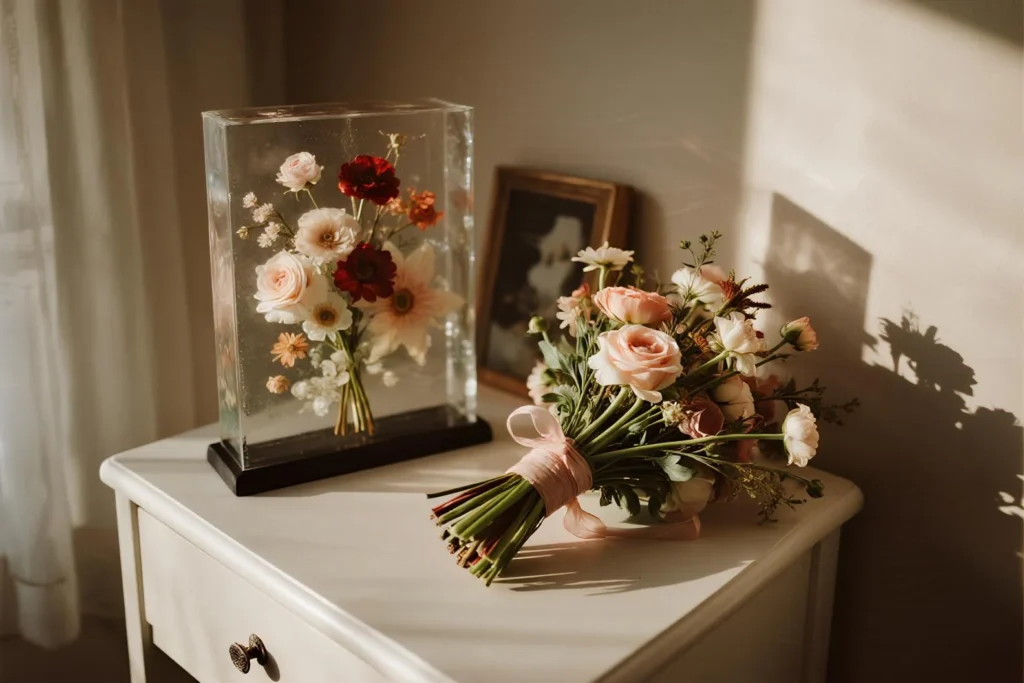
I wrote this guide because many wholesale buyers ask me the same question before they place a bulk order: should they choose real touch flowers or silk flowers? In my daily factory work, real touch flowers vs silk flowers is not only a product question. It is a decision about price, photos, packing, shipping, customer reviews, and repeat orders.
I have seen real touch flowers win many wedding projects because clients want a soft, fresh flower feeling. I have also seen silk flowers win many retail and event projects because buyers need more colors, faster production, and stronger cost control. This is why real touch flowers vs silk flowers should always be judged by the final use, not only by one product photo.
For B2B buyers, real touch flowers vs silk flowers affects more than appearance. It affects margin, delivery time, display value, packaging space, and customer satisfaction. If you buy for weddings, hotels, stores, flower walls, table centerpieces, or seasonal collections, the right material can help you avoid waste and make every project look more professional.
What Are Real Touch Flowers in Real Touch Flowers vs Silk Flowers?
Real touch flowers can look beautiful in photos, but their biggest value appears when buyers touch them. This is why many premium clients ask for them first.
In real touch flowers vs silk flowers, real touch flowers are artificial flowers made with soft-touch materials such as PU, latex-like coating, or soft plastic blends. They are designed to feel closer to fresh flowers.
Why Do Buyers Like Real Touch Flowers?
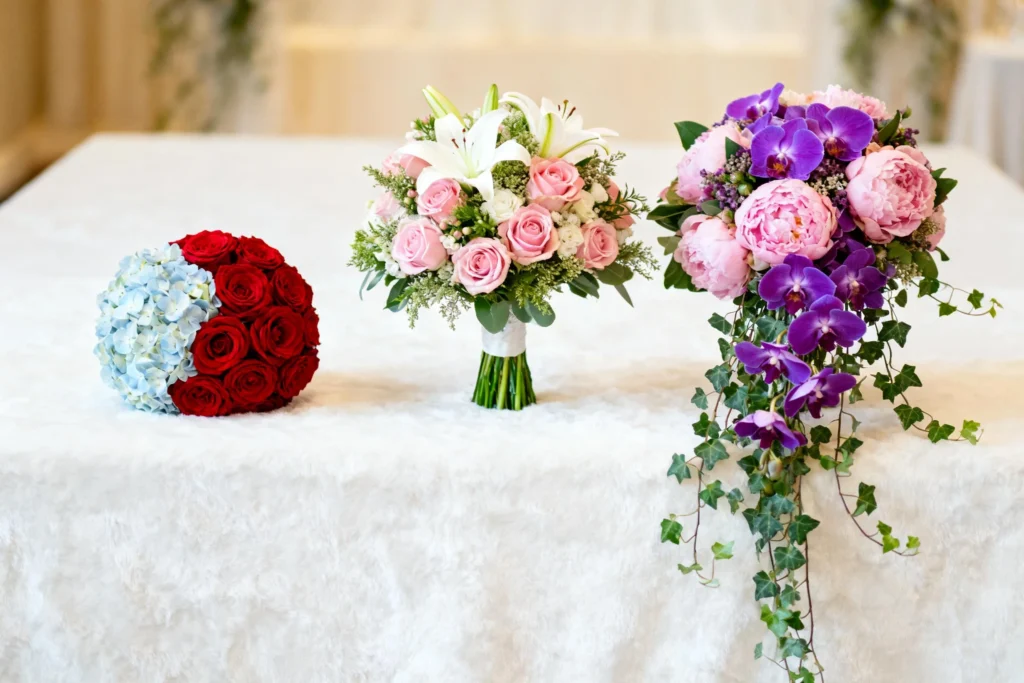
I often recommend real touch flowers when a buyer cares about close-up experience. A wedding buyer once asked me for white orchids and roses for a bridal table project. The photos looked beautiful, but she worried the flowers would feel too plastic when guests touched them. I sent her real touch samples first. After she received them, she told me the flowers felt “soft and more expensive.” That is the main value of real touch flowers. They do not only look nice in photos. They also feel better in the hand.
When I compare real touch flowers vs silk flowers for wedding buyers, I always look at the camera distance and guest distance. If the flowers are used for bridal bouquets, cake tables, corsages, or luxury table centerpieces, real touch flowers usually create a stronger premium feeling. The petals often have a soft surface. Some designs have natural color layers, soft edges, and realistic thickness. These small details make the flower feel more valuable.
What Should Wholesale Buyers Check?
Wholesale buyers should not only ask for a pretty picture. I always ask my clients to check three things before a bulk order. First, they should check the petal feel. A good real touch flower should feel soft, not sticky. Second, they should check the petal edge. It should not tear too easily. Third, they should check the color. High-quality real touch flowers should not look too flat.
Real touch flowers also need careful packing. Some soft materials can press during shipping if the carton is too tight. In one hotel project, I changed the packing method for a client because the flower heads needed to keep a clean round shape after sea shipping. We used better inner support and reduced pressure inside each carton. The client paid a little more for packaging, but the display looked much better when it arrived.
In real touch flowers vs silk flowers, real touch flowers are better when the buyer wants a luxury feeling and close-up realism. The trade-off is clear. Real touch flowers usually cost more, have fewer low-price options, and need better packing control. If your project depends on high perceived value, this material is worth testing first.
What Are Silk Flowers in Real Touch Flowers vs Silk Flowers?
Some buyers think silk flowers always look cheap. That is not true. Good silk flowers can still look soft, full, and premium when the design is made well.
In real touch flowers vs silk flowers, silk flowers are artificial flowers made with fabric petals. Today, most silk flowers are made from polyester or similar textile materials, not real silk.
Why Are Silk Flowers Still Popular?
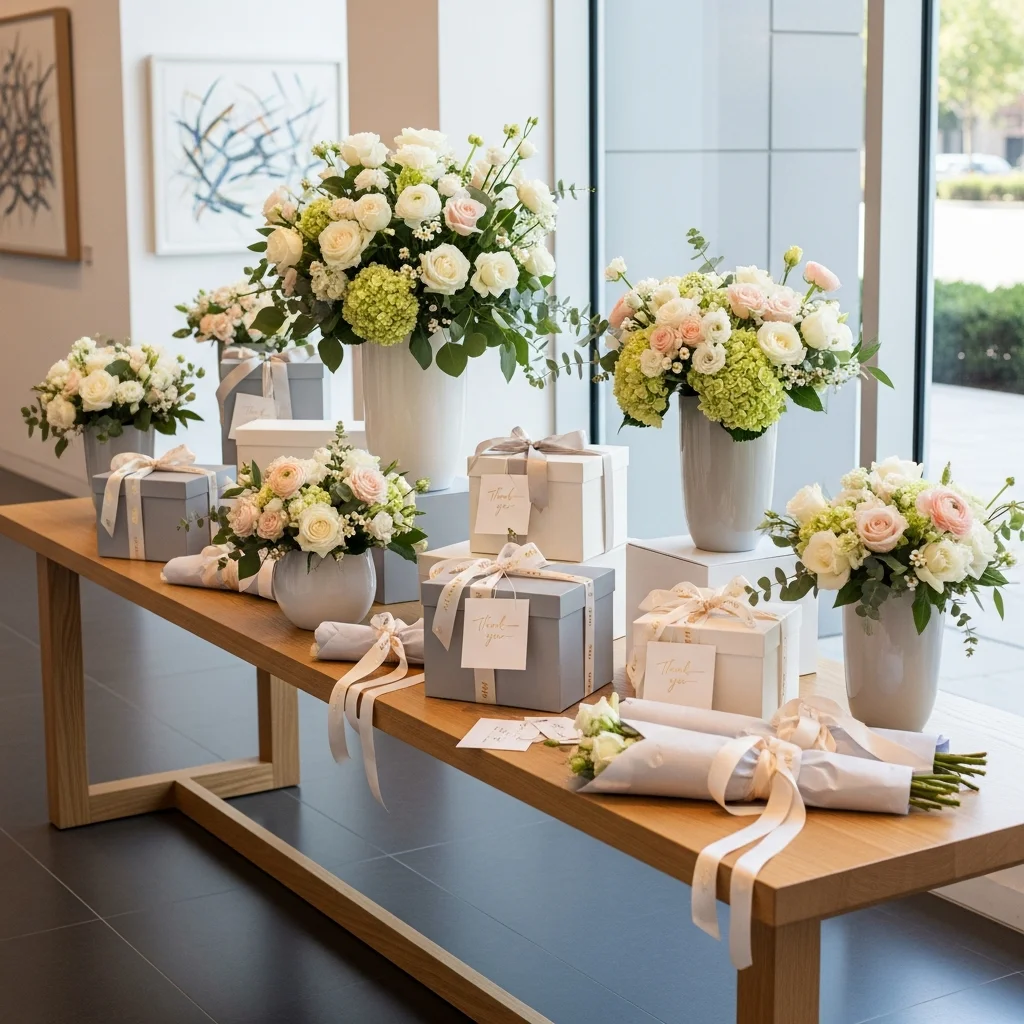
Silk flowers are popular because they are flexible, cost-friendly, and easy to produce in many styles. I have worked with retail buyers who needed 20 to 30 colors in one flower type. Real touch material was too costly for that range. Silk flowers gave them more room to build a full seasonal collection without making the price too high.
One buyer from the United States once needed artificial peony bunches for an online store. She cared about product photos, carton size, and price margin. I suggested silk flowers because her customers would view the flowers mostly in vases and lifestyle photos. The flowers did not need a strong hand-feel feature. They needed good color, full shape, and stable supply. This is where silk flowers work very well.
When I explain real touch flowers vs silk flowers to retail buyers, I often say that silk flowers are stronger for product range planning. A retailer may need peonies, roses, hydrangeas, cherry blossoms, wisteria, daisies, greenery, and seasonal stems in many colors. Silk material makes this easier. It also helps buyers create more SKUs without making the full collection too expensive.
What Makes Good Silk Flowers Different From Cheap Ones?
Many buyers hear “silk flowers” and think of cheap, thin, shiny petals. That is not always true. Good silk flowers can look very natural when the fabric is selected well. The flower shape, color printing, petal cutting, stem wrapping, and leaf quality all matter.
A good silk flower should not have an obvious plastic shine. The petals should have soft color layers. The stem should have a natural bend, not a stiff toy-like shape. The leaves should match the flower head quality. I always remind buyers that one weak leaf can make a whole flower look cheap.
Silk flowers are also easier for larger product lines. They are lighter than many real touch flowers. This helps reduce shipping pressure, especially for large wedding arches, flower walls, hanging installations, and retail packs. If you want to learn more about cleaning and care for fabric-based flowers, you can also read my guide on how to clean silk flowers.
For real touch flowers vs silk flowers, silk flowers are better when the buyer needs more style choices, lower cost, faster production, and easier bulk packing. They may not feel as natural as real touch flowers, but they can still look premium when the design and production quality are controlled well.
Real Touch Flowers vs Silk Flowers: Material, Price, and Realism?
Many buyers compare only the unit price. That is risky. The better method is to compare material, price, realism, packing, and final use together.
Real touch flowers vs silk flowers should be judged by display distance, hand feel, total project cost, shipping method, and customer expectation.
Material Affects More Than Appearance
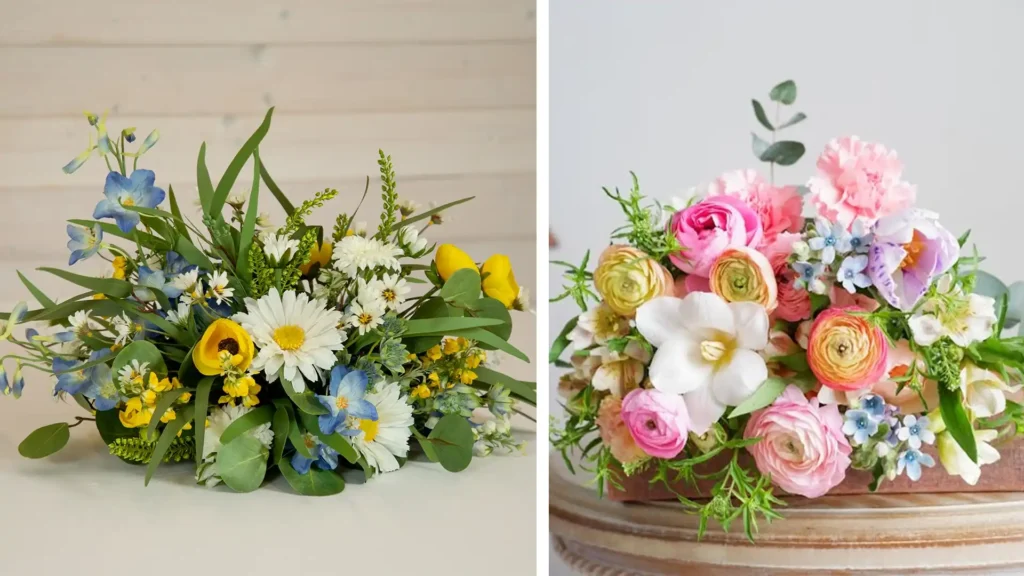
Material is not only about how the flower looks. It affects touch, weight, color, packing, shipping cost, and customer feedback. In my work, I once helped a buyer compare two rose designs. One was real touch. One was silk. In close-up photos, both looked good. But when we placed them into the same bridal bouquet, the real touch rose gave a softer and fresher feeling. When we placed them into a large flower wall, the silk rose looked better for cost and volume. The same flower type had two different best uses.
Real touch flowers often use PU, latex-like coating, or soft-touch material. They feel more like fresh petals. They are often used for roses, orchids, tulips, calla lilies, magnolia, and premium wedding flowers. Silk flowers use fabric petals. They are easier to cut, dye, shape, and produce in larger color ranges. They are common for hydrangea, peony, cherry blossom, wisteria, daisy, rose bunches, and seasonal stems.
This is why real touch flowers vs silk flowers should not be decided by one photo. A flower may look good alone, but it may not work well in a full wedding arch. A flower may feel premium in the hand, but it may not be the best choice for a large retail display. A buyer should always test material in the real scene before confirming bulk production.
Price Should Be Checked by Total Project Cost
Many buyers only compare unit price. I do not think this is enough. A flower with a lower unit price may need more stems to create a full look. A flower with a higher unit price may create stronger visual value with fewer pieces. Wholesale buyers should compare total project cost, not only stem price.
For example, a wedding planner may choose real touch flowers for bridal bouquets, corsages, and head table arrangements. These pieces are close to guests and cameras. The same planner may choose silk flowers for arches, aisle flowers, and background installations. This mixed-material method keeps the luxury look while controlling budget.
In real touch flowers vs silk flowers, the cheaper option is not always the better option. A buyer should check how many stems are needed, how much carton space is used, how many items can fit into one container, and how much time the staff needs to reshape the flowers after delivery.
Realism Depends on Viewing Distance
Realism changes with distance. If a guest touches the flower, real touch flowers usually win. If a customer sees the display from two or three meters away, high-quality silk flowers can perform very well. If the flowers are used in a large hotel lobby, a layered design may matter more than petal touch. If the flowers are used for product photography, petal texture and color depth matter more.
This is why I always ask buyers for project photos before giving final suggestions. A buyer once sent me a hotel entrance design with tall vases and wide open space. I did not suggest full real touch flowers because the flowers would be seen from a distance. I suggested silk hydrangeas, fabric roses, and some real touch focal flowers only in the front area. The result looked rich, and the buyer saved cost on the full order.
You can also check broader product sourcing ideas in my guide about choosing an artificial flowers supplier. For textile-related labeling rules, wholesale buyers can refer to the FTC textile labeling guidance1. For factory quality management thinking, buyers can also review the official ISO 9001 quality management standard2.
For real touch flowers vs silk flowers, the best answer is not fixed. Real touch flowers are stronger for premium hand feel. Silk flowers are stronger for cost, color range, and large-scale decoration.
Which Type Works Better for Weddings, Hotels, and Retail Displays?
A wedding buyer, hotel buyer, and retail buyer do not need the same flower material. The right choice should match the selling scene.
Real touch flowers vs silk flowers works differently in weddings, hotels, and retail displays. Real touch flowers fit close-up luxury scenes. Silk flowers fit larger displays and seasonal product lines.
Weddings Need Both Beauty and Budget Control
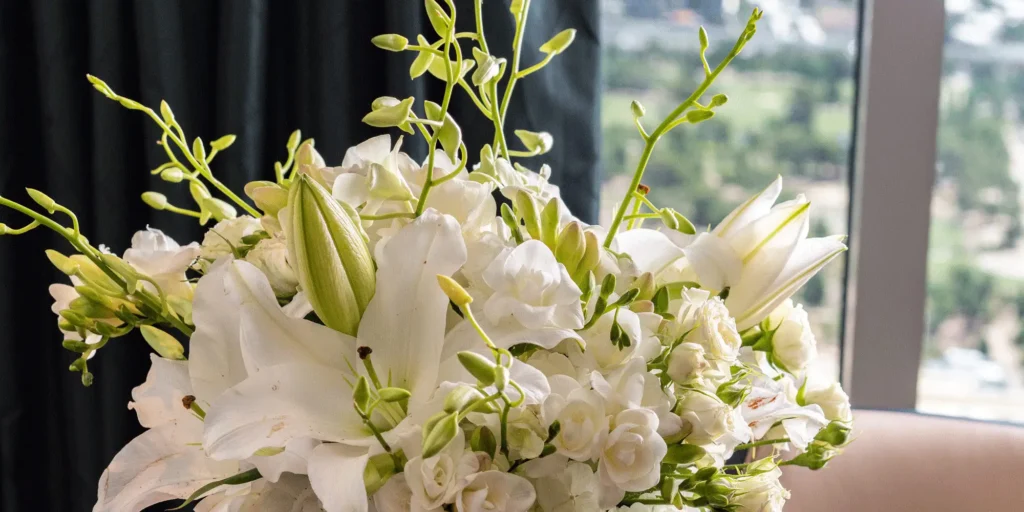
Wedding buyers often want the best look, but they also need a clear budget. I have served wedding clients who wanted every flower to look like fresh flowers. When I reviewed the full list, I saw bridal bouquet, bridesmaid bouquet, arch flowers, aisle flowers, table flowers, and reception décor. If everything used real touch flowers, the total cost became too high. I suggested using real touch flowers for the bridal bouquet and close-up table flowers. I used silk flowers for the arch and larger background pieces. The buyer still got a luxury look, and the project stayed inside budget.
This mixed method is very practical. Real touch flowers can create emotional value in photos and touch points. Silk flowers can create volume and color impact. For wedding arches, silk flowers often work well because guests see the full shape first. For bridal bouquets, real touch flowers can be better because the bride holds them and the camera captures close details.
For wedding projects, real touch flowers vs silk flowers should be planned by position. I use real touch flowers for close-up areas. I use silk flowers for background volume. This helps buyers keep the premium look while protecting profit.
Hotels Need Long-Lasting Display Value
Hotels care about durability, cleaning, and replacement. A hotel lobby flower arrangement must look good for a long time. It must also handle air conditioning, dust, light, and daily guest traffic. For hotels, I often suggest silk flowers for large background volume and real touch flowers for front-facing focal points. This creates a premium look without making the whole project too heavy or too expensive.
One hotel buyer asked me for tall lobby arrangements. She wanted a fresh and elegant look, but the staff needed easy maintenance. I suggested silk branches, fabric hydrangeas, and real touch orchids near the eye-level area. This helped the display look soft and high-end. It also made cleaning easier because the main volume was fabric-based and replaceable.
For hotel buyers, real touch flowers vs silk flowers is also a maintenance question. A hotel may prefer flowers that can be cleaned, replaced, and reshaped quickly. Real touch flowers can lift the look in key areas. Silk flowers can support the full arrangement at better cost.
Retail Displays Need Fast Change and Strong Photos
Retail stores often change themes by season. Spring, summer, autumn, Christmas, Valentine’s Day, and wedding season all need different colors. Silk flowers are often better for retail because they allow more color and style choices at a friendly cost. Real touch flowers can be used as premium highlight products on shelves or in window displays.
If your business needs outdoor decoration, material choice becomes even more important. Some outdoor projects need UV-resistant materials and stronger plastic greenery. You can read more in my guide about best fake plants for outdoors. If your project needs indoor air quality or low-emission materials, you can also learn about UL GREENGUARD Certification3.
For real touch flowers vs silk flowers in commercial projects, I do not choose by name. I choose by scene. Weddings need close-up beauty. Hotels need long-term display value. Retail needs fast style changes and strong shelf appeal.
How to Choose the Right Material in Real Touch Flowers vs Silk Flowers?
A bulk order should not start from a pretty product photo only. It should start from the real use, sales channel, and target customer.
Wholesale buyers should use real touch flowers vs silk flowers as a sourcing checklist. The right choice depends on project use, target price, display distance, packing method, and customer expectation.
Start With the Real Use, Not the Product Photo
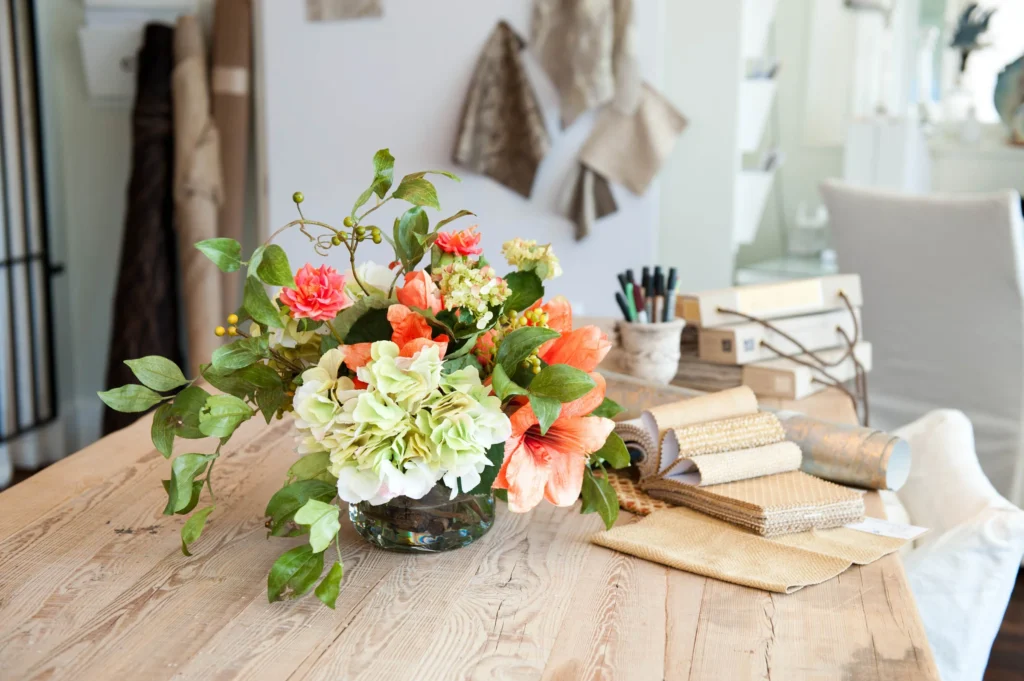
A beautiful photo can attract attention, but it cannot answer every wholesale question. I always ask buyers where the flowers will be used. Will they be touched by guests? Will they be photographed close up? Will they be reused many times? Will they be shipped by sea? Will they be sold online in small packs? These questions help me decide whether real touch flowers or silk flowers are better.
One buyer once selected a real touch tulip because the sample photo looked very premium. After I asked about her sales channel, I learned that she planned to sell budget-friendly vase bunches online. Her customers cared about color, quantity, and price. I suggested a good silk tulip instead. She tested both samples and later chose silk because it gave her better margin and easier packing.
This is why real touch flowers vs silk flowers should start from the buyer’s business model. A wedding rental company, hotel purchasing team, online flower seller, and retail chain may all choose different materials for the same flower type.
Build a Sample Test Before Bulk Orders
For real touch flowers vs silk flowers, sample testing is very important. A buyer should not only look at one stem. A buyer should place the flower into the real design. If the order is for a wedding bouquet, make a small bouquet. If the order is for a hotel vase, test it in a tall vase. If the order is for retail packs, check how it looks inside packaging.
I usually suggest buyers test color, petal feel, stem strength, flower head shape, packing recovery, and photo effect. If the flower is shipped compressed, the buyer should check whether the flower can return to a good shape after opening. If the flower is for a high-end client, the buyer should check whether the material still looks premium under warm light and natural light.
When I help buyers test real touch flowers vs silk flowers, I also check carton space. Some real touch flowers need more protection. Some silk flowers can be packed more tightly. This difference can affect shipping cost, warehouse space, and final landed cost.
Match Material With Business Model
Different buyers need different materials. Wedding planners need beauty and trust. Retailers need stable supply and repeat styles. Hotel buyers need long-term display value. Online sellers need good photos, clear packaging, and strong reviews. Importers need stable MOQ, carton control, and repeat quality.
At Botanic Blossoms, I often help buyers build material groups. We may use real touch roses and orchids for premium lines. We may use silk peonies, hydrangeas, and greenery for large event lines. We may use UV-resistant greenery for outdoor collections. We may also customize colors, stems, packaging, and labels when buyers need private label supply.
For serious bulk orders, I suggest buyers build a clear sample board. The board should include flower type, material, color, size, target price, use scene, packing method, and order quantity. This small step saves a lot of time before production. It also helps both buyer and supplier avoid misunderstanding.
In my experience, the best real touch flowers vs silk flowers buying plan is often not one material only. Many buyers get better results by mixing both. They use real touch flowers where customers can see and touch the details. They use silk flowers where they need size, color, and volume.
Need Help Choosing Real Touch Flowers vs Silk Flowers?
I can help you compare real touch flowers vs silk flowers, match materials with your project, and build a bulk flower plan for weddings, hotels, retail displays, and online sales.
Conclusion
Real touch flowers vs silk flowers is not about one winner. The best choice depends on your project, budget, display distance, and buyer expectation.
FAQ
1. Are real touch flowers better than silk flowers?
In real touch flowers vs silk flowers, real touch flowers are better for close-up premium use. Silk flowers are better for large projects, wider color choices, and better cost control.
2. Do real touch flowers cost more than silk flowers?
Yes. In most real touch flowers vs silk flowers comparisons, real touch flowers cost more because the material and surface feel are more premium.
3. Are silk flowers still good for weddings?
Yes. In real touch flowers vs silk flowers wedding projects, silk flowers work well for arches, aisle flowers, flower walls, table décor, and large background designs.
4. Which material looks more realistic in photos?
In real touch flowers vs silk flowers, both can look realistic in photos. Real touch flowers are stronger for close-up photos. Silk flowers look good from normal display distance.
5. Which flowers are best for real touch material?
Roses, orchids, tulips, calla lilies, magnolia, and premium bridal flowers often work well when buyers compare real touch flowers vs silk flowers.
6. Which flowers are best for silk material?
Peonies, hydrangeas, cherry blossoms, wisteria, daisies, roses, and seasonal flower bunches often work well in silk material.
7. Can I mix real touch flowers and silk flowers in one project?
Yes. Many buyers mix both materials. In real touch flowers vs silk flowers, real touch flowers can be focal flowers, and silk flowers can create volume.
8. Which material is better for hotel lobby arrangements?
A mixed design is often best. Real touch flowers improve the premium look in key areas. Silk flowers help create fullness and easier maintenance.
9. Which material is better for retail stores?
Silk flowers are usually better for retail stores because they offer more styles, more colors, and better price control for seasonal collections.
10. How should I choose material before a bulk order?
Use real touch flowers vs silk flowers as a sample test. Check flower shape, color, touch, packing recovery, display distance, and total project cost.
References
- Federal Trade Commission. “Threading Your Way Through the Labeling Requirements Under the Textile and Wool Acts.” https://www.ftc.gov/business-guidance/resources/threading-your-way-through-labeling-requirements-under-textile-wool-acts ↩
- International Organization for Standardization. “ISO 9001:2015 Quality Management Systems.” https://www.iso.org/standard/62085.html ↩
- UL Solutions. “UL GREENGUARD Certification.” https://www.ul.com/services/ul-greenguard-certification ↩