
21-Point Wholesale Artificial Flowers Quality Checklist That Stops Bad Batches?
You can approve a “perfect” sample, then bulk arrives with color drift, loose heads, and crushed petals. I saw this happen to Sophia before a weekend install, and her team lost time and margin fast.
A wholesale artificial flowers quality checklist stops bad batches when you test color under two lights, stress-check heads and stems after packing, and lock simple accept/reject rules before production starts.
I treat this wholesale artificial flowers quality checklist like a mini production run, because bulk risk is always higher than sample risk.
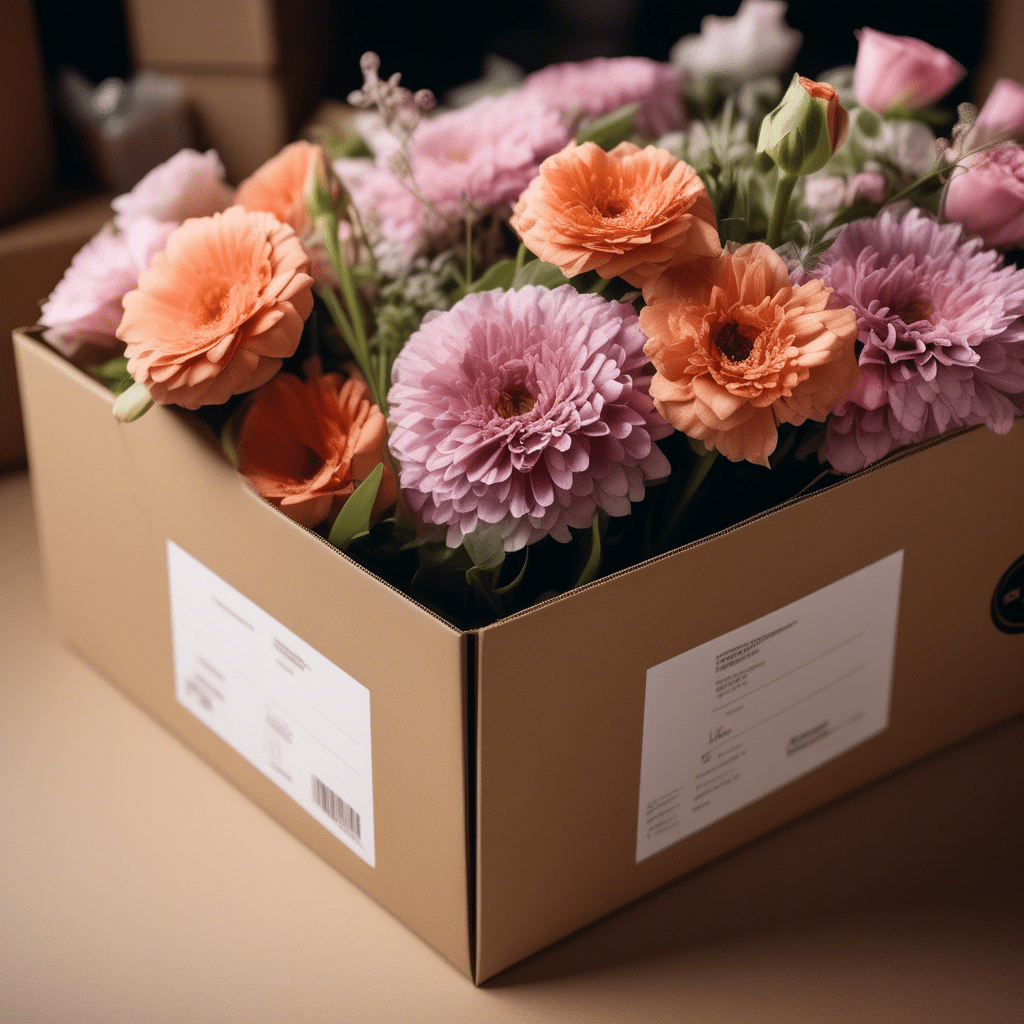
Use for: procurement SOP, pre-shipment inspection, and bulk receiving QC for wedding, retail, and hospitality projects.
You do not need more “nice photos.” You need a system that your team can run in 30 minutes. I built this wholesale artificial flowers quality checklist after I helped Sophia fix a sample-good, bulk-bad situation, and I did not want her team to ever re-glue heads on a deadline again.
When your buyer team follows a wholesale artificial flowers quality checklist, you protect margin first, and you protect timelines second.
The 21-point wholesale artificial flowers quality checklist (run it in this order)
This wholesale artificial flowers quality checklist is written so a warehouse team can run it fast and still make clean pass/fail calls.
- I confirm the approved reference (physical sample ID, Pantone, or approved photo set). I learned this step saves Sophia from “which photo are we using?” fights.
- I define the tolerance rule in writing for each SKU (pass/fail words, not feelings). Sophia’s team needed one standard.
- I test color under warm indoor light (about 3000K). Sophia’s ballroom LEDs exposed shifts.
- I test color under cool daylight (about 6500K). Sophia’s storefront lighting changed tone.
- I test under phone flash and side light to catch plastic glare. Sophia’s photos showed shine first.
- I compare 3 pieces from one carton and 3 from different cartons. Sophia once had mixed cartons.
- I check petal print, edge paint, and rub-off with a dry tissue. Sophia saw print fade on handling.
- I pull-test the flower head at the neck joint for 3 seconds. Sophia’s loose heads taught me.
- I twist-test the head left/right to expose weak glue points. Sophia’s arch leaned by noon.
- I shake-test the bundle inside a bag for loose stamens or beads. Sophia’s venue staff complained.
- I check leaf attachment points and “hinge” joints for wobble. Sophia had leaf drop inside cartons.
- I bend the stem to 90° and release to test recovery. Sophia’s team fought bent stems.
- I check stem coating for cracking after bending. Sophia’s stems looked old fast.
- I check wire ends and cut points for sharp edges. Sophia’s team needed safe handling.
- I pack 10–20 stems using the real inner method, then compress lightly for 10 minutes. Sophia’s transit was the real test.
- I open and check rebound within 2 minutes. Sophia needed fast setup speed.
- I check inner sleeves and separators for friction marks on petals. Sophia saw scuffing on blush tones.
- I inspect carton seams, corners, and wall strength by hand pressure. Sophia had “fine outside, bad inside.”
- I confirm carton mapping (carton number → SKU → count). Sophia needed clean claims.
- I confirm max stack height and orientation marks. Sophia’s freight handled stacks hard.
- I apply one accept/reject sheet that the supplier signs before production. Sophia stopped debates this way.
If you only adopt one SOP, you should adopt this wholesale artificial flowers quality checklist and attach it to every PO.
If you want the bigger bulk buying framework that sits behind this checklist, you can also read this internal guide: https://botanicblossoms.com/wholesale-artificial-flowers-guide/. I wrote it because Sophia asked me for one place her team could reference during sourcing.
That guide is useful, but the wholesale artificial flowers quality checklist is what your team will actually use on receiving day.
Color Consistency Checks Under 2 Lights?
Color can look right in one room, then look wrong in your client’s venue, store, or lobby. I saw Sophia approve a warm red, then bulk looked dull under cool LED strips, and her photos lost impact.
You stop color surprises when you test every SKU under two lights, compare across cartons, and lock a written pass/fail rule inside your wholesale artificial flowers quality checklist.
This is the section of the wholesale artificial flowers quality checklist that protects your brand photos the most.

Use for: color approval SOP, batch proof review, and pre-event lighting checks for wedding and retail programs.
Why two lights matter more than “one approved photo”
I treat color as a moving target because lighting changes it. I learned this from Sophia because her warehouse lighting was warm, but her event hall lighting was cool, and the same petals looked like two different SKUs. I also saw a retail buyer place the same bouquet near a window and then under ceiling LEDs, and the blush turned gray.
When you buy bulk, you also face dye-lot shifts. I saw Sophia get a “perfect” sample, and bulk came from another lot, and the tone drifted. If you do not test under two lights, you do not see the drift early, and you do not get a clean fix before shipping.
The exact 2-light setup that your team can repeat
I keep the setup simple so your team uses it every time. I place the approved reference and the test piece on a neutral background. I take one photo under warm indoor light and one photo under cool daylight. I keep the distance fixed. I also take one photo with phone flash because flash shows glare fast, and Sophia’s client cared about camera results.
I do not test only one piece. I test at least 6 pieces. I take 3 from one carton and 3 from different cartons. I do this because Sophia once had cartons that matched inside one carton but drifted across cartons.
What I write as pass/fail so arguments stop
- PASS if tone matches under warm and cool light.
- FAIL if tone shifts to gray, orange, dull, or high-gloss under either light.
- FAIL if cartons show mixed tone inside one SKU.
A simple buyer move that prevents silent changes
I ask the supplier to confirm “no pigment or top-coat change without written approval.” I started doing this after Sophia saw extra shine on petals because the supplier changed a top-coat to speed drying. This one sentence protects your photos and your brand.
If your team wants one fast habit, you should run this part of the wholesale artificial flowers quality checklist on every repeat shipment.
Head Stability, Glue Points, and Loose Parts Tests?
A loose head is not a “small defect.” It becomes labor, delays, and refunds. I watched Sophia’s team re-glue dozens of heads the night before install, and that cost more than the price difference between suppliers.
You protect bulk quality when you stress-test head joints, check glue coverage, and run a shake test for loose parts inside your wholesale artificial flowers quality checklist.
This wholesale artificial flowers quality checklist step is the difference between “ready to sell” and “needs rework.”

Use for: receiving inspection, supplier corrective action, and assembly QC for bouquets, garlands, and flower wall components.
Why samples hide weak head joints
A sample is handled gently. Bulk is not. I saw Sophia’s cartons go through multiple transfers, and vibration did damage that a desk review never shows. A weak glue point can look clean and still fail after long transit.
I also saw a retail buyer do “quick fluff” in store, and heads twisted slightly and then leaned, and their shelf looked messy. This is why I test the neck joint like shipping will.
The three tests you can run in minutes
1) The pull test (steady force, not a jerk)
I hold the stem and head and pull with steady force for 3 seconds. I avoid jerking because jerking can break even good joints, and Sophia needed a fair test. If the head shifts, the joint is weak. If it detaches, the SKU fails, and I stop the batch.
2) The twist test (small twist, big signal)
I twist the head left and right slightly. I watch the neck and glue line. Sophia’s earlier batch “passed” on looks but failed on twist, and that is what caused leaning blooms on her arch.
3) The shake test (loose parts show up fast)
I place 10 stems in a bag and shake. I listen for rattles. I check the bag bottom for fallen parts. Sophia’s venue staff complained when they found small pieces during setup, and it looked unprofessional.
What I ask the supplier to fix when joints fail
- I ask for a larger glue contact area at the joint.
- I ask for a mechanical lock where possible (pin, wrap, inner core).
- I ask for proper curing time before packing.
- I ask for in-line checks per 50 pieces.
If you are also screening a new supplier, this internal checklist helps you spot weak QC systems early: https://botanicblossoms.com/artificial-flowers-supplier/.
When you add these tests into your wholesale artificial flowers quality checklist, you stop head failures before they reach your client site.
Stem Strength and Recovery Checks After Packing?
A stem can look straight on the table, then it bends in the carton and never recovers. Sophia told me her staff “fought the stems” for hours, and her setup time doubled.
You stop stem problems when you test recovery after real packing pressure, check coating cracks after bending, and write a simple rebound rule inside your wholesale artificial flowers quality checklist.
This part of the wholesale artificial flowers quality checklist reduces labor cost on install day.

Use for: bulk packaging approval, inbound QC for long stems, and time-saving setup SOP for event and retail teams.
Why stem recovery is a profit issue
Stem recovery controls labor. I learned this from Sophia because her team spent time reshaping, and that labor did not show in the purchase order, but it hit her profit. I also saw a chain store reset plan fail because staff could not make stems stand clean in small vases, and displays looked tired.
When stems are weak, your team uses extra wire, extra tape, and extra foam. Your cost rises, and your finish looks less natural. That is why I treat stem recovery as a main pass/fail item in my wholesale artificial flowers quality checklist.
The three stem checks I run every time
1) Bend-and-release recovery (fast and honest)
I bend the stem to about 90 degrees. I release. I watch for 10 seconds. A good stem returns close to straight. A weak stem holds a kink. Sophia’s batch held kinks, and her bouquets looked uneven.
2) Coating crack check (small cracks become big complaints)
I bend again, and I inspect the coating. I look for stress lines, cracking, and flaking. Sophia had stems that looked “old” after one reshape because the coating cracked. If coating fails, your client notices, and photos look cheap.
3) Packed compression test (this is the real world)
I pack 10–20 stems using the real sleeves, inner bags, and carton method. I apply light compression for 10 minutes to simulate stacking pressure. I then open and check rebound within 2 minutes. Sophia’s transit created compression, so this test matched her risk.
If you need storage and reshaping rules that reduce stem damage after arrival, this internal guide supports your receiving team: https://botanicblossoms.com/how-to-store-long-stem-artificial-flowers/.
If your supplier tries to downgrade wire gauge, your wholesale artificial flowers quality checklist will catch it fast.
Carton Crush Risk: What to Inspect Before Shipping?
You can have great flowers, and cartons can still destroy them. Crushing creates flat petals, bent stems, and slow unpacking. Sophia received cartons that looked “fine” outside, but inner packs were compressed, and petals stayed flat.
You reduce crush loss when you inspect carton build, inner spacing, stack rules, and finished-lot packing photos as part of your wholesale artificial flowers quality checklist.
This wholesale artificial flowers quality checklist section is your best protection against hidden transit damage.
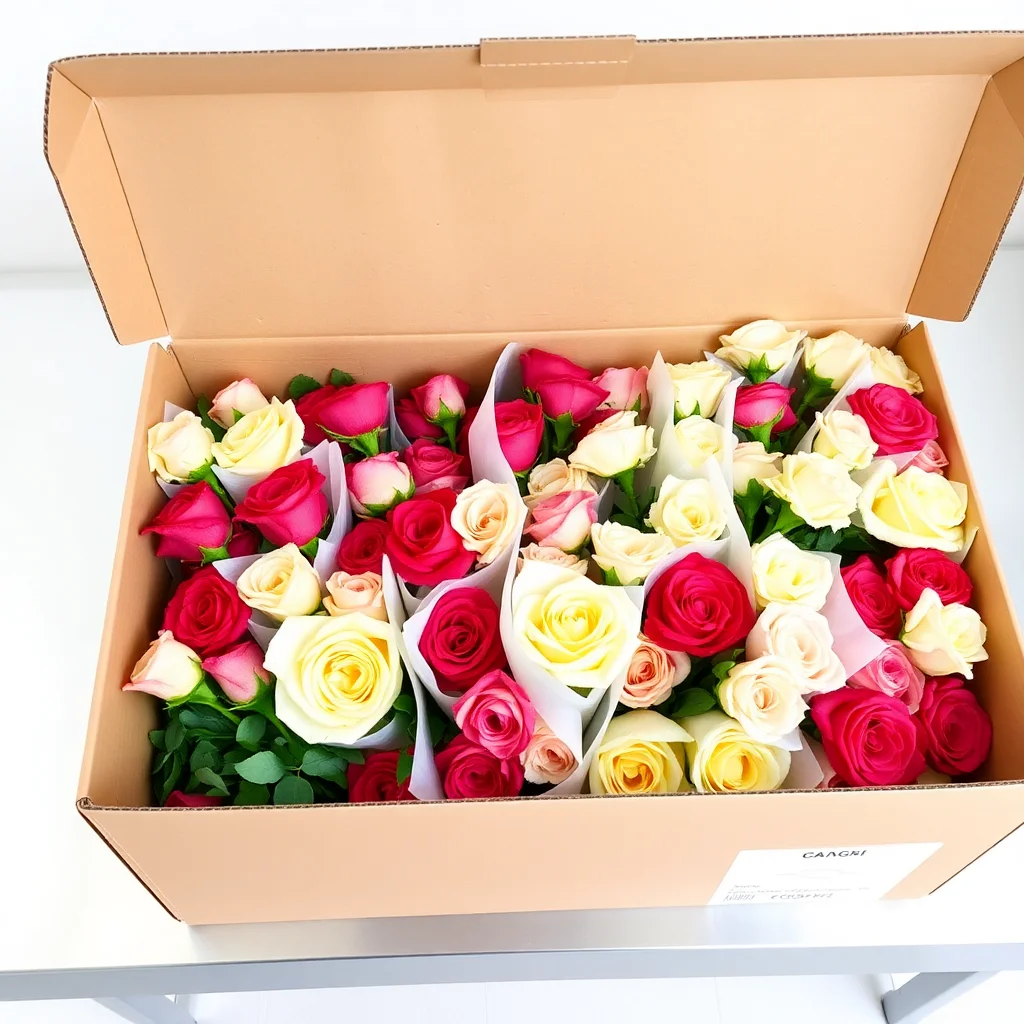
Use for: pre-shipment packing audit, freight handover checks, and inbound damage prevention for long routes.
Why carton quality is not the same as carton printing
Many buyers check carton markings and stop there. I saw Sophia do this early on, and her damage did not come from labels. It came from weak seams and poor inner structure. A carton can look professional and still collapse under stacking.
I also saw a retail buyer reuse cartons for returns, and the carton walls weakened, and the next shipment came back crushed. That is why I inspect structure, not words.
The carton checks I use before dispatch
1) Seam and corner strength
I press the side walls by hand. I inspect seam glue and corner integrity. Sophia’s problem cartons had corners that softened fast. A weak corner is a warning.
2) Inner pack discipline
I ask for finished-lot photos that show sleeves, separators, and head protection. I learned this from Sophia because her petals scuffed when bundles rubbed during transit. I also check empty space. Too much space lets bundles slide and hit. Too little space creates constant compression.
3) Stack height and orientation control
I require “this side up” and a max stack height. I also require carton mapping (carton number → SKU → count). Sophia needed this to stop warehouse confusion and to build clean claims if damage happened.
External standards you can use when your team wants a stronger reference
A shipping habit that protects you without slowing you down
I ask for 6–10 finished-lot packing photos before dispatch. I do not ask for “pretty photos.” I ask for proof photos that show the method. Sophia adopted this, and her damage rate dropped because the supplier packed with more care once they knew photos would be checked.
If your team also needs no-crush storage rules after arrival, this internal guide supports rotation and reuse: https://botanicblossoms.com/how-to-store-artificial-flowers/.
If your logistics route is long, you should run this wholesale artificial flowers quality checklist carton section on every shipment.
Accept/Reject Rules You Can Use With Any Supplier?
A checklist fails if nobody knows what “pass” means. I saw Sophia lose time because her team had different opinions, and a supplier used that gap to delay solutions.
You win when you write one accept/reject sheet that defines pass/fail for color, assembly, stem recovery, and packing, and you attach it to every PO as part of your wholesale artificial flowers quality checklist.
This is where the wholesale artificial flowers quality checklist turns into a decision system, not a suggestion list.

Use for: purchase order attachments, supplier onboarding, and internal QC training for repeat bulk programs.
The mistake that creates disputes
Many buyers approve a sample with “looks good.” I did this early in my career, and Sophia did it once, and it caused debate later. That sentence is not a spec. A supplier can claim bulk is “similar.” Your team can claim it is “different.” You lose time.
The accept/reject rules I write in plain words
Color rules
- PASS if tone matches the approved reference under warm and cool light.
- FAIL if tone shifts to gray, orange, dull, or high-gloss under either light.
- FAIL if cartons show mixed tone inside one SKU.
Assembly rules
- PASS if heads do not move during pull and twist tests.
- FAIL if any head detaches in testing.
- FAIL if loose parts appear in bag or carton.
Stem rules
- PASS if stems rebound cleanly after bend-and-release and after packing compression.
- FAIL if stems hold a kink or coating cracks.
Packing rules
- PASS if finished-lot photos show head protection, separators, and stable inner packs.
- FAIL if carton seams, corners, or wall strength show crush risk.
- FAIL if empty space is uncontrolled and bundles slide.
The workflow that makes rules real in real orders
I attach the rule sheet to the PO and the proforma invoice. I ask the supplier to reply “confirmed” in writing. I keep approvals inside one email thread. Sophia used this workflow and stopped internal debate because everyone read the same rule.
The fastest way to use this with a new supplier
If you are onboarding a new factory, you can pair this checklist with a supplier screening article that matches the same logic: https://botanicblossoms.com/wholesale-artificial-flowers-supplier/.
Once your team uses this wholesale artificial flowers quality checklist for one cycle, your supplier understands you do not accept “close enough.”
FAQ (B2B)
- How many pieces should you test per SKU for bulk approval?
You should test at least 6 pieces per SKU, and you should pull them from different cartons when possible. - What is the fastest way to catch color risk before shipping?
You should run a two-light photo test and require batch proof photos from the real production lot. - How do you stop “sample-good, bulk-bad” with a new supplier?
You should attach an accept/reject sheet to the PO and require written confirmation before production. - What head test is most reliable for shipping failure risk?
You should run a steady pull test and a small twist test at the neck joint. - What stem issue creates the most hidden labor cost?
Permanent kinks and weak rebound after packing pressure create the most setup labor. - What carton problem causes the most crushed petals?
Weak seams and poor inner packing control cause crush and scuffing more than label issues. - How do you make damage claims clean and fast?
You should map carton numbers to SKUs and counts, and you should document outer carton and inner pack photos on arrival. - Can one wholesale artificial flowers quality checklist work across roses, peonies, orchids, and mixed bouquets?
Yes. You should keep the same test logic and adjust tolerance only by project use and lighting conditions. - What should you ask for in a pre-shipment photo proof pack?
You should request two-light color photos, head joint close-ups, inner pack photos, and carton corner/seam photos. - How do you reduce your team’s unpacking time on install day?
You should require stable inner packs, clear carton mapping, and a rebound rule that keeps stems ready fast.
Conclusion
You protect margin and timelines when you run a wholesale artificial flowers quality checklist that tests real risks and locks clear accept/reject rules before bulk ships.