
How to Pack Artificial Flowers for Shipping — 13 Proven Damage-Proof Hacks?
Shipping destroys profit when cartons arrive with bent stems, crushed petals, and broken pots. U refund, resend, and lose reviews. U need a clear, repeatable packing system.
The short answer to how to pack artificial flowers for shipping is to lock every stem, petal, and pot inside a tight unit: separate layers, strap bundles, control empty space, and test-drop cartons before U ship big volumes.
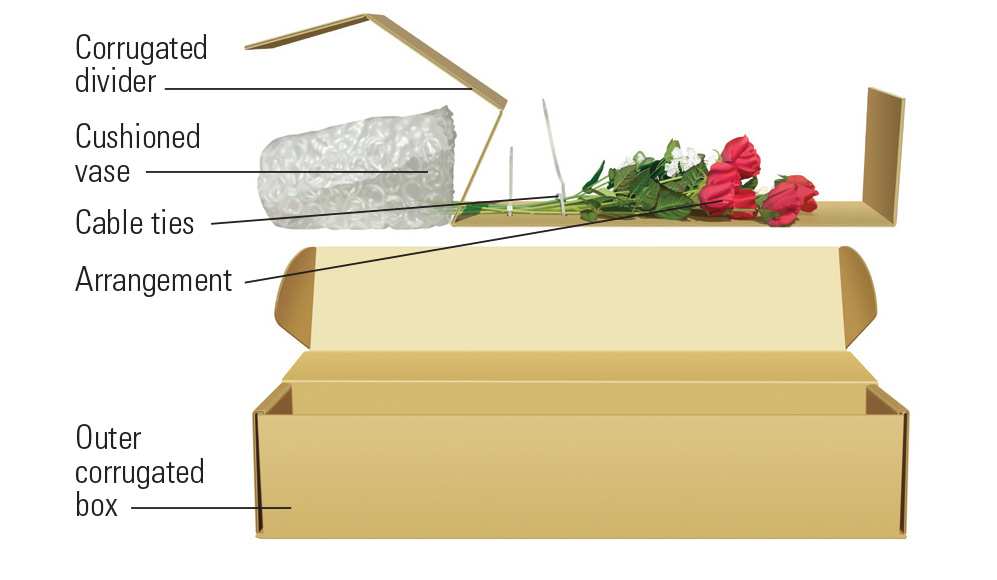
Use in: explaining overall packing strategy to logistics, warehouse, and sourcing teams.
When U understand how cartons move through couriers, line-haul trucks, and last-mile vans, U stop thinking about “pretty packing” and start thinking about “survival packing.” Major carriers such as
UPS
and
FedEx
share similar ideas in their public packing guides. In this guide, U will see how to pack artificial flowers for shipping step by step, plus real stories from B2B clients who cut breakage and saved reviews by changing the way they pack, not only the way they sell.
Why Do Artificial Flowers Break or Crush in Transit?
Damaged cartons almost never come from one single hit. They come from hundreds of small shocks, side pressure, and empty spaces inside the box.
Artificial flowers break or crush in transit when stems float inside the carton, heavy pots move during impact, and couriers stack boxes without any support. To fix this, U design how to pack artificial flowers for shipping around zero-movement bundles, clear layers, and controlled void space.
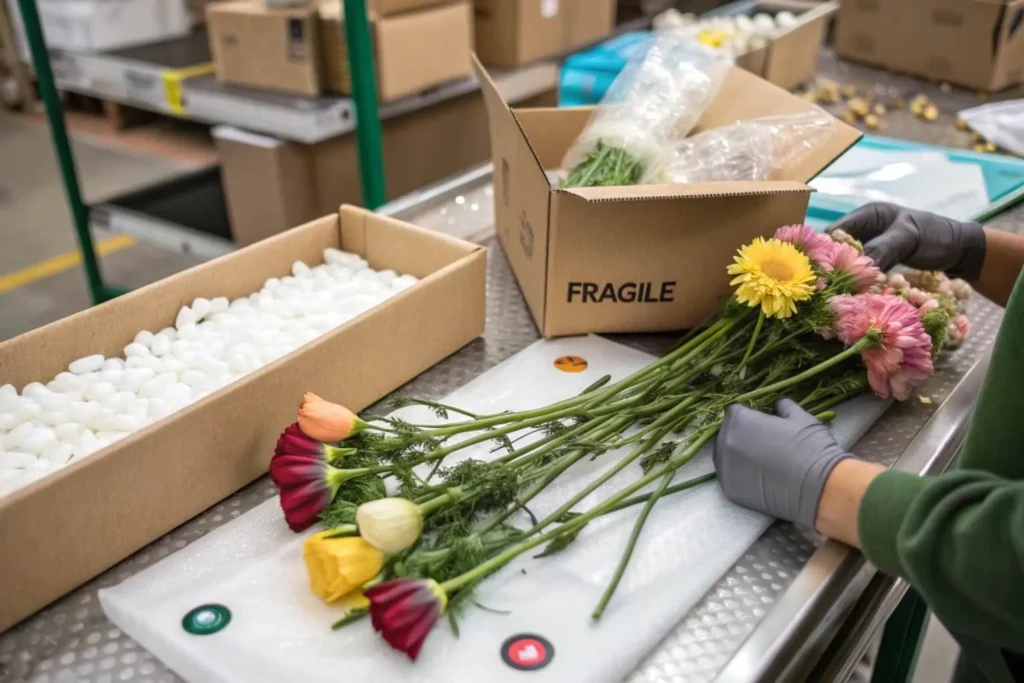
Use in: training slide for new warehouse staff and 3PL partners.
Hidden weak points in stems, petals, and pots
Every design has weak points. Long wired stems kink in the middle. Foam and latex petals bruise on edges. Ceramic and cement pots chip at rims and feet. When U plan how to pack artificial flowers for shipping, U must see where each item wants to fail.
I often walk a client’s warehouse and pull a random bouquet from their shelf. I hold the stem at the handle point and shake it like a courier would. If the head swings too far, I know we must support that joint. If a pot feels heavy compared to its stem, I know that piece can act like a hammer inside the box.
So U start by mapping weak points:
- Long stems that bend
- Heavy pots on light stems
- Full arrangements with tall centers
- Loose leaves and filler branches
This simple map tells U where to add sleeves, ties, and corner protection.
How couriers really handle your cartons
In real life, cartons slide down chutes, drop from belt to belt, and ride in trucks with other boxes on top. Staff pull, push, and drag. Nobody handles your boxes like fragile glass unless U pay for white-glove service.
So U assume:
- Cartons will drop on corners and edges
- Boxes will tilt and lie on their sides
- Heavy cartons may stack on top of light ones
Once U accept this, U start to see how to pack artificial flowers for shipping in a new way: not as “gift boxes,” but as “shock systems.” U stop blaming couriers and focus on building cartons that survive normal abuse. This is the same logic U see in general fragile shipping advice, like in this
step-by-step guide for shipping fragile items.
Client story: wedding centerpieces crushed on first run
One wedding décor client sent 200 sets of tall centerpieces to a new market. They wrapped each centerpiece in bubble wrap and put four pieces in one carton with loose paper around them. Stems were long and heavy glass vases sat at the bottom.
When the cartons arrived, almost 30% of the vases had chips. Some stems bent where the wire met the head. Reviews mentioned “arrived damaged” again and again.
We changed their method of how to pack artificial flowers for shipping. We added inner corrugated dividers, sleeves on the stems, and foam collars around the vase necks. We reduced four sets per carton to three sets in stronger boxes. On the next run, damage dropped below 2%, and their team finally trusted online orders again.
Which 13 Packing Hacks Really Protect Stems, Petals and Pots?
When U want a damage-proof system, U cannot rely on one trick like “more bubble wrap.” U need a full list of simple hacks your team can follow.
The best way to decide how to pack artificial flowers for shipping is to combine 13 small habits: bundle stems, cap heads, fix pots, control void space, and keep every set from moving, even when U shake the carton hard.
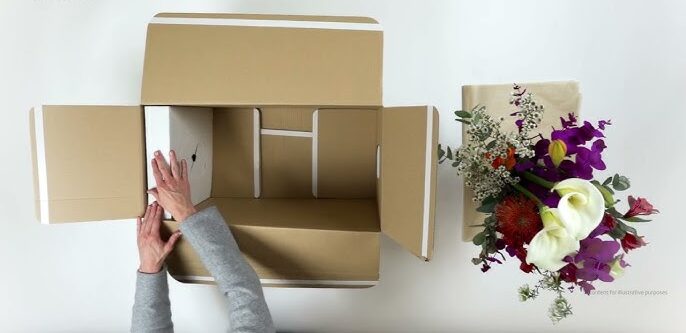
Use in: SOP one-page sheet printed near packing stations.
13 damage-proof hacks that work in real warehouses
Here are 13 hacks I keep using when I help B2B clients design how to pack artificial flowers for shipping at scale:
- Bundle stems in small groups with soft ties so wires support each other.
- Use sleeves (paper or thin foam) on long stems to stop kinks.
- Cap delicate heads with light cups or tissue “helmets” to protect petals.
- Wrap pots with corrugated wraps or foam rings, not only bubble.
- Lock pots to inner trays using cut-outs, hot-melt, or tight corrugation.
- Separate layers with cardboard pads so heavy parts never sit on flowers.
- Use shaped inserts for repeat SKUs instead of random filler.
- Pre-bend stems to a gentle curve that fits the box, so U never over-bend during packing.
- Fill voids with kraft paper or air pillows so nothing can roll.
- Protect corners with small corner pieces where cartons often hit the floor.
- Standardize cartons for each SKU so staff do not “guess” each time.
- Print “this side up” plus internal arrows so U pack and stack in one direction.
- Test-pack one sample carton for shake and drop before U run a big batch.
When U put these 13 points into a one-page SOP, U make how to pack artificial flowers for shipping teachable. New staff can pack close to the way U or your senior manager would pack, even during peak season.
Client story: online florist that killed “return due to damage” tickets
One online florist shipped thousands of single-stem roses and mixed bouquets every month. Their customer service team spent hours answering tickets that said “bent stem,” “pot cracked,” and “arrived messy.”
We ran a half-day workshop with their packing team. We walked through each of the 13 hacks and built a standard method for each main SKU. We printed photos of “correct packing” and taped them to each station.
Within two months, damage-related tickets dropped by half. Their review scores went up. More important, their team finally had one clear way to answer the question of how to pack artificial flowers for shipping, instead of trying something different every day.
If U also ship potted designs, U can read our guide on
what to put in a fake plant pot
to match ballast and liners with these 13 hacks, so pots stay stable inside the box and inside the final display.
How Should U Use Inner Box, Polybag and Void-Fill for Fake Flowers?
Inside one master carton, U have many small tools: inner boxes, polybags, and fillers. When U use them well, they protect. When U use them wrong, they crush.
To master how to pack artificial flowers for shipping, U give each product the right inner box size, a clean polybag to stop dust and snagging, and just enough void-fill to stop movement without crushing petals.
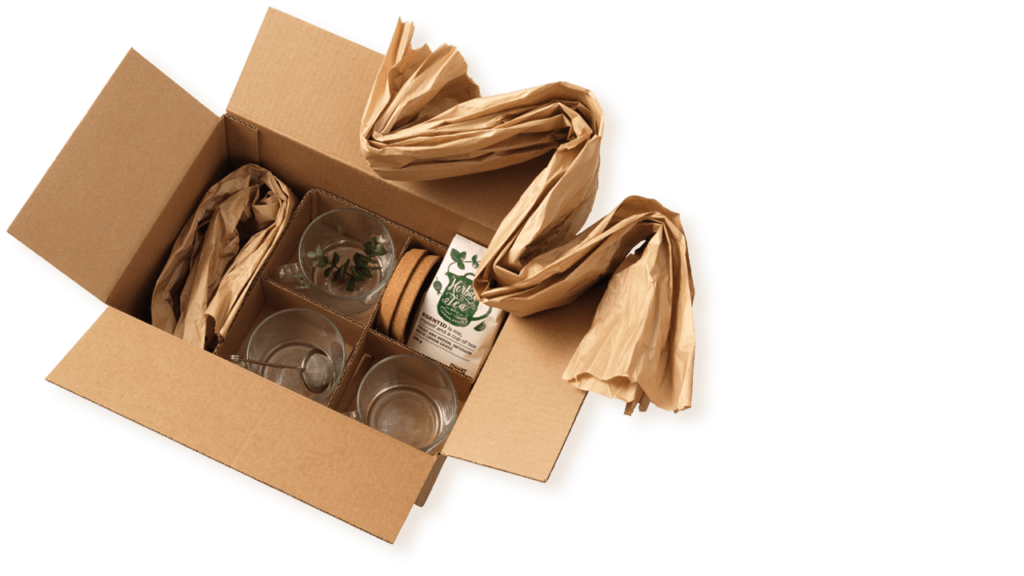
Use in: explaining component choices to packaging engineers and 3PLs.
Inner boxes that fit like a glove
Inner boxes hold one bouquet, one arrangement, or one small set. If the inner box is too big, the product moves. If it is too small, staff force stems into it and cause damage before shipping.
So U aim for:
- 1–2 cm clearance around the packed product
- Enough height so stems do not press hard on the lid
- Simple flaps that close without crushing petals
When U think about how to pack artificial flowers for shipping to e-commerce buyers, inner boxes also carry brand value. They open cleanly on camera. They protect the shape when buyers pull the set out in one move.
Polybags that protect, not suffocate
Polybags keep dust and fiber off petals and leaves. They also prevent stems from snagging on cardboard edges. Yet if bags are too tight or staff twist them hard, they can pull heads and bend leaves.
So U:
- Choose bag sizes that allow a gentle fit
- Avoid strong knots on the flower heads side
- Use simple tape or stickers near the stem base
- Punch small air holes if U ship from hot, humid warehouses
Polybags also help when U ship in mixed climate routes. Condensation and dust stay away from key areas. This supports how to pack artificial flowers for shipping to regions with long transit times and changing temperatures.
Void-fill that locks shapes in place
Void-fill is not a trash can for scrap paper. It is a tool. When void-fill is random, it adds weight but not protection. When void-fill is placed with intent, it stops movement where it matters.
Good void-fill rules:
- Put paper or pads between pots and stems
- Support tall stems near the mid-point, not only at the base
- Avoid stuffing material directly onto petals
- Use consistent amounts per SKU so weight stays stable
Client story: Sophia’s mixed carton problem
Sophia runs a wedding and décor business that ships mixed cartons to her retail clients. She used to put many different items into one large box with loose air pillows on top. Light bouquets ended under heavy ceramic vases.
We redesigned her inner structure. We added smaller inner boxes for bouquets, simple polybags to stop petal scuffing, and kraft paper “walls” that kept vases and flowers apart. We also wrote a clear rule for each SKU about how to pack artificial flowers for shipping in mixed cartons.
After this change, her damage claims from key wholesale accounts almost disappeared. Her buyers trusted her more, and she could safely ship more complex bundles.
For more ideas on pot and base design that work well with inner boxes, see our
Fake Flower Planter 2025
guide, which connects planter shapes to both stability and packability.
How Do U Run Drop-Tests and Shake-Tests Before a Big Rollout?
Many teams write “Fragile” on the box and hope for the best. Hope is not a test. A simple drop-test and shake-test gives U real data.
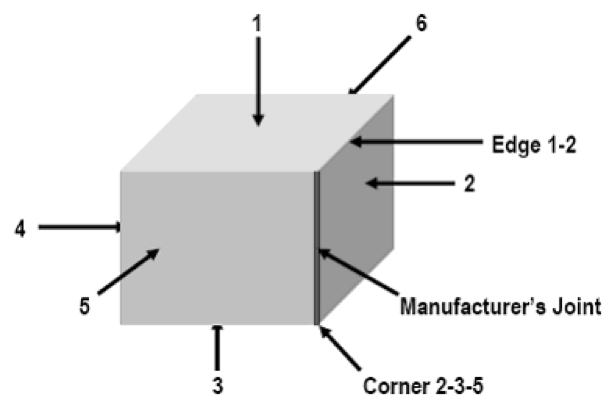
A fast way to check how to pack artificial flowers for shipping is to run drop-tests and shake-tests on full cartons before U confirm a packing method. U copy basic ISTA-3A style drops and then inspect real damage.
Use in: internal QA manuals and packaging development documents.
Simple drop-test that any warehouse can run
U do not need a lab to learn. U can copy a basic pattern. It is similar in spirit to what
ISTA 3A testing
describes for parcel shipments:
- Pack one master carton exactly as your SOP says.
- Weigh and mark the carton.
- Drop the carton from around 76 cm on one flat face.
- Drop again on the opposite face.
- Drop on one long edge and one short edge.
- Drop on one corner.
After each round, U open the carton and check:
- Are stems bent beyond normal adjustment?
- Are petals crushed or creased?
- Are pots chipped, cracked, or loose?
- Has any inner box collapsed?
If damage is clear, U adjust how to pack artificial flowers for shipping: add pads, change inserts, reduce quantity per carton, or reinforce corners. Then U repeat until the sample passes.
Shake-test that shows hidden movement
Drop-tests show worst hits. Shake-tests show what happens during many small shocks.
To run a simple shake-test:
- Hold the carton like a courier would.
- Shake it forward-back and left-right ten times each.
- Turn it 90 degrees and repeat.
- Listen and feel for internal movement.
If U hear heavy parts rolling or hitting walls, U know U still have loose space. When U adjust packing so the carton feels “solid,” U are closer to a safe standard of how to pack artificial flowers for shipping.
Client story: marketplace seller that fixed bad reviews
One marketplace seller shipped loose bouquets in simple cartons. Customers kept posting unboxing videos where flowers looked flattened. Reviews said “pretty, but arrived messy.” Their first idea was to change courier. That did not work.
We ran basic drop and shake-tests together in their warehouse. After the first drop, some heads twisted and stems moved a lot. We added inner pads, better bundling, and stricter void-fill rules. After three rounds of tests, the bouquets came out neat even after drops.
Two months later, their review photos improved. Stars went up. When U show your team these tests, they finally “feel” how to pack artificial flowers for shipping, not just “guess and hope.”
If U want a broader view on carton strength and fills, U can read our article on
what to put in a fake plant pot
and connect the same thinking about weight, anchors, and layers to carton design.
How Can U Buy Pack-Friendly Artificial Flowers for Online Sales?
Sometimes the problem is not only the packing. The product itself fights the carton. Oversized arrangements, sharp metal ends, and very heavy pots will always be hard to ship.
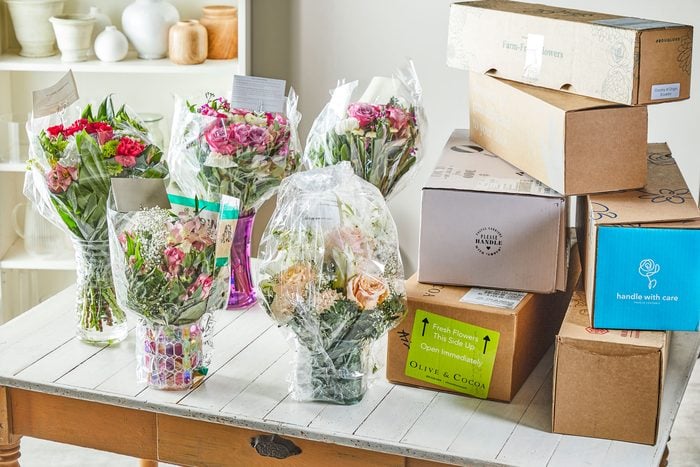
The smart way to decide how to pack artificial flowers for shipping is to start with pack-friendly product choices: moderate stem length, stable pots, and detachable parts that fit standard cartons.
Use in: sourcing checklists and RFQ templates for new product lines.
Design choices that travel better
When U design new SKUs, U can ask simple questions:
- Can this stem bend slightly for packing?
- Can we ship the pot and arrangement in two parts?
- Is the pot weight balanced with stem height?
- Does the foliage snag easily on cardboard?
Many clients only look at how a set looks on a shelf. When we talk about how to pack artificial flowers for shipping, we also look at how it sits in a box. We sometimes shorten stems by a few centimeters, change pot shape, or add a detachable “neck” that locks into the base after unboxing.
These changes do not hurt beauty. They help U ship more safely on Amazon, Etsy, and other marketplaces where returns hit hard.
Working with suppliers on pack tests
When U send RFQs, U can ask suppliers to:
- Propose a standard inner box and master carton
- Share photos of their own shake-tests
- Add simple drop-test videos before U confirm bulk
- Suggest detachable or knock-down versions of large pieces
At Botanic Blossoms, I often run these tests before I send offers. It saves both sides time. It also proves that we think about how to pack artificial flowers for shipping as part of the product, not as an afterthought.
If your team still compares real and fake flowers, U can also refer them to our guide on
artificial plants vs real plants
to understand how logistics, damage rates, and total landed cost change with different materials.
Client story: retailer that scaled without a bigger warehouse
A home décor retailer wanted to grow online sales of artificial flowers, but their warehouse was small. They feared that safer packing would mean much bigger cartons and higher storage cost.
We reviewed their top SKUs and grouped them by “pack-friendly” and “pack-problem.” We redesigned some items so heads were detachable, stems were pre-shaped to fit smaller boxes, and pots used lighter but stable materials.
After we tested and locked one standard for how to pack artificial flowers for shipping for each group, they could stack cartons higher and use space better. Damage went down, and storage did not explode. For them, pack-friendly design was the difference between staying local and selling nationwide.
Conclusion
When U treat cartons as part of the product, U master how to pack artificial flowers for shipping and turn fragile stems into safe inventory that arrives ready to sell, not ready to refund.
Need help building a damage-proof packing standard?
Share your current photos, damage rate, and main SKUs with me. I will help U redesign how to pack artificial flowers for shipping with clear SOPs your team can follow.
I am Jasmine, Founder & CEO of Botanic Blossoms. My team and I work with hotels, event planners, retailers, and online sellers who want fewer breakages and better reviews. When U are ready, U can send me your packing photos, carton sizes, and target platforms, and we will build a simple, testable way for how to pack artificial flowers for shipping across all your routes.
FAQ
Q1: What carton size is best when I plan how to pack artificial flowers for shipping?
U get the best results with cartons that fit the product closely, with limited empty space. Oversized cartons invite movement and collapse. It is better to use more medium cartons than a few huge ones where items float.
Q2: Should I ship artificial flowers fully arranged or in parts?
If stems are tall or pots are heavy, it is safer to ship in parts. U can send stems and pots separately in one carton with clear assembly steps. This method makes how to pack artificial flowers for shipping easier and reduces damage in tall centerpieces.
Q3: How much bubble wrap is enough for artificial flowers?
Bubble wrap is only one tool. U still need bundles, sleeves, and dividers. If U must use a lot of bubble wrap to feel safe, the structure inside the box is not right. Focus on locking movement first, then add wrap only where it protects petals and pots.
Q4: How do I reduce damages when shipping on Amazon or other marketplaces?
Start with your top 10 SKUs. For each one, define a fixed method for how to pack artificial flowers for shipping, test-drop a sample carton, and then lock that method in an SOP. Marketplaces reward consistent packaging with fewer returns and better feedback.
Q5: Can I use poly mailers instead of cartons?
For most artificial flowers, I do not advise this. Poly mailers bend stems and give no corner protection. A small, strong carton with light padding is a better way to approach how to pack artificial flowers for shipping, especially for long stems and pots.
Q6: How often should I review my packing method?
Review once a year or when U change product size, materials, or courier. Run fresh drop and shake-tests and check current damage rates. As your mix changes, your answer to how to pack artificial flowers for shipping must also update.
Q7: What is the best filler material inside cartons?
Kraft paper is flexible, clean, and easy to control. Air pillows work well when U stop movement in key spots. Loose foam chips are messy and hard to standardize, so I rarely use them when I design how to pack artificial flowers for shipping for B2B clients.
Q8: How can I train new staff quickly on safe packing?
Use one-page SOPs with photos for each main SKU. Show correct bundling, inner box use, and void-fill. Ask new staff to pack one carton, then shake and open it together. This makes how to pack artificial flowers for shipping easy to learn through real feedback, not theory.
Q9: What if my supplier packs badly before export?
Ask for unpacking videos from random export cartons. Share your packing standard and ask them to follow it. If U cannot change their method, consider bulk import and local repacking for key markets. U still control how to pack artificial flowers for shipping in the last mile.
Q10: How can Botanic Blossoms support our packing improvements?
My team can design SKUs, inner boxes, and master cartons together. We can run sample drop-tests, share videos, and build SOPs for your 3PL. When U think about how to pack artificial flowers for shipping as a shared project, U cut damage and protect every channel U sell in.