
Imitation Wedding Flowers: 15 Proven Rules to Cut Waste with Bulk & Kits?
Wedding teams lose money when cartons arrive wrong, colors do not match, and staff rush to fix mistakes in the last week. Waste climbs. Margins sink. Clients still expect magic.
The fastest way to cut waste with imitation wedding flowers is to split orders into bulk and kits by role, lock colors with small test runs, and use simple SOPs for labor, QC, and repack.
For multi-venue planners and décor brands, well-planned imitation wedding flowers also protect U from last-minute fresh flower price spikes and supply disruptions.
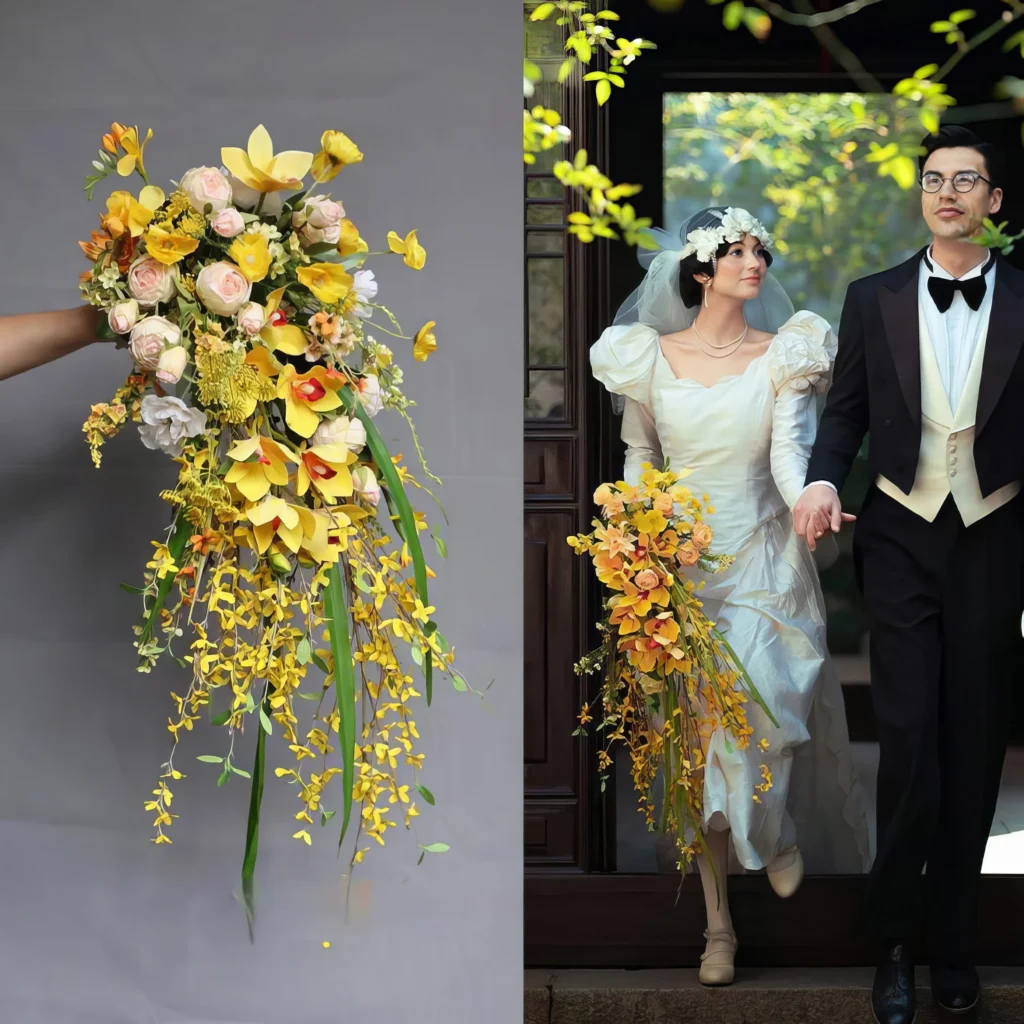
U probably see the same pattern when U handle multiple weddings per season. Teams rarely lose money on the big idea. They lose money in the details. Wrong ratios. Extra cartons nobody uses. Last-minute rework. This article walks U through how to structure imitation wedding flowers for B2B use so your team uses every stem with confidence.
For B2B planners, rental houses, and online décor brands, well-structured imitation wedding flowers turn into a reusable asset U can rotate across venues, upsell into higher-margin packages, and photograph once for many seasons of marketing content.
Imitation Wedding Flowers: Decision Tree—When Bulk Wins, When Kits Win?
Many teams try to solve every wedding with one buying style. Either they buy everything in bulk or they ask for full pre-made kits. Both lead to waste when the order does not match the real job mix. The right split of imitation wedding flowers between bulk and kits keeps stock lean, labor predictable, and service levels high.
Bulk works best for repeatable elements and long runs. Kits work best for high-touch items and fixed sets. U can use a simple decision tree built on repeat rate, design freedom, and storage limits.
When U map your season, imitation wedding flowers give U the option to standardize SKUs while still keeping room for creative styling in each venue.
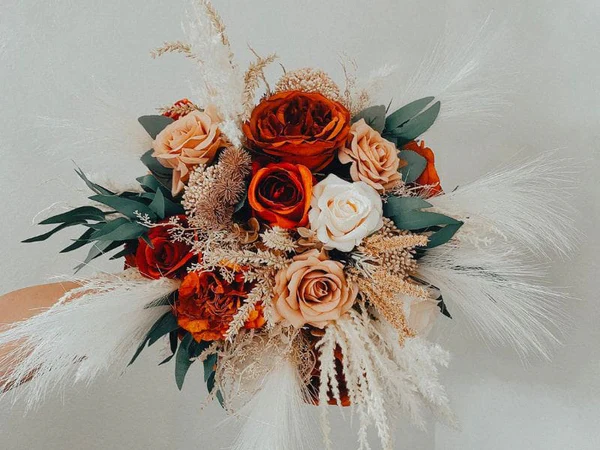
How U decide between bulk and kits for imitation wedding flowers
When a new client comes to U, start with three questions. First, which parts of the wedding work repeat every week? Second, where do your designers want freedom? Third, how much storage space does your team control?
One client from Canada ran a mixed business: full-service weddings, décor rentals, and a small retail shop. At first, she ordered only bulk imitation wedding flowers. Pallets looked efficient. But her team cut and sorted for hours before every big weekend. Staff worked late. Mistakes happened. Some cartons never even opened.
The solution was to change the structure. For aisle markers, centerpieces, and altar pieces that changed style often, they kept bulk. These lines needed design freedom. Her senior designer liked to adjust shapes on site. Bulk gave that space. For welcome tables, cake flowers, bridesmaid bouquets, and chair accents, they moved to kits. These items had clear recipes and repeat counts.
A basic decision tree looked like this:
- If an item repeats at least 15–20 times per season and design is fixed, favor kits.
- If an item changes style often or needs on-site creativity, stay with bulk.
- If an item is a “maybe add-on,” test with small kits and scale once sales prove stable.
Before U lock a large order, walk through the decision tree with real numbers: last year’s booking data, your average spend per event, and how many times each set will be reused. When U map those numbers onto your imitation wedding flowers plan, U see clearly which items deserve kit treatment and which should stay in flexible bulk.
One of her biggest wins came from cake flowers. Before, she ordered loose blooms. Staff built sets the night before each wedding. After they moved to cake-flower kits, each box held enough imitation wedding flowers for two cakes with backup pieces. Staff opened one box and finished two cakes in under 10 minutes.
The same thinking works well for other B2B clients. A rental warehouse in Australia now buys bulk greenery garlands and loose stems, because they reuse them in many ways. At the same time, they buy pre-packed head table kits and photo backdrop kits. This split cut their pre-event sorting time by almost half.
If U want more background on how U can combine realism and reuse in décor, U can also look at our internal guide on making artificial flowers look real in professional displays. It shows how structure and realism work together in long-term projects.
Palette Packs: Hero-Bridge-Softener With 5–7 SKUs?
Color is where most waste happens. Teams buy too many shades that do not mix. Some boxes become “never touch” stock. The palette looks messy. Photographers complain. End clients feel something is off.
Build palette packs from 5–7 SKUs: hero colors, bridge tones, and softeners. This keeps imitation wedding flowers flexible, photogenic, and easy to reuse across styles and venues.
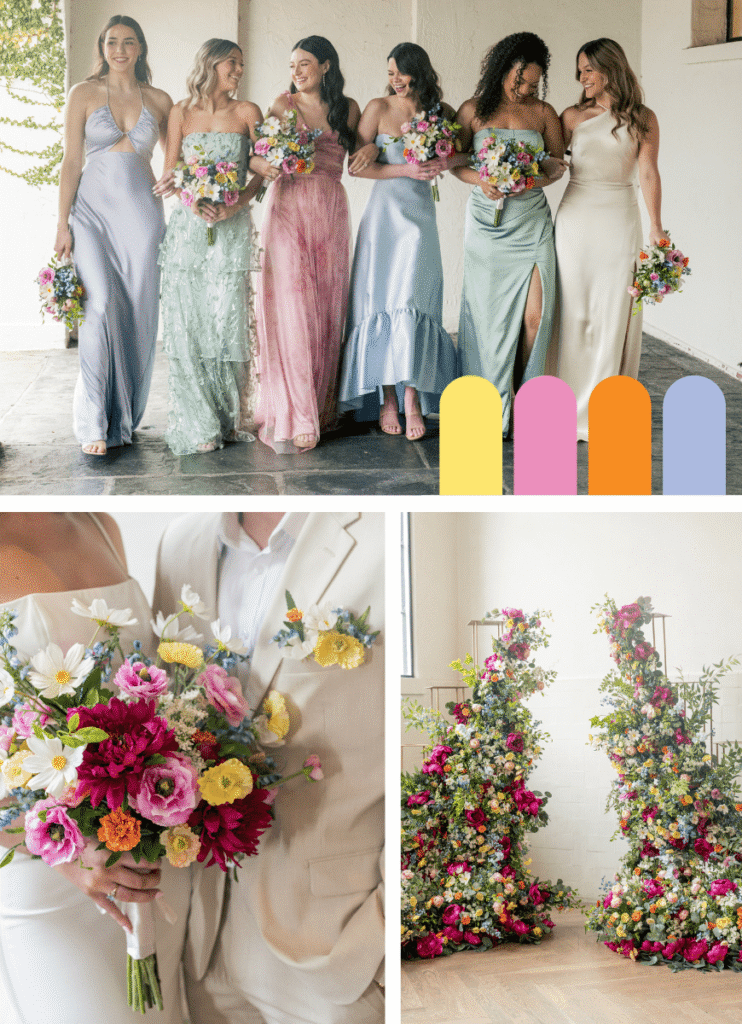
How U build a palette that works for real weddings
When U talk about “hero-bridge-softener” with your team, keep it very practical. A hero is the main color that shows in every photo. A bridge connects hero colors to foliage and neutrals. A softener calms the palette and gives room for skin tones and dresses.
A planner from Germany once asked for “a very rich, very romantic palette” for imitation wedding flowers. Her team handled 30–40 weddings per season. They liked berry, blush, and cream looks. In the first call, she listed 15 different shades. If they had produced all of them, her stock would have been huge and hard to manage.
The better move was to cut down to 7 core SKUs:
- 2 hero tones (deep berry rose and warm blush)
- 3 bridge tones (mauve, dusty pink, warm nude)
- 2 softeners (ivory and light champagne)
Each SKU was built in several forms: open rose heads, spray clusters, and a few focused greenery accents. Her team then mixed these shapes but stayed inside the same palette pack. This meant they could create full berry looks, soft blush looks, or mixed schemes, all from the same cartons.
Over one year, she reported two clear gains. First, photos looked consistent across her website, Instagram, and real weddings. Second, her dead stock dropped, because almost every stem could join any new design. She even reused stems from a winter wedding in a spring micro-wedding just by changing how much ivory and greenery she used.
U can also feed your social media and website galleries from a single palette pack. When the same imitation wedding flowers palette appears in flat lays, arches, and bridal party shots, algorithms read a strong brand signal and clients feel that U deliver a consistent, premium experience.
When U plan your own palette pack, start from your brand images, not from a color chart. Look at your past weddings on your site or on platforms like The Knot or Martha Stewart Weddings. See which tones appear again and again. Build your hero colors from there. Then U and your supplier match bridge and softener tones that support those images. This makes your imitation wedding flowers feel like “your brand,” not random boxes from a catalog.
If U need help with outdoor color hold, especially for arches and outdoor ceremonies, our guide on UV-treated artificial plants and color lifespan (see our main blog hub) goes into more detail about sun exposure and testing.
Labor & Budget: Minutes per Piece, Waste Cap, Role Cards?
Good product structure fails if labor is not planned. Teams often forget to count minutes. Staff work late. Budget slips. Everyone blames the product when the real gap is the workflow.
Ask your team to track minutes per piece and set a waste cap. Then use simple role cards so every person knows what they build, how many pieces, and what “done” means.
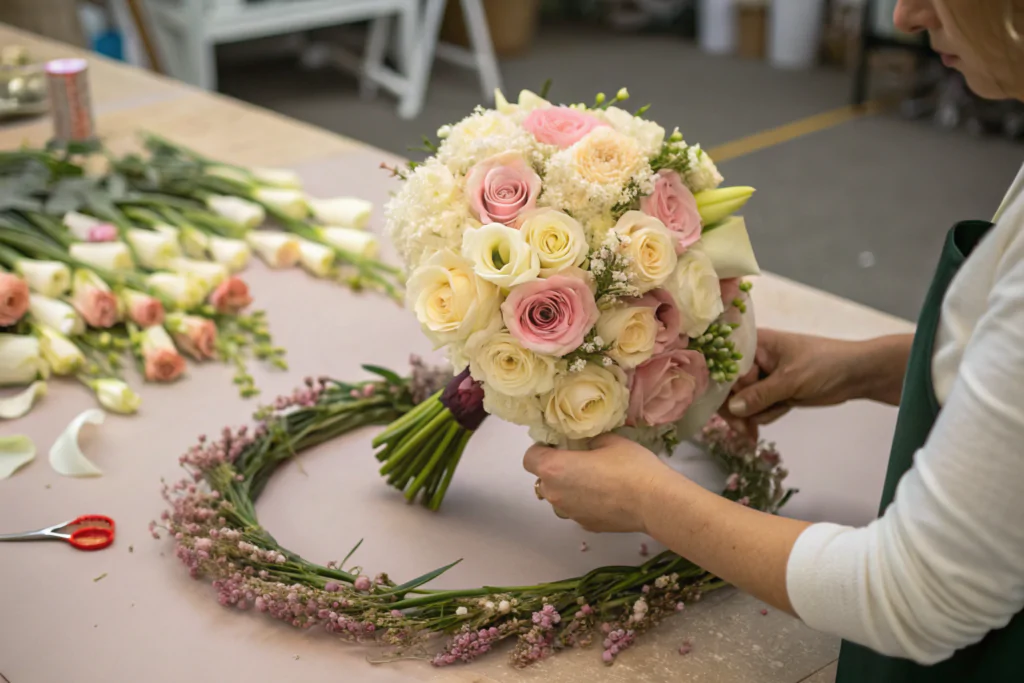
How U link imitation wedding flowers to real labor and waste limits
B2B partners often focus on product price and forget that imitation wedding flowers are also a labor cost. In one project with a large event company in the UK, the team shared their numbers. Material was under control. Labor was not. Staff stayed until midnight before big weekends.
The fix started with something very simple. For each key item, they timed how long it took one trained staff member to build it from kits or bulk. A standard bridesmaid bouquet from a kit took 7–9 minutes. A complex arch section from bulk stems took 25–30 minutes. A small table piece took 5–6 minutes.
With these numbers, they built a basic budget: total minutes per wedding, per staff member, per day. Then they added a visible waste cap. For most clients, a 3–5% material waste allowance works well. That includes stems trimmed too short, broken pieces, and backup stock.
Many teams now build a simple spreadsheet where each line item combines product cost plus minutes of labor. Once U plug in salaries and overhead, U see the true landed cost of every piece made with imitation wedding flowers, which helps U price packages with confidence and protect your margin.
To keep things clear on site, use simple role cards. Each card lists:
- The item name and photo
- How many pieces to build
- Which carton or kit code to pull
- Time target per piece
- What to do with leftover stems
In the UK project, the team printed and laminated role cards. Staff kept them at each work table. The team lead could see at a glance who handled arches, who handled bouquets, and who handled repack.
After two months, the team noticed something important. The total product cost did not change much. But overtime dropped. The team felt calmer. They had fewer last-minute “where is that stem” moments. The owner finally saw the real value of well-structured imitation wedding flowers. He did not just see pretty samples. He saw labor that he could control.
If your team also manages storage between events, take a look at our guide on how to clean and store silk flowers without color fade. It helps U keep reused pieces in good condition, which further protects your budget.
Sample Policy That Saves Cash: Credited Deposits and Swatches?
Samples can eat a lot of budget if there is no clear policy. Some clients ask for many full pieces before they decide. Suppliers ship heavy boxes. Both sides lose time and money.
Use a simple sample policy: small swatch sets and mini bundles, a clear sample deposit, and credit of that deposit on the first bulk order once designs lock.
How U keep sampling focused and fair for both sides
When U work with many international buyers, U quickly see how sampling can go wrong. One US client once asked three factories for full bouquets, centerpieces, and garlands as free samples. Factories pushed back. Trust dropped on both sides. The project moved slowly.
When she came into a more structured process, the first step was to reset expectations. Sampling was broken into two steps.
Step 1: Swatch cards and small bundles. Swatch cards and small stem bundles are sent first. Each bundle shows the exact materials for the chosen palette: a few rose heads, filler flowers, and greenery. Small cut pieces of ribbon, lace, and other details for handles and ties travel in the same box. The freight stays light, and the client can see color, touch texture, and test how the imitation wedding flowers look under their venue lighting.
Step 2: Mini master samples. Once palette and textures are confirmed, move to “mini master samples.” These are one or two complete pieces: for example, one bouquet and one table arrangement. Charge a sample deposit that covers the build labor and part of the freight. In this model, that deposit is fully credited when the first production order meets an agreed minimum.
On the client side, U can position this as a professional step: “We run all our key looks through lab-style sampling with imitation wedding flowers first, so U are not paying for guesswork on your main order.” This language reassures corporate and venue buyers that the deposit is about quality control, not extra profit.
Explain this clearly up front in writing. Many B2B clients appreciate the transparency. They know U also invest real time in engineering and QC. When everyone knows that the sample deposit comes back into the first invoice, the process feels fair.
A wedding rental company from Australia followed this policy for a large arch and backdrop project. They paid a deposit for their mini master samples. Together with the supplier, they fine-tuned the design after using them in a showroom shoot. When they were ready, they placed their first full order and received the full sample deposit as a credit. Later, the owner said this structure made it easier to present the cost breakdown to his finance team.
If U want to see how we think about durability and testing before mass production, look at our internal resource on UV-treated and outdoor-safe artificial plants (also available on our blog). It shows why some materials cost more at sample stage but save money in long-term use.
First-Open QC & Repack SOP for Wedding Week?
The most stressful moment is not the sample meeting. It is the first opening of production cartons in wedding week. If that moment is chaotic, small issues become big delays. Teams blame the flowers again.
Set a simple first-open QC and repack SOP: open early, check with a short list, photograph issues, and repack into “wedding-ready” cartons or kits so staff do not sort from scratch later.
How U protect wedding week with a clear QC and repack flow
Start with one key question: “When do U open your cartons?” Many teams answer, “Two or three days before the wedding.” The next question is, “What happens if something is wrong?” That silence is where U begin.
For one Middle East client who managed hotel décor and weddings, the team designed a very short QC checklist for imitation wedding flowers. It fit on one A4 sheet. The checks covered four points:
- Color and finish match the approved samples.
- Stem counts match the packing list.
- Main shapes are not crushed beyond simple reshaping.
- Kits contain all parts listed on the kit card.
The agreement was simple: their team would open cartons at least ten days before the first wedding that used those pieces. They checked each line against the sheet. If they saw any problem, they took clear photos and videos and sent them to the supplier the same day. Because a written SOP existed, everyone could solve issues faster, with partial replacements or credit notes where needed.
It also helps to mark cartons with simple icons for ceremony, reception, photo area, and back-up stock. When every box of imitation wedding flowers carries both a text label and an icon, even temporary staff or freelancers can grab the right pieces fast during wedding week.
The second part was repack. Instead of leaving imitation wedding flowers in big mixed cartons, they repacked into “wedding-ready” boxes. For example, one box might hold all stems needed for five guest tables. Another box might hold everything required for the ceremony arch. Each box carried a label with the event name, date, and item type.
One story from that client shows the impact. Before the change, staff often opened cartons during the night shift before a major event. They dug for stems, then tried to match colors while tired. After the new SOP was in place, the QC and repack job moved to a quiet weekday afternoon, ten days ahead. Wedding week became lighter. The manager said, “The flowers feel more like a system now, not just stock.”
If U already run strong QC for other décor items, like candle holders or linens, U can slot these flower steps into the same rhythm. Our article on what to put in fake plant pots for stable outdoor use uses similar thinking for planter stability and can support your wider SOP design.
Call to Action: Plan Your Next Season With Less Waste
When U structure imitation wedding flowers well, U do not just get pretty photos. U get calmer teams, clearer numbers, and happier clients. If U want help to build your next bulk and kit mix, color packs, and QC flow, our team is ready to support U.
Over a full season, this kind of structure turns imitation wedding flowers into a predictable supply chain: fewer rush orders, fewer last-minute substitutions, and a clear story U can show to venues, hotels, and retailers when U pitch long-term partnerships.
Ready to cut waste on your next wedding season?
Conclusion
When U treat imitation wedding flowers as a system, not just a product, U reduce waste, protect labor, and give every wedding a more reliable, repeatable beauty.
FAQ
1. How do I start if I have never used imitation wedding flowers before?
Start with one or two pilot weddings. Use small palette packs and limited kits. Track how many pieces U use, how long builds take, and how clients react. Then scale step by step.
2. What minimum order quantity do U usually require for bulk imitation wedding flowers?
Most bulk lines start at one full carton per SKU, which can range from 60 to 240 pieces depending on the item. For large clients and long-term plans, MOQs can be aligned with your season forecast.
3. Can U match my current fresh flower palette with imitation wedding flowers?
Yes. Usually the process starts from your real wedding photos, mood boards, or Pantone references. From there, hero, bridge, and softener tones are developed to sit close to your existing brand palette.
4. How far ahead should I place orders for a full wedding season?
For a full-season mix of bulk and kits, plan at least 60–90 days ahead of your first major event, especially if U need custom colors or packaging.
5. Can U pack items by event instead of by product type?
Event-based packing works best when recipes are stable. Usually items are packed by product type, then your team repacks into event-based cartons using a clear repack SOP.
6. How do U handle defects or damage on arrival?
Ask your team to run first-open QC within a set time, share photos or videos, and record quantities. Based on that, suppliers can arrange replacements, partial credits, or other solutions that keep your calendar safe.
7. Do U support white-label or custom branding on kits?
Yes. Branded stickers, cards, or simple printed sleeves on kit boxes are common. This helps when U resell or when U want your team to see your own brand first on every carton.
8. How do I explain sample deposits to my finance team or partners?
Present them as an engineering and validation cost that later converts into product value. In the credited-deposit model, the deposit reduces the first confirmed order above an agreed quantity.
9. Can I mix indoor and outdoor use with the same imitation wedding flowers?
Sometimes yes, but not always. Outdoor pieces may need UV-treated materials and different stems. Many teams design a base palette for indoor use and a compatible outdoor line for arches and entrances.
10. What information should I prepare before asking for a custom plan?
It helps if U know your typical wedding size, key styles, main colors, storage space, and staff structure. Even rough numbers give enough input to design a first-draft bulk and kit plan for U.
Footnotes
- For a detailed comparison of real vs. imitation wedding flowers, see the guide from Kennedy Blue on real versus fake options for weddings.
- For more insight into buying in bulk versus retail and why wholesale structures cut waste, review Whole Blossoms’ article on bulk vs. retail wedding flowers.
- For a practical wedding flower checklist that supports QC and first-open planning, refer to Rio Roses’ “Ultimate Wedding Flower Checklist.”