
Seasonal Rotation Plan for Faux Flowers — 12 Rules That Cut Dust and Waste
Many facilities spend excessive time cleaning artificial flower displays, yet dust rapidly returns, colors fade, and staff become frustrated. The real issue is not cleaning—it is the absence of a strategic seasonal faux flower decor rotation system.
Implementing a seasonal faux flower decor rotation plan based on traffic, zones, and wear patterns minimizes dust, lowers labor costs, and keeps every display consistently vibrant and visually impactful.

Clients commonly request less dust accumulation, brighter displays, and reduced staff workload. A seasonal faux flower decor rotation plan solves these issues from the root. By controlling rotation schedules, you maintain color vibrancy, reduce labor, and extend the life of each arrangement. For creative backdrop ideas, reference our Artificial Flower Wall Guide.
Why Seasonal Rotation Matters More Than One-Time Cleaning
Many teams clean artificial flowers frequently, wiping, blowing, or lightly washing them. While displays look temporarily refreshed, dust and debris quickly return. Colors appear muted, and the visual impact diminishes.
Seasonal faux flower decor rotation is crucial because it removes worn displays before they degrade the overall space. This reduces cleaning hours and ensures long-term visual impact.
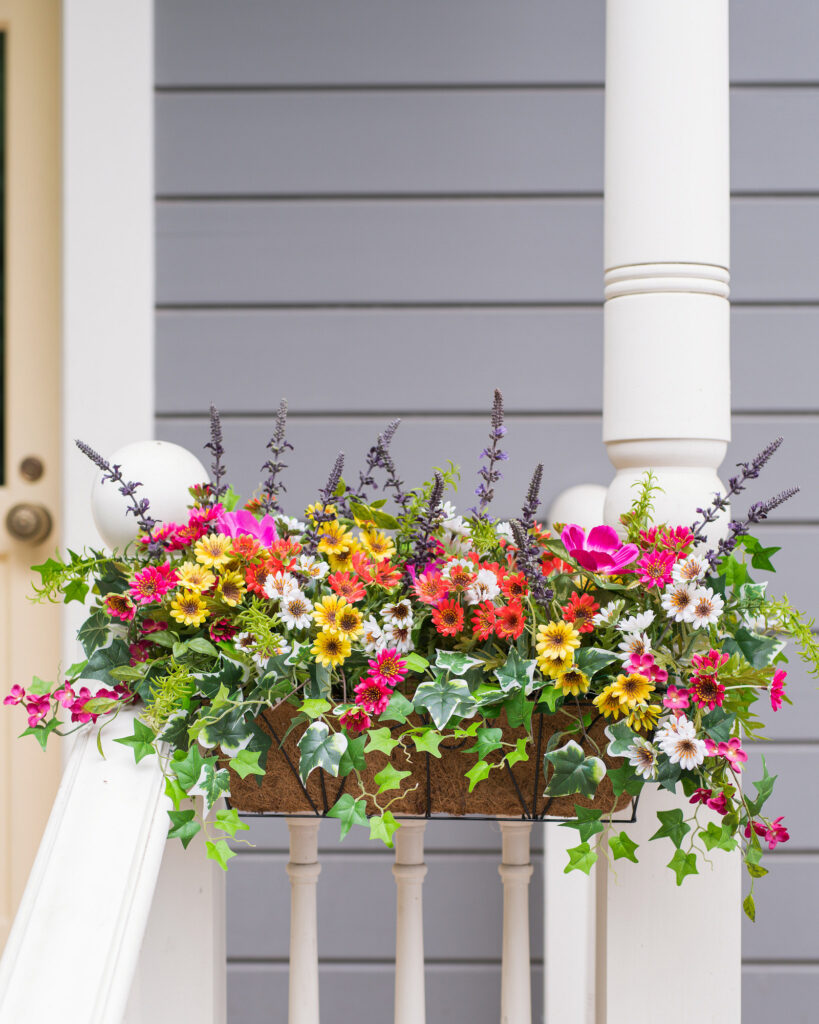
For example, a hotel group in Australia cleaned weekly, exhausting staff while guests still noticed dull displays. Implementing a seasonal faux flower decor rotation schedule with labeled bins and zone IDs dramatically reduced labor and improved guest satisfaction.
Seasonal rotation transforms maintenance from reactive cleaning to proactive replacement and repair. Items are removed, inspected, and repaired before permanent UV or dust damage occurs. The process is repeatable, scalable, and measurable.
- Classify displays by traffic exposure: high, medium, low.
- Assign seasonal themes and color palettes for faster swaps.
- Use a storage system that supports rotation. Inspect each piece for broken stems and loose petals.
- Create a visible rotation calendar with assigned owners.
- Track KPIs: cleaning hours, replacement rate, and guest feedback.
Using this approach in a Canadian retail chain increased average display life, reduced repetitive cleaning, and supported seasonal photography campaigns. For safe cleaning of glued silk, see How to Wash Silk Flowers Without Ruining Them.
12 Rules to Plan Seasonal Faux Flower Decor by Zone and Traffic
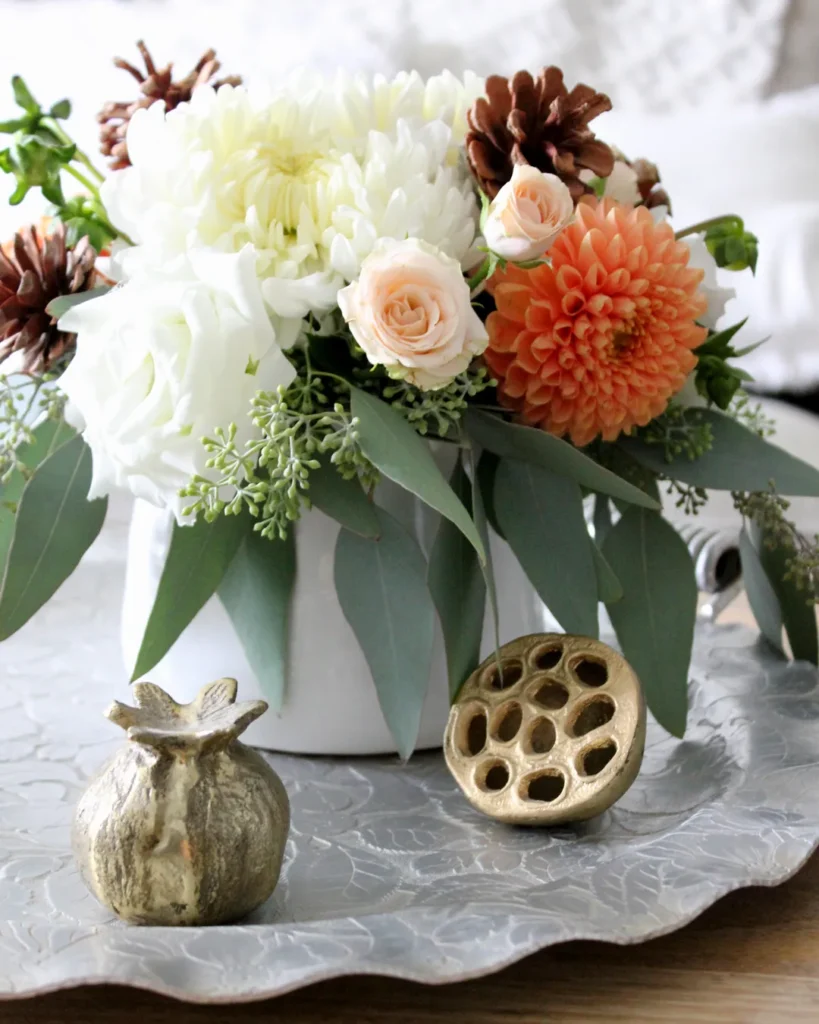
Random placement creates wasted labor and uneven wear. These 12 rules standardize seasonal faux flower decor rotation:
- Rule 1: Map high, medium, low traffic zones and assign IDs.
- Rule 2: Select three core color families per year.
- Rule 3: Assign rotation cadence: high-traffic (every season), medium (two seasons), low (annual).
- Rule 4: Use UV-safe materials near windows and outdoor entries.
- Rule 5: Reserve dense arrangements for indoor, low-draft areas.
- Rule 6: Standardize container sizes to speed swapping and reduce errors.
- Rule 7: Tag each display with SKU, zone, season, and a reference photo.
- Rule 8: Photograph displays before rotation as visual templates.
- Rule 9: Set cleaning frequency per zone: weekly (high), biweekly (medium), monthly (low).
- Rule 10: Keep seasonal bins organized by zone and color family.
- Rule 11: Schedule repair passes during storage to fix loose stems and petals.
- Rule 12: Conduct quarterly reviews to adjust rotation for events and traffic changes.
These rules helped a Singapore mall reduce emergency fixes by 60%. For locations shipping displays between sites, pair rotation rules with proper packing methods for smooth logistics.
Combine Cleaning, Storage, and Repairs in One SOP
Separating cleaning, storage, and repairs leads to inefficiency and lost parts. A single SOP for seasonal faux flower decor reduces handoffs, speeds rotation, and extends display life.
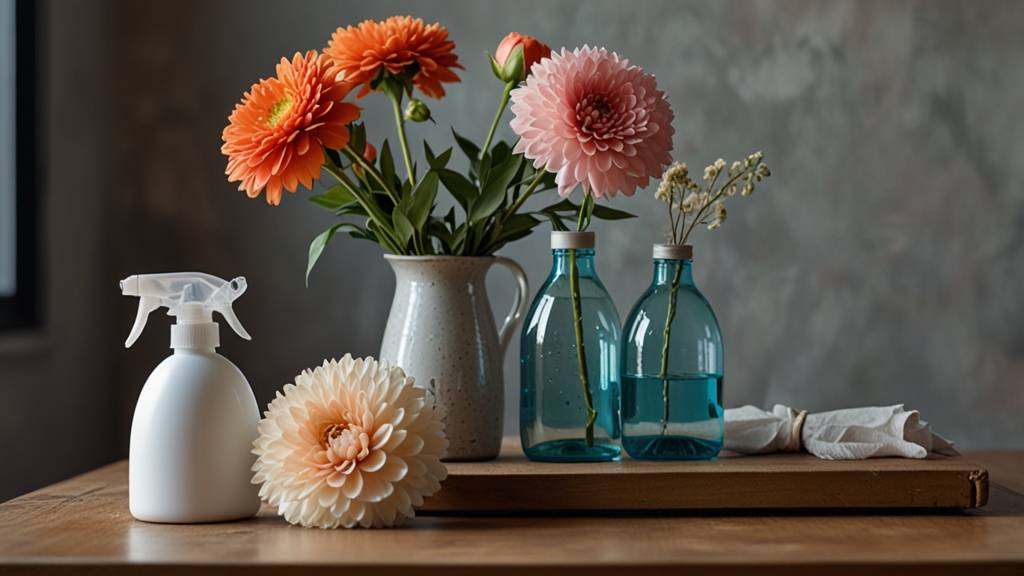
- Prepare a mobile cart with compressed air, microfiber cloths, glue, spare petals, and wire cutters.
- Clean using three simple actions: blow, wipe, shape. Avoid water unless product is washable.
- Inspect each piece after cleaning. Tag damaged items with SKU and notes.
- Repair small issues immediately. Re-glue petals, tighten wire cores, and replace missing leaves.
- Pack into labeled seasonal bins with dividers to prevent crushing.
- Log items into a rotation tracker with SKU, zone, photo, and next rotation date.
- Perform mid-season spot-checks during storage to identify hidden damage.
This SOP reduces repeated handling, cuts labor, and lowers recurring replacement costs. For detailed cleaning guidance, see The Spruce: How to Clean Fake Flowers.
Dashboard Ideas: Track Display Health Across Multiple Sites
Managers often struggle to monitor display conditions across multiple locations. A dashboard for seasonal faux flower decor provides scores for dust, color, structure, and seasonal readiness.
Weekly photo submissions create a visual timeline. Include inventory for replacement parts. Track trends to adjust rotation frequency and SKU performance. For visual inspiration, see CV Linens DIY Faux Flower Wall.
Buying Strategy: Build a Core Faux Flower Library
Random additions create mismatched displays. A core library ensures consistency, simplifies rotation, and aligns seasonal faux flower decor:
- Long-life greens (40–60% of display): eucalyptus, boxwood, ivy.
- 8–12 base flowers: roses, peonies, hydrangea clusters.
- Seasonal accents: spring pastels, summer saturated greens, autumn warm tones, winter whites/metallics.
- Standardize stem gauges and head sizes for easier assembly and packing.
- Control dye lots and maintain a printed color chip book for consistent color.
Negotiate repeat-buy discounts, maintain safety stock, and use dashboards to track SKU performance. Combining a core library with seasonal faux flower decor rotation ensures every display is cohesive, visually appealing, and cost-efficient.
FAQs
- How often should I rotate faux flower displays? Every season for high-traffic zones; every 90 days for medium-traffic zones.
- Does seasonal rotation reduce cleaning time? Yes, most clients cut cleaning hours by 30–40%.
- What storage bins work best? Clear bins with dividers and top clearance for flower heads.
- How do I train staff quickly? Use photos, a one-page SOP, and a 10-minute demo.
- How many core SKUs should I maintain? 30–50 core SKUs plus small seasonal accents.
- How to avoid dye-lot mismatches? Keep a color chip book and order the same dye lot for each SKU.
- When should repairs be done during rotation? During storage before binning.
- Can rotation be tracked simply? Yes, using Google Sheets or Airtable with photo uploads.
- Do I need UV-safe pieces? Yes, for sun-exposed areas.
- How do I measure rotation success? Track cleaning hours, replacement spending, and display readiness rate.
Conclusion
Seasonal faux flower decor rotation reduces dust, cuts labor, extends display life, and ensures consistent visual impact. Implementing 12 rules, a unified SOP, dashboards, and a core SKU library creates a scalable, repeatable system for hotels, retail chains, and event spaces.
Call to Action
Need a custom seasonal rotation plan, zone map, or SKU library?
Request Your Free Rotation & Storage Proposal
References
- Explore how seasonal faux flower decor can enhance display longevity and reduce maintenance. Learn more.
- Learn about UV-safe materials to protect displays from sun damage. Read guide.
- Explore tips to prolong the life of faux flower arrangements. See details.