
Are Artificial Flowers Tacky? Why Modern Faux Florals Look Different Now
Poor artificial flowers can weaken a beautiful space. They look flat, collect dust, and make buyers question the quality of the whole design.
So, are artificial flowers tacky? Not when buyers choose realistic materials, natural colors, correct scale, and professional styling. Modern faux florals can look refined, consistent, and suitable for luxury homes, weddings, hotels, restaurants, and retail displays.
When buyers ask whether faux flowers look tacky, I usually tell them to judge the full product, not the category name. Material, color, shape, finish, styling, and maintenance decide the final result.
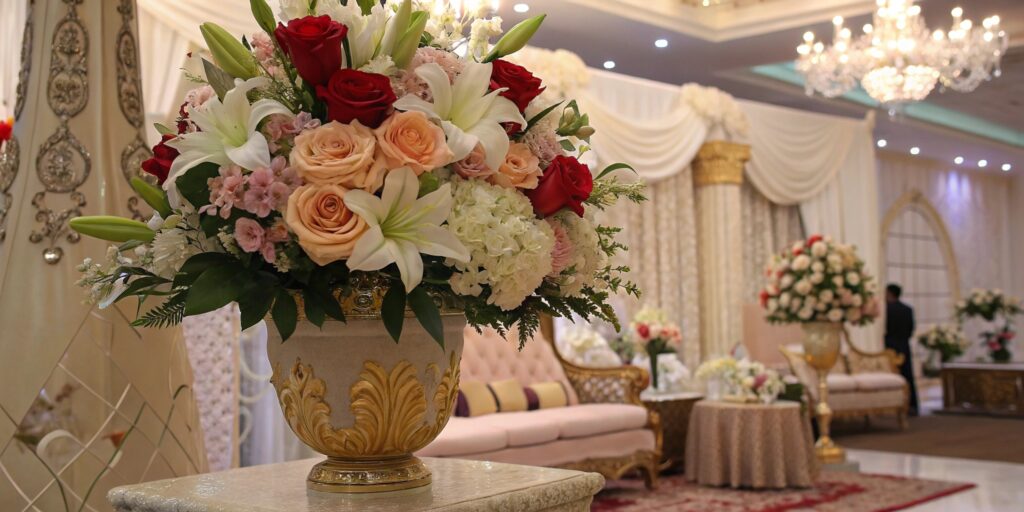
I have worked with artificial flowers for more than ten years. I have seen poor products damage buyer confidence. I have also seen well-made faux florals transform large commercial spaces.
The difference does not come from the word “artificial.” The difference comes from material, color, construction, styling, and supplier control.
Why Did Artificial Flowers Have a Cheap Image Before?
Older faux flowers often used shiny fabric, hard plastic leaves, and obvious glue. Those details made the whole arrangement look low in value.
Artificial flowers gained a cheap image because early products had limited materials, simple molds, bright colors, thick stems, and weak finishing. Poor styling made these problems even easier to notice.
The Old Problem Was Not Only the Material
Many people ask me, “Are artificial flowers tacky because they are fake?” I do not think that is the right question.
A product can be artificial and still look elegant. The real problem is that many older faux flowers were made to reach the lowest possible price.
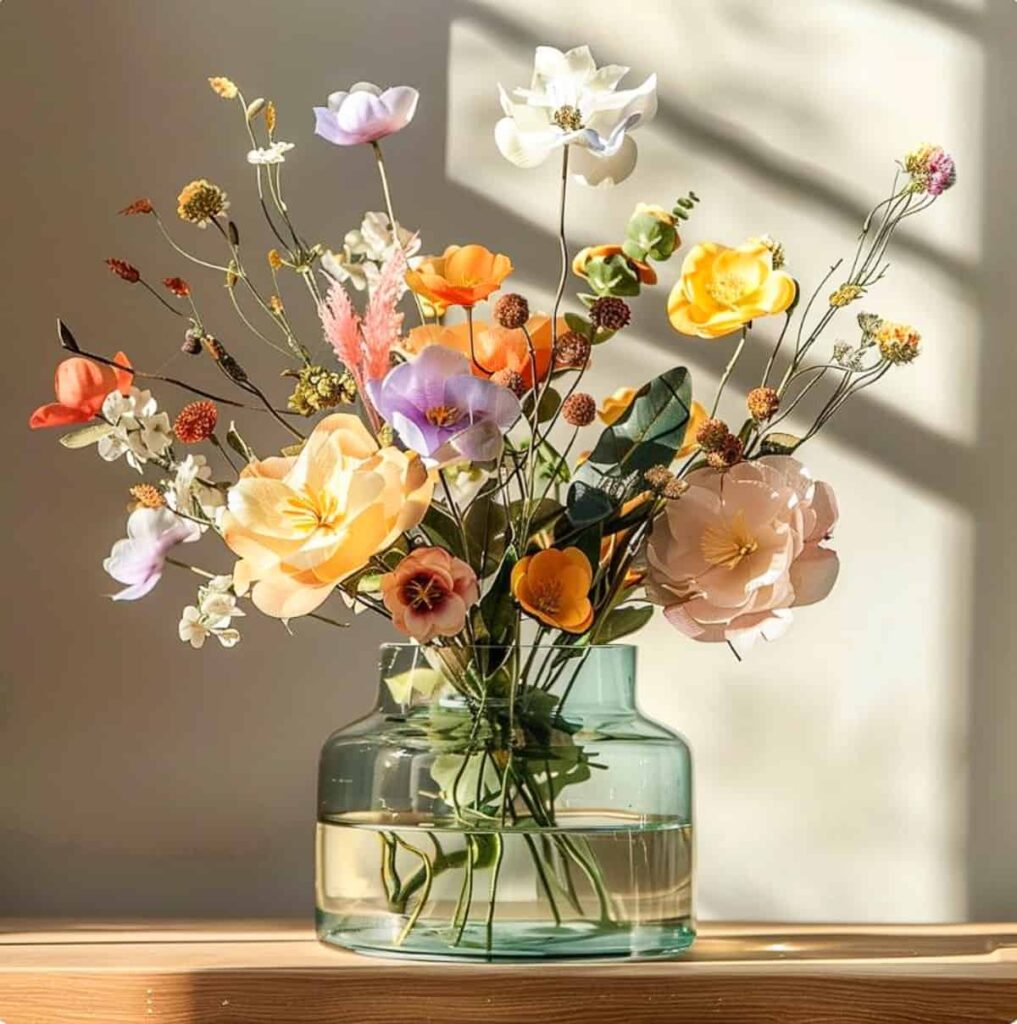
Low-cost petals often had one flat color. Real flowers rarely look like that. Natural petals have soft gradients, small veins, different edges, and slight changes from one layer to another.
Older leaves also had a strong plastic shine. Thick stems had visible mold lines. Glue marks were common around the flower head. The arrangement then looked stiff because every stem had the same height and angle.
A buyer once sent me two flower styles and said our quotation seemed high. I understood the concern. I compared the flower heads, fabric density, petal layers, stem coating, leaf texture, and finishing.
The lower-priced option looked acceptable in a small online photo. The differences became clear when the buyer checked the samples by hand. This is a common problem for commercial buyers. A low unit price can create a higher project risk when the flowers look weak after installation.
When buyers ask, “Are artificial flowers tacky?” they often judge the product from a compressed online image. A small image cannot always show petal thickness, stem quality, glue marks, fabric shine, or color depth.
Another reason older arrangements looked tacky is that they ignored natural flower behavior. Every stem stood straight. Every bloom faced forward. Every leaf repeated the same angle. Real plants do not grow with that level of perfect repetition.
Cheap Styling Made Cheap Products Look Worse
Poor arrangement also created the old tacky image. Too many colors, equal stem lengths, and crowded flower heads can make even a fair product look artificial.
I usually suggest a clear color story, mixed flower sizes, enough empty space, and a few natural bends. These small changes make an arrangement feel less manufactured.
Buyers can also read my guide on how to pot artificial flowers. The same basic rule applies to pots, bouquets, flower walls, and large installations. The product needs natural movement and correct scale.
When people ask whether are artificial flowers tacky, they often remember products from ten or twenty years ago. Modern production has changed. Buyer expectations have also changed.
The old reputation is understandable, but it should not define every faux floral product sold today.
Why Low Prices Can Create Hidden Commercial Costs
A cheap flower can become expensive after installation. The buyer may need more stems to create volume. The design team may spend more time reshaping crushed petals. The retailer may receive more complaints. The event company may replace weak products after only a few uses.
I saw this problem when a buyer compared a very low-priced flower wall panel with a denser option. The cheaper panel had fewer leaves and more visible gaps. The buyer would have needed extra panels, loose flowers, and more installation labor to cover the same area.
This is another reason the buyer should consider total project cost. Unit price alone does not show how the final display will look or how much work it will require.
Why Do Modern Faux Flowers Look More Realistic Today?
Modern materials, better molds, hand-finished color, and improved stem construction allow faux flowers to copy natural details more closely.
Modern faux flowers look realistic because manufacturers now combine better textiles, real-touch coatings, layered colors, detailed molds, flexible stems, and more careful hand assembly.
Better Materials Create Better First Impressions
Today, I can choose from silk-like fabrics, polyester, PU, PE, latex-coated materials, and real-touch finishes. Each material has a different purpose.
Soft fabric works well for layered roses, hydrangeas, and peonies. PU can give tulips, orchids, and calla lilies a smooth and slightly moist touch. PE is useful for detailed leaves, berries, succulents, and shaped greenery.
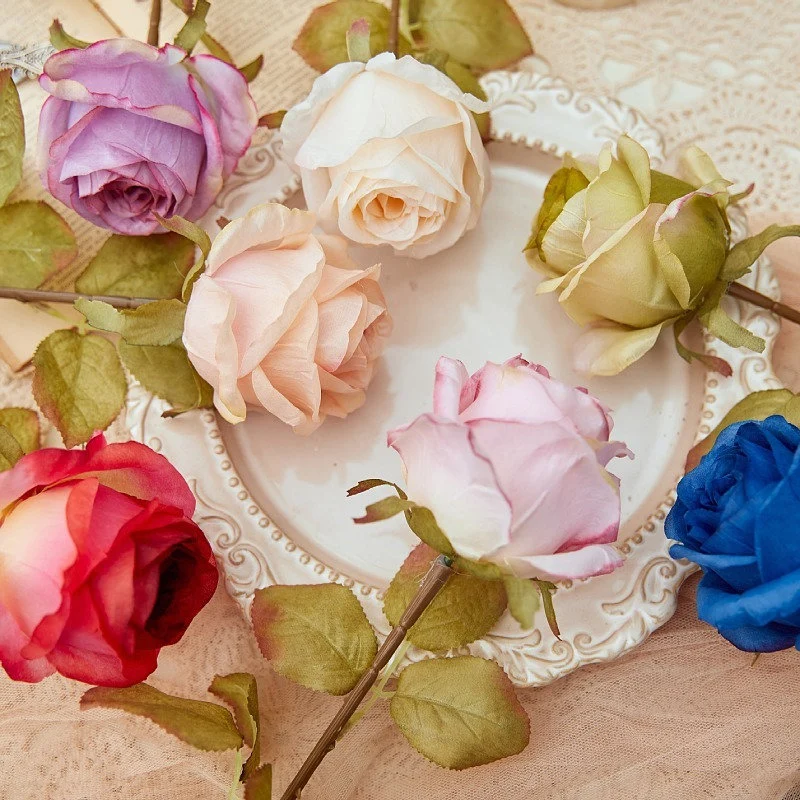
The improvement is also visible in color. Better factories do not rely on one solid shade. They use spray color, edge shading, center shading, and hand painting.
A cream rose may include warm beige near the center. It may also have a very light green tone near the outer petals. These small choices stop the flower from looking like a bright plastic copy.
In one sample-development project, a buyer wanted a softer and more natural flower head for a commercial collection. I did not only change the color.
I adjusted the petal fabric, flower opening, center depth, leaf size, and stem flexibility. The final sample looked calmer and more balanced.
This is why fast sampling is valuable. It gives the buyer a chance to correct the important details before bulk production.
When people ask me, “Are artificial flowers tacky compared with fresh flowers?” I explain that realism depends on more than one feature. The material, shape, color, construction, and arrangement must work together.
For many modern collections, the buyer’s opinion changes as soon as they touch a well-made real-touch sample. Texture can correct the negative impression created by years of low-quality plastic products.
Construction Matters as Much as Appearance
Modern faux florals also use more detailed molds. Good petals do not all have the same shape. The center petals are tighter. The outer petals are more open.
Leaves have visible veins and slightly uneven edges. Stems can be bent without showing white stress marks or breaking. Better flower heads also have deeper centers, so they do not look empty from above.
I check how the product looks from different distances. Online buyers may judge a flower from a close photo. Hotel guests may see it from two meters away. Wedding guests may take close pictures. Retail customers may touch it.
A premium product needs to work in all these situations.
Buyers can review our artificial flower supplier guide before comparing products, materials, and manufacturing ability.
Commercial buyers can also use Pantone as a reference when a project needs a controlled color palette. A shared color reference can reduce confusion between the buyer, designer, and factory.[1]
So, are artificial flowers tacky today? Some products still are. Many modern products are not. Better production gives buyers more control over realism, texture, shape, color, and presentation.
Are Artificial Flowers Tacky in Close-Up Photography?
Close-up photography is one of the hardest tests. A camera can show glue marks, loose threads, rough petal edges, and weak flower centers that a customer may not notice from across a room.
I often ask buyers to review both close-up photos and full-scene photos. The close-up image checks craftsmanship. The full-scene image checks scale, color balance, and visual impact.
A wedding buyer once approved a flower after seeing a full arch. She later asked for macro images before placing the bulk order. We found that one leaf mold looked too heavy beside the soft petals. We replaced it with a thinner leaf and improved the final collection.
When the sales channel depends on Instagram, Amazon, or a wedding photographer, are artificial flowers tacky becomes a photography question as well as a product question. Premium flowers need to survive visual inspection on a high-resolution screen.
How Do Designers Use Artificial Flowers in Luxury Spaces?
Designers use premium faux florals when they need stable color, controlled scale, lower maintenance, and a consistent look across a long project.
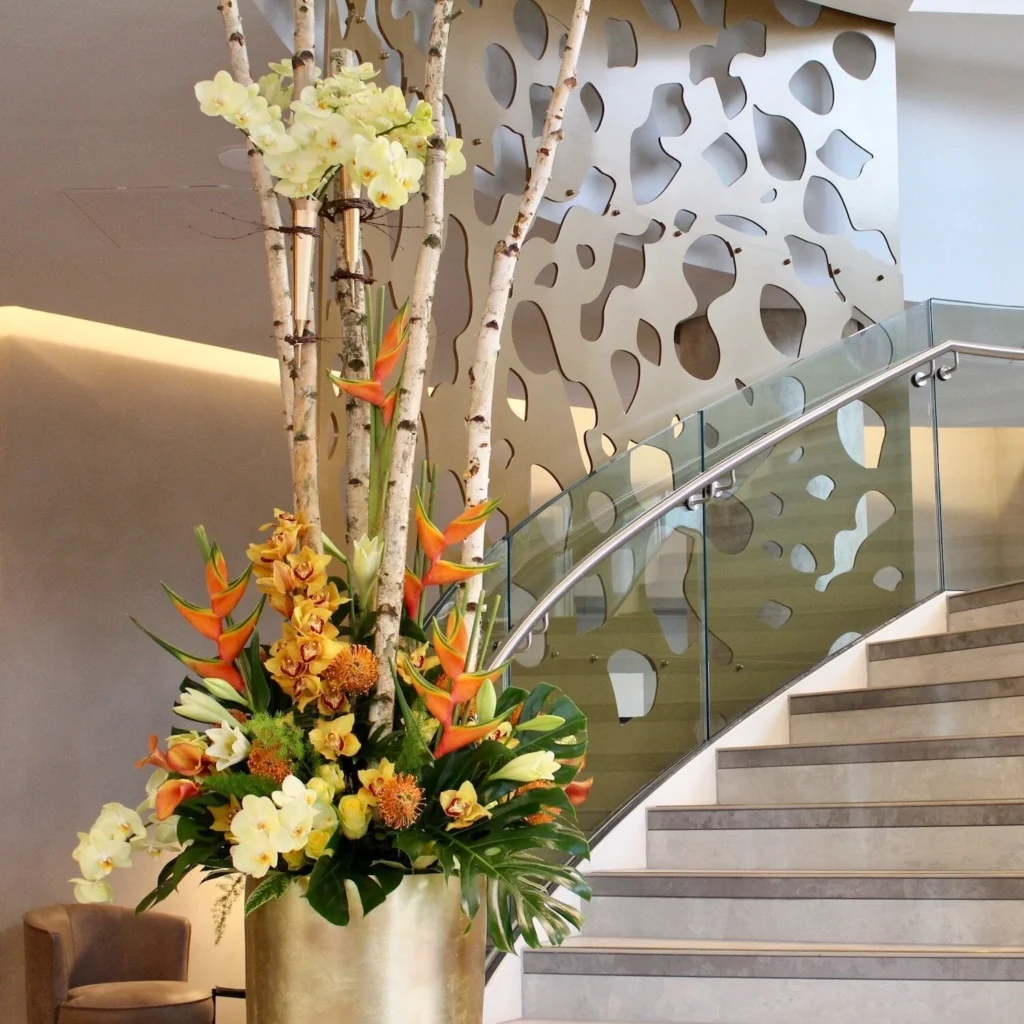
Luxury designers use artificial flowers in statement installations, seasonal displays, hotel lobbies, restaurants, weddings, and retail spaces where consistency and long-lasting visual impact matter.
Luxury Design Depends on Control
Luxury does not always mean using fresh flowers. Luxury means the space feels intentional.
The color needs to fit the interior. The arrangement needs the right scale. The flower quality needs to match the furniture, lighting, metal finishes, and brand image.
Artificial flowers give designers more control. A fresh flower may open too early, wilt under strong lighting, or change color between deliveries.
A faux flower can keep the same shape during sample approval, production, shipping, installation, photography, and later replacement.
I worked on a wedding décor project for a buyer serving the Dubai market. The design included large background structures and an L-shaped floral installation.
The buyer needed strong visual volume, reliable transport, and a stable result after installation. Faux florals gave us more freedom to prepare the color balance and flower placement before shipment.
The buyer could also reuse parts of the arrangement for later events. This helped spread the product cost across more than one project.
When a wedding planner asks, “Are artificial flowers tacky in a luxury venue?” I ask to see the full design. The answer depends on the flower quality, color direction, arrangement structure, lighting, and installation method.
In premium projects, asking whether faux flowers look tacky is often the wrong starting point. The better question is whether the materials, palette, scale, and styling support the brand image of the space.
Designers Rarely Use One Flower Alone
Premium spaces usually combine several flower forms. A designer may use focal flowers, medium flowers, filler flowers, branches, and greenery.
The arrangement looks more natural because the eye sees different sizes, shapes, heights, and directions.
I often suggest that buyers build the arrangement with three levels:
- One or two main flower types for visual focus.
- Smaller flowers and buds for transition.
- Greenery and branches for movement and structure.
I also suggest using fewer colors. A controlled palette often looks more expensive than a rainbow mix.
Cream, blush, muted peach, dusty green, and brown branches can create a calm luxury feeling. Deep red, burgundy, plum, and dark leaves can create a stronger evening look.
Designers can find professional industry resources through the American Society of Interior Designers, which supports professional interior design practice, education, and industry standards.[2]
Commercial buyers can also review our artificial flower collection before selecting products for a project.
Are artificial flowers tacky in luxury spaces? Poor selection can look tacky. The category itself is not the problem.
A well-planned faux installation can support a premium brand image. It can also reduce repeated replacement work, emergency flower changes, and daily maintenance.
Why Reusability Can Support a Premium Event Business
Event companies often need to use the same base collection in several designs. A good faux floral system allows the team to replace accent flowers, ribbons, candles, or signage without rebuilding the full structure.
One client wanted a collection that could work for weddings, private dinners, and brand launches. I suggested a neutral base of cream flowers and soft greenery. The team then added seasonal colors for each event.
The design looked consistent, but it did not look repeated. The client also reduced storage complexity because the same main flowers worked in several settings.
For an event business, the question are artificial flowers tacky should also consider reuse quality. A premium stem should keep its shape after packing, transport, installation, removal, and storage.
When Do Artificial Flowers Still Look Tacky?
Artificial flowers still look tacky when the color is unnatural, the scale is wrong, the material shines, or the arrangement ignores the surrounding space.
Artificial flowers look tacky when buyers choose low-detail products, mix too many colors, use visible plastic parts, ignore dust, or install arrangements without natural spacing and movement.
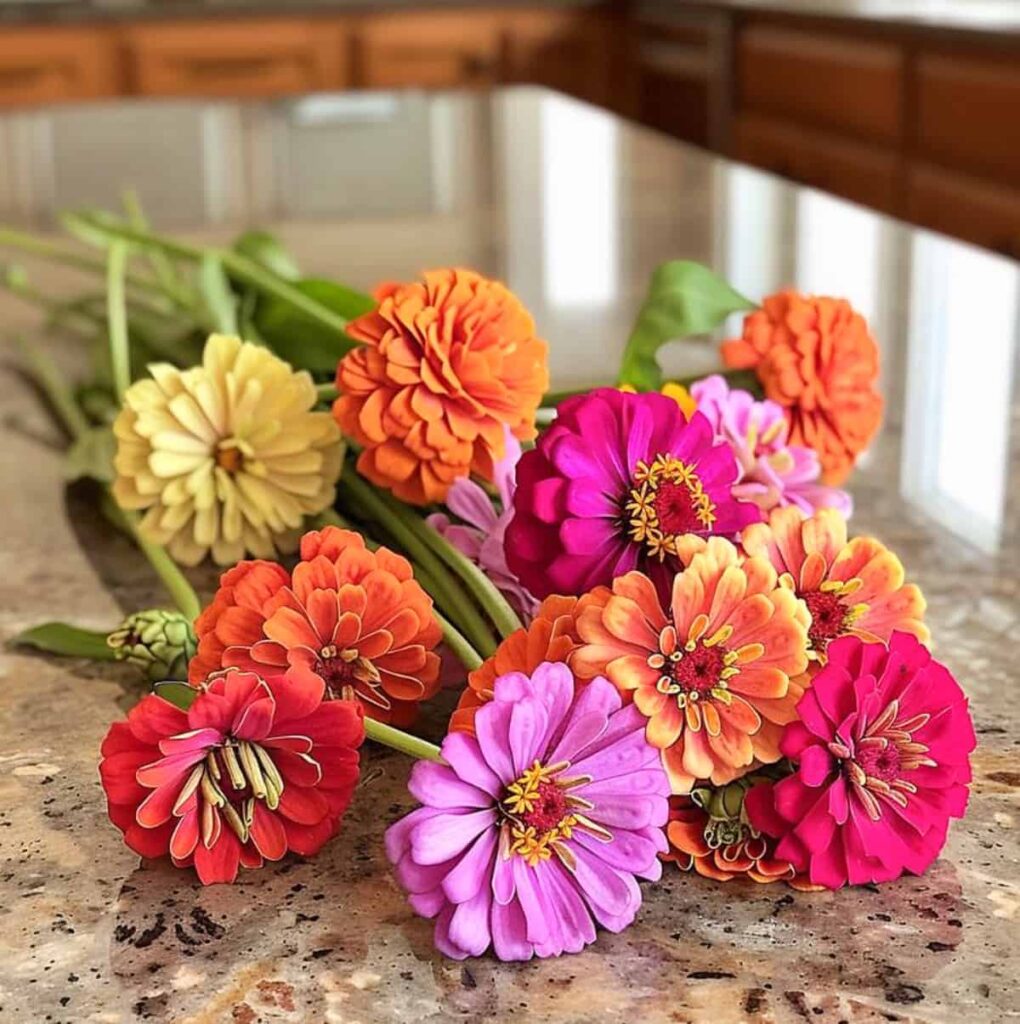
Four Problems Can Quickly Reduce the Perceived Value
The first problem is shine. Strong shine on petals and leaves looks unnatural under direct light.
The second problem is color. Very bright white, green, pink, or blue can look flat when there is no shading.
The third problem is repetition. If every flower head faces the same direction, the arrangement looks manufactured.
The fourth problem is poor maintenance. Dust can make even premium faux flowers look old.
I once supported a ceiling greenery discussion for a KTV, bar, and restaurant-style project. Ceiling work can look impressive, but it can also look cheap when every vine has the same length, leaf shape, and color.
I suggested using several leaf styles, different hanging levels, darker greenery in the deeper areas, and lighter pieces near the visible edges.
This created depth. It also reduced the “plastic carpet” effect that commercial buyers often want to avoid.
The buyer was not simply asking, “Are artificial flowers tacky?” The buyer was asking how to stop a large artificial installation from looking repetitive. The solution came from product mixing and installation planning.
Many failed displays prove that the final result depends heavily on styling. Even a good flower can look poor when the arrangement is too symmetrical, too crowded, or too bright for the room.
The Surrounding Space Changes the Result
A flower can look good in a catalog and wrong in a real room. Large flowers may overpower a small table. Tiny flowers may disappear in a hotel lobby.
A cool white arrangement may look harsh under warm lighting. A glossy green wall may reflect strong spotlights. A flower wall may also look flat when the front surface has no depth.
I tell buyers to test samples in the target environment. They should take photos in daylight and artificial light.
They should view the arrangement from the front, side, and normal customer distance. They should also check how the product works with the wall color, furniture, metal finishes, flooring, and brand signage.
Maintenance also matters. Our guide on how to clean silk flowers explains simple ways to control dust and protect the appearance of a display.
For outdoor projects, buyers should review our UV-resistant artificial plant guide before choosing materials.
Are artificial flowers tacky when they are poorly maintained or badly styled? Yes. The same is true for many décor products.
Good materials still need correct use. Commercial buyers should judge the full display system, not only one flower head.
Maintenance Is Part of the Design Standard
Dust changes color and texture. It can turn soft green leaves gray and make dark petals look dull. Strong cleaning products can also damage surface coatings.
I advise commercial users to create a simple cleaning schedule. Staff can use a soft brush, low-pressure air, or a dry microfiber cloth. They should test any cleaning method on one hidden area first.
A hotel buyer once told me that an arrangement looked older after only a few months. The flower material was not the main problem. The display sat near an air-conditioning vent and collected dust faster than expected. We changed the cleaning plan and adjusted the placement.
This case shows why are artificial flowers tacky can become a maintenance question. A premium product still needs care if it stays in a public space for a long time.
How Can Commercial Buyers Choose Premium Faux Flowers?
Commercial buyers should compare samples, materials, color depth, stem construction, packaging, consistency, and supplier communication before approving a bulk order.
Premium faux flowers have natural color changes, layered petals, detailed leaves, flexible stems, clean assembly, stable batch quality, and packaging designed for the final sales channel.
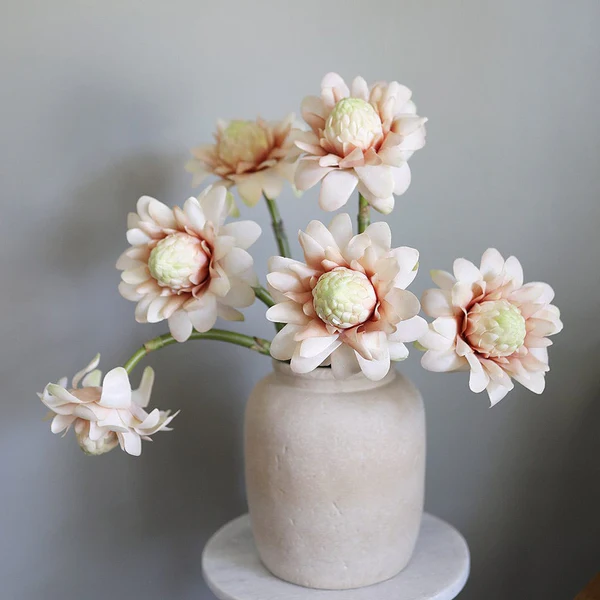
Start With the End Use
I first ask where the flowers will be used. A wedding planner needs flowers that look good in photos and can be installed quickly.
A hotel buyer needs stable color and easy cleaning. A retailer needs attractive packaging and consistent batches. An online seller needs products that survive delivery and still look good when the customer opens the box.
A new buyer once asked me whether a product had patent, copyright, or brand restrictions. That question was important because premium sourcing is not only about appearance.
A commercial buyer also needs clear product ownership, safe customization, and reliable communication.
I helped the buyer separate original supplier designs, common market styles, and custom development options before discussing the order.
This type of communication protects the buyer. It also helps both sides avoid problems after the product enters a new market.
When buyers ask, “Are artificial flowers tacky for a serious retail collection?” I suggest starting with the target customer, price level, display environment, sales channel, and packaging needs.
For wholesale sourcing, are artificial flowers tacky cannot be answered from a supplier’s main image alone. Buyers need samples, side views, close-up videos, packaging tests, and clear material details.
Use a Practical Sample Checklist
When I review samples, I check the product in this order:
- Overall shape: Does the flower look balanced from a normal viewing distance?
- Petal detail: Are the layers, edges, veins, and color changes natural?
- Flower center: Does the center look deep, complete, and correctly sized?
- Leaves: Do the size, color, and texture match the flower?
- Stem: Is it flexible, coated, and strong enough for installation?
- Assembly: Are glue, wire, and plastic joints hidden?
- Smell: Does the product have a strong chemical odor?
- Packaging: Will the flower recover its shape after transport?
- Batch consistency: Can the supplier control color and size in bulk?
- Communication: Can the supplier solve sample and production problems quickly?
Buyers should request clear photos, videos, measurements, material details, packaging information, and sample approval before production.
They can browse our artificial flower catalog and discuss custom colors, stems, flower combinations, packaging, or project quantities with our team.
The U.S. Environmental Protection Agency’s Sustainable Materials Management resources encourage businesses to consider material use, product life, reuse, and waste across the full product lifecycle.[3]
When a buyer asks me, “Are artificial flowers tacky for a commercial project?” I say no, but the product and supplier must match the project.
Premium sourcing needs more than a low price. It needs clear standards, good samples, stable production, suitable packaging, and fast problem solving.
Check Packaging Before Approving the Bulk Order
Packaging can change the product after production. A beautiful flower may arrive with crushed petals, bent heads, or broken branches if the carton is too small or the inner support is weak.
I ask buyers how the flowers will be sold. A wholesale carton, retail box, e-commerce parcel, and project installation shipment need different packing methods.
One online seller needed long artificial branches for direct-to-consumer delivery. The first packing method protected the branches but created a carton that was too expensive to ship. We changed the branch angle, inner ties, and carton dimensions. The product still recovered well after opening, and the shipping cost improved.
When a buyer asks are artificial flowers tacky after opening the carton, the problem may come from packing pressure rather than the original flower quality. A supplier should test recovery before mass shipment.
Choose a Supplier Who Can Solve Problems Quickly
Good communication is part of product quality. A supplier should explain material options, identify risks, confirm dimensions, and respond clearly when a sample needs adjustment.
I have learned that buyers do not expect every project to be perfect from the first message. They expect the supplier to find problems early and solve them before the bulk order.
This is why my team focuses on fast sampling, practical updates, and clear production checks. A good supplier should protect the buyer’s timeline as well as the product appearance.
The most useful answer to are artificial flowers tacky is not a simple yes or no. It is a sourcing process that helps the buyer control quality from sample approval to final delivery.
Planning a wedding, hotel, retail, restaurant, or event décor collection?
Share your target style, quantity, market, and delivery plan. Our team will help you compare materials, develop samples, and prepare a practical wholesale solution.
Conclusion
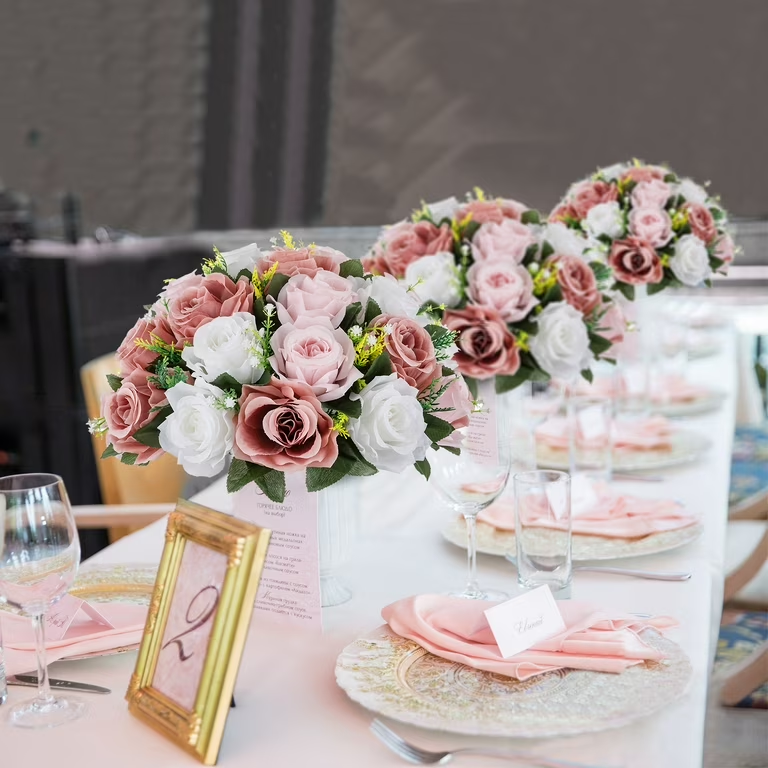
Modern faux florals are not naturally tacky. Good materials, controlled colors, professional styling, and reliable sourcing can create beautiful, durable commercial displays.
So, are artificial flowers tacky? Only when quality, scale, styling, maintenance, or supplier control fails to meet the needs of the final space.
Frequently Asked Questions
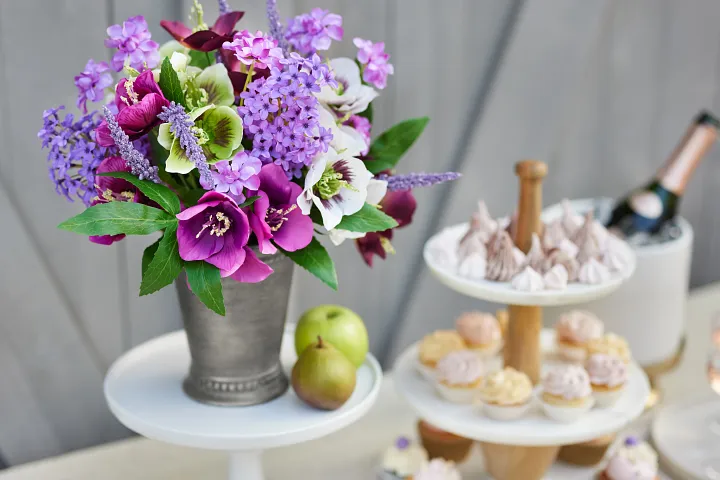
1. Are artificial flowers tacky in home décor?
No. Artificial flowers look refined when the color, scale, vase, and surrounding interior work together. Avoid strong shine, crowded stems, and unnatural color combinations.
2. Are artificial flowers tacky at weddings?
No. Premium faux flowers are suitable for arches, backdrops, aisle flowers, table arrangements, flower walls, and ceiling installations. Sample approval and skilled styling are important.
3. What makes artificial flowers look cheap?
Flat color, shiny petals, thick plastic leaves, visible glue, repeated flower angles, poor stems, and dust can make artificial flowers look cheap.
4. Which artificial flower materials look most realistic?
Real-touch PU, high-density polyester, silk-like fabric, detailed PE leaves, and hand-finished petals can all look realistic when used for the right flower type.
5. Can faux flowers be used in luxury hotels?
Yes. Hotels can use premium faux florals in lobbies, restaurants, guest areas, reception desks, and seasonal installations where a stable appearance matters.
6. How should wholesale buyers test artificial flower quality?
Buyers should order samples and check color, petal layers, center detail, leaf texture, stem strength, odor, assembly, packaging recovery, and batch consistency.
7. How long do artificial flowers last?
Indoor products can last for years with proper cleaning and storage. Outdoor life depends on sunlight, rain, temperature, pigment, material, and UV protection.
8. Can artificial flowers be customized for commercial projects?
Yes. Buyers can customize color, flower heads, stem length, leaf combinations, packaging, labels, logos, and arrangement structure, subject to quantity and technical limits.
9. Are artificial flowers cheaper than fresh flowers?
They can be more economical for repeated events, long-term displays, and large installations because buyers can reuse them and reduce replacement work.
10. How can I find a reliable faux flower supplier in China?
Check the supplier’s samples, communication speed, quality-control process, customization ability, packaging plan, production time, export experience, and problem-solving record.
References
-
Pantone provides standardized color systems and color communication tools that can help buyers, designers, and manufacturers align project colors.
Pantone
↩ -
The American Society of Interior Designers provides professional education, industry resources, and guidance related to interior design practice.
American Society of Interior Designers
↩ -
The U.S. Environmental Protection Agency explains Sustainable Materials Management as an approach that considers materials across their full lifecycle, including reuse and waste reduction.
U.S. Environmental Protection Agency
↩