Are Fake Flowers for Cake Decorating Safe and Beautiful for Events?
Cake decoration can make a wedding cake look premium, but one unsafe flower choice can create trust issues for bakeries, planners, and event suppliers.
Fake flowers for cake decorating can be safe, beautiful, and practical for events when they are used as non-edible decorations, kept away from direct food contact, cleaned before use, and placed with proper food-safe barriers. For wedding planners, bakeries, hotels, and décor wholesalers, the best choice is realistic, lightweight, and clean artificial flowers from a reliable supplier.
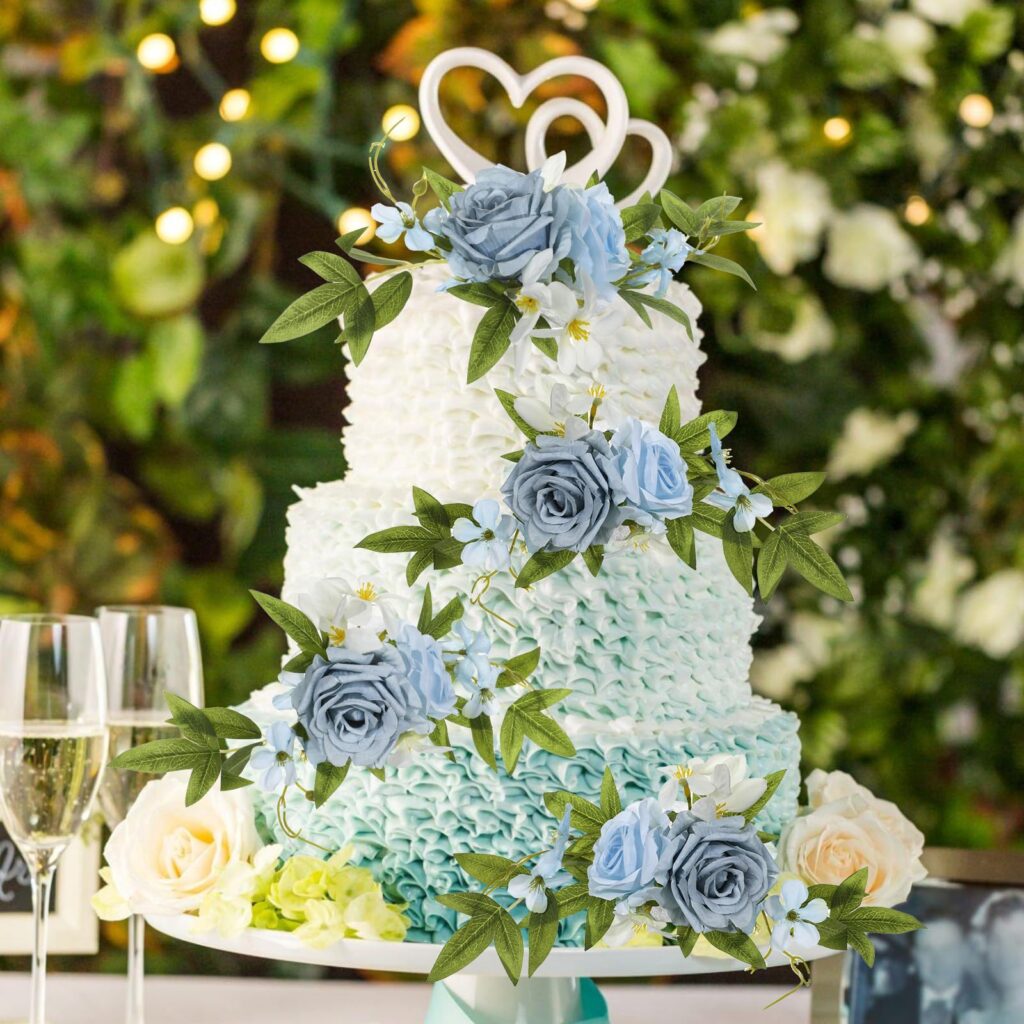
Applicable scenario: Wedding cake display, hotel banquet dessert table, bakery showroom, event styling proposal.
I have worked with many wedding planners, cake studios, hotel event teams, and décor buyers who wanted the same result. They wanted a cake that looked elegant in photos, matched the event theme, and stayed beautiful from setup to cake cutting. Real flowers can be lovely, but they can wilt, stain frosting, carry pollen, or create safety questions. This is why more B2B buyers now ask about fake flowers for cake decorating.
The real question is not only whether artificial flowers look beautiful. The real question is whether they can support a professional event without creating extra risk. In my experience, they can. But the buyer must choose the right material, the right size, the right supplier, and the right installation method.
For commercial events, fake flowers for cake decorating are not just small cake accessories. They are part of the full event presentation. They can connect the cake with the wedding arch, table centerpiece, bridal bouquet, flower wall, and dessert table. When the whole flower story looks consistent, the event feels more expensive and more complete.
What Are Fake Flowers for Cake Decorating?
Many cake problems start when buyers treat every flower as the same product. Cake flowers need a different standard.
Fake flowers for cake decorating are artificial flowers used to decorate cakes for weddings, parties, hotels, bakeries, photo shoots, and commercial displays. They are usually made from silk, polyester, PU, PE, or foam materials. They are for decoration only and should not be treated as edible cake ingredients.
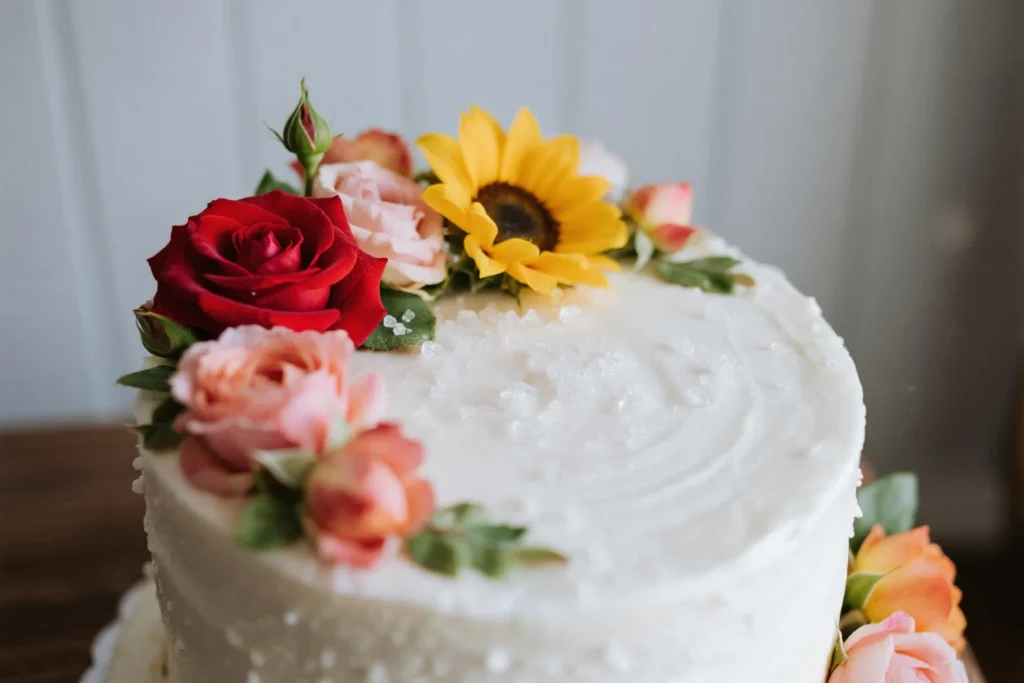
Applicable scenario: Bakery cake mockup, wholesale flower sample review, wedding cake product photo.
Fake Flowers Are Decorative Cake Styling Materials
Fake flowers for cake decorating are different from sugar flowers, wafer paper flowers, or fresh edible flowers. Sugar flowers are made from edible materials. Fresh edible flowers must be grown, handled, and prepared for food use. Artificial flowers are different. They are designed for visual styling, not eating.
I always explain this point to buyers because many customers only look at a cake photo. They may not think about stems, wires, glue, dyes, dust, glitter, or small parts. But a professional bakery, hotel, or event company must think about these details before the cake reaches the guest table.
In my work at Botanic Blossoms, I once helped a wedding planner prepare a full floral package for a soft ivory and blush wedding. She needed flowers for the ceremony arch, cake table, welcome sign, table centerpieces, and a three-tier cake. At first, she planned to use fresh flowers on everything. But she was worried about color changes, transport time, and the heat inside the venue. We prepared small artificial roses, mini hydrangea pieces, and soft filler flowers for the cake design. We also matched the same color story with the arch and table flowers. The result looked controlled, clean, and consistent.
This is where fake flowers for cake decorating create real value for B2B buyers. They give more control over color, shape, timing, and repeat use. A bakery can prepare cake flower samples in advance. A wedding planner can show clients different styles during meetings. A hotel can reuse display flowers for dessert table styling. A wholesaler can sell ready-made cake flower kits to event customers.
Which Materials Work Better for Cake Styling?
The best cake flowers are usually small, lightweight, and realistic. Large artificial flowers may look impressive on a table arrangement, but they can look too heavy on a cake. Thick stems can also create installation problems. For fake flowers for cake decorating, the flower head should sit softly on the cake design without taking over the full visual.
Silk and polyester flowers are common because they are light and flexible. PU flowers can look more realistic because the surface has a smooth, soft feel. PE greenery works well when buyers need small leaves that keep their shape. Foam flowers can be useful for budget cake decoration, but the buyer must check the surface, edge, smell, and dust level carefully.
Good flower choices include mini roses, small peonies, ranunculus, orchids, baby’s breath, small hydrangea pieces, cherry blossoms, eucalyptus leaves, and soft vines. These flowers match many wedding themes and look natural in close-up photos. They also fit well with modern cake styles, from clean white fondant cakes to garden-style buttercream cakes.
If you are comparing suppliers for bulk artificial flowers, you can also read my guide about wholesale artificial flowers suppliers. It helps buyers check factory strength, sample quality, communication, and long-term supply risk before placing larger orders.
Are Fake Flowers Safe for Cake Decorating?
A cake may look perfect in a photo, but safety decides whether a client will trust the bakery or supplier again.
Fake flowers for cake decorating are safe only when they are used as non-edible decorations, kept away from direct food contact, cleaned before use, and separated from the cake with proper barriers. Buyers should avoid shedding glitter, loose parts, strong smells, unstable dyes, and exposed wires.
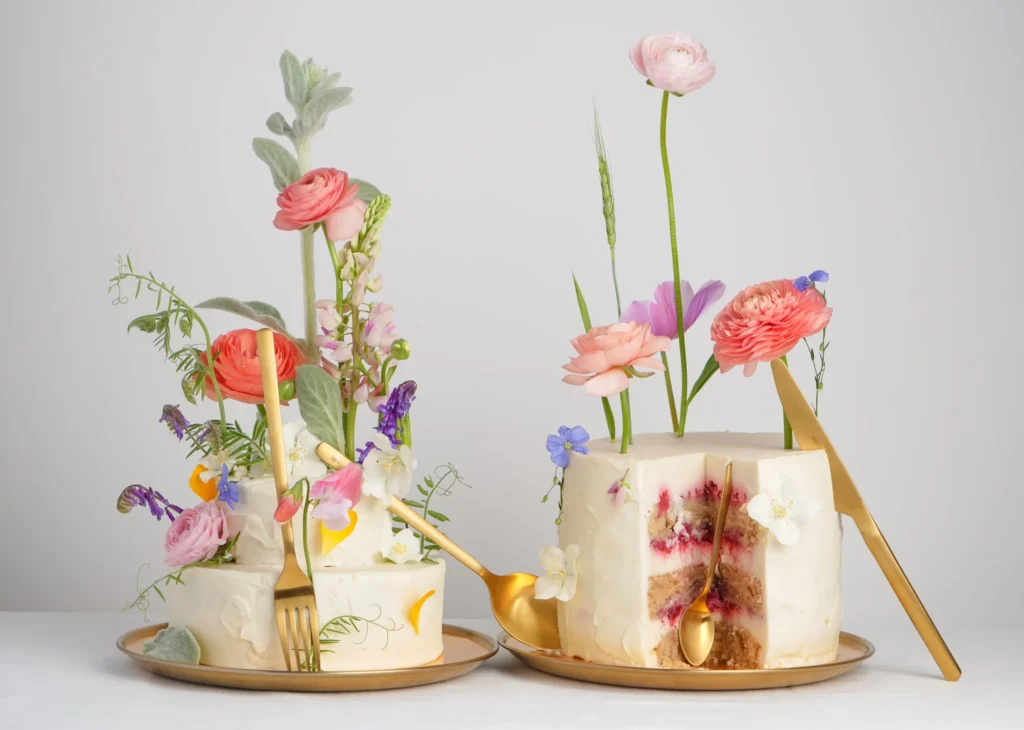
Applicable scenario: Bakery operation training, wedding cake setup, hotel dessert station safety check.
Safety Starts With No Direct Food Contact
The most important rule is simple. Artificial flowers should not touch edible cake surfaces directly unless the material is specifically approved for food contact. Most fake flowers for cake decorating are decorative products. They are not food-contact products. The U.S. FDA explains that materials which contact food need proper safety consideration because they may affect food safety.[1]
This does not mean artificial flowers cannot be used on cakes. It means they must be used correctly. A professional cake designer can place flowers on a cake board, acrylic separator, acetate sheet, parchment layer, food-safe floral pick, or covered support. The flower can still look natural on the cake, but the material does not touch the frosting, fondant, cream, or sponge directly.
I once worked with a cake studio that served luxury hotel weddings. The team wanted realistic orchids for a tall white wedding cake. They loved the look, but they were worried about the metal wire inside the stems. We supplied small orchid heads with short, controlled stems. Their bakery team used clear cake collars and food-safe picks during setup. The orchids looked soft and premium, but the edible cake surface stayed protected. This gave the hotel team more confidence during service.
For B2B buyers, this safety habit matters. A planner may buy the flower. A baker may install it. A hotel team may cut the cake. A guest may ask whether the flower is edible. If every team member understands that fake flowers for cake decorating are decorative only, the event becomes easier to manage.
Safety Risks Buyers Should Check Before Ordering
Before using fake flowers for cake decorating, buyers should check the product like a professional event supplier, not only like a decoration buyer. The first point is cleanliness. The flowers should arrive clean, dry, and protected from dust. Cake flowers are placed near food, so warehouse dust is not acceptable.
The second point is color stability. If a flower leaves color on a damp cloth, it should not be used near white frosting or fondant. The third point is smell. A strong chemical smell can damage the dessert experience and reduce buyer confidence. The fourth point is shedding. Loose glitter, powder, fibers, plastic pieces, and small beads should be avoided.
The UK Food Standards Agency also gives guidance about food contact materials and items used around food.[2] For bakeries, hotels, and event companies, these references are useful because they remind teams to think beyond beauty.
I also suggest reading my cleaning guide, how to clean silk flowers from dust, before preparing artificial flowers for cake display or event styling. Clean handling is a small detail, but it can protect the full event image.
Best Types of Fake Flowers for Wedding Cakes?
A wedding cake needs flowers that look romantic, light, balanced, and stable during the full event.
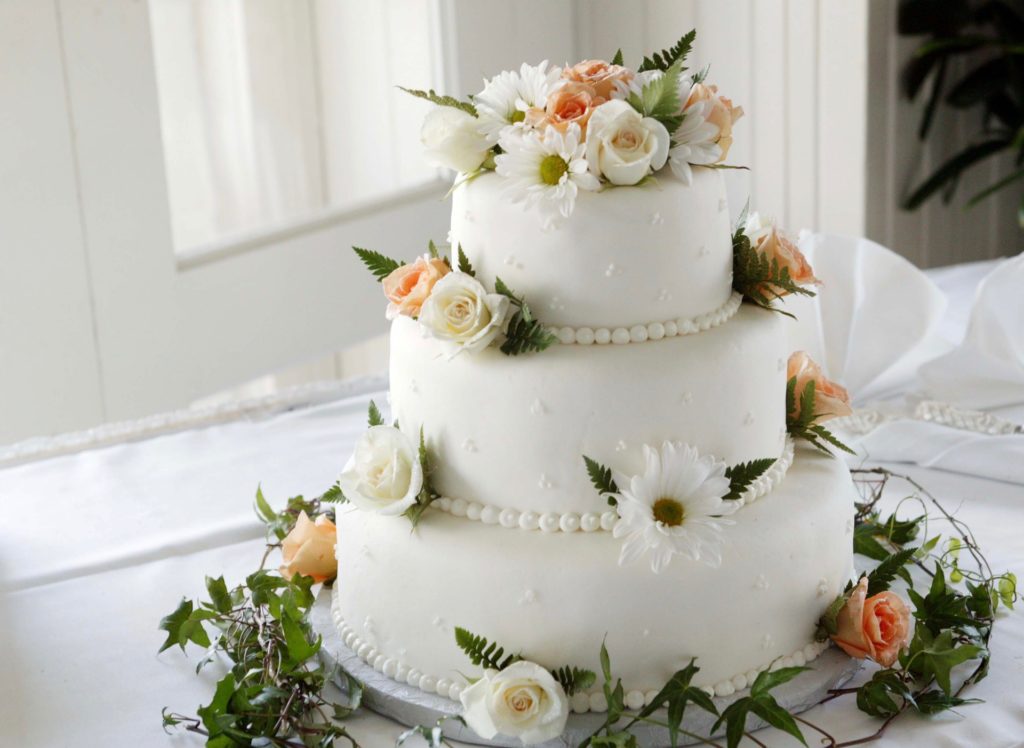
The best fake flowers for cake decorating are mini roses, small peonies, ranunculus, orchids, baby’s breath, hydrangea pieces, cherry blossoms, eucalyptus leaves, and soft greenery. These flower types look elegant, match most wedding themes, and are easier to place on cake tiers without making the cake look heavy.
Applicable scenario: Wedding cake flower selection, bridal cake consultation, cake flower sample board.
Small and Medium Flowers Usually Look More Premium
For wedding cakes, bigger flowers are not always better. Large flower heads can cover the cake design, press against soft frosting, and make the cake look unbalanced. Small and medium flowers give more control. They can frame the tiers, follow the cake line, and create a soft garden feeling without making the cake look crowded.
I usually recommend mini roses, small peonies, ranunculus, orchids, hydrangea cuts, and baby’s breath for wedding cake projects. These flowers match many styles, including classic white weddings, romantic garden weddings, rustic outdoor weddings, beach weddings, hotel weddings, and modern minimalist weddings.
One of my clients was a wedding planner who served mid-to-high-end brides. She needed cake flower sets that could match several wedding packages. She did not want to buy new fresh flowers for every cake trial, and she wanted something her sales team could show during client meetings. We made a small artificial cake flower kit with ivory roses, blush peonies, white orchids, and soft eucalyptus. Her team used the kit for cake mockups, showroom displays, and client consultations. After that, she ordered more sets for champagne, dusty pink, burgundy, and white-green themes.
This kind of kit is very useful for commercial buyers. Fake flowers for cake decorating can become a repeatable product system. A bakery can offer different cake flower themes. A wedding planner can show clients real samples. A wholesaler can sell ready-to-use cake styling packs. This makes the purchase more than a one-time decoration order.
Choose Flowers by Cake Style, Not Only by Color
Many buyers choose cake flowers by color first. Color is important, but the cake style is more important. A modern fondant cake needs clean flowers with simple lines. A vintage cake can use soft roses, small buds, and filler flowers. A garden cake can use peonies, ranunculus, and small greenery. A tropical cake can use orchids and glossy leaves. A rustic cake can use dried-look flowers, small daisies, and natural-tone greenery.
For B2B buyers, I suggest building fake flowers for cake decorating by event theme. This makes sales easier and helps the customer make a faster decision. A classic wedding cake set can include ivory roses, white peonies, baby’s breath, and light green leaves. A luxury hotel cake set can include orchids, champagne roses, pearl-tone fillers, and clean greenery. A garden cake set can include ranunculus, small hydrangea, blossom branches, and soft vines. A rustic cake set can include dried-look flowers, eucalyptus, and small natural fillers.
When a cake flower set matches the full event story, it creates a better visual result. The cake does not look like a separate product. It becomes part of the wedding scene. This is important for planners, hotels, and event companies because they sell a full experience, not only a cake.
If you want to compare realism, texture, and flower quality, you can read my article about how to make silk flowers look real. It will help you understand why shape, edge detail, color depth, and stem design matter in close-up decoration.
How to Use Fake Flowers on Cakes Without Direct Food Contact?
A beautiful cake flower design should look natural, but the setup behind it must stay clean, stable, and safe.
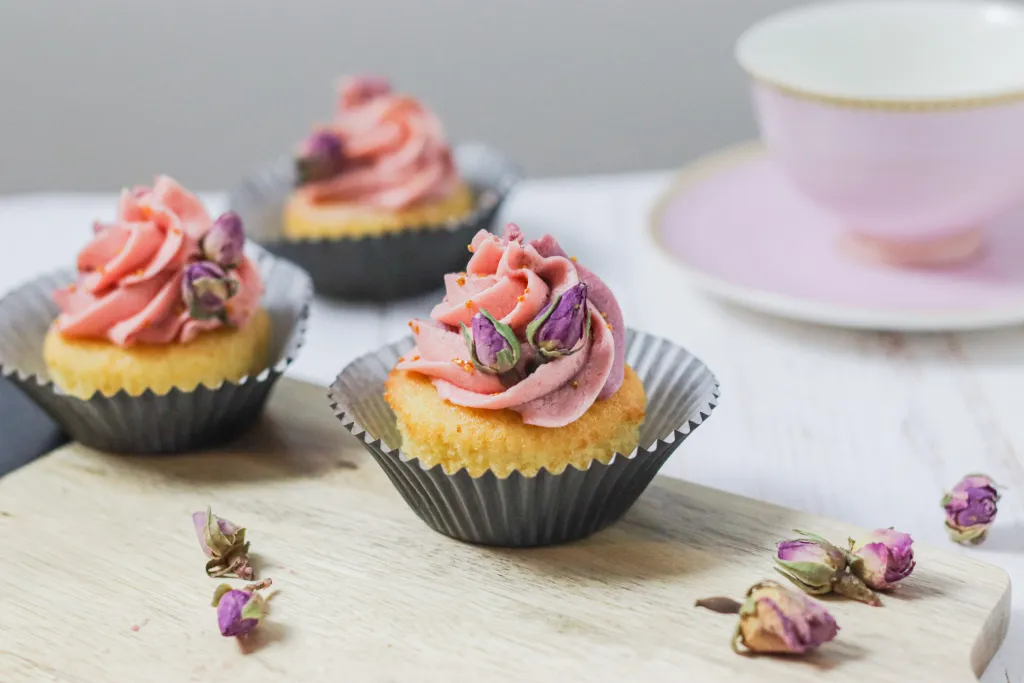
To use fake flowers for cake decorating without direct food contact, cover the stems, use food-safe picks, place flowers on barriers, avoid loose parts, clean the flowers before setup, and remove all artificial decorations before serving the cake.
Applicable scenario: Wedding venue cake setup, bakery operation guide, event team installation training.
Use Barriers, Picks, and Separate Cake Supports
The safest way to use fake flowers for cake decorating is to keep the artificial material separated from the edible cake. Cake designers can use food-safe floral picks, acrylic sheets, acetate collars, parchment, cake boards, wrapped stems, or separate non-edible supports. The flowers can still sit close to the cake and look natural, but the stems and leaves should not touch the edible surface directly.
I always suggest testing the layout before the event day. Do not wait until the wedding morning to check flower size, weight, angle, and color. Place the artificial flowers on a foam cake or sample cake first. Check whether the flower head is too heavy. Check whether the color looks right under warm venue lighting. Check whether the flower sheds fibers or powder. Check whether the stem can be covered easily.
A bakery client once showed me a cake design with flowers cascading down one side. The original design used fresh roses, but the wedding was outdoors and the cake had to stay on display for several hours. Fresh flowers could soften, bruise, or lose shape. We supplied lightweight artificial rose heads, small fillers, and soft greenery. The bakery used clear separators between cake tiers and fixed the flowers on the non-edible side support. The cake looked full and romantic, but the edible parts stayed protected.
This is the main reason fake flowers for cake decorating work well for professional events. They help the cake designer build the look earlier. They reduce last-minute flower changes. They also give the team more control over the final result.
Clean, Store, and Remove the Flowers Correctly
Even high-quality artificial flowers should be cleaned before cake use. A soft brush, air blower, or dry cloth is usually enough for light dust. If the material is tested, a lightly damp cloth can be used on leaves or stems. I do not suggest soaking flowers unless the supplier confirms the material can handle water. Too much water can weaken glue, soften foam, damage wire, or cause color bleeding.
For bakeries and event companies, I suggest creating a simple internal process. Cake flowers should be stored in a clean box. They should not be mixed with warehouse stock or floor display samples. Staff should check each flower before use. Flowers with dust, stains, strong smell, broken petals, loose glitter, or exposed wires should not be used on cakes.
Before serving, all fake flowers for cake decorating should be removed. The event team should know which parts are non-edible. The cake cutting team should receive a short note. This is especially important for hotels, large weddings, and catered events where the person decorating the cake may not be the person cutting it.
Simple placement is often better than complicated placement. If too many small flowers are hidden between cake layers, removal becomes harder. A clean, visible, and stable design is safer and more professional.
How to Source Fake Flowers for Cake Decorating Wholesale?
The cheapest flower is not always the best choice when it is placed beside a wedding cake and photographed closely.
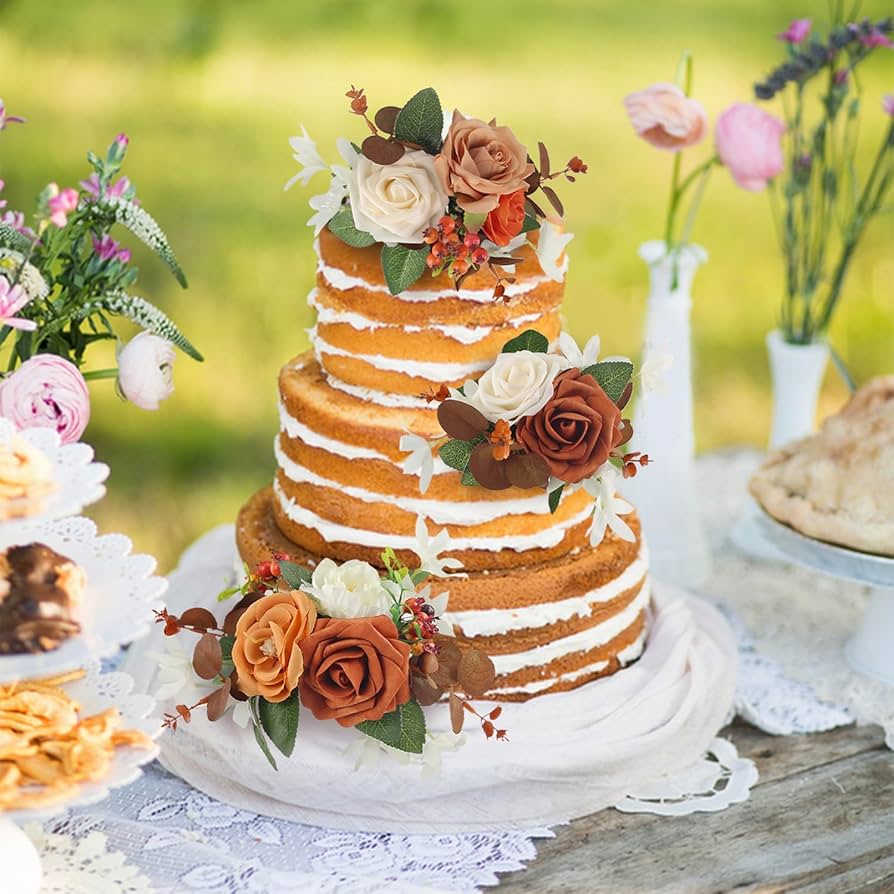
To source fake flowers for cake decorating wholesale, buyers should request clean samples, check realism, test color stability, confirm packing, choose lightweight designs, and work with a supplier who understands bakery use, event styling, and repeat bulk orders.
Applicable scenario: Wholesale sample review, event company purchasing, bakery supply chain planning.
My View: Source by Final Use, Not Only by Unit Price
This is my real opinion after more than ten years in the artificial flower and décor industry. Many buyers choose artificial flowers by photo and price first. This is risky for cake projects. Cake flowers are close-up products. Guests will see them beside frosting, candles, plates, champagne glasses, and professional cameras. If the flower looks cheap, the cake looks cheap. If the flower sheds, smells, or stains, the whole event feels unprofessional.
When I help B2B buyers source fake flowers for cake decorating, I always ask about the final use first. Is the flower for real wedding cakes, bakery display cakes, hotel dessert tables, rental cake props, retail window displays, or online product photos? Each use needs a different standard.
For real wedding cakes, I suggest clean, lightweight, realistic flowers with stable color and soft shape. For display cakes, buyers can use fuller flowers because the cake is not served. For retail windows, I suggest stronger materials because the display may stay for weeks. For rental cake props, I suggest flowers that can be cleaned and reused many times.
One overseas client once asked for the cheapest small roses for cake styling. I did not recommend the lowest price option because the petal edge looked rough in close-up photos. I sent two sample levels instead. The better option cost a little more, but the cake photos looked much cleaner. The client later told me that her customers chose the premium set more often because it looked more “wedding-grade.” This is why wholesale sourcing should focus on final event value, not only product cost.
What B2B Buyers Should Confirm Before Bulk Orders
Before placing a wholesale order, buyers should request real sample photos, close-up videos, material details, size information, packing method, and delivery time. For fake flowers for cake decorating, buyers should also ask whether the flower has exposed wire, glue, glitter, powder, loose fibers, or removable small parts.
Packaging is also important. Cake flowers are often small and delicate. If petals are crushed during shipment, the flower may not recover well. I usually suggest inner bags, small boxes, layered packing, or separated packing for premium flower heads. This protects the shape and reduces waste after delivery.
A reliable supplier should support sample making, color matching, bulk consistency, clear communication, and repeat orders. At Botanic Blossoms, we help wedding planners, event companies, retail buyers, and décor wholesalers build cake flower sets by color, flower type, season, and event style. We can also match fake flowers for cake decorating with wedding arches, flower walls, centerpieces, aisle flowers, and table décor. This helps the whole event look more complete.
If you need a deeper supplier checklist, you can also read Wholesale Fake Flowers Suppliers: 11 Red Flags. It helps buyers avoid weak suppliers, unclear production, poor communication, and hidden quality risks.
Need Fake Flowers for Cake Decorating Wholesale?
Send your cake style, color palette, flower size, quantity, and event use. I can help you choose realistic, lightweight, and clean artificial flowers for wedding cakes, bakery displays, hotel events, and wholesale décor projects.
Email: jasmine@cnhycrafts.com
Conclusion
Fake flowers for cake decorating can look elegant, clean, and event-ready when buyers choose quality flowers, avoid direct food contact, and source from a reliable supplier.
FAQ
1. Are fake flowers for cake decorating edible?
No. Fake flowers for cake decorating are not edible. They are decorative items and should be removed before the cake is served.
2. Can fake flowers touch frosting directly?
I do not suggest direct contact. Use food-safe barriers, floral picks, acrylic sheets, or cake boards to protect the edible surface.
3. What are the best fake flowers for cake decorating?
Mini roses, small peonies, orchids, ranunculus, baby’s breath, hydrangea pieces, and eucalyptus leaves are good choices for cake decoration.
4. Can artificial flower stems go into a cake?
Raw stems should not go directly into a cake. Stems should be wrapped, covered, or placed inside food-safe picks.
5. How should bakeries clean artificial cake flowers?
Bakeries can use a soft brush, dry cloth, or air blower. If needed, they can use a lightly damp cloth on tested materials.
6. Are silk flowers better than foam flowers for cake decorating?
Silk flowers usually look softer and more realistic. Foam flowers can work for budget projects, but the buyer must check quality carefully.
7. Can fake flowers for cake decorating be reused?
Yes. They can be reused for display cakes, photo shoots, and event styling if they are clean, undamaged, and stored properly.
8. What should wholesale buyers check before ordering cake flowers?
Buyers should check material, smell, color stability, shedding, size, packing, sample quality, and bulk consistency.
9. Can Botanic Blossoms customize cake flower sets?
Yes. Botanic Blossoms can customize fake flowers for cake decorating by color, flower type, wedding theme, season, and quantity.
10. Are fake flowers suitable for hotel dessert tables?
Yes. They are useful for hotel dessert tables because they stay fresh-looking, match event themes, and reduce last-minute flower problems.
Footnotes
- U.S. Food & Drug Administration. Food Packaging & Other Substances that Come in Contact with Food.
- Food Standards Agency. Food Contact Materials Regulations.
SEO Meta Information
Focus Keyword: fake flowers for cake decorating
SEO Title: Fake Flowers for Cake Decorating: 7 Safe Wedding Cake Tips
Meta Description: Learn how fake flowers for cake decorating can look safe, realistic, and beautiful for weddings, bakeries, hotels, and wholesale event projects.
Suggested URL Slug: fake-flowers-for-cake-decorating