
Best Faux Plants vs. Artificial Plants: What Should Commercial Buyers Choose?
Commercial buyers often see different product names, unclear quality levels, and large price gaps. A wrong choice can lead to complaints, replacements, and lost profit.Faux plants and artificial plants describe the same general product category. The real difference comes from materials, realism, construction, safety, durability, and intended use rather than the product name.
I have worked with buyers who thought “faux” meant premium quality and “artificial” meant a cheaper product. That idea sounds reasonable, but it is not always correct. Some suppliers use the word “faux” to create a more stylish image. Other suppliers use “artificial” because it is clearer for international buyers. I always ask buyers to look beyond the label and review the actual product specifications. For commercial buyers, a clear understanding of faux plants vs artificial plants makes supplier comparisons faster and reduces the risk of choosing products based only on marketing language.
What Does “Faux” Mean in the Plant Industry?
The word “faux” can make a product sound more elegant. The problem starts when buyers assume that the word also guarantees better quality. For first-time importers, faux plants vs artificial plants can appear to be two separate grades, so I clarify the specifications before discussing price.
In the plant industry, “faux” means that a plant is made to imitate a natural plant. The term usually describes appearance and design style. It does not confirm the material, durability, safety, or commercial grade.
“Faux” Is Mainly a Marketing Term
The word “faux” comes from French and means false or imitation. 1 The Merriam-Webster definition of faux also describes something made to look like another object. In décor markets, the term often sounds softer and more attractive than “fake.” In my sourcing discussions, faux plants vs artificial plants becomes useful only when both names are supported by clear material, construction, and quality details.
I often see “faux plants” used in premium home décor stores, interior design websites, wedding rental catalogues, and lifestyle marketplaces. The word helps buyers imagine a stylish product. It can reduce the negative feeling that some customers connect with the word “fake.”
The term still does not tell me how the plant was made. A supplier can call a product a faux olive tree, but the leaves may still use thin plastic. The trunk may use low-density foam. The pot may have little weight. The leaves may also have one flat green color. The product name sounds premium, but the construction may not support commercial use.
I worked with an Australian wedding rental client who was selecting greenery for reusable ceremony packages. She first asked me for our “best faux plants” because she believed faux products would look more realistic in wedding photos. I sent her two samples. One product was listed as a faux eucalyptus plant. The other was listed as an artificial eucalyptus plant. The artificial version had better leaf printing, stronger wire, fuller branches, and a more natural color change. She chose the artificial version because the physical product performed better.
That project confirmed a lesson that I often share with buyers. The word on the listing cannot replace sample inspection. In real project sourcing, faux plants vs artificial plants should be checked through physical samples because listing terms cannot show leaf thickness, wire strength, or color depth.
The Word Does Not Define the Material
Faux plants can use several materials. Manufacturers may use polyethylene, polyester fabric, polyurethane, PVC, latex-coated fabric, natural wood, fiberglass, foam, metal wire, or mixed materials. I treat faux plants vs artificial plants as one product family, and then I separate the options by leaf material, trunk structure, surface finish, and expected service life.
Each material creates a different result:
- Molded polyethylene leaves usually provide clear veins and stable shapes.
- Polyester fabric leaves often create soft movement and lower weight.
- Polyurethane surfaces can provide a soft or real-touch feeling.
- Natural wood trunks can improve realism for large artificial trees.
- Fiberglass trunks can provide stronger shape control for custom projects.
- Metal wire allows branches and stems to be adjusted during installation.
I always ask buyers to request the material list before comparing prices. This step becomes more important when the order includes hundreds of units. A small material difference can change appearance, packaging volume, breakage risk, cleaning needs, and service life.
Commercial buyers should treat “faux” as a design word. They should treat the specification sheet as the real product description. When I explain faux plants vs artificial plants to new buyers, I always move the conversation from product names to materials, construction, and intended use.
Faux Plants vs. Artificial Plants: Is There a Real Difference?
Different names can make product sourcing feel complicated. Buyers may spend time comparing two categories that are often the same.
There is usually no technical difference between faux plants and artificial plants. Both terms describe manufactured plants that copy natural greenery. Suppliers mainly choose the term based on branding, search habits, sales channels, and target customers.
The Difference Usually Comes From Positioning
When I compare faux plants vs artificial plants, I focus on how each term is used.
“Faux plants” often appear in consumer-facing content. Interior designers, wedding planners, lifestyle retailers, and home décor brands use this phrase because it sounds modern and decorative.
“Artificial plants” often appear in technical quotations, wholesale catalogues, import documents, commercial contracts, and factory specifications. The phrase is direct. International buyers also understand it more easily.
A high-quality product can use either name. A low-quality product can also use either name. The name does not create quality. For retail and wholesale teams, faux plants vs artificial plants can use different marketing names while still coming from the same production line and material standard.
I once supported a United States online retailer that sold greenery through both B2B and B2C channels. The company used “faux plants” on its customer-facing website. Its purchasing team used “artificial plants” in order documents and warehouse records. The two names caused duplicate SKUs in its inventory system. Staff members thought the products belonged to different categories.
I helped the client create one standard internal category called “Artificial Plants.” The marketing team could still use “faux plants” in customer-facing titles. The company then connected both terms to the same SKU codes. This simple change reduced purchasing mistakes and made reorder planning easier. This is why faux plants vs artificial plants should remain one purchasing category, even when a marketing team uses both terms for different audiences.
Buyers Should Compare Specifications, Not Labels
I recommend comparing these points before choosing a supplier: A professional faux plants vs artificial plants catalogue should help buyers compare measurable specifications instead of relying on attractive product names alone.
- Leaf material: Buyers should confirm whether the leaves use molded PE, fabric, PU, PVC, or a mixed structure.
- Color depth: Buyers should check whether the leaves have one flat color or several natural tones.
- Leaf edge quality: Buyers should inspect rough cuts, loose threads, plastic marks, and visible glue.
- Branch structure: Buyers should confirm whether branches can be adjusted without breaking.
- Trunk construction: Buyers should check the difference between natural wood, molded plastic, fiberglass, and wrapped metal.
- Base stability: Buyers should review pot size, cement weight, insert strength, and anchoring options.
- Packaging: Buyers should ask how branches, leaves, trunks, and pots are protected during shipping.
- Consistency: Buyers should compare several samples from the same batch, not only one showroom sample.
- Testing: Buyers should request available UV, flame-retardant, material, or chemical compliance documents when the project requires them.
- Replacement support: Buyers should ask whether individual leaves, branches, pots, or trunks can be reordered.
A reliable supplier should explain these points clearly. The supplier should not rely only on attractive product names. When evaluating suppliers, faux plants vs artificial plants becomes a useful search phrase, but the final order should always follow an approved specification sheet. A practical faux plants vs artificial plants comparison should therefore start with samples, specifications, and batch consistency.
Buyers can also use my artificial flowers supplier checklist when reviewing manufacturing ability, sample quality, communication, and delivery reliability.
What Are the Best Faux Plants for Indoor Commercial Spaces?
Indoor commercial spaces need more than attractive greenery. Poor scale, weak pots, visible plastic, and difficult cleaning can reduce the quality of the entire project. For indoor projects, my faux plants vs artificial plants selection process begins with viewing distance, light level, available space, and the amount of daily contact.
The best faux plants for indoor commercial spaces include realistic olive trees, ficus trees, palms, eucalyptus, monstera, ferns, succulents, and trailing greenery. Buyers should choose them based on viewing distance, lighting, ceiling height, and maintenance needs.
Olive Trees for Calm and Modern Interiors
Artificial olive trees work well in hotels, offices, restaurants, and modern retail spaces. Their narrow leaves create a light appearance. Their open branch structure also fits minimalist interiors. For reception areas, faux plants vs artificial plants should be compared under the actual lighting because warm light can change how leaf colors and plastic surfaces appear. For hotel lobbies, I compare faux plants vs artificial plants by canopy balance, trunk realism, pot stability, and how the leaves look under warm indoor lighting.
I prefer olive trees with natural wood trunks, mixed leaf tones, and a slightly irregular shape. A perfect round canopy often looks artificial. A natural tree should have small gaps, uneven branch directions, and some variation in leaf position.
I helped one hotel client select artificial olive trees for a lobby renovation. The designer first chose very dense trees because they looked full in catalogue photos. I suggested a more open canopy. The lobby had soft lighting and large stone walls. The lighter tree shape allowed the architecture to remain visible. The client approved the sample because the plant supported the space instead of dominating it.
Palms for Large Spaces
Artificial areca palms, kentia palms, and fan palms work well in high-ceiling spaces. Their wide leaves fill empty areas quickly. They also create a relaxed atmosphere. When I review faux plants vs artificial plants for large interiors, I check canopy width and shipping volume together because both points affect the final project cost.
The best faux palms should have flexible leaves and strong center ribs. The branch connection should remain hidden. The pot should also have enough weight to prevent movement.
Buyers should not choose palms only by total height. They should also check:
- Canopy width
- Number of leaves
- Trunk height
- Pot diameter
- Shipping volume
- Final installation height
- Distance from air-conditioning vents
A 180-centimeter palm with a narrow canopy may look too small in a hotel lobby. A 150-centimeter palm with a wide canopy may create better visual coverage.
Eucalyptus and Trailing Greenery for Flexible Displays
Artificial eucalyptus works well in planters, wall displays, shelving, reception counters, and event structures. Its muted green color fits many interior styles. In flexible display programs, faux plants vs artificial plants should also be reviewed for stem adjustability, replacement availability, and packing efficiency.
Trailing ivy, pothos, and fern vines work well when buyers need soft coverage. They can hide shelf edges, planter gaps, cables, or hard architectural lines.
One retail client asked me to create greenery for display shelves in several small stores. Large plants would have blocked the products. I recommended short eucalyptus bushes and trailing vines. The client could cut and adjust the stems during installation. The stores used the same greenery across different shelf sizes. This reduced the number of SKUs and simplified replenishment.
Succulents for Small Commercial Areas
Artificial succulents are useful for desks, meeting rooms, hotel rooms, washrooms, cafés, and small retail displays. Their compact shapes make them easy to pack and clean. For desks and small displays, faux plants vs artificial plants should be judged by close-view realism, easy cleaning, compact packaging, and consistent color between batches.
I recommend molded products with natural color changes. I avoid succulents with very glossy surfaces because strong indoor lighting can make them look cheap.
For buyers planning ready-made arrangements, my guide to artificial flowers in planters explains how scale, pot style, color, and filler materials affect the final result.
The best faux plants for indoor projects should support the design, fit the available space, and remain easy for staff to maintain. This approach makes faux plants vs artificial plants easier to match with the design and maintenance plan of each commercial space.
What Are the Best Artificial Plants for High-Traffic Areas?
Busy areas expose artificial plants to touching, movement, dust, cleaning tools, carts, bags, and accidental impact. Decorative quality alone cannot prevent damage.
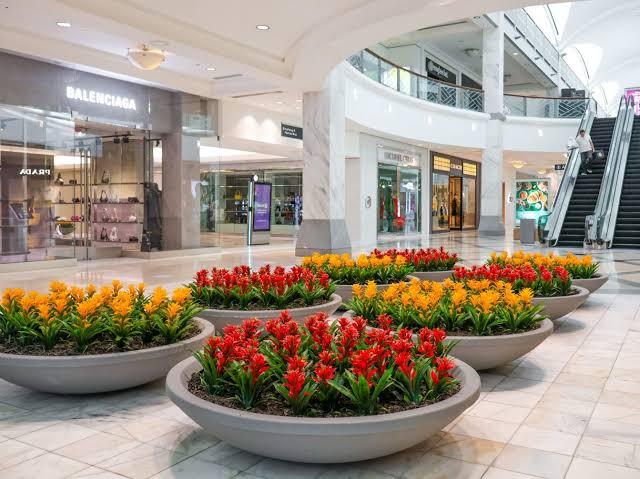
The best artificial plants for high-traffic areas use durable molded leaves, strong branch connections, stable weighted pots, and easy-to-clean surfaces. Boxwood, palms, agave, snake plants, succulents, and dense greenery usually perform well.
Molded Leaves Usually Handle Contact Better
Fabric leaves can look soft and natural, but they may fray or bend when people touch them often. Molded PE leaves usually handle repeated contact better. They can also be cleaned with a soft cloth more easily. For entrances and corridors, faux plants vs artificial plants must be selected by contact resistance, branch recovery, and daily cleaning needs.
I often recommend molded boxwood, agave, snake plants, and some palm varieties for busy areas. These products have fewer delicate parts. They can keep their shape after light contact.
A resort project buyer once sent me several artificial plant images for public spaces. The project included entrances, corridors, and guest areas. Some requested styles had very thin leaves and long branches. I explained that those products might look elegant in controlled areas but could be damaged near walking routes.
I suggested stronger plants for the busiest zones. I kept the more delicate products for reception counters and protected corners. This mixed plan allowed the buyer to keep the original design style while reducing replacement risk.
Stable Pots Protect the Plant and the Public
A high-quality artificial plant can still fail when the pot is too light. A tall plant with a small base can tip when a person, bag, cleaning cart, or strong air vent touches it. In busy public spaces, a faux plants vs artificial plants comparison must include pot weight and anchoring because an attractive plant is not useful if it tips easily.
I ask buyers to confirm:
- Finished pot weight
- Center of gravity
- Pot opening diameter
- Cement or internal filler
- Trunk fixing method
- Hidden anchoring options
- Floor protection
- Drainage needs for semi-outdoor areas
Large commercial projects may need a decorative outer planter and a separate weighted inner pot. This system makes installation and replacement easier. In high-traffic projects, the most useful faux plants vs artificial plants decision is based on stability and durability rather than the wording used in the catalogue.
Cleaning Should Be Part of Product Selection
Dust becomes visible quickly on dark green leaves. Fine-textured plants can also take longer to clean. Buyers should think about cleaning labor before they approve a product. I also compare faux plants vs artificial plants by cleaning time, since a product that collects visible dust can increase maintenance costs across many locations.
Smooth molded leaves usually work well in busy spaces. Staff members can wipe them without damaging the surface. Dense silk leaves may require a soft brush or low-pressure air.
The United States Environmental Protection Agency explains that indoor air quality depends on several building factors, including ventilation, pollutant sources, maintenance, and building operation. Artificial plants do not replace proper ventilation or professional indoor air management. Buyers can review the EPA’s office indoor air quality guide for broader building guidance. 2
Buyers can also follow my guide on how to clean silk flowers when creating a maintenance plan for artificial flowers and fabric greenery.
Commercial Buyers Should Review Fire Requirements
Some hotels, event venues, public buildings, and commercial projects have specific fire rules. Buyers should not assume that every artificial plant is flame-retardant. For regulated projects, faux plants vs artificial plants must be supported by the correct test documents instead of a general safety statement from the supplier.
I recommend asking the project manager or local authority which standard applies before ordering. The buyer should then request matching test information from the supplier.
UL Solutions explains how flame spread and smoke development can affect safety in the built environment. Buyers can review its built environment safety information as a starting point. 3 The final product requirement should still follow the local code and the project contract.
I never recommend using one general “fireproof” statement for every market. The buyer should confirm the material, test method, report validity, sample identity, and installation conditions. When buyers compare faux plants vs artificial plants for public areas, they should also confirm cleaning methods and any required fire-performance documents.
How Should Commercial Buyers Choose Between Faux and Artificial Plants?
Commercial buyers can lose time when they focus on product wording. A clear project checklist makes the decision faster and protects the final result.
Buyers should not choose between faux and artificial plants by name. They should choose products based on location, realism, durability, material, safety, maintenance, budget, packaging, and supplier support.
Start With the Installation Location
I first ask where the product will be used.
An indoor hotel lobby has different needs from an outdoor restaurant entrance. A wedding rental company has different needs from a permanent office project. A protected shelf has different needs from a busy shopping center corridor.
Buyers should define:
- Indoor, covered outdoor, or full outdoor placement
- Direct sunlight or indirect light
- Customer viewing distance
- Expected touching or contact
- Available floor space
- Ceiling height
- Required service life
- Cleaning schedule
- Local safety requirements
- Installation and replacement access
When buyers provide this information early, I can remove unsuitable options before sampling starts. A location-based faux plants vs artificial plants review helps me recommend the right leaf material, pot weight, and branch structure before sampling.
For outdoor projects, buyers should review my guide to the best fake plants for outdoors . Outdoor products need more attention to UV resistance, drainage, wind, anchoring, and color stability.
Define the Required Realism Level
Not every commercial project needs the most realistic product available. The viewing distance should guide the decision. A budget-based faux plants vs artificial plants plan can place premium products at close viewing points and standard commercial products in distant areas.
A plant placed three meters from guests does not need the same leaf detail as a centerpiece placed on a restaurant table. A large artificial tree may need a realistic trunk more than perfect leaf printing. A retail product display may need accurate color because customers stand close to it.
I worked with an interior design buyer who wanted premium real-touch greenery for an entire office project. The budget became too high. I suggested using premium products in reception areas and meeting rooms. I used standard commercial-grade greenery in distant corners and upper shelves.
The final design still looked consistent. The buyer controlled the budget without reducing quality in the most important areas.
Review the Total Cost, Not Only the Unit Price
The cheapest plant may create higher costs after the order. A complete faux plants vs artificial plants cost review should include freight, installation, cleaning, damage, storage, replacement parts, and future reorder availability.
Buyers should include:
- Sample cost
- Unit price
- Customization cost
- Packaging cost
- Shipping volume
- Import cost
- Installation labor
- Cleaning labor
- Damage rate
- Replacement cost
- Reorder availability
- Storage space
A fuller plant may cost more per unit but require fewer units to complete the display. A stronger branch may reduce damage during installation. A detachable structure may reduce shipping volume. A stable pot may reduce on-site labor.
I often help buyers adjust plant height, branch count, pot size, and packing method before production. These changes can improve the total project cost without reducing the visual result.
Test a Sample Under Real Conditions
A catalogue image cannot show every detail. I recommend placing the sample in the actual space or in a similar environment. Before approving faux plants vs artificial plants for bulk production, I ask buyers to test the sample under the same lighting, viewing distance, and handling conditions as the final site.
The buyer should check the sample during the day and at night. The buyer should view it from several distances. The maintenance team should also test cleaning and movement.
I supported one event company that liked a large artificial fern in studio photos. The sample looked too shiny under strong event lighting. I changed the leaf finish and added more color variation. The second sample photographed much better.
That adjustment happened before bulk production. The sample process protected the buyer from receiving hundreds of unsuitable units. This is why faux plants vs artificial plants should be tested before mass production whenever lighting, photography, handling, or installation conditions may affect the final appearance.
My View: The Specification Matters More Than the Name
In my experience, the debate about faux plants vs artificial plants is often a language problem rather than a product problem.
I use “artificial plants” in technical documents because the term is clear for factories, importers, and project teams. I also use “faux plants” in marketing content when the buyer’s customers prefer a softer and more decorative term.
I do not use either word as a quality grade.
I define quality through realism, materials, construction, safety, durability, consistency, packaging, and supplier service. I also pay close attention to communication. A beautiful sample cannot protect a buyer when the supplier ignores questions, misses deadlines, or changes materials during production.
A reliable supplier should help the buyer solve problems before they become expensive. The supplier should also provide clear photos, sample feedback, packaging plans, production updates, and inspection support.
My final faux plants vs artificial plants recommendation is always tied to the buyer’s use case, target budget, required quality level, and replacement plan.
Commercial buyers can view our available styles in the Botanic Blossoms catalogue or send project details through our contact page .
Conclusion
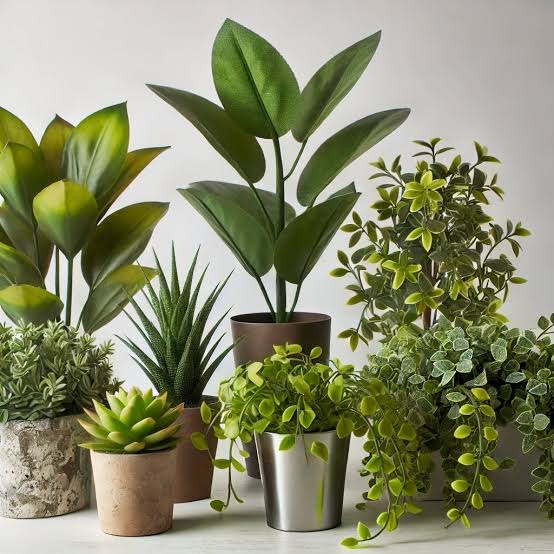
Faux and artificial plants belong to the same category. Commercial success depends on choosing the right specifications, construction, supplier, and product for each location.
Request Artificial Plant Recommendations for Your Project
Share your target style, quantity, height, application, budget, and delivery country. I will help you compare suitable materials, structures, packaging options, and commercial-grade plant styles.
Frequently Asked Questions About Faux Plants vs. Artificial Plants
1. Are faux plants and artificial plants the same?
Yes. Both terms usually describe manufactured plants that imitate natural plants. Product quality depends on materials and construction, not the name.
2. Does “faux” mean higher quality?
No. Suppliers often use “faux” as a marketing term. Buyers should check samples, materials, leaf details, trunks, pots, and packaging.
3. Which term should I use in my online store?
You can use both terms naturally. “Faux plants” often suits home décor customers, while “artificial plants” is clear for wholesale and commercial buyers.
4. What are the best faux plants for hotel interiors?
Artificial olive trees, palms, ficus trees, eucalyptus, ferns, succulents, and trailing greenery are common choices. The best option depends on the space.
5. Which artificial plants are suitable for busy public spaces?
Molded boxwood, snake plants, agave, succulents, and strong palms usually handle contact and cleaning better than delicate fabric plants.
6. Should I request samples before a bulk order?
Yes. A sample allows you to inspect realism, color, structure, pot stability, packaging, and appearance under the project’s actual lighting.
7. Can indoor artificial plants be used outdoors?
Standard indoor plants may fade, crack, or weaken outdoors. Buyers should select products designed and tested for the expected outdoor exposure.
8. How should commercial artificial plants be cleaned?
Staff members can use a soft brush, microfiber cloth, low-pressure cool air, or a light cleaning method approved for the product material.
9. Do artificial plants need flame-retardant testing?
Some commercial projects require it. Buyers should confirm the applicable local code or contract requirement before placing the order.
10. What information should I send when requesting a quotation?
You should provide product photos, sizes, quantities, application, delivery country, target budget, safety requirements, customization needs, and expected delivery date.
Footnotes
- Merriam-Webster, “Faux.” This dictionary entry explains the meaning and common use of the term “faux.” ↩
- U.S. Environmental Protection Agency, “Office Building Occupants’ Guide to Indoor Air Quality.” This guide provides broader context on ventilation, maintenance, pollutant sources, and building operation. ↩
- UL Solutions, “Safety, Innovation and Sustainability in the Built Environment.” This resource provides general background on safety considerations in commercial built environments. Local codes and project specifications should determine the final requirement. ↩