
Empty planters can make a space look unfinished. I have seen many rooms lose value because the flowers looked thin, loose, or hard to trust.
Artificial flowers in planter designs give homes and businesses long-lasting color, stable display, and low-maintenance beauty. They work well for hotels, shops, offices, weddings, restaurants, patios, and retail projects.

I like artificial flowers in planter projects because they solve a simple business problem. Real flowers are beautiful, but they need water, light, labor, and regular replacement. Many commercial buyers want a fresh look every day, but they do not want daily care. I have helped buyers choose planter designs for hotel entrances, wedding venues, office corners, outdoor storefronts, and retail shelves. The right planter can make artificial flowers look more natural, more expensive, and easier to sell.
In my work, I do not treat planters as simple containers. I treat them as part of the whole product. The planter gives weight. The filler gives support. The flower mix gives shape. The top layer gives realism. When these parts work together, artificial flowers in planter arrangements can look complete from the first glance.
Why Are Artificial Flowers in Planter Designs So Popular?
Loose artificial stems can look cheap when the base is exposed. I have seen buyers lose display value because they used beautiful flowers without the right planter.
Artificial flowers in planter designs are popular because they offer stable structure, realistic styling, easy placement, and better long-term cost control for homes and businesses.

I first understood the real value of artificial flowers in planter designs when a hotel buyer asked me for lobby flowers that would not wilt during a long holiday season. The hotel used fresh flowers before. The arrangement looked perfect on the first day. After several days, petals started falling, water needed changing, and staff had to keep checking the display. The buyer wanted a cleaner and more stable solution.
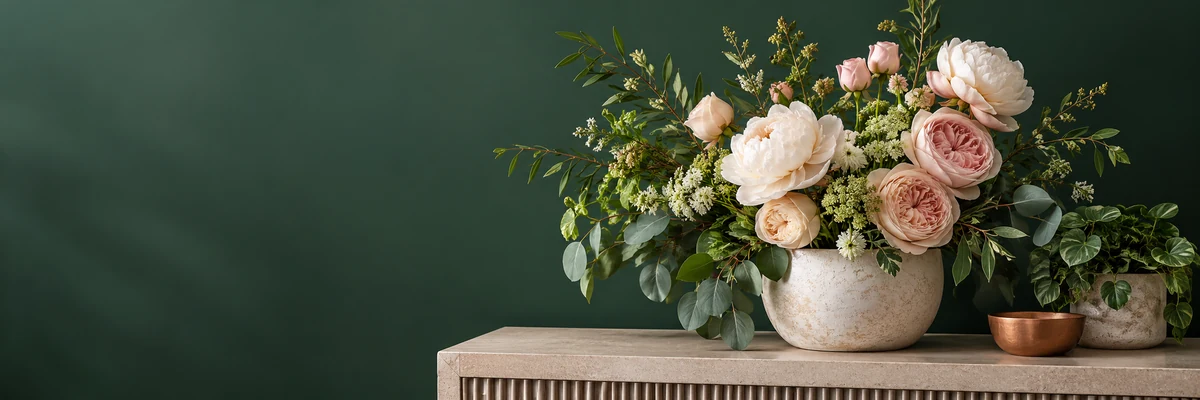
I suggested artificial hydrangeas and peonies in a wide ceramic planter with moss on top. I also adjusted the stem height so the flowers looked full from the front and sides. After installation, the hotel team told me that guests still asked whether the flowers were real. That was the result they wanted.
I Look at Stability, Labor, and Brand Image
I do not only look at color. I look at labor, display life, and brand image. Artificial flowers in planter products work well because the planter hides the technical parts. The foam, wire, filler, and stem base stay inside the container. The buyer only sees a finished arrangement.
This matters for B2B customers because they often need ready-to-display products. A wedding planner may not have time to build every arrangement on site. A hotel manager may not want staff to replace flowers every few days. A retail buyer may need products that look good on a shelf without extra work.
I also see strong demand from event companies. They need floral pieces that can be moved, stored, and reused. A planter arrangement can work at the entrance, beside the stage, near the aisle, or behind a photo area. One event client used the same planter set for a ceremony entrance first. Later, the team moved it to the dinner area. The design stayed consistent, and the client saved setup time.
For retail buyers, planters are easier to sell than loose stems. A finished product gives customers a complete idea. It reduces hesitation. It also helps stores display seasonal flowers without building every arrangement by hand.
You can also use planter styling with other support methods. I often recommend reading this guide on what to put at the bottom of a vase to support fake flowers when a buyer wants better stability.
What Are the Best Artificial Flowers in Planter Arrangements?
Some flowers look beautiful alone, but they do not always work well inside planters. I have seen soft stems fall flat when buyers choose only by color.
The best flowers for planter arrangements include hydrangeas, roses, peonies, tulips, lavender, orchids, geraniums, daisies, and mixed greenery because they create shape, height, and volume.

I once worked with a retail buyer who wanted a planter series for spring sales. The buyer first chose only small roses. The color was pretty, but the arrangement looked thin from a distance. I explained that planter design needs three layers. It needs main flowers, filler flowers, and greenery. The planter should look full from the top, front, and side.
We changed the design. I used hydrangeas as the base flower, roses as the focal flower, and eucalyptus as the soft filler. I added small lavender stems to create height. The final product looked richer and more natural. The buyer later used the same structure for a summer version with daisies and yellow roses.
I Choose Flowers by Structure Before Color
A good artificial flowers in planter design needs flowers with strong shape, natural color, and enough volume. I always check the flower head size before I check the color. Large flowers help fill space faster. Hydrangeas, peonies, and big roses are useful when the planter is wide. Small flowers work better as detail pieces. Lavender, baby’s breath, daisies, and small wildflowers can soften the edge.
I also check stem strength. A planter arrangement needs stems that can hold their direction. Weak stems make the top look messy. Wired stems are better because I can bend them into a natural shape. When I make samples for buyers, I often shake the planter gently. If the flower heads move too much, I know the inner support needs to be stronger.
For outdoor planters, I choose stronger plastic or UV-resistant materials. I avoid very thin silk flowers in direct sun unless the buyer accepts a shorter use time. For indoor planters, I can use softer silk, PU, or real-touch flowers because they are protected from rain and strong sunlight.
I also think about the buyer’s market. Wedding planners often like white, blush, champagne, and dusty pink. Hotels often prefer cream, green, burgundy, or soft luxury tones. Retail buyers may need brighter seasonal colors. For outdoor storefronts, red geraniums, yellow daisies, lavender, and mixed greenery usually work well.
For buyers who need outdoor displays, I recommend this related guide on how long artificial flowers last outside. It helps buyers understand material life before placing a bulk order.
What Indoor Artificial Flowers in Planter Ideas Work Best?
Indoor spaces can look cold when there is no soft detail. I have seen offices and showrooms feel empty even after expensive furniture was installed.
Indoor artificial flowers in planter designs work best in entryways, reception desks, shelves, dining areas, hotel rooms, office corners, and retail product displays.

A client from an interior design company once asked me for indoor planter ideas for a serviced apartment project. The rooms were modern, but the photos looked too plain. The client wanted decoration that would not need watering between guest stays. I suggested small orchid planters for bathrooms, low rose planters for coffee tables, and taller mixed greenery planters for entrance corners.
The client later told me that the rooms looked more complete in listing photos. This is one reason I like indoor planter designs. They help buyers improve the feeling of a space without adding daily work.
I Match Indoor Planters to Room Size and Use
Small rooms need compact planters. A small ceramic pot with tulips, roses, or orchids works well on a table, desk, or shelf. Large rooms need stronger visual weight. A tall planter with hydrangeas, peonies, and trailing greenery can help fill empty corners.
For homes, I like soft colors. Cream, blush, green, and light purple are easy to match. For office spaces, I prefer clean and calm colors. White orchids, green eucalyptus, and simple rose arrangements look professional. For restaurants, I often choose warmer colors because they create a welcoming mood.
I also care about planter material. Ceramic planters look premium. Cement-style planters look modern. Wicker baskets feel natural. Metal planters fit hotels, showrooms, and commercial interiors. Plastic planters can work well for budget projects, but the finish must look clean.
A good indoor artificial flowers in planter arrangement should not block movement. It should not be too tall on a dining table. It should not be too wide on a reception desk. I always ask where the buyer will place it before I suggest the height.
One office buyer once sent me photos of a reception desk with very little space. The buyer wanted a tall rose arrangement. I suggested a low planter with orchids and eucalyptus instead. The final display looked elegant, and it did not block the receptionist’s view. This small change made the product more practical for daily use.
For cleaning and long-term display care, buyers can also read this guide on how to clean artificial flower arrangements. Clean flowers always look more realistic.
What Outdoor Artificial Flowers in Planter Ideas Last Longer?
Outdoor planters can fade, fall over, or collect dust fast. I have seen buyers waste money because they used indoor flowers outside.
Outdoor artificial flowers in planter designs last longer when they use UV-resistant materials, heavier bases, drainage-friendly fillers, strong stems, and weather-suitable colors.

A restaurant owner once asked me for outdoor planter flowers for the front door. The old flowers faded quickly because they were placed under strong sun. The planter was also too light, so it moved during windy days. I suggested UV-resistant geraniums, lavender, and boxwood-style greenery. I also recommended a heavier planter base with foam fixed inside and decorative moss on top.
The front entrance looked fresh after installation. The owner liked that the display stayed colorful without watering or replacing plants every week. This kind of project shows why outdoor planter designs need more planning than indoor ones.
I Always Check Sunlight, Wind, and Rain First
Outdoor planter design starts with location. A shaded patio is different from a sunny storefront. A balcony is different from a hotel driveway. If the space has strong sun, I use UV-protected flowers and avoid colors that fade faster. Bright red and deep purple can look beautiful, but they may need better material support in direct sunlight.
Wind is another issue. Tall stems look elegant, but they may shake if the base is weak. I often use lower flowers and dense greenery for windy areas. I also suggest heavier fillers such as gravel, sand, or cement depending on the planter size.
Rain is also important. Outdoor planters should not hold too much water around the flower base. I like to use fillers that keep stems stable but do not create a dirty, wet look. Moss, bark, and pebbles can make the top layer more natural.
Outdoor artificial flowers in planter products are useful for storefronts, restaurants, hotels, shopping centers, and event venues. These buyers need color that stays visible from a distance. Geraniums, daisies, lavender, sunflowers, and mixed greenery often perform well.
For more outdoor installation details, buyers can read how to fill an outdoor planter with artificial flowers. I use this method when clients need stable and repeatable planter production.
For extra outdoor care knowledge, I also suggest checking the Royal Horticultural Society container gardening guide for general planter placement ideas and the EPA WaterSense resources when a project wants lower water use.
How Do Businesses Use Artificial Flowers in Planter Products?
Business spaces need beauty, but they also need control. I have seen many buyers choose planters because they reduce labor, waste, and display risk.
Businesses use artificial flowers in planter products for hotels, weddings, offices, retail stores, restaurants, showrooms, events, malls, and seasonal visual merchandising.

A wedding planner once ordered planter arrangements for a weekend event package. The client needed flowers for the ceremony aisle, welcome sign, photo corner, and reception entrance. Fresh flowers were over budget. They also had transport risk. I suggested matching artificial flower planters in different heights. The same flowers could move from the ceremony area to the dinner entrance after the first part of the event.
The planner saved labor and kept the design consistent. The client received a premium look, and the planner could reuse the planters for future events. This is why many event businesses like ready-made artificial flowers in planter designs.
I Design Business Planters for Repeat Use
B2B buyers care about more than beauty. They care about packing, storage, replacement, cost, and customer experience. A planter that looks good but breaks during shipping is not a good product. A planter that looks good but cannot be cleaned is also not practical.
For hotels, I usually suggest neutral and premium colors. White orchids, cream roses, green hydrangeas, and soft eucalyptus work well in many interiors. For restaurants, I may choose warmer flowers near the entrance and smaller table planters inside. For retail stores, I focus on strong shelf appeal. The product must look good in photos and in real display.
For malls and showrooms, large artificial flower planters help create photo spots. Customers like taking pictures near floral displays. This can support brand sharing on social media. For offices, planters help soften meeting rooms, reception areas, and corridors.
Customization is very important for business buyers. I often adjust planter size, flower color, logo tag, packaging, carton strength, and display style. A buyer may need one design for Amazon, another for a hotel project, and another for wholesale display. I treat each order as a business tool, not just a decoration item.
For shipping preparation, buyers can also read how to pack artificial flowers for shipping. Good packaging protects the planter, the flower shape, and the customer experience.
Need Custom Artificial Flowers in Planter Designs for Your Next Project?
I help wholesalers, event companies, hotels, retailers, and interior designers create stable, realistic, and ready-to-display planter arrangements.
Conclusion
Artificial flowers in planter designs help homes and businesses create lasting beauty, better displays, lower maintenance, and stronger value from every décor project.
FAQ
1. Are artificial flowers in planter designs suitable for wholesale orders?
Yes. They are suitable for wholesalers because they can be produced in repeatable sizes, colors, styles, and packaging standards.
2. Can I customize the planter, flower color, and arrangement size?
Yes. I can customize the planter material, flower type, color theme, height, width, packaging, and seasonal style based on your order needs.
3. Are artificial flower planters good for hotels?
Yes. Hotels use them in lobbies, rooms, corridors, restaurants, and event halls because they look fresh without daily maintenance.
4. Can artificial flowers in planter designs be used outdoors?
Yes. They can be used outdoors if the flowers, stems, fillers, and planter base are suitable for sunlight, wind, and rain exposure.
5. What flowers look best in planters?
Hydrangeas, roses, peonies, tulips, orchids, lavender, geraniums, daisies, and mixed greenery usually look full and natural in planters.
6. How do I make artificial flowers in planter arrangements look real?
I use layered flowers, realistic greenery, hidden foam, natural moss, correct stem angles, and planter sizes that match the display space.
7. Are planter arrangements better than loose artificial stems?
Yes, for many B2B buyers. Planter arrangements are easier to display, easier to sell, and easier for end customers to use immediately.
8. How should artificial flower planters be packed for shipping?
They should be fixed inside the carton, protected around the flower heads, supported at the planter base, and packed to prevent movement.
9. Can I order different planter styles for different seasons?
Yes. Spring, summer, fall, Christmas, wedding, hotel, and retail display collections can all use different flower colors and planter styles.
10. What is the best way to start an artificial flowers in planter project?
The best way is to share your target use, size, color direction, order quantity, market, and packing needs. I can then suggest suitable options.
Footnotes
- Artificial flower planters are often used in commercial spaces because they reduce daily watering, replacement, and cleaning work while keeping a stable visual display.
- Outdoor performance depends on material quality, UV exposure, rain, wind, local climate, and installation location. UV-resistant materials usually perform better for long-term outdoor display.
- For B2B orders, planter packing should protect the pot, flower heads, stems, top filler, and carton shape during long-distance shipping.