
Restaurant
Flower Centerpieces: How to Create a Fresh Dining Atmosphere With Faux
Flowers?
A dining table can look flat fast. Fresh flowers help, but cost,
labor, and short life can make restaurant décor hard to control.
Restaurant flower centerpieces help restaurants create a
fresh dining atmosphere without daily flower replacement. With
high-quality faux flowers, Botanic Blossoms can help you support dining
tables, reception areas, walls, and seasonal displays with stable
beauty, lower maintenance, and easier wholesale planning.
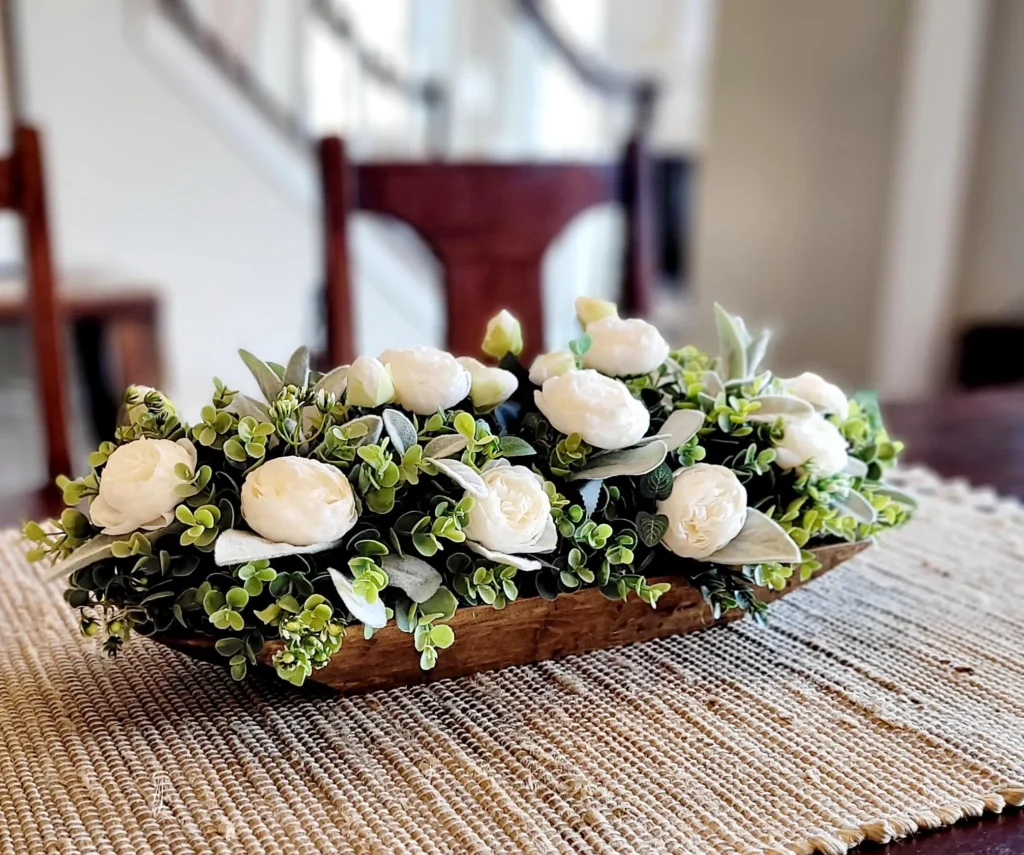
Suitable Scene: Restaurant dining tables, hotel
restaurants, café tables, private dining rooms, and event dining
setups.
Many restaurant owners want the same thing. They want guests to feel
the space is clean, warm, and worth photographing. But they also need
decoration that can survive busy service hours. Your team may love fresh
flowers, but weekly replacement cost, cleaning time, and flower waste
can quickly become a burden. This is why restaurant flower centerpieces
work best as a long-term décor system, not just a table item.1
For restaurants, the right faux flowers can support brand style,
guest experience, and daily operation. A table centerpiece should not
block conversation. A reception arrangement should look full from the
front. A wall flower design should stay stable after many guests take
photos near it. For a stronger commercial result, the full space should
be reviewed first, then each product can be matched by placement and
function.
You can also read more related guides from Botanic Blossoms, such as
Artificial
Flowers for Restaurants, Wholesale
Artificial Flowers China, and How to
Clean Silk Flowers. These articles can help you build a more
complete buying plan.
Why
Do Restaurants Choose Faux Flower Centerpieces for Dining Tables?
Restaurant tables need beauty, but they also need control. Fresh
flowers look lovely, but they can wilt, drop petals, smell strong, or
need daily care.
Restaurants choose faux flower centerpieces because they keep
tables fresh-looking for longer. They help you reduce daily replacement,
keep a stable visual style, and prepare décor in bulk for different
dining areas.
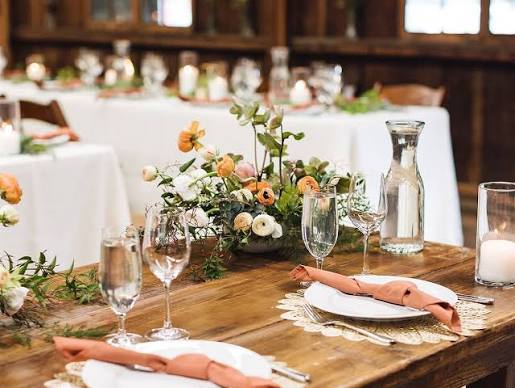
Suitable Scene: Casual dining tables, fine dining
tables, buffet tables, bar tables, and outdoor covered dining areas.
Faux
centerpieces solve a real daily operation problem
For restaurant buyers, the first problem is not always price. The
first problem is control. A restaurant may have 20, 50, or 100 tables.
If every table needs fresh flowers, the team must buy flowers, trim
stems, change water, remove old petals, and clean the vase. This sounds
simple, but it becomes a daily task. In a busy restaurant, even small
tasks can become pressure.
In one buyer project, a décor supplier needed support for several
dining spaces. The buyer found that fresh flowers looked good on the
first day, but the same table looked weak after two or three days. The
team wanted a consistent look, especially for weekend bookings and
private events. A compact restaurant flower centerpiece solution with
silk flowers and soft greenery solved the problem. The height was kept
low, so guests could talk across the table. The base was weighted, so
the centerpiece did not move easily during service.
This kind of solution works well because it respects both beauty and
workflow. A table centerpiece should support the guest experience, not
create more work for the staff. Cleaning also matters. Smooth leaves,
removable stems, and simple vase shapes are easier for the restaurant
team to handle. If the restaurant serves families or has high table
turnover, stronger stems and tighter arrangements are safer choices.
What
You Should Check Before Choosing a Table Centerpiece
Before choosing a design, you should check several simple points. Is
the table small or large? Does the restaurant serve shared dishes? Is
the lighting warm or bright? Does the table need space for menus,
plates, wine glasses, and candles? Does your project need the same
centerpiece for all tables, or do you need different sizes?
For B2B buyers, this matters because bulk orders must be easy to
repeat. One beautiful sample is not enough. The restaurant needs a
design that can be produced in the same color, same size, and same
fullness. That is why stable flower types are usually safer for
restaurant flower centerpieces. Roses, peonies, hydrangeas, orchids,
eucalyptus, olive leaves, and small wildflowers all work well when the
quality is right.
You can also check general restaurant industry resources from the National Restaurant Association and
hospitality trend articles from Hospitality Net when planning
commercial dining concepts. These resources can help you understand how
restaurants think about guest experience, not only product
appearance.
What
Are the Best Restaurant Flower Centerpieces for Tables, Reception Areas,
and Walls?
A restaurant needs more than one flower style. Dining tables need low
pieces, reception areas need stronger first impressions, and walls need
larger visual impact.
The best restaurant flower centerpieces depend on placement.
You usually need low table arrangements, full reception pieces, and
floral wall accents that match the brand style and guest photo
needs.
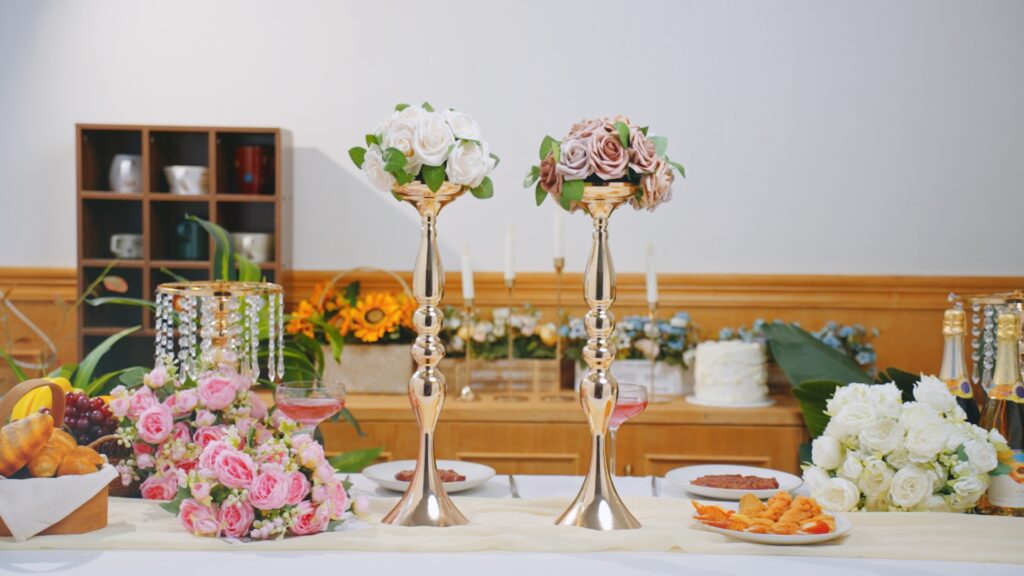
Suitable Scene: Table décor, host stand, reception
counter, waiting area, flower wall, photo corner, and private event
area.
Each area needs a
different design rule
You should not use the same rule for every place in a restaurant. A
table centerpiece should be low and stable. A reception centerpiece
should look full and impressive from the front. A wall arrangement
should create a strong memory. If a buyer uses the same small table
flowers everywhere, the whole space may look weak. If a buyer uses large
flowers on dining tables, guests may feel blocked.
In one service project, a restaurant buyer wanted only one product
for the whole shop. The buyer planned to place the same floral
arrangement on tables, the reception desk, and a small photo wall. One
design could not solve all these needs well, so three matching pieces
were a better choice. The dining table piece used a low ceramic pot with
soft white flowers and greenery. The reception piece used a taller shape
with orchids and trailing leaves. The wall piece used larger flower
heads and fuller greenery, so it looked good in photos.
This helped the buyer keep one clear brand style while using
different product structures. The color stayed consistent. The flower
types stayed similar. But the size and shape changed based on placement.
This is how restaurant flower centerpieces should be built for
commercial spaces.
Dining table centerpieces
For dining tables, low arrangements usually work best. The ideal
design should not block eye contact. It should also leave enough room
for plates and drinks. Compact round designs, small rectangular boxes,
mini vase arrangements, or narrow floral runners work well for longer
tables. For restaurants with candlelight, soft white, champagne, blush,
or green tones can look warm and clean under low light.
Reception area centerpieces
The reception area is different. This is where guests first see the
restaurant. Fuller flowers work well here. Orchids, roses, hydrangeas,
and tall greenery can create a stronger first impression. If the
restaurant has a luxury style, cleaner shapes and fewer colors are
better. If the restaurant is more casual, warmer colors and more natural
greenery can work well.
Wall and photo area flowers
Many restaurants now care about photo corners. A floral wall,
greenery wall, or corner arrangement can help guests take photos. This
gives the restaurant more social exposure. For this area, you should
choose stronger materials, secure back structures, and flowers that look
full from a distance. If the wall is near sunlight, UV-resistant
artificial greenery should be considered.2 You
can read more in this related guide: Best
Fake Plants for Outdoors UV Guide.
How
Can You Match Restaurant Flower Centerpieces With Different Dining
Styles?
A good centerpiece should match the restaurant style. If the flowers
look random, the dining space can feel messy instead of fresh.
You can match restaurant flower centerpieces by reading the
dining style first. Modern restaurants need clean shapes, rustic spaces
need natural textures, and luxury restaurants need controlled colors and
premium materials.
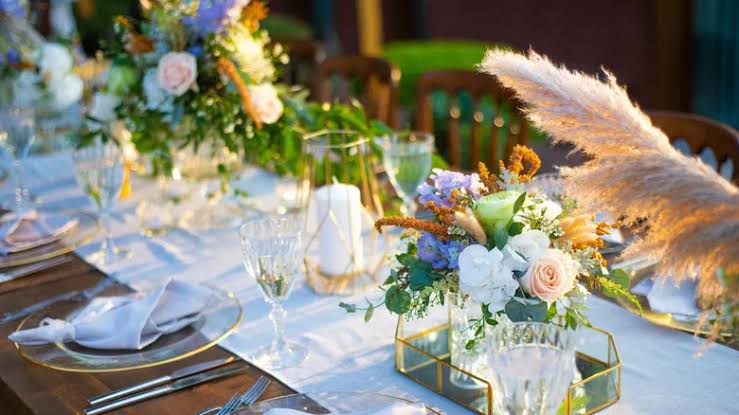
Suitable Scene: Modern restaurants, rustic cafés,
luxury dining rooms, Japanese restaurants, garden restaurants, and
wedding banquet restaurants.
Style
matching makes the flowers feel more expensive
When choosing restaurant flower centerpieces, you should never select
flowers only because they look beautiful in a product photo. A
restaurant has lighting, furniture, wall color, tableware, menu style,
and customer type. The centerpiece must fit into that full picture. If
the restaurant has dark wood tables and warm lighting, cold white
flowers may look too sharp. If the space is modern and clean, too many
mixed flowers may look cheap.
In one modern café project, the first idea was a colorful mixed
bouquet. It looked nice alone, but it did not match the café’s black
metal chairs, light wood tables, and cream walls. A cleaner arrangement
with white flowers, small green leaves, and a simple vase created a
better result. The buyer liked it because the flowers did not fight with
the space. They made the café feel fresh, but still calm.
For a rustic restaurant, olive branches, eucalyptus, wildflowers,
lavender, and soft cream flowers usually work well. These materials look
natural and easy. For a luxury restaurant, orchids, roses, peonies, and
structured greenery are stronger choices. The color palette should stay
simple. White, ivory, champagne, burgundy, deep green, and gold details
can work well. For a Japanese or Asian dining space, cherry blossom,
bamboo leaves, white orchids, or simple ikebana-inspired shapes may be
suitable.
Think About
the Buyer’s Customer, Not Only the Buyer
A B2B buyer may be a restaurant owner, an interior designer, an event
company, or a décor wholesaler. Each one has a different goal. A
restaurant owner wants a finished look with low maintenance. An interior
designer wants the flowers to match the full space. An event company
wants pieces that can be moved and reused. A wholesaler wants products
that can sell to many restaurants.
This is why a small product series often works better than one single
centerpiece. The series may include a mini table arrangement, a medium
reception arrangement, a long table runner, and a wall or corner floral
piece. This makes the buyer’s offer more professional. It also helps the
restaurant keep a consistent look.
Material touch also matters. In a close dining area, guests may sit
very near the flowers. Cheap plastic can hurt the feeling of the whole
space. Better silk flowers, Real Touch flowers, and well-shaped greenery
make a big difference. For high-end restaurants, fewer flowers with
better texture often look more premium than many low-quality flowers.
This choice often gives a cleaner and more trusted result.
How
Do Faux Flower Centerpieces Help Restaurants Reduce Maintenance
Costs?
Fresh flowers need constant care. Restaurants already have enough
daily work, so decoration should not add more pressure.
Faux flower centerpieces help restaurants reduce maintenance
costs by lowering replacement frequency, cleaning time, water use, and
daily flower waste. Botanic Blossoms can support stable bulk décor that
stays ready for service.
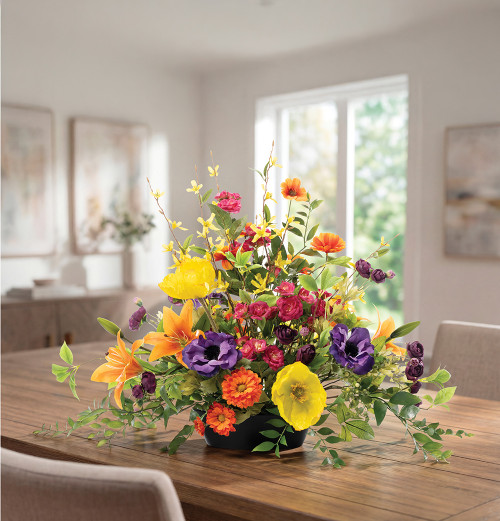
Suitable Scene: High-turnover restaurants, hotel
breakfast areas, banquet halls, café chains, franchise restaurants, and
event dining spaces.
Cost is not only the product
price
Many buyers compare fresh flowers and faux flowers only by the first
purchase price. This comparison is too simple. A restaurant should also
count replacement cost, labor time, delivery time, waste handling, and
the risk of a bad-looking table during service. If a fresh flower
arrangement looks tired during a busy dinner, the guest does not care
that it looked good in the morning.
In a repeated-event project, a restaurant-related buyer needed
centerpieces for multiple setups. The buyer first used fresh flowers
because the photos looked beautiful. But after several events, the team
found the cost hard to control. The team also spent time collecting
vases, removing old flowers, and resetting tables. Faux restaurant
flower centerpieces with removable parts gave the buyer a reusable
solution. The buyer could store them after use, clean them, and reuse
them for the next event.
The main benefit was not only saving money. The bigger benefit was
planning. The buyer knew exactly how many pieces were available. The
buyer could prepare the event space earlier. The team did not need to
wait for fresh flower delivery on the same day. This reduced stress.
Maintenance
should be simple for the restaurant team
For restaurant use, simple designs that are easy to clean are usually
better. Dust is normal in commercial spaces. A good faux centerpiece
should allow quick cleaning with a soft cloth, gentle air, or light
wiping. You can also read the Botanic Blossoms guide on How to
Clean Silk Flowers if you want a simple care method for staff
training.
Storage also matters. Some flowers look beautiful but crush easily.
This is a problem for event restaurants and banquet spaces. Flexible
stems, strong flower heads, and protective packaging can help protect
the arrangement during shipping and storage. If the buyer needs seasonal
changes, a neutral greenery base with replaceable flower colors may be a
better solution. This lets the restaurant change from spring to
Christmas without buying a completely new set.
For outdoor covered dining, stronger greenery and more durable
materials are better choices. If the area gets direct sun, UV-resistant
options may be better. For fire-sensitive spaces, the buyer can ask
about fire-retardant material options. Restaurants should always follow
local safety rules and venue requirements. External references like UL Solutions and local safety authorities
can help buyers understand product safety standards in commercial
spaces.
How
Should You Buy Restaurant Flower Centerpieces Wholesale?
Buying wholesale is not just choosing pretty flowers. Buyers need the
right size, material, packaging, sample process, and supplier
communication.
To buy restaurant flower centerpieces wholesale, you should
start with space photos, table size, style direction, quantity, budget,
and packaging needs. A good supplier should help you sample fast and
control consistency.
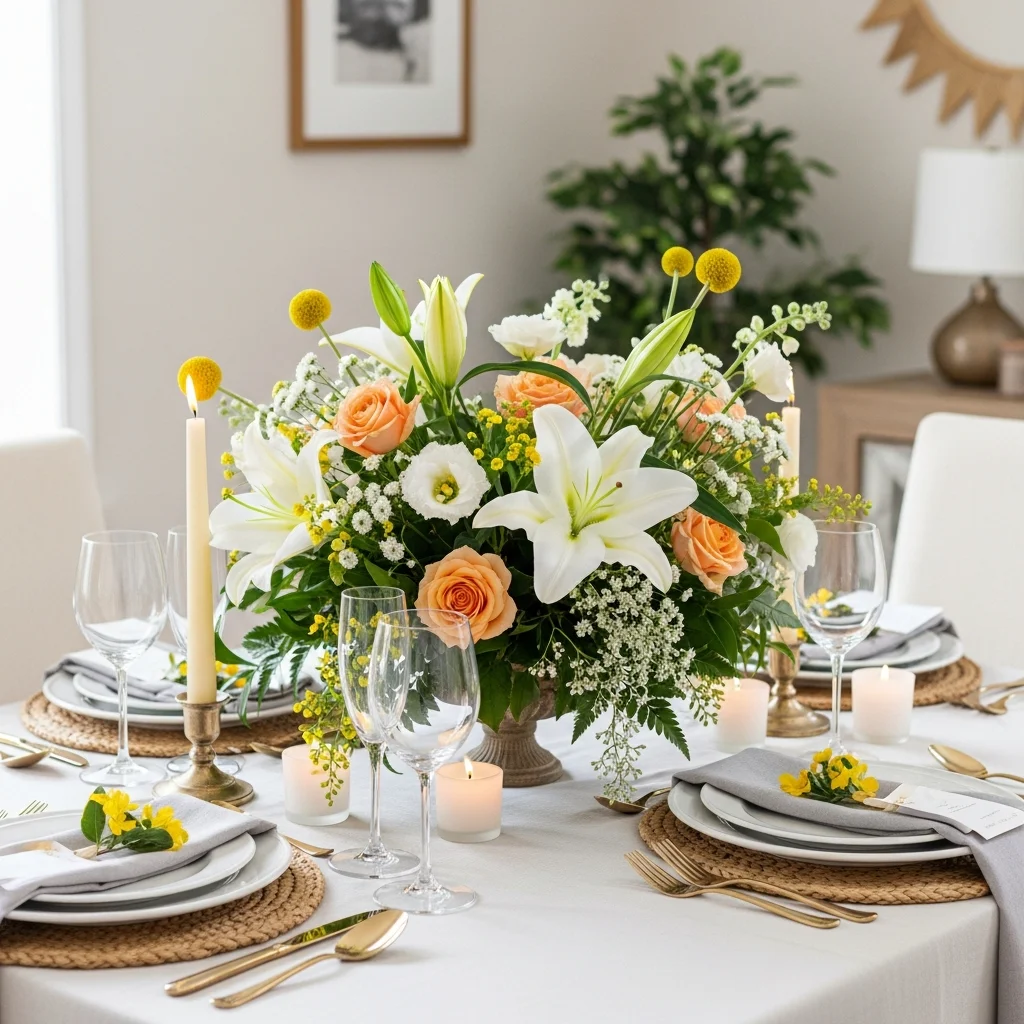
Suitable Scene: Restaurant chains, décor
wholesalers, event rental companies, hotel procurement teams, interior
design studios, and B2B importers.
Buy the Whole
Solution, Not Only the Flower
When a buyer requests restaurant flower centerpieces wholesale, the
best supplier should not rush to quote one flower bunch. The space
should be understood first. Useful details include table size,
restaurant photos, target style, color direction, quantity, and final
use. If the buyer only sends one product picture and asks for price, a
supplier can quote it. But the result may not be the best. A restaurant
project needs more thinking.
In one project, a buyer wanted a low-cost centerpiece for a group of
dining tables. The buyer sent one photo from the internet. The design
looked full, but it used too many flowers and was too tall for real
dining use. A lower arrangement with fewer large flowers and more soft
greenery became the better option. The total look stayed full, but the
cost became easier to control. The buyer also saved table space. This is
the kind of service value that matters because the buyer did not just
get a product. The buyer got a more practical solution.
What You
Should Check Before Placing a Bulk Order
You should start with one or two samples.3 The
sample should test size, fullness, color, vase weight, flower touch, and
packaging. A photo is useful, but a real sample tells more. After the
buyer confirms the sample, the supplier should keep the production
standard clear. For bulk orders, color consistency, flower head shape,
stem length, base weight, carton packing, and label needs should all be
checked carefully.
For restaurant chains, a standard product sheet is useful. This sheet
should include size, materials, flower color, vase type, packing method,
and photos from different angles. This helps every branch use the same
décor standard. For wholesalers, several price levels can make the offer
stronger. A basic series can serve cafés and casual dining. A premium
series can serve hotels, fine dining, and wedding restaurants.
How
Botanic Blossoms can support your wholesale order
Botanic Blossoms focuses on B2B needs. You can get support for custom
color matching, sample development, bulk production, private label,
packaging suggestions, and product series planning. Restaurant buyers
care about delivery time and communication. A good supplier should reply
clearly, solve problems fast, and help the buyer avoid mistakes before
production.
If you need a wider supplier guide, you can read Artificial
Flowers Supplier and Wholesale
Artificial Flowers China. These pages explain how to choose a
reliable artificial flower supplier for commercial projects.
Need Restaurant Flower Centerpieces for Your Next Project?
Botanic Blossoms can help you build table, reception, wall, and seasonal
faux flower solutions for restaurant and hospitality buyers.
Conclusion
Restaurant flower centerpieces help restaurants keep tables fresh,
reduce care work, and build a stronger dining atmosphere with stable
faux floral décor.
FAQ
1. What are restaurant
flower centerpieces?
Restaurant flower centerpieces are floral arrangements placed on
dining tables, reception counters, buffet tables, or event tables to
improve the dining atmosphere.
2.
Are faux restaurant flower centerpieces suitable for fine dining?
Yes. High-quality faux flowers can work well in fine dining when the
design uses premium materials, clean colors, and a low, elegant
shape.
3. What size
should a restaurant table centerpiece be?
Most dining table centerpieces should be low and compact. The design
should not block guest conversation or reduce space for food and
drinks.
4. Can
you customize restaurant flower centerpieces in bulk?
Yes. You can request custom colors, flower types, vase styles, size
changes, packaging, and private label support for B2B wholesale
orders.
5. What
flowers work best for restaurant centerpieces?
Roses, orchids, peonies, hydrangeas, eucalyptus, olive leaves, and
small wildflowers are popular because they can match many dining
styles.
6. Are faux
flowers easy to clean in restaurants?
Yes. Most faux flowers can be cleaned with a soft cloth, gentle air,
or light wiping. Simple designs are easier for staff to maintain.
7. Can
restaurant flower centerpieces be reused for events?
Yes. Many event restaurants and banquet halls reuse faux centerpieces
for weddings, private dinners, seasonal events, and photo areas.
8.
How should you choose colors for restaurant flower centerpieces?
You should match the wall color, tableware, lighting, and brand
style. White, ivory, green, blush, and champagne are safe choices for
many restaurants.
9. Should you
order samples before buying wholesale?
Yes. Samples help you check size, color, flower touch, vase weight,
and packaging before confirming a bulk restaurant project.
10.
Why should you buy restaurant flower centerpieces from Botanic
Blossoms?
Botanic Blossoms supports B2B buyers with fast sampling,
customization, bulk production, stable quality control, and practical
communication for commercial décor projects.
Notes
-
For restaurant projects, the actual maintenance benefit
depends on table count, daily turnover, staff cleaning process, storage
method, and how often the restaurant changes seasonal décor.↩︎ -
UV-resistant or fire-retardant material choices should
be confirmed according to the real installation area, local safety
rules, and venue requirements before bulk production.↩︎ -
For wholesale orders, sample approval should confirm
size, color, material touch, vase stability, packaging, and production
consistency before mass production starts.↩︎